
Union Pacific (UNP)
Market Price (9/11/2026): $288.25 | Market Cap: $171.0 BilInvestor Relations Sector: Industrials | Industry: Rail Transportation
Union Pacific (UNP)
Market Price (9/11/2026): $288.25Market Cap: $171.0 BilSector: IndustrialsIndustry: Rail Transportation
Investment Highlights Why It Matters Detailed financial logic regarding cash flow yields vs trend-riding momentum.
Attractive yieldTotal YieldTotal Yield = Earnings Yield + Dividend Yield, Earnings Yield = Net Income / Market Cap Dividend Yield = Total Dividends / Market Cap is 6.3% Attractive operating marginsOp Mgn LTMOperating Margin = Operating Income / Revenue Reflects profitability before taxes and before impact of capital structure (interest payments). is 40% Attractive cash flow generationCFO/Rev LTMCash Flow from Operations / Revenue (Sales), Last Twelve Months (LTM) is 40%, FCF/Rev LTMFree Cash Flow / Revenue (Sales), Last Twelve Months (LTM) is 26%, CFO LTM is 10 Bil, FCF LTM is 6.5 Bil Stock buyback supportStock Buyback 3Y Total is 4.2 Bil Low stock price volatilityVol 12M is 22% Megatrend and thematic driversMegatrends include Future of Freight, E-commerce Logistics & Data Centers, Automation & Robotics, E-commerce & DTC Adoption, Show more. | Weak multi-year price returns2Y Excs Rtn is -19%, 3Y Excs Rtn is -27% Meaningful short interestShort Interest Days-to-CoverDTC = (Short Interest Share Quantity) / (Average Daily Trading Volume). Reflects how many days it would take to cover (close out) the short interest based on average volumes. High DTC can signify an increased risk of a short squeeze. is 11.74 | Weak revenue growthRev Chg 3Y AvgRevenue Change % averaged over trailing 3 years is 0.9% Key risksUNP key risks include [1] the ongoing decline in coal transportation demand and [2] volatility in international intermodal volumes, Show more. |
| Attractive yieldTotal YieldTotal Yield = Earnings Yield + Dividend Yield, Earnings Yield = Net Income / Market Cap Dividend Yield = Total Dividends / Market Cap is 6.3% |
| Attractive operating marginsOp Mgn LTMOperating Margin = Operating Income / Revenue Reflects profitability before taxes and before impact of capital structure (interest payments). is 40% |
| Attractive cash flow generationCFO/Rev LTMCash Flow from Operations / Revenue (Sales), Last Twelve Months (LTM) is 40%, FCF/Rev LTMFree Cash Flow / Revenue (Sales), Last Twelve Months (LTM) is 26%, CFO LTM is 10 Bil, FCF LTM is 6.5 Bil |
| Stock buyback supportStock Buyback 3Y Total is 4.2 Bil |
| Low stock price volatilityVol 12M is 22% |
| Megatrend and thematic driversMegatrends include Future of Freight, E-commerce Logistics & Data Centers, Automation & Robotics, E-commerce & DTC Adoption, Show more. |
| Weak multi-year price returns2Y Excs Rtn is -19%, 3Y Excs Rtn is -27% |
| Meaningful short interestShort Interest Days-to-CoverDTC = (Short Interest Share Quantity) / (Average Daily Trading Volume). Reflects how many days it would take to cover (close out) the short interest based on average volumes. High DTC can signify an increased risk of a short squeeze. is 11.74 |
| Weak revenue growthRev Chg 3Y AvgRevenue Change % averaged over trailing 3 years is 0.9% |
| Key risksUNP key risks include [1] the ongoing decline in coal transportation demand and [2] volatility in international intermodal volumes, Show more. |
Qualitative Assessment
AI Analysis | Feedback
Union Pacific (UNP) stock has gained about 10% since 5/31/2026 because of the following key factors:
1. Strong Fiscal Q2 2026 Earnings Beat and Raised Full-Year Outlook.
Union Pacific reported robust financial results for fiscal Q2 2026 (ended June 30, 2026) on July 23, 2026, significantly exceeding analyst expectations. Adjusted diluted earnings per share (EPS) of $3.41 surpassed the consensus estimate of $3.19 by 6.9%. Operating revenue climbed 12% year-over-year to a record $6.9 billion, beating forecasts of $6.65 billion by 3.8%. The company also demonstrated improved operational efficiency, with its adjusted operating ratio at 59.2%, a 10 basis point improvement after adjusting for one-time items, and achieved 2% volume growth. Following this strong performance, management raised its full-year EPS growth guidance to the high single-digit range.
2. Advancement and Positive Outlook for the Proposed Norfolk Southern Merger.
The Surface Transportation Board (STB) officially commenced its 12-month statutory review of Union Pacific's proposed merger with Norfolk Southern on May 28, 2026, accepting the application and moving the process into its merits phase. Union Pacific and Norfolk Southern have reinforced their application by offering expanded customer protections and assurances, including an Open Gateway Commitment and new competitive access rights for Canadian National. Management remains confident that the merger, projected to close in fiscal Q3 or Q4 2027, will deliver substantial benefits, including approximately $1 billion in annual operating savings, $3.5 billion in annual shipper savings, and the diversion of 2.1 million truckloads annually from highways.
Show more
Union Pacific (UNP) stock has gained about 10% since 5/31/2026 because of the following key factors:
1. Strong Fiscal Q2 2026 Earnings Beat and Raised Full-Year Outlook.
Union Pacific reported robust financial results for fiscal Q2 2026 (ended June 30, 2026) on July 23, 2026, significantly exceeding analyst expectations. Adjusted diluted earnings per share (EPS) of $3.41 surpassed the consensus estimate of $3.19 by 6.9%. Operating revenue climbed 12% year-over-year to a record $6.9 billion, beating forecasts of $6.65 billion by 3.8%. The company also demonstrated improved operational efficiency, with its adjusted operating ratio at 59.2%, a 10 basis point improvement after adjusting for one-time items, and achieved 2% volume growth. Following this strong performance, management raised its full-year EPS growth guidance to the high single-digit range.
2. Advancement and Positive Outlook for the Proposed Norfolk Southern Merger.
The Surface Transportation Board (STB) officially commenced its 12-month statutory review of Union Pacific's proposed merger with Norfolk Southern on May 28, 2026, accepting the application and moving the process into its merits phase. Union Pacific and Norfolk Southern have reinforced their application by offering expanded customer protections and assurances, including an Open Gateway Commitment and new competitive access rights for Canadian National. Management remains confident that the merger, projected to close in fiscal Q3 or Q4 2027, will deliver substantial benefits, including approximately $1 billion in annual operating savings, $3.5 billion in annual shipper savings, and the diversion of 2.1 million truckloads annually from highways.
3. Favorable Macroeconomic Trends Bolstering Rail Freight Demand.
The broader economic environment provided a significant tailwind for the rail industry during the period. U.S. rail traffic demonstrated consistent growth, with total carloads increasing year-over-year for the seventh consecutive month through July 2026, leading to a 2.7% year-to-date increase (and 4.3% excluding coal). Intermodal volume set new records in June and July 2026, positioning 2026 to be the best year in intermodal history, driven by strong consumer demand, elevated trucking costs due to higher diesel prices, and fewer available drivers. Additionally, U.S. manufacturing activity accelerated, with the Manufacturing PMI® reaching 55.7% in July 2026, its highest level in over four years, which positively impacts rail volumes given the close link between factory output and rail freight.
4. Quarterly Dividend Increase Signals Confidence in Financial Health.
Further demonstrating financial strength and commitment to shareholder returns, Union Pacific's Board of Directors declared a 3% increase in its quarterly dividend. The dividend was raised to $1.42 per share, payable on September 30, 2026, to shareholders of record on August 31, 2026. This marks Union Pacific's 127th consecutive year of paying dividends on its common stock, reinforcing investor confidence in the company's sustained profitability and cash generation capabilities.
Show less
Stock Movement Drivers
Fundamental Drivers
The 9.3% change in UNP stock from 5/31/2026 to 9/10/2026 was primarily driven by a 7.6% change in the company's P/E Multiple.| (LTM values as of) | 5312026 | 9102026 | Change |
|---|---|---|---|
| Stock Price ($) | 261.43 | 285.78 | 9.3% |
| Change Contribution By: | |||
| Total Revenues ($ Mil) | 24,700 | 25,410 | 2.9% |
| Net Income Margin (%) | 29.2% | 28.8% | -1.2% |
| P/E Multiple | 21.5 | 23.1 | 7.6% |
| Shares Outstanding (Mil) | 593 | 593 | -0.1% |
| Cumulative Contribution | 9.3% |
Market Drivers
5/31/2026 to 9/10/2026| Return | Correlation | |
|---|---|---|
| UNP | 9.3% | |
| Market (SPY) | 0.2% | -3.3% |
| Sector (XLI) | -1.5% | 29.4% |
Fundamental Drivers
The 8.9% change in UNP stock from 2/28/2026 to 9/10/2026 was primarily driven by a 6.2% change in the company's P/E Multiple.| (LTM values as of) | 2282026 | 9102026 | Change |
|---|---|---|---|
| Stock Price ($) | 262.39 | 285.78 | 8.9% |
| Change Contribution By: | |||
| Total Revenues ($ Mil) | 24,510 | 25,410 | 3.7% |
| Net Income Margin (%) | 29.1% | 28.8% | -0.9% |
| P/E Multiple | 21.8 | 23.1 | 6.2% |
| Shares Outstanding (Mil) | 593 | 593 | -0.1% |
| Cumulative Contribution | 8.9% |
Market Drivers
2/28/2026 to 9/10/2026| Return | Correlation | |
|---|---|---|
| UNP | 8.9% | |
| Market (SPY) | 10.8% | 10.2% |
| Sector (XLI) | -3.4% | 41.0% |
Fundamental Drivers
The 30.5% change in UNP stock from 8/31/2025 to 9/10/2026 was primarily driven by a 23.3% change in the company's P/E Multiple.| (LTM values as of) | 8312025 | 9102026 | Change |
|---|---|---|---|
| Stock Price ($) | 218.96 | 285.78 | 30.5% |
| Change Contribution By: | |||
| Total Revenues ($ Mil) | 24,393 | 25,410 | 4.2% |
| Net Income Margin (%) | 28.4% | 28.8% | 1.5% |
| P/E Multiple | 18.8 | 23.1 | 23.3% |
| Shares Outstanding (Mil) | 594 | 593 | 0.1% |
| Cumulative Contribution | 30.5% |
Market Drivers
8/31/2025 to 9/10/2026| Return | Correlation | |
|---|---|---|
| UNP | 30.5% | |
| Market (SPY) | 18.5% | 15.6% |
| Sector (XLI) | 13.4% | 43.6% |
Fundamental Drivers
The 38.4% change in UNP stock from 8/31/2023 to 9/10/2026 was primarily driven by a 23.9% change in the company's P/E Multiple.| (LTM values as of) | 8312023 | 9102026 | Change |
|---|---|---|---|
| Stock Price ($) | 206.46 | 285.78 | 38.4% |
| Change Contribution By: | |||
| Total Revenues ($ Mil) | 24,765 | 25,410 | 2.6% |
| Net Income Margin (%) | 27.2% | 28.8% | 6.1% |
| P/E Multiple | 18.7 | 23.1 | 23.9% |
| Shares Outstanding (Mil) | 609 | 593 | 2.6% |
| Cumulative Contribution | 38.4% |
Market Drivers
8/31/2023 to 9/10/2026| Return | Correlation | |
|---|---|---|
| UNP | 38.4% | |
| Market (SPY) | 74.2% | 41.4% |
| Sector (XLI) | 64.1% | 59.0% |
Price Returns Compared
| 2021 | 2022 | 2023 | 2024 | 2025 | 2026 | Total [1] | |
|---|---|---|---|---|---|---|---|
| Returns | |||||||
| UNP Return | 23% | -16% | 22% | -5% | 4% | 25% | 55% |
| Peers Return | 24% | -9% | 8% | -9% | 11% | 27% | 59% |
| S&P 500 Return | 27% | -19% | 24% | 23% | 16% | 12% | 103% |
Monthly Win Rates [3] | |||||||
| UNP Win Rate | 50% | 42% | 50% | 33% | 67% | 67% | |
| Peers Win Rate | 53% | 37% | 52% | 48% | 55% | 64% | |
| S&P 500 Win Rate | 75% | 42% | 67% | 75% | 67% | 44% | |
Max Drawdowns [4] | |||||||
| UNP Max Drawdown | -14% | -32% | -15% | -13% | -18% | -12% | |
| Peers Max Drawdown | -16% | -26% | -19% | -22% | -21% | -13% | |
| S&P 500 Max Drawdown | -5% | -25% | -10% | -8% | -19% | -9% | |
[1] Cumulative total returns since the beginning of 2021
[2] Peers: CSX, NSC, CP, CNI, JBHT. See UNP Returns vs. Peers.
[3] Win Rate = % of calendar months in which monthly returns were positive
[4] Max drawdown represents maximum peak-to-trough decline within a year
[5] 2026 data is for the year up to 9/10/2026 (YTD)
How Low Can It Go
| Event | UNP | S&P 500 |
|---|---|---|
| 2025 US Tariff Shock | ||
| % Loss | -15.2% | -18.8% |
| % Gain to Breakeven | 18.0% | 23.1% |
| Time to Breakeven | 301 days | 79 days |
| 2022 Inflation Shock & Fed Tightening | ||
| % Loss | -23.5% | -24.5% |
| % Gain to Breakeven | 30.7% | 32.4% |
| Time to Breakeven | 419 days | 427 days |
| 2020 COVID-19 Crash | ||
| % Loss | -37.5% | -33.7% |
| % Gain to Breakeven | 60.0% | 50.9% |
| Time to Breakeven | 74 days | 140 days |
| Q4 2018 Fed Policy Error / Growth Scare | ||
| % Loss | -21.0% | -19.2% |
| % Gain to Breakeven | 26.5% | 23.8% |
| Time to Breakeven | 49 days | 105 days |
| 2015-2016 China Devaluation / Global Growth Scare | ||
| % Loss | -24.8% | -12.2% |
| % Gain to Breakeven | 33.1% | 13.9% |
| Time to Breakeven | 165 days | 62 days |
| 2014-2016 Oil Price Collapse | ||
| % Loss | -32.9% | -6.8% |
| % Gain to Breakeven | 49.0% | 7.3% |
| Time to Breakeven | 301 days | 15 days |
In The Past
Union Pacific's stock fell -15.2% during the 2025 US Tariff Shock. Such a loss loss requires a 18.0% gain to breakeven.
Preserve Wealth
Limiting losses and compounding gains is essential to preserving wealth.
Asset Allocation
Actively managed asset allocation strategies protect wealth. Learn more.
| Event | UNP | S&P 500 |
|---|---|---|
| 2022 Inflation Shock & Fed Tightening | ||
| % Loss | -23.5% | -24.5% |
| % Gain to Breakeven | 30.7% | 32.4% |
| Time to Breakeven | 419 days | 427 days |
| 2020 COVID-19 Crash | ||
| % Loss | -37.5% | -33.7% |
| % Gain to Breakeven | 60.0% | 50.9% |
| Time to Breakeven | 74 days | 140 days |
| Q4 2018 Fed Policy Error / Growth Scare | ||
| % Loss | -21.0% | -19.2% |
| % Gain to Breakeven | 26.5% | 23.8% |
| Time to Breakeven | 49 days | 105 days |
| 2015-2016 China Devaluation / Global Growth Scare | ||
| % Loss | -24.8% | -12.2% |
| % Gain to Breakeven | 33.1% | 13.9% |
| Time to Breakeven | 165 days | 62 days |
| 2014-2016 Oil Price Collapse | ||
| % Loss | -32.9% | -6.8% |
| % Gain to Breakeven | 49.0% | 7.3% |
| Time to Breakeven | 301 days | 15 days |
| 2011 US Debt Ceiling Crisis & European Contagion | ||
| % Loss | -22.7% | -17.9% |
| % Gain to Breakeven | 29.3% | 21.8% |
| Time to Breakeven | 43 days | 123 days |
| 2008-2009 Global Financial Crisis | ||
| % Loss | -46.3% | -53.4% |
| % Gain to Breakeven | 86.2% | 114.4% |
| Time to Breakeven | 179 days | 1085 days |
In The Past
Union Pacific's stock fell -15.2% during the 2025 US Tariff Shock. Such a loss loss requires a 18.0% gain to breakeven.
Preserve Wealth
Limiting losses and compounding gains is essential to preserving wealth.
Asset Allocation
Actively managed asset allocation strategies protect wealth. Learn more.
About Union Pacific (UNP)
Union Pacific Corporation (UNP) is a prominent railroad company operating extensively across the United States. Its core business involves providing critical freight transportation services through its vast rail network, which spans over 32,000 route miles. This extensive network effectively connects major economic hubs, linking Pacific Coast and Gulf Coast ports with the Midwest and Eastern U.S. gateways.
The company transports a diverse range of commodities essential to various sectors of the U.S. economy. For agricultural customers such as grain processors, animal feeders, and ethanol producers, Union Pacific moves grain and grain products, fertilizers, and refrigerated food. It also plays a vital role in energy and industrial sectors, transporting coal, renewables, petroleum, liquid petroleum gases, construction materials, industrial chemicals, plastics, and forest products.
Union Pacific further supports manufacturing and consumer markets by hauling finished automobiles, automotive parts, metals, ores, and specialized products. Additionally, it handles general merchandise within intermodal containers, catering to a broad spectrum of businesses requiring efficient and reliable freight transportation across the country.
AI Analysis | Feedback
Union Pacific (UNP) is like:
- UPS or FedEx, but for entire trainloads of industrial goods.
- A giant freight trucking company like JB Hunt, but operating trains instead of trucks.
AI Analysis | Feedback
- Agricultural Products Transportation: Provides rail transportation for grain and grain products, fertilizers, food and refrigerated products, and coal and renewables.
- Energy Products Transportation: Offers rail services for moving petroleum and liquid petroleum gases.
- Industrial Products Transportation: Transports a wide range of industrial goods including construction products, industrial chemicals, plastics, forest products, specialized products, metals and ores, soda ash, and sand.
- Automotive Transportation: Specializes in the rail shipment of finished automobiles and automotive parts.
- Intermodal Transportation: Delivers transportation solutions for merchandise moved in intermodal containers.
AI Analysis | Feedback
Union Pacific (UNP) sells primarily to other companies. Based on the services it provides, its major customers are likely large corporations across various industries that require bulk transportation of raw materials, manufactured goods, and consumer products. While Union Pacific does not publicly disclose a definitive list of its largest individual customers, based on the description of its business segments, major customers likely include:
- Archer-Daniels-Midland Company (NYSE: ADM) - A global leader in agricultural processing, ADM would utilize Union Pacific for transporting grains, oilseeds, and processed agricultural products, including ethanol.
- Bunge Global SA (NYSE: BG) - Another major player in agribusiness and food production, relying on rail for the movement of grains, oilseeds, and other agricultural commodities.
- Dow Inc. (NYSE: DOW) - As a leading global materials science company, Dow would use Union Pacific for shipping industrial chemicals, plastics, and other specialized products.
- Valero Energy Corporation (NYSE: VLO) - One of the largest independent refiners and producers of renewable fuels, Valero would be a key customer for the transportation of petroleum products, refined fuels, and ethanol.
- Ford Motor Company (NYSE: F) - A major automotive manufacturer, Ford would use Union Pacific for transporting finished automobiles and automotive parts across the country.
- J.B. Hunt Transport Services, Inc. (NASDAQ: JBHT) - A prominent transportation and logistics company, J.B. Hunt is a major user of intermodal rail services, partnering with railroads like Union Pacific to move freight in containers for numerous retail and manufacturing clients.
- Vulcan Materials Company (NYSE: VMC) - As the largest producer of construction aggregates (crushed stone, sand, and gravel) in the United States, Vulcan Materials would rely on Union Pacific for the bulk transportation of these essential construction materials.
AI Analysis | Feedback
- Wabtec Corporation (WAB)
- Caterpillar Inc. (CAT)
AI Analysis | Feedback
Jim Vena, Chief Executive Officer
Jim Vena leads Union Pacific with more than 40 years of railroad industry experience, known for driving operating and service results. He began his career at Canadian National Railway (CN) as a brakeman and advanced through various roles in Engineering, Mechanical, Operating, Marketing, Strategic Planning, and Labor Relations, ultimately becoming Executive Vice President and Chief Operating Officer. Vena previously served as Union Pacific's Chief Operating Officer from 2019-2020 and as a senior advisor to the chairman in 2021, before returning as CEO in August 2023. He has served on the boards of the Association of American Railroads (AAR), Direct ChassisLink Inc. (DCLI), and FedEx.
Jennifer Hamann, Executive Vice President and Chief Financial Officer
Jennifer Hamann was appointed Executive Vice President and Chief Financial Officer on January 1, 2020. She is responsible for managing all aspects of Union Pacific's financial activities, including accounting, tax, real estate, investor relations, treasury, audit, and capital planning. Hamann began her career at Union Pacific in 1992 in the corporate audit staff. Over the years, she held various leadership positions within Human Resources, Corporate Treasury, Corporate Audit, and Marketing and Sales. She also serves on the Grupo Ferroviario Mexicano and TTX Company boards of directors, and Steel Dynamic's Board of Directors.
Eric Gehringer, Executive Vice President - Operations
Eric Gehringer has served as Executive Vice President-Operations since 2021. He is responsible for all aspects of Union Pacific's operations, including Transportation, Engineering, Mechanical, Dispatching, Customer Care and Support, and Premium Operations departments. Gehringer joined Union Pacific in 2006 as a management trainee and has held various positions, including senior vice president-Transportation, chief mechanical officer, and chief engineer. Before joining Union Pacific, he held positions at Northwest Airlines and Daimler Chrysler.
Kenny Rocker, Executive Vice President - Marketing & Sales
Kenny Rocker was appointed Executive Vice President-Marketing and Sales in August 2018. In this role, he oversees the company's three major business units: Bulk, Industrial, and Premium, along with Marketing and Sales Operations, Commercial Strategy, and Union Pacific's Mexico business, as well as the Loup Logistics subsidiary. Since joining Union Pacific in 1994, he has held various Marketing and Sales positions, including assignments in Automotive, Chemicals, and the Market Development and Sales Center. Prior to his current role, he served as vice president-Industrial.
Rahul Jalali, Executive Vice President and Chief Information Officer
Rahul Jalali was appointed Senior Vice President and Chief Information Officer in November 2020 and promoted to Executive Vice President in June 2023. He serves as the organization's technology thought leader, overseeing Union Pacific's integrated process and systems strategy. Before joining Union Pacific, Jalali spent 23 years with Walmart Inc., where he held increasing leadership roles, most recently as corporate vice president in the technology division serving Walmart International.
AI Analysis | Feedback
Here are the key risks to Union Pacific (UNP):
- Economic Downturns and Fluctuations in Freight Demand: Union Pacific's financial performance is highly dependent on the overall health of the U.S. and global economies. Economic slowdowns, recessions, or shifts in industrial production and consumer spending directly lead to reduced demand for the transportation of various goods, including agricultural products, industrial materials, automotive components, and consumer merchandise.
- Regulatory and Environmental Risks, including Declining Coal Traffic and Climate Change Impacts: Union Pacific faces risks from evolving environmental regulations and policies, particularly those impacting the demand for and transport of coal, which has historically been a significant commodity for railroads. Additionally, increasing frequency or severity of extreme weather events associated with climate change (such as floods, droughts, and wildfires) can disrupt rail operations, damage infrastructure, and lead to substantial repair costs and service interruptions.
- Intense Competition from Other Transportation Modes and Potential Technological Disruption: Union Pacific operates in a highly competitive freight transportation market, competing primarily with trucking companies, but also with barges and other rail carriers. Advances in competitor efficiency, capacity, pricing, or emerging technologies like autonomous long-haul trucking could divert freight volumes from Union Pacific, particularly for certain types of cargo or routes.
AI Analysis | Feedback
The emergence and ongoing development of autonomous, long-haul trucking technology poses a clear emerging threat to Union Pacific. If this technology matures and becomes commercially viable at scale, it could significantly reduce operating costs and increase efficiency within the trucking industry. This would intensify competition for Union Pacific by potentially making long-haul freight trucking a more cost-effective and competitive alternative to rail, particularly for intermodal shipments and various types of goods that currently utilize rail transportation.
AI Analysis | Feedback
Union Pacific (UNP) operates within significant addressable markets across the United States for its diverse range of rail transportation services.
Overall U.S. Rail Freight Market
The U.S. railroad market generated a revenue of USD 64,538.0 million in 2024 and is projected to reach USD 89,352.7 million by 2030, growing at a Compound Annual Growth Rate (CAGR) of 5.5% during 2025-2030. Another estimate for the U.S. rail freight transport market sized it at USD 74.17 billion in 2026, with a projection to reach USD 87.42 billion by 2031 at a CAGR of 3.34%. The U.S. freight rail industry is nearly an $80-billion sector.
Addressable Markets by Product or Service Category
Agricultural Products
- Grain: In 2018, U.S. Class I railroads earned gross revenue of $5.8 billion from transporting grain. In 2023, U.S. railroads transported over 80 million tons of corn, 26 million tons of soybeans, and nearly 26 million tons of wheat. In 2025, U.S. Class I railroads originated 1.38 million rail grain carloads. Agricultural & Food represents a significant portion of the United States Rail Freight Transport market.
- Fertilizers: More than 60% of fertilizer in the United States is transported by rail year-round. The global Agricultural Fertilizer Transportation Services Market, which includes rail transport, was estimated at USD 4.78 billion in 2025 and is projected to reach USD 7.33 billion by 2032.
- Food and Refrigerated Products: The U.S. refrigerated transportation market is projected to increase by USD 9.66 billion, at a CAGR of 12.5% from 2024 to 2029. The U.S. Refrigerated Transport Market Size was valued at USD 4.7 billion in 2023 and is anticipated to exceed USD 6.79 billion by 2033.
Energy Products (Coal, Petroleum, and Liquid Petroleum Gases)
- Coal: The Mining & Minerals segment, which includes coal, held 21.60% of the United States Rail Freight Transport market share in 2025.
- Petroleum and Liquid Petroleum Gases: The liquid bulk cargo type benefits from petrochemical output gains in rail freight.
Industrial Products (Construction Products, Industrial Chemicals, Plastics, Forest Products, Specialized Products, Metals and Ores, Soda Ash, and Sand)
- Industrial Chemicals and Plastics: The U.S. Chemical Logistics Market, which encompasses various transportation modes including rail, is projected to reach USD 86.4 billion in 2025 and expand to USD 121.4 billion by 2034, with a CAGR of 3.9%. In 2023, over 2.3 million freight rail cars of plastics, fertilizers, and other dry and liquid bulk chemical products were transported across the U.S. U.S. chemical carloads totaled 1.70 million in 2025.
- Construction Products, Metals and Ores, Forest Products, Soda Ash, and Sand: While these are significant commodities for rail transportation, specific addressable market values solely for their rail transport are not distinctly quantified in the provided search results. However, the Mining & Minerals segment, which includes metals and ores, accounted for 21.60% of the United States Rail Freight Transport market share in 2025.
Automotive Products (Finished Automobiles, Automotive Parts)
- Automotive products are transported via rail freight. While their specific addressable market value for rail transport is not clearly delineated in the provided data, they are a component of the broader rail freight market.
Intermodal
- The North America intermodal freight transportation market was valued at USD 82.2 billion in 2023 and is estimated to grow at a CAGR of over 9% between 2024 and 2032. North America accounted for approximately 34% of the global intermodal freight transportation revenue share in 2023. Intermodal captured 47.20% of the United States Rail Freight Transport market share in 2025. In 2025, U.S. intermodal volume was 14.06 million containers and trailers. Intermodal freight accounts for approximately 25% of the revenue for major U.S. railroads.
AI Analysis | Feedback
- Core Pricing Gains: Union Pacific anticipates achieving core pricing gains that are expected to exceed inflation dollars. This strategy has consistently contributed to revenue growth and is a key focus for the company's financial performance.
- Volume Growth Across Key Segments: The company expects revenue growth to be driven by an increase in freight volumes across its market segments. Specifically, analysts project growth in Industrial Products and Bulk freight revenues. Strategic investments in new customer facilities and increased demand in segments like grain products and coal are expected to support this volume expansion.
- Intermodal Network Expansion and Enhanced Services: Union Pacific is strategically expanding its intermodal footprint by investing in new intermodal ramps and enhancing premium services. These initiatives are designed to meet evolving customer needs, expand market reach, and drive carload and intermodal growth.
- Operational Efficiencies and Technological Innovation: While primarily focused on cost management, continuous improvements in operational efficiency and the adoption of technological advancements contribute to revenue growth indirectly. Productivity enhancements, such as modernized locomotives and autonomous equipment, allow for better service delivery, improved capacity utilization, and a more competitive offering, which can attract and retain customers.
AI Analysis | Feedback
Share Repurchases
- In February 2022, Union Pacific approved a new share repurchase authorization, allowing the company to buy up to 100 million common shares by March 31, 2025.
- The company repurchased 27.1 million shares in 2022 at a total cost of $6.3 billion.
- Union Pacific's share repurchases totaled $705 million in 2023, $1.5 billion in 2024, and $2.679 billion in 2025.
Share Issuance
- Union Pacific has not reported any significant share issuances over the last 3-5 years; instead, the number of outstanding shares has generally declined due to repurchases.
Outbound Investments
- Union Pacific announced a proposed merger with Norfolk Southern in 2025, aimed at strengthening its leadership position in the railroad business and creating synergistic opportunities.
Capital Expenditures
- Union Pacific's capital expenditures were $2.936 billion in 2021, $3.4 billion in 2022, $3.606 billion in 2023, $3.4 billion in 2024, and $3.791 billion in 2025.
- The company plans capital expenditures of $3.3 billion for fiscal year 2026.
- A primary focus of these investments includes upgrading and replacing infrastructure like rail, ties, and ballast, modernizing the locomotive fleet, acquiring freight cars, and expanding capacity and technology projects to enhance operational efficiency and growth.

Peer Outperformance in Rail Transportation
| Industry | Names | 1Y med | 3Y med | 5Y med | Top 3 by 5Y |
|---|---|---|---|---|---|
| Construction & Engineering | 31 | 6.7% | 106.6% | 186.1% | CDNL 2524% · FIX 2164% · STRL 2119% |
| Marine Transportation | 5 | 71.5% | 63.4% | 169.6% | HOS 47268% · MATX 180% · KEX 170% |
| Construction Machinery & Heavy Transportation Equipment | 13 | 9.8% | 60.5% | 118.8% | CAT 328% · ALSN 281% · WAB 223% |
| Aerospace & Defense | 55 | -2.4% | 55.8% | 73.2% | ATI 1049% · FTAI 890% · HWM 641% |
| Passenger Ground Transportation | 3 | -20.8% | 32.6% | 54.0% | UBER 82% · CAR 54% · LYFT -70% |
| Rail Transportation ← | 7 | 34.2% | 69.5% | 45.3% | FSTR 140% · CSX 70% · UNP 54% |
| Trading Companies & Distributors | 19 | 2.8% | 34.1% | 38.5% | DXPE 563% · AIT 286% · WCC 214% |
| Industrial Machinery & Supplies & Components | 71 | 4.4% | 44.2% | 35.8% | CRS 1402% · PSIX 946% · GHM 595% |
| Cargo Ground Transportation | 16 | 39.9% | 3.6% | 34.1% | XPO 256% · R 249% · CVLG 230% |
| Diversified Support Services | 33 | 9.3% | 25.8% | 27.6% | LIME 3705% · TH 395% · WLFC 371% |
| Electrical Components & Equipment | 41 | 14.2% | 53.1% | 19.9% | POWL 2198% · BE 1218% · VRT 916% |
| Building Products | 33 | -11.6% | -1.2% | 11.8% | LMB 580% · GFF 397% · PPIH 297% |
| Agricultural & Farm Machinery | 17 | 14.7% | -0.7% | -6.3% | BLBD 222% · DE 99% · GENC 58% |
| Industrial Conglomerates | 17 | 8.0% | 11.8% | -6.6% | RCMT 548% · CSW 130% · CSL 75% |
| Environmental & Facilities Services | 29 | -11.4% | 23.5% | -10.9% | CECO 996% · ADUR 387% · NVRI 365% |
| Research & Consulting Services | 13 | -10.0% | -23.6% | -11.5% | HURN 204% · CRAI 92% · GRNQ 65% |
| Data Processing & Outsourced Services | 6 | -32.6% | -15.0% | -26.0% | EXLS 42% · BR 9% · G -26% |
| Passenger Airlines | 11 | -0.4% | -4.8% | -28.5% | LTM 3259% · UAL 140% · SKYW 121% |
| Office Services & Supplies | 9 | 8.3% | 26.9% | -33.0% | PBI 195% · TILE 142% · HNI 53% |
| Human Resource & Employment Services | 22 | 5.3% | -22.2% | -38.2% | BBSI 82% · ADP 47% · PAYX 22% |
| Security & Alarm Services | 10 | -33.0% | 5.7% | -38.5% | CIX 142% · MG 111% · NL 72% |
| Air Freight & Logistics | 12 | -9.8% | -25.0% | -39.5% | CHRW 94% · FDX 66% · EXPD 59% |
| Airport Services | 3 | -69.9% | -80.2% | -58.7% | JOBY -32% · ASLE -59% · UP -100% |
Latest Trefis Analyses
Research & Analysis
Invest in Strategies
Wealth Management
Peer Comparisons
| Peers to compare with: |
Financials
| Median | |
|---|---|
| Name | |
| Mkt Price | 194.50 |
| Mkt Cap | 76.1 |
| Rev LTM | 14,980 |
| Op Inc LTM | 5,416 |
| FCF LTM | 2,600 |
| FCF 3Y Avg | 2,406 |
| CFO LTM | 5,411 |
| CFO 3Y Avg | 5,190 |
Growth & Margins
| Median | |
|---|---|
| Name | |
| Rev Chg LTM | 3.6% |
| Rev Chg 3Y Avg | 0.2% |
| Rev Chg Q | 11.5% |
| QoQ Delta Rev Chg LTM | 2.9% |
| Op Inc Chg LTM | 4.3% |
| Op Inc Chg 3Y Avg | -1.6% |
| Op Mgn LTM | 36.7% |
| Op Mgn 3Y Avg | 36.9% |
| QoQ Delta Op Mgn LTM | -0.2% |
| CFO/Rev LTM | 36.1% |
| CFO/Rev 3Y Avg | 35.4% |
| FCF/Rev LTM | 17.4% |
| FCF/Rev 3Y Avg | 16.4% |
Segment Financials
Revenue by Segment| $ Mil | 2025 | 2024 | 2023 | 2022 | 2021 |
|---|---|---|---|---|---|
| Railroad | 24,510 | 24,250 | 24,119 | 24,875 | 21,804 |
| Total | 24,510 | 24,250 | 24,119 | 24,875 | 21,804 |
| $ Mil | 2002 | 2001 | 2000 | 1999 | 1998 |
|---|---|---|---|---|---|
| Railroad | 2,333 | 1,058 | 1,903 | 1,822 | 433 |
| Trucking | 71 | 46 | 53 | 20 | -508 |
| Corporate services an other operations | -80 | -138 | -53 | -38 | -96 |
| Total | 2,324 | 966 | 1,903 | 1,804 | -171 |
| $ Mil | 2025 | 2024 | 2023 |
|---|---|---|---|
| Railroad | 7,138 | 6,747 | 6,379 |
| Total | 7,138 | 6,747 | 6,379 |
| $ Mil | 2002 | 2001 | 2000 | 1999 | 1998 |
|---|---|---|---|---|---|
| Railroad | 31,314 | 30,563 | 29,581 | 28,880 | 28,357 |
| Trucking | 775 | 751 | 651 | 865 | 823 |
| Corporate services an other operations | 675 | 237 | 267 | 143 | 194 |
| Total | 32,764 | 31,551 | 30,499 | 29,888 | 29,374 |
Price Behavior
| Market Price | $285.78 | |
| Market Cap ($ Bil) | 169.6 | |
| First Trading Date | 01/02/1980 | |
| Distance from 52W High | -7.6% | |
| 50 Days | 200 Days | |
| DMA Price | $293.35 | $258.83 |
| DMA Trend | up | up |
| Distance from DMA | -2.6% | 10.4% |
| 3M | 1YR | |
| Volatility | 22.7% | 22.3% |
| Downside Capture | -12.98 | 3.29 |
| Upside Capture | 22.76 | 38.33 |
| Correlation (SPY) | 3.5% | 15.9% |
| 1M | 2M | 3M | 6M | 1Y | 3Y | |
|---|---|---|---|---|---|---|
| Beta | 0.27 | -0.26 | -0.12 | 0.16 | 0.26 | 0.58 |
| Up Beta | 0.30 | 0.35 | -0.02 | 0.28 | 0.31 | 0.70 |
| Down Beta | -1.59 | -1.34 | -0.33 | 0.35 | 0.43 | 0.59 |
| Up Capture | 62% | 12% | 25% | 16% | 27% | 21% |
| Bmk +ve Days | 10 | 21 | 32 | 68 | 138 | 427 |
| Stock +ve Days | 10 | 22 | 36 | 69 | 142 | 388 |
| Down Capture | 17% | -74% | -49% | -14% | -1% | 73% |
| Bmk -ve Days | 11 | 21 | 32 | 59 | 113 | 324 |
| Stock -ve Days | 11 | 20 | 28 | 58 | 109 | 363 |
[1] Upside and downside betas calculated using positive and negative benchmark daily returns respectively
Based On 1-Year Data
| Annualized Return | Annualized Volatility | Sharpe Ratio | Correlation with UNP | |
|---|---|---|---|---|
| UNP | 35.2% | 22.3% | 1.27 | - |
| Sector ETF (XLI) | 14.8% | 17.2% | 0.63 | 43.6% |
| Equity (SPY) | 17.6% | 12.8% | 0.99 | 15.6% |
| Gold (GLD) | 18.7% | 29.2% | 0.59 | 1.9% |
| Commodities (DBC) | 47.9% | 20.4% | 1.81 | -7.0% |
| Real Estate (VNQ) | 6.6% | 13.6% | 0.22 | 43.0% |
| Bitcoin (BTCUSD) | -29.9% | 43.8% | -0.68 | 1.5% |
Smart multi-asset allocation framework can stack odds in your favor. Learn How
Based On 5-Year Data
| Annualized Return | Annualized Volatility | Sharpe Ratio | Correlation with UNP | |
|---|---|---|---|---|
| UNP | 8.1% | 23.0% | 0.29 | - |
| Sector ETF (XLI) | 12.0% | 17.6% | 0.52 | 63.6% |
| Equity (SPY) | 12.4% | 17.2% | 0.55 | 49.1% |
| Gold (GLD) | 18.5% | 18.8% | 0.80 | 4.4% |
| Commodities (DBC) | 11.5% | 19.5% | 0.46 | 13.2% |
| Real Estate (VNQ) | 0.7% | 18.9% | -0.07 | 51.2% |
| Bitcoin (BTCUSD) | 9.9% | 52.6% | 0.37 | 12.7% |
Smart multi-asset allocation framework can stack odds in your favor. Learn How
Based On 10-Year Data
| Annualized Return | Annualized Volatility | Sharpe Ratio | Correlation with UNP | |
|---|---|---|---|---|
| UNP | 14.0% | 25.3% | 0.53 | - |
| Sector ETF (XLI) | 13.1% | 20.1% | 0.57 | 73.4% |
| Equity (SPY) | 15.1% | 17.9% | 0.71 | 62.2% |
| Gold (GLD) | 12.2% | 16.3% | 0.61 | 0.2% |
| Commodities (DBC) | 8.4% | 18.1% | 0.38 | 24.3% |
| Real Estate (VNQ) | 4.6% | 20.7% | 0.19 | 53.9% |
| Bitcoin (BTCUSD) | 63.4% | 66.2% | 1.03 | 12.0% |
Smart multi-asset allocation framework can stack odds in your favor. Learn How
Returns Analyses
Earnings Returns History
Updated 8/25/2026| Forward Returns | |||
|---|---|---|---|
| Earnings Date | 1D Returns | 5D Returns | 21D Returns |
| 7/23/2026 | 4.0% | -0.1% | 3.9% |
| 4/23/2026 | 8.8% | 6.2% | 6.4% |
| 1/27/2026 | 0.7% | 1.9% | 14.4% |
| 10/23/2025 | -2.3% | -3.9% | -1.8% |
| 7/24/2025 | -4.5% | -2.5% | -2.5% |
| 4/24/2025 | -2.0% | -1.9% | 1.4% |
| 1/23/2025 | 5.2% | 5.8% | 4.1% |
| 10/24/2024 | -4.4% | -3.8% | -1.0% |
| ... | |||
| SUMMARY STATS | |||
| # Positive | 11 | 11 | 16 |
| # Negative | 13 | 13 | 8 |
| Median Positive | 2.1% | 2.5% | 4.5% |
| Median Negative | -2.4% | -3.8% | -2.1% |
| Max Positive | 10.4% | 7.4% | 14.4% |
| Max Negative | -6.8% | -13.1% | -12.4% |
| Forward Returns | |||
|---|---|---|---|
| Earnings Date | 1D Returns | 5D Returns | 21D Returns |
| 7/23/2026 | 4.0% | -0.1% | 3.9% |
| 4/23/2026 | 8.8% | 6.2% | 6.4% |
| 1/27/2026 | 0.7% | 1.9% | 14.4% |
| 10/23/2025 | -2.3% | -3.9% | -1.8% |
| 7/24/2025 | -4.5% | -2.5% | -2.5% |
| 4/24/2025 | -2.0% | -1.9% | 1.4% |
| 1/23/2025 | 5.2% | 5.8% | 4.1% |
| 10/24/2024 | -4.4% | -3.8% | -1.0% |
| 7/25/2024 | -0.9% | 3.9% | 2.9% |
| 4/25/2024 | 5.0% | 1.3% | 0.3% |
| 1/25/2024 | -0.3% | 0.7% | 6.0% |
| 10/19/2023 | 2.1% | -0.3% | 6.5% |
| 7/26/2023 | 10.4% | 7.4% | 3.5% |
| 4/20/2023 | 0.3% | -5.2% | -1.6% |
| 1/24/2023 | -3.3% | -4.7% | -8.9% |
| 10/20/2022 | -6.8% | -2.1% | 4.9% |
| 7/21/2022 | -1.2% | 2.5% | 12.8% |
| 4/21/2022 | -1.1% | -4.2% | -12.4% |
| 1/20/2022 | 1.1% | 2.3% | 4.8% |
| 10/21/2021 | 1.4% | 5.0% | 5.4% |
| 7/22/2021 | 1.1% | -0.3% | 3.0% |
| 4/22/2021 | -2.4% | 1.2% | -0.7% |
| 1/21/2021 | -4.7% | -10.9% | -4.2% |
| 10/22/2020 | -6.2% | -13.1% | 2.5% |
| SUMMARY STATS | |||
| # Positive | 11 | 11 | 16 |
| # Negative | 13 | 13 | 8 |
| Median Positive | 2.1% | 2.5% | 4.5% |
| Median Negative | -2.4% | -3.8% | -2.1% |
| Max Positive | 10.4% | 7.4% | 14.4% |
| Max Negative | -6.8% | -13.1% | -12.4% |
SEC Filings
Expand for More| Report Date | Filing Date | Filing |
|---|---|---|
| 06/30/2026 | 07/23/2026 | 10-Q |
| 03/31/2026 | 04/23/2026 | 10-Q |
| 12/31/2025 | 02/06/2026 | 10-K |
| 09/30/2025 | 10/23/2025 | 10-Q |
| 06/30/2025 | 07/24/2025 | 10-Q |
| 03/31/2025 | 04/24/2025 | 10-Q |
| 12/31/2024 | 02/07/2025 | 10-K |
| 09/30/2024 | 10/24/2024 | 10-Q |
| 06/30/2024 | 07/25/2024 | 10-Q |
| 03/31/2024 | 04/25/2024 | 10-Q |
| 12/31/2023 | 02/09/2024 | 10-K |
| 09/30/2023 | 10/19/2023 | 10-Q |
| 06/30/2023 | 07/26/2023 | 10-Q |
| 03/31/2023 | 04/20/2023 | 10-Q |
| 12/31/2022 | 02/10/2023 | 10-K |
| 09/30/2022 | 10/20/2022 | 10-Q |
| Report Date | Filing Date | Filing |
|---|---|---|
| 06/30/2026 | 07/23/2026 | 10-Q |
| 03/31/2026 | 04/23/2026 | 10-Q |
| 12/31/2025 | 02/06/2026 | 10-K |
| 09/30/2025 | 10/23/2025 | 10-Q |
| 06/30/2025 | 07/24/2025 | 10-Q |
| 03/31/2025 | 04/24/2025 | 10-Q |
| 12/31/2024 | 02/07/2025 | 10-K |
| 09/30/2024 | 10/24/2024 | 10-Q |
| 06/30/2024 | 07/25/2024 | 10-Q |
| 03/31/2024 | 04/25/2024 | 10-Q |
| 12/31/2023 | 02/09/2024 | 10-K |
| 09/30/2023 | 10/19/2023 | 10-Q |
| 06/30/2023 | 07/26/2023 | 10-Q |
| 03/31/2023 | 04/20/2023 | 10-Q |
| 12/31/2022 | 02/10/2023 | 10-K |
| 09/30/2022 | 10/20/2022 | 10-Q |
| 06/30/2022 | 07/21/2022 | 10-Q |
| 03/31/2022 | 04/21/2022 | 10-Q |
| 12/31/2021 | 02/04/2022 | 10-K |
| 09/30/2021 | 10/21/2021 | 10-Q |
| 06/30/2021 | 07/22/2021 | 10-Q |
| 03/31/2021 | 04/22/2021 | 10-Q |
| 12/31/2020 | 02/05/2021 | 10-K |
| 09/30/2020 | 10/22/2020 | 10-Q |
| 06/30/2020 | 07/23/2020 | 10-Q |
| 03/31/2020 | 04/23/2020 | 10-Q |
| 12/31/2019 | 02/07/2020 | 10-K |
| 09/30/2019 | 10/17/2019 | 10-Q |
Recent Forward Guidance
Updated 7/24/2026Latest: Q2 2026 Earnings Reported 7/23/2026
| Forward Guidance | Guidance Change | |||||||
|---|---|---|---|---|---|---|---|---|
| Metric | Source | Low | Mid | High | % Chg | % Delta | Change | Prior |
| 2026 Capital Plan | Reported | 3.30 Bil | 0 | Affirmed | Guidance: 3.30 Bil for 2026 | |||
| 2027 EPS Growth | Reported | |||||||
Prior: Q1 2026 Earnings Reported 4/23/2026
| Forward Guidance | Guidance Change | |||||||
|---|---|---|---|---|---|---|---|---|
| Metric | Source | Low | Mid | High | % Chg | % Delta | Change | Prior |
| 2026 Capital Plan | Reported | 3.30 Bil | 0.0% | Affirmed | Guidance: 3.30 Bil for 2026 | |||
| 2026 Earnings Per Share Growth | Reported | 5.0% | 0.0% | Affirmed | Guidance: 5.0% for 2026 | |||
Q4 2025 Earnings Reported 1/27/2026
| Forward Guidance | Guidance Change | |||||||
|---|---|---|---|---|---|---|---|---|
| Metric | Source | Low | Mid | High | % Chg | % Delta | Change | Prior |
| 2026 EPS Growth | Reported | 5.0% | ||||||
| 2026 Capital Expenditures | Reported | 3.30 Bil | -2.9% | Lowered | Guidance: 3.40 Bil for 2025 | |||
Q3 2025 Earnings Reported 10/23/2025
| Forward Guidance | Guidance Change | |||||||
|---|---|---|---|---|---|---|---|---|
| Metric | Source | Low | Mid | High | % Chg | % Delta | Change | Prior |
| 2025 Capital Plan | Reported | 3.40 Bil | 0 | Affirmed | Guidance: 3.40 Bil for 2025 | |||
Insider Activity
Updated 9/4/2026| # | Owner | Title | Holding | Action | Filing Date | Price | Shares | Transacted Value | Value of Held Shares | Form |
|---|---|---|---|---|---|---|---|---|---|---|
| 1 | Gehringer, Eric J | EVP OPERATIONS | Direct | Sell | 6042026 | 263.96 | 2,991 | 789,504 | 11,353,317 | Form |
| 2 | Hamann, Jennifer L | EVP & CHIEF FINANCIAL OFFICER | Direct | Sell | 4282026 | 274.70 | 2,000 | 549,400 | 31,492,120 | Form |
| 3 | Rocker, Kenyatta G | EVP MARKETING & SALES | Direct | Sell | 4282026 | 271.76 | 27,387 | 7,442,691 | 16,605,062 | Form |
| 4 | Gehringer, Eric J | EVP OPERATIONS | Direct | Sell | 4022026 | 234.93 | 1,999 | 469,625 | 10,800,523 | Form |
| # | Owner | Title | Holding | Action | Filing Date | Price | Shares | Transacted Value | Value of Held Shares | Form |
|---|---|---|---|---|---|---|---|---|---|---|
| 1 | Gehringer, Eric J | EVP OPERATIONS | Direct | Sell | 6042026 | 263.96 | 2,991 | 789,504 | 11,353,317 | Form |
| 2 | Hamann, Jennifer L | EVP & CHIEF FINANCIAL OFFICER | Direct | Sell | 4282026 | 274.70 | 2,000 | 549,400 | 31,492,120 | Form |
| 3 | Rocker, Kenyatta G | EVP MARKETING & SALES | Direct | Sell | 4282026 | 271.76 | 27,387 | 7,442,691 | 16,605,062 | Form |
| 4 | Gehringer, Eric J | EVP OPERATIONS | Direct | Sell | 4022026 | 234.93 | 1,999 | 469,625 | 10,800,523 | Form |
Investor Activity (13F)
Updated Sep 11, 2026Active managers (13F portfolio over $250M, at least 3 holdings) with a position over $5M that is either over 10% of their portfolio or held in a concentrated book of 50 or fewer total positions. Index/ETF, sovereign, bank, community-bank and charitable/donor-advised filers are excluded.
| Active Manager | Value | % of Portfolio | Total Positions | QoQ | Filing |
|---|---|---|---|---|---|
| Symmetry Investments LP | $97.4 Mil | 23.6% | 117 | New | 13F |
| Cercano Management LLC | $255.0 Mil | 11.0% | 164 | TRIM -6.7% | 13F |
| Hillman Co | $24.7 Mil | 9.6% | 14 | New | 13F |
| ATLAS Infrastructure Partners (UK) Ltd. | $246.4 Mil | 8.7% | 9 | ADD +11.6% | 13F |
| Harvard Management Co Inc | $153.9 Mil | 8.5% | 17 | Hold | 13F |
| Palestra Capital Management LLC | $175.6 Mil | 6.9% | 22 | ADD +5.3% | 13F |
| RDST Capital LLC | $70.8 Mil | 6.8% | 20 | TRIM -30.6% | 13F |
| Consulta Ltd | $109.2 Mil | 5.4% | 13 | TRIM -30.8% | 13F |
| Night Owl Capital Management, LLC | $45.1 Mil | 5.3% | 30 | Hold | 13F |
| Corvex Management LP | $117.5 Mil | 4.7% | 25 | TRIM -29.4% | 13F |
| EdgePoint Investment Group Inc. | $526.1 Mil | 4.2% | 37 | TRIM -18.0% | 13F |
| Park Presidio Capital LLC | $55.7 Mil | 3.9% | 13 | ADD +35.3% | 13F |
| Mcdonald Capital Investors Inc/Ca | $55.9 Mil | 3.8% | 21 | Hold | 13F |
| Avantyr Capital Partners, LP | $78.5 Mil | 3.8% | 22 | ADD +25.9% | 13F |
| One Madison Group LLC | $28.8 Mil | 3.3% | 28 | ADD +18.7% | 13F |
| Dendur Capital LP | $45.1 Mil | 3.3% | 21 | TRIM -39.0% | 13F |
| Partners Group Holding AG | $40.6 Mil | 3.0% | 50 | Hold | 13F |
| HFR Wealth Management, LLC | $11.4 Mil | 2.8% | 49 | Hold | 13F |
| Slate Path Capital LP | $177.8 Mil | 2.6% | 44 | Hold | 13F |
| Archon Partners LLC | $18.2 Mil | 2.2% | 39 | Hold | 13F |
| KCM Capital Inc | $10.7 Mil | 2.0% | 31 | Hold | 13F |
| DKRT Investments Corp. | $6.0 Mil | 1.5% | 48 | TRIM -50.1% | 13F |
| Third Point LLC | $24.3 Mil | 1.2% | 33 | TRIM -94.5% | 13F |
| Skye Global Management LP | $37.4 Mil | 0.8% | 44 | TRIM -6.4% | 13F |
| Resolution Capital Ltd | $6.9 Mil | 0.1% | 40 | Hold | 13F |
| Active Manager | Value | % of Portfolio | Total Positions | QoQ | Filing |
|---|---|---|---|---|---|
| Symmetry Investments LP | $97.4 Mil | 23.6% | 117 | New | 13F |
| Hillman Co | $24.7 Mil | 9.6% | 14 | New | 13F |
| Park Presidio Capital LLC | $55.7 Mil | 3.9% | 13 | ADD +35.3% | 13F |
| Avantyr Capital Partners, LP | $78.5 Mil | 3.8% | 22 | ADD +25.9% | 13F |
| One Madison Group LLC | $28.8 Mil | 3.3% | 28 | ADD +18.7% | 13F |
| ATLAS Infrastructure Partners (UK) Ltd. | $246.4 Mil | 8.7% | 9 | ADD +11.6% | 13F |
| Palestra Capital Management LLC | $175.6 Mil | 6.9% | 22 | ADD +5.3% | 13F |
| Active Manager | Value | % of Portfolio | Total Positions | QoQ | As Of | Filing |
|---|---|---|---|---|---|---|
| Soroban Capital Partners LP | $241.8 Mil | 1.8% | 28 | Exited | Dec 31, 2025 | 13F |
| TOMS Capital Investment Management LP | $220.1 Mil | 15.3% | 13 | Exited | Dec 31, 2025 | 13F |
| XN LP | $160.0 Mil | 4.5% | 26 | Exited | Dec 31, 2025 | 13F |
| Eminence Capital, LP | $81.4 Mil | 1.3% | 39 | Exited | Dec 31, 2025 | 13F |
| Fidelity National Financial, Inc. | $23.1 Mil | 0.7% | 22 | Exited | Dec 31, 2025 | 13F |
| Mark Asset Management LP | $9.8 Mil | 1.1% | 39 | Exited | Dec 31, 2025 | 13F |
| Socorro Asset Management LP | $7.4 Mil | 2.9% | 32 | Exited | Dec 31, 2025 | 13F |
| Third Point LLC | $24.3 Mil | 1.2% | 33 | TRIM -94.5% | Mar 31, 2026 | 13F |
| DKRT Investments Corp. | $6.0 Mil | 1.5% | 48 | TRIM -50.1% | Mar 31, 2026 | 13F |
| Dendur Capital LP | $45.1 Mil | 3.3% | 21 | TRIM -39.0% | Mar 31, 2026 | 13F |
| Consulta Ltd | $109.2 Mil | 5.4% | 13 | TRIM -30.8% | Mar 31, 2026 | 13F |
| RDST Capital LLC | $70.8 Mil | 6.8% | 20 | TRIM -30.6% | Mar 31, 2026 | 13F |
| Corvex Management LP | $117.5 Mil | 4.7% | 25 | TRIM -29.4% | Mar 31, 2026 | 13F |
| EdgePoint Investment Group Inc. | $526.1 Mil | 4.2% | 37 | TRIM -18.0% | Mar 31, 2026 | 13F |
| Cercano Management LLC | $255.0 Mil | 11.0% | 164 | TRIM -6.7% | Mar 31, 2026 | 13F |
| Skye Global Management LP | $37.4 Mil | 0.8% | 44 | TRIM -6.4% | Mar 31, 2026 | 13F |
| Active Manager | Value | % of Portfolio | Total Positions | QoQ | Filing |
|---|---|---|---|---|---|
| EdgePoint Investment Group Inc. | $526.1 Mil | 4.2% | 37 | TRIM -18.0% | 13F |
| Cercano Management LLC | $255.0 Mil | 11.0% | 164 | TRIM -6.7% | 13F |
| ATLAS Infrastructure Partners (UK) Ltd. | $246.4 Mil | 8.7% | 9 | ADD +11.6% | 13F |
| Slate Path Capital LP | $177.8 Mil | 2.6% | 44 | Hold | 13F |
| Palestra Capital Management LLC | $175.6 Mil | 6.9% | 22 | ADD +5.3% | 13F |
| Harvard Management Co Inc | $153.9 Mil | 8.5% | 17 | Hold | 13F |
| Corvex Management LP | $117.5 Mil | 4.7% | 25 | TRIM -29.4% | 13F |
| Consulta Ltd | $109.2 Mil | 5.4% | 13 | TRIM -30.8% | 13F |
| Symmetry Investments LP | $97.4 Mil | 23.6% | 117 | New | 13F |
| Avantyr Capital Partners, LP | $78.5 Mil | 3.8% | 22 | ADD +25.9% | 13F |
| RDST Capital LLC | $70.8 Mil | 6.8% | 20 | TRIM -30.6% | 13F |
| Mcdonald Capital Investors Inc/Ca | $55.9 Mil | 3.8% | 21 | Hold | 13F |
| Park Presidio Capital LLC | $55.7 Mil | 3.9% | 13 | ADD +35.3% | 13F |
| Dendur Capital LP | $45.1 Mil | 3.3% | 21 | TRIM -39.0% | 13F |
| Night Owl Capital Management, LLC | $45.1 Mil | 5.3% | 30 | Hold | 13F |
| Partners Group Holding AG | $40.6 Mil | 3.0% | 50 | Hold | 13F |
| Skye Global Management LP | $37.4 Mil | 0.8% | 44 | TRIM -6.4% | 13F |
| One Madison Group LLC | $28.8 Mil | 3.3% | 28 | ADD +18.7% | 13F |
| Hillman Co | $24.7 Mil | 9.6% | 14 | New | 13F |
| Third Point LLC | $24.3 Mil | 1.2% | 33 | TRIM -94.5% | 13F |
| Archon Partners LLC | $18.2 Mil | 2.2% | 39 | Hold | 13F |
| HFR Wealth Management, LLC | $11.4 Mil | 2.8% | 49 | Hold | 13F |
| KCM Capital Inc | $10.7 Mil | 2.0% | 31 | Hold | 13F |
| Resolution Capital Ltd | $6.9 Mil | 0.1% | 40 | Hold | 13F |
| DKRT Investments Corp. | $6.0 Mil | 1.5% | 48 | TRIM -50.1% | 13F |
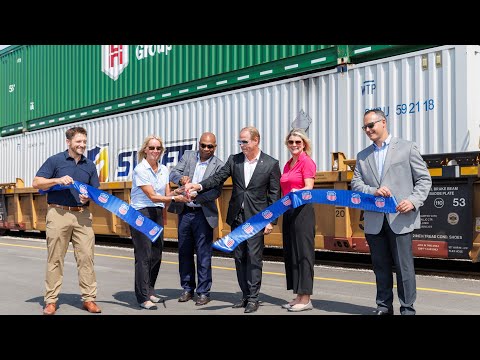
Union Pacific — Investor Video Playlist







Industry Resources
| Industrials Resources |
| IndustryWeek |
| Manufacturing.net |
| Aviation Week |
| Rail Transportation Resources |
| Railway Gazette International |
| Progressive Railroading |
| Railway Age |
External Quote Links
| Y Finance | Barrons |
| TradingView | Morningstar |
| SeekingAlpha | ValueLine |
| Motley Fool | Robinhood |
| CNBC | Etrade |
| MarketWatch | Unusual Whales |
| YCharts | Perplexity Finance |
| FinViz |
Prefer one of these to Trefis? Tell us why.