
Cyngn (CYN)
Market Price (10/1/2026): $0.6977 | Market Cap: $9.8 MilSector: Information Technology | Industry: Application Software
Cyngn (CYN)
Market Price (10/1/2026): $0.6977Market Cap: $9.8 MilSector: Information TechnologyIndustry: Application Software
Investment Highlights Why It Matters Detailed financial logic regarding cash flow yields vs trend-riding momentum.
Cash is significant % of market capNet D/ENet Debt/Equity. Debt net of cash. Negative indicates net cash. Equity is taken as the Market Capitalization is -311% Valuation becoming less expensiveP/S 6M Chg %Price/Sales change over 6 months. Declining P/S indicates valuation has become less expensive. is -59% Megatrend and thematic driversMegatrends include Automation & Robotics, Electric Vehicles & Autonomous Driving, and Future of Freight. Themes include Process / Warehouse Automation, Show more. | Weak multi-year price returns2Y Excs Rtn is -134%, 3Y Excs Rtn is -176% | Penny stockMkt Price is 0.7 Not profitable at operating income levelOp Inc LTMOperating Income, Last Twelve Months is -29 Mil, Op Mgn LTMOperating Margin = Operating Income / Revenue Reflects profitability before taxes and before impact of capital structure (interest payments). is -7405% Weak revenue growthRev Chg LTMRevenue Change % Last Twelve Months (LTM) is -11% Significant share based compensationSBC/Rev LTMShare Based Compensation / Revenue (Sales), Last Twelve Months (LTM) is 359% Not cash flow generativeCFO/Rev LTMCash Flow from Operations / Revenue (Sales), Last Twelve Months (LTM) is -6190%, FCF/Rev LTMFree Cash Flow / Revenue (Sales), Last Twelve Months (LTM) is -6486% Yield minus risk free rate is negativeERPEquity Risk Premium (ERP) = Total Yield - Risk Free Rate, Reflects the premium above risk free assets offered by the investment. is -258% Key risksCYN key risks include [1] severe financial challenges and a material weakness in internal controls, Show more. |
| Cash is significant % of market capNet D/ENet Debt/Equity. Debt net of cash. Negative indicates net cash. Equity is taken as the Market Capitalization is -311% |
| Valuation becoming less expensiveP/S 6M Chg %Price/Sales change over 6 months. Declining P/S indicates valuation has become less expensive. is -59% |
| Megatrend and thematic driversMegatrends include Automation & Robotics, Electric Vehicles & Autonomous Driving, and Future of Freight. Themes include Process / Warehouse Automation, Show more. |
| Weak multi-year price returns2Y Excs Rtn is -134%, 3Y Excs Rtn is -176% |
| Penny stockMkt Price is 0.7 |
| Not profitable at operating income levelOp Inc LTMOperating Income, Last Twelve Months is -29 Mil, Op Mgn LTMOperating Margin = Operating Income / Revenue Reflects profitability before taxes and before impact of capital structure (interest payments). is -7405% |
| Weak revenue growthRev Chg LTMRevenue Change % Last Twelve Months (LTM) is -11% |
| Significant share based compensationSBC/Rev LTMShare Based Compensation / Revenue (Sales), Last Twelve Months (LTM) is 359% |
| Not cash flow generativeCFO/Rev LTMCash Flow from Operations / Revenue (Sales), Last Twelve Months (LTM) is -6190%, FCF/Rev LTMFree Cash Flow / Revenue (Sales), Last Twelve Months (LTM) is -6486% |
| Yield minus risk free rate is negativeERPEquity Risk Premium (ERP) = Total Yield - Risk Free Rate, Reflects the premium above risk free assets offered by the investment. is -258% |
| Key risksCYN key risks include [1] severe financial challenges and a material weakness in internal controls, Show more. |
Qualitative Assessment
AI Analysis | Feedback
Cyngn (CYN) stock has lost about 45% since 6/30/2026 because of the following key factors:
1. Cyngn reported significant financial underperformance in fiscal Q2 2026, missing earnings expectations. The company posted an earnings per share (EPS) of -$0.45 for fiscal Q2 2026, which was a 50% miss compared to analysts' expectations of -$0.30. Furthermore, Cyngn's net loss for fiscal Q2 2026 widened to $(6.4) million, compared to a net loss of $(5.4) million in the corresponding fiscal quarter of 2025.
2. The company experienced delays in commercial execution and announced an organizational realignment, contributing to market uncertainty. In its fiscal Q2 2026 financial results, Cyngn stated that the pace of its commercial execution was delayed relative to its expectations. This was followed by an announcement in September 2026 regarding an "Organizational Realignment to Accelerate Enterprise Growth and AI-Driven Efficiency," which may have signaled underlying operational challenges and created investor apprehension regarding future growth prospects.
Show more
Cyngn (CYN) stock has lost about 45% since 6/30/2026 because of the following key factors:
1. Cyngn reported significant financial underperformance in fiscal Q2 2026, missing earnings expectations. The company posted an earnings per share (EPS) of -$0.45 for fiscal Q2 2026, which was a 50% miss compared to analysts' expectations of -$0.30. Furthermore, Cyngn's net loss for fiscal Q2 2026 widened to $(6.4) million, compared to a net loss of $(5.4) million in the corresponding fiscal quarter of 2025.
2. The company experienced delays in commercial execution and announced an organizational realignment, contributing to market uncertainty. In its fiscal Q2 2026 financial results, Cyngn stated that the pace of its commercial execution was delayed relative to its expectations. This was followed by an announcement in September 2026 regarding an "Organizational Realignment to Accelerate Enterprise Growth and AI-Driven Efficiency," which may have signaled underlying operational challenges and created investor apprehension regarding future growth prospects.
3. The stock's high valuation was re-evaluated in light of disappointing performance, leading to a significant price correction. As of October 1, 2026, Cyngn's Price-to-Sales (P/S) ratio stood at 19.73. This valuation was notably above its historical median and the broader industry median, suggesting that the stock was priced with expectations of substantial future growth despite the company's ongoing unprofitability. The reported earnings miss and delayed commercial execution likely triggered a reassessment of these high growth expectations, leading to a significant decline in the stock price.
Show less
Stock Movement Drivers
Fundamental Drivers
The -46.1% change in CYN stock from 6/30/2026 to 9/30/2026 was primarily driven by a -50.6% change in the company's P/S Multiple.| (LTM values as of) | 6302026 | 9302026 | Change |
|---|---|---|---|
| Stock Price ($) | 1.39 | 0.75 | -46.1% |
| Change Contribution By: | |||
| Total Revenues ($ Mil) | 0 | 0 | 40.1% |
| P/S Multiple | 55.3 | 27.3 | -50.6% |
| Shares Outstanding (Mil) | 11 | 14 | -22.1% |
| Cumulative Contribution | -46.1% |
Market Drivers
6/30/2026 to 9/30/2026| Return | Correlation | |
|---|---|---|
| CYN | -46.1% | |
| Market (SPY) | 2.1% | 31.0% |
| Sector (XLK) | 2.7% | 40.4% |
Fundamental Drivers
The -54.8% change in CYN stock from 3/31/2026 to 9/30/2026 was primarily driven by a -54.8% change in the company's P/S Multiple.| (LTM values as of) | 3312026 | 9302026 | Change |
|---|---|---|---|
| Stock Price ($) | 1.66 | 0.75 | -54.8% |
| Change Contribution By: | |||
| Total Revenues ($ Mil) | 0 | 0 | 76.8% |
| P/S Multiple | 60.5 | 27.3 | -54.8% |
| Shares Outstanding (Mil) | 8 | 14 | -43.5% |
| Cumulative Contribution | -54.8% |
Market Drivers
3/31/2026 to 9/30/2026| Return | Correlation | |
|---|---|---|
| CYN | -54.8% | |
| Market (SPY) | 17.6% | 31.9% |
| Sector (XLK) | 47.5% | 35.0% |
Fundamental Drivers
The -87.6% change in CYN stock from 9/30/2025 to 9/30/2026 was primarily driven by a -85.7% change in the company's Shares Outstanding (Mil).| (LTM values as of) | 9302025 | 9302026 | Change |
|---|---|---|---|
| Stock Price ($) | 6.03 | 0.75 | -87.6% |
| Change Contribution By: | |||
| Total Revenues ($ Mil) | 0 | 0 | -11.0% |
| P/S Multiple | 28.0 | 27.3 | -2.3% |
| Shares Outstanding (Mil) | 2 | 14 | -85.7% |
| Cumulative Contribution | -87.6% |
Market Drivers
9/30/2025 to 9/30/2026| Return | Correlation | |
|---|---|---|
| CYN | -87.6% | |
| Market (SPY) | 15.4% | 31.3% |
| Sector (XLK) | 39.4% | 29.8% |
Fundamental Drivers
The -100.0% change in CYN stock from 9/30/2023 to 9/30/2026 was primarily driven by a -100.0% change in the company's Shares Outstanding (Mil).| (LTM values as of) | 9302023 | 9302026 | Change |
|---|---|---|---|
| Stock Price ($) | 6545.45 | 0.75 | -100.0% |
| Change Contribution By: | |||
| Total Revenues ($ Mil) | 2 | 0 | -77.0% |
| P/S Multiple | 12.7 | 27.3 | 115.5% |
| Shares Outstanding (Mil) | 0 | 14 | -100.0% |
| Cumulative Contribution | -100.0% |
Market Drivers
9/30/2023 to 9/30/2026| Return | Correlation | |
|---|---|---|
| CYN | -100.0% | |
| Market (SPY) | 84.5% | 13.0% |
| Sector (XLK) | 143.1% | 12.4% |
Price Returns Compared
| 2021 | 2022 | 2023 | 2024 | 2025 | 2026 | Total [1] | |
|---|---|---|---|---|---|---|---|
| Returns | |||||||
| CYN Return | -39% | -85% | -76% | -94% | -98% | -70% | -100% |
| Peers Return | 26% | -21% | 77% | 2% | 40% | 31% | 228% |
| S&P 500 Return | 27% | -19% | 24% | 23% | 16% | 12% | 104% |
Monthly Win Rates [3] | |||||||
| CYN Win Rate | 33% | 42% | 33% | 25% | 25% | 22% | |
| Peers Win Rate | 61% | 42% | 53% | 48% | 52% | 53% | |
| S&P 500 Win Rate | 75% | 42% | 67% | 75% | 67% | 44% | |
Max Drawdowns [4] | |||||||
| CYN Max Drawdown | - | -89% | -89% | -98% | -98% | -77% | |
| Peers Max Drawdown | -17% | -48% | -33% | -29% | -39% | -29% | |
| S&P 500 Max Drawdown | -5% | -25% | -10% | -8% | -19% | -9% | |
[1] Cumulative total returns since the beginning of 2021
[2] Peers: SYM, ROK, TER, ZBRA, HON.
[3] Win Rate = % of calendar months in which monthly returns were positive
[4] Max drawdown represents maximum peak-to-trough decline within a year
[5] 2026 data is for the year up to 9/30/2026 (YTD)
How Low Can It Go
| Event | CYN | S&P 500 |
|---|---|---|
| 2025 US Tariff Shock | ||
| % Loss | -49.1% | -18.8% |
| % Gain to Breakeven | 96.6% | 23.1% |
| Time to Breakeven | 107 days | 79 days |
| 2023 SVB Regional Banking Crisis | ||
| % Loss | -25.5% | -6.7% |
| % Gain to Breakeven | 34.1% | 7.1% |
| Time to Breakeven | 30 days | 31 days |
In The Past
Cyngn's stock fell -49.1% during the 2025 US Tariff Shock. Such a loss loss requires a 96.6% gain to breakeven.
Preserve Wealth
Limiting losses and compounding gains is essential to preserving wealth.
Asset Allocation
Actively managed asset allocation strategies protect wealth. Learn more.
| Event | CYN | S&P 500 |
|---|---|---|
| 2025 US Tariff Shock | ||
| % Loss | -49.1% | -18.8% |
| % Gain to Breakeven | 96.6% | 23.1% |
| Time to Breakeven | 107 days | 79 days |
| 2023 SVB Regional Banking Crisis | ||
| % Loss | -25.5% | -6.7% |
| % Gain to Breakeven | 34.1% | 7.1% |
| Time to Breakeven | 30 days | 31 days |
In The Past
Cyngn's stock fell -49.1% during the 2025 US Tariff Shock. Such a loss loss requires a 96.6% gain to breakeven.
Preserve Wealth
Limiting losses and compounding gains is essential to preserving wealth.
Asset Allocation
Actively managed asset allocation strategies protect wealth. Learn more.
About Cyngn (CYN)
Cyngn Inc. (CYN) is an autonomous vehicle (AV) technology company that specializes in developing software for industrial autonomous driving. The company's core mission is to enable various industrial vehicles to operate autonomously, thereby enhancing operational efficiency and safety within controlled enterprise environments.
The company's main offering is its comprehensive Enterprise Autonomy Suite. This suite includes DriveMod, a modular industrial vehicle autonomous driving software designed to transform standard industrial vehicles into self-driving units. Complementing DriveMod is Cyngn Insight, a customer-facing tool suite that allows businesses to monitor and manage their AV fleets, as well as aggregate and analyze operational data. Internally, Cyngn utilizes Cyngn Evolve, a robust internal tool suite and infrastructure for artificial intelligence and machine learning training, algorithm enhancement, and simulation to validate new software releases.
Cyngn primarily serves enterprises that operate industrial vehicles. Its technology is designed for businesses in sectors such as manufacturing, logistics, and warehousing, where the automation of material handling and transport processes can significantly optimize workflows. The company provides these businesses with advanced solutions to implement autonomous operations within their facilities, aiming to improve productivity and reduce operational costs.
AI Analysis | Feedback
'Mobileye for industrial vehicles'
'Tesla's Autopilot for industrial fleets'
AI Analysis | Feedback
- DriveMod: A modular autonomous driving software designed for industrial vehicles.
- Cyngn Insight: A customer-facing tool suite for monitoring and managing AV fleets and analyzing data.
- Cyngn Evolve: An internal tool suite and infrastructure for AI/machine learning training and simulation.
AI Analysis | Feedback
Cyngn (CYN) sells primarily to other companies. Based on the company's focus on industrial autonomous vehicles and its "Enterprise Autonomy Suite," its major customers are businesses that operate or provide solutions for industrial fleets and logistics operations.
Major customer companies include:
- KION Group AG (FRA: KGX) - A global leader in industrial trucks, related services, and supply chain solutions. Cyngn's technology is integrated into KION vehicles and deployed at various customer sites, often through KION's subsidiaries like Global Logistics Services (GLS).
- Honeywell International Inc. (NASDAQ: HON) - A diversified technology and manufacturing company. Cyngn has partnered with Honeywell to integrate its DriveMod AV technology into Honeywell's Intelligrated line of material handling solutions.
In addition to these strategic partnerships, Cyngn's technology has been deployed and utilized by end-user companies in manufacturing and logistics, such as Briggs & Stratton and Danfoss, showcasing the types of industrial enterprises that benefit from their autonomous solutions.
AI Analysis | Feedback
NVIDIA Corporation (NVDA)
AI Analysis | Feedback
Lior Tal co-founded Snaptu in September 2007, a company that was later acquired by Facebook (now Meta Platforms, Inc.) in 2011. At Snaptu, he served as Vice President of Business Development. Following the acquisition, he was Director of International Growth & Partnerships at Facebook (Meta Platforms, Inc.) from April 2011 to June 2016. Mr. Tal has also held leadership roles at other companies that were subsequently acquired, including Actimize (acquired by NICE), DiskSites (acquired by EMC), and Odigo (acquired by Comverse). He was also a partner at Barzam, Tal, Lerer Attorneys at Law & Patent Attorneys from March 2004 to August 2007.
Natalie Russell, Chief Financial Officer
Natalie Russell was appointed Chief Financial Officer of Cyngn on August 12, 2025, after serving as Interim CFO since June 6, 2025. She joined Cyngn in March 2023 as Director of Accounting. Prior to joining Cyngn, Ms. Russell worked as a Technical Accounting Manager at SOAProjects, Inc. from December 2022 to March 2023, where she specialized in financial reporting and technical accounting for clients primarily in the technology and life sciences sectors. She began her career in audit and assurance at Ernst & Young from September 2017 to December 2022. Ms. Russell is a Certified Public Accountant (CPA) in California and holds a Bachelor of Science in Business Administration from the University of Dayton.
Felix Singh, Vice President of Engineering Services
Felix Singh has served as Cyngn's Vice President of Engineering Services since April 2023. Before joining Cyngn, he was the Vice President of Quality Assurance Engineering and Robot Technical Operations at Brain Corporation from 2019 to 2023, where he managed QA engineering and technical operations for a large fleet of autonomous mobile robots. Previously, Mr. Singh held global leadership roles at Qualcomm from 1999 to 2018, focusing on system test and test automation for various technology solutions, including mobile application chipsets and automotive infotainment.
Marty Petraitis, Vice President of Sales
Marty Petraitis joined Cyngn as Vice President of Sales in November 2024, bringing over two decades of experience in scaling revenue within technology-driven sectors. Prior to Cyngn, he led sales at Heartland Automation, where he shifted the company's focus to solutions-based services in autonomous mobile robotics. His career also includes executive sales positions at Clearpath Robotics/OTTO Motors, Segue Manufacturing Services, and Brooks Automation, where he was instrumental in scaling revenue.
Sean Stetson, Vice President of Engineering
Sean Stetson was hired as Cyngn's Vice President of Engineering in May 2023. He brings over 25 years of experience in commercializing emerging technologies. Before Cyngn, Mr. Stetson served as Vice President of Engineering at Seegrid, overseeing the engineering organization across hardware, autonomy software, and quality assurance. He also held the role of Technical Program Lead in the Advanced Technology and Projects (ATAP) group at Google.
AI Analysis | Feedback
1. Dependence on the Successful Development and Commercialization of Autonomous Vehicle Technology
Cyngn's business success is intrinsically linked to the continued development, refinement, and successful market adoption of its Enterprise Autonomy Suite, particularly its DriveMod autonomous driving software. There is a significant risk that the technology may not achieve the necessary levels of safety, reliability, or functionality required for widespread industrial deployment, or that technical challenges could delay commercialization. Furthermore, market acceptance by industrial customers and the ability to integrate the technology into diverse vehicle fleets are critical for revenue generation.2. Intense Competition in the Autonomous Vehicle Market
Cyngn operates in a highly competitive and rapidly evolving autonomous vehicle sector. It faces competition from established industrial automation companies, other autonomous technology startups, and potentially even larger technology companies that may enter or expand their offerings in the industrial autonomous vehicle space. This intense competition could lead to pricing pressures, longer sales cycles, and difficulty in capturing significant market share, which may adversely affect Cyngn's financial performance and growth prospects.3. Evolving Regulatory Landscape and Potential for Significant Liability
The development and deployment of autonomous vehicles, even in industrial settings, are subject to complex and evolving governmental regulations, safety standards, and legal frameworks across various jurisdictions. There is a risk that new or revised regulations could impose significant compliance costs, restrict the deployment of Cyngn's technology, or necessitate substantial modifications to its software. Additionally, the potential for accidents or safety incidents involving autonomous vehicles could lead to significant product liability claims, reputational damage, and increased insurance costs, which could severely impact the company's financial health.AI Analysis | Feedback
AI Analysis | Feedback
Cyngn Inc. (CYN) develops autonomous driving software for industrial vehicles, including its Enterprise Autonomy Suite, which comprises DriveMod, Cyngn Insight, and Cyngn Evolve. The company's products address several growing markets related to autonomous logistics, commercial vehicles, and autonomous driving software.
The global market for autonomous logistics vehicles, which directly aligns with Cyngn's DriveMod for tuggers and forklifts, was estimated at USD 4.575 billion in 2024 and is projected to reach USD 35.33 billion by 2035, demonstrating a compound annual growth rate (CAGR) of 20.42% during the forecast period. North America currently holds approximately 45% of this global market share. Another estimate values the global autonomous logistics vehicles market at $45.0 billion in 2023, with a projection to reach $87.6 billion by 2033, growing at a CAGR of 7% from 2024 to 2033.
The global autonomous driving software market, which is Cyngn's primary offering, was valued at USD 2.29 billion in 2025 and is projected to reach USD 4.38 billion by 2030, at a CAGR of 13.83% during the forecast period. Another source estimates this market at USD 2.30 billion in 2025, with a projected growth to USD 8.04 billion by 2035, expanding at a CAGR of 13.33% from 2026 to 2035. Within this market, the commercial vehicles segment is expected to experience the fastest growth, with a 16.11% CAGR, driven by the potential for significant cost savings for fleet operators. North America held a dominant position in the autonomous driving software market, accounting for 39% of the market share in 2025.
The broader global autonomous commercial vehicle market grew from $11.48 billion in 2025 to $13.47 billion in 2026 at a compound annual growth rate (CAGR) of 17.3%, and is expected to reach $26.22 billion in 2030 with an 18.1% CAGR.
AI Analysis | Feedback
- Increased Adoption and Expansion by Existing Enterprise Customers: Cyngn anticipates significant revenue growth as current enterprise manufacturers transition from pilot programs to full production deployments of its DriveMod technology. This involves expanding automated workflows, increasing the number of vehicles, and extending autonomous operations across more routes and facilities within existing customer sites. For example, DriveMod Tugger orders tripled in 2025 compared to the prior year, and total autonomous operating time across customer facilities increased by over 113% in the second half of 2025 as deployments expanded.
- New Customer Acquisition in Industrial Automation: The company expects to acquire new customers within the industrial automation sector. Cyngn's autonomous vehicle solutions address critical industry challenges such as labor shortages, costly safety incidents, and the increasing demand from e-commerce, making them attractive to industrial organizations. The DriveMod technology is designed for seamless adoption with lower upfront costs and a typical payback period of less than two years, which helps solidify its market position and draw in new clients.
- Expansion into New Vehicle Types and Applications with DriveMod Forklift: The successful initial paid deployment of the DriveMod Forklift marks a pivotal moment for monetizing this solution. With the global forklift market projected to reach $103.9 billion by 2031, this expansion positions Cyngn to serve a significant market, particularly for underserved forklift automation applications requiring heavy load capacity and accommodating non-standard pallets.
- Strategic Partnerships and OEM Integrations: Collaborations with Original Equipment Manufacturers (OEMs) are a key strategic focus to broaden the reach of Cyngn's solutions. By integrating the DriveMod package directly into new vehicles at the manufacturing stage, Cyngn can accelerate innovation and scale its presence in the industrial automation market more effectively than solely through retrofitting existing fleets.
AI Analysis | Feedback
Share Issuance
- In October 2021, Cyngn closed its initial public offering of 3,500,000 shares of common stock at $7.50 per share, generating approximately $26.3 million in gross proceeds.
- In June 2025, Cyngn announced a registered direct offering with a single institutional investor for the purchase and sale of approximately $15.0 million of common stock and pre-funded warrants.
- Shareholders approved an amendment in January 2025 to increase the authorized common stock from 200 million to 400 million shares. Additionally, the company effected a 1-for-100 reverse stock split on July 3, 2024, and a 1-for-150 reverse stock split on February 18, 2025, primarily to maintain Nasdaq listing compliance.
Inbound Investments
- Cyngn completed a $32 million capital raise in Q2 2025, which extended its cash runway through 2027.
- The company's registered direct offering in June 2025 involved an investment of approximately $15.0 million from a single institutional investor.
Capital Expenditures
- In Q2 2025, Cyngn relocated to a new, larger headquarters in Mountain View, California, which features expanded testing infrastructure and demonstration space for customers.
- The company has been capitalizing costs for customer-specific development and software development, which contributed to a decrease in R&D outlays in Q2 2025.
Peer Outperformance in Application Software
null| Industry | Names | 1Y med | 3Y med | 5Y med | Top 3 by 5Y |
|---|---|---|---|---|---|
| Electronic Manufacturing Services | 9 | 63.9% | 180.7% | 305.5% | TTMI 870% · FLEX 722% · SANM 449% |
| Semiconductor Materials & Equipment | 28 | 106.8% | 103.7% | 125.8% | AXTI 835% · AEHR 691% · KLAC 511% |
| Technology Distributors | 9 | 37.8% | 81.3% | 97.4% | CLMB 416% · AVT 199% · SNX 158% |
| Communications Equipment | 36 | 9.1% | 76.4% | 70.3% | AAOI 1281% · LITE 1038% · FEIM 935% |
| Electronic Components | 26 | 41.1% | 72.7% | 67.7% | CLS 3807% · BELFA 1339% · LPTH 386% |
| Technology Hardware, Storage & Peripherals | 20 | 22.4% | 128.6% | 35.6% | STX 1159% · DELL 1011% · SMCI 1000% |
| Semiconductors | 55 | 29.8% | 46.2% | 35.0% | POET 1736% · MU 1436% · NVDA 1006% |
| Internet Services & Infrastructure | 6 | -4.5% | 37.5% | 18.0% | DOCN 65% · VRSN 39% · GDDY 33% |
| Electronic Equipment & Instruments | 26 | -22.0% | 19.5% | -6.7% | PI 220% · KEYS 120% · VPG 106% |
| IT Consulting & Other Services | 28 | -23.2% | -10.3% | -19.9% | CHRN 519111% · APLD 1020% · TSSI 785% |
| Application Software ← | 125 | -30.1% | -18.8% | -47.2% | VIDA 136567% · INLX 5104% · PLTR 669% |
| Systems Software | 70 | -16.6% | 21.3% | -51.9% | QNC 551% · PAYS 418% · ZETA 412% |
Latest Trefis Analyses
| Title | Date | |
|---|---|---|
| DASHBOARDS | ||
| Cyngn Earnings Notes | 12/16/2025 | |
| Can Cyngn Stock Recover If Markets Fall? | 10/17/2025 |
| Title | |
|---|---|
| ARTICLES |
Research & Analysis
Invest in Strategies
Wealth Management
Peer Comparisons
| Peers to compare with: |
Financials
| Median | |
|---|---|
| Name | |
| Mkt Price | 295.44 |
| Mkt Cap | 33.3 |
| Rev LTM | 5,156 |
| Op Inc LTM | 1,174 |
| FCF LTM | 852 |
| FCF 3Y Avg | 674 |
| CFO LTM | 1,022 |
| CFO 3Y Avg | 821 |
Growth & Margins
| Median | |
|---|---|
| Name | |
| Rev Chg LTM | 12.0% |
| Rev Chg 3Y Avg | 11.3% |
| Rev Chg Q | 21.1% |
| QoQ Delta Rev Chg LTM | 4.9% |
| Op Inc Chg LTM | 30.8% |
| Op Inc Chg 3Y Avg | 9.6% |
| Op Mgn LTM | 16.6% |
| Op Mgn 3Y Avg | 15.8% |
| QoQ Delta Op Mgn LTM | 1.7% |
| CFO/Rev LTM | 18.0% |
| CFO/Rev 3Y Avg | 16.5% |
| FCF/Rev LTM | 16.1% |
| FCF/Rev 3Y Avg | 14.3% |
Price Behavior
| Market Price | $0.75 | |
| Market Cap ($ Bil) | 0.0 | |
| First Trading Date | 10/20/2021 | |
| Distance from 52W High | -88.2% | |
| 50 Days | 200 Days | |
| DMA Price | $0.98 | $1.75 |
| DMA Trend | down | down |
| Distance from DMA | -23.2% | -57.2% |
| 3M | 1YR | |
| Volatility | 69.5% | 90.2% |
| Downside Capture | 340.83 | 376.18 |
| Upside Capture | -6.74 | 71.83 |
| Correlation (SPY) | 31.6% | 31.1% |
| 1M | 2M | 3M | 6M | 1Y | 3Y | |
|---|---|---|---|---|---|---|
| Beta | 1.68 | 2.13 | 1.96 | 1.73 | 2.17 | 1.89 |
| Up Beta | 3.87 | 2.83 | 2.82 | 1.76 | 2.45 | 1.11 |
| Down Beta | 9.05 | 5.01 | 3.32 | 2.31 | 1.94 | 1.91 |
| Up Capture | -75% | 36% | -6% | 33% | 63% | -1% |
| Bmk +ve Days | 6 | 16 | 27 | 66 | 132 | 424 |
| Stock +ve Days | 9 | 18 | 25 | 53 | 103 | 305 |
| Down Capture | 397% | 345% | 302% | 237% | 183% | 113% |
| Bmk -ve Days | 16 | 26 | 37 | 60 | 120 | 328 |
| Stock -ve Days | 13 | 20 | 35 | 65 | 141 | 433 |
[1] Upside and downside betas calculated using positive and negative benchmark daily returns respectively
Based On 1-Year Data
| Annualized Return | Annualized Volatility | Sharpe Ratio | Correlation with CYN | |
|---|---|---|---|---|
| CYN | -87.6% | 90.0% | -1.90 | - |
| Sector ETF (XLK) | 40.4% | 26.5% | 1.25 | 29.8% |
| Equity (SPY) | 15.9% | 13.0% | 0.87 | 31.3% |
| Gold (GLD) | 8.1% | 29.6% | 0.26 | 20.1% |
| Commodities (DBC) | 43.1% | 20.8% | 1.61 | 15.4% |
| Real Estate (VNQ) | 2.2% | 13.6% | -0.09 | 0.2% |
| Bitcoin (BTCUSD) | -27.1% | 44.5% | -0.58 | 32.8% |
Smart multi-asset allocation framework can stack odds in your favor. Learn How
Based On 5-Year Data
| Annualized Return | Annualized Volatility | Sharpe Ratio | Correlation with CYN | |
|---|---|---|---|---|
| CYN | -90.3% | 192.6% | -0.49 | - |
| Sector ETF (XLK) | 21.3% | 25.9% | 0.73 | 8.3% |
| Equity (SPY) | 13.2% | 17.2% | 0.59 | 6.8% |
| Gold (GLD) | 18.2% | 18.9% | 0.78 | 5.0% |
| Commodities (DBC) | 10.6% | 19.6% | 0.42 | 0.5% |
| Real Estate (VNQ) | 0.5% | 18.9% | -0.08 | 4.0% |
| Bitcoin (BTCUSD) | 13.9% | 52.3% | 0.44 | 8.3% |
Smart multi-asset allocation framework can stack odds in your favor. Learn How
Based On 10-Year Data
| Annualized Return | Annualized Volatility | Sharpe Ratio | Correlation with CYN | |
|---|---|---|---|---|
| CYN | -68.9% | 192.6% | -0.49 | - |
| Sector ETF (XLK) | 24.9% | 25.0% | 0.90 | 8.3% |
| Equity (SPY) | 15.4% | 17.9% | 0.73 | 6.8% |
| Gold (GLD) | 11.8% | 16.4% | 0.58 | 5.0% |
| Commodities (DBC) | 8.4% | 18.1% | 0.38 | 0.5% |
| Real Estate (VNQ) | 4.5% | 20.7% | 0.18 | 4.0% |
| Bitcoin (BTCUSD) | 63.6% | 66.2% | 1.03 | 8.3% |
Smart multi-asset allocation framework can stack odds in your favor. Learn How
Returns Analyses
Earnings Returns History
Updated 9/16/2026| Forward Returns | |||
|---|---|---|---|
| Earnings Date | 1D Returns | 5D Returns | 21D Returns |
| 8/13/2026 | 4.2% | 0.5% | -28.9% |
| 5/21/2026 | 2.1% | 6.4% | -17.9% |
| 3/25/2026 | -13.4% | -17.4% | -18.4% |
| 11/19/2025 | -24.0% | -9.7% | -11.6% |
| 8/7/2025 | -1.3% | -7.8% | -20.8% |
| 5/8/2025 | -5.3% | 7.6% | 7.8% |
| 3/5/2025 | -10.9% | -31.7% | -30.7% |
| 11/7/2024 | 21.1% | 84.8% | 53.6% |
| ... | |||
| SUMMARY STATS | |||
| # Positive | 4 | 7 | 5 |
| # Negative | 15 | 12 | 14 |
| Median Positive | 3.2% | 7.0% | 10.4% |
| Median Negative | -5.9% | -17.7% | -22.9% |
| Max Positive | 21.1% | 84.8% | 53.6% |
| Max Negative | -28.1% | -36.9% | -54.4% |
| Forward Returns | |||
|---|---|---|---|
| Earnings Date | 1D Returns | 5D Returns | 21D Returns |
| 8/13/2026 | 4.2% | 0.5% | -28.9% |
| 5/21/2026 | 2.1% | 6.4% | -17.9% |
| 3/25/2026 | -13.4% | -17.4% | -18.4% |
| 11/19/2025 | -24.0% | -9.7% | -11.6% |
| 8/7/2025 | -1.3% | -7.8% | -20.8% |
| 5/8/2025 | -5.3% | 7.6% | 7.8% |
| 3/5/2025 | -10.9% | -31.7% | -30.7% |
| 11/7/2024 | 21.1% | 84.8% | 53.6% |
| 8/9/2024 | -2.7% | -13.1% | -32.9% |
| 5/9/2024 | -13.4% | 44.3% | 13.7% |
| 3/6/2024 | -13.5% | -19.3% | -25.0% |
| 11/8/2023 | -28.1% | -25.6% | -20.0% |
| 8/9/2023 | -3.0% | -17.9% | -31.8% |
| 5/10/2023 | -4.3% | -9.5% | 3.2% |
| 3/15/2023 | -1.8% | 7.0% | -0.9% |
| 11/9/2022 | -3.9% | -2.4% | -10.8% |
| 8/10/2022 | 2.1% | 0.4% | 10.4% |
| 5/12/2022 | -8.6% | -36.9% | -54.4% |
| 11/17/2021 | -5.9% | -23.3% | -26.7% |
| SUMMARY STATS | |||
| # Positive | 4 | 7 | 5 |
| # Negative | 15 | 12 | 14 |
| Median Positive | 3.2% | 7.0% | 10.4% |
| Median Negative | -5.9% | -17.7% | -22.9% |
| Max Positive | 21.1% | 84.8% | 53.6% |
| Max Negative | -28.1% | -36.9% | -54.4% |
SEC Filings
Expand for More| Report Date | Filing Date | Filing |
|---|---|---|
| 06/30/2026 | 08/13/2026 | 10-Q |
| 03/31/2026 | 05/14/2026 | 10-Q |
| 12/31/2025 | 03/27/2026 | 10-K |
| 09/30/2025 | 11/19/2025 | 10-Q |
| 06/30/2025 | 08/07/2025 | 10-Q |
| 03/31/2025 | 05/08/2025 | 10-Q |
| 12/31/2024 | 03/06/2025 | 10-K |
| 09/30/2024 | 11/07/2024 | 10-Q |
| 06/30/2024 | 08/08/2024 | 10-Q |
| 03/31/2024 | 05/09/2024 | 10-Q |
| 12/31/2023 | 03/07/2024 | 10-K |
| 09/30/2023 | 11/09/2023 | 10-Q |
| 06/30/2023 | 08/10/2023 | 10-Q |
| 03/31/2023 | 05/11/2023 | 10-Q |
| 12/31/2022 | 03/17/2023 | 10-K |
| 09/30/2022 | 11/10/2022 | 10-Q |
| Report Date | Filing Date | Filing |
|---|---|---|
| 06/30/2026 | 08/13/2026 | 10-Q |
| 03/31/2026 | 05/14/2026 | 10-Q |
| 12/31/2025 | 03/27/2026 | 10-K |
| 09/30/2025 | 11/19/2025 | 10-Q |
| 06/30/2025 | 08/07/2025 | 10-Q |
| 03/31/2025 | 05/08/2025 | 10-Q |
| 12/31/2024 | 03/06/2025 | 10-K |
| 09/30/2024 | 11/07/2024 | 10-Q |
| 06/30/2024 | 08/08/2024 | 10-Q |
| 03/31/2024 | 05/09/2024 | 10-Q |
| 12/31/2023 | 03/07/2024 | 10-K |
| 09/30/2023 | 11/09/2023 | 10-Q |
| 06/30/2023 | 08/10/2023 | 10-Q |
| 03/31/2023 | 05/11/2023 | 10-Q |
| 12/31/2022 | 03/17/2023 | 10-K |
| 09/30/2022 | 11/10/2022 | 10-Q |
| 06/30/2022 | 08/11/2022 | 10-Q |
| 03/31/2022 | 05/12/2022 | 10-Q |
| 12/31/2021 | 03/24/2022 | 10-K |
| 09/30/2021 | 11/19/2021 | 10-Q |
| 06/30/2021 | 10/21/2021 | 424B4 |
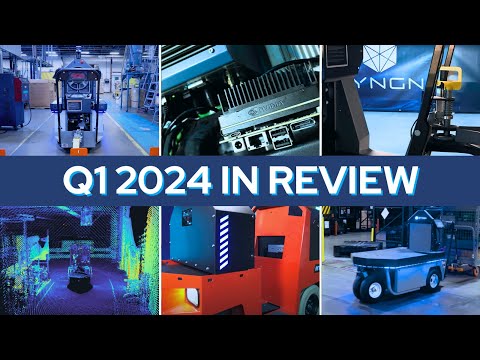
Cyngn — Investor Video Playlist



Industry Resources
| Information Technology Resources |
| TechCrunch |
| Wired |
| CIO |
| MIT Technology Review |
| Gartner Insights |
| Ars Technica |
| Application Software Resources |
| Capterra |
| Software Advice |
| InfoWorld |
External Quote Links
| Y Finance | Barrons |
| TradingView | Morningstar |
| SeekingAlpha | ValueLine |
| Motley Fool | Robinhood |
| CNBC | Etrade |
| MarketWatch | Unusual Whales |
| YCharts | Perplexity Finance |
| FinViz |
Prefer one of these to Trefis? Tell us why.