
Valaris (VAL)
Market Price (10/12/2026): $83.7 | Market Cap: $5.8 BilSector: Energy | Industry: Oil & Gas Drilling
Valaris (VAL)
Market Price (10/12/2026): $83.7Market Cap: $5.8 BilSector: EnergyIndustry: Oil & Gas Drilling
Investment Highlights Why It Matters Detailed financial logic regarding cash flow yields vs trend-riding momentum.
Attractive yieldTotal YieldTotal Yield = Earnings Yield + Dividend Yield, Earnings Yield = Net Income / Market Cap Dividend Yield = Total Dividends / Market Cap is 16%, ERPEquity Risk Premium (ERP) = Total Yield - Risk Free Rate, Reflects the premium above risk free assets offered by the investment. is 12% Attractive cash flow generationCFO/Rev LTMCash Flow from Operations / Revenue (Sales), Last Twelve Months (LTM) is 17% Megatrend and thematic driversMegatrends include Global Energy Supply & Security. Themes include Offshore Oil & Gas Drilling, and Deepwater Energy Solutions. | Weak multi-year price returns3Y Excs Rtn is -64% | Expensive valuation multiplesP/CFOPrice/(Cash Flow from Operations). CFO is cash before capital expenditures. is 16x Weak revenue growthRev Chg LTMRevenue Change % Last Twelve Months (LTM) is -13%, Rev Chg QQuarterly Revenue Change % is -12% Not cash flow generativeFCF/Rev LTMFree Cash Flow / Revenue (Sales), Last Twelve Months (LTM) is -1.1% Key risksVAL key risks include [1] a projected drop in near-term revenues and Adjusted EBITDA due to fewer operating days as existing contracts conclude without immediate follow-on work. |
| Attractive yieldTotal YieldTotal Yield = Earnings Yield + Dividend Yield, Earnings Yield = Net Income / Market Cap Dividend Yield = Total Dividends / Market Cap is 16%, ERPEquity Risk Premium (ERP) = Total Yield - Risk Free Rate, Reflects the premium above risk free assets offered by the investment. is 12% |
| Attractive cash flow generationCFO/Rev LTMCash Flow from Operations / Revenue (Sales), Last Twelve Months (LTM) is 17% |
| Megatrend and thematic driversMegatrends include Global Energy Supply & Security. Themes include Offshore Oil & Gas Drilling, and Deepwater Energy Solutions. |
| Weak multi-year price returns3Y Excs Rtn is -64% |
| Expensive valuation multiplesP/CFOPrice/(Cash Flow from Operations). CFO is cash before capital expenditures. is 16x |
| Weak revenue growthRev Chg LTMRevenue Change % Last Twelve Months (LTM) is -13%, Rev Chg QQuarterly Revenue Change % is -12% |
| Not cash flow generativeFCF/Rev LTMFree Cash Flow / Revenue (Sales), Last Twelve Months (LTM) is -1.1% |
| Key risksVAL key risks include [1] a projected drop in near-term revenues and Adjusted EBITDA due to fewer operating days as existing contracts conclude without immediate follow-on work. |
Qualitative Assessment
AI Analysis | Feedback
Valaris (VAL) stock has gained about 15% since 6/30/2026 because of the following key factors:
1. Valaris reported strong fiscal Q2 2026 financial results. The company announced its fiscal Q2 2026 earnings on August 5, 2026, reporting an Earnings Per Share (EPS) of $0.72, significantly beating analysts' consensus estimates of $0.31 by $0.41, a 132% surprise. Quarterly revenue also surpassed expectations, reaching $539.20 million against an estimated $488.52 million. This robust performance likely boosted investor confidence.
2. The company secured new contracts and extensions, bolstering its contract backlog and reflecting strong demand. Valaris added over $160 million in new contracts and extensions subsequent to May 4, 2026, increasing its total contract backlog to approximately $4.6 billion as of August 5, 2026. This was driven by a robust pipeline of deepwater contract opportunities and strong customer demand for high-specification assets, with management anticipating 90% drillship utilization by the end of fiscal year 2026.
Show more
Valaris (VAL) stock has gained about 15% since 6/30/2026 because of the following key factors:
1. Valaris reported strong fiscal Q2 2026 financial results. The company announced its fiscal Q2 2026 earnings on August 5, 2026, reporting an Earnings Per Share (EPS) of $0.72, significantly beating analysts' consensus estimates of $0.31 by $0.41, a 132% surprise. Quarterly revenue also surpassed expectations, reaching $539.20 million against an estimated $488.52 million. This robust performance likely boosted investor confidence.
2. The company secured new contracts and extensions, bolstering its contract backlog and reflecting strong demand. Valaris added over $160 million in new contracts and extensions subsequent to May 4, 2026, increasing its total contract backlog to approximately $4.6 billion as of August 5, 2026. This was driven by a robust pipeline of deepwater contract opportunities and strong customer demand for high-specification assets, with management anticipating 90% drillship utilization by the end of fiscal year 2026.
3. A positive broader industry outlook and sector-wide rally provided tailwinds. Valaris benefited from an overall optimistic sentiment in the offshore drilling sector, which saw a broad rally. On October 5, 2026, Valaris shares climbed 5.3% as multiple sector peers also experienced similar gains, indicating improving market conditions for oilfield services and upstream spending. Analyst sentiment has also shown a constructive tilt, with recent price target increases.
4. Progress on the business combination with Transocean further supported investor sentiment. The pending merger with Transocean is on track to close in fiscal Q4 2026. Valaris management has indicated that this combination is expected to deliver significant value to shareholders through anticipated synergies and enhanced capabilities of the combined entity.
Show less
Stock Movement Drivers
Fundamental Drivers
The 15.2% change in VAL stock from 6/30/2026 to 10/11/2026 was primarily driven by a 23.3% change in the company's P/E Multiple.| (LTM values as of) | 6302026 | 10112026 | Change |
|---|---|---|---|
| Stock Price ($) | 72.60 | 83.65 | 15.2% |
| Change Contribution By: | |||
| Total Revenues ($ Mil) | 2,214 | 2,138 | -3.4% |
| Net Income Margin (%) | 45.4% | 44.0% | -3.1% |
| P/E Multiple | 5.0 | 6.2 | 23.3% |
| Shares Outstanding (Mil) | 69 | 69 | -0.1% |
| Cumulative Contribution | 15.2% |
Market Drivers
6/30/2026 to 10/11/2026| Return | Correlation | |
|---|---|---|
| VAL | 15.2% | |
| Market (SPY) | 4.3% | -2.6% |
| Sector (XLE) | 22.5% | 62.5% |
Fundamental Drivers
The -14.7% change in VAL stock from 3/31/2026 to 10/11/2026 was primarily driven by a -11.3% change in the company's P/E Multiple.| (LTM values as of) | 3312026 | 10112026 | Change |
|---|---|---|---|
| Stock Price ($) | 98.04 | 83.65 | -14.7% |
| Change Contribution By: | |||
| Total Revenues ($ Mil) | 2,369 | 2,138 | -9.8% |
| Net Income Margin (%) | 41.5% | 44.0% | 5.9% |
| P/E Multiple | 7.0 | 6.2 | -11.3% |
| Shares Outstanding (Mil) | 70 | 69 | 0.6% |
| Cumulative Contribution | -14.7% |
Market Drivers
3/31/2026 to 10/11/2026| Return | Correlation | |
|---|---|---|
| VAL | -14.7% | |
| Market (SPY) | 20.0% | -8.4% |
| Sector (XLE) | 7.0% | 57.6% |
Fundamental Drivers
The 71.5% change in VAL stock from 9/30/2025 to 10/11/2026 was primarily driven by a 293.0% change in the company's Net Income Margin (%).| (LTM values as of) | 9302025 | 10112026 | Change |
|---|---|---|---|
| Stock Price ($) | 48.77 | 83.65 | 71.5% |
| Change Contribution By: | |||
| Total Revenues ($ Mil) | 2,463 | 2,138 | -13.2% |
| Net Income Margin (%) | 11.2% | 44.0% | 293.0% |
| P/E Multiple | 12.6 | 6.2 | -51.0% |
| Shares Outstanding (Mil) | 71 | 69 | 2.6% |
| Cumulative Contribution | 71.5% |
Market Drivers
9/30/2025 to 10/11/2026| Return | Correlation | |
|---|---|---|
| VAL | 71.5% | |
| Market (SPY) | 17.8% | 13.0% |
| Sector (XLE) | 49.0% | 45.9% |
Fundamental Drivers
The 11.6% change in VAL stock from 9/30/2023 to 10/11/2026 was primarily driven by a 524.4% change in the company's Net Income Margin (%).| (LTM values as of) | 9302023 | 10112026 | Change |
|---|---|---|---|
| Stock Price ($) | 74.98 | 83.65 | 11.6% |
| Change Contribution By: | |||
| Total Revenues ($ Mil) | 1,716 | 2,138 | 24.6% |
| Net Income Margin (%) | 7.0% | 44.0% | 524.4% |
| P/E Multiple | 46.4 | 6.2 | -86.7% |
| Shares Outstanding (Mil) | 75 | 69 | 7.9% |
| Cumulative Contribution | 11.6% |
Market Drivers
9/30/2023 to 10/11/2026| Return | Correlation | |
|---|---|---|
| VAL | 11.6% | |
| Market (SPY) | 88.4% | 34.4% |
| Sector (XLE) | 57.4% | 59.0% |
Price Returns Compared
| 2021 | 2022 | 2023 | 2024 | 2025 | 2026 | Total [1] | |
|---|---|---|---|---|---|---|---|
| Returns | |||||||
| VAL Return | 52% | 88% | 1% | -35% | 14% | 67% | 254% |
| Peers Return | 11% | 46% | 38% | -30% | -1% | 40% | 115% |
| S&P 500 Return | 27% | -19% | 24% | 23% | 16% | 13% | 107% |
Monthly Win Rates [3] | |||||||
| VAL Win Rate | 62% | 58% | 33% | 33% | 67% | 70% | |
| Peers Win Rate | 39% | 69% | 44% | 36% | 61% | 70% | |
| S&P 500 Win Rate | 75% | 42% | 67% | 75% | 67% | 50% | |
Max Drawdowns [4] | |||||||
| VAL Max Drawdown | - | -38% | -30% | -49% | -42% | -36% | |
| Peers Max Drawdown | -46% | -35% | -27% | -42% | -49% | -33% | |
| S&P 500 Max Drawdown | -5% | -25% | -10% | -8% | -19% | -9% | |
[1] Cumulative total returns since the beginning of 2021
[2] Peers: NE, RIG, SDRL.
[3] Win Rate = % of calendar months in which monthly returns were positive
[4] Max drawdown represents maximum peak-to-trough decline within a year
[5] 2026 data is for the year up to 10/9/2026 (YTD)
How Low Can It Go
| Event | VAL | S&P 500 |
|---|---|---|
| 2025 US Tariff Shock | ||
| % Loss | -32.4% | -18.8% |
| % Gain to Breakeven | 48.0% | 23.1% |
| Time to Breakeven | 62 days | 79 days |
| 2024 Yen Carry Trade Unwind | ||
| % Loss | -14.3% | -7.8% |
| % Gain to Breakeven | 16.7% | 8.5% |
| Time to Breakeven | 552 days | 18 days |
| Summer-Fall 2023 Five Percent Yield Shock | ||
| % Loss | -16.7% | -9.5% |
| % Gain to Breakeven | 20.1% | 10.5% |
| Time to Breakeven | 113 days | 24 days |
| 2023 SVB Regional Banking Crisis | ||
| % Loss | -30.3% | -6.7% |
| % Gain to Breakeven | 43.5% | 7.1% |
| Time to Breakeven | 438 days | 31 days |
In The Past
Valaris's stock fell -32.4% during the 2025 US Tariff Shock. Such a loss loss requires a 48.0% gain to breakeven.
Preserve Wealth
Limiting losses and compounding gains is essential to preserving wealth.
Asset Allocation
Actively managed asset allocation strategies protect wealth. Learn more.
| Event | VAL | S&P 500 |
|---|---|---|
| 2025 US Tariff Shock | ||
| % Loss | -32.4% | -18.8% |
| % Gain to Breakeven | 48.0% | 23.1% |
| Time to Breakeven | 62 days | 79 days |
| 2023 SVB Regional Banking Crisis | ||
| % Loss | -30.3% | -6.7% |
| % Gain to Breakeven | 43.5% | 7.1% |
| Time to Breakeven | 438 days | 31 days |
In The Past
Valaris's stock fell -32.4% during the 2025 US Tariff Shock. Such a loss loss requires a 48.0% gain to breakeven.
Preserve Wealth
Limiting losses and compounding gains is essential to preserving wealth.
Asset Allocation
Actively managed asset allocation strategies protect wealth. Learn more.
About Valaris (VAL)
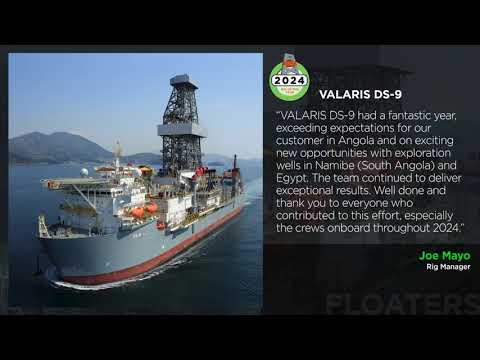
Valaris Limited (VAL) is a leading provider of offshore contract drilling services for the global oil and gas industry. The company specializes in operating and managing a diverse fleet of high-specification drilling rigs, which are essential tools for oil and gas companies to explore for and extract hydrocarbons from offshore reserves.
Valaris's extensive fleet comprises 56 offshore drilling rigs, including advanced drillships, dynamically positioned and moored semisubmersible rigs, and numerous jackup rigs. These specialized assets enable the company to serve a broad range of clients, primarily international, government-owned, and independent oil and gas companies that require reliable and efficient offshore drilling solutions for their exploration and production projects.
The company's operations span key offshore oil and gas regions worldwide. Valaris maintains a significant presence in major markets such as the Gulf of Mexico, the North Sea, the Middle East, West Africa, Australia, and Southeast Asia, positioning it as a global player in the crucial offshore segment of the energy industry.
```AI Analysis | Feedback
Here are a couple of analogies for Valaris (VAL):
- Valaris is like "United Rentals for super-heavy, offshore oil drilling equipment."
- Valaris is like "Maersk for offshore oil drilling rigs."
AI Analysis | Feedback
Valaris (VAL) major services include:
- Offshore Contract Drilling: Valaris provides specialized drilling services to oil and gas companies using its fleet of offshore rigs, including drillships, semisubmersible rigs, and jackup rigs, to explore and extract hydrocarbons.
AI Analysis | Feedback
Valaris Limited (VAL) provides offshore contract drilling services primarily to other companies in the oil and gas industry. Based on the provided information, its major customers fall into the following categories:
- International oil and gas companies
- Government-owned oil and gas companies
- Independent oil and gas companies
AI Analysis | Feedback
AI Analysis | Feedback
Anton Dibowitz, President and Chief Executive Officer
Anton Dibowitz assumed the role of President and Chief Executive Officer of Valaris in December 2021, after serving as interim President and Chief Executive Officer since September 2021. With over two decades of experience in the drilling industry, Mr. Dibowitz previously served as Chief Executive Officer of Seadrill Ltd. from July 2017 to October 2020. He also held roles as Executive Vice President of Seadrill Management and Chief Commercial Officer at Seadrill. Earlier in his career, he held various positions in tax, process reengineering, and marketing at Transocean Ltd. and Ernst & Young LLP.
Chris Weber, Senior Vice President and Chief Financial Officer
Chris Weber became Senior Vice President and Chief Financial Officer of Valaris in August 2022. He previously served as Chief Financial Officer for LUFKIN Industries, Abaco Drilling Technologies, Halliburton, and Parker Drilling Company. Mr. Weber also held senior finance roles at Valaris's predecessor companies, Ensco and Pride International.
Gilles Luca, Senior Vice President and Chief Operating Officer
Gilles Luca was appointed Senior Vice President and Chief Operating Officer in December 2019. Prior to this, he was Senior Vice President, Operations Support. He joined Ensco, a predecessor company, in 1997, and has held various leadership positions including Senior Vice President - Western Hemisphere, Vice President - Business Development and Strategic Planning, Vice President - Brazil Business Unit, and General Manager - Europe and Africa.
Matt Lyne, Senior Vice President and Chief Commercial Officer
Matt Lyne commenced his role as Senior Vice President and Chief Commercial Officer of Valaris in September 2022. Before joining Valaris, he was the Executive Vice President, Chief Commercial and Strategy Officer at Seadrill Limited, where he spent over 12 years in various senior marketing and commercial roles. He also held senior operational and functional roles with Transocean Ltd.
Davor Vukadin, Senior Vice President and General Counsel
Davor Vukadin was appointed Senior Vice President, General Counsel and Secretary in May 2022. He previously served as Associate General Counsel and Secretary for Valaris, having joined the company as Senior Counsel in 2014. Prior to Valaris, he practiced corporate and securities law at Norton Rose Fulbright for thirteen years.
AI Analysis | Feedback
Key Risks to Valaris (VAL)
-
Volatility of Oil and Natural Gas Market
Valaris's financial performance is highly susceptible to the inherent volatility of oil and natural gas prices. Fluctuations in these commodity prices directly influence the capital expenditure and drilling activity levels of its oil and gas customers, which in turn impacts demand for offshore drilling services, day rates, and rig utilization. A sustained downturn in commodity prices can lead to reduced contracting activity and lower revenues for Valaris.
-
High Operational Costs and Capital Expenditure Requirements
Operating a large fleet of offshore drilling rigs entails significant operational costs, including maintenance, reactivation of cold-stacked rigs, and shipyard projects. The company faces risks related to rig downtime or idle time, which can negatively affect revenue and margins. Additionally, the need for ongoing capital expenditures to maintain, upgrade, and reactivate its fleet, coupled with competitive bidding for contracts and inflationary pressures, can strain the company's financial resources.
-
Risks Associated with the Pending Business Combination with Transocean
Valaris has entered into a Business Combination Agreement with Transocean Ltd., which introduces a distinct set of risks. These include potential delays or the failure to complete the transaction, which could adversely affect Valaris's market price and result in substantial termination fees. Furthermore, even if completed, there are risks associated with integrating the two companies, which could impact future contract visibility, fleet utilization, and overall operational stability.
AI Analysis | Feedback
The accelerating global energy transition towards renewable energy sources and away from fossil fuels, which is reducing long-term demand for offshore oil and gas exploration and production services.
AI Analysis | Feedback
Global Addressable Markets for Valaris's Main Products/Services
- Global Offshore Contract Drilling Services: The global offshore drilling market is projected to be worth approximately USD 47.73 billion in 2026.
- Global Drillships Market: The market size for drillships globally is estimated at USD 6.02 billion in 2026.
- Global Semisubmersible Rigs Market: The global semi-submersible drilling rig market was estimated at USD 13.36 billion in 2025.
- Global Jackup Rigs Market: The global jack-up rigs market size is projected to grow from USD 3.19 billion in 2025 to USD 4.71 billion by 2033.
Regional Addressable Markets for Offshore Contract Drilling Services
Valaris operates in several key regions, each representing a significant addressable market for offshore contract drilling services:- North America (including the Gulf of Mexico): The North American offshore drilling market is projected to reach USD 3.1 billion in 2026.
- North Sea (Europe): The European offshore drilling market is projected to reach USD 9.87 billion in 2026.
- Middle East & West Africa: The offshore drilling market in the Middle East & Africa region is projected to reach USD 10.88 billion in 2026. For West Africa specifically, the offshore developments segment of the oil and gas upstream market is projected to be USD 10.62 billion in 2026.
- Australia: The Australia offshore drilling market is expected to reach a market size of more than USD 0.25 billion by 2029. The broader Australia Offshore Oilfield Services Market, which includes drilling services, is valued at USD 5 billion.
- Southeast Asia (part of Asia Pacific): The Asia Pacific offshore drilling market, which includes Southeast Asia, is expected to reach USD 19.67 billion in 2026. Within the Asia-Pacific jack-up rig market, which had a market size of USD 7.8 billion, Southeast Asia accounts for 52% of the regional activity.
AI Analysis | Feedback
Valaris Limited (VAL) is expected to experience revenue growth over the next two to three years driven by several key factors in the offshore drilling market:
- Increased Day Rates and Improved Utilization: Valaris anticipates repricing rigs from older contracts to significantly higher market rates, leading to increased average daily revenues. Drillship day rates, for example, climbed 42% from Q3 2023 to Q2 2025, and jackup day rates rose 31% over the same period, with expectations for continued upward trends. The company also expects improved utilization across its floater and jackup fleets as market conditions strengthen and rigs commence new contracts.
- Robust Contract Backlog and New Contract Awards: Valaris has consistently grown its contract backlog, securing substantial new contracts and extensions. As of Q1 2025, the company's contract backlog stood at over $4.2 billion, increasing to $4.7 billion by July 2025. This strong backlog provides high revenue visibility, with nearly 99% of its expected 2025 revenue already contracted.
- Reactivation of Cold-Stacked Rigs and Fleet Optimization: Valaris is strategically reactivating cold-stacked rigs, such as the VALARIS DS-17 and DS-8, only when lucrative, long-term contracts are secured. This approach, coupled with the rationalization of older and less competitive assets, focuses the fleet on high-value segments to maximize returns and operational efficiency.
- Growth of the ARO Drilling Joint Venture: ARO Drilling, Valaris's joint venture with Aramco, is a significant growth driver, with plans to rapidly expand its fleet. ARO's utilization improved to 86% in 2025, and its revenues increased by 11% due to new contracts and higher day rates. The strategic plan involves adding 20 rigs to ARO's fleet over the next decade, potentially increasing its size to over 30 rigs.
- Strong Demand in High-Growth Offshore Markets: Valaris is targeting high-growth deepwater regions like South America (particularly Brazil), the U.S. Gulf of Mexico, and West Africa. These areas are projected to drive approximately 70% of benign environment floater demand through 2029. The company forecasts significant growth in offshore drilling activity, with benign environment floater demand expected to increase by approximately 13% in 2026-2028 compared to previous years.
AI Analysis | Feedback
Share Repurchases
- Valaris completed a share buyback program announced in September 2022, repurchasing 7,240,660 shares for a total of $428.39 million by December 31, 2025.
- During the fourth quarter of 2025, the company repurchased $25 million in shares, contributing to a total of $100 million in repurchases for the full year 2025.
- In 2024, Valaris repurchased $125.0 million of shares, which represented 2.2 million shares or approximately 3% of the total outstanding share count.
Capital Expenditures
- Valaris anticipates capital expenditures for fiscal year 2026 to range between $425 million and $475 million.
- For the full year 2025, projected capital expenditures were estimated to be between $350 million and $390 million, with $225 million allocated for maintenance, upgrades, and surveys.
- Capital expenditures in 2024 were approximately $455.1 million, and in 2023, they were approximately $696.1 million. The primary focus of these expenditures generally includes shipyard projects, maintenance, and fleet upgrades.
Peer Outperformance in Oil & Gas Drilling
| Industry | Names | 1Y med | 3Y med | 5Y med | Top 3 by 5Y |
|---|---|---|---|---|---|
| Oil & Gas Refining & Marketing | 11 | 135.8% | 149.8% | 351.7% | MPC 686% · PBF 547% · VLO 542% |
| Integrated Oil & Gas | 7 | 46.1% | 68.1% | 212.1% | IMO 307% · SU 283% · XOM 229% |
| Oil & Gas Storage & Transportation | 18 | 30.2% | 122.2% | 177.3% | INSW 1103% · LPG 879% · TK 515% |
| Oil & Gas Equipment & Services | 34 | 47.2% | 14.9% | 70.2% | SEI 1001% · FTI 827% · TDW 559% |
| Oil & Gas Drilling ← | 7 | 78.9% | 5.2% | 56.3% | VAL 144% · NE 89% · PDS 79% |
| Oil & Gas Exploration & Production | 51 | 29.3% | 6.1% | 55.7% | KGEI 9023% · OBE 6722% · EP 3053% |
| Coal & Consumable Fuels | 14 | -17.8% | 20.4% | 52.3% | EU 873% · CCJ 264% · CNR 199% |
Latest Trefis Analyses
| Title | Date | |
|---|---|---|
| DASHBOARDS | ||
| Valaris Stock (+34%): Transocean Merger Ignites Arbitrage Frenzy | 02/10/2026 | |
| Is Valaris Stock Built to Withstand More Downside? | 10/17/2025 | |
| Valaris vs Cal-Maine Foods: Which Is A Better Investment? | 08/18/2025 | |
| Valaris vs Noble: Which Is A Better Investment? | 08/18/2025 | |
| How Does Valaris Stock Stack Up Against Its Peers? | 08/13/2025 | |
| VAL Dip Buy Analysis | 07/10/2025 | |
| Valaris (VAL) Valuation Ratios Comparison | 05/15/2025 | |
| Time To Buy Valaris Stock? | 02/28/2025 | |
| Valaris (VAL) Operating Cash Flow Comparison | 02/17/2025 | |
| Valaris (VAL) Net Income Comparison | 02/16/2025 | |
| ARTICLES | ||
| Small Cap Stocks Trading At 52-Week High | 11/12/2025 | |
| Big Decline for SLB, but Do VAL’s Margins and Growth Give It the Edge? | 07/19/2025 |
Research & Analysis
Invest in Strategies
Wealth Management
Peer Comparisons
| Peers to compare with: |
Financials
| Median | |
|---|---|
| Name | |
| Mkt Price | 44.16 |
| Mkt Cap | 6.0 |
| Rev LTM | 2,603 |
| Op Inc LTM | 324 |
| FCF LTM | 130 |
| FCF 3Y Avg | 116 |
| CFO LTM | 620 |
| CFO 3Y Avg | 464 |
Growth & Margins
| Median | |
|---|---|
| Name | |
| Rev Chg LTM | -1.3% |
| Rev Chg 3Y Avg | 11.8% |
| Rev Chg Q | -7.3% |
| QoQ Delta Rev Chg LTM | -2.0% |
| Op Inc Chg LTM | 16.5% |
| Op Inc Chg 3Y Avg | 63.2% |
| Op Mgn LTM | 12.4% |
| Op Mgn 3Y Avg | 12.9% |
| QoQ Delta Op Mgn LTM | -0.8% |
| CFO/Rev LTM | 20.5% |
| CFO/Rev 3Y Avg | 15.3% |
| FCF/Rev LTM | 4.1% |
| FCF/Rev 3Y Avg | 2.0% |
Valuation
| Median | |
|---|---|
| Name | |
| Mkt Cap | 6.0 |
| P/S | 2.0 |
| P/Op Inc | 18.7 |
| P/EBIT | 16.1 |
| P/E | 25.7 |
| P/CFO | 6.9 |
| Total Yield | 3.5% |
| Dividend Yield | 0.0% |
| FCF Yield 3Y Avg | 1.9% |
| D/E | 0.3 |
| Net D/E | 0.2 |
Segment Financials
Revenue by Segment| $ Mil | 2025 | 2024 | 2023 | 2022 |
|---|---|---|---|---|
| Floaters | 1,261 | 1,441 | 949 | 700 |
| Jackups | 913 | 755 | 660 | 744 |
| Aramco Rowan Offshore Drilling Company (ARO) | 571 | 512 | 497 | 460 |
| Other | 196 | 167 | 176 | 158 |
| Reconciling Items | -571 | -512 | -497 | -460 |
| Total | 2,369 | 2,363 | 1,784 | 1,602 |
| $ Mil | 2025 | 2024 | 2023 | 2022 |
|---|---|---|---|---|
| Floaters | 377 | 397 | 81 | -30 |
| Jackups | 280 | 168 | 102 | 169 |
| Other | 77 | 71 | 96 | 77 |
| Aramco Rowan Offshore Drilling Company (ARO) | 67 | 4 | 43 | 36 |
| Reconciling Items | -324 | -288 | -268 | -214 |
| Total | 477 | 352 | 54 | 37 |
Price Behavior
| Market Price | $83.65 | |
| Market Cap ($ Bil) | 5.8 | |
| First Trading Date | 05/03/2021 | |
| Distance from 52W High | -26.2% | |
| 50 Days | 200 Days | |
| DMA Price | $83.64 | $82.86 |
| DMA Trend | up | up |
| Distance from DMA | 0.0% | 1.0% |
| 3M | 1YR | |
| Volatility | 43.5% | 60.5% |
| Downside Capture | -42.59 | 23.12 |
| Upside Capture | 4.22 | 85.14 |
| Correlation (SPY) | 3.0% | 13.3% |
| 1M | 2M | 3M | 6M | 1Y | 3Y | |
|---|---|---|---|---|---|---|
| Beta | -0.30 | -0.25 | -0.13 | -0.34 | 0.61 | 1.15 |
| Up Beta | -4.03 | -0.37 | 0.58 | -1.02 | -0.32 | 1.04 |
| Down Beta | -0.30 | 1.32 | 0.63 | 0.84 | 1.50 | 1.88 |
| Up Capture | -34% | -34% | -28% | -41% | 74% | 43% |
| Bmk +ve Days | 6 | 16 | 27 | 66 | 132 | 424 |
| Stock +ve Days | 8 | 19 | 31 | 60 | 130 | 377 |
| Down Capture | 116% | -39% | -97% | -21% | 41% | 97% |
| Bmk -ve Days | 16 | 26 | 37 | 60 | 120 | 328 |
| Stock -ve Days | 14 | 23 | 33 | 66 | 122 | 374 |
[1] Upside and downside betas calculated using positive and negative benchmark daily returns respectively
Based On 1-Year Data
| Annualized Return | Annualized Volatility | Sharpe Ratio | Correlation with VAL | |
|---|---|---|---|---|
| VAL | 63.2% | 60.9% | 1.01 | - |
| Sector ETF (XLE) | 49.8% | 22.1% | 1.73 | 45.9% |
| Equity (SPY) | 16.7% | 13.0% | 0.91 | 13.2% |
| Gold (GLD) | 3.3% | 29.5% | 0.11 | 15.3% |
| Commodities (DBC) | 45.0% | 20.9% | 1.67 | 31.3% |
| Real Estate (VNQ) | 4.8% | 13.8% | 0.09 | 4.9% |
| Bitcoin (BTCUSD) | -33.2% | 44.2% | -0.79 | 9.9% |
Smart multi-asset allocation framework can stack odds in your favor. Learn How
Based On 5-Year Data
| Annualized Return | Annualized Volatility | Sharpe Ratio | Correlation with VAL | |
|---|---|---|---|---|
| VAL | 18.0% | 49.8% | 0.50 | - |
| Sector ETF (XLE) | 23.5% | 25.5% | 0.81 | 63.1% |
| Equity (SPY) | 13.9% | 17.1% | 0.62 | 36.2% |
| Gold (GLD) | 18.5% | 18.9% | 0.79 | 14.4% |
| Commodities (DBC) | 10.0% | 19.5% | 0.39 | 45.9% |
| Real Estate (VNQ) | 1.3% | 18.8% | -0.04 | 25.1% |
| Bitcoin (BTCUSD) | 11.4% | 52.0% | 0.39 | 16.4% |
Smart multi-asset allocation framework can stack odds in your favor. Learn How
Based On 10-Year Data
| Annualized Return | Annualized Volatility | Sharpe Ratio | Correlation with VAL | |
|---|---|---|---|---|
| VAL | 13.1% | 50.0% | 0.63 | - |
| Sector ETF (XLE) | 10.8% | 29.6% | 0.40 | 62.6% |
| Equity (SPY) | 15.5% | 17.9% | 0.73 | 35.7% |
| Gold (GLD) | 11.8% | 16.4% | 0.59 | 13.6% |
| Commodities (DBC) | 8.2% | 18.1% | 0.37 | 46.1% |
| Real Estate (VNQ) | 4.5% | 20.7% | 0.18 | 24.5% |
| Bitcoin (BTCUSD) | 63.5% | 66.2% | 1.03 | 14.8% |
Smart multi-asset allocation framework can stack odds in your favor. Learn How
Returns Analyses
Earnings Returns History
Updated 9/30/2026| Forward Returns | |||
|---|---|---|---|
| Earnings Date | 1D Returns | 5D Returns | 21D Returns |
| 8/5/2026 | 0.3% | 10.7% | 16.6% |
| 5/4/2026 | -9.5% | -5.1% | -10.2% |
| 2/19/2026 | 3.5% | 2.2% | 0.0% |
| 10/29/2025 | 2.2% | -5.9% | 2.0% |
| 7/30/2025 | -0.1% | -1.1% | 0.9% |
| 4/30/2025 | 10.0% | 12.3% | 16.4% |
| 2/19/2025 | 4.1% | -13.3% | -5.7% |
| 10/30/2024 | 3.7% | 7.1% | -5.3% |
| ... | |||
| SUMMARY STATS | |||
| # Positive | 12 | 9 | 11 |
| # Negative | 9 | 12 | 10 |
| Median Positive | 3.7% | 3.3% | 13.1% |
| Median Negative | -4.4% | -3.6% | -5.5% |
| Max Positive | 10.0% | 14.9% | 20.8% |
| Max Negative | -9.5% | -20.1% | -23.1% |
| Forward Returns | |||
|---|---|---|---|
| Earnings Date | 1D Returns | 5D Returns | 21D Returns |
| 8/5/2026 | 0.3% | 10.7% | 16.6% |
| 5/4/2026 | -9.5% | -5.1% | -10.2% |
| 2/19/2026 | 3.5% | 2.2% | 0.0% |
| 10/29/2025 | 2.2% | -5.9% | 2.0% |
| 7/30/2025 | -0.1% | -1.1% | 0.9% |
| 4/30/2025 | 10.0% | 12.3% | 16.4% |
| 2/19/2025 | 4.1% | -13.3% | -5.7% |
| 10/30/2024 | 3.7% | 7.1% | -5.3% |
| 7/31/2024 | -6.4% | -20.1% | -23.1% |
| 5/2/2024 | 1.5% | 14.9% | 20.8% |
| 2/22/2024 | 3.6% | -4.1% | 12.5% |
| 11/7/2023 | -2.3% | 3.3% | -3.0% |
| 8/2/2023 | -1.3% | -3.0% | -0.5% |
| 5/2/2023 | -4.4% | -1.4% | -3.0% |
| 2/21/2023 | -9.0% | -9.6% | -12.4% |
| 11/1/2022 | -6.0% | -0.6% | -1.4% |
| 8/2/2022 | 6.1% | -0.6% | 1.2% |
| 5/3/2022 | 9.4% | 1.1% | 19.1% |
| 2/22/2022 | 0.1% | 1.2% | 19.3% |
| 11/2/2021 | -0.1% | 3.3% | -15.0% |
| 8/3/2021 | 4.4% | -2.5% | 13.1% |
| SUMMARY STATS | |||
| # Positive | 12 | 9 | 11 |
| # Negative | 9 | 12 | 10 |
| Median Positive | 3.7% | 3.3% | 13.1% |
| Median Negative | -4.4% | -3.6% | -5.5% |
| Max Positive | 10.0% | 14.9% | 20.8% |
| Max Negative | -9.5% | -20.1% | -23.1% |
SEC Filings
Expand for More| Report Date | Filing Date | Filing |
|---|---|---|
| 06/30/2026 | 08/06/2026 | 10-Q |
| 03/31/2026 | 05/05/2026 | 10-Q |
| 12/31/2025 | 02/20/2026 | 10-K |
| 09/30/2025 | 10/30/2025 | 10-Q |
| 06/30/2025 | 07/31/2025 | 10-Q |
| 03/31/2025 | 05/01/2025 | 10-Q |
| 12/31/2024 | 02/20/2025 | 10-K |
| 09/30/2024 | 10/31/2024 | 10-Q |
| 06/30/2024 | 08/01/2024 | 10-Q |
| 03/31/2024 | 05/02/2024 | 10-Q |
| 12/31/2023 | 02/22/2024 | 10-K |
| 09/30/2023 | 11/07/2023 | 10-Q |
| 06/30/2023 | 08/02/2023 | 10-Q |
| 03/31/2023 | 05/02/2023 | 10-Q |
| 12/31/2022 | 02/21/2023 | 10-K |
| 09/30/2022 | 11/01/2022 | 10-Q |
| Report Date | Filing Date | Filing |
|---|---|---|
| 06/30/2026 | 08/06/2026 | 10-Q |
| 03/31/2026 | 05/05/2026 | 10-Q |
| 12/31/2025 | 02/20/2026 | 10-K |
| 09/30/2025 | 10/30/2025 | 10-Q |
| 06/30/2025 | 07/31/2025 | 10-Q |
| 03/31/2025 | 05/01/2025 | 10-Q |
| 12/31/2024 | 02/20/2025 | 10-K |
| 09/30/2024 | 10/31/2024 | 10-Q |
| 06/30/2024 | 08/01/2024 | 10-Q |
| 03/31/2024 | 05/02/2024 | 10-Q |
| 12/31/2023 | 02/22/2024 | 10-K |
| 09/30/2023 | 11/07/2023 | 10-Q |
| 06/30/2023 | 08/02/2023 | 10-Q |
| 03/31/2023 | 05/02/2023 | 10-Q |
| 12/31/2022 | 02/21/2023 | 10-K |
| 09/30/2022 | 11/01/2022 | 10-Q |
| 06/30/2022 | 08/02/2022 | 10-Q |
| 03/31/2022 | 05/03/2022 | 10-Q |
| 09/30/2021 | 11/02/2021 | 10-Q |
| 06/30/2020 | 08/03/2021 | 10-Q |
| 12/31/2019 | 02/22/2022 | 10-K |
Insider Activity
Updated 7/2/2026| # | Owner | Title | Holding | Action | Filing Date | Price | Shares | Transacted Value | Value of Held Shares | Form |
|---|---|---|---|---|---|---|---|---|---|---|
| 1 | Luca, Gilles | SVP - COO | Direct | Sell | 9052025 | 48.84 | 35,000 | 1,709,400 | 3,969,178 | Form |
| # | Owner | Title | Holding | Action | Filing Date | Price | Shares | Transacted Value | Value of Held Shares | Form |
|---|---|---|---|---|---|---|---|---|---|---|
| 1 | Luca, Gilles | SVP - COO | Direct | Sell | 9052025 | 48.84 | 35,000 | 1,709,400 | 3,969,178 | Form |
Investor Activity (13F)
Updated Oct 12, 2026Active managers (13F portfolio over $250M, at least 3 holdings) with a position over $5M that is either over 10% of their portfolio or held in a concentrated book of 50 or fewer total positions. Index/ETF, sovereign, bank, community-bank and charitable/donor-advised filers are excluded.
| Active Manager | Value | % of Portfolio | Total Positions | QoQ | Filing |
|---|---|---|---|---|---|
| Oak Hill Advisors LP | $469.8 Mil | 53.5% | 12 | Hold | 13F |
| Moerus Capital Management LLC | $45.5 Mil | 16.8% | 15 | TRIM -23.7% | 13F |
| Condire Management, LP | $113.6 Mil | 11.0% | 19 | Hold | 13F |
| Lingotto Investment Management LLP | $363.4 Mil | 7.2% | 34 | Hold | 13F |
| Goehring & Rozencwajg Associates, LLC | $129.3 Mil | 7.0% | 43 | ADD +24.2% | 13F |
| Valueworks LLC | $21.5 Mil | 5.9% | 35 | TRIM -53.7% | 13F |
| Sand Grove Capital Management LLP | $17.0 Mil | 4.0% | 18 | New | 13F |
| Melqart Asset Management (UK) Ltd | $13.1 Mil | 1.3% | 41 | New | 13F |
| Carronade Capital Management, LP | $16.1 Mil | 1.2% | 25 | ADD +46.4% | 13F |
| Active Manager | Value | % of Portfolio | Total Positions | QoQ | Filing |
|---|---|---|---|---|---|
| Oak Hill Advisors LP | $469.8 Mil | 53.5% | 12 | Hold | 13F |
| Lingotto Investment Management LLP | $363.4 Mil | 7.2% | 34 | Hold | 13F |
| Goehring & Rozencwajg Associates, LLC | $129.3 Mil | 7.0% | 43 | ADD +24.2% | 13F |
| Condire Management, LP | $113.6 Mil | 11.0% | 19 | Hold | 13F |
| Moerus Capital Management LLC | $45.5 Mil | 16.8% | 15 | TRIM -23.7% | 13F |
| Valueworks LLC | $21.5 Mil | 5.9% | 35 | TRIM -53.7% | 13F |
| Sand Grove Capital Management LLP | $17.0 Mil | 4.0% | 18 | New | 13F |
| Carronade Capital Management, LP | $16.1 Mil | 1.2% | 25 | ADD +46.4% | 13F |
| Melqart Asset Management (UK) Ltd | $13.1 Mil | 1.3% | 41 | New | 13F |


Industry Resources
External Quote Links
| Y Finance | Barrons |
| TradingView | Morningstar |
| SeekingAlpha | ValueLine |
| Motley Fool | Robinhood |
| CNBC | Etrade |
| MarketWatch | Unusual Whales |
| YCharts | Perplexity Finance |
| FinViz |
Prefer one of these to Trefis? Tell us why.