
The Iran Shock: How Smart Money Is Repositioning

The geopolitical situation in the Middle East has reached a flashpoint. Over the last 48 hours, U.S. and Israeli strikes have moved into Iranian energy infrastructure, triggering a massive retaliatory wave of drones and missiles aimed at U.S. assets and Gulf partners. With the Strait of Hormuz effectively shuttered, Brent crude has breached the $105 mark. While the S&P 500’s roughly 2% dip over the last five trading days suggests a surface-level calm, the “smart money” is already moving. See Why U.S. Stocks Aren’t Crashing With Iran War. Beneath the headline resilience, a massive rotation is underway into defensive sectors and supply-chain hedges. That said, beneath the recent resilience in the indices, smart money is likely moving toward sectors that better withstand prolonged conflict, supply disruptions, and defensive tailwinds. So which sectors should investors look at in the current market?
Munitions Cycle: Lockheed Martin and Northrop Grumman
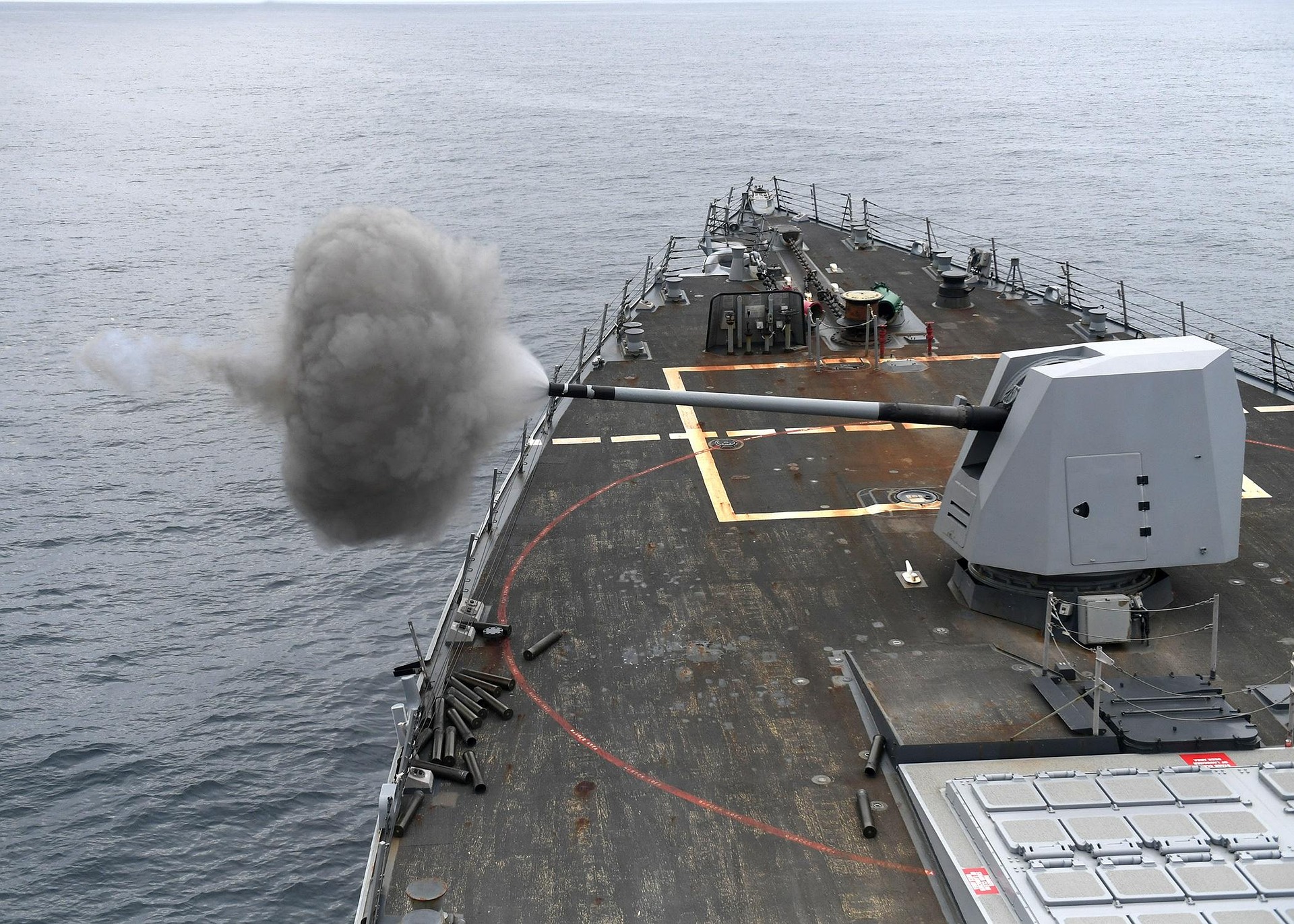
Defense spending has shifted from long-term research to immediate production volume. In the first week of conflict, the U.S. and Israel used more interceptors than were manufactured in all of 2025. Lockheed (LMT) and Northrop (NOC) are currently prioritized for their ability to produce the hardware required for active combat and air defense. Governments are currently depleting stockpiles that will take years to refill. This creates a predictable, multi-year revenue stream that is largely insulated from general economic trends. The reward is high due to the guaranteed nature of the contracts, but the risk lies in the stocks already trading at a premium because of the conflict.
Energy Sovereignty: ExxonMobil
While refineries in Iran are being damaged and the Strait of Hormuz blocked, Exxon’s (XOM) major production centers in the Permian Basin and Guyana are entirely removed from the conflict zone. This allows them to sell oil at the current high market prices without the physical risk faced by Middle Eastern producers. Exxon acts as a hedge by providing a secure energy supply when global inventories are falling. They benefit directly from the high price of crude with almost no threat to their infrastructure. This could be viewed as a relatively low-risk way to play high oil prices, though a sudden de-escalation would likely cause a rapid drop in the stock’s recent gains.
The Logistics Squeeze: A.P. Moller-Maersk
The closure of the Strait of Hormuz has forced global shipping to take longer, more expensive routes around Africa. Rerouting around the Cape of Good Hope takes 10 plus days longer, effectively removing ship capacity from the global market. To cover these costs, Maersk (OTC:AMKBY) has implemented emergency surcharges of nearly $4,000 per container. Longer transit times and higher surcharges effectively increase the profitability of existing shipping capacity. As long as the primary maritime chokepoints are contested, shipping rates are likely to stay elevated. The potential reward is very high. Still, this is a high-risk trade that relies entirely on the blockade staying in place. If the Strait reopens, these profits vanish.
Monetary Insurance: Gold
Gold is rising even alongside a strong U.S. dollar, an unusual dynamic that typically appears during periods of severe geopolitical stress. Under normal conditions, the two assets move in opposite directions, but war-driven uncertainty is pushing investors and central banks toward both simultaneously. Countries such as China and India have been steadily increasing gold reserves as a way to diversify away from dollar dependence and reduce exposure to potential financial sanctions. In this environment, gold protects purchasing power when inflation rises and growth slows, while also acting as a neutral reserve asset that no single government controls. Although it may not deliver the same upside as energy equities during a commodity spike, it offers a more durable hedge if the conflict escalates and financial volatility intensifies.
Cybersecurity: CrowdStrike and Palo Alto Networks
Modern warfare includes significant cyber activity. Iranian proxies have already launched “wiper” attacks against Western banks and power grids. In this environment, cybersecurity has become a fundamental requirement for national and corporate operations. Digital threats often outlast physical battles. Even if the shooting stops, cyberattacks usually continue as a form of retaliation, making the demand for advanced security platforms very stable. This sector—which includes names such as Palo Alto Networks (PANW), Fortinet (FTNT) and CrowdStrike (CRWD) – has high growth potential because its contracts are typically long-term and difficult to cancel. The main risk is elevated stock valuations that require perfect company performance. In this context, see The Iran War Trade Investors Are Missing.
How Should You Protect Your Wealth From Geopolitical Shock?
While the market’s surface reaction to the Iran conflict has been relatively calm, an important shift is happening beneath it as capital rotates toward defense, energy security, logistics bottlenecks, monetary hedges, and cybersecurity resilience. These wartime trades can move quickly, and reacting to headlines alone can leave portfolios concentrated in the wrong places. This is where objective, rule-based investing and multi-asset exposure become critical. Our wealth management partner builds rule-based robust portfolios to capture and protect wealth while leveraging the Trefis High Quality Portfolio, which has returned > 105% since inception.