
Fortinet (FTNT)
Market Price (9/26/2026): $173.6 | Market Cap: $127.3 BilInvestor Relations Sector: Information Technology | Industry: Systems Software
Fortinet (FTNT)
Market Price (9/26/2026): $173.6Market Cap: $127.3 BilSector: Information TechnologyIndustry: Systems Software
Investment Highlights Why It Matters Detailed financial logic regarding cash flow yields vs trend-riding momentum.
Attractive operating marginsOp Mgn LTMOperating Margin = Operating Income / Revenue Reflects profitability before taxes and before impact of capital structure (interest payments). is 32% Attractive cash flow generationCFO/Rev LTMCash Flow from Operations / Revenue (Sales), Last Twelve Months (LTM) is 45%, FCF/Rev LTMFree Cash Flow / Revenue (Sales), Last Twelve Months (LTM) is 41%, CFO LTM is 3.4 Bil, FCF LTM is 3.1 Bil Stock buyback supportStock Buyback 3Y Total is 4.8 Bil Low stock price volatilityVol 12M is 42% Megatrend and thematic driversMegatrends include Cybersecurity, Cloud Computing, and 5G & Advanced Connectivity. Themes include Network Security, Show more. | Trading close to highsDist 52W High is -3.0%, Dist 3Y High is -3.0% | Stock price has recently run up significantly6M Rtn6 month market price return is 122%, 12M Rtn12 month market price return is 108% Valuation getting more expensiveP/S 6M Chg %Price/Sales change over 6 months. Declining P/S indicates valuation has become less expensive. is 99% Yield minus risk free rate is negativeERPEquity Risk Premium (ERP) = Total Yield - Risk Free Rate, Reflects the premium above risk free assets offered by the investment. is -2.3% Key risksFTNT key risks include [1] critical product vulnerabilities, Show more. |
| Attractive operating marginsOp Mgn LTMOperating Margin = Operating Income / Revenue Reflects profitability before taxes and before impact of capital structure (interest payments). is 32% |
| Attractive cash flow generationCFO/Rev LTMCash Flow from Operations / Revenue (Sales), Last Twelve Months (LTM) is 45%, FCF/Rev LTMFree Cash Flow / Revenue (Sales), Last Twelve Months (LTM) is 41%, CFO LTM is 3.4 Bil, FCF LTM is 3.1 Bil |
| Stock buyback supportStock Buyback 3Y Total is 4.8 Bil |
| Low stock price volatilityVol 12M is 42% |
| Megatrend and thematic driversMegatrends include Cybersecurity, Cloud Computing, and 5G & Advanced Connectivity. Themes include Network Security, Show more. |
| Trading close to highsDist 52W High is -3.0%, Dist 3Y High is -3.0% |
| Stock price has recently run up significantly6M Rtn6 month market price return is 122%, 12M Rtn12 month market price return is 108% |
| Valuation getting more expensiveP/S 6M Chg %Price/Sales change over 6 months. Declining P/S indicates valuation has become less expensive. is 99% |
| Yield minus risk free rate is negativeERPEquity Risk Premium (ERP) = Total Yield - Risk Free Rate, Reflects the premium above risk free assets offered by the investment. is -2.3% |
| Key risksFTNT key risks include [1] critical product vulnerabilities, Show more. |
Qualitative Assessment
AI Analysis | Feedback
Fortinet (FTNT) stock has gained about 25% since 5/31/2026 because of the following key factors:
1. Strong Fiscal Q2 2026 Financial Results and Upbeat Outlook.
Fortinet announced robust fiscal Q2 2026 results on July 29, 2026, reporting an Earnings Per Share (EPS) of $0.90, which surpassed analysts' consensus estimates of $0.73-$0.75. The company's quarterly revenue grew 25.6% year-over-year to $2.05 billion, exceeding the consensus estimate of $1.89 billion. Product revenue saw a significant 52% year-over-year increase to $773 million, while total billings rose 33% year-over-year to $2.37 billion. Following this strong performance, Fortinet raised its full fiscal year 2026 diluted non-GAAP net income per share guidance to a range of $3.41 to $3.47, exceeding previous analyst estimates of $3.07.
2. Accelerating Demand for Cybersecurity Solutions, Particularly in AI Security.
The company experienced heightened demand for its security platform, leading to a surge in its stock price. Fortinet highlighted strong execution and broad-based demand across its portfolio and geographies, benefiting from the continued convergence of networking and security. A key driver was the growing focus on AI security, with product revenue growth supported by sales of higher-performance models specifically for securing AI workloads. Fortinet's CEO noted the differentiated value of the company's innovation in the "AI Era" and its unique "SASE Firewall" capabilities.
Show more
Fortinet (FTNT) stock has gained about 25% since 5/31/2026 because of the following key factors:
1. Strong Fiscal Q2 2026 Financial Results and Upbeat Outlook.
Fortinet announced robust fiscal Q2 2026 results on July 29, 2026, reporting an Earnings Per Share (EPS) of $0.90, which surpassed analysts' consensus estimates of $0.73-$0.75. The company's quarterly revenue grew 25.6% year-over-year to $2.05 billion, exceeding the consensus estimate of $1.89 billion. Product revenue saw a significant 52% year-over-year increase to $773 million, while total billings rose 33% year-over-year to $2.37 billion. Following this strong performance, Fortinet raised its full fiscal year 2026 diluted non-GAAP net income per share guidance to a range of $3.41 to $3.47, exceeding previous analyst estimates of $3.07.
2. Accelerating Demand for Cybersecurity Solutions, Particularly in AI Security.
The company experienced heightened demand for its security platform, leading to a surge in its stock price. Fortinet highlighted strong execution and broad-based demand across its portfolio and geographies, benefiting from the continued convergence of networking and security. A key driver was the growing focus on AI security, with product revenue growth supported by sales of higher-performance models specifically for securing AI workloads. Fortinet's CEO noted the differentiated value of the company's innovation in the "AI Era" and its unique "SASE Firewall" capabilities.
3. Positive Analyst Sentiment and Price Target Revisions.
Following the impressive Q2 2026 earnings report, multiple Wall Street analysts raised their price targets for Fortinet. For example, Citigroup increased its price target from $165 to $185, Piper Sandler from $110 to $175, RBC Capital from $160 to $185, and Rosenblatt from $185 to $195. This collective revision reflected improved analyst sentiment and a positive earnings outlook, with the Zacks Consensus Estimate for Fortinet's full-year earnings moving 10.4% higher within the past quarter.
4. Significant Insider Selling by Key Executives.
Despite the positive stock trend, Fortinet experienced approximately $62.4 million in insider selling over the ninety days prior to late September 2026. Key executives, including the CEO and CTO, executed multiple planned divestments following the positive earnings report. Over the past 12 months, the total amount of insider selling was reported as $135.83 million by 3 insiders.
Show less
Stock Movement Drivers
Fundamental Drivers
The 25.7% change in FTNT stock from 5/31/2026 to 9/25/2026 was primarily driven by a 15.0% change in the company's P/E Multiple.| (LTM values as of) | 5312026 | 9252026 | Change |
|---|---|---|---|
| Stock Price ($) | 137.97 | 173.46 | 25.7% |
| Change Contribution By: | |||
| Total Revenues ($ Mil) | 7,110 | 7,527 | 5.9% |
| Net Income Margin (%) | 27.5% | 28.2% | 2.5% |
| P/E Multiple | 52.2 | 60.0 | 15.0% |
| Shares Outstanding (Mil) | 739 | 733 | 0.8% |
| Cumulative Contribution | 25.7% |
Market Drivers
5/31/2026 to 9/25/2026| Return | Correlation | |
|---|---|---|
| FTNT | 25.7% | |
| Market (SPY) | 2.2% | 29.6% |
| Sector (XLK) | 2.9% | 29.3% |
Fundamental Drivers
The 119.5% change in FTNT stock from 2/28/2026 to 9/25/2026 was primarily driven by a 89.3% change in the company's P/E Multiple.| (LTM values as of) | 2282026 | 9252026 | Change |
|---|---|---|---|
| Stock Price ($) | 79.03 | 173.46 | 119.5% |
| Change Contribution By: | |||
| Total Revenues ($ Mil) | 6,800 | 7,527 | 10.7% |
| Net Income Margin (%) | 27.3% | 28.2% | 3.4% |
| P/E Multiple | 31.7 | 60.0 | 89.3% |
| Shares Outstanding (Mil) | 743 | 733 | 1.3% |
| Cumulative Contribution | 119.5% |
Market Drivers
2/28/2026 to 9/25/2026| Return | Correlation | |
|---|---|---|
| FTNT | 119.5% | |
| Market (SPY) | 13.0% | 19.4% |
| Sector (XLK) | 41.8% | 27.5% |
Fundamental Drivers
The 120.2% change in FTNT stock from 8/31/2025 to 9/25/2026 was primarily driven by a 92.9% change in the company's P/E Multiple.| (LTM values as of) | 8312025 | 9252026 | Change |
|---|---|---|---|
| Stock Price ($) | 78.77 | 173.46 | 120.2% |
| Change Contribution By: | |||
| Total Revenues ($ Mil) | 6,338 | 7,527 | 18.8% |
| Net Income Margin (%) | 30.6% | 28.2% | -7.9% |
| P/E Multiple | 31.1 | 60.0 | 92.9% |
| Shares Outstanding (Mil) | 766 | 733 | 4.4% |
| Cumulative Contribution | 120.2% |
Market Drivers
8/31/2025 to 9/25/2026| Return | Correlation | |
|---|---|---|
| FTNT | 120.2% | |
| Market (SPY) | 20.9% | 28.5% |
| Sector (XLK) | 50.4% | 34.0% |
Fundamental Drivers
The 188.1% change in FTNT stock from 8/31/2023 to 9/25/2026 was primarily driven by a 50.9% change in the company's Total Revenues ($ Mil).| (LTM values as of) | 8312023 | 9252026 | Change |
|---|---|---|---|
| Stock Price ($) | 60.21 | 173.46 | 188.1% |
| Change Contribution By: | |||
| Total Revenues ($ Mil) | 4,988 | 7,527 | 50.9% |
| Net Income Margin (%) | 21.2% | 28.2% | 32.6% |
| P/E Multiple | 44.6 | 60.0 | 34.4% |
| Shares Outstanding (Mil) | 785 | 733 | 7.1% |
| Cumulative Contribution | 188.1% |
Market Drivers
8/31/2023 to 9/25/2026| Return | Correlation | |
|---|---|---|
| FTNT | 188.1% | |
| Market (SPY) | 77.8% | 37.7% |
| Sector (XLK) | 127.9% | 37.4% |
Price Returns Compared
| 2021 | 2022 | 2023 | 2024 | 2025 | 2026 | Total [1] | |
|---|---|---|---|---|---|---|---|
| Returns | |||||||
| FTNT Return | 142% | -32% | 20% | 61% | -16% | 125% | 501% |
| Peers Return | 30% | -46% | 79% | 9% | 21% | 82% | 201% |
| S&P 500 Return | 27% | -19% | 24% | 23% | 16% | 13% | 105% |
Monthly Win Rates [3] | |||||||
| FTNT Win Rate | 75% | 42% | 58% | 58% | 50% | 89% | |
| Peers Win Rate | 72% | 33% | 63% | 57% | 55% | 62% | |
| S&P 500 Win Rate | 75% | 42% | 67% | 75% | 67% | 56% | |
Max Drawdowns [4] | |||||||
| FTNT Max Drawdown | -17% | -36% | -38% | -24% | -35% | -14% | |
| Peers Max Drawdown | -25% | -55% | -24% | -33% | -30% | -31% | |
| S&P 500 Max Drawdown | -5% | -25% | -10% | -8% | -19% | -9% | |
[1] Cumulative total returns since the beginning of 2021
[2] Peers: PANW, CRWD, ZS, CSCO, OKTA. See FTNT Returns vs. Peers.
[3] Win Rate = % of calendar months in which monthly returns were positive
[4] Max drawdown represents maximum peak-to-trough decline within a year
[5] 2026 data is for the year up to 9/25/2026 (YTD)
How Low Can It Go
| Event | FTNT | S&P 500 |
|---|---|---|
| 2025 US Tariff Shock | ||
| % Loss | -26.1% | -18.8% |
| % Gain to Breakeven | 35.2% | 23.1% |
| Time to Breakeven | 402 days | 79 days |
| Summer-Fall 2023 Five Percent Yield Shock | ||
| % Loss | -36.8% | -9.5% |
| % Gain to Breakeven | 58.2% | 10.5% |
| Time to Breakeven | 337 days | 24 days |
| 2022 Inflation Shock & Fed Tightening | ||
| % Loss | -27.8% | -24.5% |
| % Gain to Breakeven | 38.4% | 32.4% |
| Time to Breakeven | 178 days | 427 days |
| 2020 COVID-19 Crash | ||
| % Loss | -36.5% | -33.7% |
| % Gain to Breakeven | 57.5% | 50.9% |
| Time to Breakeven | 52 days | 140 days |
| Q4 2018 Fed Policy Error / Growth Scare | ||
| % Loss | -28.4% | -19.2% |
| % Gain to Breakeven | 39.7% | 23.8% |
| Time to Breakeven | 109 days | 105 days |
| 2016-2017 Trump Reflation Bond Selloff | ||
| % Loss | -21.2% | -3.7% |
| % Gain to Breakeven | 26.9% | 3.9% |
| Time to Breakeven | 43 days | 6 days |
In The Past
Fortinet's stock fell -26.1% during the 2025 US Tariff Shock. Such a loss loss requires a 35.2% gain to breakeven.
Preserve Wealth
Limiting losses and compounding gains is essential to preserving wealth.
Asset Allocation
Actively managed asset allocation strategies protect wealth. Learn more.
| Event | FTNT | S&P 500 |
|---|---|---|
| 2025 US Tariff Shock | ||
| % Loss | -26.1% | -18.8% |
| % Gain to Breakeven | 35.2% | 23.1% |
| Time to Breakeven | 402 days | 79 days |
| Summer-Fall 2023 Five Percent Yield Shock | ||
| % Loss | -36.8% | -9.5% |
| % Gain to Breakeven | 58.2% | 10.5% |
| Time to Breakeven | 337 days | 24 days |
| 2022 Inflation Shock & Fed Tightening | ||
| % Loss | -27.8% | -24.5% |
| % Gain to Breakeven | 38.4% | 32.4% |
| Time to Breakeven | 178 days | 427 days |
| 2020 COVID-19 Crash | ||
| % Loss | -36.5% | -33.7% |
| % Gain to Breakeven | 57.5% | 50.9% |
| Time to Breakeven | 52 days | 140 days |
| Q4 2018 Fed Policy Error / Growth Scare | ||
| % Loss | -28.4% | -19.2% |
| % Gain to Breakeven | 39.7% | 23.8% |
| Time to Breakeven | 109 days | 105 days |
| 2016-2017 Trump Reflation Bond Selloff | ||
| % Loss | -21.2% | -3.7% |
| % Gain to Breakeven | 26.9% | 3.9% |
| Time to Breakeven | 43 days | 6 days |
| 2015-2016 China Devaluation / Global Growth Scare | ||
| % Loss | -50.2% | -12.2% |
| % Gain to Breakeven | 100.8% | 13.9% |
| Time to Breakeven | 733 days | 62 days |
| 2011 US Debt Ceiling Crisis & European Contagion | ||
| % Loss | -22.9% | -17.9% |
| % Gain to Breakeven | 29.8% | 21.8% |
| Time to Breakeven | 32 days | 123 days |
In The Past
Fortinet's stock fell -26.1% during the 2025 US Tariff Shock. Such a loss loss requires a 35.2% gain to breakeven.
Preserve Wealth
Limiting losses and compounding gains is essential to preserving wealth.
Asset Allocation
Actively managed asset allocation strategies protect wealth. Learn more.
About Fortinet (FTNT)
Fortinet (FTNT) is a global cybersecurity company that provides broad, integrated, and automated security solutions across the Americas, Europe, the Middle East, Africa, and the Asia Pacific regions. The company's primary mission is to help organizations protect their networks, systems, and data from cyber threats. Its foundational offering is the FortiGate hardware and software platform, which consolidates essential security and networking functions like firewall, intrusion prevention, anti-malware, and virtual private network (VPN) into a single solution.
Beyond its core FortiGate product, Fortinet offers a comprehensive portfolio of specialized security and networking solutions. These include secure switching (FortiSwitch) and wireless networking (FortiAP), web application firewalls (FortiWeb), secure email gateways (FortiMail), and advanced threat detection via FortiSandbox technology. Fortinet also provides robust endpoint protection (FortiClient, FortiEDR/XDR) and multi-factor authentication (FortiToken, FortiAuthenticator) to safeguard devices and user access. The company augments its product offerings with critical services such as security subscriptions, technical support, professional services, and training.
Fortinet serves a wide and diverse customer base across various industries globally, selling its solutions both through channel partners and directly. Its clientele includes organizations in telecommunications, technology, government, financial services, education, retail, manufacturing, and healthcare sectors. This extensive market reach highlights the universal demand for Fortinet's cybersecurity expertise across virtually all business environments.
AI Analysis | Feedback
Here are 1-3 brief analogies for Fortinet (FTNT):
- Cisco for enterprise cybersecurity.
- The ADT for business digital security.
- A Home Depot for business cybersecurity solutions.
AI Analysis | Feedback
- FortiGate: Hardware and software licenses that provide a wide array of security and networking functions, including firewall, intrusion prevention, and VPN.
- FortiSwitch: Secure switching solutions designed for connecting customer end devices within a network.
- FortiAP: Secure wireless networking solutions offering reliable and protected Wi-Fi access.
- FortiExtender: A hardware appliance used to extend network connectivity, often leveraging cellular or broadband links.
- FortiAnalyzer: Centralized solutions for network logging, analysis, and comprehensive reporting of security events.
- FortiManager: A central and scalable management solution specifically for FortiGate products, streamlining configuration and policy enforcement.
- FortiWeb: Web application firewall solutions that protect web applications from a variety of cyber threats.
- FortiMail: Secure email gateway solutions designed to protect email communications from spam, malware, and other email-borne threats.
- FortiSandbox: Technology that delivers proactive detection and mitigation services for advanced and unknown threats.
- FortiClient: Endpoint protection providing features like pattern-based anti-malware, exploit protection, web-filtering, and an application firewall.
- FortiToken and FortiAuthenticator: Multi-factor authentication solutions used to safeguard systems, assets, and data by verifying user identities.
- FortiEDR/XDR: Advanced endpoint protection solutions offering both machine-learning anti-malware execution and real-time post-infection protection.
- Security Subscription Services: Ongoing services that provide continuous security updates, threat intelligence, and access to new features for Fortinet products.
- Technical Support Services: Provides customers with assistance, troubleshooting, and expertise to ensure optimal performance and resolution of issues with Fortinet products.
- Professional Services: Specialized consulting and implementation services to help customers design, deploy, and optimize their Fortinet security solutions.
- Training Services: Educational programs and courses designed to equip customers and partners with the knowledge and skills to effectively use and manage Fortinet technologies.
AI Analysis | Feedback
Fortinet (FTNT) sells its security solutions primarily to other companies and organizations, rather than individuals. The provided background information does not list the names of specific major customer companies or their public symbols. However, it does describe the major categories of customers Fortinet serves:
- Channel partners
- Customers in the telecommunications industry
- Customers in the technology industry
- Government entities
- Customers in the financial services industry
- Customers in the education sector
- Customers in the retail industry
- Customers in the manufacturing industry
- Customers in the healthcare industry
AI Analysis | Feedback
AI Analysis | Feedback
Ken Xie, Founder, Chairman of the Board, and Chief Executive Officer (CEO)
A cybersecurity expert and entrepreneur, Ken Xie founded Fortinet in 2000. Prior to Fortinet, he established two other cybersecurity companies: Systems Integration Solutions (SIS) in 1993, a software firewall company, and NetScreen Technologies in 1996, where he developed the first ASIC-based firewall/VPN appliance. NetScreen Technologies was later acquired by Juniper Networks for $4 billion in 2004.
Christiane Ohlgart, Chief Financial Officer (CFO)
Christiane Ohlgart serves as the Chief Financial Officer of Fortinet. She joined Fortinet in October 2016 as VP Finance. She will succeed Keith Jensen, who served as CFO until his announced retirement in 2025.
Michael Xie, Founder, President, and Chief Technology Officer (CTO)
Michael Xie co-founded Fortinet with his brother Ken Xie in October 2000 and has served as President and Chief Technology Officer since November 2013. He has over two decades of experience in the network security industry, driving innovations in technology, products, and services at Fortinet. Before co-founding Fortinet, he held positions as Vice President of Engineering for ServGate Technologies, Inc. and as Software Director and Architect for NetScreen.
John Whittle, Chief Operating Officer (COO)
John Whittle is the Chief Operating Officer at Fortinet, overseeing various global teams including mergers and acquisitions, strategic alliances, marketing, and IT. He has more than 25 years of experience managing operational matters for technology companies, with over 18 years at Fortinet.
John Maddison, Chief Marketing Officer (CMO) and EVP of Products
John Maddison has over 30 years of executive management experience in the cybersecurity and telecommunications industries. He joined Fortinet in 2012 to lead Cloud/SaaS Security development teams and now serves as Chief Marketing Officer and EVP of Products. Previously, he held executive leadership positions at Trend Micro, focusing on advanced threat research and cloud-delivered security services, and also worked at Lucent Technologies Mobile Division, Hewlett Packard Software, and Cable & Wireless Global Networking.
AI Analysis | Feedback
Key Risks to Fortinet (FTNT)
-
Intense Competition: Fortinet operates in a highly competitive cybersecurity market, facing established rivals such as Palo Alto Networks, Cisco, Check Point Software Technologies, CrowdStrike, and Zscaler. This intense competition can impact Fortinet's market share, pricing power, and necessitate continuous investment in research and development to maintain a competitive edge and innovate against emerging threats and evolving technologies like AI-enabled attacks.
-
Geopolitical and Macroeconomic Uncertainty: Fortinet faces significant business risks due to global political instability, conflicts (such as the war in Ukraine and tensions between China and Taiwan), and broader economic uncertainties. These factors can lead to unpredictable operating results, decreased demand for Fortinet's products and services as customers may delay upgrades or reduce spending, challenges in financial forecasting, and difficulties in inventory management. Fluctuations in foreign currency exchange rates also pose a market risk.
-
Supply Chain Disruptions and Component Shortages: The company is exposed to risks related to component shortages, increased supplier costs, and broader supply chain disruptions. Fortinet's reliance on third-party manufacturers for components and finished goods, coupled with a significant manufacturing presence in regions like Taiwan, makes it vulnerable to manufacturing delays, capacity constraints, and geopolitical disruptions that could adversely affect its ability to deliver products and impact its revenue and profitability.
AI Analysis | Feedback
The clear emerging threat for Fortinet is the rapid industry shift towards cloud-native security architectures, particularly **Secure Access Service Edge (SASE)** and **Security Service Edge (SSE)**. This paradigm shift moves security from traditional on-premise hardware appliances and perimeter-based defenses, which constitute a significant portion of Fortinet's historical business, to a consolidated, cloud-delivered service model. Companies born in the cloud and specialized in SASE/SSE offer agile, scalable, and fully cloud-integrated solutions that directly compete with Fortinet's efforts to adapt its extensive product portfolio to this new architecture, potentially eroding its market share in core security functions as customers migrate to cloud-centric networks.
AI Analysis | Feedback
- Overall Cybersecurity Market: The global cybersecurity market was valued at approximately USD 219 billion in 2023 and is projected to reach USD 578.2 billion by 2033. Another estimate places the global market at around USD 181 billion in 2023, expected to grow at a CAGR of about 10% from 2024 to 2030. Additionally, the global cybersecurity market size was projected at USD 248.26 billion by 2023. The market is also projected to reach US$ 228.33 billion in 2024 and US$ 552.35 billion by 2031.
- Fortinet's Total Addressable Market (TAM): As of 2024, Fortinet's total addressable market (TAM) is estimated at USD 149 billion, with projections to expand to USD 208 billion by 2027. This TAM is broken down into Secure Networking (USD 68 billion), Security Operations (USD 60 billion), and Unified SASE (USD 21 billion).
- Secure Networking: This market, which includes network firewalls, secure switches, access points, and 5G gateways, is expected to grow at nearly 9% annually to USD 86 billion globally by 2027.
- Unified SASE: The Unified SASE (Secure Access Service Edge) market is projected to grow nearly 20% annually to USD 36 billion globally by 2027. The total addressable market for SASE is expected to grow by USD 63 billion in the next several years.
- Virtual Private Network (VPN) Market: The global virtual private network market was valued at USD 44.01 billion in 2023. Other estimates place the global VPN market at approximately USD 45 billion in 2023, projected to reach USD 105 billion by 2032. Another report values the global market at USD 50.9 billion in 2023, forecasted to reach USD 137.7 billion by 2030. The global market size was also reported as USD 48.94 billion in 2022 and projected to hit around USD 358.64 billion by 2032.
- Application Control Market: The global application control market was estimated at US$ 1,871.03 million in 2023 and is projected to reach US$ 2,747.36 million by 2031. Another report states the global market size was USD 1549.35 million in 2023 and is projected to reach USD 3191.32 million by 2032. Another source states the global market size was USD 989.63 million in 2024 and will expand at a CAGR of 7.9% from 2024 to 2031. North America accounted for the largest market share in 2023.
- Web Filtering Market: The global web filtering market size was valued at USD 3.80 billion in 2023 and is expected to reach nearly USD 9.52 billion by 2030. Another source valued the global market at USD 4.62 billion in 2023, expected to reach USD 13.11 billion by 2032. Another report estimates the global web content filtering market size was approximately USD 3.5 billion in 2023 and is projected to reach about USD 8.6 billion by 2032.
- Anti-Spam Software (Email Anti-Spam Tool) Market: The global market size for Anti-Spam Filter Software was estimated to be approximately USD 1.2 billion in 2023, projected to reach USD 3.8 billion by 2032. Another source states the global Anti-Spam Software Market size was valued at USD 4.62 billion in 2022 and is projected to be USD 22.03 billion by 2030. Another report indicates the global email anti-spam software market size was approximately USD 1.8 billion in 2023 and is projected to reach nearly USD 4.2 billion by 2032. The Email Anti Spam Tool Market size was estimated at USD 12.2 billion in 2023 and is expected to grow to USD 22.95 billion by 2032.
- Enterprise Firewall / Next-Generation Firewall (NGFW) Market: The global enterprise firewall market size was valued at USD 11.13 billion in 2023 and is set to reach USD 27.34 billion by 2032. The Next-Generation Firewall market was valued at USD 5.22 billion in 2023 and is expected to reach USD 12.87 billion by 2032. Another estimate for the Next-Generation Firewall market size was USD 4.8 billion in 2023 and is estimated to reach USD 9.2 billion by 2032. The Next-Generation Firewall Market worldwide will grow from USD 5.0 billion in 2023 to USD 8.6 billion in 2028.
- Wireless Network Security Market: The global wireless network security market size was estimated at USD 26,229.5 million in 2023 and is projected to reach USD 59,658.2 million by 2030. Another source indicates the market size surpassed USD 24.1 billion in 2022 and is expected to grow at over 12.7% CAGR from 2023 to 2032. The global market is expected to reach USD 28.0 billion in 2023 and USD 83.9 billion by 2032. North America held a significant share of this market in 2023.
- Multi-Factor Authentication (MFA) Market: The global multi-factor authentication market size was estimated at USD 16.31 billion in 2023 and is projected to reach USD 41.29 billion by 2030. Another report values the market at USD 15.7 billion in 2023, expected to reach USD 60.4 billion by 2032. The market size was estimated at US$ 14.44 billion in 2023 and is projected to reach US$ 55.04 billion by 2031. Another estimate places the market size at USD 15.2 billion in 2023, projected to grow to USD 34.8 billion by 2028. The MFA market size was also valued at USD 15.55 billion in 2023 and is projected to reach USD 61.47 billion by 2032. Asia Pacific dominated the market in 2022 and 2023.
- Cybersecurity Training Services Market: The global cybersecurity training services market size was worth USD 4.43 billion in 2023 and is expected to reach USD 18.91 billion by 2032. Other reports state the global market size was estimated at USD 4.53 billion in 2023 and is projected to reach USD 13.698.1 million by 2030 or USD 13.70 billion by 2030. North America accounted for a significant share of this market in 2023. The market is also projected to reach $30.24 billion by 2032 or $40.78 billion by 2035.
AI Analysis | Feedback
Fortinet (FTNT) is expected to drive future revenue growth over the next 2-3 years through several key areas:
- Growth in Unified SASE (Secure Access Service Edge) Offerings: Fortinet's Unified SASE solutions are a significant growth driver, with billings increasing by 40% year-over-year in the fourth quarter of 2025. The company's FortiSASE Annual Recurring Revenue (ARR) also saw substantial growth, increasing over 90%. Fortinet views its Unified SASE and SD-WAN offerings as rapidly gaining market share and a fast-growing segment.
- Expansion of AI-Driven Security Operations (SecOps): Artificial intelligence (AI) is accelerating the convergence of networking and security, fostering product innovation and fueling growth. Fortinet's AI-driven Security Operations segment is expanding faster than the overall market, with billings growing 33% in the third quarter of 2025 and 22% for the full year 2025. The company is actively integrating generative AI tools into its offerings and its 2026 technical roadmap emphasizes AI-driven infrastructure.
- Continued Leadership and Market Share Gains in Secure Networking: Fortinet maintains its strong position as the leading firewall provider, holding a 55% unit market share. The Secure Networking segment, which includes firewall and SD-WAN, saw billings grow 13% in the fourth quarter of 2025, surpassing the broader secure networking market. This continued outperformance and market share expansion contribute significantly to revenue growth.
- Increased Demand for Integrated, Platform-Based Solutions and Vendor Consolidation: Enterprises are increasingly seeking to consolidate vendors and adopt single-operating-system architectures, such as Fortinet's FortiOS, to reduce total cost of ownership and simplify security management. Fortinet's integrated Security Fabric approach delivers enhanced security, lower total cost of ownership, and simplified operations for its customers, driving demand for its comprehensive platform.
- Acceleration of Service Revenue: Fortinet anticipates an acceleration in service revenue, particularly in the second half of 2026. This growth is driven by the conversion of recent product billings into higher-margin service subscriptions. Service revenue grew 12% in the fourth quarter of 2025 and constituted 67% of total revenue for the full year 2025, underscoring its increasing importance to the company's financial performance.
AI Analysis | Feedback
Share Repurchases
- Fortinet significantly expanded its share repurchase program, with total authorized repurchases increasing to $10.25 billion through February 28, 2027.
- As of February 4, 2026, approximately $1.38 billion remained available under the authorized share repurchase program.
- The company executed substantial share repurchases, including approximately $2.29 billion in 2025, $0.6 million in 2024, $1.5 billion in 2023, and $1.991 billion in 2022.
Share Issuance
- Fortinet's stock-based compensation, which contributes to share issuance, amounted to $279.50 million in 2025.
- Stock-based compensation was $258 million in 2024 and $249 million in 2023.
- The number of shares outstanding has generally declined over the past few years, with 743 million shares outstanding at the end of 2025, compared to 767 million in 2024 and 767.91 million in 2023.
Outbound Investments
- Fortinet has been active in acquisitions, including Suridata.ai in May 2025, Perception Point in December 2024, Next DLP in August 2024, and Lacework in June 2024, all for undisclosed amounts.
- In November 2021, Fortinet acquired 75% of ALAXALA Networks Corporation for $64.2 million to broaden its offering of secure switches.
- The company has made 20 acquisitions across 11 sectors, with significant activity in cybersecurity.
Capital Expenditures
- Fortinet's capital expenditures were $364.8 million in 2025, $378.9 million in 2024, and $204.1 million in 2023.
- For fiscal year 2026, the company expects capital expenditures to be in the range of $350 million to $450 million.
- The primary focus of capital expenditures includes an expansive cycle to build its own servers to reduce reliance on third parties and investments in infrastructure and sales capacity.
Peer Outperformance in Systems Software
| Industry | Names | 1Y med | 3Y med | 5Y med | Top 3 by 5Y |
|---|---|---|---|---|---|
| Electronic Manufacturing Services | 9 | 68.8% | 203.4% | 292.1% | TTMI 931% · FLEX 720% · SANM 472% |
| Semiconductor Materials & Equipment | 27 | 98.9% | 100.0% | 115.6% | AXTI 818% · AEHR 560% · LRCX 443% |
| Technology Distributors | 9 | 42.3% | 87.0% | 104.8% | CLMB 416% · AVT 210% · SNX 152% |
| Communications Equipment | 36 | 17.2% | 81.5% | 68.7% | AAOI 1301% · FEIM 1056% · LITE 988% |
| Electronic Components | 26 | 49.4% | 72.5% | 66.4% | CLS 3763% · BELFA 1387% · COHR 381% |
| Semiconductors | 55 | 34.1% | 43.0% | 40.1% | POET 1808% · MU 1399% · NVDA 924% |
| Technology Hardware, Storage & Peripherals | 20 | 22.7% | 129.4% | 33.3% | STX 1127% · DELL 1084% · SMCI 1060% |
| Internet Services & Infrastructure | 6 | 2.2% | 49.1% | 28.3% | DOCN 69% · GDDY 37% · VRSN 34% |
| Electronic Equipment & Instruments | 26 | -15.9% | 15.2% | -11.2% | PI 190% · OSIS 110% · KEYS 103% |
| IT Consulting & Other Services | 30 | -23.9% | -17.4% | -36.6% | CHRN 522268% · APLD 1124% · TSSI 797% |
| Application Software | 124 | -30.0% | -12.7% | -48.3% | VIDA 144067% · INLX 4910% · PLTR 564% |
| Systems Software ← | 72 | -20.8% | 11.1% | -63.1% | QNC 609% · ZETA 391% · PANW 358% |
Latest Trefis Analyses
Research & Analysis
Invest in Strategies
Wealth Management
Peer Comparisons
| Peers to compare with: |
Financials
| Median | |
|---|---|
| Name | |
| Mkt Price | 194.12 |
| Mkt Cap | 127.2 |
| Rev LTM | 5,396 |
| Op Inc LTM | 236 |
| FCF LTM | 1,523 |
| FCF 3Y Avg | 1,223 |
| CFO LTM | 2,017 |
| CFO 3Y Avg | 1,579 |
Growth & Margins
| Median | |
|---|---|
| Name | |
| Rev Chg LTM | 18.8% |
| Rev Chg 3Y Avg | 14.7% |
| Rev Chg Q | 24.9% |
| QoQ Delta Rev Chg LTM | 5.6% |
| Op Inc Chg LTM | 28.4% |
| Op Inc Chg 3Y Avg | 16.1% |
| Op Mgn LTM | 7.7% |
| Op Mgn 3Y Avg | 0.5% |
| QoQ Delta Op Mgn LTM | 1.5% |
| CFO/Rev LTM | 33.7% |
| CFO/Rev 3Y Avg | 35.3% |
| FCF/Rev LTM | 28.2% |
| FCF/Rev 3Y Avg | 27.9% |
Price Behavior
| Market Price | $173.46 | |
| Market Cap ($ Bil) | 127.2 | |
| First Trading Date | 11/18/2009 | |
| Distance from 52W High | -3.0% | |
| 50 Days | 200 Days | |
| DMA Price | $161.56 | $115.80 |
| DMA Trend | up | up |
| Distance from DMA | 7.4% | 49.8% |
| 3M | 1YR | |
| Volatility | 45.8% | 42.4% |
| Downside Capture | 66.74 | 75.09 |
| Upside Capture | 114.23 | 145.48 |
| Correlation (SPY) | 23.4% | 29.0% |
| 1M | 2M | 3M | 6M | 1Y | 3Y | |
|---|---|---|---|---|---|---|
| Beta | 2.13 | 1.37 | 1.24 | 0.77 | 1.00 | 1.04 |
| Up Beta | 1.36 | 1.50 | 1.14 | 0.38 | 0.60 | 1.02 |
| Down Beta | -0.32 | -1.47 | -0.16 | -0.01 | 0.69 | 1.04 |
| Up Capture | 282% | 225% | 261% | 243% | 224% | 152% |
| Bmk +ve Days | 10 | 21 | 32 | 68 | 138 | 427 |
| Stock +ve Days | 10 | 20 | 34 | 76 | 139 | 409 |
| Down Capture | 300% | 186% | 129% | 45% | 94% | 99% |
| Bmk -ve Days | 11 | 21 | 32 | 59 | 113 | 324 |
| Stock -ve Days | 11 | 22 | 30 | 51 | 112 | 341 |
[1] Upside and downside betas calculated using positive and negative benchmark daily returns respectively
Based On 1-Year Data
| Annualized Return | Annualized Volatility | Sharpe Ratio | Correlation with FTNT | |
|---|---|---|---|---|
| FTNT | 108.1% | 42.3% | 1.83 | - |
| Sector ETF (XLK) | 41.7% | 26.4% | 1.28 | 34.0% |
| Equity (SPY) | 17.7% | 13.0% | 0.98 | 28.4% |
| Gold (GLD) | 14.7% | 29.3% | 0.46 | 3.8% |
| Commodities (DBC) | 46.8% | 20.7% | 1.75 | 6.3% |
| Real Estate (VNQ) | 4.5% | 13.6% | 0.07 | -4.6% |
| Bitcoin (BTCUSD) | -25.5% | 44.8% | -0.53 | 18.2% |
Smart multi-asset allocation framework can stack odds in your favor. Learn How
Based On 5-Year Data
| Annualized Return | Annualized Volatility | Sharpe Ratio | Correlation with FTNT | |
|---|---|---|---|---|
| FTNT | 22.7% | 44.7% | 0.60 | - |
| Sector ETF (XLK) | 21.3% | 26.0% | 0.73 | 50.8% |
| Equity (SPY) | 13.3% | 17.2% | 0.59 | 50.4% |
| Gold (GLD) | 19.2% | 18.8% | 0.83 | 3.6% |
| Commodities (DBC) | 11.2% | 19.5% | 0.45 | 10.4% |
| Real Estate (VNQ) | 0.9% | 18.9% | -0.06 | 29.8% |
| Bitcoin (BTCUSD) | 12.3% | 52.6% | 0.41 | 22.7% |
Smart multi-asset allocation framework can stack odds in your favor. Learn How
Based On 10-Year Data
| Annualized Return | Annualized Volatility | Sharpe Ratio | Correlation with FTNT | |
|---|---|---|---|---|
| FTNT | 37.0% | 41.2% | 0.90 | - |
| Sector ETF (XLK) | 24.8% | 25.0% | 0.90 | 55.7% |
| Equity (SPY) | 15.5% | 17.9% | 0.73 | 52.5% |
| Gold (GLD) | 12.1% | 16.4% | 0.61 | 4.8% |
| Commodities (DBC) | 8.7% | 18.1% | 0.39 | 17.0% |
| Real Estate (VNQ) | 4.8% | 20.7% | 0.19 | 31.8% |
| Bitcoin (BTCUSD) | 63.9% | 66.2% | 1.04 | 16.6% |
Smart multi-asset allocation framework can stack odds in your favor. Learn How
Earnings Returns History
Updated 8/31/2026| Forward Returns | |||
|---|---|---|---|
| Earnings Date | 1D Returns | 5D Returns | 21D Returns |
| 7/29/2026 | 0.7% | 7.1% | 12.8% |
| 5/6/2026 | 20.0% | 30.8% | 60.8% |
| 2/5/2026 | 4.9% | 6.8% | 6.2% |
| 11/5/2025 | -6.3% | -4.5% | -2.9% |
| 8/6/2025 | -22.0% | -17.9% | -18.4% |
| 5/7/2025 | -8.4% | -3.3% | -1.7% |
| 2/6/2025 | 2.8% | 5.0% | -8.3% |
| 11/7/2024 | 10.0% | 12.9% | 16.0% |
| ... | |||
| SUMMARY STATS | |||
| # Positive | 12 | 14 | 14 |
| # Negative | 13 | 11 | 11 |
| Median Positive | 5.2% | 8.3% | 11.6% |
| Median Negative | -8.4% | -9.2% | -9.8% |
| Max Positive | 25.3% | 30.8% | 60.8% |
| Max Negative | -25.1% | -20.1% | -22.8% |
| Forward Returns | |||
|---|---|---|---|
| Earnings Date | 1D Returns | 5D Returns | 21D Returns |
| 7/29/2026 | 0.7% | 7.1% | 12.8% |
| 5/6/2026 | 20.0% | 30.8% | 60.8% |
| 2/5/2026 | 4.9% | 6.8% | 6.2% |
| 11/5/2025 | -6.3% | -4.5% | -2.9% |
| 8/6/2025 | -22.0% | -17.9% | -18.4% |
| 5/7/2025 | -8.4% | -3.3% | -1.7% |
| 2/6/2025 | 2.8% | 5.0% | -8.3% |
| 11/7/2024 | 10.0% | 12.9% | 16.0% |
| 8/6/2024 | 25.3% | 28.1% | 35.8% |
| 5/2/2024 | -9.7% | -10.9% | -9.8% |
| 2/6/2024 | 3.8% | 2.8% | 8.3% |
| 11/2/2023 | -12.3% | -13.8% | -9.3% |
| 8/3/2023 | -25.1% | -20.1% | -19.7% |
| 5/4/2023 | 5.6% | 10.3% | 16.5% |
| 2/7/2023 | 10.9% | 13.8% | 11.5% |
| 11/2/2022 | -13.7% | -6.3% | 0.7% |
| 8/3/2022 | -16.3% | -14.3% | -22.8% |
| 5/4/2022 | -1.0% | -9.2% | 3.2% |
| 2/3/2022 | 5.8% | 9.5% | -1.9% |
| 11/4/2021 | 0.8% | -0.4% | -13.7% |
| 7/29/2021 | -0.7% | 9.4% | 15.3% |
| 4/29/2021 | 4.5% | 5.6% | 11.8% |
| 2/4/2021 | -1.0% | 3.8% | 5.9% |
| 10/29/2020 | -6.5% | 1.3% | 4.4% |
| 8/6/2020 | -6.1% | -8.7% | -15.7% |
| SUMMARY STATS | |||
| # Positive | 12 | 14 | 14 |
| # Negative | 13 | 11 | 11 |
| Median Positive | 5.2% | 8.3% | 11.6% |
| Median Negative | -8.4% | -9.2% | -9.8% |
| Max Positive | 25.3% | 30.8% | 60.8% |
| Max Negative | -25.1% | -20.1% | -22.8% |
SEC Filings
Expand for More| Report Date | Filing Date | Filing |
|---|---|---|
| 06/30/2026 | 07/30/2026 | 10-Q |
| 03/31/2026 | 05/08/2026 | 10-Q |
| 12/31/2025 | 02/25/2026 | 10-K |
| 09/30/2025 | 11/07/2025 | 10-Q |
| 06/30/2025 | 08/08/2025 | 10-Q |
| 03/31/2025 | 05/08/2025 | 10-Q |
| 12/31/2024 | 02/21/2025 | 10-K |
| 09/30/2024 | 11/08/2024 | 10-Q |
| 06/30/2024 | 08/08/2024 | 10-Q |
| 03/31/2024 | 05/06/2024 | 10-Q |
| 12/31/2023 | 02/26/2024 | 10-K |
| 09/30/2023 | 11/07/2023 | 10-Q |
| 06/30/2023 | 08/07/2023 | 10-Q |
| 03/31/2023 | 05/08/2023 | 10-Q |
| 12/31/2022 | 02/24/2023 | 10-K |
| 09/30/2022 | 11/07/2022 | 10-Q |
| Report Date | Filing Date | Filing |
|---|---|---|
| 06/30/2026 | 07/30/2026 | 10-Q |
| 03/31/2026 | 05/08/2026 | 10-Q |
| 12/31/2025 | 02/25/2026 | 10-K |
| 09/30/2025 | 11/07/2025 | 10-Q |
| 06/30/2025 | 08/08/2025 | 10-Q |
| 03/31/2025 | 05/08/2025 | 10-Q |
| 12/31/2024 | 02/21/2025 | 10-K |
| 09/30/2024 | 11/08/2024 | 10-Q |
| 06/30/2024 | 08/08/2024 | 10-Q |
| 03/31/2024 | 05/06/2024 | 10-Q |
| 12/31/2023 | 02/26/2024 | 10-K |
| 09/30/2023 | 11/07/2023 | 10-Q |
| 06/30/2023 | 08/07/2023 | 10-Q |
| 03/31/2023 | 05/08/2023 | 10-Q |
| 12/31/2022 | 02/24/2023 | 10-K |
| 09/30/2022 | 11/07/2022 | 10-Q |
| 06/30/2022 | 08/05/2022 | 10-Q |
| 03/31/2022 | 05/06/2022 | 10-Q |
| 12/31/2021 | 02/25/2022 | 10-K |
| 09/30/2021 | 11/08/2021 | 10-Q |
| 06/30/2021 | 08/02/2021 | 10-Q |
| 03/31/2021 | 05/03/2021 | 10-Q |
| 12/31/2020 | 02/19/2021 | 10-K |
| 09/30/2020 | 11/06/2020 | 10-Q |
| 06/30/2020 | 08/06/2020 | 10-Q |
| 03/31/2020 | 05/07/2020 | 10-Q |
| 12/31/2019 | 02/26/2020 | 10-K |
| 09/30/2019 | 10/31/2019 | 10-Q |
Recent Forward Guidance
Updated 7/30/2026Latest: Q2 2026 Earnings Reported 7/29/2026
| Forward Guidance | Guidance Change | |||||||
|---|---|---|---|---|---|---|---|---|
| Metric | Source | Low | Mid | High | % Chg | % Delta | Change | Prior |
| Q3 2026 Billings | Reported | 2.25 Bil | 2.30 Bil | 2.35 Bil | ||||
| Q3 2026 Revenue | Reported | 2.01 Bil | 2.06 Bil | 2.10 Bil | ||||
| Q3 2026 Non-GAAP Gross Margin | Reported | 79.0% | 80.0% | 81.0% | ||||
| Q3 2026 Non-GAAP Operating Margin | Reported | 35.0% | 36.0% | 37.0% | ||||
| Q3 2026 Diluted Non-GAAP Net Income Per Share | Reported | 0.83 | 0.85 | 0.87 | ||||
| 2026 Billings | Reported | 9.35 Bil | 9.45 Bil | 9.55 Bil | 5.6% | Raised | Guidance: 8.95 Bil for 2026 | |
| 2026 Revenue | Reported | 8.02 Bil | 8.10 Bil | 8.18 Bil | 4.0% | Raised | Guidance: 7.79 Bil for 2026 | |
| 2026 Service Revenue | Reported | 5.18 Bil | 5.20 Bil | 5.22 Bil | 1.6% | Raised | Guidance: 5.12 Bil for 2026 | |
| 2026 Non-GAAP Gross Margin | Reported | 79.0% | 80.0% | 81.0% | 0.0% | Affirmed | Guidance: 80.0% for 2026 | |
| 2026 Non-GAAP Operating Margin | Reported | 35.0% | 36.0% | 37.0% | 1.5% | Raised | Guidance: 34.5% for 2026 | |
| 2026 Diluted Non-GAAP Net Income Per Share | Reported | 3.41 | 3.44 | 3.47 | 9.9% | Raised | Guidance: 3.13 for 2026 | |
Prior: Q4 2025 Earnings Reported 2/5/2026
| Forward Guidance | Guidance Change | |||||||
|---|---|---|---|---|---|---|---|---|
| Metric | Source | Low | Mid | High | % Chg | % Delta | Change | Prior |
| Q1 2026 Billings | Reported | 1.77 Bil | 1.82 Bil | 1.87 Bil | ||||
| Q1 2026 Revenue | Reported | 1.70 Bil | 1.73 Bil | 1.76 Bil | -6.7% | Lower New | Actual: 1.85 Bil for Q4 2025 | |
| Q1 2026 Non-GAAP Gross Margin | Reported | 80.0% | 80.5% | 81.0% | ||||
| Q1 2026 Non-GAAP Operating Margin | Reported | 30.0% | 31.0% | 32.0% | -4.0% | Lower New | Actual: 35.0% for Q4 2025 | |
| Q1 2026 Diluted non-GAAP net income per share | Reported | 0.59 | 0.61 | 0.63 | -17.6% | Lower New | Actual: 0.74 for Q4 2025 | |
| 2026 Billings | Reported | 8.40 Bil | 8.50 Bil | 8.60 Bil | ||||
| 2026 Revenue | Reported | 7.50 Bil | 7.60 Bil | 7.70 Bil | 12.6% | Higher New | Actual: 6.75 Bil for 2025 | |
| 2026 Service Revenue | Reported | 5.05 Bil | 5.10 Bil | 5.15 Bil | ||||
| 2026 Non-GAAP Gross Margin | Reported | 79.0% | 80.0% | 81.0% | ||||
| 2026 Non-GAAP Operating Margin | Reported | 33.0% | 34.5% | 36.0% | -0.2% | Lower New | Actual: 34.75% for 2025 | |
| 2026 Diluted non-GAAP net income per share | Reported | 2.94 | 2.97 | 3 | 10.8% | Higher New | Actual: 2.68 for 2025 | |
Q4 2025 Earnings Reported 2/5/2026
| Forward Guidance | Guidance Change | |||||||
|---|---|---|---|---|---|---|---|---|
| Metric | Source | Low | Mid | High | % Chg | % Delta | Change | Prior |
| Q1 2026 Billings | Reported | 1.77 Bil | 1.82 Bil | 1.87 Bil | ||||
| Q1 2026 Revenue | Reported | 1.70 Bil | 1.73 Bil | 1.76 Bil | -6.7% | Lower New | Actual: 1.85 Bil for Q4 2025 | |
| Q1 2026 Non-GAAP Gross Margin | Reported | 80.0% | 80.5% | 81.0% | ||||
| Q1 2026 Non-GAAP Operating Margin | Reported | 30.0% | 31.0% | 32.0% | -4.0% | Lower New | Actual: 35.0% for Q4 2025 | |
| Q1 2026 Diluted non-GAAP net income per share | Reported | 0.59 | 0.61 | 0.63 | -17.6% | Lower New | Actual: 0.74 for Q4 2025 | |
| 2026 Billings | Reported | 8.40 Bil | 8.50 Bil | 8.60 Bil | ||||
| 2026 Revenue | Reported | 7.50 Bil | 7.60 Bil | 7.70 Bil | 12.6% | Higher New | Actual: 6.75 Bil for 2025 | |
| 2026 Service Revenue | Reported | 5.05 Bil | 5.10 Bil | 5.15 Bil | ||||
| 2026 Non-GAAP Gross Margin | Reported | 79.0% | 80.0% | 81.0% | ||||
| 2026 Non-GAAP Operating Margin | Reported | 33.0% | 34.5% | 36.0% | -0.2% | Lower New | Actual: 34.75% for 2025 | |
| 2026 Diluted non-GAAP net income per share | Reported | 2.94 | 2.97 | 3 | 10.8% | Higher New | Actual: 2.68 for 2025 | |
Q3 2025 Earnings Reported 11/5/2025
| Forward Guidance | Guidance Change | |||||||
|---|---|---|---|---|---|---|---|---|
| Metric | Source | Low | Mid | High | % Chg | % Delta | Change | Prior |
| Q4 2025 Revenue | Reported | 1.82 Bil | 1.85 Bil | 1.89 Bil | Higher New | |||
| Q4 2025 Operating Margin | Reported | 34.5% | 35.0% | 35.5% | Higher New | |||
| Q4 2025 EPS | Reported | 0.73 | 0.74 | 0.75 | Higher New | |||
| 2025 Revenue | Reported | 6.72 Bil | 6.75 Bil | 6.78 Bil | 0 | Affirmed | Guidance: 6.75 Bil for 2025 | |
| 2025 Operating Margin | Reported | 34.5% | 34.75% | 35.0% | 2.0% | Raised | Guidance: 32.75% for 2025 | |
| 2025 EPS | Reported | 2.66 | 2.68 | 2.7 | 7.2% | Raised | Guidance: 2.5 for 2025 | |
Insider Activity
Updated 9/25/2026| # | Owner | Title | Holding | Action | Filing Date | Price | Shares | Transacted Value | Value of Held Shares | Form |
|---|---|---|---|---|---|---|---|---|---|---|
| 1 | Ohlgart, Christiane | Chief Financial Officer | Direct | Sell | 9252026 | 180.00 | 48 | 8,640 | 1,862,100 | Form |
| 2 | Whittle, John | CHIEF OPERATING OFFICER | Direct | Sell | 9162026 | 168.74 | 2,835 | 478,378 | 16,365,586 | Form |
| 3 | Whittle, John | CHIEF OPERATING OFFICER | Direct | Sell | 9162026 | 165.44 | 53,865 | 8,911,430 | 16,045,538 | Form |
| 4 | Ohlgart, Christiane | Chief Financial Officer | Direct | Sell | 8042026 | 164.59 | 387 | 63,696 | 1,710,584 | Form |
| 5 | Xie, Michael | VP, ENGINEERING & CTO | Direct | Sell | 8042026 | 162.63 | 3,121 | 507,574 | 1,613,040,779 | Form |
| # | Owner | Title | Holding | Action | Filing Date | Price | Shares | Transacted Value | Value of Held Shares | Form |
|---|---|---|---|---|---|---|---|---|---|---|
| 1 | Ohlgart, Christiane | Chief Financial Officer | Direct | Sell | 9252026 | 180.00 | 48 | 8,640 | 1,862,100 | Form |
| 2 | Whittle, John | CHIEF OPERATING OFFICER | Direct | Sell | 9162026 | 168.74 | 2,835 | 478,378 | 16,365,586 | Form |
| 3 | Whittle, John | CHIEF OPERATING OFFICER | Direct | Sell | 9162026 | 165.44 | 53,865 | 8,911,430 | 16,045,538 | Form |
| 4 | Ohlgart, Christiane | Chief Financial Officer | Direct | Sell | 8042026 | 164.59 | 387 | 63,696 | 1,710,584 | Form |
| 5 | Xie, Michael | VP, ENGINEERING & CTO | Direct | Sell | 8042026 | 162.63 | 3,121 | 507,574 | 1,613,040,779 | Form |
| 6 | Xie, Ken | PRESIDENT & CEO | Direct | Sell | 8042026 | 162.66 | 161,482 | 26,266,878 | 8,616,556,920 | Form |
| 7 | Xie, Michael | VP, ENGINEERING & CTO | Direct | Sell | 6032026 | 146.44 | 3,907 | 572,144 | 1,453,220,049 | Form |
| 8 | Xie, Ken | PRESIDENT & CEO | Direct | Sell | 6032026 | 145.58 | 160,632 | 23,385,059 | 7,711,801,108 | Form |
| 9 | Whittle, John | CHIEF OPERATING OFFICER | Direct | Sell | 5222026 | 128.41 | 146,015 | 18,749,948 | 12,163,614 | Form |
| 10 | Ohlgart, Christiane | Chief Financial Officer | Direct | Sell | 5202026 | 130.00 | 238 | 30,940 | 1,147,120 | Form |
| 11 | Ohlgart, Christiane | Chief Financial Officer | Direct | Sell | 5152026 | 120.00 | 756 | 90,720 | 1,087,440 | Form |
| 12 | Ohlgart, Christiane | Chief Financial Officer | Direct | Sell | 5132026 | 115.00 | 238 | 27,370 | 1,129,070 | Form |
| 13 | Ohlgart, Christiane | Chief Financial Officer | Direct | Sell | 5082026 | 110.00 | 756 | 83,160 | 1,106,160 | Form |
| 14 | Ohlgart, Christiane | Chief Financial Officer | Direct | Sell | 5052026 | 89.70 | 596 | 53,461 | 969,836 | Form |
| 15 | Xie, Michael | VP, ENGINEERING & CTO | Direct | Sell | 5052026 | 88.89 | 2,478 | 220,281 | 882,505,319 | Form |
| 16 | Xie, Ken | PRESIDENT & CEO | Direct | Sell | 5052026 | 88.90 | 5,355 | 476,035 | 4,709,498,591 | Form |
| 17 | Ohlgart, Christiane | Chief Financial Officer | Direct | Sell | 2032026 | 80.73 | 507 | 40,930 | 665,780 | Form |
| 18 | Xie, Michael | VP, ENGINEERING & CTO | Direct | Sell | 2032026 | 81.42 | 343,106 | 27,935,333 | 831,310,508 | Form |
| 19 | Ohlgart, Christiane | Chief Financial Officer | Direct | Sell | 11042025 | 86.50 | 110 | 9,515 | 581,626 | Form |
| 20 | Xie, Ken | PRESIDENT & CEO | Direct | Sell | 11042025 | 86.51 | 158,485 | 13,710,381 | 4,445,860,812 | Form |
| 21 | Xie, Michael | VP, ENGINEERING & CTO | Direct | Sell | 11042025 | 86.53 | 3,546 | 306,825 | 907,843,547 | Form |
Investor Activity (13F)
Updated Sep 26, 2026Active managers (13F portfolio over $250M, at least 3 holdings) with a position over $5M that is either over 10% of their portfolio or held in a concentrated book of 50 or fewer total positions. Index/ETF, sovereign, bank, community-bank and charitable/donor-advised filers are excluded.
| Active Manager | Value | % of Portfolio | Total Positions | QoQ | Filing |
|---|---|---|---|---|---|
| 2Xideas AG | $27.6 Mil | 10.8% | 47 | TRIM -21.0% | 13F |
| Warther Private Wealth, LLC | $18.0 Mil | 4.2% | 40 | ADD +17.7% | 13F |
| Fundsmith LLP | $503.1 Mil | 3.9% | 34 | TRIM -5.5% | 13F |
| Fundsmith Investment Services LTD. | $135.6 Mil | 3.1% | 24 | TRIM -8.7% | 13F |
| Wilson Asset Management (International) PTY LTD | $5.4 Mil | 1.5% | 43 | Hold | 13F |
| Active Manager | Value | % of Portfolio | Total Positions | QoQ | Filing |
|---|---|---|---|---|---|
| Fundsmith LLP | $503.1 Mil | 3.9% | 34 | TRIM -5.5% | 13F |
| Fundsmith Investment Services LTD. | $135.6 Mil | 3.1% | 24 | TRIM -8.7% | 13F |
| 2Xideas AG | $27.6 Mil | 10.8% | 47 | TRIM -21.0% | 13F |
| Warther Private Wealth, LLC | $18.0 Mil | 4.2% | 40 | ADD +17.7% | 13F |
| Wilson Asset Management (International) PTY LTD | $5.4 Mil | 1.5% | 43 | Hold | 13F |
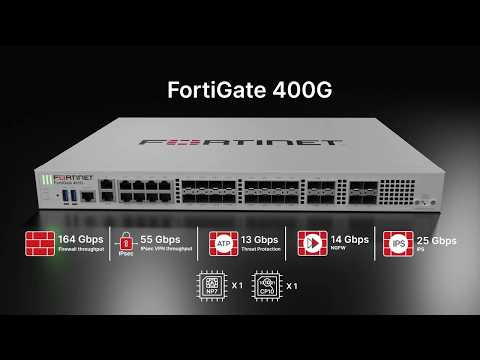
Fortinet — Investor Video Playlist




Industry Resources
| Information Technology Resources |
| TechCrunch |
| Wired |
| CIO |
| MIT Technology Review |
| Gartner Insights |
| Ars Technica |
| Systems Software Resources |
| CNET |
| ZDNet |
| Gartner |
| Software Development Times |
External Quote Links
| Y Finance | Barrons |
| TradingView | Morningstar |
| SeekingAlpha | ValueLine |
| Motley Fool | Robinhood |
| CNBC | Etrade |
| MarketWatch | Unusual Whales |
| YCharts | Perplexity Finance |
| FinViz |
Prefer one of these to Trefis? Tell us why.