
Brookfield Asset Management (BAM)
Market Price (10/23/2026): $47.635 | Market Cap: $76.1 BilSector: Financials | Industry: Asset Management & Custody Banks
Brookfield Asset Management (BAM)
Market Price (10/23/2026): $47.635Market Cap: $76.1 BilSector: FinancialsIndustry: Asset Management & Custody Banks
Investment Highlights Why It Matters Detailed financial logic regarding cash flow yields vs trend-riding momentum.
Attractive yieldTotal YieldTotal Yield = Earnings Yield + Dividend Yield, Earnings Yield = Net Income / Market Cap Dividend Yield = Total Dividends / Market Cap is 7.7%, Dividend Yield is 4.0% Attractive operating marginsOp Mgn LTMOperating Margin = Operating Income / Revenue Reflects profitability before taxes and before impact of capital structure (interest payments). is 78% Attractive cash flow generationCFO/Rev LTMCash Flow from Operations / Revenue (Sales), Last Twelve Months (LTM) is 48%, FCF/Rev LTMFree Cash Flow / Revenue (Sales), Last Twelve Months (LTM) is 48%, CFO LTM is 2.3 Bil, FCF LTM is 2.3 Bil Stock buyback supportStock Buyback 3Y Total is 1.3 Bil Low stock price volatilityVol 12M is 30% Megatrend and thematic driversMegatrends include Digital & Alternative Assets, Renewable Energy Transition, E-commerce Logistics & Data Centers, and Water Infrastructure. Show more. | Weak multi-year price returns2Y Excs Rtn is -31%, 3Y Excs Rtn is -13% | Expensive valuation multiplesP/SPrice/Sales ratio is 16x, P/CFOPrice/(Cash Flow from Operations). CFO is cash before capital expenditures. is 33x, P/EPrice/Earnings or Price/(Net Income) is 27x Key risksBAM key risks include [1] a dependence on growing its fee-bearing capital, Show more. |
| Attractive yieldTotal YieldTotal Yield = Earnings Yield + Dividend Yield, Earnings Yield = Net Income / Market Cap Dividend Yield = Total Dividends / Market Cap is 7.7%, Dividend Yield is 4.0% |
| Attractive operating marginsOp Mgn LTMOperating Margin = Operating Income / Revenue Reflects profitability before taxes and before impact of capital structure (interest payments). is 78% |
| Attractive cash flow generationCFO/Rev LTMCash Flow from Operations / Revenue (Sales), Last Twelve Months (LTM) is 48%, FCF/Rev LTMFree Cash Flow / Revenue (Sales), Last Twelve Months (LTM) is 48%, CFO LTM is 2.3 Bil, FCF LTM is 2.3 Bil |
| Stock buyback supportStock Buyback 3Y Total is 1.3 Bil |
| Low stock price volatilityVol 12M is 30% |
| Megatrend and thematic driversMegatrends include Digital & Alternative Assets, Renewable Energy Transition, E-commerce Logistics & Data Centers, and Water Infrastructure. Show more. |
| Weak multi-year price returns2Y Excs Rtn is -31%, 3Y Excs Rtn is -13% |
| Expensive valuation multiplesP/SPrice/Sales ratio is 16x, P/CFOPrice/(Cash Flow from Operations). CFO is cash before capital expenditures. is 33x, P/EPrice/Earnings or Price/(Net Income) is 27x |
| Key risksBAM key risks include [1] a dependence on growing its fee-bearing capital, Show more. |
Qualitative Assessment
AI Analysis | Feedback
Brookfield Asset Management (BAM) stock has gained about 5% since 6/30/2026 because of the following key factors:
1. Robust Fiscal Q2 2026 Financial Performance Exceeding Expectations. Brookfield Asset Management reported strong results for fiscal Q2 2026 (ended June 30, 2026) on August 5, 2026, with distributable earnings per share of $0.44, surpassing the consensus estimate of $0.4321. The company also announced a 20% year-over-year growth in fee-related earnings, reaching $808 million, and a 19% increase in fee-bearing capital to $672 billion. CEO Connor Teskey expressed expectations for a "best year ever," signaling confidence in continued momentum.
2. Significant Capital Raising and Strategic Deployment in Alternative Assets. The company demonstrated strong operational activity with record fundraising of $77 billion in fiscal Q2 2026, primarily driven by private equity, infrastructure, and credit strategies. Post-fiscal Q2, Brookfield committed approximately $3.0 billion in July 2026 to acquire the largest standalone energy storage business in North America, with the deal expected to close later in the year. Additionally, an inaugural Pinegrove opportunistic strategy closed at $2.5 billion subsequent to fiscal Q3, exceeding its initial target, further showcasing the firm's ability to attract and deploy substantial capital.
Show more
Brookfield Asset Management (BAM) stock has gained about 5% since 6/30/2026 because of the following key factors:
1. Robust Fiscal Q2 2026 Financial Performance Exceeding Expectations. Brookfield Asset Management reported strong results for fiscal Q2 2026 (ended June 30, 2026) on August 5, 2026, with distributable earnings per share of $0.44, surpassing the consensus estimate of $0.4321. The company also announced a 20% year-over-year growth in fee-related earnings, reaching $808 million, and a 19% increase in fee-bearing capital to $672 billion. CEO Connor Teskey expressed expectations for a "best year ever," signaling confidence in continued momentum.
2. Significant Capital Raising and Strategic Deployment in Alternative Assets. The company demonstrated strong operational activity with record fundraising of $77 billion in fiscal Q2 2026, primarily driven by private equity, infrastructure, and credit strategies. Post-fiscal Q2, Brookfield committed approximately $3.0 billion in July 2026 to acquire the largest standalone energy storage business in North America, with the deal expected to close later in the year. Additionally, an inaugural Pinegrove opportunistic strategy closed at $2.5 billion subsequent to fiscal Q3, exceeding its initial target, further showcasing the firm's ability to attract and deploy substantial capital.
3. Strategic Expansion into High-Growth AI Infrastructure. Brookfield announced significant initiatives in the artificial intelligence (AI) infrastructure sector. In July 2026, the company unveiled plans for a $100 billion AI data center campus development in partnership with a leading North American energy company. More recently, Brookfield expanded its AI power partnership with Bloom Energy fivefold, increasing the commitment from $5 billion to $25 billion, aimed at providing rapid power solutions for AI applications.
4. Favorable Analyst Sentiment and Price Target Upside. As of October 21, 2026, Brookfield Asset Management maintained a "Moderate Buy" consensus rating from 12 Wall Street analysts. The average 12-month price target was $56.25, suggesting a 22.47% upside potential from the stock's price of $45.93, indicating positive market sentiment and expectations for future growth.
Show less
Stock Movement Drivers
Fundamental Drivers
The 7.3% change in BAM stock from 6/30/2026 to 10/22/2026 was primarily driven by a 10.2% change in the company's Net Income Margin (%).| (LTM values as of) | 6302026 | 10222026 | Change |
|---|---|---|---|
| Stock Price ($) | 44.42 | 47.64 | 7.3% |
| Change Contribution By: | |||
| Total Revenues ($ Mil) | 4,771 | 4,818 | 1.0% |
| Net Income Margin (%) | 52.8% | 58.2% | 10.2% |
| P/E Multiple | 28.3 | 27.1 | -4.1% |
| Shares Outstanding (Mil) | 1,606 | 1,598 | 0.6% |
| Cumulative Contribution | 7.3% |
Market Drivers
6/30/2026 to 10/22/2026| Return | Correlation | |
|---|---|---|
| BAM | 7.3% | |
| Market (SPY) | 2.3% | 46.7% |
| Sector (XLF) | 5.7% | 59.6% |
Fundamental Drivers
The 9.3% change in BAM stock from 3/31/2026 to 10/22/2026 was primarily driven by a 8.0% change in the company's Net Income Margin (%).| (LTM values as of) | 3312026 | 10222026 | Change |
|---|---|---|---|
| Stock Price ($) | 43.57 | 47.64 | 9.3% |
| Change Contribution By: | |||
| Total Revenues ($ Mil) | 4,608 | 4,818 | 4.6% |
| Net Income Margin (%) | 53.9% | 58.2% | 8.0% |
| P/E Multiple | 28.2 | 27.1 | -3.9% |
| Shares Outstanding (Mil) | 1,610 | 1,598 | 0.8% |
| Cumulative Contribution | 9.3% |
Market Drivers
3/31/2026 to 10/22/2026| Return | Correlation | |
|---|---|---|
| BAM | 9.3% | |
| Market (SPY) | 17.8% | 50.6% |
| Sector (XLF) | 15.1% | 60.0% |
Fundamental Drivers
The -13.0% change in BAM stock from 9/30/2025 to 10/22/2026 was primarily driven by a -25.3% change in the company's P/E Multiple.| (LTM values as of) | 9302025 | 10222026 | Change |
|---|---|---|---|
| Stock Price ($) | 54.77 | 47.64 | -13.0% |
| Change Contribution By: | |||
| Total Revenues ($ Mil) | 4,342 | 4,818 | 11.0% |
| Net Income Margin (%) | 56.0% | 58.2% | 3.9% |
| P/E Multiple | 36.3 | 27.1 | -25.3% |
| Shares Outstanding (Mil) | 1,613 | 1,598 | 0.9% |
| Cumulative Contribution | -13.0% |
Market Drivers
9/30/2025 to 10/22/2026| Return | Correlation | |
|---|---|---|
| BAM | -13.0% | |
| Market (SPY) | 15.6% | 57.6% |
| Sector (XLF) | 6.4% | 61.9% |
Fundamental Drivers
The 58.9% change in BAM stock from 9/30/2023 to 10/22/2026 was primarily driven by a 5635.7% change in the company's Total Revenues ($ Mil).| (LTM values as of) | 9302023 | 10222026 | Change |
|---|---|---|---|
| Stock Price ($) | 29.98 | 47.64 | 58.9% |
| Change Contribution By: | |||
| Total Revenues ($ Mil) | 84 | 4,818 | 5635.7% |
| Net Income Margin (%) | 301.2% | 58.2% | -80.7% |
| P/E Multiple | 46.5 | 27.1 | -41.6% |
| Shares Outstanding (Mil) | 392 | 1,598 | -75.5% |
| Cumulative Contribution | 58.9% |
Market Drivers
9/30/2023 to 10/22/2026| Return | Correlation | |
|---|---|---|
| BAM | 58.9% | |
| Market (SPY) | 84.8% | 65.8% |
| Sector (XLF) | 78.3% | 66.0% |
Price Returns Compared
| 2021 | 2022 | 2023 | 2024 | 2025 | 2026 | Total [1] | |
|---|---|---|---|---|---|---|---|
| Returns | |||||||
| BAM Return | - | -12% | 46% | 40% | -0% | -9% | 63% |
| Peers Return | 80% | -29% | 67% | 55% | -4% | -28% | 132% |
| S&P 500 Return | 27% | -19% | 24% | 23% | 16% | 12% | 104% |
Monthly Win Rates [3] | |||||||
| BAM Win Rate | - | 0% | 67% | 67% | 33% | 50% | |
| Peers Win Rate | 72% | 42% | 67% | 73% | 52% | 44% | |
| S&P 500 Win Rate | 75% | 42% | 67% | 75% | 67% | 50% | |
Max Drawdowns [4] | |||||||
| BAM Max Drawdown | - | - | -20% | -12% | -30% | -21% | |
| Peers Max Drawdown | -16% | -42% | -22% | -17% | -39% | -40% | |
| S&P 500 Max Drawdown | -5% | -25% | -10% | -8% | -19% | -9% | |
[1] Cumulative total returns since the beginning of 2021
[2] Peers: BX, KKR, APO, ARES, CG.
[3] Win Rate = % of calendar months in which monthly returns were positive
[4] Max drawdown represents maximum peak-to-trough decline within a year
[5] 2026 data is for the year up to 10/22/2026 (YTD)
How Low Can It Go
| Event | BAM | S&P 500 |
|---|---|---|
| 2025 US Tariff Shock | ||
| % Loss | -28.8% | -18.8% |
| % Gain to Breakeven | 40.4% | 23.1% |
| Time to Breakeven | 100 days | 79 days |
| Summer-Fall 2023 Five Percent Yield Shock | ||
| % Loss | -15.3% | -9.5% |
| % Gain to Breakeven | 18.1% | 10.5% |
| Time to Breakeven | 22 days | 24 days |
| 2023 SVB Regional Banking Crisis | ||
| % Loss | -11.9% | -6.7% |
| % Gain to Breakeven | 13.5% | 7.1% |
| Time to Breakeven | 78 days | 31 days |
In The Past
Brookfield Asset Management's stock fell -28.8% during the 2025 US Tariff Shock. Such a loss loss requires a 40.4% gain to breakeven.
Preserve Wealth
Limiting losses and compounding gains is essential to preserving wealth.
Asset Allocation
Actively managed asset allocation strategies protect wealth. Learn more.
| Event | BAM | S&P 500 |
|---|---|---|
| 2025 US Tariff Shock | ||
| % Loss | -28.8% | -18.8% |
| % Gain to Breakeven | 40.4% | 23.1% |
| Time to Breakeven | 100 days | 79 days |
In The Past
Brookfield Asset Management's stock fell -28.8% during the 2025 US Tariff Shock. Such a loss loss requires a 40.4% gain to breakeven.
Preserve Wealth
Limiting losses and compounding gains is essential to preserving wealth.
Asset Allocation
Actively managed asset allocation strategies protect wealth. Learn more.
About Brookfield Asset Management (BAM)
Brookfield Asset Management (BAM) is a leading global alternative asset manager that specializes in investing in real assets. The company's core investment focus spans four key areas: real estate, renewable power, infrastructure, and private equity. BAM aims to generate attractive long-term risk-adjusted returns for its diverse clientele, which includes both institutional and retail investors, as well as its shareholders.
The company provides its services by managing a range of public and private investment products. Its main revenue streams are derived from base management fees and performance-based income earned from managing client capital. Brookfield Asset Management also invests its own substantial capital, often alongside its clients through its four listed partnerships, which allows it to undertake large-scale investments in premier assets globally. Beyond capital management, BAM creates value through strategic capital allocation and by actively operating and developing its assets to enhance their value and cash flow.
AI Analysis | Feedback
Here are 1-3 brief analogies to describe Brookfield Asset Management (BAM):
- Blackstone, but with a strong focus on real assets like real estate, infrastructure, and renewable power.
- A KKR-style investment manager that specializes in owning and operating major real estate, infrastructure, and clean energy businesses.
AI Analysis | Feedback
- Alternative Asset Management: Brookfield Asset Management provides comprehensive investment management services across real estate, renewable power, infrastructure, and private equity for a diverse client base.
- Investment Product Development: The company designs and manages a range of public and private investment products, including funds and listed partnerships, to facilitate client investments in alternative assets.
- Strategic Co-investment: BAM deploys its own significant balance sheet capital to invest alongside its clients in large-scale, premier real assets, aligning interests and enhancing investment opportunities.
- Operational Asset Enhancement: Through its owner-operator model, Brookfield actively manages and develops its portfolio assets, employing operational expertise to increase their value and cash flow generation.
AI Analysis | Feedback
Brookfield Asset Management (BAM) serves a diverse client base, primarily categorized as:
- Institutional Clients: These include large organizations such as pension funds, sovereign wealth funds, endowments, foundations, and insurance companies that invest significant capital in Brookfield's various investment products and strategies across real estate, renewable power, infrastructure, and private equity.
- Retail Clients: These are individual investors who access Brookfield's investment offerings, often through various public and private investment products and services.
AI Analysis | Feedback
AI Analysis | Feedback
Connor Teskey – Chief Executive Officer
Connor Teskey was appointed CEO of Brookfield Asset Management effective February 3, 2026. He joined Brookfield in 2012 and has held various investment and management roles, including President of Brookfield Asset Management since 2022. Mr. Teskey also heads Brookfield's Renewable Power & Transition business and serves as CEO of Brookfield Renewable Partners. Prior to joining Brookfield, he worked in corporate debt origination at a Canadian bank, Canadian Imperial Bank of Commerce. He played a central role in building Brookfield's investment strategy, scaling its global renewable business, and developing leaders within the company. Mr. Teskey holds a Bachelor of Business Administration degree from the University of Western Ontario.
Hadley Peer Marshall – Chief Financial Officer
Hadley Peer Marshall serves as the Chief Financial Officer of Brookfield Asset Management and is also a Managing Partner in the Infrastructure group.
Bruce Flatt – Chair of the Board
Bruce Flatt is the Chair of the Board of Brookfield Asset Management and also serves as the Chief Executive Officer of Brookfield Corporation, which is the majority shareholder of Brookfield Asset Management. He joined Brookfield in 1990 and was CEO of Brookfield Corporation since 2002. Mr. Flatt was the CEO of Brookfield Asset Management from its formation in December 2022 until February 2026. He has served on numerous public company boards over four decades.
Cyrus Madon – Executive Vice Chair, Brookfield Asset Management
Cyrus Madon is the Executive Vice Chair of Brookfield Asset Management and also holds the position of Executive Chair of Brookfield's Private Equity Group. In this role, he is responsible for developing strategy and providing investment oversight for the private equity business. Mr. Madon joined Brookfield in 1998 and has held various senior positions, including CEO of Brookfield's Private Equity business. He is a member of Brookfield's Executive Committee and holds a Bachelor of Commerce degree from Queen's University.
Barry Blattman – Vice Chair, Brookfield Asset Management
Barry Blattman is a Vice Chair of Brookfield Asset Management, where he focuses on strategic client and business relationships and contributes to global business development and transaction strategy. He joined Brookfield in 2002. Prior to Brookfield, Mr. Blattman was a Managing Director at Merrill Lynch, having started his career at Salomon Brothers in 1986. He is also a director of Brookfield Wealth Solutions Ltd. Mr. Blattman holds an MBA from New York University and a Bachelor of Arts degree from the University of Michigan.
AI Analysis | Feedback
The key risks to Brookfield Asset Management (BAM) primarily stem from its business model as a global alternative asset manager focused on real assets and its reliance on capital inflows and market conditions.
-
Slowdown in Fee-Bearing Capital Growth: Brookfield Asset Management's revenue is largely derived from fees generated on its fee-bearing capital. A significant risk is a potential slowdown in the growth of this capital, which could result from lower inflows of funds from clients. This directly impacts the company's fee-related earnings and could lead to a contraction in valuation multiples if optimistic growth assumptions are not met.
-
Market and Industry Risks, including Elevated Interest Rates and Economic Downturns: Brookfield Asset Management’s investments are concentrated in real estate, renewable power, infrastructure, and private equity. These sectors are inherently exposed to broad market fluctuations, economic cycles, and industry-specific risks. A key concern is the impact of a "higher-for-longer" interest rate environment, which can increase the cost of financing new acquisitions and refinancing existing debt, particularly for its real estate and infrastructure portfolios. Economic downturns could also lead to markdowns in the valuation and profitability of its substantial real asset holdings.
-
Intense Competition: The alternative asset management industry is highly competitive, with numerous firms vying for capital and investment opportunities. Brookfield faces significant competition from large players like BlackRock and Apollo Global Management, which can drive up asset prices and make it more challenging to acquire premier assets at attractive valuations, thereby potentially compressing investment returns.
AI Analysis | Feedback
AI Analysis | Feedback
Brookfield Asset Management (BAM) operates in global markets across several key alternative asset classes. The addressable markets for its main products and services are substantial:
-
Real Estate: The professionally managed global real estate investment market was valued at approximately USD 12.5 trillion in 2024. More broadly, the global real estate market size was estimated at USD 4.33 trillion in 2025 and is projected to reach USD 7.35 trillion by 2033, growing at a CAGR of 7.1% from 2026 to 2033. Another estimate placed the global real estate market size at USD 7.52 trillion in 2025, with a projection to reach USD 8.76 trillion by 2034. A different report indicated the global real estate market size was valued at USD 4.06 trillion in 2024 and is estimated to reach USD 7.84 trillion by 2033.
-
Renewable Power: The global renewable energy market size was valued at approximately USD 1.50 trillion in 2024. This market is anticipated to grow significantly, with projections reaching USD 4.86 trillion by 2033, USD 4.96 trillion by 2033, and USD 5.79 trillion by 2035.
-
Infrastructure: The Global Infrastructure Sector Market was valued at approximately USD 2.56 trillion in 2023 and is predicted to grow to around USD 4.69 trillion by 2033, at a compound annual growth rate (CAGR) of 6.24% between 2023 and 2033. Another report indicated that the global infrastructure market is valued at USD 2.7 trillion. The total market value of global infrastructure assets reached USD 1.22 trillion at the end of 2024.
-
Private Equity: The global private equity market size was valued at USD 855.4 billion in 2025, with an estimation to reach USD 1.75 trillion by 2034, growing at a CAGR of 8.29% from 2026 to 2034. Other estimates for the global private equity market include a value of USD 593.28 billion in 2025, projected to reach approximately USD 1.46 trillion by 2035, and a valuation of USD 445.4 billion in 2022, expected to reach USD 1.1 trillion by 2032.
AI Analysis | Feedback
- Growth in Fee-Bearing Capital (FBC) and Assets Under Management (AUM) through robust fundraising efforts: Brookfield Asset Management consistently emphasizes its strong fundraising capabilities, which directly translate into an increase in fee-bearing capital and assets under management. The company has a stated objective to double its business by 2030, targeting $1.2 trillion in fee-bearing capital, and anticipates fundraising in 2026 to exceed 2025 levels. This continuous growth in its capital base is a primary driver of fee-related earnings.
- Strategic expansion into new markets and investment capabilities, particularly in private credit and AI infrastructure: The firm is strategically positioning itself to capitalize on megatrends such as artificial intelligence and the energy transition. Brookfield is actively expanding its investment capabilities in these growing sectors, including significant multi-billion dollar programs in AI infrastructure. Furthermore, the planned acquisition of the remaining 26% stake in Oaktree is expected to bolster its private credit business, a sector where it sees a large opportunity set.
- Deployment of uncalled commitments and active capital recycling through asset monetization: Brookfield Asset Management has a substantial pool of uncalled private fund commitments, totaling approximately $134 billion at the end of 2025, which will become fee-earning upon deployment. The company actively monetizes stabilized assets to realize value, which allows for the recycling of capital into new, attractive investment opportunities across various sectors, geographies, and positions in the capital structure.
AI Analysis | Feedback
Share Repurchases
- Brookfield Asset Management authorized the repurchase of up to 36,946,177 Class A Limited Voting Shares (approximately 10% of its public float) between January 13, 2026, and January 12, 2027.
- Under a prior program from January 13, 2025, to January 12, 2026, the company purchased 6,548,561 Class A shares at a weighted average price of US$54.14, totaling approximately $354.5 million as of December 31, 2025.
- The share repurchase program that commenced on January 11, 2024, and expired on January 10, 2025, did not result in any Class A Shares being purchased by BAM.
Share Issuance
- On December 9, 2022, Brookfield completed a distribution and listing of 25% of its asset management business (Brookfield Asset Management Ltd.), where shareholders of Brookfield Corporation received 1 Manager Class A Share for every 4 Class A Shares held.
- On May 2, 2024, BAM issued approximately 28.8 million Class A Shares, valued at $1.1 billion, to Brookfield Corporation (BN) as part of the acquisition of the remaining outstanding common stock of American Equity Investment Life Holding Company (AEL), which increased BAM's ownership in the Asset Management Company.
- As of December 31, 2025, Brookfield Asset Management had 1.64 billion Class A Shares outstanding.
Inbound Investments
- No significant third-party inbound investments directly into Brookfield Asset Management (BAM) were identified. The relationship with Brookfield Corporation involves a corporate restructuring where BAM acquired 100% of the common shares of the Asset Management Company, and Brookfield Corporation owns approximately 73% of BAM's outstanding Class A Shares.
Outbound Investments
- Brookfield Asset Management manages over $1 trillion in assets, with an investment focus across renewable power and transition, infrastructure, private equity, real estate, and credit.
- In 2025, the company made approximately $1.0 billion in investments, including participating in Castlelake's acquisition of Concora and increasing its ownership stakes in Oaktree and Primary Wave. In the same year, the firm raised over $110 billion in new capital.
- During 2024, Brookfield deployed $48 billion of capital, with notable investments including $3.2 billion into Neoen as part of $4.5 billion deployed in renewable power and transition. The company also raised over $135 billion in capital inflows in 2024.
Capital Expenditures
- Reported capital expenditures for Brookfield Asset Management (as reported in cash flow statements) showed net outflows of $35 million in 2021, $13 million in 2022, $17 million in 2023, and $8 million in 2024.
- The primary focus of capital expenditures for an asset manager like BAM is typically within its managed funds and portfolio companies across sectors such as renewable power, infrastructure, private equity, and real estate, rather than significant direct capital expenditures on its own corporate balance sheet.
- Projected capital expenditures for the upcoming years include $60 million for 2026, $69 million for 2027, and $79 million for 2028.
Peer Outperformance in Asset Management & Custody Banks
null| Industry | Names | 1Y med | 3Y med | 5Y med | Top 3 by 5Y |
|---|---|---|---|---|---|
| Reinsurance | 6 | 31.1% | 75.4% | 121.6% | SPNT 176% · RNR 155% · RGA 154% |
| Diversified Banks | 12 | 30.8% | 148.9% | 89.3% | CM 140% · RY 124% · JPM 122% |
| Life & Health Insurance | 20 | 14.9% | 60.7% | 85.6% | JXN 486% · UNM 291% · FG 185% |
| Investment Banking & Brokerage | 13 | -12.8% | 105.6% | 74.3% | IBKR 354% · SNEX 172% · HOOD 144% |
| Multi-Sector Holdings | 4 | 4.1% | 61.4% | 72.9% | BRK-B 89% · VOYA 57% · JEF 31% |
| Property & Casualty Insurance | 42 | 17.3% | 84.4% | 66.5% | TRV 175% · PGR 168% · ACGL 150% |
| Multi-line Insurance | 9 | 9.2% | 73.0% | 60.5% | L 101% · GNW 100% · AIZ 90% |
| Regional Banks | 265 | 30.8% | 102.3% | 52.7% | CBC 239% · FCNCA 165% · NIC 145% |
| Financial Exchanges & Data | 15 | 13.3% | 39.5% | 33.0% | CBOE 171% · VIRT 154% · CME 73% |
| Insurance Brokers | 15 | -3.1% | 14.0% | 25.2% | LIFE 410% · ARX 88% · AJG 73% |
| Consumer Finance | 30 | 0.7% | 86.7% | 25.0% | ENVA 407% · FCFS 116% · ECPG 95% |
| Diversified Financial Services | 4 | -4.6% | 24.6% | 6.5% | FRHC 154% · EQH 84% |
| Asset Management & Custody Banks ← | 85 | -11.5% | 22.8% | 3.7% | WT 283% · AAMI 248% · VCTR 240% |
| Commercial & Residential Mortgage Finance | 15 | -53.5% | 35.2% | 1.7% | FNMA 413% · FMCC 376% · ACT 156% |
| Specialized Finance | 3 | 11.5% | 40.1% | -10.2% | CACC -10% · HASI -22% |
| Transaction & Payment Processing Services | 17 | 4.6% | 8.8% | -32.6% | V 86% · MA 82% · CPAY 50% |
| Mortgage REITs | 34 | -20.8% | 1.3% | -33.0% | RITM 26% · DX 21% · AGNC 8% |
| Diversified Capital Markets | 20 | -53.1% | 16.3% | -66.5% | LPLA 87% · TW 45% · RIOT -54% |
Latest Trefis Analyses
Research & Analysis
Invest in Strategies
Wealth Management
Peer Comparisons
| Peers to compare with: |
Financials
| Median | |
|---|---|
| Name | |
| Mkt Price | 104.03 |
| Mkt Cap | 72.1 |
| Rev LTM | 9,800 |
| Op Inc LTM | 2,715 |
| FCF LTM | 2,337 |
| FCF 3Y Avg | 3,055 |
| CFO LTM | 2,412 |
| CFO 3Y Avg | 3,155 |
Growth & Margins
| Median | |
|---|---|
| Name | |
| Rev Chg LTM | 20.8% |
| Rev Chg 3Y Avg | 26.8% |
| Rev Chg Q | 9.4% |
| QoQ Delta Rev Chg LTM | 2.3% |
| Op Inc Chg LTM | 35.2% |
| Op Inc Chg 3Y Avg | 1,252.1% |
| Op Mgn LTM | 21.5% |
| Op Mgn 3Y Avg | 23.4% |
| QoQ Delta Op Mgn LTM | 0.7% |
| CFO/Rev LTM | 20.8% |
| CFO/Rev 3Y Avg | 31.4% |
| FCF/Rev LTM | 20.2% |
| FCF/Rev 3Y Avg | 31.0% |
Segment Financials
Revenue by Segment| $ Mil | 2025 | 2024 | 2023 |
|---|---|---|---|
| Credit | 1,633 | 1,402 | 1,149 |
| Real estate | 1,083 | 968 | 920 |
| Infrastructure | 967 | 907 | 950 |
| Energy | 682 | 513 | 483 |
| Incentive distributions | 560 | 424 | 378 |
| Private equity | 450 | 470 | 475 |
| Costs recovered from affiliates | 298 | 218 | 156 |
| Other revenues | 264 | 232 | 194 |
| Carried interest allocations | 209 | 16 | 399 |
| Interest and dividend revenue | 98 | 143 | 172 |
| Interest and dividend revenue of consolidated funds | 31 | 0 | 0 |
| Fee revenues of equity method investments | -1,458 | -1,313 | -1,214 |
| Total | 4,817 | 3,980 | 4,062 |
| $ Mil | 2022 |
|---|---|
| Management of our investment in the Asset Management Company | 3,161 |
| Total | 3,161 |
Price Behavior
| Market Price | $47.64 | |
| Market Cap ($ Bil) | 76.1 | |
| First Trading Date | 12/12/2022 | |
| Distance from 52W High | -13.9% | |
| 50 Days | 200 Days | |
| DMA Price | $47.70 | $47.26 |
| DMA Trend | down | down |
| Distance from DMA | -0.1% | 0.8% |
| 3M | 1YR | |
| Volatility | 28.5% | 29.8% |
| Downside Capture | 190.14 | 187.67 |
| Upside Capture | 148.34 | 141.35 |
| Correlation (S&P 500) | 52.6% | 57.7% |
| 1M | 2M | 3M | 6M | 1Y | 3Y | |
|---|---|---|---|---|---|---|
| Beta | 1.19 | 1.58 | 1.42 | 1.29 | 1.39 | 1.31 |
| Up Beta | 0.54 | 1.56 | 0.62 | 1.09 | 0.99 | 1.10 |
| Down Beta | 3.11 | 3.80 | 1.94 | 1.13 | 1.44 | 1.26 |
| Up Capture | 39% | 102% | 158% | 124% | 141% | 299% |
| Bmk +ve Days | 6 | 16 | 27 | 66 | 132 | 424 |
| Stock +ve Days | 9 | 22 | 35 | 61 | 123 | 384 |
| Down Capture | 250% | 188% | 159% | 156% | 143% | 109% |
| Bmk -ve Days | 16 | 26 | 37 | 60 | 120 | 328 |
| Stock -ve Days | 13 | 20 | 29 | 65 | 129 | 361 |
[1] Upside and downside betas calculated using positive and negative benchmark daily returns respectively
Based On 1-Year Data
| Annualized Return | Annualized Volatility | Sharpe Ratio | Correlation with BAM | |
|---|---|---|---|---|
| BAM | -9.4% | 29.8% | -0.33 | - |
| Sector ETF (XLF) | 8.8% | 14.5% | 0.35 | 60.4% |
| Equity (SPY) | 14.8% | 12.7% | 0.80 | 55.7% |
| Gold (GLD) | -2.2% | 28.4% | -0.09 | 19.4% |
| Commodities (DBC) | 52.1% | 20.7% | 1.91 | -26.2% |
| Real Estate (VNQ) | 4.7% | 13.9% | 0.08 | 34.9% |
| Bitcoin (BTCUSD) | -22.4% | 43.4% | -0.47 | 32.1% |
Smart multi-asset allocation framework can stack odds in your favor. Learn How
Based On 5-Year Data
| Annualized Return | Annualized Volatility | Sharpe Ratio | Correlation with BAM | |
|---|---|---|---|---|
| BAM | 11.0% | 30.0% | 0.46 | - |
| Sector ETF (XLF) | 9.6% | 18.3% | 0.38 | 63.3% |
| Equity (SPY) | 13.0% | 17.1% | 0.57 | 63.4% |
| Gold (GLD) | 17.1% | 18.9% | 0.72 | 12.5% |
| Commodities (DBC) | 9.3% | 19.5% | 0.36 | 3.8% |
| Real Estate (VNQ) | 1.1% | 18.9% | -0.05 | 49.2% |
| Bitcoin (BTCUSD) | 8.0% | 51.7% | 0.33 | 26.4% |
Smart multi-asset allocation framework can stack odds in your favor. Learn How
Based On 10-Year Data
| Annualized Return | Annualized Volatility | Sharpe Ratio | Correlation with BAM | |
|---|---|---|---|---|
| BAM | 5.3% | 30.0% | 0.46 | - |
| Sector ETF (XLF) | 13.3% | 22.1% | 0.54 | 63.3% |
| Equity (SPY) | 15.4% | 17.9% | 0.73 | 63.4% |
| Gold (GLD) | 11.9% | 16.4% | 0.59 | 12.5% |
| Commodities (DBC) | 8.3% | 18.1% | 0.37 | 3.8% |
| Real Estate (VNQ) | 5.2% | 20.7% | 0.21 | 49.2% |
| Bitcoin (BTCUSD) | 63.0% | 66.2% | 1.03 | 26.4% |
Smart multi-asset allocation framework can stack odds in your favor. Learn How
Returns Analyses
Earnings Returns History
Updated 10/13/2026| Forward Returns | |||
|---|---|---|---|
| Earnings Date | 1D Returns | 5D Returns | 21D Returns |
| 8/6/2026 | -1.3% | 5.1% | -3.9% |
| 5/8/2026 | 2.0% | 1.3% | -4.8% |
| 2/4/2026 | 4.9% | 11.7% | 0.8% |
| 11/7/2025 | -0.5% | -2.6% | 3.1% |
| 8/6/2025 | 2.3% | 1.8% | -3.4% |
| 5/6/2025 | 2.1% | 6.6% | 5.8% |
| 2/12/2025 | -1.0% | 9.1% | -17.4% |
| SUMMARY STATS | |||
| # Positive | 4 | 6 | 3 |
| # Negative | 3 | 1 | 4 |
| Median Positive | 2.2% | 5.8% | 3.1% |
| Median Negative | -1.0% | -2.6% | -4.4% |
| Max Positive | 4.9% | 11.7% | 5.8% |
| Max Negative | -1.3% | -2.6% | -17.4% |
| Forward Returns | |||
|---|---|---|---|
| Earnings Date | 1D Returns | 5D Returns | 21D Returns |
| 8/6/2026 | -1.3% | 5.1% | -3.9% |
| 5/8/2026 | 2.0% | 1.3% | -4.8% |
| 2/4/2026 | 4.9% | 11.7% | 0.8% |
| 11/7/2025 | -0.5% | -2.6% | 3.1% |
| 8/6/2025 | 2.3% | 1.8% | -3.4% |
| 5/6/2025 | 2.1% | 6.6% | 5.8% |
| 2/12/2025 | -1.0% | 9.1% | -17.4% |
| SUMMARY STATS | |||
| # Positive | 4 | 6 | 3 |
| # Negative | 3 | 1 | 4 |
| Median Positive | 2.2% | 5.8% | 3.1% |
| Median Negative | -1.0% | -2.6% | -4.4% |
| Max Positive | 4.9% | 11.7% | 5.8% |
| Max Negative | -1.3% | -2.6% | -17.4% |
SEC Filings
Expand for More| Report Date | Filing Date | Filing |
|---|---|---|
| 03/31/2026 | 05/08/2026 | 10-Q |
| 12/31/2025 | 03/02/2026 | 10-K |
| 09/30/2025 | 11/10/2025 | 10-Q |
| 06/30/2025 | 08/08/2025 | 10-Q |
| 03/31/2025 | 05/09/2025 | 10-Q |
| 09/30/2024 | 11/12/2024 | 6-K |
| 06/30/2024 | 08/09/2024 | 6-K |
| 03/31/2024 | 05/08/2024 | 6-K |
| 12/31/2023 | 03/19/2024 | 40-F |
| 09/30/2023 | 11/09/2023 | 6-K |
| 06/30/2023 | 08/14/2023 | 6-K |
| 03/31/2023 | 05/15/2023 | 6-K |
| 12/31/2022 | 04/03/2023 | 20-F |
| Report Date | Filing Date | Filing |
|---|---|---|
| 03/31/2026 | 05/08/2026 | 10-Q |
| 12/31/2025 | 03/02/2026 | 10-K |
| 09/30/2025 | 11/10/2025 | 10-Q |
| 06/30/2025 | 08/08/2025 | 10-Q |
| 03/31/2025 | 05/09/2025 | 10-Q |
| 09/30/2024 | 11/12/2024 | 6-K |
| 06/30/2024 | 08/09/2024 | 6-K |
| 03/31/2024 | 05/08/2024 | 6-K |
| 12/31/2023 | 03/19/2024 | 40-F |
| 09/30/2023 | 11/09/2023 | 6-K |
| 06/30/2023 | 08/14/2023 | 6-K |
| 03/31/2023 | 05/15/2023 | 6-K |
| 12/31/2022 | 04/03/2023 | 20-F |
Recent Forward Guidance
Updated 10/4/2026Latest: Q2 2026 Earnings Reported 8/6/2026
| Forward Guidance | Guidance Change | |||||||
|---|---|---|---|---|---|---|---|---|
| Metric | Source | Low | Mid | High | % Chg | % Delta | Change | Prior |
| 2026 Annual Fees | Reported | 680.00 Mil | 1.5% | Raised | Guidance: 670.00 Mil for 2026 | |||
| 2026 Energy Storage Acquisition Cost | Reported | 3.00 Bil | ||||||
Prior: Q1 2026 Earnings Reported 5/8/2026
| Forward Guidance | Guidance Change | |||||||
|---|---|---|---|---|---|---|---|---|
| Metric | Source | Low | Mid | High | % Chg | % Delta | Change | Prior |
| 2026 Annual Fees from Uncalled Commitments | Reported | 670.00 Mil | 6.3% | Raised | Guidance: 630.00 Mil for 2026 | |||
| 2026 Annual Base Fee Revenue (Just Group) | Reported | 100.00 Mil | ||||||
Q4 2025 Earnings Reported 2/4/2026
| Forward Guidance | Guidance Change | |||||||
|---|---|---|---|---|---|---|---|---|
| Metric | Source | Low | Mid | High | % Chg | % Delta | Change | Prior |
| 2026 Annual Fee Revenue from Uncalled Commitments | Reported | 630.00 Mil | 14.5% | Raised | Guidance: 550.00 Mil for 2026 | |||
Q3 2025 Earnings Reported 11/7/2025
| Forward Guidance | Guidance Change | |||||||
|---|---|---|---|---|---|---|---|---|
| Metric | Source | Low | Mid | High | % Chg | % Delta | Change | Prior |
| 2026 Uncalled Fund Commitments Fee Generation | Reported | 550.00 Mil | ||||||
Investor Activity (13F)
Updated Oct 23, 2026Active managers (13F portfolio over $250M, at least 3 holdings) with a position over $5M that is either over 10% of their portfolio or held in a concentrated book of 50 or fewer total positions. Index/ETF, sovereign, bank, community-bank and charitable/donor-advised filers are excluded.
| Active Manager | Value | % of Portfolio | Total Positions | QoQ | Filing |
|---|---|---|---|---|---|
| Partners Value Investments L.P. | $1.3 Bil | 14.1% | 6 | Hold | 13F |
| Broad Run Investment Management, LLC | $26.8 Mil | 4.7% | 24 | ADD +49.7% | 13F |
| GFI Investment Counsel Ltd. | $24.6 Mil | 3.4% | 24 | New | 13F |
| America First Investment Advisors, LLC | $12.7 Mil | 2.4% | 41 | Hold | 13F |
| Bruni J V & Co /Co | $12.2 Mil | 1.3% | 31 | Hold | 13F |
| Mcdonald Capital Investors Inc/Ca | $15.1 Mil | 1.0% | 21 | Hold | 13F |
| Partners Group Holding AG | $13.7 Mil | 1.0% | 50 | ADD +32.8% | 13F |
| Active Manager |
|---|
| Active Manager | Value | % of Portfolio | Total Positions | QoQ | Filing |
|---|---|---|---|---|---|
| Partners Value Investments L.P. | $1.3 Bil | 14.1% | 6 | Hold | 13F |
| Broad Run Investment Management, LLC | $26.8 Mil | 4.7% | 24 | ADD +49.7% | 13F |
| GFI Investment Counsel Ltd. | $24.6 Mil | 3.4% | 24 | New | 13F |
| Mcdonald Capital Investors Inc/Ca | $15.1 Mil | 1.0% | 21 | Hold | 13F |
| Partners Group Holding AG | $13.7 Mil | 1.0% | 50 | ADD +32.8% | 13F |
| America First Investment Advisors, LLC | $12.7 Mil | 2.4% | 41 | Hold | 13F |
| Bruni J V & Co /Co | $12.2 Mil | 1.3% | 31 | Hold | 13F |
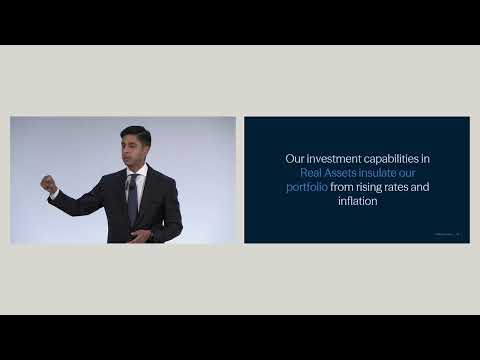
Brookfield Asset Management — Investor Video Playlist



Industry Resources
| Financials Resources |
| Federal Reserve Economic Data |
| Federal Reserve |
| FDIC Data |
| American Banker |
| The Banker |
| Banking Technology |
| Asset Management & Custody Banks Resources |
| Pensions & Investments |
| Institutional Investor |
| Ignites |
External Quote Links
| Y Finance | Barrons |
| TradingView | Morningstar |
| SeekingAlpha | ValueLine |
| Motley Fool | Robinhood |
| CNBC | Etrade |
| MarketWatch | Unusual Whales |
| YCharts | Perplexity Finance |
| FinViz |
Prefer one of these to Trefis? Tell us why.