
American Battery Technology (ABAT)
Market Price (10/19/2026): $1.49 | Market Cap: $204.3 MilSector: Industrials | Industry: Environmental & Facilities Services
American Battery Technology (ABAT)
Market Price (10/19/2026): $1.49Market Cap: $204.3 MilSector: IndustrialsIndustry: Environmental & Facilities Services
Investment Highlights Why It Matters Detailed financial logic regarding cash flow yields vs trend-riding momentum.
Cash is significant % of market capNet D/ENet Debt/Equity. Debt net of cash. Negative indicates net cash. Equity is taken as the Market Capitalization is -24% Strong revenue growthRev Chg LTMRevenue Change % Last Twelve Months (LTM) is 407% Valuation becoming less expensiveP/S 6M Chg %Price/Sales change over 6 months. Declining P/S indicates valuation has become less expensive. is -59% Megatrend and thematic driversMegatrends include Circular Economy & Recycling, Battery Technology & Metals, and Renewable Energy Transition. Themes include Advanced Recycling Technologies, Show more. | Weak multi-year price returns3Y Excs Rtn is -153% Meaningful short interestShort Interest % of Basic SharesShort Interest % of Basic Shares = (Short Interest Quantity) / (Basic Shares Outstanding). A high fraction of short interest can indicate potential risk of a short squeeze. is 16% | Not profitable at operating income levelOp Inc LTMOperating Income, Last Twelve Months is -75 Mil, Op Mgn LTMOperating Margin = Operating Income / Revenue Reflects profitability before taxes and before impact of capital structure (interest payments). is -344% Expensive valuation multiplesP/SPrice/Sales ratio is 9.3x Significant share based compensationSBC/Rev LTMShare Based Compensation / Revenue (Sales), Last Twelve Months (LTM) is 214% Not cash flow generativeCFO/Rev LTMCash Flow from Operations / Revenue (Sales), Last Twelve Months (LTM) is -111%, FCF/Rev LTMFree Cash Flow / Revenue (Sales), Last Twelve Months (LTM) is -174% Yield minus risk free rate is negativeERPEquity Risk Premium (ERP) = Total Yield - Risk Free Rate, Reflects the premium above risk free assets offered by the investment. is -42% High stock price volatilityVol 12M is 110% Key risksABAT key risks include [1] substantial doubt from its auditors about the company's ability to continue as a going concern, Show more. |
| Cash is significant % of market capNet D/ENet Debt/Equity. Debt net of cash. Negative indicates net cash. Equity is taken as the Market Capitalization is -24% |
| Strong revenue growthRev Chg LTMRevenue Change % Last Twelve Months (LTM) is 407% |
| Valuation becoming less expensiveP/S 6M Chg %Price/Sales change over 6 months. Declining P/S indicates valuation has become less expensive. is -59% |
| Megatrend and thematic driversMegatrends include Circular Economy & Recycling, Battery Technology & Metals, and Renewable Energy Transition. Themes include Advanced Recycling Technologies, Show more. |
| Weak multi-year price returns3Y Excs Rtn is -153% |
| Meaningful short interestShort Interest % of Basic SharesShort Interest % of Basic Shares = (Short Interest Quantity) / (Basic Shares Outstanding). A high fraction of short interest can indicate potential risk of a short squeeze. is 16% |
| Not profitable at operating income levelOp Inc LTMOperating Income, Last Twelve Months is -75 Mil, Op Mgn LTMOperating Margin = Operating Income / Revenue Reflects profitability before taxes and before impact of capital structure (interest payments). is -344% |
| Expensive valuation multiplesP/SPrice/Sales ratio is 9.3x |
| Significant share based compensationSBC/Rev LTMShare Based Compensation / Revenue (Sales), Last Twelve Months (LTM) is 214% |
| Not cash flow generativeCFO/Rev LTMCash Flow from Operations / Revenue (Sales), Last Twelve Months (LTM) is -111%, FCF/Rev LTMFree Cash Flow / Revenue (Sales), Last Twelve Months (LTM) is -174% |
| Yield minus risk free rate is negativeERPEquity Risk Premium (ERP) = Total Yield - Risk Free Rate, Reflects the premium above risk free assets offered by the investment. is -42% |
| High stock price volatilityVol 12M is 110% |
| Key risksABAT key risks include [1] substantial doubt from its auditors about the company's ability to continue as a going concern, Show more. |
Qualitative Assessment
AI Analysis | Feedback
American Battery Technology (ABAT) stock has lost about 50% since 6/30/2026 because of the following key factors:
1. American Battery Technology Company (ABAT) reported a significant earnings miss for fiscal Q4 2026, which ended on June 30, 2026. The company posted an earnings per share (EPS) of -$0.15, notably missing analysts' expectations of -$0.05 by 200%. This earnings miss was reported on September 13, 2026, likely contributing to negative investor sentiment and stock price decline.
2. A new U.S. federal directive, effective August 27, 2026, significantly impacted ABAT's black mass export operations. This directive prohibits the export of black mass from the United States without an exception. ABAT explicitly stated that sales of black mass constitute the majority of its total revenue, with substantially all of its current black mass customers located in international markets, primarily OECD countries. This regulatory change introduced considerable near-term risk and uncertainty regarding a major revenue stream.
Show more
American Battery Technology (ABAT) stock has lost about 50% since 6/30/2026 because of the following key factors:
1. American Battery Technology Company (ABAT) reported a significant earnings miss for fiscal Q4 2026, which ended on June 30, 2026. The company posted an earnings per share (EPS) of -$0.15, notably missing analysts' expectations of -$0.05 by 200%. This earnings miss was reported on September 13, 2026, likely contributing to negative investor sentiment and stock price decline.
2. A new U.S. federal directive, effective August 27, 2026, significantly impacted ABAT's black mass export operations. This directive prohibits the export of black mass from the United States without an exception. ABAT explicitly stated that sales of black mass constitute the majority of its total revenue, with substantially all of its current black mass customers located in international markets, primarily OECD countries. This regulatory change introduced considerable near-term risk and uncertainty regarding a major revenue stream.
3. The broader market experienced a substantial decline in critical mineral prices, particularly lithium, during fiscal Q1 2027 (July-September 2026). Lithium carbonate prices in China fell by nearly 21% in Q3 2026, with battery-grade lithium carbonate (EXW China) closing the quarter at US$19,025, representing a 20.8% quarter-over-quarter decrease. Concurrently, battery cell prices also decreased across most grades, with the global battery-cell price benchmark falling by 6.7% over the quarter to $71.85/kWh in September. These macroeconomic price declines for key materials can pressure ABAT's revenue and profitability, despite operational efficiencies.
4. Despite achieving its first positive quarterly gross profit of $1.3 million in fiscal Q4 2026, ABAT continued to face overall unprofitability and concerns regarding dilution. The company reported a net loss of $73.4 million for the full fiscal year 2026 and remained cash-flow negative. Additionally, ABAT cautioned that the capital-intensive nature of scaling its lithium extraction and battery recycling operations continued to pose challenges through dilution effects, highlighting ongoing financial hurdles despite operational milestones.
Show less
Stock Movement Drivers
Fundamental Drivers
The -47.7% change in ABAT stock from 6/30/2026 to 10/18/2026 was primarily driven by a -59.3% change in the company's P/S Multiple.| (LTM values as of) | 6302026 | 10182026 | Change |
|---|---|---|---|
| Stock Price ($) | 2.83 | 1.48 | -47.7% |
| Change Contribution By: | |||
| Total Revenues ($ Mil) | 16 | 22 | 33.5% |
| P/S Multiple | 22.9 | 9.3 | -59.3% |
| Shares Outstanding (Mil) | 132 | 137 | -3.8% |
| Cumulative Contribution | -47.7% |
Market Drivers
6/30/2026 to 10/18/2026| Return | Correlation | |
|---|---|---|
| ABAT | -47.7% | |
| Market (SPY) | 2.2% | 56.2% |
| Sector (XLI) | -9.4% | 31.3% |
Fundamental Drivers
The -47.0% change in ABAT stock from 3/31/2026 to 10/18/2026 was primarily driven by a -75.5% change in the company's P/S Multiple.| (LTM values as of) | 3312026 | 10182026 | Change |
|---|---|---|---|
| Stock Price ($) | 2.79 | 1.48 | -47.0% |
| Change Contribution By: | |||
| Total Revenues ($ Mil) | 9 | 22 | 130.0% |
| P/S Multiple | 38.2 | 9.3 | -75.5% |
| Shares Outstanding (Mil) | 129 | 137 | -5.7% |
| Cumulative Contribution | -47.0% |
Market Drivers
3/31/2026 to 10/18/2026| Return | Correlation | |
|---|---|---|
| ABAT | -47.0% | |
| Market (SPY) | 17.7% | 57.2% |
| Sector (XLI) | 4.0% | 34.3% |
Fundamental Drivers
The -69.5% change in ABAT stock from 9/30/2025 to 10/18/2026 was primarily driven by a -91.0% change in the company's P/S Multiple.| (LTM values as of) | 9302025 | 10182026 | Change |
|---|---|---|---|
| Stock Price ($) | 4.86 | 1.48 | -69.5% |
| Change Contribution By: | |||
| Total Revenues ($ Mil) | 4 | 22 | 406.8% |
| P/S Multiple | 103.8 | 9.3 | -91.0% |
| Shares Outstanding (Mil) | 92 | 137 | -33.2% |
| Cumulative Contribution | -69.5% |
Market Drivers
9/30/2025 to 10/18/2026| Return | Correlation | |
|---|---|---|
| ABAT | -69.5% | |
| Market (SPY) | 15.5% | 40.1% |
| Sector (XLI) | 9.7% | 33.5% |
Fundamental Drivers
The -82.8% change in ABAT stock from 9/30/2023 to 10/18/2026 was primarily driven by a null change in the company's P/S Multiple.| (LTM values as of) | 9302023 | 10182026 | Change |
|---|---|---|---|
| Stock Price ($) | 8.62 | 1.48 | -82.8% |
| Change Contribution By: | |||
| Total Revenues ($ Mil) | 0 | 22 | 9.2233720368547763E17% |
| P/S Multiple | ∞ | 9.3 | |
| Shares Outstanding (Mil) | 45 | 137 | -66.9% |
| Cumulative Contribution | 0.0% |
Market Drivers
9/30/2023 to 10/18/2026| Return | Correlation | |
|---|---|---|
| ABAT | -82.8% | |
| Market (SPY) | 84.7% | 27.9% |
| Sector (XLI) | 72.1% | 24.5% |
Price Returns Compared
| 2021 | 2022 | 2023 | 2024 | 2025 | 2026 | Total [1] | |
|---|---|---|---|---|---|---|---|
| Returns | |||||||
| ABAT Return | -24% | -62% | -23% | -48% | 36% | -53% | -93% |
| Peers Return | 187% | 17% | -29% | -52% | 55% | -39% | 7% |
| S&P 500 Return | 27% | -19% | 24% | 23% | 16% | 14% | 108% |
Monthly Win Rates [3] | |||||||
| ABAT Win Rate | 25% | 33% | 42% | 25% | 58% | 40% | |
| Peers Win Rate | 43% | 52% | 42% | 38% | 50% | 38% | |
| S&P 500 Win Rate | 75% | 42% | 67% | 75% | 67% | 50% | |
Max Drawdowns [4] | |||||||
| ABAT Max Drawdown | -76% | -76% | -80% | -84% | -71% | -70% | |
| Peers Max Drawdown | -45% | -48% | -60% | -66% | -64% | -61% | |
| S&P 500 Max Drawdown | -5% | -25% | -10% | -8% | -19% | -9% | |
[1] Cumulative total returns since the beginning of 2021
[2] Peers: AQMS, ALB, SGML, MP, LAC.
[3] Win Rate = % of calendar months in which monthly returns were positive
[4] Max drawdown represents maximum peak-to-trough decline within a year
[5] 2026 data is for the year up to 10/16/2026 (YTD)
How Low Can It Go
| Event | ABAT | S&P 500 |
|---|---|---|
| 2025 US Tariff Shock | ||
| % Loss | -22.7% | -18.8% |
| % Gain to Breakeven | 29.3% | 23.1% |
| Time to Breakeven | 52 days | 79 days |
| Summer-Fall 2023 Five Percent Yield Shock | ||
| % Loss | -60.7% | -9.5% |
| % Gain to Breakeven | 154.6% | 10.5% |
| Time to Breakeven | 719 days | 24 days |
| 2023 SVB Regional Banking Crisis | ||
| % Loss | -14.1% | -6.7% |
| % Gain to Breakeven | 16.4% | 7.1% |
| Time to Breakeven | 6 days | 31 days |
| 2022 Inflation Shock & Fed Tightening | ||
| % Loss | -50.7% | -24.5% |
| % Gain to Breakeven | 103.0% | 32.4% |
| Time to Breakeven | 158 days | 427 days |
| 2020 COVID-19 Crash | ||
| % Loss | -66.5% | -33.7% |
| % Gain to Breakeven | 198.7% | 50.9% |
| Time to Breakeven | 79 days | 140 days |
| Q4 2018 Fed Policy Error / Growth Scare | ||
| % Loss | -33.7% | -19.2% |
| % Gain to Breakeven | 50.9% | 23.8% |
| Time to Breakeven | 2 days | 105 days |
In The Past
American Battery Technology's stock fell -22.7% during the 2025 US Tariff Shock. Such a loss loss requires a 29.3% gain to breakeven.
Preserve Wealth
Limiting losses and compounding gains is essential to preserving wealth.
Asset Allocation
Actively managed asset allocation strategies protect wealth. Learn more.
| Event | ABAT | S&P 500 |
|---|---|---|
| 2025 US Tariff Shock | ||
| % Loss | -22.7% | -18.8% |
| % Gain to Breakeven | 29.3% | 23.1% |
| Time to Breakeven | 52 days | 79 days |
| Summer-Fall 2023 Five Percent Yield Shock | ||
| % Loss | -60.7% | -9.5% |
| % Gain to Breakeven | 154.6% | 10.5% |
| Time to Breakeven | 719 days | 24 days |
| 2022 Inflation Shock & Fed Tightening | ||
| % Loss | -50.7% | -24.5% |
| % Gain to Breakeven | 103.0% | 32.4% |
| Time to Breakeven | 158 days | 427 days |
| 2020 COVID-19 Crash | ||
| % Loss | -66.5% | -33.7% |
| % Gain to Breakeven | 198.7% | 50.9% |
| Time to Breakeven | 79 days | 140 days |
| Q4 2018 Fed Policy Error / Growth Scare | ||
| % Loss | -33.7% | -19.2% |
| % Gain to Breakeven | 50.9% | 23.8% |
| Time to Breakeven | 2 days | 105 days |
| 2016-2017 Trump Reflation Bond Selloff | ||
| % Loss | -69.3% | -3.7% |
| % Gain to Breakeven | 226.2% | 3.9% |
| Time to Breakeven | 1350 days | 6 days |
In The Past
American Battery Technology's stock fell -22.7% during the 2025 US Tariff Shock. Such a loss loss requires a 29.3% gain to breakeven.
Preserve Wealth
Limiting losses and compounding gains is essential to preserving wealth.
Asset Allocation
Actively managed asset allocation strategies protect wealth. Learn more.
About American Battery Technology (ABAT)
American Battery Technology Company (ABAT) operates within the critical battery metals supply chain, engaging in both the sourcing and recovery of essential materials. The company's core business involves the exploration, mining, and extraction of battery metals from its substantial land holdings in Western Nevada. Complementing these upstream activities, ABAT also focuses on the recycling of battery metals, aiming to provide sustainable and circular solutions for the global battery market.
ABAT's primary assets include approximately 12,880 acres across 644 placer mining claims located in Nevada's Railroad Valley, a region known for its potential battery metal resources, along with vital water rights. The company's main offerings are the extracted and recycled battery metals, which serve as crucial raw materials for various industries. ABAT primarily serves manufacturers within the rapidly expanding markets of electric vehicles, grid energy storage, and other sectors that rely on advanced battery technologies, thereby addressing the growing demand for critical battery components.
AI Analysis | Feedback
Here are 1-3 brief analogies to describe American Battery Technology (ABAT):
- Like Albemarle (a major lithium miner) but with a significant focus on recycling old batteries for their valuable metals.
- Essentially a combination of a traditional battery metals miner (think Albemarle) and a modern battery recycling operation (like Redwood Materials).
AI Analysis | Feedback
- Battery Metal Exploration: Identifying and evaluating potential mineral deposits containing battery metals.
- Battery Metal Mining and Extraction: Recovering and processing raw materials to produce battery metals from geological deposits.
- Battery Metal Recycling: Processing end-of-life batteries to recover and purify valuable battery metals.
AI Analysis | Feedback
American Battery Technology (ABAT) is an early-stage company focused on developing its lithium-ion battery recycling facilities and lithium extraction projects. As such, it has not yet commenced large-scale commercial production of battery metals or recycled materials and therefore does not have major, established commercial customers in the traditional sense.
However, based on its business model of exploring, mining, extracting, and recycling battery metals, ABAT's prospective major customers would primarily be other companies within the battery and electric vehicle supply chains. These potential customer categories include:
- Battery Manufacturers: Companies that produce lithium-ion batteries for various applications, including consumer electronics, energy storage, and electric vehicles.
- Electric Vehicle (EV) Manufacturers: Companies that integrate advanced batteries into their products and require a secure supply of battery-grade raw materials.
- Specialty Chemical and Metal Processors: Companies that further refine battery metals into specific chemical compounds or forms required by downstream industries.
AI Analysis | Feedback
- Primus Builders Inc. (private company)
AI Analysis | Feedback
Ryan Melsert – CEO, CTO, Director
Ryan Melsert joined American Battery Technology Company (ABTC) in September 2019 and was appointed CEO on August 27, 2021. He also serves as the company's Chief Technology Officer and a Director. Melsert was a founding member of Tesla's Gigafactory design team and served as the R&D Manager for Tesla's Battery Materials Processing group, where he was awarded five patents. Earlier in his career, he led advanced energy R&D at Southern Research, securing multiple Department of Energy grants and earning the company's 2015 "Invention of the Year" award. At ABTC, he oversees battery metal extraction and lithium-ion battery recycling programs.
Alejandro Flores Arteaga – CFO
Alejandro Flores Arteaga was appointed Chief Financial Officer of American Battery Technology Company, effective February 9, 2026. He brings over two decades of financial leadership experience, with a specific focus on the automotive and battery manufacturing sectors. A notable achievement includes securing a $7.54 billion Department of Energy loan as CFO of StarPlus Energy, a joint venture between Stellantis and Samsung SDI. Prior to joining ABTC, Flores Arteaga served as CFO of Stellantis Mexico from 2015 to 2022, where he managed full profit and loss responsibility, treasury operations, financial planning and analysis, and tax functions for one of Mexico's largest automakers. His earlier career included finance and treasury roles at PACCAR Mexico and corporate finance and credit operations at Scotiabank Inverlat.
Steven Wu – COO
Steven Wu serves as the Chief Operating Officer of American Battery Technology Company. He is a key member of the executive leadership team.
AI Analysis | Feedback
- Execution Risk and Unproven Technology Scale-Up: American Battery Technology Company's core technologies for battery recycling and mineral extraction are still in the scale-up phase. There is a significant risk of delays, cost overruns, or failure to achieve commercial-scale operations and consistent profitability. The company has reported net losses and negative gross margins, indicating that scaled operations are currently unproven.
- Funding and Dilution / Grant Dependency: As ABAT's operations are capital-intensive and not yet profitable, the company relies on ongoing capital raises and government grants for funding. This creates a risk of significant dilution for existing shareholders through new share issuances. The company also faces dependency on government awards, and there's a risk associated with potential regulatory shifts, grant cancellations, or difficulty securing future funding.
- Competitive Pressure and Market Volatility: American Battery Technology Company operates in a competitive landscape with rivals that may be better funded and have existing scale advantages, which could impact ABAT's margins and market position. Furthermore, the company's stock has demonstrated high volatility, making it particularly sensitive to broader market swings and company-specific financial reports and developments.
AI Analysis | Feedback
The emerging trend of major battery manufacturers (OEMs) and automotive companies investing in and developing their own proprietary, vertically integrated battery recycling facilities. If these companies successfully create closed-loop systems that secure their raw material supply internally at competitive costs, it could significantly reduce the available feedstock and market for independent battery recycling companies like ABAT, making it harder for them to compete or secure profitable contracts.
AI Analysis | Feedback
Addressable Markets for American Battery Technology (ABAT)
American Battery Technology Company (ABAT) is involved in the exploration, mining, extraction, and recycling of battery metals. The addressable markets for their main products and services are significant, driven by the global demand for batteries, particularly in electric vehicles and energy storage systems.
Battery Metals Market (Mining and Extraction)
- The global battery metals market size was estimated at USD 10.72 billion in 2023 and is projected to grow to USD 18.41 billion by 2030, exhibiting a CAGR of 8.3% from 2024 to 2030. Other estimates place the global battery metals market at USD 11.35 billion in 2024, projected to reach USD 22.88 billion by 2033 with an 8.1% CAGR from 2026–2033. Yet another report estimates the market size at USD 16.35 billion in 2023.
- The North American battery metals market held over 7.0% of the global market share in 2023. North America is also expected to exhibit a CAGR of 8.35% during the forecast period.
Lithium Mining Market
- The global lithium mining market size was estimated at USD 1.625.2 billion in 2023 and is projected to expand at a compound annual growth rate (CAGR) of 7.80% from 2023 to 2030. Another source valued the global lithium mining market at USD 7.682.4 million in 2024, projected to reach USD 15.103.1 million by 2033 at a CAGR of 7.8%.
- Other estimates value the global lithium mining market at USD 4.2 billion in 2025, projected to reach USD 8.4 billion by 2035, growing at a 7.2% CAGR. Yet another report indicates a market size of USD 11.61 billion in 2024, expected to reach USD 17.90 billion by 2032 at a CAGR of 5.56% from 2025 to 2032.
- North America held more than 26% of the global revenue for lithium mining in 2023, with a market size of USD 422.55 million, and is expected to grow at a CAGR of 6.0% from 2023 to 2030.
Nickel Mining Market
- The global nickel mining market size was USD 56.6 billion in 2024, predicted to reach USD 87.8 billion by 2032, growing at a CAGR of 5.8% during 2025–2032. Another report states the global nickel mining market size was valued at USD 93.7 billion in 2025 and is projected to reach USD 112.23 billion by 2034, exhibiting a CAGR of 2.03% during the forecast period.
- The global nickel mining market size was valued at USD 73.46 billion in 2024, growing at a CAGR of 2.4% from 2025–2034. The market is anticipated to reach USD 105.82 billion by 2033, growing at a CAGR of 2.0% from 2025 to 2033.
- The North American nickel mining market is gaining momentum due to increasing demand for battery materials.
Cobalt Mining Market
- The global cobalt mining market size was valued at USD 18.36 billion in 2025 and is projected to grow to USD 33.15 billion by 2034, exhibiting a CAGR of 6.78%.
- Other estimates project the global cobalt mining market to reach USD 8 billion to USD 10 billion by 2025, with an estimated CAGR of 4% to 5% through 2030. The global cobalt market size was estimated at USD 16.96 billion in 2024 and is projected to reach USD 25.91 billion by 2030, growing at a CAGR of 6.7% from 2025 to 2030.
- The North American cobalt market size is USD 3.18 billion.
Battery Recycling Market
- The global battery recycling market size was valued at USD 28.62 billion in 2025 and is projected to grow to USD 91.72 billion by 2034, exhibiting a CAGR of 13.95% during the forecast period. Other estimations place the global battery recycling market size at USD 26.9 billion in 2024, projected to reach USD 77.1 billion by 2034, growing at a CAGR of 11.2% from 2025 to 2034.
- Another report states the global battery recycling market size was valued at USD 18.0 billion in 2025 and is estimated to reach USD 32.9 billion by 2034, exhibiting a CAGR of 6.74% from 2026-2034. The global market was valued at USD 11.9 billion in 2024 and is projected to reach USD 19.8 billion by the end of 2030, at a CAGR of 9.2% for the forecast period 2025-2030.
- The North America battery recycling market was valued at USD 3.393.09 million and is projected to reach USD 7.510.41 million by the end of 2030, growing at a CAGR of 12.02% from 2024-2030.
- Specifically, the North America lithium-ion battery recycling market accounted for a market value of USD 1 billion in 2025. The North America lithium-ion battery recycling market size was valued at USD 7.82 billion in 2024 and is projected to grow to USD 16.15 billion by 2033, growing at a CAGR of 40% during the forecast period (2025-2033). The market in North America is projected to grow from USD 9.70 billion in 2025 to USD 15.27 billion by 2030, at a CAGR of 9.5%.
AI Analysis | Feedback
American Battery Technology Company (ABAT) is poised for future revenue growth over the next 2-3 years, driven by several key initiatives within its battery metals exploration, extraction, and recycling operations.
Here are the expected drivers of future revenue growth:
- Expansion and Increased Throughput of Battery Recycling Operations: ABAT expects significant revenue growth from ramping up and expanding its lithium-ion battery recycling facilities. This includes increasing the processing volumes at its existing Nevada recycling plant and bringing online a second commercial-scale recycling facility in the Southeast U.S. The company is also focusing on processing high-value feed materials such as batteries from Battery Energy Storage Systems (BESS), end-of-life electric vehicles (EVs), and consumer electronics. Furthermore, ABAT has secured approval from the U.S. Environmental Protection Agency (EPA) to recycle damaged lithium-ion batteries classified as CERCLA waste, opening up a new market for its recycling services.
- Commercialization and Production from the Tonopah Flats Lithium Project: A major driver of future revenue will be the advancement and commercialization of the Tonopah Flats Lithium Project in Nevada. The company has published a Pre-Feasibility Study (PFS) projecting an annual production of 30,000 tonnes of lithium hydroxide monohydrate (LHM) and has made significant progress towards developing a commercial-scale lithium hydroxide refinery. The substantial estimated net present value (NPV) and identified reserves highlight the significant revenue potential from this primary resource development.
- Sales of Refined Battery Metals and Recycling Services: As both its recycling and primary extraction operations scale, ABAT's direct sales of recovered and refined battery-grade critical materials, including lithium, cobalt, and nickel, will contribute substantially to revenue. The company also generates revenue through the provision of its specialized recycling services to battery manufacturers and automotive companies.
AI Analysis | Feedback
Share Issuance
- American Battery Technology Company executed an at-the-market (ATM) equity offering for up to $50 million in common stock, filed in September 2025.
- In fiscal year 2025, the company issued equity and converted debt into common shares, increasing shares outstanding to approximately 97.4 million as of June 30, 2025.
- Over the 12 months ending January 16, 2026, shares outstanding increased from 69.5 million to 112.2 million, indicating significant dilution.
Inbound Investments
- The company secured $900 million in low-interest debt financing from the US Export-Import Bank for the Tonopah Flats Lithium Project.
- ABAT was awarded a $144 million grant from the U.S. Department of Energy (DOE) for the construction of a second battery recycling facility, with construction commencing in January 2025.
- The company received tax credits totaling $60 million under the 48C program to support its recycling facilities.
- ABAT was awarded a $57.7 million competitive grant from the U.S. DOE for the construction of a lithium hydroxide refinery near Tonopah, Nevada, though a previous $57.7 million grant for a lithium hydroxide processing facility was withdrawn in October 2025, which ABAT planned to appeal.
Capital Expenditures
- The Pre-Feasibility Study for the Tonopah Flats Lithium Project, published in October 2025, estimated an initial Capital Expenditure (CapEx) of $2.0 billion.
- ABAT is focused on expanding its lithium-ion battery recycling operations and advancing its lithium hydroxide production capabilities, including accelerating plans for a second battery recycling facility in the Southeast U.S. with approximately five-fold the capacity of its first facility.
- In fiscal year 2025, the company used cash in investing activities of $2.55 million.
Peer Outperformance in Environmental & Facilities Services
| Industry | Names | 1Y med | 3Y med | 5Y med | Top 3 by 5Y |
|---|---|---|---|---|---|
| Construction & Engineering | 30 | 0.6% | 110.0% | 170.8% | STRL 1765% · FIX 1720% · AGX 753% |
| Marine Transportation | 5 | 59.5% | 48.6% | 134.6% | MATX 202% · KEX 147% |
| Construction Machinery & Heavy Transportation Equipment | 13 | -2.4% | 49.8% | 87.7% | CAT 302% · ALSN 244% · WAB 224% |
| Aerospace & Defense | 51 | -11.1% | 59.9% | 60.0% | ATI 1013% · FTAI 796% · HWM 625% |
| Trading Companies & Distributors | 19 | 8.6% | 33.7% | 41.3% | DXPE 432% · AIT 254% · URI 205% |
| Industrial Machinery & Supplies & Components | 72 | 10.4% | 51.6% | 38.7% | CRS 1109% · MLI 491% · SYM 292% |
| Rail Transportation | 7 | 30.3% | 66.2% | 35.5% | CSX 52% · UNP 43% · NSC 32% |
| Cargo Ground Transportation | 16 | 35.1% | 7.6% | 26.0% | XPO 277% · R 216% · ARCB 56% |
| Diversified Support Services | 34 | 12.0% | 30.7% | 25.2% | CXW 232% · OPLN 143% · CACI 118% |
| Building Products | 33 | -10.5% | 16.9% | 20.5% | GFF 333% · TT 178% · JCI 123% |
| Electrical Components & Equipment | 38 | -8.9% | 64.9% | 9.5% | POWL 2002% · BE 940% · VRT 793% |
| Industrial Conglomerates | 17 | 11.6% | 5.4% | -5.0% | CSW 113% · DD 67% · CSL 63% |
| Agricultural & Farm Machinery | 17 | 1.2% | -9.3% | -13.6% | DE 106% · TTC 11% · AGCO -4% |
| Environmental & Facilities Services ← | 30 | -27.8% | 27.1% | -16.2% | CECO 715% · GEO 244% · CLH 190% |
| Data Processing & Outsourced Services | 6 | -24.1% | -5.9% | -20.3% | EXLS 57% · BR 8% · G -19% |
| Office Services & Supplies | 9 | 21.2% | 22.3% | -23.1% | PBI 198% · TILE 145% · HNI 46% |
| Security & Alarm Services | 9 | -56.2% | 8.4% | -23.2% | BCO 79% |
| Research & Consulting Services | 13 | -2.1% | -19.2% | -24.2% | HURN 247% · FCN 2% · BAH 1% |
| Passenger Ground Transportation | 3 | -23.8% | 64.7% | -31.6% | UBER 49% · CAR -32% · LYFT -67% |
| Air Freight & Logistics | 11 | -25.2% | -16.0% | -35.6% | FDX 78% · EXPD 75% · CHRW 62% |
| Passenger Airlines | 11 | -1.4% | 9.6% | -38.8% | LTM 2989% · UAL 104% · DAL 91% |
| Human Resource & Employment Services | 22 | 13.0% | -19.5% | -41.9% | ADP 52% · PAYX 9% · FA 2% |
| Airport Services | 4 | -70.2% | -69.3% | -82.4% | JOBY -46% |
Latest Trefis Analyses
Research & Analysis
Invest in Strategies
Wealth Management
Peer Comparisons
| Peers to compare with: |
Financials
| Median | |
|---|---|
| Name | |
| Mkt Price | 5.38 |
| Mkt Cap | 0.9 |
| Rev LTM | 142 |
| Op Inc LTM | -16 |
| FCF LTM | -25 |
| FCF 3Y Avg | -36 |
| CFO LTM | -18 |
| CFO 3Y Avg | -18 |
Growth & Margins
| Median | |
|---|---|
| Name | |
| Rev Chg LTM | 22.2% |
| Rev Chg 3Y Avg | -4.3% |
| Rev Chg Q | 142.8% |
| QoQ Delta Rev Chg LTM | 26.8% |
| Op Inc Chg LTM | 33.9% |
| Op Inc Chg 3Y Avg | -2.6% |
| Op Mgn LTM | -10.2% |
| Op Mgn 3Y Avg | -29.8% |
| QoQ Delta Op Mgn LTM | 18.1% |
| CFO/Rev LTM | -0.5% |
| CFO/Rev 3Y Avg | -3.7% |
| FCF/Rev LTM | -74.2% |
| FCF/Rev 3Y Avg | -64.0% |
Price Behavior
| Market Price | $1.48 | |
| Market Cap ($ Bil) | 0.2 | |
| First Trading Date | 02/24/2016 | |
| Distance from 52W High | -78.0% | |
| 50 Days | 200 Days | |
| DMA Price | $2.34 | $3.08 |
| DMA Trend | down | down |
| Distance from DMA | -36.7% | -52.0% |
| 3M | 1YR | |
| Volatility | 70.0% | 110.1% |
| Downside Capture | 535.57 | 600.66 |
| Upside Capture | 225.49 | 299.71 |
| Correlation (S&P 500) | 54.4% | 44.8% |
| 1M | 2M | 3M | 6M | 1Y | 3Y | |
|---|---|---|---|---|---|---|
| Beta | 3.11 | 3.84 | 3.67 | 3.99 | 3.72 | 2.15 |
| Up Beta | 1.80 | 1.86 | 2.16 | 1.52 | 3.04 | 1.16 |
| Down Beta | 4.02 | 4.57 | 4.38 | 3.73 | 2.41 | 1.58 |
| Up Capture | 262% | 514% | 400% | 839% | 1406% | 5324% |
| Bmk +ve Days | 6 | 16 | 27 | 66 | 132 | 424 |
| Stock +ve Days | 10 | 21 | 28 | 58 | 113 | 320 |
| Down Capture | 405% | 383% | 378% | 330% | 192% | 113% |
| Bmk -ve Days | 16 | 26 | 37 | 60 | 120 | 328 |
| Stock -ve Days | 12 | 20 | 35 | 63 | 131 | 395 |
[1] Upside and downside betas calculated using positive and negative benchmark daily returns respectively
Based On 1-Year Data
| Annualized Return | Annualized Volatility | Sharpe Ratio | Correlation with ABAT | |
|---|---|---|---|---|
| ABAT | -83.6% | 110.1% | -1.12 | - |
| Sector ETF (XLI) | 10.9% | 17.2% | 0.43 | 35.0% |
| Equity (SPY) | 15.8% | 12.7% | 0.86 | 44.0% |
| Gold (GLD) | -1.4% | 29.4% | -0.05 | 37.6% |
| Commodities (DBC) | 52.4% | 20.7% | 1.92 | 4.3% |
| Real Estate (VNQ) | 4.8% | 13.7% | 0.09 | 5.8% |
| Bitcoin (BTCUSD) | -26.5% | 43.6% | -0.59 | 39.6% |
Smart multi-asset allocation framework can stack odds in your favor. Learn How
Based On 5-Year Data
| Annualized Return | Annualized Volatility | Sharpe Ratio | Correlation with ABAT | |
|---|---|---|---|---|
| ABAT | -41.4% | 108.9% | -0.01 | - |
| Sector ETF (XLI) | 12.3% | 17.6% | 0.53 | 23.4% |
| Equity (SPY) | 13.2% | 17.1% | 0.59 | 25.5% |
| Gold (GLD) | 18.4% | 18.9% | 0.79 | 15.1% |
| Commodities (DBC) | 9.9% | 19.5% | 0.39 | 2.1% |
| Real Estate (VNQ) | 1.6% | 18.8% | -0.02 | 11.9% |
| Bitcoin (BTCUSD) | 8.6% | 51.8% | 0.34 | 14.5% |
Smart multi-asset allocation framework can stack odds in your favor. Learn How
Based On 10-Year Data
| Annualized Return | Annualized Volatility | Sharpe Ratio | Correlation with ABAT | |
|---|---|---|---|---|
| ABAT | -11.5% | 139.9% | 0.52 | - |
| Sector ETF (XLI) | 13.0% | 20.0% | 0.57 | 14.4% |
| Equity (SPY) | 15.2% | 17.9% | 0.72 | 17.1% |
| Gold (GLD) | 12.3% | 16.4% | 0.61 | 7.2% |
| Commodities (DBC) | 8.3% | 18.1% | 0.37 | 2.8% |
| Real Estate (VNQ) | 5.2% | 20.7% | 0.21 | 10.7% |
| Bitcoin (BTCUSD) | 63.1% | 66.2% | 1.03 | 7.2% |
Smart multi-asset allocation framework can stack odds in your favor. Learn How
Returns Analyses
Earnings Returns History
Updated 10/19/2026| Forward Returns | |||
|---|---|---|---|
| Earnings Date | 1D Returns | 5D Returns | 21D Returns |
| 9/16/2026 | -5.4% | 6.7% | -28.1% |
| 5/12/2026 | 9.2% | -12.6% | 5.2% |
| 2/9/2026 | 0.4% | -8.8% | -14.3% |
| 9/23/2025 | 9.5% | 36.9% | 61.8% |
| 5/19/2025 | -10.3% | -14.8% | -16.1% |
| 2/19/2025 | -5.6% | -21.3% | -13.5% |
| 9/25/2024 | 16.0% | 27.2% | 24.7% |
| SUMMARY STATS | |||
| # Positive | 4 | 3 | 3 |
| # Negative | 3 | 4 | 4 |
| Median Positive | 9.4% | 27.2% | 24.7% |
| Median Negative | -5.6% | -13.7% | -15.2% |
| Max Positive | 16.0% | 36.9% | 61.8% |
| Max Negative | -10.3% | -21.3% | -28.1% |
| Forward Returns | |||
|---|---|---|---|
| Earnings Date | 1D Returns | 5D Returns | 21D Returns |
| 9/16/2026 | -5.4% | 6.7% | -28.1% |
| 5/12/2026 | 9.2% | -12.6% | 5.2% |
| 2/9/2026 | 0.4% | -8.8% | -14.3% |
| 9/23/2025 | 9.5% | 36.9% | 61.8% |
| 5/19/2025 | -10.3% | -14.8% | -16.1% |
| 2/19/2025 | -5.6% | -21.3% | -13.5% |
| 9/25/2024 | 16.0% | 27.2% | 24.7% |
| SUMMARY STATS | |||
| # Positive | 4 | 3 | 3 |
| # Negative | 3 | 4 | 4 |
| Median Positive | 9.4% | 27.2% | 24.7% |
| Median Negative | -5.6% | -13.7% | -15.2% |
| Max Positive | 16.0% | 36.9% | 61.8% |
| Max Negative | -10.3% | -21.3% | -28.1% |
SEC Filings
Expand for More| Report Date | Filing Date | Filing |
|---|---|---|
| 06/30/2026 | 09/14/2026 | 10-K |
| 03/31/2026 | 05/11/2026 | 10-Q |
| 12/31/2025 | 02/05/2026 | 10-Q |
| 09/30/2025 | 11/06/2025 | 10-Q |
| 06/30/2025 | 09/18/2025 | 10-K |
| 03/31/2025 | 05/15/2025 | 10-Q |
| 12/31/2024 | 02/14/2025 | 10-Q |
| 09/30/2024 | 11/14/2024 | 10-Q |
| 06/30/2024 | 09/23/2024 | 10-K |
| 03/31/2024 | 05/15/2024 | 10-Q |
| 12/31/2023 | 02/14/2024 | 10-Q |
| 09/30/2023 | 11/14/2023 | 10-Q |
| 06/30/2023 | 09/28/2023 | 10-K |
| 03/31/2023 | 05/15/2023 | 10-Q |
| 12/31/2022 | 02/14/2023 | 10-Q |
| 09/30/2022 | 11/14/2022 | 10-Q |
| Report Date | Filing Date | Filing |
|---|---|---|
| 06/30/2026 | 09/14/2026 | 10-K |
| 03/31/2026 | 05/11/2026 | 10-Q |
| 12/31/2025 | 02/05/2026 | 10-Q |
| 09/30/2025 | 11/06/2025 | 10-Q |
| 06/30/2025 | 09/18/2025 | 10-K |
| 03/31/2025 | 05/15/2025 | 10-Q |
| 12/31/2024 | 02/14/2025 | 10-Q |
| 09/30/2024 | 11/14/2024 | 10-Q |
| 06/30/2024 | 09/23/2024 | 10-K |
| 03/31/2024 | 05/15/2024 | 10-Q |
| 12/31/2023 | 02/14/2024 | 10-Q |
| 09/30/2023 | 11/14/2023 | 10-Q |
| 06/30/2023 | 09/28/2023 | 10-K |
| 03/31/2023 | 05/15/2023 | 10-Q |
| 12/31/2022 | 02/14/2023 | 10-Q |
| 09/30/2022 | 11/14/2022 | 10-Q |
| 06/30/2022 | 09/12/2022 | 10-K |
| 03/31/2022 | 05/16/2022 | 10-Q |
| 12/31/2021 | 02/14/2022 | 10-Q |
| 09/30/2021 | 11/15/2021 | 10-Q |
| 06/30/2021 | 10/13/2021 | 10-K |
| 03/31/2021 | 05/17/2021 | 10-Q |
| 12/31/2020 | 02/16/2021 | 10-Q |
| 09/30/2020 | 11/16/2020 | 10-Q |
| 06/30/2020 | 09/28/2020 | 10-KT |
| 03/31/2020 | 05/18/2020 | 10-Q |
| 12/31/2019 | 02/19/2020 | 10-Q |
| 09/30/2019 | 12/27/2019 | 10-K |
Insider Activity
Updated 10/8/2026| # | Owner | Title | Holding | Action | Filing Date | Price | Shares | Transacted Value | Value of Held Shares | Form |
|---|---|---|---|---|---|---|---|---|---|---|
| 1 | Lowery, Elizabeth Ann | Lowery and Associates, LLC | Sell | 9172026 | 2.18 | 19,375 | 42,238 | 162,140 | Form | |
| 2 | Lee, Susan Y | Rocketbox, LLC | Sell | 9172026 | 2.16 | 21,360 | 46,138 | 369,014 | Form | |
| 3 | Wu, Steven | Chief Operating Officer | Direct | Sell | 6152026 | 3.56 | 115,480 | 411,109 | 1,219,994 | Form |
| 4 | Jolcover, Scott | Chief Mineral Resource Officer | Direct | Sell | 12182025 | 3.88 | 17,500 | 67,900 | 1,247,125 | Form |
| 5 | Lowery, Elizabeth Ann | Lowery and Associates, LLC | Sell | 12182025 | 3.97 | 37,600 | 149,272 | 243,432 | Form |
| # | Owner | Title | Holding | Action | Filing Date | Price | Shares | Transacted Value | Value of Held Shares | Form |
|---|---|---|---|---|---|---|---|---|---|---|
| 1 | Lowery, Elizabeth Ann | Lowery and Associates, LLC | Sell | 9172026 | 2.18 | 19,375 | 42,238 | 162,140 | Form | |
| 2 | Lee, Susan Y | Rocketbox, LLC | Sell | 9172026 | 2.16 | 21,360 | 46,138 | 369,014 | Form | |
| 3 | Wu, Steven | Chief Operating Officer | Direct | Sell | 6152026 | 3.56 | 115,480 | 411,109 | 1,219,994 | Form |
| 4 | Jolcover, Scott | Chief Mineral Resource Officer | Direct | Sell | 12182025 | 3.88 | 17,500 | 67,900 | 1,247,125 | Form |
| 5 | Lowery, Elizabeth Ann | Lowery and Associates, LLC | Sell | 12182025 | 3.97 | 37,600 | 149,272 | 243,432 | Form | |
| 6 | Wu, Steven | Chief Operating Officer | Direct | Sell | 12082025 | 4.05 | 12,333 | 49,998 | 1,160,401 | Form |
| 7 | Fezell, Donald Richard JR | Direct | Sell | 11122025 | 4.34 | 90,000 | 390,600 | 1,369,665 | Form | |
| 8 | Melsert, Ryan Mitchell | Chief Executive Officer | Direct | Sell | 10172025 | 10.22 | 78,746 | 804,674 | 28,297,204 | Form |
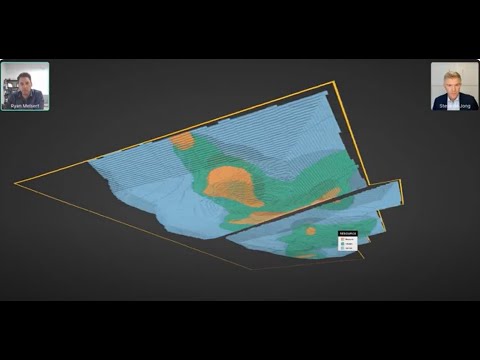
American Battery Technology — Investor Video Playlist






Industry Resources
| Industrials Resources |
| IndustryWeek |
| Manufacturing.net |
| Aviation Week |
| Environmental & Facilities Services Resources |
| Waste360 |
| Waste Dive |
| FacilitiesNet |
External Quote Links
| Y Finance | Barrons |
| TradingView | Morningstar |
| SeekingAlpha | ValueLine |
| Motley Fool | Robinhood |
| CNBC | Etrade |
| MarketWatch | Unusual Whales |
| YCharts | Perplexity Finance |
| FinViz |
Prefer one of these to Trefis? Tell us why.