
Texas Instruments (TXN)
Market Price (8/1/2026): $274.95 | Market Cap: $250.8 BilInvestor Relations Sector: Information Technology | Industry: Semiconductors
Texas Instruments (TXN)
Market Price (8/1/2026): $274.95Market Cap: $250.8 BilSector: Information TechnologyIndustry: Semiconductors
Investment Highlights Why It Matters Detailed financial logic regarding cash flow yields vs trend-riding momentum.
Attractive operating marginsOp Mgn LTMOperating Margin = Operating Income / Revenue Reflects profitability before taxes and before impact of capital structure (interest payments). is 38% Attractive cash flow generationCFO/Rev LTMCash Flow from Operations / Revenue (Sales), Last Twelve Months (LTM) is 45%, FCF/Rev LTMFree Cash Flow / Revenue (Sales), Last Twelve Months (LTM) is 28%, CFO LTM is 8.7 Bil, FCF LTM is 5.4 Bil Attractive yieldDividend Yield is 2.0% Stock buyback supportStock Buyback 3Y Total is 2.7 Bil Low stock price volatilityVol 12M is 42% Megatrend and thematic driversMegatrends include Artificial Intelligence, Automation & Robotics, Electric Vehicles & Autonomous Driving, and Smart Grids & Grid Modernization. Show more. | Key risksTXN key risks include [1] a massive capital expenditure program to build out manufacturing capacity, Show more. |
| Attractive operating marginsOp Mgn LTMOperating Margin = Operating Income / Revenue Reflects profitability before taxes and before impact of capital structure (interest payments). is 38% |
| Attractive cash flow generationCFO/Rev LTMCash Flow from Operations / Revenue (Sales), Last Twelve Months (LTM) is 45%, FCF/Rev LTMFree Cash Flow / Revenue (Sales), Last Twelve Months (LTM) is 28%, CFO LTM is 8.7 Bil, FCF LTM is 5.4 Bil |
| Attractive yieldDividend Yield is 2.0% |
| Stock buyback supportStock Buyback 3Y Total is 2.7 Bil |
| Low stock price volatilityVol 12M is 42% |
| Megatrend and thematic driversMegatrends include Artificial Intelligence, Automation & Robotics, Electric Vehicles & Autonomous Driving, and Smart Grids & Grid Modernization. Show more. |
| Key risksTXN key risks include [1] a massive capital expenditure program to build out manufacturing capacity, Show more. |
Qualitative Assessment
AI Analysis | Feedback
Texas Instruments (TXN) stock has remained largely at the same level since 4/30/2026 because of the following key factors:
1. Texas Instruments reported robust financial results for its fiscal Q2 2026, which ended on June 30, 2026, signaling a broad recovery in its key markets. The company's revenue reached $5.46 billion, an increase of 23% year-over-year and 13% sequentially, surpassing analyst consensus estimates of approximately $5.24 billion. Diluted earnings per share (EPS) also saw a significant jump of 52% year-over-year to $2.14, beating consensus estimates of $1.91. This strong performance was primarily driven by broad-based growth in the industrial sector (up roughly 30% year-over-year), a doubling of revenue in data centers, and mid-teens growth in the automotive segment, indicating a turning point in the analog chip cycle.
2. Despite strong Q2 fiscal 2026 results and an optimistic Q3 guidance, the stock experienced a muted reaction and subsequent pullback due to its significant prior appreciation and elevated expectations. Prior to the earnings announcement on July 22, 2026, Texas Instruments' stock had already surged considerably, with some reports indicating a year-to-date return of around 70% by July 24, 2026, and reaching a 52-week high of $334.03 in June. This strong pre-earnings rally likely incorporated much of the positive news, leaving little room for further upside. Although Q3 fiscal 2026 revenue guidance of $5.65 billion to $6.15 billion exceeded consensus estimates of $5.62 billion, and EPS guidance of $2.23 to $2.57 was also strong, investors perceived the overall guidance as not providing additional lift to the stock after its previous run. The stock subsequently decreased by 8.98% in the month leading up to July 30, 2026, from its recent high.
Show more
Texas Instruments (TXN) stock has remained largely at the same level since 4/30/2026 because of the following key factors:
1. Texas Instruments reported robust financial results for its fiscal Q2 2026, which ended on June 30, 2026, signaling a broad recovery in its key markets. The company's revenue reached $5.46 billion, an increase of 23% year-over-year and 13% sequentially, surpassing analyst consensus estimates of approximately $5.24 billion. Diluted earnings per share (EPS) also saw a significant jump of 52% year-over-year to $2.14, beating consensus estimates of $1.91. This strong performance was primarily driven by broad-based growth in the industrial sector (up roughly 30% year-over-year), a doubling of revenue in data centers, and mid-teens growth in the automotive segment, indicating a turning point in the analog chip cycle.
2. Despite strong Q2 fiscal 2026 results and an optimistic Q3 guidance, the stock experienced a muted reaction and subsequent pullback due to its significant prior appreciation and elevated expectations. Prior to the earnings announcement on July 22, 2026, Texas Instruments' stock had already surged considerably, with some reports indicating a year-to-date return of around 70% by July 24, 2026, and reaching a 52-week high of $334.03 in June. This strong pre-earnings rally likely incorporated much of the positive news, leaving little room for further upside. Although Q3 fiscal 2026 revenue guidance of $5.65 billion to $6.15 billion exceeded consensus estimates of $5.62 billion, and EPS guidance of $2.23 to $2.57 was also strong, investors perceived the overall guidance as not providing additional lift to the stock after its previous run. The stock subsequently decreased by 8.98% in the month leading up to July 30, 2026, from its recent high.
3. Texas Instruments' ongoing strategic investments in 300-millimeter wafer production continue to drive long-term competitive advantages and margin expansion, yet involve substantial capital expenditures that can temporarily impact free cash flow. The company has been strategically building manufacturing capacity, spending the past two years absorbing a cyclical downturn while preparing for increased demand. This shift to 300-millimeter wafer production is contributing to gross margin expansion and structural cost advantages. While these investments are expected to enhance cost efficiency, support higher gross margins, and improve supply-chain resilience in the long run, capital spending is projected to be between $2 billion and $3 billion for 2026, with management leaning towards the higher end to support future demand. Although CHIPS Act incentives have helped offset net capital spending in the first half of fiscal 2026, the elevated capital expenditure temporarily affects free cash flow.
Show less
Stock Movement Drivers
Fundamental Drivers
The -0.9% change in TXN stock from 4/30/2026 to 7/31/2026 was primarily driven by a -11.8% change in the company's P/E Multiple.| (LTM values as of) | 4302026 | 7312026 | Change |
|---|---|---|---|
| Stock Price ($) | 278.23 | 275.74 | -0.9% |
| Change Contribution By: | |||
| Total Revenues ($ Mil) | 18,438 | 19,453 | 5.5% |
| Net Income Margin (%) | 29.1% | 31.1% | 6.9% |
| P/E Multiple | 47.1 | 41.6 | -11.8% |
| Shares Outstanding (Mil) | 909 | 912 | -0.3% |
| Cumulative Contribution | -0.9% |
Market Drivers
4/30/2026 to 7/31/2026| Return | Correlation | |
|---|---|---|
| TXN | -0.9% | |
| Market (SPY) | 3.9% | 66.4% |
| Sector (XLK) | 9.9% | 72.2% |
Fundamental Drivers
The 29.2% change in TXN stock from 1/31/2026 to 7/31/2026 was primarily driven by a 12.7% change in the company's Total Revenues ($ Mil).| (LTM values as of) | 1312026 | 7312026 | Change |
|---|---|---|---|
| Stock Price ($) | 213.37 | 275.74 | 29.2% |
| Change Contribution By: | |||
| Total Revenues ($ Mil) | 17,266 | 19,453 | 12.7% |
| Net Income Margin (%) | 29.2% | 31.1% | 6.5% |
| P/E Multiple | 38.5 | 41.6 | 8.0% |
| Shares Outstanding (Mil) | 909 | 912 | -0.3% |
| Cumulative Contribution | 29.2% |
Market Drivers
1/31/2026 to 7/31/2026| Return | Correlation | |
|---|---|---|
| TXN | 29.2% | |
| Market (SPY) | 8.3% | 46.9% |
| Sector (XLK) | 22.0% | 48.1% |
Fundamental Drivers
The 56.2% change in TXN stock from 7/31/2025 to 7/31/2026 was primarily driven by a 30.7% change in the company's P/E Multiple.| (LTM values as of) | 7312025 | 7312026 | Change |
|---|---|---|---|
| Stock Price ($) | 176.49 | 275.74 | 56.2% |
| Change Contribution By: | |||
| Total Revenues ($ Mil) | 16,675 | 19,453 | 16.7% |
| Net Income Margin (%) | 30.2% | 31.1% | 2.9% |
| P/E Multiple | 31.8 | 41.6 | 30.7% |
| Shares Outstanding (Mil) | 908 | 912 | -0.4% |
| Cumulative Contribution | 56.2% |
Market Drivers
7/31/2025 to 7/31/2026| Return | Correlation | |
|---|---|---|
| TXN | 56.2% | |
| Market (SPY) | 19.2% | 42.6% |
| Sector (XLK) | 34.0% | 43.5% |
Fundamental Drivers
The 66.9% change in TXN stock from 7/31/2023 to 7/31/2026 was primarily driven by a 113.0% change in the company's P/E Multiple.| (LTM values as of) | 7312023 | 7312026 | Change |
|---|---|---|---|
| Stock Price ($) | 165.19 | 275.74 | 66.9% |
| Change Contribution By: | |||
| Total Revenues ($ Mil) | 18,821 | 19,453 | 3.4% |
| Net Income Margin (%) | 40.8% | 31.1% | -23.8% |
| P/E Multiple | 19.5 | 41.6 | 113.0% |
| Shares Outstanding (Mil) | 908 | 912 | -0.4% |
| Cumulative Contribution | 66.9% |
Market Drivers
7/31/2023 to 7/31/2026| Return | Correlation | |
|---|---|---|
| TXN | 66.9% | |
| Market (SPY) | 68.9% | 57.5% |
| Sector (XLK) | 100.3% | 56.2% |
Price Returns Compared
| 2021 | 2022 | 2023 | 2024 | 2025 | 2026 | Total [1] | |
|---|---|---|---|---|---|---|---|
| Returns | |||||||
| TXN Return | 18% | -10% | 6% | 13% | -4% | 63% | 98% |
| Peers Return | 51% | -15% | 48% | 10% | 17% | 27% | 216% |
| S&P 500 Return | 27% | -19% | 24% | 23% | 16% | 9% | 98% |
Monthly Win Rates [3] | |||||||
| TXN Win Rate | 67% | 42% | 58% | 50% | 50% | 43% | |
| Peers Win Rate | 67% | 42% | 67% | 40% | 50% | 51% | |
| S&P 500 Win Rate | 75% | 42% | 67% | 75% | 67% | 43% | |
Max Drawdowns [4] | |||||||
| TXN Max Drawdown | -10% | -22% | -23% | -16% | -30% | -18% | |
| Peers Max Drawdown | -17% | -34% | -25% | -28% | -41% | -29% | |
| S&P 500 Max Drawdown | -5% | -25% | -10% | -8% | -19% | -9% | |
[1] Cumulative total returns since the beginning of 2021
[2] Peers: ADI, NXPI, MCHP, ON, AVGO. See TXN Returns vs. Peers.
[3] Win Rate = % of calendar months in which monthly returns were positive
[4] Max drawdown represents maximum peak-to-trough decline within a year
[5] 2026 data is for the year up to 7/31/2026 (YTD)
How Low Can It Go
| Event | TXN | S&P 500 |
|---|---|---|
| 2025 US Tariff Shock | ||
| % Loss | -25.8% | -18.8% |
| % Gain to Breakeven | 34.8% | 23.1% |
| Time to Breakeven | 49 days | 79 days |
| 2024 Yen Carry Trade Unwind | ||
| % Loss | -10.4% | -7.8% |
| % Gain to Breakeven | 11.7% | 8.5% |
| Time to Breakeven | 15 days | 18 days |
| Summer-Fall 2023 Five Percent Yield Shock | ||
| % Loss | -23.3% | -9.5% |
| % Gain to Breakeven | 30.3% | 10.5% |
| Time to Breakeven | 189 days | 24 days |
| 2022 Inflation Shock & Fed Tightening | ||
| % Loss | -21.0% | -24.5% |
| % Gain to Breakeven | 26.6% | 32.4% |
| Time to Breakeven | 216 days | 427 days |
| 2020 COVID-19 Crash | ||
| % Loss | -29.8% | -33.7% |
| % Gain to Breakeven | 42.4% | 50.9% |
| Time to Breakeven | 84 days | 140 days |
| Q4 2018 Fed Policy Error / Growth Scare | ||
| % Loss | -18.1% | -19.2% |
| % Gain to Breakeven | 22.2% | 23.8% |
| Time to Breakeven | 44 days | 105 days |
In The Past
Texas Instruments's stock fell -25.8% during the 2025 US Tariff Shock. Such a loss loss requires a 34.8% gain to breakeven.
Preserve Wealth
Limiting losses and compounding gains is essential to preserving wealth.
Asset Allocation
Actively managed asset allocation strategies protect wealth. Learn more.
| Event | TXN | S&P 500 |
|---|---|---|
| 2025 US Tariff Shock | ||
| % Loss | -25.8% | -18.8% |
| % Gain to Breakeven | 34.8% | 23.1% |
| Time to Breakeven | 49 days | 79 days |
| Summer-Fall 2023 Five Percent Yield Shock | ||
| % Loss | -23.3% | -9.5% |
| % Gain to Breakeven | 30.3% | 10.5% |
| Time to Breakeven | 189 days | 24 days |
| 2022 Inflation Shock & Fed Tightening | ||
| % Loss | -21.0% | -24.5% |
| % Gain to Breakeven | 26.6% | 32.4% |
| Time to Breakeven | 216 days | 427 days |
| 2020 COVID-19 Crash | ||
| % Loss | -29.8% | -33.7% |
| % Gain to Breakeven | 42.4% | 50.9% |
| Time to Breakeven | 84 days | 140 days |
| 2011 US Debt Ceiling Crisis & European Contagion | ||
| % Loss | -21.6% | -17.9% |
| % Gain to Breakeven | 27.5% | 21.8% |
| Time to Breakeven | 66 days | 123 days |
| 2008-2009 Global Financial Crisis | ||
| % Loss | -58.6% | -53.4% |
| % Gain to Breakeven | 141.8% | 114.4% |
| Time to Breakeven | 630 days | 1085 days |
In The Past
Texas Instruments's stock fell -25.8% during the 2025 US Tariff Shock. Such a loss loss requires a 34.8% gain to breakeven.
Preserve Wealth
Limiting losses and compounding gains is essential to preserving wealth.
Asset Allocation
Actively managed asset allocation strategies protect wealth. Learn more.
About Texas Instruments (TXN)
Texas Instruments (TXN) is a global semiconductor company that designs, manufactures, and sells a wide range of integrated circuits to electronics designers and manufacturers. Essentially, they create the foundational electronic components that enable modern technology to function, specializing in chips that manage power and process signals crucial for various electronic systems.
The company operates primarily through two segments: Analog and Embedded Processing. The Analog segment produces power management chips that regulate electricity in devices, along with signal chain products like amplifiers and data converters that sense and process real-world signals. The Embedded Processing segment focuses on microcontrollers, digital signal processors (DSPs), and applications processors, which act as the "brains" of electronic devices, performing computations and controlling various functions. Beyond these core segments, Texas Instruments also develops DLP products for high-definition images in projectors, as well as calculators and application-specific integrated circuits.
Texas Instruments serves a vast array of end markets globally. Its semiconductors are critical components for industries such as industrial automation, automotive electronics, personal electronics (like smartphones and computers), communications equipment, and enterprise systems. The company sells its products directly to customers, through a network of distributors, and via its website, providing essential building blocks for countless electronic products worldwide.
AI Analysis | Feedback
Here are 1-3 brief analogies for Texas Instruments (TXN):
- The 3M of semiconductors: Similar to how 3M makes a vast array of essential, often unseen components and materials used across countless industries, Texas Instruments provides a wide range of foundational microchips that power almost all modern electronic devices.
- The Intel for 'everything else' electronic: If Intel builds the main processing 'brains' for computers, Texas Instruments makes many of the essential 'nervous system' and power management chips that enable nearly every other electronic device, from cars and industrial equipment to personal gadgets.
AI Analysis | Feedback
- Analog Power Products: Semiconductors designed to efficiently manage power requirements in various electronic systems.
- Analog Signal Chain Products: Semiconductors that sense, condition, and measure signals for processing and control in electronic devices.
- Microcontrollers (MCUs): Integrated circuits used for controlling specific functions within electronic equipment.
- Digital Signal Processors (DSPs): Specialized microprocessors optimized for rapid mathematical computations.
- Applications Processors: Advanced processors designed for specific computing activities in a wide range of devices.
- DLP Products: Digital micromirror devices primarily utilized in projectors to create high-definition images.
- Calculators: Handheld electronic devices used for performing mathematical computations.
- Application-Specific Integrated Circuits (ASICs): Custom-designed integrated circuits tailored for particular applications.
AI Analysis | Feedback
AI Analysis | Feedback
AI Analysis | Feedback
Haviv Ilan, Chairman, President and Chief Executive Officer
Haviv Ilan became Chairman of the board in 2026 and President and Chief Executive Officer of Texas Instruments (TI) in 2023, having served on the company's board of directors since 2021. He began his career at TI in 1999 when the company acquired Butterfly, a wireless startup company he was involved with. Prior to becoming CEO, Ilan served as executive vice president and chief operating officer, overseeing TI's business and sales organizations, technology and manufacturing operations, and IT solutions. He holds bachelor's and master's degrees in electrical engineering from Tel Aviv University and an MBA from the Joint International Executive MBA Program at Northwestern University's Kellogg School of Management and Tel Aviv University's Leon Recanati Graduate School of Business Administration.
Rafael Lizardi, Senior Vice President and Chief Financial Officer
Rafael Lizardi is a Senior Vice President and Chief Financial Officer of Texas Instruments. He joined TI in 2001 and has held various leadership positions in finance and operations, including corporate controller. Prior to joining TI, he served five years as a captain in the U.S. Army Corps of Engineers. Lizardi holds a bachelor's degree in electrical engineering from The U.S. Military Academy at West Point and a Master of Business Administration from Stanford University. He is also a Certified Management Accountant.
Ahmad S. Bahai, Senior Vice President and Chief Technology Officer
Ahmad S. Bahai serves as the Senior Vice President and Chief Technology Officer at Texas Instruments, where he is responsible for driving the company's technological vision and strategy, including overseeing research and development efforts. Before joining Texas Instruments, he co-founded Iospan Wireless Inc. His background also includes roles such as Chief Technology Officer at National Semiconductor and Co-Founder of Algorex Corporation. Dr. Bahai holds a Research Doctorate in Electrical and Electronics Engineering from the University of California, Berkeley, and a Master of Science from Imperial College London. He has also been a professor at both MIT and Stanford University.
Krunali Patel, Senior Vice President and Chief Information Officer, Information Technology (IT) Solutions
Krunali Patel is the Senior Vice President and Chief Information Officer of Texas Instruments, responsible for the Information Technology Solutions organization. She joined TI in 1996. Throughout her career at TI, which spans over two decades, she has held various roles, including Electrical Design Engineer and Vice President of Information Technology. Prior to her current role, Patel served as vice president of TI's design and manufacturing IT solutions organization, where she led the development and implementation of information technology strategies and roadmaps for manufacturing automation.
Amichai Ron, Senior Vice President, Embedded Processing and DLP Products
Amichai Ron is a Senior Vice President overseeing Embedded Processing and DLP Products at Texas Instruments.
AI Analysis | Feedback
- The cyclical nature of the semiconductor industry and fluctuations in demand across its key end markets (industrial, automotive, personal electronics, communications equipment, and enterprise systems) pose a significant risk to Texas Instruments. Economic downturns or shifts in technology adoption within these markets can lead to reduced orders and revenue.
- Intense competition within the analog and embedded processing semiconductor markets, coupled with rapid technological advancements, presents a continuous risk of pricing pressure and product obsolescence. Texas Instruments must constantly innovate to maintain its competitive edge and market share.
- Global supply chain disruptions and geopolitical risks, such as trade tensions and restrictions on technology transfer, could adversely impact Texas Instruments' manufacturing operations, raw material procurement, and ability to sell products in key international markets.
AI Analysis | Feedback
AI Analysis | Feedback
Texas Instruments (TXN) operates in significant addressable markets for its semiconductor products, specifically within the Analog and Embedded Processing segments. The company's main products, including analog semiconductors, microcontrollers, and digital signal processors, serve substantial global markets.
Analog Segment
The global analog semiconductors market was valued at approximately USD 87.5 billion in 2024 and is projected to grow to about USD 178.9 billion by 2034, with a compound annual growth rate (CAGR) of 7.4% from 2025 to 2034. Another estimate places the global analog semiconductor market size at USD 101.22 billion in 2024, anticipated to reach USD 180.24 billion by 2034, expanding at a CAGR of 5.94% from 2025 to 2034. The market for analog semiconductors was also reported at USD 88.65 billion in 2023, with projections to reach USD 156.4 billion by 2032.
Embedded Processing Segment
Microcontrollers
The global microcontroller market size was estimated at USD 40.23 billion in 2025 and is projected to reach USD 105.32 billion by 2033, growing at a CAGR of 13.0% from 2026 to 2033. Other reports indicate the global microcontroller market size was USD 28.8 billion in 2024, with a projection to reach USD 67.4 billion by 2032 at a CAGR of 11.4% from 2025 to 2032. Additionally, the market was valued at USD 34.75 billion in 2025 and is estimated to grow to USD 62.74 billion by 2031.
Digital Signal Processors (DSPs)
The global Digital Signal Processors (DSP) market size was approximately USD 17.23 billion in 2025, expected to grow to USD 18.75 billion in 2026, and is projected to reach USD 25.16 billion by 2030. Another analysis estimates the global DSP market size at USD 25.69 billion in 2024, with a projection to reach USD 59.30 billion by 2035, exhibiting a CAGR of 7.9% during 2025-2035. The market was also valued at USD 11.02 billion in 2025 and is projected to grow to USD 21.87 billion by 2034.
AI Analysis | Feedback
Here are 3-5 expected drivers of future revenue growth for Texas Instruments (symbol: TXN) over the next 2-3 years:
- Strong Growth in Industrial, Automotive, and Data Center Markets: Texas Instruments has strategically focused on these three markets, which collectively represented approximately 75% of its revenue in 2025, a significant increase from 43% in 2013. These segments are anticipated to be the primary drivers of growth for the foreseeable future. Specifically, the industrial market saw a 12% year-on-year increase in 2025 and is expected to experience a broad-based rebound. The automotive sector grew 6% year-on-year in 2025. The data center market has shown particularly robust growth, with a 64% year-on-year increase in 2025 and a 70% year-over-year surge in Q4 2025. Analysts project the data center business to account for over 12% of total revenue in 2026, up from about 9% in 2025, driven by trends toward higher power density and AI applications.
- Advantage from 300mm Manufacturing Capacity Expansion: The company is concluding a six-year period of elevated capital expenditures aimed at expanding its 300-millimeter wafer fabrication capacity. These investments are designed to provide dependable, low-cost manufacturing at scale, which is expected to reduce costs, ensure future supply, and enable Texas Instruments to achieve higher margins as chip demand normalizes. This strengthened manufacturing capability is a key competitive advantage.
- Acquisition of Silicon Labs' Analog and Mixed-Signal Assets: Texas Instruments announced its intention to acquire the analog and mixed-signal assets from Silicon Labs, with the transaction expected to close in the first half of 2027. This acquisition is expected to bolster TI's industrial exposure and integrate a broad wireless connectivity portfolio, thereby enhancing its IoT capabilities. The company anticipates revenue synergies by integrating these newly acquired products into its existing distribution channels and leveraging its e-commerce platform.
- Broad Product Portfolio and Diversified End Markets: Texas Instruments benefits from a diverse product portfolio across its Analog and Embedded Processing segments, serving a wide array of end markets including industrial, automotive, personal electronics, and communications equipment. This diversification provides resilience against market seasonality and cyclical downturns and positions the company to capitalize on new technological advancements across these sectors. The Analog segment, which constituted a substantial 77.6% of the company's total revenues in Q2 2025, continues to expand rapidly.
- Improving Semiconductor Market Conditions and Order Rates: The broader semiconductor market is showing signs of recovery, which is positively impacting Texas Instruments. The company has reported increasing orders, contributing to its positive forward guidance. Analysts have noted improved order rates, particularly from industrial and data center clients, suggesting that the overall semiconductor recovery is allowing Texas Instruments to project growth above typical seasonal patterns.
AI Analysis | Feedback
Share Repurchases
- Texas Instruments' annual share repurchases were approximately $527 million in 2021, $3.615 billion in 2022, $293 million in 2023, $929 million in 2024, and $1.477 billion in 2025.
- In September 2022, the board authorized an additional $15 billion for common stock repurchases, supplementing approximately $8.2 billion remaining from prior authorizations as of June 2022.
- Texas Instruments returned $6.48 billion to shareholders through dividends and buybacks in 2025.
Outbound Investments
- In February 2026, Texas Instruments entered into a definitive agreement to acquire Silicon Labs for approximately $7.5 billion in an all-cash transaction, expected to close in the first half of 2027. This acquisition is aimed at expanding TI's embedded wireless connectivity solutions portfolio and leveraging its new fabrication plants.
Capital Expenditures
- Capital expenditures amounted to $2.462 billion in 2021, $2.797 billion in 2022, $5.071 billion in 2023, and $4.82 billion in 2024. For 2025, actual capital expenditures totaled $4.55 billion.
- The company's capital expenditures for 2026 are projected to significantly decrease to a range of $2 billion to $3 billion.
- The primary focus of these substantial capital expenditures has been a multi-year, multi-billion dollar investment plan to expand internal 300mm wafer fabrication capacity across new facilities in Texas (Richardson, Sherman) and Utah, as part of a larger plan to invest over $60 billion in U.S. manufacturing.

Latest Trefis Analyses
Research & Analysis
Invest in Strategies
Wealth Management
Peer Comparisons
| Peers to compare with: |
Financials
| Median | |
|---|---|
| Name | |
| Mkt Price | 252.45 |
| Mkt Cap | 215.3 |
| Rev LTM | 12,963 |
| Op Inc LTM | 3,898 |
| FCF LTM | 3,607 |
| FCF 3Y Avg | 2,605 |
| CFO LTM | 4,118 |
| CFO 3Y Avg | 3,769 |
Growth & Margins
| Median | |
|---|---|
| Name | |
| Rev Chg LTM | 12.7% |
| Rev Chg 3Y Avg | 0.9% |
| Rev Chg Q | 29.0% |
| QoQ Delta Rev Chg LTM | 6.6% |
| Op Inc Chg LTM | 34.2% |
| Op Inc Chg 3Y Avg | -1.4% |
| Op Mgn LTM | 30.1% |
| Op Mgn 3Y Avg | 27.2% |
| QoQ Delta Op Mgn LTM | 2.9% |
| CFO/Rev LTM | 31.9% |
| CFO/Rev 3Y Avg | 33.1% |
| FCF/Rev LTM | 23.8% |
| FCF/Rev 3Y Avg | 21.1% |
Valuation
| Median | |
|---|---|
| Name | |
| Mkt Cap | 215.3 |
| P/S | 13.5 |
| P/Op Inc | 49.2 |
| P/EBIT | 50.0 |
| P/E | 59.5 |
| P/CFO | 38.5 |
| Total Yield | 2.6% |
| Dividend Yield | 0.9% |
| FCF Yield 3Y Avg | 2.6% |
| D/E | 0.1 |
| Net D/E | 0.0 |
Returns
| Median | |
|---|---|
| Name | |
| 1M Rtn | -10.4% |
| 3M Rtn | -14.0% |
| 6M Rtn | 18.4% |
| 12M Rtn | 39.2% |
| 3Y Rtn | 38.3% |
| 1M Excs Rtn | -10.5% |
| 3M Excs Rtn | -17.6% |
| 6M Excs Rtn | 9.6% |
| 12M Excs Rtn | 17.4% |
| 3Y Excs Rtn | -22.7% |
Comparison Analyses
Segment Financials
Revenue by Segment| $ Mil | 2025 | 2024 | 2023 | 2022 | 2021 |
|---|---|---|---|---|---|
| Analog | 14,006 | 12,161 | 13,040 | 15,359 | 14,050 |
| Embedded Processing | 2,697 | 2,533 | 3,368 | 3,261 | 3,049 |
| Other | 979 | 947 | 1,111 | 1,408 | 1,245 |
| Total | 17,682 | 15,641 | 17,519 | 20,028 | 18,344 |
| $ Mil | 2025 | 2024 | 2023 | 2022 | 2021 |
|---|---|---|---|---|---|
| Analog | 5,412 | 4,608 | 5,821 | 8,359 | 7,393 |
| Other | 307 | 505 | 502 | 528 | 393 |
| Embedded Processing | 304 | 352 | 1,008 | 1,253 | 1,174 |
| Total | 6,023 | 5,465 | 7,331 | 10,140 | 8,960 |
| $ Mil | 2007 | 2006 | 2005 | 2004 | 2002 |
|---|---|---|---|---|---|
| Semiconductor | 6,757 | 7,115 | 6,472 | 6,459 | 6,251 |
| Educational Technology | 108 | 103 | |||
| Educational & Productivity Solutions | 90 | 91 | 96 | ||
| Sensors & Controls | 479 | 413 | 383 | ||
| Total | 6,865 | 7,218 | 7,041 | 6,963 | 6,730 |
Price Behavior
| Market Price | $275.74 | |
| Market Cap ($ Bil) | 251.5 | |
| First Trading Date | 06/01/1972 | |
| Distance from 52W High | -16.6% | |
| 50 Days | 200 Days | |
| DMA Price | $296.66 | $224.20 |
| DMA Trend | up | up |
| Distance from DMA | -7.1% | 23.0% |
| 3M | 1YR | |
| Volatility | 49.8% | 41.8% |
| Downside Capture | 275.14 | 101.53 |
| Upside Capture | 229.45 | 132.66 |
| Correlation (SPY) | 67.0% | 42.9% |
| 1M | 2M | 3M | 6M | 1Y | 3Y | |
|---|---|---|---|---|---|---|
| Beta | 2.22 | 2.54 | 2.42 | 1.63 | 1.39 | 1.36 |
| Up Beta | 2.71 | 1.97 | 2.01 | 1.48 | 1.48 | 1.51 |
| Down Beta | 2.38 | 2.76 | 2.49 | 2.35 | 1.84 | 1.41 |
| Up Capture | 149% | 269% | 262% | 191% | 156% | 187% |
| Bmk +ve Days | 11 | 22 | 35 | 67 | 138 | 427 |
| Stock +ve Days | 10 | 21 | 31 | 64 | 127 | 384 |
| Down Capture | 248% | 247% | 237% | 124% | 104% | 106% |
| Bmk -ve Days | 11 | 21 | 28 | 59 | 114 | 326 |
| Stock -ve Days | 12 | 22 | 32 | 62 | 122 | 366 |
[1] Upside and downside betas calculated using positive and negative benchmark daily returns respectively
Based On 1-Year Data
| Annualized Return | Annualized Volatility | Sharpe Ratio | Correlation with TXN | |
|---|---|---|---|---|
| TXN | 50.6% | 41.9% | 1.08 | - |
| Sector ETF (XLK) | 33.2% | 25.6% | 1.08 | 43.6% |
| Equity (SPY) | 18.8% | 12.9% | 1.07 | 42.7% |
| Gold (GLD) | 23.6% | 28.1% | 0.74 | 22.1% |
| Commodities (DBC) | 30.2% | 19.7% | 1.22 | -1.7% |
| Real Estate (VNQ) | 13.7% | 13.9% | 0.69 | 11.8% |
| Bitcoin (BTCUSD) | -44.8% | 42.9% | -1.26 | 19.9% |
Smart multi-asset allocation framework can stack odds in your favor. Learn How
Based On 5-Year Data
| Annualized Return | Annualized Volatility | Sharpe Ratio | Correlation with TXN | |
|---|---|---|---|---|
| TXN | 11.2% | 33.3% | 0.37 | - |
| Sector ETF (XLK) | 18.7% | 25.7% | 0.65 | 64.0% |
| Equity (SPY) | 12.6% | 17.1% | 0.56 | 63.3% |
| Gold (GLD) | 17.1% | 18.5% | 0.75 | 13.1% |
| Commodities (DBC) | 9.0% | 19.5% | 0.35 | 12.5% |
| Real Estate (VNQ) | 2.5% | 18.9% | 0.03 | 40.5% |
| Bitcoin (BTCUSD) | 14.2% | 53.3% | 0.45 | 23.5% |
Smart multi-asset allocation framework can stack odds in your favor. Learn How
Based On 10-Year Data
| Annualized Return | Annualized Volatility | Sharpe Ratio | Correlation with TXN | |
|---|---|---|---|---|
| TXN | 18.8% | 31.6% | 0.61 | - |
| Sector ETF (XLK) | 23.9% | 24.9% | 0.87 | 71.2% |
| Equity (SPY) | 15.0% | 17.9% | 0.71 | 69.2% |
| Gold (GLD) | 11.3% | 16.1% | 0.57 | 9.5% |
| Commodities (DBC) | 7.3% | 18.0% | 0.32 | 19.1% |
| Real Estate (VNQ) | 4.9% | 20.7% | 0.20 | 44.4% |
| Bitcoin (BTCUSD) | 58.2% | 66.2% | 0.98 | 16.7% |
Smart multi-asset allocation framework can stack odds in your favor. Learn How
Returns Analyses
Earnings Returns History
Updated 7/31/2026| Forward Returns | |||
|---|---|---|---|
| Earnings Date | 1D Returns | 5D Returns | 21D Returns |
| 7/22/2026 | -3.1% | -7.8% | |
| 4/22/2026 | 19.4% | 13.9% | 26.9% |
| 1/27/2026 | 9.9% | 15.3% | 8.8% |
| 10/21/2025 | -5.6% | -7.7% | -12.4% |
| 7/22/2025 | -13.3% | -11.0% | -5.9% |
| 4/23/2025 | 6.6% | 6.1% | 19.5% |
| 1/23/2025 | -7.5% | -7.6% | 0.8% |
| 10/22/2024 | 4.0% | 9.0% | 2.8% |
| ... | |||
| SUMMARY STATS | |||
| # Positive | 8 | 12 | 14 |
| # Negative | 17 | 13 | 10 |
| Median Positive | 6.1% | 5.5% | 5.7% |
| Median Negative | -3.5% | -3.9% | -3.2% |
| Max Positive | 19.4% | 15.3% | 26.9% |
| Max Negative | -13.3% | -11.0% | -12.4% |
| Forward Returns | |||
|---|---|---|---|
| Earnings Date | 1D Returns | 5D Returns | 21D Returns |
| 7/22/2026 | -3.1% | -7.8% | |
| 4/22/2026 | 19.4% | 13.9% | 26.9% |
| 1/27/2026 | 9.9% | 15.3% | 8.8% |
| 10/21/2025 | -5.6% | -7.7% | -12.4% |
| 7/22/2025 | -13.3% | -11.0% | -5.9% |
| 4/23/2025 | 6.6% | 6.1% | 19.5% |
| 1/23/2025 | -7.5% | -7.6% | 0.8% |
| 10/22/2024 | 4.0% | 9.0% | 2.8% |
| 7/23/2024 | -0.0% | 1.4% | 5.8% |
| 4/23/2024 | 5.6% | 6.6% | 23.3% |
| 1/23/2024 | -2.4% | -6.3% | -4.4% |
| 10/24/2023 | -3.5% | -2.5% | 5.7% |
| 7/25/2023 | -5.4% | -3.5% | -8.1% |
| 4/25/2023 | -2.9% | -3.2% | -0.6% |
| 1/24/2023 | -1.1% | 0.8% | -2.3% |
| 10/25/2022 | -2.6% | 1.3% | 11.3% |
| 7/26/2022 | 6.7% | 10.9% | 7.8% |
| 4/26/2022 | 0.6% | 2.4% | 1.6% |
| 1/25/2022 | 2.5% | 4.9% | -1.9% |
| 10/26/2021 | -5.0% | -3.3% | -1.1% |
| 7/21/2021 | -5.3% | -3.3% | -4.2% |
| 4/27/2021 | -4.4% | -5.4% | -0.4% |
| 1/26/2021 | -5.0% | 2.5% | 0.1% |
| 10/20/2020 | -3.1% | -2.5% | 2.5% |
| 7/21/2020 | -2.2% | -3.9% | 2.9% |
| SUMMARY STATS | |||
| # Positive | 8 | 12 | 14 |
| # Negative | 17 | 13 | 10 |
| Median Positive | 6.1% | 5.5% | 5.7% |
| Median Negative | -3.5% | -3.9% | -3.2% |
| Max Positive | 19.4% | 15.3% | 26.9% |
| Max Negative | -13.3% | -11.0% | -12.4% |
SEC Filings
Expand for More| Report Date | Filing Date | Filing |
|---|---|---|
| 06/30/2026 | 07/24/2026 | 10-Q |
| 03/31/2026 | 04/24/2026 | 10-Q |
| 12/31/2025 | 02/06/2026 | 10-K |
| 09/30/2025 | 10/23/2025 | 10-Q |
| 06/30/2025 | 07/29/2025 | 10-Q |
| 03/31/2025 | 04/24/2025 | 10-Q |
| 12/31/2024 | 02/14/2025 | 10-K |
| 09/30/2024 | 10/23/2024 | 10-Q |
| 06/30/2024 | 07/24/2024 | 10-Q |
| 03/31/2024 | 04/24/2024 | 10-Q |
| 12/31/2023 | 02/02/2024 | 10-K |
| 09/30/2023 | 10/25/2023 | 10-Q |
| 06/30/2023 | 07/26/2023 | 10-Q |
| 03/31/2023 | 04/26/2023 | 10-Q |
| 12/31/2022 | 02/03/2023 | 10-K |
| 09/30/2022 | 10/26/2022 | 10-Q |
| Report Date | Filing Date | Filing |
|---|---|---|
| 06/30/2026 | 07/24/2026 | 10-Q |
| 03/31/2026 | 04/24/2026 | 10-Q |
| 12/31/2025 | 02/06/2026 | 10-K |
| 09/30/2025 | 10/23/2025 | 10-Q |
| 06/30/2025 | 07/29/2025 | 10-Q |
| 03/31/2025 | 04/24/2025 | 10-Q |
| 12/31/2024 | 02/14/2025 | 10-K |
| 09/30/2024 | 10/23/2024 | 10-Q |
| 06/30/2024 | 07/24/2024 | 10-Q |
| 03/31/2024 | 04/24/2024 | 10-Q |
| 12/31/2023 | 02/02/2024 | 10-K |
| 09/30/2023 | 10/25/2023 | 10-Q |
| 06/30/2023 | 07/26/2023 | 10-Q |
| 03/31/2023 | 04/26/2023 | 10-Q |
| 12/31/2022 | 02/03/2023 | 10-K |
| 09/30/2022 | 10/26/2022 | 10-Q |
| 06/30/2022 | 07/27/2022 | 10-Q |
| 03/31/2022 | 04/27/2022 | 10-Q |
| 12/31/2021 | 02/04/2022 | 10-K |
| 09/30/2021 | 10/27/2021 | 10-Q |
| 06/30/2021 | 07/22/2021 | 10-Q |
| 03/31/2021 | 04/28/2021 | 10-Q |
| 12/31/2020 | 02/05/2021 | 10-K |
| 09/30/2020 | 10/21/2020 | 10-Q |
| 06/30/2020 | 07/22/2020 | 10-Q |
| 03/31/2020 | 04/22/2020 | 10-Q |
| 12/31/2019 | 02/20/2020 | 10-K |
| 09/30/2019 | 10/31/2019 | 10-Q |
Recent Forward Guidance
Updated 7/23/2026Latest: Q2 2026 Earnings Reported 7/22/2026
| Forward Guidance | Guidance Change | ||||||
|---|---|---|---|---|---|---|---|
| Metric | Low | Mid | High | % Chg | % Delta | Change | Prior |
| Q3 2026 Revenue | 5.65 Bil | 5.90 Bil | 6.15 Bil | 13.5% | Higher New | Guidance: 5.20 Bil for Q2 2026 | |
| Q3 2026 EPS | 2.23 | 2.4 | 2.57 | 25.7% | Higher New | Guidance: 1.91 for Q2 2026 | |
Prior: Q1 2026 Earnings Reported 4/22/2026
| Forward Guidance | Guidance Change | ||||||
|---|---|---|---|---|---|---|---|
| Metric | Low | Mid | High | % Chg | % Delta | Change | Prior |
| Q2 2026 Revenue | 5.00 Bil | 5.20 Bil | 5.40 Bil | 15.6% | Higher New | Guidance: 4.50 Bil for Q1 2026 | |
| Q2 2026 Earnings per share | 1.77 | 1.91 | 2.05 | 41.5% | Higher New | Guidance: 1.35 for Q1 2026 | |
Q4 2025 Earnings Reported 1/27/2026
| Forward Guidance | Guidance Change | ||||||
|---|---|---|---|---|---|---|---|
| Metric | Low | Mid | High | % Chg | % Delta | Change | Prior |
| Q1 2026 Revenue | 4.32 Bil | 4.50 Bil | 4.68 Bil | 2.3% | Higher New | Guidance: 4.40 Bil for Q4 2025 | |
| Q1 2026 EPS | 1.22 | 1.35 | 1.48 | 7.1% | Higher New | Guidance: 1.26 for Q4 2025 | |
Q3 2025 Earnings Reported 10/21/2025
| Forward Guidance | Guidance Change | ||||||
|---|---|---|---|---|---|---|---|
| Metric | Low | Mid | High | % Chg | % Delta | Change | Prior |
| Q4 2025 Revenue | 4.22 Bil | 4.40 Bil | 4.58 Bil | -4.9% | Lower New | Guidance: 4.62 Bil for Q3 2025 | |
| Q4 2025 EPS | 1.13 | 1.26 | 1.39 | -14.9% | Lower New | Guidance: 1.48 for Q3 2025 | |
Insider Activity
Updated 7/31/2026| # | Owner | Title | Holding | Action | Filing Date | Price | Shares | Transacted Value | Value of Held Shares | Form |
|---|---|---|---|---|---|---|---|---|---|---|
| 1 | Craighead, Martin S | Direct | Sell | 5292026 | 320.43 | 10,000 | 3,204,289 | 4,601,039 | Form | |
| 2 | Cox, Carrie Smith | Direct | Sell | 5142026 | 306.41 | 8,838 | 2,708,029 | 11,528,885 | Form | |
| 3 | Leonard, Shanon J | Sr. Vice President | Direct | Sell | 5122026 | 295.22 | 4,963 | 1,465,186 | 7,341,281 | Form |
| 4 | Knecht, Julie C | VP & Chief Accounting Officer | Direct | Sell | 5042026 | 278.70 | 9,956 | 2,774,786 | 2,541,789 | Form |
| 5 | Gary, Mark | Sr. Vice President | Direct | Sell | 5012026 | 279.25 | 13,689 | 3,822,671 | 12,719,059 | Form |
| # | Owner | Title | Holding | Action | Filing Date | Price | Shares | Transacted Value | Value of Held Shares | Form |
|---|---|---|---|---|---|---|---|---|---|---|
| 1 | Craighead, Martin S | Direct | Sell | 5292026 | 320.43 | 10,000 | 3,204,289 | 4,601,039 | Form | |
| 2 | Cox, Carrie Smith | Direct | Sell | 5142026 | 306.41 | 8,838 | 2,708,029 | 11,528,885 | Form | |
| 3 | Leonard, Shanon J | Sr. Vice President | Direct | Sell | 5122026 | 295.22 | 4,963 | 1,465,186 | 7,341,281 | Form |
| 4 | Knecht, Julie C | VP & Chief Accounting Officer | Direct | Sell | 5042026 | 278.70 | 9,956 | 2,774,786 | 2,541,789 | Form |
| 5 | Gary, Mark | Sr. Vice President | Direct | Sell | 5012026 | 279.25 | 13,689 | 3,822,671 | 12,719,059 | Form |
| 6 | Roberts, Mark T | Sr. Vice President | Direct | Sell | 5012026 | 280.34 | 28,080 | 7,871,934 | 15,084,790 | Form |
| 7 | Yunus, Mohammad | Sr. Vice President | Direct | Sell | 4302026 | 270.44 | 51,098 | 13,818,951 | 14,294,385 | Form |
| 8 | Kane, Katharine | SVP and General Counsel | Direct | Sell | 4282026 | 270.41 | 6,125 | 1,656,283 | 6,817,667 | Form |
| 9 | Bahai, Ahmad | Sr. Vice President | Direct | Sell | 4282026 | 268.40 | 3,660 | 982,359 | 11,412,278 | Form |
| 10 | Leonard, Shanon J | Sr. Vice President | Direct | Sell | 4272026 | 277.95 | 18,189 | 5,055,707 | 8,887,582 | Form |
| 11 | Bluedorn, Todd M | Direct | Sell | 4272026 | 274.25 | 4,306 | 1,180,930 | 2,246,399 | Form | |
| 12 | Ron, Amichai | Sr. Vice President | Direct | Sell | 4272026 | 272.43 | 18,365 | 5,003,214 | 22,090,149 | Form |
| 13 | Blinn, Mark A | Trust | Sell | 4272026 | 277.51 | 15,000 | Form | |||
| 14 | Lizardi, Rafael R | Sr. Vice President & CFO | Direct | Sell | 4272026 | 274.23 | 40,541 | 11,117,556 | 23,442,547 | Form |
| 15 | Patsley, Pamela H | Direct | Sell | 4272026 | 276.11 | 4,306 | 1,188,918 | 9,522,116 | Form | |
| 16 | Witzsche, Christine | Sr. Vice President | Direct | Sell | 4272026 | 275.52 | 3,625 | 998,771 | 7,058,070 | Form |
| 17 | Kozanian, Hagop H | Sr. Vice President | Direct | Sell | 2182026 | 225.95 | 6,843 | 1,546,168 | 17,042,188 | Form |
| 18 | Bahai, Ahmad | Sr. Vice President | Direct | Sell | 2122026 | 230.79 | 6,500 | 1,500,117 | 9,805,687 | Form |
| 19 | Gary, Mark | Sr. Vice President | Direct | Sell | 2122026 | 230.10 | 12,921 | 2,973,107 | 10,480,310 | Form |
| 20 | Lizardi, Rafael R | Sr. Vice President & CFO | Direct | Sell | 2122026 | 230.78 | 7,096 | 1,637,611 | 19,721,031 | Form |
| 21 | Gary, Mark | Sr. Vice President | Direct | Sell | 2122026 | 220.83 | 10,248 | 2,263,098 | 10,058,285 | Form |
| 22 | Lizardi, Rafael R | Sr. Vice President & CFO | Direct | Sell | 2122026 | 220.74 | 64,532 | 14,244,539 | 20,429,121 | Form |
| 23 | Roberts, Mark T | Sr. Vice President | Direct | Sell | 2102026 | 221.16 | 4,461 | 986,604 | 14,167,195 | Form |
| 24 | Blinn, Mark A | Direct | Sell | 2062026 | 221.58 | 3,144 | 696,647 | 2,585,836 | Form | |
| 25 | Bahai, Ahmad | Sr. Vice President | Direct | Sell | 2062026 | 223.46 | 3,000 | 670,387 | 9,494,462 | Form |
| 26 | Kirk, Ronald | Direct | Sell | 11252025 | 162.33 | 9,990 | 1,621,688 | 2,424,740 | Form | |
| 27 | Witzsche, Christine | Sr. Vice President | Direct | Sell | 11142025 | 164.31 | 1,000 | 164,306 | 3,421,019 | Form |
| 28 | Bahai, Ahmad | Sr. Vice President | Direct | Sell | 8272025 | 205.35 | 1,500 | 308,030 | 7,984,756 | Form |
| 29 | Blinn, Mark A | Trust | Sell | 8272025 | 216.75 | 0 | 72 | 660,205 | Form |
Investor Activity (13F)
Updated Aug 1, 2026Active managers (13F portfolio over $250M, at least 3 holdings) with a position over $5M that is either over 10% of their portfolio or held in a concentrated book of 50 or fewer total positions. Index/ETF, sovereign, bank, community-bank and charitable/donor-advised filers are excluded.
| Active Manager | Value | % of Portfolio | Total Positions | QoQ | Filing |
|---|---|---|---|---|---|
| Indivisible Partners | $250.5 Mil | 22.2% | 482 | ADD +23.0% | 13F |
| Caledonia Investments PLC | $100.5 Mil | 11.7% | 15 | Hold | 13F |
| Camrose Capital Investment Partners LLP | $87.6 Mil | 11.5% | 10 | ADD +32.5% | 13F |
| ADAPT Investment Managers SA | $28.8 Mil | 9.8% | 34 | New | 13F |
| Slate Path Capital LP | $518.4 Mil | 7.7% | 44 | New | 13F |
| Metropolis Capital Ltd | $226.8 Mil | 7.7% | 16 | TRIM -43.9% | 13F |
| Manchester Global Management (UK) Ltd | $40.8 Mil | 5.4% | 23 | New | 13F |
| RIT Capital Partners PLC | $15.8 Mil | 4.2% | 12 | TRIM -58.8% | 13F |
| Longview Partners (Guernsey) LTD | $294.8 Mil | 4.2% | 25 | New | 13F |
| Rothschild & Co Wealth Management UK Ltd | $260.2 Mil | 4.0% | 25 | Hold | 13F |
| Fundsmith LLP | $509.3 Mil | 4.0% | 34 | Hold | 13F |
| Fundsmith Investment Services LTD. | $168.3 Mil | 3.8% | 24 | Hold | 13F |
| Local Pensions Partnership Investment Ltd | $176.3 Mil | 3.8% | 32 | TRIM -9.2% | 13F |
| Nishkama Capital, LLC | $25.0 Mil | 3.6% | 39 | ADD +128.4% | 13F |
| Cambridge Financial Group, Inc. | $8.6 Mil | 3.2% | 33 | Hold | 13F |
| Eldred Rock Partners, LLC | $12.0 Mil | 3.1% | 31 | Hold | 13F |
| D1 Capital Partners L.P. | $340.3 Mil | 3.0% | 44 | ADD +260.8% | 13F |
| Brilliance Asset Management LTD | $8.9 Mil | 2.6% | 16 | ADD +27.1% | 13F |
| Hamlin Capital Management, LLC | $108.6 Mil | 2.6% | 30 | ADD +26.9% | 13F |
| LHM, Inc. | $5.9 Mil | 2.3% | 22 | ADD +20.9% | 13F |
| Iyo Bank, Ltd. | $6.2 Mil | 2.2% | 35 | Hold | 13F |
| Weitz Investment Management, Inc. | $31.1 Mil | 2.2% | 49 | Hold | 13F |
| Kinsale Capital Group, Inc. | $12.0 Mil | 1.9% | 41 | ADD +5.2% | 13F |
| Walter Public Investments Inc. | $7.1 Mil | 1.7% | 48 | ADD +2260.3% | 13F |
| Haverford Financial Services, Inc. | $5.3 Mil | 1.6% | 46 | TRIM -7.7% | 13F |
| Active Manager | Value | % of Portfolio | Total Positions | QoQ | Filing |
|---|---|---|---|---|---|
| Slate Path Capital LP | $518.4 Mil | 7.7% | 44 | New | 13F |
| Longview Partners (Guernsey) LTD | $294.8 Mil | 4.2% | 25 | New | 13F |
| Manchester Global Management (UK) Ltd | $40.8 Mil | 5.4% | 23 | New | 13F |
| ADAPT Investment Managers SA | $28.8 Mil | 9.8% | 34 | New | 13F |
| Woodbridge Co Ltd | $14.0 Mil | 0.1% | 46 | New | 13F |
| WS Management LLLP | $7.8 Mil | 1.0% | 35 | New | 13F |
| Walter Public Investments Inc. | $7.1 Mil | 1.7% | 48 | ADD +2260.3% | 13F |
| D1 Capital Partners L.P. | $340.3 Mil | 3.0% | 44 | ADD +260.8% | 13F |
| Nishkama Capital, LLC | $25.0 Mil | 3.6% | 39 | ADD +128.4% | 13F |
| Camrose Capital Investment Partners LLP | $87.6 Mil | 11.5% | 10 | ADD +32.5% | 13F |
| Brilliance Asset Management LTD | $8.9 Mil | 2.6% | 16 | ADD +27.1% | 13F |
| Hamlin Capital Management, LLC | $108.6 Mil | 2.6% | 30 | ADD +26.9% | 13F |
| Indivisible Partners | $250.5 Mil | 22.2% | 482 | ADD +23.0% | 13F |
| LHM, Inc. | $5.9 Mil | 2.3% | 22 | ADD +20.9% | 13F |
| Kinsale Capital Group, Inc. | $12.0 Mil | 1.9% | 41 | ADD +5.2% | 13F |
| Active Manager | Value | % of Portfolio | Total Positions | QoQ | As Of | Filing |
|---|---|---|---|---|---|---|
| Vantage Wealth | $18.6 Mil | 4.0% | 30 | Exited | Dec 31, 2025 | 13F |
| Benchstone Capital Management LP | $16.4 Mil | 1.8% | 43 | Exited | Dec 31, 2025 | 13F |
| Regents Gate Capital LLP | $9.4 Mil | 3.0% | 37 | Exited | Dec 31, 2025 | 13F |
| Columbus Hill Capital Management, L.P. | $6.4 Mil | 0.9% | 25 | Exited | Dec 31, 2025 | 13F |
| Grunden Financial Advisory, Inc. | $6.0 Mil | 2.3% | 35 | Exited | Dec 31, 2025 | 13F |
| RIT Capital Partners PLC | $15.8 Mil | 4.2% | 12 | TRIM -58.8% | Mar 31, 2026 | 13F |
| Metropolis Capital Ltd | $226.8 Mil | 7.7% | 16 | TRIM -43.9% | Mar 31, 2026 | 13F |
| Local Pensions Partnership Investment Ltd | $176.3 Mil | 3.8% | 32 | TRIM -9.2% | Mar 31, 2026 | 13F |
| Troy Asset Management Ltd | $32.2 Mil | 1.0% | 30 | TRIM -8.2% | Mar 31, 2026 | 13F |
| Haverford Financial Services, Inc. | $5.3 Mil | 1.6% | 46 | TRIM -7.7% | Mar 31, 2026 | 13F |
| Active Manager | Value | % of Portfolio | Total Positions | QoQ | Filing |
|---|---|---|---|---|---|
| Slate Path Capital LP | $518.4 Mil | 7.7% | 44 | New | 13F |
| Fundsmith LLP | $509.3 Mil | 4.0% | 34 | Hold | 13F |
| D1 Capital Partners L.P. | $340.3 Mil | 3.0% | 44 | ADD +260.8% | 13F |
| Longview Partners (Guernsey) LTD | $294.8 Mil | 4.2% | 25 | New | 13F |
| Rothschild & Co Wealth Management UK Ltd | $260.2 Mil | 4.0% | 25 | Hold | 13F |
| Indivisible Partners | $250.5 Mil | 22.2% | 482 | ADD +23.0% | 13F |
| Metropolis Capital Ltd | $226.8 Mil | 7.7% | 16 | TRIM -43.9% | 13F |
| Local Pensions Partnership Investment Ltd | $176.3 Mil | 3.8% | 32 | TRIM -9.2% | 13F |
| Fundsmith Investment Services LTD. | $168.3 Mil | 3.8% | 24 | Hold | 13F |
| Hamlin Capital Management, LLC | $108.6 Mil | 2.6% | 30 | ADD +26.9% | 13F |
| Caledonia Investments PLC | $100.5 Mil | 11.7% | 15 | Hold | 13F |
| Camrose Capital Investment Partners LLP | $87.6 Mil | 11.5% | 10 | ADD +32.5% | 13F |
| Manchester Global Management (UK) Ltd | $40.8 Mil | 5.4% | 23 | New | 13F |
| Troy Asset Management Ltd | $32.2 Mil | 1.0% | 30 | TRIM -8.2% | 13F |
| Weitz Investment Management, Inc. | $31.1 Mil | 2.2% | 49 | Hold | 13F |
| ADAPT Investment Managers SA | $28.8 Mil | 9.8% | 34 | New | 13F |
| Nishkama Capital, LLC | $25.0 Mil | 3.6% | 39 | ADD +128.4% | 13F |
| RIT Capital Partners PLC | $15.8 Mil | 4.2% | 12 | TRIM -58.8% | 13F |
| Woodbridge Co Ltd | $14.0 Mil | 0.1% | 46 | New | 13F |
| Kinsale Capital Group, Inc. | $12.0 Mil | 1.9% | 41 | ADD +5.2% | 13F |
| Eldred Rock Partners, LLC | $12.0 Mil | 3.1% | 31 | Hold | 13F |
| Brilliance Asset Management LTD | $8.9 Mil | 2.6% | 16 | ADD +27.1% | 13F |
| Cambridge Financial Group, Inc. | $8.6 Mil | 3.2% | 33 | Hold | 13F |
| WS Management LLLP | $7.8 Mil | 1.0% | 35 | New | 13F |
| Walter Public Investments Inc. | $7.1 Mil | 1.7% | 48 | ADD +2260.3% | 13F |
TXN Trade Sentinel
High Conviction
CONVICTION RATIONALE
Texas Instruments is capitalizing on a broad semiconductor recovery, with accelerating demand in its key automotive and data center markets. Newly implemented price increases and disciplined inventory management are expanding margins. The company's multi-year investment in cost-advantaged 300mm manufacturing provides a structural tailwind, supporting sustained free cash flow growth through the cycle.
STOCK ARCHETYPE
Cyclical ManufacturerUnit Volume x Average Selling Price (ASP) Factory Utilization & Product Mix. High factory loadings spread fixed manufacturing costs over more units, boosting gross margins. A richer mix towards higher-value Analog products also drives profitability.
INVESTMENT THESIS
Evidence suggests yes; accelerating demand is meeting a structurally lower cost base, driving margin expansion and pricing power.
- Latest-quarter revenue growth accelerated to 22.8% year-over-year.
- Management began executing price increases in Q3 2026.
- Inventory grew -4.3% while revenue grew 22.8% year-over-year.
- An unpackaged chip from a 300mm wafer costs about 40% less.
- Capital expenditure is 17% of trailing-twelve-month revenue.
PRIMARY RISK
A sharp, unexpected downturn in semiconductor demand would severely compress margins on the high fixed-cost base, while geopolitical tensions could disrupt access to a key market where 50% of products were shipped in 2025.
- The semiconductor market is historically cyclical.
- About 50% of 2025 revenue was from products shipped into China.
- A significant portion of operating costs is fixed.
- The stock fell -2.0% after its latest strong earnings report.
- Options market implies unusually high uncertainty for the stock.
| KPI | Status | Rationale |
|---|---|---|
| Revenue Growth by End Market | In Q2 2026, Industrial revenue grew ~30% YoY, Automotive grew mid-teens YoY, and Data Center doubled YoY. - Accelerating | The company is experiencing a broad-based acceleration in its key strategic markets. Management noted on the July earnings call that Q2 saw "continued growth in industrial and data center in addition to accelerated growth in automotive." This marks a significant inflection, especially in the automotive segment, which management attributed to demand in China for EVs and hybrids, as well as customers rebuilding very low inventory levels. |
| Inventory Management (Inventory vs. Revenue Growth) | In the latest quarter (Q2 2026), inventory grew -4.3% YoY while revenue grew 22.8% YoY, an inventory-versus-revenue growth divergence of -27.1 percentage points. - Accelerating | The company is demonstrating exceptional operational control. As revenue growth accelerates sharply, inventory levels are contracting on a year-over-year basis. This is a highly positive signal, suggesting strong end-demand is pulling product through the system, which mitigates margin risk from potential future write-downs and supports higher factory utilization. |
| Inventory Days | 196 (Q2 2026) | Measures the average number of days the company holds its inventory before selling it. A lower number can indicate strong demand and efficient inventory management, while a higher number could signal slowing sales or overproduction. The company's strategy is to build some products ahead of demand. |
| Lead Times | Below 13 weeks (Q2 2026) | The time between a customer placing an order and receiving the product. Shorter, stable lead times are a competitive advantage. Management noted a slight uptick from below 13 weeks in Q2 2026 due to growing demand. |
Priced-in perfection vs. fundamental acceleration
BULL VIEW
The recent -2.0% post-earnings stock dip is a consolidation after a huge run. The underlying business is still accelerating, with new pricing power yet to fully impact results.
CORE TENSION
Can accelerating revenue (22.8% YoY) and new pricing power overcome the market's high expectations, reflected in the negative reaction to strong Q3 guidance?
PREVAILING SENTIMENT
The latest evidence favors the bulls. The start of price increases and accelerating automotive demand are new positive inflections not fully reflected in trailing results.
BEAR VIEW
The market's muted reaction to strong results signals this is 'as good as it gets.' The stock has outrun its fundamentals, and the cycle is closer to a peak than a trough.
| Timeline | Event & Metric To Watch |
|---|---|
8/3/2026 | Peer Reports Signal Downturn Watch: Weak guidance or inventory warnings from peers, particularly in automotive or industrial segments. |
August 11, 2026 | Quarterly Dividend Payment Watch: A quarterly cash dividend of $1.42 per share of common stock is scheduled to be paid. |
8/18/2026 | Peer Earnings Report Watch: Peer Analog Devices is scheduled to report earnings, providing a sector-wide demand signal. |
9/2/2026 | Peer Earnings Report Watch: Peer Broadcom is scheduled to report earnings, providing a sector-wide demand signal. |
10/19/2026 | Earnings Expectations Reset Watch: Any failure to meet the high end of raised guidance or signs of decelerating growth. |
10/19/2026 | Next Earnings Report Watch: The company is scheduled to report its next quarterly earnings. |
No set date | US-China Trade Action Watch: New US or China administrative measures targeting the semiconductor industry, including tariffs or export controls. |
at the end of August | CFO Retirement Watch: The company's current Chief Financial Officer, Rafael Lizardi, is scheduled to retire. |
| Date | Event | Stock Impact |
|---|---|---|
2026-07-22 | Q2 Results and Raised Guidance Details: The company reported Q2 revenue of $5.46 billion, and issued higher Q3 revenue guidance with a midpoint change of 13.5%. | -2.2% $291.30 -> $284.99 |
2026-06-02 | CFO Transition Announced Details: The company announced that Julie Knecht will become the next chief financial officer, effective August 1, 2026, succeeding Rafael Lizardi, who will retire. | +5.2% $293.20 -> $308.59 |
2026-05-27 | AI Data Center Narrative Strengthens Details: An analyst note highlighted a pivotal demand revival driven by surging AI data center needs, with Q1 data center revenue growing approximately 90% year-over-year. | -2.8% $324.89 -> $315.95 |
2026-04-22 | Strong Q1 Results Reaction Details: Following its Q1 earnings report, the stock had a two-day reaction of 21.0% versus 1.0% for the S&P 500, driven by accelerating industrial and data center demand. | +21.1% $231.97 -> $280.80 |
2026-02-04 | Silicon Labs Acquisition Announced Details: The company announced a definitive agreement to acquire Silicon Labs for approximately $7.5 billion in an all-cash transaction to enhance its position in embedded wireless connectivity. | -0.5% $224.07 -> $222.85 |
2026-01-28 | Upbeat Q1 Forecast Issued Details: The company forecast first-quarter revenue above Wall Street estimates, signaling a recovery in analog chip demand after a prolonged downturn. | +11.4% $194.37 -> $216.45 |
Position Sizing
2% - 4%
REDUCED POSITION
Sizing is volatility-based: TXN trades at roughly 55% annualized options-implied volatility versus about 16% for the S&P 500 (3.5x the market), around the 94th percentile of its own trailing year. A 2% - 4% position keeps a single-name swing of that size within a diversified portfolio's risk budget.
Diversification Alternatives
ADI - Analog Devices
High-margin analog peerAnalog Devices currently has higher gross margins (64.5% vs 58.3% for TXN), suggesting a richer product mix in high-performance applications. It is also growing faster on a trailing-twelve-month basis.
AVGO - a business partner
Data center leadera business partner has dominant scale, with revenue 3.9 times that of Texas Instruments, and superior operating margins of 44.1%. It offers more concentrated exposure to the highest-performance data center and networking markets.
A capital-intensive, scaled manufacturer of essential analog and embedded chips, leveraging its in-house production as a competitive moat to generate and return significant free cash flow through semiconductor cycles.
TXN's strategy is centered on four competitive advantages: manufacturing scale, a broad product portfolio, extensive market reach, and diverse, long-lived products. The company focuses on the industrial, automotive, and data center markets for long-term growth. Its primary financial objective is to maximize long-term free cash flow per share, which it returns to shareholders via dividends and buybacks.
Sustained or accelerating revenue growth in industrial and automotive markets, evidence of successful price increases improving gross margins, and continued strong free cash flow generation.
A sharp cyclical downturn in the semiconductor market leading to factory underutilization and margin compression, or an erosion of its manufacturing cost advantage relative to competitors.
Short-term fluctuations in the personal electronics market or minor changes in the 'Other' segment revenue.
Repricing Catalyst
The combination of accelerating broad-based demand, particularly in automotive, and the successful implementation of price increases, as confirmed in the July 2026 earnings call, signaling a strong upswing in the current semiconductor cycle.
Analog
$14.7B TTM (80% of Total) · 40% MarginWhat It Is
Sells semiconductors that condition, amplify, and convert real-world signals (like sound, temperature, or pressure) into digital data. It also sells chips that manage power in electronic equipment. These products are sold to designers and manufacturers in markets including industrial, automotive, data center, personal electronics, and communications equipment.
Who Pays & How
Electronics manufacturers pay for these chips because they are critical for interfacing their devices with the real world and for managing power consumption. They choose TXN for its broad portfolio and reliable, cost-effective supply from its in-house manufacturing.
Competition
Embedded Processing
$2.8B TTM (15% of Total) · 14% MarginWhat It Is
Sells the digital "brains" of electronic equipment, such as microcontrollers and processors, designed to handle specific tasks. These are sold to customers in many markets, particularly industrial and automotive.
Who Pays & How
Electronics manufacturers pay for these chips to provide processing and control capabilities in their products. Customers often invest their own R&D to develop software for TXN's products, which increases the length of the customer relationship and creates stickiness.
Competition
Other
$945M TTM (5% of Total) · 29% MarginWhat It Is
This segment includes DLP products (used to project high-definition images), calculators, and certain custom semiconductors known as application-specific integrated circuits (ASICs).
Who Pays & How
A diverse set of customers pay for these products, ranging from electronics manufacturers incorporating DLP technology to students and professionals buying calculators.
Competition
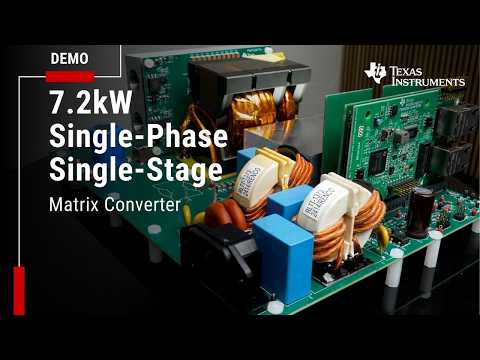
Texas Instruments — Investor Video Playlist






Industry Resources
| Information Technology Resources |
| TechCrunch |
| Wired |
| CIO |
| MIT Technology Review |
| Gartner Insights |
| Ars Technica |
| Semiconductors Resources |
| EE Times |
| Semiconductor Engineering |
| Semiconductor Digest |
External Quote Links
| Y Finance | Barrons |
| TradingView | Morningstar |
| SeekingAlpha | ValueLine |
| Motley Fool | Robinhood |
| CNBC | Etrade |
| MarketWatch | Unusual Whales |
| YCharts | Perplexity Finance |
| FinViz |
Prefer one of these to Trefis? Tell us why.