
Qualys (QLYS)
Market Price (10/6/2026): $202.01 | Market Cap: $7.1 BilSector: Information Technology | Industry: Systems Software
Qualys (QLYS)
Market Price (10/6/2026): $202.01Market Cap: $7.1 BilSector: Information TechnologyIndustry: Systems Software
Investment Highlights Why It Matters Detailed financial logic regarding cash flow yields vs trend-riding momentum.
Attractive operating marginsOp Mgn LTMOperating Margin = Operating Income / Revenue Reflects profitability before taxes and before impact of capital structure (interest payments). is 34% Attractive cash flow generationCFO/Rev LTMCash Flow from Operations / Revenue (Sales), Last Twelve Months (LTM) is 46%, FCF/Rev LTMFree Cash Flow / Revenue (Sales), Last Twelve Months (LTM) is 45% Megatrend and thematic driversMegatrends include Cybersecurity, and Cloud Computing. Themes include Software Security, Cloud Security, Show more. | Trading close to highsDist 52W High is 0.0%, Dist 3Y High is -3.5% Weak multi-year price returns3Y Excs Rtn is -51% | Stock price has recently run up significantly6M Rtn6 month market price return is 120% Significant share based compensationSBC/Rev LTMShare Based Compensation / Revenue (Sales), Last Twelve Months (LTM) is 11% Valuation getting more expensiveP/S 6M Chg %Price/Sales change over 6 months. Declining P/S indicates valuation has become less expensive. is 117% Key risksQLYS key risks include [1] intense pressure from larger, Show more. |
| Attractive operating marginsOp Mgn LTMOperating Margin = Operating Income / Revenue Reflects profitability before taxes and before impact of capital structure (interest payments). is 34% |
| Attractive cash flow generationCFO/Rev LTMCash Flow from Operations / Revenue (Sales), Last Twelve Months (LTM) is 46%, FCF/Rev LTMFree Cash Flow / Revenue (Sales), Last Twelve Months (LTM) is 45% |
| Megatrend and thematic driversMegatrends include Cybersecurity, and Cloud Computing. Themes include Software Security, Cloud Security, Show more. |
| Trading close to highsDist 52W High is 0.0%, Dist 3Y High is -3.5% |
| Weak multi-year price returns3Y Excs Rtn is -51% |
| Stock price has recently run up significantly6M Rtn6 month market price return is 120% |
| Significant share based compensationSBC/Rev LTMShare Based Compensation / Revenue (Sales), Last Twelve Months (LTM) is 11% |
| Valuation getting more expensiveP/S 6M Chg %Price/Sales change over 6 months. Declining P/S indicates valuation has become less expensive. is 117% |
| Key risksQLYS key risks include [1] intense pressure from larger, Show more. |
Qualitative Assessment
AI Analysis | Feedback
Qualys (QLYS) stock has gained about 45% since 6/30/2026 because of the following key factors:
1. Qualys exceeded its Q2 fiscal 2026 earnings and revenue estimates and raised its full-year guidance.
The company reported Q2 fiscal 2026 revenue of $182.2 million on August 4, 2026, surpassing the consensus estimate of $178.57 million and representing an 11.1% increase year-over-year. Non-GAAP earnings per share (EPS) for Q2 fiscal 2026 were $1.98, beating the analyst consensus of $1.78. Following these strong results, Qualys raised its full-year fiscal 2026 revenue guidance to a range of $732.0 million to $738.0 million, an increase from its prior guidance of $721.0 million to $727.0 million.
2. The company introduced strategic innovations in AI security and rapid vulnerability detection.
Qualys launched new capabilities in its TotalAI platform on July 29, 2026, aimed at enhancing AI security governance and risk management for enterprises. Additionally, on August 3, 2026, Qualys introduced InstaScan, a solution designed to detect vulnerabilities within minutes of their disclosure. These product advancements addressed critical and evolving cybersecurity needs, contributing to investor confidence and prompting an approximate 5% stock pop following the AI security announcement.
Show more
Qualys (QLYS) stock has gained about 45% since 6/30/2026 because of the following key factors:
1. Qualys exceeded its Q2 fiscal 2026 earnings and revenue estimates and raised its full-year guidance.
The company reported Q2 fiscal 2026 revenue of $182.2 million on August 4, 2026, surpassing the consensus estimate of $178.57 million and representing an 11.1% increase year-over-year. Non-GAAP earnings per share (EPS) for Q2 fiscal 2026 were $1.98, beating the analyst consensus of $1.78. Following these strong results, Qualys raised its full-year fiscal 2026 revenue guidance to a range of $732.0 million to $738.0 million, an increase from its prior guidance of $721.0 million to $727.0 million.
2. The company introduced strategic innovations in AI security and rapid vulnerability detection.
Qualys launched new capabilities in its TotalAI platform on July 29, 2026, aimed at enhancing AI security governance and risk management for enterprises. Additionally, on August 3, 2026, Qualys introduced InstaScan, a solution designed to detect vulnerabilities within minutes of their disclosure. These product advancements addressed critical and evolving cybersecurity needs, contributing to investor confidence and prompting an approximate 5% stock pop following the AI security announcement.
3. Qualys's TotalAppSec achieved FedRAMP High Authorization, strengthening its government market position.
On October 5, 2026, Qualys announced that its TotalAppSec solution received FedRAMP High Authorization. This authorization is significant as it allows Qualys to expand its offerings to the U.S. federal government, meeting stringent security and compliance requirements and aligning with new directives such as CISA BOD 26-04, which mandates continuous vulnerability detection and evaluation.
4. Positive analyst sentiment and industry tailwinds contributed to the stock's upward momentum.
Following the strong Q2 fiscal 2026 results, several analysts revised their price targets upwards. For example, Scotiabank raised its price target for Qualys from $190 to $220 in early August 2026, maintaining an "Outperform" rating. Jefferies also increased its target from $150 to $185. This positive analyst sentiment was underpinned by broader industry tailwinds, including robust cybersecurity spending and growing demand for AI-driven security solutions.
Show less
Stock Movement Drivers
Fundamental Drivers
The 44.5% change in QLYS stock from 6/30/2026 to 10/5/2026 was primarily driven by a 38.5% change in the company's P/E Multiple.| (LTM values as of) | 6302026 | 10052026 | Change |
|---|---|---|---|
| Stock Price ($) | 137.49 | 198.68 | 44.5% |
| Change Contribution By: | |||
| Total Revenues ($ Mil) | 685 | 703 | 2.6% |
| Net Income Margin (%) | 29.4% | 29.4% | -0.1% |
| P/E Multiple | 24.3 | 33.7 | 38.5% |
| Shares Outstanding (Mil) | 36 | 35 | 1.8% |
| Cumulative Contribution | 44.5% |
Market Drivers
6/30/2026 to 10/5/2026| Return | Correlation | |
|---|---|---|
| QLYS | 44.5% | |
| Market (SPY) | 3.8% | 18.3% |
| Sector (XLK) | 5.5% | 10.1% |
Fundamental Drivers
The 126.2% change in QLYS stock from 3/31/2026 to 10/5/2026 was primarily driven by a 112.1% change in the company's P/E Multiple.| (LTM values as of) | 3312026 | 10052026 | Change |
|---|---|---|---|
| Stock Price ($) | 87.85 | 198.68 | 126.2% |
| Change Contribution By: | |||
| Total Revenues ($ Mil) | 669 | 703 | 5.1% |
| Net Income Margin (%) | 29.6% | 29.4% | -0.9% |
| P/E Multiple | 15.9 | 33.7 | 112.1% |
| Shares Outstanding (Mil) | 36 | 35 | 2.4% |
| Cumulative Contribution | 126.2% |
Market Drivers
3/31/2026 to 10/5/2026| Return | Correlation | |
|---|---|---|
| QLYS | 126.2% | |
| Market (SPY) | 19.4% | 7.9% |
| Sector (XLK) | 51.4% | 9.5% |
Fundamental Drivers
The 50.1% change in QLYS stock from 9/30/2025 to 10/5/2026 was primarily driven by a 29.8% change in the company's P/E Multiple.| (LTM values as of) | 9302025 | 10052026 | Change |
|---|---|---|---|
| Stock Price ($) | 132.33 | 198.68 | 50.1% |
| Change Contribution By: | |||
| Total Revenues ($ Mil) | 637 | 703 | 10.4% |
| Net Income Margin (%) | 29.0% | 29.4% | 1.2% |
| P/E Multiple | 25.9 | 33.7 | 29.8% |
| Shares Outstanding (Mil) | 36 | 35 | 3.6% |
| Cumulative Contribution | 50.1% |
Market Drivers
9/30/2025 to 10/5/2026| Return | Correlation | |
|---|---|---|
| QLYS | 50.1% | |
| Market (SPY) | 17.3% | 7.9% |
| Sector (XLK) | 43.1% | 8.6% |
Fundamental Drivers
The 30.2% change in QLYS stock from 9/30/2023 to 10/5/2026 was primarily driven by a 34.1% change in the company's Total Revenues ($ Mil).| (LTM values as of) | 9302023 | 10052026 | Change |
|---|---|---|---|
| Stock Price ($) | 152.55 | 198.68 | 30.2% |
| Change Contribution By: | |||
| Total Revenues ($ Mil) | 524 | 703 | 34.1% |
| Net Income Margin (%) | 23.0% | 29.4% | 27.9% |
| P/E Multiple | 46.7 | 33.7 | -27.9% |
| Shares Outstanding (Mil) | 37 | 35 | 5.3% |
| Cumulative Contribution | 30.2% |
Market Drivers
9/30/2023 to 10/5/2026| Return | Correlation | |
|---|---|---|
| QLYS | 30.2% | |
| Market (SPY) | 87.5% | 30.1% |
| Sector (XLK) | 149.5% | 25.9% |
Price Returns Compared
| 2021 | 2022 | 2023 | 2024 | 2025 | 2026 | Total [1] | |
|---|---|---|---|---|---|---|---|
| Returns | |||||||
| QLYS Return | 13% | -18% | 75% | -29% | -5% | 45% | 58% |
| Peers Return | 46% | -41% | 72% | 15% | -16% | 83% | 161% |
| S&P 500 Return | 27% | -19% | 24% | 23% | 16% | 13% | 106% |
Monthly Win Rates [3] | |||||||
| QLYS Win Rate | 67% | 25% | 83% | 33% | 33% | 60% | |
| Peers Win Rate | 67% | 37% | 65% | 55% | 40% | 66% | |
| S&P 500 Win Rate | 75% | 42% | 67% | 75% | 67% | 50% | |
Max Drawdowns [4] | |||||||
| QLYS Max Drawdown | -37% | -32% | -18% | -40% | -22% | -44% | |
| Peers Max Drawdown | -26% | -52% | -25% | -34% | -42% | -34% | |
| S&P 500 Max Drawdown | -5% | -25% | -10% | -8% | -19% | -9% | |
[1] Cumulative total returns since the beginning of 2021
[2] Peers: TENB, RPD, CRWD, PANW, FTNT. See QLYS Returns vs. Peers.
[3] Win Rate = % of calendar months in which monthly returns were positive
[4] Max drawdown represents maximum peak-to-trough decline within a year
[5] 2026 data is for the year up to 10/5/2026 (YTD)
How Low Can It Go
| Event | QLYS | S&P 500 |
|---|---|---|
| 2025 US Tariff Shock | ||
| % Loss | -21.1% | -18.8% |
| % Gain to Breakeven | 26.7% | 23.1% |
| Time to Breakeven | 90 days | 79 days |
| 2024 Yen Carry Trade Unwind | ||
| % Loss | -13.3% | -7.8% |
| % Gain to Breakeven | 15.3% | 8.5% |
| Time to Breakeven | 86 days | 18 days |
| 2023 SVB Regional Banking Crisis | ||
| % Loss | -10.9% | -6.7% |
| % Gain to Breakeven | 12.3% | 7.1% |
| Time to Breakeven | 19 days | 31 days |
| 2022 Inflation Shock & Fed Tightening | ||
| % Loss | -18.6% | -24.5% |
| % Gain to Breakeven | 22.9% | 32.4% |
| Time to Breakeven | 27 days | 427 days |
| 2020 COVID-19 Crash | ||
| % Loss | -27.2% | -33.7% |
| % Gain to Breakeven | 37.4% | 50.9% |
| Time to Breakeven | 27 days | 140 days |
| Q4 2018 Fed Policy Error / Growth Scare | ||
| % Loss | -20.7% | -19.2% |
| % Gain to Breakeven | 26.1% | 23.8% |
| Time to Breakeven | 41 days | 105 days |
In The Past
Qualys's stock fell -21.1% during the 2025 US Tariff Shock. Such a loss loss requires a 26.7% gain to breakeven.
Preserve Wealth
Limiting losses and compounding gains is essential to preserving wealth.
Asset Allocation
Actively managed asset allocation strategies protect wealth. Learn more.
| Event | QLYS | S&P 500 |
|---|---|---|
| 2025 US Tariff Shock | ||
| % Loss | -21.1% | -18.8% |
| % Gain to Breakeven | 26.7% | 23.1% |
| Time to Breakeven | 90 days | 79 days |
| 2020 COVID-19 Crash | ||
| % Loss | -27.2% | -33.7% |
| % Gain to Breakeven | 37.4% | 50.9% |
| Time to Breakeven | 27 days | 140 days |
| Q4 2018 Fed Policy Error / Growth Scare | ||
| % Loss | -20.7% | -19.2% |
| % Gain to Breakeven | 26.1% | 23.8% |
| Time to Breakeven | 41 days | 105 days |
| 2015-2016 China Devaluation / Global Growth Scare | ||
| % Loss | -47.7% | -12.2% |
| % Gain to Breakeven | 91.1% | 13.9% |
| Time to Breakeven | 191 days | 62 days |
| 2014-2016 Oil Price Collapse | ||
| % Loss | -28.6% | -6.8% |
| % Gain to Breakeven | 40.0% | 7.3% |
| Time to Breakeven | 17 days | 15 days |
In The Past
Qualys's stock fell -21.1% during the 2025 US Tariff Shock. Such a loss loss requires a 26.7% gain to breakeven.
Preserve Wealth
Limiting losses and compounding gains is essential to preserving wealth.
Asset Allocation
Actively managed asset allocation strategies protect wealth. Learn more.
About Qualys (QLYS)
Qualys, Inc. (QLYS) is a leading provider of cloud-based information technology (IT), security, and compliance solutions for organizations globally. The company's central offering is the Qualys Cloud Platform, which enables customers to efficiently identify and manage all their IT assets, collect and analyze critical security data, proactively discover and prioritize vulnerabilities, recommend and implement remediation actions, and verify the effectiveness of those actions. Essentially, Qualys provides an integrated, real-time approach to continuously monitor and secure an organization's digital infrastructure against evolving cyber threats and regulatory mandates.
Qualys offers an extensive portfolio of "Qualys Cloud Apps" covering various facets of cybersecurity. Key solutions include Vulnerability Management, Detection and Response (VMDR) for comprehensive vulnerability assessment and remediation; Threat Protection; Patch Management; and Multi-Vector Endpoint Detection and Response (EDR). The platform also provides tools for securing web applications (Web Application Scanning and Firewall), ensuring policy compliance, managing IT and cybersecurity assets, and securing cloud environments and containers. These integrated solutions are bolstered by features like asset tagging, robust reporting, big data analytics, and automated workflows.
The company serves a broad and diverse customer base, ranging from large enterprises and government entities to small and medium-sized businesses (SMBs) across numerous industries. These include highly regulated sectors such as financial services, healthcare, and government, as well as manufacturing, retail, technology, and utilities. Qualys delivers its solutions through a combination of its direct sales teams and a robust network of channel partners, including security consulting organizations, managed service providers, and resellers worldwide.
AI Analysis | Feedback
Here are 1-3 brief analogies for Qualys (QLYS):
- Qualys is the Salesforce for IT security and compliance.
- Think of Qualys as the SAP for cybersecurity.
AI Analysis | Feedback
- Vulnerability Management, Detection and Response (VMDR): A comprehensive solution for identifying, detecting, and responding to vulnerabilities across IT environments.
- Patch Management: Automates the deployment of software patches to remediate vulnerabilities and maintain system integrity.
- Multi-Vector Endpoint Detection and Response (Multi-Vector EDR): Detects and responds to advanced threats across various vectors on endpoint devices.
- Policy Compliance & Security Configuration Assessment: Ensures IT assets adhere to security policies and compliance mandates through continuous assessment.
- Web Application Security (WAS & WAF): Provides scanning for web application vulnerabilities and firewall protection against web-based attacks.
- Cybersecurity Asset Management: Offers a unified inventory and management solution for all IT and cybersecurity assets across the enterprise.
- Cloud and Container Security: Assesses and secures cloud environments and containerized applications against various threats and misconfigurations.
AI Analysis | Feedback
Qualys (QLYS) primarily sells its cloud-based IT, security, and compliance solutions to other companies and government entities, operating on a Business-to-Business (B2B) model.
The provided background information does not list the specific names of Qualys's major customer companies or their public symbols. Companies in the cybersecurity space often do not disclose specific customer names for competitive or privacy reasons.
However, the background indicates that Qualys serves a broad range of customers, including:
- Enterprises: Large organizations across various sectors.
- Government Entities: Public sector organizations.
- Small and Medium-sized Businesses (SMBs): Smaller to mid-sized companies.
These customers span diverse industries, such as:
- Education
- Financial Services
- Government
- Healthcare
- Insurance
- Manufacturing
- Media
- Retail
- Technology
- Utilities
AI Analysis | Feedback
AI Analysis | Feedback
Sumedh Thakar, President and CEO
Sumedh Thakar joined Qualys in 2003 as an engineer and has held various leadership roles, eventually becoming President and CEO in 2021. Prior to Qualys, he worked as a software engineer at Intacct, an early cloud-based financial software provider, and at Northwest Airlines, where he developed complex algorithms. He holds a bachelor's degree in computer engineering from Savitribai Phule Pune University and is a co-inventor of five U.S. patents for cybersecurity technology.
Joo Mi Kim, Chief Financial Officer
Joo Mi Kim has served as the Chief Financial Officer of Qualys since 2020. She previously held the CFO position at Impact, a leader in partnership automation, and Aera Technology, an enterprise SaaS company. Before that, she was Vice President of FP&A and Investor Relations at Qualys from 2016 to 2018. Her career also includes experience as an investment banker at J.P. Morgan and an economic consultant at Ernst & Young. Joo Mi Kim earned a bachelor's degree in economics from the University of Chicago and an MBA from The Wharton School of the University of Pennsylvania.
Pinkesh Shah, Chief Product Officer
Pinkesh Shah is the Chief Product Officer at Qualys, where he is responsible for all Product Management, Product & UX Design, Product Marketing, Demand Generation, Branding, and Analyst Relations. With over 18 years of experience, he has led product, engineering, and marketing teams at companies such as McAfee, BeyondTrust, Exabeam, netIQ, and IBM. He is also the Founder & CEO of DelightLoop and a Professor of Practice at the Institute of Product Leadership.
Dilip Bachwani, CTO and SVP, Enterprise TruRisk Platform
Dilip Bachwani is the Chief Technology Officer and Senior Vice President of the Enterprise TruRisk Platform at Qualys. He oversees global product development, data and platform engineering, DevOps, site reliability engineering, cloud operations, and customer support. Joining Qualys in 2016, he has been instrumental in scaling the company's technology and organization. Prior to Qualys, Dilip held multiple engineering leadership roles at various organizations, building complex, scalable, distributed enterprise SaaS products and big data cloud platforms. He holds a bachelor's degree in electronics engineering from the University of Mumbai and a master's degree in computer science from Ball State University.
Shawn O'Brien, EVP Global Sales and Strategic Alliances
Shawn O'Brien leads global sales, channel and alliance development, and sales operations for Qualys. He brings over 30 years of executive and sales leadership experience in the security and IT sectors, with a strong track record of building high-performance teams and driving revenue growth. Most recently, he served as Chief Revenue Officer at Phosphorus.
AI Analysis | Feedback
Key Risks to Qualys (QLYS):
- Intense Competition: Qualys operates in a highly competitive and dynamic cybersecurity market, facing pressure from a broad range of rivals. Larger, diversified technology companies such as Palo Alto Networks, CrowdStrike, and Zscaler, alongside specialized cybersecurity firms like Tenable and Rapid7, are actively expanding their offerings into Qualys's core vulnerability management sector and adjacent markets, including cloud security and endpoint detection and response (EDR). Qualys's growth strategy, which relies on cross-selling new modules to its existing customer base, places it in direct competition with these established players in their respective domains.
- Rapid Technological Evolution and AI Disruption: The cybersecurity industry is characterized by continuous technological advancements and evolving threat landscapes, particularly with the increasing sophistication of cyberattacks powered by artificial intelligence (AI). Qualys must constantly innovate and adapt to maintain its competitive edge. Concerns exist that Qualys's emphasis on profitability might lead to a less aggressive investment in generative AI compared to some faster-growing competitors, potentially hindering long-term innovation. The rise of AI also presents a "net downside risk" by potentially disrupting core vulnerability management practices, similar to how endpoint detection and response (EDR) solutions superseded traditional antivirus products.
- Macroeconomic Headwinds and Longer Sales Cycles: Macroeconomic uncertainty is a significant risk, contributing to extended sales cycles and increased scrutiny of IT budgets for cybersecurity solutions. This economic environment can negatively impact Qualys's opportunities to upsell to existing customers and acquire new ones, potentially affecting its overall revenue growth and financial performance.
AI Analysis | Feedback
AI Analysis | Feedback
Qualys (NASDAQ: QLYS) operates within several significant and growing cybersecurity markets. Here's an overview of the addressable markets for their main products and services globally:
- Vulnerability Management: The global security and vulnerability management market was valued at approximately USD 17.67 billion in 2025 and is projected to reach USD 34.01 billion by 2035. Another estimate places the global vulnerability management market at US$14.94 billion in 2024, with a projection to reach US$24.08 billion by 2030.
- Endpoint Detection and Response (EDR): The global endpoint detection and response (EDR) market was valued at USD 3.5 billion in 2024 and is expected to reach USD 9.8 billion by 2030. Other sources indicate the global EDR market was valued at USD 3,553.4 million in 2023 and is expected to reach USD 16,893.2 million by 2030.
- Cloud Security: The global cloud security market size was estimated at USD 40.81 billion in 2025 and is predicted to increase to approximately USD 133.39 billion by 2035. Another report valued the global cloud security market at USD 51.11 billion in 2025, with a projection to reach USD 224.16 billion by 2034.
- Application Security (including Web Application Security): The global application security market size was estimated at USD 10.65 billion in 2025 and is projected to reach USD 42.09 billion by 2033. Furthermore, the market was valued at USD 10.4 billion in 2024 and is estimated to reach USD 34.8 billion by 2033.
- Governance, Risk, and Compliance (GRC): The global GRC technology market reached an approximate valuation of USD 51.5 billion in early 2025. Separately, the global Governance, Risk, and Compliance (GRC) platform market size was valued at USD 51.43 billion in 2025 and is forecast to reach USD 92.68 billion by 2031.
- Overall Cybersecurity Market: The global cybersecurity market size was valued at USD 218.98 billion in 2025 and is projected to grow to USD 699.39 billion by 2034. Another estimate for global spending on cybersecurity products and services predicts it will reach $454 billion annually in 2025.
AI Analysis | Feedback
Qualys (QLYS) is expected to drive future revenue growth over the next 2-3 years through several key initiatives and market trends:
- Expansion and Adoption of the Enterprise TruRisk Management (ETM) Platform and AI-driven Cybersecurity Solutions: Qualys is strategically focused on the broader adoption of its Enterprise TruRisk Management (ETM) platform, which incorporates advanced AI capabilities, including its Agentic AI platform. This platform approach allows for features like exploit validation, risk quantification, and autonomous remediation, aiming to redefine pre-breach risk management. The company is actively launching new AI-driven cybersecurity solutions, such as Identity Security Posture Management (ISPM) and TotalCloud CNAPP, to address evolving threats and expand its total addressable market.
- Growth Through Channel Partnerships: Channel partners, including security consulting organizations, managed service providers, and resellers, are a significant and growing component of Qualys's revenue strategy. Channel partner revenue has been outpacing direct sales growth and now accounts for a substantial portion of total revenue. Programs like the Managed Risk Operation Center (mROC) are designed to further empower partners, driving both new customer acquisition and deeper adoption of Qualys solutions, especially in international markets.
- International Market Expansion: Qualys is experiencing robust growth in international markets, with non-U.S. revenue consistently growing at a higher rate than domestic sales. This global market penetration is a key driver, with international revenue representing a significant and increasing percentage of the company's total revenue. The company is strategically expanding its reach outside the U.S. to capitalize on this momentum.
- Upselling and Cross-selling to Existing Customers (Net Dollar Expansion): A crucial driver for Qualys is deepening relationships with its existing customer base of over 10,000 subscribers. The company aims to expand "wallet share" by encouraging customers to adopt more modules and services within the Qualys Cloud Platform. This strategy is reflected in an improving net dollar expansion rate, indicating that existing customers are increasing their spending on Qualys's comprehensive suite of IT, security, and compliance solutions.
- Expansion into the Government Sector with FedRAMP High Certification: Qualys has achieved agency authorization for FedRAMP High, a significant certification that positions the company uniquely in the U.S. federal sector. This achievement establishes a strong foundation for securing government entities and opens new opportunities for revenue growth across multiple solution categories in hybrid environments.
AI Analysis | Feedback
Capital Allocation Decisions of Qualys (QLYS)
Share Repurchases
- Qualys increased its share repurchase program by an additional $200 million in February 2026.
- As of the third quarter of 2025, Qualys had $205 million remaining in its share repurchase program.
- Since the inception of its share repurchase program in February 2018, Qualys has repurchased 10.4 million shares, returning $1.2 billion in cash to shareholders.
Share Issuance
- On August 1, 2025, 6,042 common shares were withheld from the CEO to cover tax liability related to vesting Restricted Stock Units (RSUs).
- The number of Qualys shares outstanding decreased by 2.41% in one year, as of February 2026, indicating net repurchases exceeding any new issuances.
Outbound Investments
- Qualys acquired Blue Hexagon, an AI-based automated network threat defense solution company, in October 2022.
- In August 2021, Qualys acquired Total Cloud for $1.1 million.
- Qualys acquired Spell Security, an endpoint detection and response (EDR) cybersecurity startup, in August 2020.
Capital Expenditures
- Qualys anticipates 2025 capital expenditures to range between $8 million and $11 million.
- Capital expenditures were $23 million in 2024 and $38 million in 2023.
- The company has steadily reduced its capital spending over time as it matured into a fully cloud-native, low-infrastructure SaaS business, with capital expenditures settling at 1-2% of revenues for ongoing CapEx.
Peer Outperformance in Systems Software
| Industry | Names | 1Y med | 3Y med | 5Y med | Top 3 by 5Y |
|---|---|---|---|---|---|
| Electronic Manufacturing Services | 9 | 72.0% | 192.8% | 352.3% | TTMI 929% · FLEX 782% · SANM 471% |
| Semiconductor Materials & Equipment | 27 | 99.4% | 115.2% | 136.3% | AXTI 1003% · AEHR 667% · KLAC 560% |
| Technology Distributors | 9 | 43.0% | 91.9% | 109.1% | CLMB 441% · AVT 219% · SNX 182% |
| Electronic Components | 26 | 43.8% | 82.1% | 82.1% | CLS 4166% · BELFA 1419% · COHR 511% |
| Communications Equipment | 36 | 3.3% | 94.2% | 76.5% | AAOI 1670% · LITE 1234% · FEIM 949% |
| Semiconductors | 54 | 28.0% | 66.7% | 45.9% | POET 1818% · MU 1458% · NVDA 1059% |
| Technology Hardware, Storage & Peripherals | 20 | 19.1% | 122.9% | 35.1% | STX 1168% · SMCI 1083% · DELL 1044% |
| Internet Services & Infrastructure | 6 | -6.7% | 40.9% | 23.6% | DOCN 67% · GDDY 43% · VRSN 43% |
| Electronic Equipment & Instruments | 26 | -21.3% | 36.5% | -1.3% | PI 242% · KEYS 138% · VPG 122% |
| IT Consulting & Other Services | 28 | -21.7% | -9.4% | -17.7% | CHRN 489374% · APLD 983% · TSSI 814% |
| Application Software | 125 | -27.0% | -14.8% | -43.8% | VIDA 126567% · INLX 4764% · PLTR 703% |
| Systems Software ← | 70 | -17.5% | 22.4% | -51.9% | QNC 590% · PAYS 461% · PANW 402% |
Latest Trefis Analyses
| Title | Date | |
|---|---|---|
| DASHBOARDS | ||
| Qualys Stock On Fire: Up 46% With 9-Day Winning Streak | 07/07/2026 | |
| Qualys Stock On Fire: Up 37% With 8-Day Winning Streak | 07/03/2026 | |
| Qualys Stock Rockets 32% With 7-Day Winning Streak | 07/02/2026 | |
| Cash Machine Trading Cheap - Qualys Stock Set to Run? | 04/29/2026 | |
| Qualys Stock: Strong Cash Flow Poised for a Re-Rating? | 04/21/2026 | |
| Qualys Earnings Notes | 12/28/2026 | |
| With Qualys Stock Sliding, Have You Assessed The Risk? | 10/17/2025 | |
| ARTICLES | ||
| 9-Day Rally Sends Qualys Stock Up 46% | 07/07/2026 | |
| 8-Day Rally Sends Qualys Stock Up 37% | 07/03/2026 | |
| Qualys Stock On Fire: Up 32% With 7-Day Winning Streak | 07/02/2026 | |
| Qualys Stock Surges 17%, With A 6-Day Winning Spree | 05/22/2026 | |
| Could Qualys Stock’s Cash Flow Spark the Next Rally? | 04/21/2026 |
Research & Analysis
Invest in Strategies
Wealth Management
Peer Comparisons
| Peers to compare with: |
Financials
| Median | |
|---|---|
| Name | |
| Mkt Price | 194.97 |
| Mkt Cap | 7.1 |
| Rev LTM | 1,044 |
| Op Inc LTM | 43 |
| FCF LTM | 314 |
| FCF 3Y Avg | 270 |
| CFO LTM | 321 |
| CFO 3Y Avg | 278 |
Growth & Margins
| Median | |
|---|---|
| Name | |
| Rev Chg LTM | 10.4% |
| Rev Chg 3Y Avg | 12.0% |
| Rev Chg Q | 11.0% |
| QoQ Delta Rev Chg LTM | 2.6% |
| Op Inc Chg LTM | 24.8% |
| Op Inc Chg 3Y Avg | 21.1% |
| Op Mgn LTM | 4.2% |
| Op Mgn 3Y Avg | 2.7% |
| QoQ Delta Op Mgn LTM | 1.3% |
| CFO/Rev LTM | 37.4% |
| CFO/Rev 3Y Avg | 35.7% |
| FCF/Rev LTM | 28.2% |
| FCF/Rev 3Y Avg | 27.9% |
Valuation
| Median | |
|---|---|
| Name | |
| Mkt Cap | 7.1 |
| P/S | 10.0 |
| P/Op Inc | 56.6 |
| P/EBIT | 52.3 |
| P/E | 65.1 |
| P/CFO | 22.0 |
| Total Yield | 1.6% |
| Dividend Yield | 0.0% |
| FCF Yield 3Y Avg | 5.1% |
| D/E | 0.0 |
| Net D/E | -0.0 |
Returns
| Median | |
|---|---|
| Name | |
| 1M Rtn | 19.0% |
| 3M Rtn | 18.0% |
| 6M Rtn | 126.0% |
| 12M Rtn | 77.8% |
| 3Y Rtn | 119.8% |
| 1M Excs Rtn | 17.7% |
| 3M Excs Rtn | 17.7% |
| 6M Excs Rtn | 108.1% |
| 12M Excs Rtn | 60.8% |
| 3Y Excs Rtn | 44.4% |
Comparison Analyses
Price Behavior
| Market Price | $198.68 | |
| Market Cap ($ Bil) | 7.0 | |
| First Trading Date | 09/28/2012 | |
| Distance from 52W High | 0.0% | |
| 50 Days | 200 Days | |
| DMA Price | $175.57 | $127.71 |
| DMA Trend | up | up |
| Distance from DMA | 13.2% | 55.6% |
| 3M | 1YR | |
| Volatility | 67.1% | 56.7% |
| Downside Capture | -38.48 | -4.40 |
| Upside Capture | 86.93 | 44.33 |
| Correlation (SPY) | 18.7% | 7.9% |
| 1M | 2M | 3M | 6M | 1Y | 3Y | |
|---|---|---|---|---|---|---|
| Beta | -1.11 | 0.68 | 1.06 | 0.36 | 0.32 | 0.85 |
| Up Beta | 7.55 | 3.22 | 2.74 | 1.10 | -0.01 | 1.09 |
| Down Beta | 2.59 | 2.75 | 2.36 | 0.82 | 1.04 | 0.95 |
| Up Capture | -230% | 51% | 93% | 77% | 24% | 28% |
| Bmk +ve Days | 6 | 16 | 27 | 66 | 132 | 424 |
| Stock +ve Days | 9 | 19 | 29 | 64 | 122 | 383 |
| Down Capture | -244% | -230% | -97% | -176% | -7% | 86% |
| Bmk -ve Days | 16 | 26 | 37 | 60 | 120 | 328 |
| Stock -ve Days | 13 | 23 | 35 | 62 | 130 | 368 |
[1] Upside and downside betas calculated using positive and negative benchmark daily returns respectively
Based On 1-Year Data
| Annualized Return | Annualized Volatility | Sharpe Ratio | Correlation with QLYS | |
|---|---|---|---|---|
| QLYS | 52.2% | 56.5% | 0.94 | - |
| Sector ETF (XLK) | 41.2% | 26.5% | 1.27 | 8.7% |
| Equity (SPY) | 16.8% | 13.0% | 0.92 | 7.9% |
| Gold (GLD) | 7.0% | 29.6% | 0.23 | -8.4% |
| Commodities (DBC) | 45.9% | 20.9% | 1.71 | -3.4% |
| Real Estate (VNQ) | 1.6% | 13.6% | -0.14 | -7.1% |
| Bitcoin (BTCUSD) | -30.1% | 44.3% | -0.68 | 4.6% |
Smart multi-asset allocation framework can stack odds in your favor. Learn How
Based On 5-Year Data
| Annualized Return | Annualized Volatility | Sharpe Ratio | Correlation with QLYS | |
|---|---|---|---|---|
| QLYS | 10.9% | 42.5% | 0.36 | - |
| Sector ETF (XLK) | 21.8% | 25.9% | 0.74 | 40.6% |
| Equity (SPY) | 13.3% | 17.2% | 0.59 | 43.3% |
| Gold (GLD) | 18.3% | 18.9% | 0.78 | -1.3% |
| Commodities (DBC) | 10.0% | 19.6% | 0.39 | 6.2% |
| Real Estate (VNQ) | 0.9% | 18.8% | -0.06 | 29.2% |
| Bitcoin (BTCUSD) | 14.9% | 52.2% | 0.45 | 18.0% |
Smart multi-asset allocation framework can stack odds in your favor. Learn How
Based On 10-Year Data
| Annualized Return | Annualized Volatility | Sharpe Ratio | Correlation with QLYS | |
|---|---|---|---|---|
| QLYS | 18.0% | 40.4% | 0.54 | - |
| Sector ETF (XLK) | 25.1% | 25.0% | 0.90 | 44.9% |
| Equity (SPY) | 15.4% | 17.9% | 0.73 | 43.8% |
| Gold (GLD) | 11.5% | 16.4% | 0.57 | 0.9% |
| Commodities (DBC) | 8.4% | 18.1% | 0.38 | 9.5% |
| Real Estate (VNQ) | 4.1% | 20.7% | 0.16 | 28.2% |
| Bitcoin (BTCUSD) | 64.0% | 66.2% | 1.04 | 12.0% |
Smart multi-asset allocation framework can stack odds in your favor. Learn How
Returns Analyses
Earnings Returns History
Updated 9/4/2026| Forward Returns | |||
|---|---|---|---|
| Earnings Date | 1D Returns | 5D Returns | 21D Returns |
| 8/4/2026 | 13.8% | 16.9% | 6.1% |
| 5/5/2026 | -1.4% | -2.2% | 21.0% |
| 2/5/2026 | -13.3% | -18.0% | -24.6% |
| 11/4/2025 | 20.6% | 26.9% | 20.5% |
| 8/5/2025 | -0.2% | -0.9% | 2.8% |
| 5/6/2025 | 0.6% | 7.8% | 10.2% |
| 2/6/2025 | -3.7% | 0.3% | -11.0% |
| 11/5/2024 | 24.2% | 20.5% | 22.3% |
| ... | |||
| SUMMARY STATS | |||
| # Positive | 11 | 12 | 13 |
| # Negative | 13 | 12 | 11 |
| Median Positive | 9.5% | 8.9% | 13.0% |
| Median Negative | -5.5% | -9.3% | -9.8% |
| Max Positive | 24.2% | 26.9% | 22.9% |
| Max Negative | -16.0% | -18.8% | -24.6% |
| Forward Returns | |||
|---|---|---|---|
| Earnings Date | 1D Returns | 5D Returns | 21D Returns |
| 8/4/2026 | 13.8% | 16.9% | 6.1% |
| 5/5/2026 | -1.4% | -2.2% | 21.0% |
| 2/5/2026 | -13.3% | -18.0% | -24.6% |
| 11/4/2025 | 20.6% | 26.9% | 20.5% |
| 8/5/2025 | -0.2% | -0.9% | 2.8% |
| 5/6/2025 | 0.6% | 7.8% | 10.2% |
| 2/6/2025 | -3.7% | 0.3% | -11.0% |
| 11/5/2024 | 24.2% | 20.5% | 22.3% |
| 8/6/2024 | -8.6% | -8.8% | -9.8% |
| 5/7/2024 | -9.8% | -9.8% | -18.6% |
| 2/7/2024 | -4.2% | -3.7% | -4.8% |
| 11/2/2023 | 11.3% | 10.0% | 22.9% |
| 8/3/2023 | 4.0% | 6.7% | 13.0% |
| 5/4/2023 | 7.7% | 6.1% | 18.3% |
| 2/9/2023 | -0.6% | -4.5% | -3.5% |
| 11/2/2022 | -16.0% | -15.3% | -8.9% |
| 8/8/2022 | 12.0% | 20.8% | 18.1% |
| 5/4/2022 | -5.5% | -18.8% | -4.5% |
| 2/10/2022 | -14.3% | -13.9% | -13.5% |
| 11/3/2021 | 9.5% | 10.0% | 2.0% |
| 8/9/2021 | 4.7% | 3.6% | 11.8% |
| 5/5/2021 | 4.1% | 4.0% | 6.0% |
| 2/10/2021 | -10.6% | -13.2% | -14.4% |
| 11/4/2020 | -0.6% | -3.3% | -3.1% |
| SUMMARY STATS | |||
| # Positive | 11 | 12 | 13 |
| # Negative | 13 | 12 | 11 |
| Median Positive | 9.5% | 8.9% | 13.0% |
| Median Negative | -5.5% | -9.3% | -9.8% |
| Max Positive | 24.2% | 26.9% | 22.9% |
| Max Negative | -16.0% | -18.8% | -24.6% |
SEC Filings
Expand for More| Report Date | Filing Date | Filing |
|---|---|---|
| 06/30/2026 | 08/04/2026 | 10-Q |
| 03/31/2026 | 05/05/2026 | 10-Q |
| 12/31/2025 | 02/20/2026 | 10-K |
| 09/30/2025 | 11/04/2025 | 10-Q |
| 06/30/2025 | 08/05/2025 | 10-Q |
| 03/31/2025 | 05/06/2025 | 10-Q |
| 12/31/2024 | 02/21/2025 | 10-K |
| 09/30/2024 | 11/05/2024 | 10-Q |
| 06/30/2024 | 08/06/2024 | 10-Q |
| 03/31/2024 | 05/07/2024 | 10-Q |
| 12/31/2023 | 02/22/2024 | 10-K |
| 09/30/2023 | 11/02/2023 | 10-Q |
| 06/30/2023 | 08/03/2023 | 10-Q |
| 03/31/2023 | 05/04/2023 | 10-Q |
| 12/31/2022 | 02/23/2023 | 10-K |
| 09/30/2022 | 11/02/2022 | 10-Q |
| Report Date | Filing Date | Filing |
|---|---|---|
| 06/30/2026 | 08/04/2026 | 10-Q |
| 03/31/2026 | 05/05/2026 | 10-Q |
| 12/31/2025 | 02/20/2026 | 10-K |
| 09/30/2025 | 11/04/2025 | 10-Q |
| 06/30/2025 | 08/05/2025 | 10-Q |
| 03/31/2025 | 05/06/2025 | 10-Q |
| 12/31/2024 | 02/21/2025 | 10-K |
| 09/30/2024 | 11/05/2024 | 10-Q |
| 06/30/2024 | 08/06/2024 | 10-Q |
| 03/31/2024 | 05/07/2024 | 10-Q |
| 12/31/2023 | 02/22/2024 | 10-K |
| 09/30/2023 | 11/02/2023 | 10-Q |
| 06/30/2023 | 08/03/2023 | 10-Q |
| 03/31/2023 | 05/04/2023 | 10-Q |
| 12/31/2022 | 02/23/2023 | 10-K |
| 09/30/2022 | 11/02/2022 | 10-Q |
| 06/30/2022 | 08/08/2022 | 10-Q |
| 03/31/2022 | 05/04/2022 | 10-Q |
| 12/31/2021 | 02/22/2022 | 10-K |
| 09/30/2021 | 11/03/2021 | 10-Q |
| 06/30/2021 | 08/09/2021 | 10-Q |
| 03/31/2021 | 05/05/2021 | 10-Q |
| 12/31/2020 | 02/22/2021 | 10-K |
| 09/30/2020 | 11/04/2020 | 10-Q |
| 06/30/2020 | 08/10/2020 | 10-Q |
| 03/31/2020 | 05/07/2020 | 10-Q |
| 12/31/2019 | 02/21/2020 | 10-K |
| 09/30/2019 | 10/31/2019 | 10-Q |
Recent Forward Guidance
Updated 10/4/2026Latest: Q2 2026 Earnings Reported 8/4/2026
| Forward Guidance | Guidance Change | |||||||
|---|---|---|---|---|---|---|---|---|
| Metric | Source | Low | Mid | High | % Chg | % Delta | Change | Prior |
| Q3 2026 Revenue | Reported | 185.50 Mil | 186.50 Mil | 187.50 Mil | 4.5% | Higher New | Actual: 178.50 Mil for Q2 2026 | |
| Q3 2026 GAAP EPS | Reported | 1.43 | 1.47 | 1.5 | 14.9% | Higher New | Actual: 1.28 for Q2 2026 | |
| Q3 2026 Non-GAAP EPS | Reported | 1.91 | 1.95 | 1.98 | 10.2% | Higher New | Actual: 1.77 for Q2 2026 | |
| 2026 Revenue | Reported | 732.00 Mil | 735.00 Mil | 738.00 Mil | 1.5% | Raised | Guidance: 724.00 Mil for 2026 | |
| 2026 GAAP EPS | Reported | 5.76 | 5.83 | 5.9 | 5.9% | Raised | Guidance: 5.51 for 2026 | |
| 2026 Non-GAAP EPS | Reported | 7.74 | 7.81 | 7.88 | 3.5% | Raised | Guidance: 7.55 for 2026 | |
Insider Activity
Updated 9/22/2026| # | Owner | Title | Holding | Action | Filing Date | Price | Shares | Transacted Value | Value of Held Shares | Form |
|---|---|---|---|---|---|---|---|---|---|---|
| 1 | Posey, Bruce K | CHIEF LEGAL OFFICER | Direct | Sell | 9222026 | 179.49 | 866 | 155,442 | 10,534,160 | Form |
| 2 | Thakar, Sumedh S | CEO & PRESIDENT | Direct | Sell | 9152026 | 170.05 | 3,200 | 544,152 | 30,666,029 | Form |
| 3 | Kim, Joo MI | CHIEF FINANCIAL OFFICER | Direct | Sell | 9032026 | 169.62 | 1,030 | 174,712 | 12,673,087 | Form |
| 4 | Berquist, Thomas | Direct | Sell | 9032026 | 175.27 | 511 | 89,563 | 1,098,943 | Form | |
| 5 | Pfeiffer, Wendy | Direct | Sell | 8212026 | 185.00 | 500 | 92,500 | 2,166,350 | Form |
| # | Owner | Title | Holding | Action | Filing Date | Price | Shares | Transacted Value | Value of Held Shares | Form |
|---|---|---|---|---|---|---|---|---|---|---|
| 1 | Posey, Bruce K | CHIEF LEGAL OFFICER | Direct | Sell | 9222026 | 179.49 | 866 | 155,442 | 10,534,160 | Form |
| 2 | Thakar, Sumedh S | CEO & PRESIDENT | Direct | Sell | 9152026 | 170.05 | 3,200 | 544,152 | 30,666,029 | Form |
| 3 | Kim, Joo MI | CHIEF FINANCIAL OFFICER | Direct | Sell | 9032026 | 169.62 | 1,030 | 174,712 | 12,673,087 | Form |
| 4 | Berquist, Thomas | Direct | Sell | 9032026 | 175.27 | 511 | 89,563 | 1,098,943 | Form | |
| 5 | Pfeiffer, Wendy | Direct | Sell | 8212026 | 185.00 | 500 | 92,500 | 2,166,350 | Form | |
| 6 | Posey, Bruce K | CHIEF LEGAL OFFICER | Direct | Sell | 8212026 | 184.23 | 866 | 159,544 | 10,971,701 | Form |
| 7 | Thakar, Sumedh S | CEO & PRESIDENT | Direct | Sell | 8172026 | 188.97 | 3,200 | 604,708 | 34,683,429 | Form |
| 8 | Kim, Joo MI | CHIEF FINANCIAL OFFICER | Direct | Sell | 8042026 | 153.04 | 1,627 | 248,995 | 11,591,648 | Form |
| 9 | Pfeiffer, Wendy | Direct | Sell | 7212026 | 158.19 | 500 | 79,095 | 1,931,500 | Form | |
| 10 | Posey, Bruce K | CHIEF LEGAL OFFICER | Direct | Sell | 7212026 | 158.17 | 882 | 139,508 | 9,915,697 | Form |
| 11 | Thakar, Sumedh S | CEO & PRESIDENT | Direct | Sell | 7152026 | 160.50 | 3,200 | 513,611 | 31,055,156 | Form |
| 12 | Posey, Bruce K | CHIEF LEGAL OFFICER | Direct | Sell | 7062026 | 155.00 | 1,000 | 155,000 | 9,853,505 | Form |
| 13 | Kim, Joo MI | CHIEF FINANCIAL OFFICER | Direct | Sell | 7062026 | 143.44 | 965 | 138,420 | 11,649,480 | Form |
| 14 | Thakar, Sumedh S | CEO & PRESIDENT | Direct | Sell | 7012026 | 135.00 | 30,000 | 4,050,000 | 26,552,610 | Form |
| 15 | Thakar, Sumedh S | CEO & PRESIDENT | Direct | Sell | 6302026 | 126.75 | 10,000 | 1,267,538 | 28,733,302 | Form |
| 16 | Thakar, Sumedh S | CEO & PRESIDENT | Direct | Sell | 6292026 | 120.48 | 10,000 | 1,204,814 | 28,516,266 | Form |
| 17 | Posey, Bruce K | CHIEF LEGAL OFFICER | Direct | Sell | 6232026 | 109.44 | 865 | 94,668 | 7,066,864 | Form |
| 18 | Pfeiffer, Wendy | Direct | Sell | 6232026 | 110.55 | 500 | 55,275 | 1,405,090 | Form | |
| 19 | Berquist, Thomas | Direct | Sell | 6152026 | 110.75 | 939 | 103,994 | 750,996 | Form | |
| 20 | Hank, Jeffrey P | Direct | Sell | 6152026 | 110.75 | 470 | 52,052 | 1,725,042 | Form | |
| 21 | Hank, Jeffrey P | Direct | Sell | 6152026 | 108.88 | 470 | 51,174 | 1,747,088 | Form | |
| 22 | Kim, Joo MI | CHIEF FINANCIAL OFFICER | Direct | Sell | 6032026 | 111.67 | 1,031 | 115,128 | 9,176,770 | Form |
| 23 | Thakar, Sumedh S | CEO & PRESIDENT | Direct | Sell | 6022026 | 114.73 | 13,200 | 1,514,407 | 28,668,875 | Form |
| 24 | Pfeiffer, Wendy | Direct | Sell | 5262026 | 101.21 | 500 | 50,605 | 1,071,004 | Form | |
| 25 | Posey, Bruce K | CHIEF LEGAL OFFICER | Direct | Sell | 5212026 | 100.43 | 865 | 86,876 | 6,572,019 | Form |
| 26 | Kim, Joo MI | CHIEF FINANCIAL OFFICER | Direct | Sell | 5212026 | 100.17 | 1,627 | 162,976 | 8,335,213 | Form |
| 27 | Posey, Bruce K | CHIEF LEGAL OFFICER | Direct | Sell | 5212026 | 100.18 | 2,384 | 238,835 | 6,642,185 | Form |
| 28 | Posey, Bruce K | CHIEF LEGAL OFFICER | Direct | Sell | 3162026 | 100.09 | 65 | 6,506 | 7,102,134 | Form |
| 29 | Posey, Bruce K | CHIEF LEGAL OFFICER | Direct | Sell | 3062026 | 100.18 | 100 | 10,018 | 7,115,032 | Form |
| 30 | Posey, Bruce K | CHIEF LEGAL OFFICER | Direct | Sell | 2242026 | 103.85 | 481 | 49,950 | 7,385,471 | Form |
| 31 | Kim, Joo MI | CHIEF FINANCIAL OFFICER | Direct | Sell | 2062026 | 128.46 | 6,799 | 873,369 | 11,366,903 | Form |
| 32 | Kim, Joo MI | CHIEF FINANCIAL OFFICER | Direct | Sell | 2032026 | 135.63 | 3,414 | 463,024 | 12,001,330 | Form |
| 33 | Posey, Bruce K | CHIEF LEGAL OFFICER | Direct | Sell | 1222026 | 132.34 | 1,101 | 145,708 | 9,078,364 | Form |
| 34 | Thakar, Sumedh S | CEO & PRESIDENT | Direct | Sell | 1162026 | 133.76 | 5,000 | 668,817 | 33,146,573 | Form |
| 35 | Kim, Joo MI | CHIEF FINANCIAL OFFICER | Direct | Sell | 1052026 | 130.77 | 4,753 | 621,540 | 12,380,060 | Form |
| 36 | Posey, Bruce K | CHIEF LEGAL OFFICER | Direct | Sell | 12232025 | 142.46 | 1,077 | 153,427 | 9,929,151 | Form |
| 37 | Thakar, Sumedh S | CEO & PRESIDENT | Direct | Sell | 12162025 | 147.12 | 8,500 | 1,250,551 | 37,192,847 | Form |
| 38 | Kim, Joo MI | CHIEF FINANCIAL OFFICER | Direct | Sell | 12102025 | 149.81 | 8,649 | 1,295,705 | 14,894,843 | Form |
| 39 | Posey, Bruce K | CHIEF LEGAL OFFICER | Direct | Sell | 12052025 | 150.00 | 1,000 | 150,000 | 10,616,400 | Form |
| 40 | Posey, Bruce K | CHIEF LEGAL OFFICER | Direct | Sell | 12052025 | 145.99 | 3,077 | 449,219 | 10,478,749 | Form |
| 41 | Kim, Joo MI | CHIEF FINANCIAL OFFICER | Direct | Sell | 12032025 | 146.59 | 7,506 | 1,100,307 | 15,842,604 | Form |
| 42 | Kim, Joo MI | CHIEF FINANCIAL OFFICER | Direct | Sell | 11242025 | 141.95 | 7,694 | 1,092,192 | 16,407,017 | Form |
| 43 | Thakar, Sumedh S | CEO & PRESIDENT | Direct | Sell | 11172025 | 142.68 | 8,500 | 1,212,766 | 36,354,441 | Form |
| 44 | Thakar, Sumedh S | CEO & PRESIDENT | Direct | Sell | 11132025 | 155.04 | 2,200 | 341,094 | 39,814,965 | Form |
| 45 | Posey, Bruce K | CHIEF LEGAL OFFICER | Direct | Sell | 10212025 | 127.12 | 540 | 68,646 | 7,217,366 | Form |
| 46 | Thakar, Sumedh S | CEO & PRESIDENT | Direct | Sell | 10152025 | 126.82 | 8,500 | 1,078,007 | 25,865,955 | Form |
| 47 | Kim, Joo MI | CHIEF FINANCIAL OFFICER | Direct | Sell | 10072025 | 129.17 | 787 | 101,656 | 11,995,202 | Form |
| 48 | Posey, Bruce K | CHIEF LEGAL OFFICER | Direct | Sell | 9232025 | 136.18 | 525 | 71,497 | 7,805,402 | Form |
| 49 | Thakar, Sumedh S | CEO & PRESIDENT | Direct | Sell | 9162025 | 132.49 | 8,500 | 1,126,184 | 27,286,896 | Form |
| 50 | Kim, Joo MI | CHIEF FINANCIAL OFFICER | Direct | Sell | 9082025 | 134.80 | 844 | 113,769 | 12,623,955 | Form |
| 51 | Berquist, Thomas | Direct | Sell | 9032025 | 133.09 | 512 | 68,141 | 677,680 | Form |
Investor Activity (13F)
Updated Oct 6, 2026Active managers (13F portfolio over $250M, at least 3 holdings) with a position over $5M that is either over 10% of their portfolio or held in a concentrated book of 50 or fewer total positions. Index/ETF, sovereign, bank, community-bank and charitable/donor-advised filers are excluded.
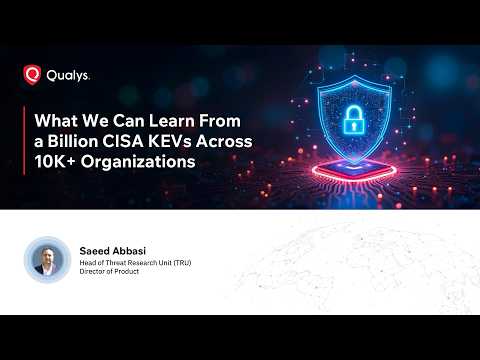
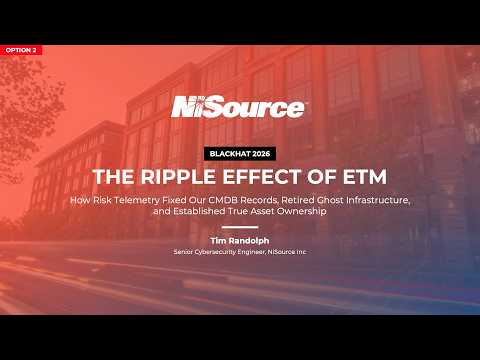
Qualys — Investor Video Playlist






Industry Resources
| Information Technology Resources |
| TechCrunch |
| Wired |
| CIO |
| MIT Technology Review |
| Gartner Insights |
| Ars Technica |
| Systems Software Resources |
| CNET |
| ZDNet |
| Gartner |
| Software Development Times |
External Quote Links
| Y Finance | Barrons |
| TradingView | Morningstar |
| SeekingAlpha | ValueLine |
| Motley Fool | Robinhood |
| CNBC | Etrade |
| MarketWatch | Unusual Whales |
| YCharts | Perplexity Finance |
| FinViz |
Prefer one of these to Trefis? Tell us why.