
Ranpak (PACK)
Market Price (10/21/2026): $3.37 | Market Cap: $288.6 MilSector: Materials | Industry: Metal, Glass & Plastic Containers
Ranpak (PACK)
Market Price (10/21/2026): $3.37Market Cap: $288.6 MilSector: MaterialsIndustry: Metal, Glass & Plastic Containers
Investment Highlights Why It Matters Detailed financial logic regarding cash flow yields vs trend-riding momentum.
Megatrend and thematic driversMegatrends include Vegan & Alternative Foods, Circular Economy & Recycling, Sustainable Consumption, and Automation & Robotics. Show more. | Weak multi-year price returns2Y Excs Rtn is -78%, 3Y Excs Rtn is -100% | Not profitable at operating income levelOp Inc LTMOperating Income, Last Twelve Months is -13 Mil, Op Mgn LTMOperating Margin = Operating Income / Revenue Reflects profitability before taxes and before impact of capital structure (interest payments). is -3.1% Debt is significantNet D/ENet Debt/Equity. Debt net of cash. Negative indicates net cash. Equity is taken as the Market Capitalization is 133% Yield minus risk free rate is negativeERPEquity Risk Premium (ERP) = Total Yield - Risk Free Rate, Reflects the premium above risk free assets offered by the investment. is -17% Key risksPACK key risks include [1] its distressed financial health, Show more. |
| Megatrend and thematic driversMegatrends include Vegan & Alternative Foods, Circular Economy & Recycling, Sustainable Consumption, and Automation & Robotics. Show more. |
| Weak multi-year price returns2Y Excs Rtn is -78%, 3Y Excs Rtn is -100% |
| Not profitable at operating income levelOp Inc LTMOperating Income, Last Twelve Months is -13 Mil, Op Mgn LTMOperating Margin = Operating Income / Revenue Reflects profitability before taxes and before impact of capital structure (interest payments). is -3.1% |
| Debt is significantNet D/ENet Debt/Equity. Debt net of cash. Negative indicates net cash. Equity is taken as the Market Capitalization is 133% |
| Yield minus risk free rate is negativeERPEquity Risk Premium (ERP) = Total Yield - Risk Free Rate, Reflects the premium above risk free assets offered by the investment. is -17% |
| Key risksPACK key risks include [1] its distressed financial health, Show more. |
Qualitative Assessment
AI Analysis | Feedback
Ranpak (PACK) stock has lost about 55% since 6/30/2026 because of the following key factors:
1. Fiscal Q2 2026 Earnings Miss and Negative Profitability.
Ranpak (with a fiscal year ending December 31st) reported disappointing financial results for fiscal Q2 2026 (which ended June 30, 2026) on July 30, 2026. The company posted an Earnings Per Share (EPS) of -$0.09, missing analysts' consensus estimates of -$0.08 by $0.01. This earnings miss was compounded by a negative net margin of 9.09% for the quarter.
2. Persistent Negative Net Income and Weak Financial Projections.
Beyond the quarterly miss, Ranpak has consistently reported negative net income, with a loss of -$38.30 million in 2025, an increase of 78.1% compared to 2024. For the trailing twelve months leading up to June 30, 2026, the net income remained negative at -$38.0 million with a -9.1% net margin. Furthermore, management's guidance indicated a projected non-cash reduction in net revenue and adjusted EBITDA by $3 million to $5 million due to warrant expenses linked to Amazon revenue, signaling ongoing financial challenges.
Show more
Ranpak (PACK) stock has lost about 55% since 6/30/2026 because of the following key factors:
1. Fiscal Q2 2026 Earnings Miss and Negative Profitability.
Ranpak (with a fiscal year ending December 31st) reported disappointing financial results for fiscal Q2 2026 (which ended June 30, 2026) on July 30, 2026. The company posted an Earnings Per Share (EPS) of -$0.09, missing analysts' consensus estimates of -$0.08 by $0.01. This earnings miss was compounded by a negative net margin of 9.09% for the quarter.
2. Persistent Negative Net Income and Weak Financial Projections.
Beyond the quarterly miss, Ranpak has consistently reported negative net income, with a loss of -$38.30 million in 2025, an increase of 78.1% compared to 2024. For the trailing twelve months leading up to June 30, 2026, the net income remained negative at -$38.0 million with a -9.1% net margin. Furthermore, management's guidance indicated a projected non-cash reduction in net revenue and adjusted EBITDA by $3 million to $5 million due to warrant expenses linked to Amazon revenue, signaling ongoing financial challenges.
3. Macroeconomic Headwinds and Shifting Customer Behavior.
Ranpak's performance was also impacted by broader macroeconomic factors. During its fiscal Q2 2026 earnings call, the company highlighted increased input costs starting in April in the Europe, Middle East, and Africa (EMEA) region. This was coupled with a "trade-down" by customers to lower-dollar-price, lower-margin Stock Keeping Units (SKUs), which negatively impacted margins. Geopolitical risks and energy costs were additionally cited as key uncertainties affecting the company's 2026 guidance.
Show less
Stock Movement Drivers
Fundamental Drivers
The -53.6% change in PACK stock from 6/30/2026 to 10/20/2026 was primarily driven by a -54.6% change in the company's P/S Multiple.| (LTM values as of) | 6302026 | 10202026 | Change |
|---|---|---|---|
| Stock Price ($) | 7.31 | 3.39 | -53.6% |
| Change Contribution By: | |||
| Total Revenues ($ Mil) | 405 | 418 | 3.2% |
| P/S Multiple | 1.5 | 0.7 | -54.6% |
| Shares Outstanding (Mil) | 85 | 86 | -0.9% |
| Cumulative Contribution | -53.6% |
Market Drivers
6/30/2026 to 10/20/2026| Return | Correlation | |
|---|---|---|
| PACK | -53.6% | |
| Market (SPY) | 3.0% | 36.5% |
| Sector (XLB) | 0.8% | 32.1% |
Fundamental Drivers
The -5.0% change in PACK stock from 3/31/2026 to 10/20/2026 was primarily driven by a -8.9% change in the company's P/S Multiple.| (LTM values as of) | 3312026 | 10202026 | Change |
|---|---|---|---|
| Stock Price ($) | 3.57 | 3.39 | -5.0% |
| Change Contribution By: | |||
| Total Revenues ($ Mil) | 395 | 418 | 5.8% |
| P/S Multiple | 0.8 | 0.7 | -8.9% |
| Shares Outstanding (Mil) | 84 | 86 | -1.5% |
| Cumulative Contribution | -5.0% |
Market Drivers
3/31/2026 to 10/20/2026| Return | Correlation | |
|---|---|---|
| PACK | -5.0% | |
| Market (SPY) | 18.6% | 40.8% |
| Sector (XLB) | 2.9% | 35.1% |
Fundamental Drivers
The -39.7% change in PACK stock from 9/30/2025 to 10/20/2026 was primarily driven by a -44.2% change in the company's P/S Multiple.| (LTM values as of) | 9302025 | 10202026 | Change |
|---|---|---|---|
| Stock Price ($) | 5.62 | 3.39 | -39.7% |
| Change Contribution By: | |||
| Total Revenues ($ Mil) | 381 | 418 | 9.8% |
| P/S Multiple | 1.2 | 0.7 | -44.2% |
| Shares Outstanding (Mil) | 84 | 86 | -1.6% |
| Cumulative Contribution | -39.7% |
Market Drivers
9/30/2025 to 10/20/2026| Return | Correlation | |
|---|---|---|
| PACK | -39.7% | |
| Market (SPY) | 16.4% | 45.9% |
| Sector (XLB) | 15.9% | 43.7% |
Fundamental Drivers
The -37.7% change in PACK stock from 9/30/2023 to 10/20/2026 was primarily driven by a -50.4% change in the company's P/S Multiple.| (LTM values as of) | 9302023 | 10202026 | Change |
|---|---|---|---|
| Stock Price ($) | 5.44 | 3.39 | -37.7% |
| Change Contribution By: | |||
| Total Revenues ($ Mil) | 320 | 418 | 30.5% |
| P/S Multiple | 1.4 | 0.7 | -50.4% |
| Shares Outstanding (Mil) | 82 | 86 | -3.7% |
| Cumulative Contribution | -37.7% |
Market Drivers
9/30/2023 to 10/20/2026| Return | Correlation | |
|---|---|---|
| PACK | -37.7% | |
| Market (SPY) | 86.1% | 38.4% |
| Sector (XLB) | 37.5% | 39.3% |
Price Returns Compared
| 2021 | 2022 | 2023 | 2024 | 2025 | 2026 | Total [1] | |
|---|---|---|---|---|---|---|---|
| Returns | |||||||
| PACK Return | 180% | -85% | 1% | 18% | -21% | -37% | -75% |
| Peers Return | 9% | -1% | 10% | 21% | -5% | 11% | 52% |
| S&P 500 Return | 27% | -19% | 24% | 23% | 16% | 12% | 104% |
Monthly Win Rates [3] | |||||||
| PACK Win Rate | 75% | 33% | 42% | 42% | 50% | 40% | |
| Peers Win Rate | 56% | 48% | 40% | 60% | 50% | 57% | |
| S&P 500 Win Rate | 75% | 42% | 67% | 75% | 67% | 50% | |
Max Drawdowns [4] | |||||||
| PACK Max Drawdown | -23% | -93% | -67% | -32% | -64% | -55% | |
| Peers Max Drawdown | -20% | -27% | -21% | -17% | -26% | -24% | |
| S&P 500 Max Drawdown | -5% | -25% | -10% | -8% | -19% | -9% | |
[1] Cumulative total returns since the beginning of 2021
[2] Peers: SON, IP, PKG, GEF.
[3] Win Rate = % of calendar months in which monthly returns were positive
[4] Max drawdown represents maximum peak-to-trough decline within a year
[5] 2026 data is for the year up to 10/20/2026 (YTD)
How Low Can It Go
| Event | PACK | S&P 500 |
|---|---|---|
| 2025 US Tariff Shock | ||
| % Loss | -58.3% | -18.8% |
| % Gain to Breakeven | 139.5% | 23.1% |
| Time to Breakeven | 402 days | 79 days |
| Summer-Fall 2023 Five Percent Yield Shock | ||
| % Loss | -52.6% | -9.5% |
| % Gain to Breakeven | 110.8% | 10.5% |
| Time to Breakeven | 55 days | 24 days |
| 2023 SVB Regional Banking Crisis | ||
| % Loss | -58.9% | -6.7% |
| % Gain to Breakeven | 143.5% | 7.1% |
| Time to Breakeven | 314 days | 31 days |
| 2020 COVID-19 Crash | ||
| % Loss | -29.6% | -33.7% |
| % Gain to Breakeven | 42.1% | 50.9% |
| Time to Breakeven | 132 days | 140 days |
In The Past
Ranpak's stock fell -58.3% during the 2025 US Tariff Shock. Such a loss loss requires a 139.5% gain to breakeven.
Preserve Wealth
Limiting losses and compounding gains is essential to preserving wealth.
Asset Allocation
Actively managed asset allocation strategies protect wealth. Learn more.
| Event | PACK | S&P 500 |
|---|---|---|
| 2025 US Tariff Shock | ||
| % Loss | -58.3% | -18.8% |
| % Gain to Breakeven | 139.5% | 23.1% |
| Time to Breakeven | 402 days | 79 days |
| Summer-Fall 2023 Five Percent Yield Shock | ||
| % Loss | -52.6% | -9.5% |
| % Gain to Breakeven | 110.8% | 10.5% |
| Time to Breakeven | 55 days | 24 days |
| 2023 SVB Regional Banking Crisis | ||
| % Loss | -58.9% | -6.7% |
| % Gain to Breakeven | 143.5% | 7.1% |
| Time to Breakeven | 314 days | 31 days |
| 2020 COVID-19 Crash | ||
| % Loss | -29.6% | -33.7% |
| % Gain to Breakeven | 42.1% | 50.9% |
| Time to Breakeven | 132 days | 140 days |
In The Past
Ranpak's stock fell -58.3% during the 2025 US Tariff Shock. Such a loss loss requires a 139.5% gain to breakeven.
Preserve Wealth
Limiting losses and compounding gains is essential to preserving wealth.
Asset Allocation
Actively managed asset allocation strategies protect wealth. Learn more.
About Ranpak (PACK)
Ranpak Holdings Corp. (PACK) specializes in providing sustainable, paper-based protective packaging solutions for items shipped within e-commerce and industrial supply chains. Operating across North America, Europe, and Asia, the company's core business revolves around protecting products during transit, thereby reducing damage and improving shipping efficiency for businesses globally.
The company offers a diverse portfolio of protective packaging systems, all designed to convert paper into various forms of protection. Its main product lines include FillPak for void-fill, which uses paper to fill empty spaces in packages; PadPak for cushioning, creating pads to protect items; and WrapPak, Geami, and ReadyRoll brands for wrapping fragile items or lining boxes. Additionally, Ranpak provides line automation products to streamline the void-filling and box closure processes for its clients.
Ranpak primarily serves end-users within the e-commerce and industrial sectors who require reliable and efficient product protection. The majority of its sales are facilitated through an extensive global distributor network, ensuring broad market reach. However, Ranpak also engages in direct sales with select large end-users, demonstrating a flexible approach to customer acquisition and service.
AI Analysis | Feedback
Here are 1-3 brief analogies for Ranpak (PACK):
- Keurig for industrial paper packaging: Like Keurig sells coffee machines and then the K-cup pods, Ranpak sells machines that convert paper into protective packaging (void-fill, cushioning, wrapping) and then sells the specialized paper rolls as consumables.
- 3M for specialized paper-based packaging protection: Similar to how 3M develops and provides a wide range of specialized materials and solutions for various industries, Ranpak focuses specifically on innovative, paper-based systems and materials to protect products during shipping for e-commerce and industrial supply chains.
AI Analysis | Feedback
- FillPak: Converts paper into void-fill material to protect items and fill empty spaces in packages.
- PadPak: Converts paper into cushioning pads to protect products during shipment.
- WrapPak, Geami, ReadyRoll: Systems that create paper pads or mesh to wrap fragile items, line boxes, and provide separation.
- Line Automation Products: Automate the void filling and box closure processes in packing lines.
AI Analysis | Feedback
Ranpak (PACK) primarily sells its product protection solutions to other companies, operating in a Business-to-Business (B2B) model. Based on the provided background information, specific names of major customer companies are not disclosed. Public companies often do not list individual customer names unless a single customer accounts for a significant portion of their revenue, which is not indicated here.
However, Ranpak identifies its "end users" (its ultimate customers) as businesses operating within the following broad categories:
- E-commerce Supply Chains: This category includes online retailers, fulfillment centers, and other businesses involved in the shipping and delivery of goods purchased online, requiring protective packaging to ensure products reach consumers safely.
- Industrial Supply Chains: This encompasses a wide range of companies in various industrial sectors, such as manufacturing, logistics, and distribution. These businesses utilize Ranpak's solutions for protecting products during internal handling, storage, and transportation within their supply chains.
Ranpak sells its products to these end users primarily through a distributor network, and directly to select larger end users.
AI Analysis | Feedback
AI Analysis | Feedback
AI Analysis | Feedback
Key Business Risks for Ranpak (PACK)
- Supply Chain and Raw Materials Risk: Ranpak faces significant risk due to its reliance on a limited number of suppliers for the specialized paper used in its products. Approximately 60% of its North American and 27% of its global raw paper needs were sourced from Smurfit WestRock Company in 2025. Any disruption, price increase, or inability to secure sufficient supply from these key suppliers could materially impact Ranpak's production and financial results. This concentration risk also exposes the company to potential price volatility for its primary raw material.
- Profitability Challenges and High Debt Load: Ranpak has reported net losses, indicating a struggle to achieve consistent profitability. Despite healthy gross margins, high operating costs and substantial interest expenses have eroded its bottom line. The company carries a significant level of outstanding indebtedness, reflected in a high net leverage ratio (net debt to AEBITDA) of 4.4x as of Q3 2025. This high debt load limits Ranpak's flexibility to invest in growth and makes it vulnerable to market disruptions, potentially impacting shareholder value if anticipated growth in automation does not materialize rapidly enough to improve EBITDA and reduce leverage.
- Intense Competition and E-commerce Market Normalization: The protective packaging industry in which Ranpak operates is highly competitive. Ranpak faces direct competition from other paper-based protective packaging providers, such as Storopack, with whom it has engaged in patent litigation, highlighting the intensity of this competition. Furthermore, the company competes with broader packaging material providers offering plastic-based alternatives (e.g., Sealed Air and Pregis). The e-commerce market, a key growth driver for Ranpak, is also experiencing a normalization after periods of accelerated growth during the pandemic, creating sector-specific headwinds and increased pressure on demand for packaging solutions.
AI Analysis | Feedback
The clear emerging threat for Ranpak is the growing industry trend, actively promoted by major e-commerce platforms like Amazon through initiatives such as "Ship-in-own-container" (SIOC) and "Frustration-Free Packaging." This trend encourages and incentivizes product manufacturers to design their primary product packaging to be robust enough for direct shipment without requiring additional secondary protective packaging, such as void-fill, cushioning, or wrapping. As more companies adopt this design philosophy for sustainability and cost-efficiency, the demand for Ranpak's on-site paper-based protective packaging solutions is directly reduced or eliminated for a growing segment of products.
AI Analysis | Feedback
Ranpak (symbol: PACK) operates in several addressable markets related to protective packaging and automation.
Overall Paper Protective Packaging Market:
- The global paper protective packaging market is projected to reach a valuation of USD 15.8 billion by 2033, growing at a compound annual growth rate (CAGR) of 5.2% from 2025.
- Asia Pacific is expected to witness the fastest growth in the global paper protective packaging market.
- The North American paper protective packaging market is expected to experience steady growth.
Void-Fill Protective Systems (FillPak brand):
- The global paper void fill packaging market was valued at USD 1.29 billion in 2024 and is projected to reach USD 1.75 billion by the end of 2030, growing at a CAGR of 5.2% during the forecast period of 2025-2030.
- The e-commerce and retail sector is estimated to contribute 34.7% of the total demand for void fill packaging systems in 2025.
- The Asia-Pacific market share for paper void fill packaging was approximately 20% in 2023 and is projected to grow at a CAGR of 9.5%.
Cushioning Protective Systems (PadPak brand):
- The global paper cushion systems market is estimated to be valued at USD 3.1 billion in 2025 and is projected to reach USD 14.9 billion by 2035, registering a compound annual growth rate (CAGR) of 17.0%.
- Key growth regions for the paper cushion systems market include North America, Asia-Pacific, and Europe.
Wrapping Protective Systems (WrapPak, Geami, and ReadyRoll brands):
- The global paper wrap market is valued at USD 5.1 billion in 2026 and is forecasted to reach USD 9.2 billion by 2036 at a CAGR of 6.1%.
- North America is the largest market for protective wrapping paper, holding approximately 40% of the global market share.
- Asia-Pacific holds approximately 25% of the global protective wrapping paper market share.
Line Automation Products:
- The global packaging automation market was valued between approximately USD 78.26 billion and USD 86.26 billion in 2025.
- This market is projected to reach approximately USD 122.51 billion by 2031, USD 128.82 billion by 2030, USD 158.30 billion by 2034, or USD 181.26 billion by 2035.
- Asia Pacific dominated the packaging automation market with a market share of between 31.81% and 33.78% in 2025. The Asia-Pacific market for packaging automation is projected to grow at a CAGR of 10.32% to 2031.
- North America held 33.78% of the packaging automation market share in 2025.
E-commerce Protective Packaging Market (significant driver for Ranpak):
- The global e-commerce protective packaging market is accounted for USD 31.51 billion in 2026 and is expected to reach USD 45.50 billion by 2034, growing at a CAGR of 4.7%.
- Another estimate for the global e-commerce packaging market indicates it was worth USD 75.3 billion in 2024 and is forecast to reach USD 116.1 billion in 2029 at a 9.0% CAGR.
- A further estimate suggests the global e-commerce packaging market size was USD 112.89 billion in 2025 and is projected to reach around USD 529.85 billion by 2035 with a CAGR of 16.72%.
- The Asia Pacific region led the global e-commerce packaging market, generating more than 46% of the revenue share in 2025.
- North America is expected to capture the second-largest position in the global e-commerce packaging market from 2026 to 2035.
AI Analysis | Feedback
Here are 3-5 expected drivers of future revenue growth for Ranpak Holdings Corp. (PACK) over the next 2-3 years:
- Growth in Automation Solutions: Ranpak's automation segment is a significant driver of future revenue, with projections for rapid growth. Automation net revenue is expected to reach between $40 million and $45 million for 2025, and management anticipates automation revenue to grow by approximately 30-50% in 2026, potentially exceeding $60 million. This growth is further supported by a strong order book entering 2026 and existing customer expansions.
- Expansion with Large Enterprise E-commerce Accounts: Strategic partnerships and deepening relationships with major e-commerce and retail companies, such as Amazon and Walmart, are expected to fuel substantial growth in both protective packaging solutions and automation businesses. The company notes that large enterprise accounts in North America continue to be a key driver of performance, and the ongoing shift from plastic to paper among these customers presents a positive outlook.
- Global Shift Towards Sustainable Packaging: As a leading provider of environmentally sustainable, fiber-based product protection solutions, Ranpak is well-positioned to benefit from the accelerating global trend of switching from plastic to paper packaging, particularly within the e-commerce sector. This alignment with growing environmental concerns supports increased demand for Ranpak's core paper-based product lines.
- Geographic Expansion in Asia-Pacific: Ranpak is actively expanding its global footprint, with a particular focus on high-growth international opportunities in the Asia-Pacific region. The operation of a new Malaysia production facility is expected to enhance access to Asian markets and boost growth in the region.
- New Product Innovation and Portfolio Expansion: Ranpak is expanding its portfolio beyond traditional void-fill and cushioning solutions through increased innovation. The launch of new products, such as Climaliner Plus™ and Naturemailer™, addresses specific needs in cold chain and e-commerce packaging, contributing to future revenue growth. The company is also focusing on next-generation void-fill, cushioning, and thermal packaging products.
AI Analysis | Feedback
Capital Allocation Decisions for Ranpak (PACK)
Share Repurchases
- On July 26, 2022, Ranpak's Board of Directors authorized a general share repurchase program of up to $50.0 million for its Class A common stock, with a 36-month expiration.
Share Issuance
- In May 2021, Ranpak conducted an equity offering, issuing 5,250,000 shares, which generated $103.4 million.
- The company entered into a warrant agreement with Amazon in January 2025, granting Amazon the right to acquire up to 18.7 million shares.
- As part of a strategic partnership signed in August 2025, Ranpak issued Walmart 22.5 million warrants at a strike price of $6.8308, with 2,250,000 warrant shares vesting immediately upon the agreement.
Inbound Investments
- Institutional investors hold a significant portion of Ranpak's shares, with over 81% ownership, indicating substantial third-party investment in the company.
- In the third quarter preceding March 2026, Royce & Associates LP made a new investment by purchasing 450,000 shares of Ranpak, valued at approximately $2.53 million.
Outbound Investments
- In December 2021, Ranpak acquired Recycold Cool Solutions BV, a manufacturer of sustainable cool packs, to expand its cold chain packaging solutions.
Capital Expenditures
- Ranpak's capital expenditures for the year 2025 were $30.3 million, which represented a reduction of $2.8 million from 2024 and a 45% reduction from the $55 million spent in 2023.
- A significant portion of capital expenditures in Q2 2025, specifically $7.9 million out of $9.8 million, was allocated to PPS (Protective Packaging Systems) converter spend.
- The company is focused on minimizing the impact of tariffs on capital expenditures for PPS converters by evaluating alternative parts and global suppliers, and by increasing efforts to refurbish existing machines.
Peer Outperformance in Metal, Glass & Plastic Containers
| Ticker | Name | Rev Growth 3Y Avg | P/E | 1Y | 3Y | 5Y | 5Y Gap |
|---|---|---|---|---|---|---|---|
| PACK | Ranpak | 9.3% | -7.6x | -38.4% | -5.0% | -89.0% | — |
| BALL | Ball | 7.5% | 18.0x | 33.6% | 51.5% | -25.9% | +63pp |
| Industry | Names | 1Y med | 3Y med | 5Y med | Top 3 by 5Y |
|---|---|---|---|---|---|
| Copper | 7 | 45.6% | 124.7% | 141.0% | SCCO 280% · TGB 249% · HBM 221% |
| Steel | 14 | 22.4% | 47.5% | 140.3% | STLD 304% · HCC 264% · RS 203% |
| Gold | 35 | -2.2% | 173.1% | 120.6% | IAG 517% · OGC 395% · KGC 311% |
| Silver | 6 | 21.7% | 260.7% | 108.6% | AYA 251% · HL 166% · SVM 128% |
| Aluminum | 3 | 5.5% | 164.4% | 60.4% | CENX 109% · KALU 60% · AA -18% |
| Construction Materials | 6 | -21.2% | 26.0% | 41.9% | USLM 359% · CRH 89% · VMC 47% |
| Metal, Glass & Plastic Containers ← | 11 | -4.1% | 7.0% | 4.8% | GEF 48% · SLGN 7% · ATR 5% |
| Paper & Plastic Packaging Products & Materials | 7 | 15.1% | 15.4% | -4.6% | PKG 104% · CCK 14% · SON 0% |
| Diversified Metals & Mining | 23 | -65.2% | -17.8% | -9.1% | USAR 33658% · MTRN 243% · MP 8% |
| Diversified Chemicals | 3 | 6.8% | 0.5% | -18.2% | CBT 52% · ASH -18% |
| Specialty Chemicals | 41 | 10.1% | 7.6% | -21.1% | NEU 159% · ESI 70% · SXT 56% |
| Commodity Chemicals | 13 | -1.1% | -25.5% | -34.8% | HWKN 259% · MEOH 44% · DOW -33% |
| Precious Metals & Minerals | 8 | -20.2% | 153.0% | -45.4% | PPTA 280% |
| Fertilizers & Agricultural Chemicals | 10 | -45.3% | -54.9% | -61.6% | CF 117% · NTR 14% · MOS -52% |
| Paper Products | 4 | -33.8% | -55.8% | -75.5% |
Latest Trefis Analyses
| Title | Date | |
|---|---|---|
| DASHBOARDS | ||
| Ranpak Earnings Notes | 12/16/2025 | |
| With Ranpak Stock Surging, Have You Considered The Downside? | 10/17/2025 | |
| Ranpak Total Shareholder Return (TSR): 18.2% in 2024 and -43.2% 3-yr compounded annual returns (below peer average) | 03/07/2025 |
| Title | |
|---|---|
| ARTICLES |
Research & Analysis
Invest in Strategies
Wealth Management
Peer Comparisons
| Peers to compare with: |
Financials
| Median | |
|---|---|
| Name | |
| Mkt Price | 50.83 |
| Mkt Cap | 5.1 |
| Rev LTM | 7,461 |
| Op Inc LTM | 335 |
| FCF LTM | 355 |
| FCF 3Y Avg | 309 |
| CFO LTM | 637 |
| CFO 3Y Avg | 664 |
Growth & Margins
| Median | |
|---|---|
| Name | |
| Rev Chg LTM | 10.3% |
| Rev Chg 3Y Avg | 8.7% |
| Rev Chg Q | -1.3% |
| QoQ Delta Rev Chg LTM | -0.3% |
| Op Inc Chg LTM | -4.0% |
| Op Inc Chg 3Y Avg | 0.8% |
| Op Mgn LTM | 7.7% |
| Op Mgn 3Y Avg | 7.7% |
| QoQ Delta Op Mgn LTM | -0.2% |
| CFO/Rev LTM | 8.5% |
| CFO/Rev 3Y Avg | 9.7% |
| FCF/Rev LTM | 4.8% |
| FCF/Rev 3Y Avg | 5.2% |
Price Behavior
| Market Price | $3.39 | |
| Market Cap ($ Bil) | 0.3 | |
| First Trading Date | 03/05/2018 | |
| Distance from 52W High | -55.6% | |
| 50 Days | 200 Days | |
| DMA Price | $4.34 | $5.22 |
| DMA Trend | down | down |
| Distance from DMA | -21.8% | -35.1% |
| 3M | 1YR | |
| Volatility | 53.9% | 71.3% |
| Downside Capture | 439.99 | 344.08 |
| Upside Capture | -5.66 | 243.82 |
| Correlation (S&P 500) | 35.2% | 47.2% |
| 1M | 2M | 3M | 6M | 1Y | 3Y | |
|---|---|---|---|---|---|---|
| Beta | 2.10 | 2.44 | 2.17 | 2.42 | 2.64 | 2.02 |
| Up Beta | 0.63 | 2.38 | -0.43 | 2.21 | 2.34 | 1.86 |
| Down Beta | 6.13 | 2.62 | 3.86 | 2.15 | 2.33 | 2.04 |
| Up Capture | 113% | 170% | 127% | 312% | 529% | 1013% |
| Bmk +ve Days | 6 | 16 | 27 | 66 | 132 | 424 |
| Stock +ve Days | 8 | 17 | 26 | 56 | 114 | 355 |
| Down Capture | 329% | 355% | 365% | 226% | 178% | 113% |
| Bmk -ve Days | 16 | 26 | 37 | 60 | 120 | 328 |
| Stock -ve Days | 14 | 25 | 38 | 67 | 131 | 380 |
[1] Upside and downside betas calculated using positive and negative benchmark daily returns respectively
Based On 1-Year Data
| Annualized Return | Annualized Volatility | Sharpe Ratio | Correlation with PACK | |
|---|---|---|---|---|
| PACK | -33.9% | 71.3% | -0.29 | - |
| Sector ETF (XLB) | 18.2% | 17.8% | 0.78 | 42.4% |
| Equity (SPY) | 16.8% | 12.7% | 0.93 | 46.6% |
| Gold (GLD) | -2.9% | 29.3% | -0.10 | 18.5% |
| Commodities (DBC) | 52.5% | 20.7% | 1.93 | -27.8% |
| Real Estate (VNQ) | 5.1% | 13.8% | 0.11 | 29.6% |
| Bitcoin (BTCUSD) | -23.7% | 43.6% | -0.50 | 24.4% |
Smart multi-asset allocation framework can stack odds in your favor. Learn How
Based On 5-Year Data
| Annualized Return | Annualized Volatility | Sharpe Ratio | Correlation with PACK | |
|---|---|---|---|---|
| PACK | -34.2% | 77.7% | -0.21 | - |
| Sector ETF (XLB) | 6.7% | 19.1% | 0.24 | 40.1% |
| Equity (SPY) | 13.6% | 17.1% | 0.61 | 40.5% |
| Gold (GLD) | 18.1% | 18.9% | 0.77 | 5.9% |
| Commodities (DBC) | 9.7% | 19.5% | 0.38 | 0.3% |
| Real Estate (VNQ) | 1.4% | 18.9% | -0.03 | 32.0% |
| Bitcoin (BTCUSD) | 7.7% | 51.7% | 0.33 | 18.0% |
Smart multi-asset allocation framework can stack odds in your favor. Learn How
Based On 10-Year Data
| Annualized Return | Annualized Volatility | Sharpe Ratio | Correlation with PACK | |
|---|---|---|---|---|
| PACK | -9.8% | 67.7% | 0.10 | - |
| Sector ETF (XLB) | 10.2% | 20.7% | 0.43 | 35.3% |
| Equity (SPY) | 15.3% | 17.9% | 0.72 | 35.2% |
| Gold (GLD) | 12.1% | 16.4% | 0.60 | 5.5% |
| Commodities (DBC) | 8.2% | 18.1% | 0.37 | 5.4% |
| Real Estate (VNQ) | 5.2% | 20.7% | 0.21 | 27.3% |
| Bitcoin (BTCUSD) | 62.9% | 66.2% | 1.03 | 15.4% |
Smart multi-asset allocation framework can stack odds in your favor. Learn How
Returns Analyses
Earnings Returns History
Updated 9/2/2026| Forward Returns | |||
|---|---|---|---|
| Earnings Date | 1D Returns | 5D Returns | 21D Returns |
| 7/30/2026 | -11.5% | -5.8% | -14.0% |
| 4/30/2026 | 29.2% | 58.6% | 75.1% |
| 3/5/2026 | -19.8% | -29.1% | -32.3% |
| 10/30/2025 | -17.0% | -5.0% | -12.2% |
| 8/5/2025 | 19.5% | 13.8% | 35.0% |
| 5/6/2025 | -29.8% | -15.2% | -20.3% |
| 3/6/2025 | 2.6% | -5.3% | -31.9% |
| 10/31/2024 | 2.5% | 14.0% | 31.4% |
| ... | |||
| SUMMARY STATS | |||
| # Positive | 13 | 10 | 11 |
| # Negative | 11 | 14 | 13 |
| Median Positive | 8.5% | 14.9% | 25.3% |
| Median Negative | -17.0% | -11.6% | -14.0% |
| Max Positive | 51.7% | 68.4% | 75.1% |
| Max Negative | -29.8% | -29.1% | -32.3% |
| Forward Returns | |||
|---|---|---|---|
| Earnings Date | 1D Returns | 5D Returns | 21D Returns |
| 7/30/2026 | -11.5% | -5.8% | -14.0% |
| 4/30/2026 | 29.2% | 58.6% | 75.1% |
| 3/5/2026 | -19.8% | -29.1% | -32.3% |
| 10/30/2025 | -17.0% | -5.0% | -12.2% |
| 8/5/2025 | 19.5% | 13.8% | 35.0% |
| 5/6/2025 | -29.8% | -15.2% | -20.3% |
| 3/6/2025 | 2.6% | -5.3% | -31.9% |
| 10/31/2024 | 2.5% | 14.0% | 31.4% |
| 8/1/2024 | 17.6% | 4.8% | -1.9% |
| 5/2/2024 | -10.5% | -1.9% | -14.9% |
| 3/11/2024 | 51.7% | 68.4% | 69.6% |
| 10/31/2023 | -10.5% | -17.8% | 16.1% |
| 8/3/2023 | 10.0% | -8.4% | 9.0% |
| 5/4/2023 | -19.6% | -17.0% | -9.7% |
| 3/15/2023 | 15.1% | 12.1% | -4.0% |
| 11/1/2022 | 4.5% | 43.4% | 42.4% |
| 7/28/2022 | -29.7% | -22.7% | -8.2% |
| 5/6/2022 | -17.6% | -25.1% | -18.1% |
| 2/25/2022 | -6.2% | -14.7% | -17.0% |
| 10/28/2021 | 4.8% | 15.8% | 24.1% |
| 7/29/2021 | -5.8% | -0.0% | 16.0% |
| 5/6/2021 | 4.3% | -6.0% | -0.9% |
| 3/4/2021 | 1.9% | 9.9% | 10.7% |
| 11/6/2020 | 8.5% | 16.3% | 25.3% |
| SUMMARY STATS | |||
| # Positive | 13 | 10 | 11 |
| # Negative | 11 | 14 | 13 |
| Median Positive | 8.5% | 14.9% | 25.3% |
| Median Negative | -17.0% | -11.6% | -14.0% |
| Max Positive | 51.7% | 68.4% | 75.1% |
| Max Negative | -29.8% | -29.1% | -32.3% |
SEC Filings
Expand for More| Report Date | Filing Date | Filing |
|---|---|---|
| 06/30/2026 | 07/30/2026 | 10-Q |
| 03/31/2026 | 04/30/2026 | 10-Q |
| 12/31/2025 | 03/05/2026 | 10-K |
| 09/30/2025 | 10/30/2025 | 10-Q |
| 06/30/2025 | 08/05/2025 | 10-Q |
| 03/31/2025 | 05/06/2025 | 10-Q |
| 12/31/2024 | 03/17/2025 | 10-K |
| 09/30/2024 | 10/31/2024 | 10-Q |
| 06/30/2024 | 08/01/2024 | 10-Q |
| 03/31/2024 | 05/02/2024 | 10-Q |
| 12/31/2023 | 03/14/2024 | 10-K |
| 09/30/2023 | 10/31/2023 | 10-Q |
| 06/30/2023 | 08/03/2023 | 10-Q |
| 03/31/2023 | 05/08/2023 | 10-Q |
| 12/31/2022 | 03/31/2023 | 10-K |
| 09/30/2022 | 11/01/2022 | 10-Q |
| Report Date | Filing Date | Filing |
|---|---|---|
| 06/30/2026 | 07/30/2026 | 10-Q |
| 03/31/2026 | 04/30/2026 | 10-Q |
| 12/31/2025 | 03/05/2026 | 10-K |
| 09/30/2025 | 10/30/2025 | 10-Q |
| 06/30/2025 | 08/05/2025 | 10-Q |
| 03/31/2025 | 05/06/2025 | 10-Q |
| 12/31/2024 | 03/17/2025 | 10-K |
| 09/30/2024 | 10/31/2024 | 10-Q |
| 06/30/2024 | 08/01/2024 | 10-Q |
| 03/31/2024 | 05/02/2024 | 10-Q |
| 12/31/2023 | 03/14/2024 | 10-K |
| 09/30/2023 | 10/31/2023 | 10-Q |
| 06/30/2023 | 08/03/2023 | 10-Q |
| 03/31/2023 | 05/08/2023 | 10-Q |
| 12/31/2022 | 03/31/2023 | 10-K |
| 09/30/2022 | 11/01/2022 | 10-Q |
| 06/30/2022 | 07/28/2022 | 10-Q |
| 03/31/2022 | 05/06/2022 | 10-Q |
| 12/31/2021 | 02/28/2022 | 10-K |
| 09/30/2021 | 10/28/2021 | 10-Q |
| 06/30/2021 | 07/29/2021 | 10-Q |
| 03/31/2021 | 05/07/2021 | 10-Q |
| 12/31/2020 | 03/04/2021 | 10-K |
| 09/30/2020 | 11/06/2020 | 10-Q |
| 06/30/2020 | 07/30/2020 | 10-Q |
| 03/31/2020 | 05/11/2020 | 10-Q |
| 12/31/2019 | 03/17/2020 | 10-K |
| 09/30/2019 | 11/07/2019 | 10-Q |
Investor Activity (13F)
Updated Oct 21, 2026Active managers (13F portfolio over $250M, at least 3 holdings) with a position over $5M that is either over 10% of their portfolio or held in a concentrated book of 50 or fewer total positions. Index/ETF, sovereign, bank, community-bank and charitable/donor-advised filers are excluded.
| Active Manager |
|---|
| Active Manager |
|---|
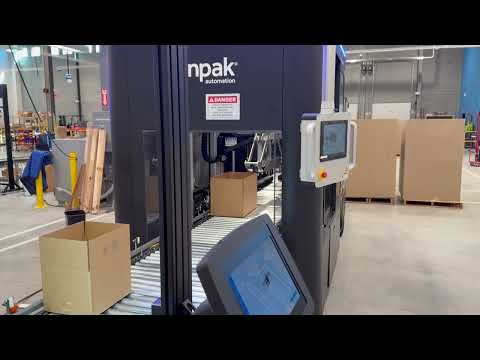
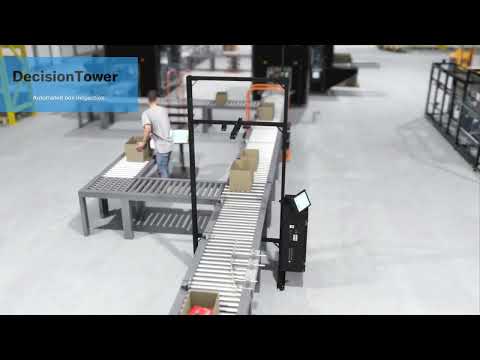
Ranpak — Investor Video Playlist



Industry Resources
| Materials Resources |
| Chemical & Engineering News (C&EN) |
| Mining.com |
| Plastics News |
| Metal, Glass & Plastic Containers Resources |
| Packaging Digest |
| Packaging World |
| Plastics Today |
External Quote Links
| Y Finance | Barrons |
| TradingView | Morningstar |
| SeekingAlpha | ValueLine |
| Motley Fool | Robinhood |
| CNBC | Etrade |
| MarketWatch | Unusual Whales |
| YCharts | Perplexity Finance |
| FinViz |
Prefer one of these to Trefis? Tell us why.