
Holley (HLLY)
Market Price (9/21/2026): $2.54 | Market Cap: $305.5 MilSector: Consumer Discretionary | Industry: Automotive Parts & Equipment
Holley (HLLY)
Market Price (9/21/2026): $2.54Market Cap: $305.5 MilSector: Consumer DiscretionaryIndustry: Automotive Parts & Equipment
Investment Highlights Why It Matters Detailed financial logic regarding cash flow yields vs trend-riding momentum.
Attractive yieldFCF Yield is 11% Megatrend and thematic driversMegatrends include Automotive Passion & Performance. Themes include Automotive Aftermarket Performance, Vehicle Customization, and Motorsports & Racing. | Weak multi-year price returns2Y Excs Rtn is -59%, 3Y Excs Rtn is -120% | Debt is significantNet D/ENet Debt/Equity. Debt net of cash. Negative indicates net cash. Equity is taken as the Market Capitalization is 152% Weak revenue growthRev Chg 3Y AvgRevenue Change % averaged over trailing 3 years is -2.2% Key risksHLLY key risks include [1] a high debt load threatening financial covenant compliance and [2] operational failures related to poor M&A integration and strained distributor relationships. |
| Attractive yieldFCF Yield is 11% |
| Megatrend and thematic driversMegatrends include Automotive Passion & Performance. Themes include Automotive Aftermarket Performance, Vehicle Customization, and Motorsports & Racing. |
| Weak multi-year price returns2Y Excs Rtn is -59%, 3Y Excs Rtn is -120% |
| Debt is significantNet D/ENet Debt/Equity. Debt net of cash. Negative indicates net cash. Equity is taken as the Market Capitalization is 152% |
| Weak revenue growthRev Chg 3Y AvgRevenue Change % averaged over trailing 3 years is -2.2% |
| Key risksHLLY key risks include [1] a high debt load threatening financial covenant compliance and [2] operational failures related to poor M&A integration and strained distributor relationships. |
Qualitative Assessment
AI Analysis | Feedback
Holley (HLLY) stock has lost about 5% since 5/31/2026 because of the following key factors:
1. Holley reported a revenue miss for its fiscal Q2 2026, which ended on June 30, 2026. Despite exceeding analysts' earnings per share (EPS) estimates with an actual EPS of $0.20 against a consensus of $0.12, the company's reported revenue of $172.01 million fell short of analysts' expectations of $172.63 million. This revenue shortfall, announced on August 5, 2026, likely contributed to investor concern.
2. The stock experienced a significant and unexplained single-day decline on September 10, 2026. Holley Inc. shares fell by 11.17% on this day, closing at $2.59, a decline of $0.33 per share from the previous close of $2.91. No confirmed cause for this sharp movement was publicly disclosed by the company or reported by primary sources at the time, indicating a potential market reaction to undisclosed factors or broader negative sentiment.
Show more
Holley (HLLY) stock has lost about 5% since 5/31/2026 because of the following key factors:
1. Holley reported a revenue miss for its fiscal Q2 2026, which ended on June 30, 2026. Despite exceeding analysts' earnings per share (EPS) estimates with an actual EPS of $0.20 against a consensus of $0.12, the company's reported revenue of $172.01 million fell short of analysts' expectations of $172.63 million. This revenue shortfall, announced on August 5, 2026, likely contributed to investor concern.
2. The stock experienced a significant and unexplained single-day decline on September 10, 2026. Holley Inc. shares fell by 11.17% on this day, closing at $2.59, a decline of $0.33 per share from the previous close of $2.91. No confirmed cause for this sharp movement was publicly disclosed by the company or reported by primary sources at the time, indicating a potential market reaction to undisclosed factors or broader negative sentiment.
3. Investor enthusiasm remained muted despite a reiterated full-year guidance and strategic actions. On August 5, 2026, alongside its Q2 2026 earnings, Holley reiterated its full-year guidance for the year ending December 31, 2026. Additionally, the company continued its debt reduction efforts with a $15.0 million voluntary prepayment after the quarter-end and repurchased approximately $2.0 million of common stock during fiscal Q2 2026. Despite these positive financial management actions and an EPS beat, the stock's overall decline in the specified period suggests these factors were insufficient to outweigh investor concerns, potentially due to the revenue miss and the subsequent unexplained market sell-off.
Show less
Stock Movement Drivers
Fundamental Drivers
The -7.0% change in HLLY stock from 5/31/2026 to 9/20/2026 was primarily driven by a -56.7% change in the company's Net Income Margin (%).| (LTM values as of) | 5312026 | 9202026 | Change |
|---|---|---|---|
| Stock Price ($) | 2.73 | 2.54 | -7.0% |
| Change Contribution By: | |||
| Total Revenues ($ Mil) | 608 | 613 | 0.9% |
| Net Income Margin (%) | 3.9% | 1.7% | -56.7% |
| P/E Multiple | 13.9 | 29.6 | 113.7% |
| Shares Outstanding (Mil) | 120 | 120 | -0.4% |
| Cumulative Contribution | -7.0% |
Market Drivers
5/31/2026 to 9/20/2026| Return | Correlation | |
|---|---|---|
| HLLY | -7.0% | |
| Market (SPY) | 0.9% | 25.5% |
| Sector (XLY) | -8.1% | 34.2% |
Fundamental Drivers
The -37.7% change in HLLY stock from 2/28/2026 to 9/20/2026 was primarily driven by a -38.8% change in the company's P/S Multiple.| (LTM values as of) | 2282026 | 9202026 | Change |
|---|---|---|---|
| Stock Price ($) | 4.08 | 2.54 | -37.7% |
| Change Contribution By: | |||
| Total Revenues ($ Mil) | 598 | 613 | 2.5% |
| P/S Multiple | 0.8 | 0.5 | -38.8% |
| Shares Outstanding (Mil) | 119 | 120 | -0.7% |
| Cumulative Contribution | -37.7% |
Market Drivers
2/28/2026 to 9/20/2026| Return | Correlation | |
|---|---|---|
| HLLY | -37.7% | |
| Market (SPY) | 11.6% | 26.5% |
| Sector (XLY) | -4.8% | 32.0% |
Fundamental Drivers
The -37.6% change in HLLY stock from 8/31/2025 to 9/20/2026 was primarily driven by a -39.0% change in the company's P/S Multiple.| (LTM values as of) | 8312025 | 9202026 | Change |
|---|---|---|---|
| Stock Price ($) | 4.07 | 2.54 | -37.6% |
| Change Contribution By: | |||
| Total Revenues ($ Mil) | 594 | 613 | 3.3% |
| P/S Multiple | 0.8 | 0.5 | -39.0% |
| Shares Outstanding (Mil) | 119 | 120 | -0.9% |
| Cumulative Contribution | -37.6% |
Market Drivers
8/31/2025 to 9/20/2026| Return | Correlation | |
|---|---|---|
| HLLY | -37.6% | |
| Market (SPY) | 19.4% | 21.4% |
| Sector (XLY) | -3.6% | 26.3% |
Fundamental Drivers
The -55.4% change in HLLY stock from 8/31/2023 to 9/20/2026 was primarily driven by a -67.1% change in the company's Net Income Margin (%).| (LTM values as of) | 8312023 | 9202026 | Change |
|---|---|---|---|
| Stock Price ($) | 5.70 | 2.54 | -55.4% |
| Change Contribution By: | |||
| Total Revenues ($ Mil) | 656 | 613 | -6.6% |
| Net Income Margin (%) | 5.1% | 1.7% | -67.1% |
| P/E Multiple | 19.9 | 29.6 | 48.8% |
| Shares Outstanding (Mil) | 117 | 120 | -2.5% |
| Cumulative Contribution | -55.4% |
Market Drivers
8/31/2023 to 9/20/2026| Return | Correlation | |
|---|---|---|
| HLLY | -55.4% | |
| Market (SPY) | 75.6% | 26.9% |
| Sector (XLY) | 33.0% | 33.5% |
Price Returns Compared
| 2021 | 2022 | 2023 | 2024 | 2025 | 2026 | Total [1] | |
|---|---|---|---|---|---|---|---|
| Returns | |||||||
| HLLY Return | 30% | -84% | 130% | -38% | 37% | -36% | -74% |
| Peers Return | 39% | -25% | 2% | -10% | 19% | 12% | 28% |
| S&P 500 Return | 27% | -19% | 24% | 23% | 16% | 12% | 103% |
Monthly Win Rates [3] | |||||||
| HLLY Win Rate | 58% | 25% | 50% | 33% | 42% | 44% | |
| Peers Win Rate | 66% | 40% | 47% | 45% | 50% | 51% | |
| S&P 500 Win Rate | 75% | 42% | 67% | 75% | 67% | 44% | |
Max Drawdowns [4] | |||||||
| HLLY Max Drawdown | -13% | -87% | -54% | -50% | -44% | -46% | |
| Peers Max Drawdown | -22% | -42% | -38% | -36% | -37% | -26% | |
| S&P 500 Max Drawdown | -5% | -25% | -10% | -8% | -19% | -9% | |
[1] Cumulative total returns since the beginning of 2021
[2] Peers: FOXF, DORM, SMP, XPEL, GTX.
[3] Win Rate = % of calendar months in which monthly returns were positive
[4] Max drawdown represents maximum peak-to-trough decline within a year
[5] 2026 data is for the year up to 9/18/2026 (YTD)
How Low Can It Go
| Event | HLLY | S&P 500 |
|---|---|---|
| 2025 US Tariff Shock | ||
| % Loss | -34.2% | -18.8% |
| % Gain to Breakeven | 52.0% | 23.1% |
| Time to Breakeven | 92 days | 79 days |
| 2024 Yen Carry Trade Unwind | ||
| % Loss | -14.0% | -7.8% |
| % Gain to Breakeven | 16.3% | 8.5% |
| Time to Breakeven | 364 days | 18 days |
| 2023 SVB Regional Banking Crisis | ||
| % Loss | -13.5% | -6.7% |
| % Gain to Breakeven | 15.7% | 7.1% |
| Time to Breakeven | 1 days | 31 days |
In The Past
Holley's stock fell -34.2% during the 2025 US Tariff Shock. Such a loss loss requires a 52.0% gain to breakeven.
Preserve Wealth
Limiting losses and compounding gains is essential to preserving wealth.
Asset Allocation
Actively managed asset allocation strategies protect wealth. Learn more.
| Event | HLLY | S&P 500 |
|---|---|---|
| 2025 US Tariff Shock | ||
| % Loss | -34.2% | -18.8% |
| % Gain to Breakeven | 52.0% | 23.1% |
| Time to Breakeven | 92 days | 79 days |
In The Past
Holley's stock fell -34.2% during the 2025 US Tariff Shock. Such a loss loss requires a 52.0% gain to breakeven.
Preserve Wealth
Limiting losses and compounding gains is essential to preserving wealth.
Asset Allocation
Actively managed asset allocation strategies protect wealth. Learn more.
About Holley (HLLY)
Holley Inc. (HLLY) is a prominent company specializing in the design, manufacturing, and marketing of high-performance automotive aftermarket products. The company's core business revolves around serving the needs of car and truck enthusiasts who are passionate about enhancing their vehicles' performance, customization, and safety. Holley has established itself as a leading player in this niche market, leveraging a portfolio of widely recognized brands.
The company offers an extensive range of products that cover various critical aspects of vehicle enhancement. These include key engine components such as carburetors, advanced fuel injection systems, superchargers, and ignition systems. Holley also provides exhaust headers, mufflers, transmission components, and engine tuners, alongside chassis and suspension products. Beyond performance upgrades, the company supplies vital safety equipment for enthusiasts, including helmets, head and and neck restraints, and firesuits. Products are sold under well-known brands like Holley, Holley EFI, MSD, Flowmaster, APR, Accel, and Simpson.
Holley's primary customers are car and truck enthusiasts across the United States, Canada, Europe, and China, who are engaged in activities like racing, off-roading, car shows, or general vehicle modification. The company effectively reaches these customers through a diversified distribution strategy, which includes direct sales to retailers, partnerships with distributors, and a strong online sales channel, ensuring broad accessibility to its specialized product lines.
AI Analysis | Feedback
Here are a few brief analogies for Holley (HLLY):
- Holley is like the **Nike for car parts and accessories**, focused on performance upgrades for automotive enthusiasts.
- Holley is the **VF Corporation (Vans, North Face, Timberland) of the automotive aftermarket**, owning many leading brands for car and truck performance and safety equipment.
AI Analysis | Feedback
- Fuel and Air Systems: Products such as carburetors, fuel pumps, fuel injection systems, nitrous oxide injection systems, and superchargers.
- Exhaust Components: Includes exhaust headers, mufflers, and other performance exhaust products.
- Ignition & Engine Management: Distributors, ignition components, engine tuners, and automotive software for vehicle control.
- Drivetrain & Transmission Parts: Shifters, converters, transmission kits, and complete transmissions for automotive performance.
- Automotive Plumbing: Specialized products designed for performance automotive plumbing applications.
- Chassis & Suspension: Offers wheels, chassis, and suspension components for vehicle enhancement.
- Safety Gear: Helmets, head and neck restraints, seat belts, and firesuits for automotive safety.
AI Analysis | Feedback
Holley Inc. (HLLY) primarily sells its automotive aftermarket products to other companies, specifically retailers and distributors. These entities then sell Holley's products to the end-consumers, who are car and truck enthusiasts.
Based on their stated distribution channels and the nature of their products, Holley's major direct customers are likely large automotive parts retailers and specialized performance product distributors. While specific major customers are not disclosed in the public background, the following are prominent public companies in the automotive retail space that are highly probable direct customers for Holley's wide range of aftermarket products:
- AutoZone, Inc. (Symbol: AZO)
- O'Reilly Automotive, Inc. (Symbol: ORLY)
- Advance Auto Parts, Inc. (Symbol: AAP)
AI Analysis | Feedback
AI Analysis | Feedback
Matthew Stevenson, President and Chief Executive Officer
Matthew Stevenson joined Holley as President and CEO in June 2023. Prior to Holley, he served as President and Chief Executive Officer at Blue Bird Corporation, where he led a comprehensive operational and financial turnaround of the company. He has nearly 25 years of experience transforming organizations and leading growth and turnarounds in both private and public sectors, including senior leadership roles at Daimler, Bridgestone, and Terminix. Stevenson also helped found and serves on the board of a consumer home services company backed by Imperial Capital, a Toronto-based private equity firm.
Jesse Weaver, Chief Financial Officer
Jesse Weaver joined Holley as Chief Financial Officer in December 2022. He brings nearly 20 years of experience in finance, strategy, and data analytics. Most recently, he served as Senior Vice President of Finance at SmileDirectClub (NASDAQ: SDC). Before that, he was Vice President of Financial Planning and Analysis at Dollar General (NYSE: DG) and held multiple leadership positions in finance at Yum! Brands (NYSE: YUM) U.S. Pizza Hut division.
Vinod Nimmagadda, Executive Vice President of Corporate Development & New Ventures
Vinod Nimmagadda joined Holley in 2021 as its Executive Vice President of Corporate Development & New Ventures. He has over eight years of finance and investment banking experience within the automotive aftermarket, having served as a Vice President within Jefferies Group LLC from 2019 to 2021, and in various other investment banking roles at Jefferies Group LLC since 2016. He also previously worked as an investment banking analyst at BB&T's investment banking division.
Carly Kennedy, Executive Vice President, General Counsel & Corporate Secretary
Carly Kennedy serves as Holley's Executive Vice President, General Counsel, and Corporate Secretary.
Patrick Pierce, Chief Human Resources Officer
Patrick Pierce has served as Holley's Chief Human Resources Officer since August 2021. He has over 15 years of human resource experience across multiple industries, including industrial equipment, consumer packaged goods, and retail. Before joining Holley, Mr. Pierce was employed by Treehouse Foods, Inc. (NYSE: THS), where he served in various leadership roles, most recently as Vice President, Corporate Human Resources.
AI Analysis | Feedback
Here are the key risks to Holley's business:
- Accelerating Shift Towards Electric Vehicles (EVs) and Stricter Emissions Regulations: Holley's core business heavily relies on aftermarket products for internal combustion engine (ICE) vehicles, targeting car and truck enthusiasts. The increasing global adoption of electric vehicles poses a significant long-term threat by gradually eroding the addressable market for these products. Furthermore, the U.S. Environmental Protection Agency (EPA) continues to prioritize enforcement actions against "aftermarket defeat devices" that modify vehicle emissions systems. This regulatory pressure forces Holley to incur substantial costs in research and development and compliance to ensure its products meet stringent California Air Resources Board (CARB) and EPA standards, representing an existential threat to parts of its traditional business model.
- Economic Downturns and Fluctuations in Discretionary Consumer Spending: Holley's products, largely performance and enthusiast-oriented automotive accessories, are highly susceptible to changes in consumer discretionary spending. Economic downturns, high inflation, and elevated interest rates can significantly reduce consumers' willingness and ability to purchase non-essential items, directly impacting Holley's sales, financial condition, and results of operations. The company has already experienced declining revenue and margin volatility attributed to such macroeconomic pressures affecting living costs and consumer demand.
- Supply Chain Disruptions and Rising Input Costs: Holley, as a manufacturer and distributor of automotive aftermarket products, is vulnerable to disruptions across its global supply chain. Issues such as geopolitical tensions, natural disasters, pandemics, and shortages of critical components (e.g., semiconductors) or raw materials can lead to increased costs for parts, scarcity, elevated shipping fees, and higher overall production expenses. These disruptions can negatively impact Holley's manufacturing operations, inventory levels, ability to meet customer demand, and ultimately, its profitability.
AI Analysis | Feedback
The widespread and accelerating shift of the automotive industry towards electric vehicles (EVs) poses a clear emerging threat. Holley's product portfolio is heavily concentrated on internal combustion engine (ICE) components such as carburetors, fuel pumps, fuel injection systems, nitrous oxide injection systems, superchargers, exhaust headers, mufflers, distributors, ignition components, and engine tuners. As car manufacturers increasingly pivot to EV production and governments set timelines for phasing out ICE vehicle sales, the demand for these ICE-specific aftermarket performance parts is projected to decline over the long term. This fundamental technological transition threatens to shrink Holley's core market of "car and truck enthusiasts" who modify traditional gasoline-powered vehicles, mirroring the disruptive impact seen in other industries where new technologies rendered existing paradigms obsolete.
AI Analysis | Feedback
Holley Inc. (HLLY) operates within the expansive automotive aftermarket, catering to car and truck enthusiasts with a diverse range of performance-enhancing and safety-focused products. The addressable markets for its main products and services are substantial, primarily across North America, Europe, and China.
Overall Automotive Aftermarket
- The U.S. automotive aftermarket was estimated at USD 205.81 billion in 2022 and is projected to grow to USD 574 billion in 2026, encompassing light, medium, and heavy-duty vehicles.
- More specifically, the U.S. light-duty automotive aftermarket is projected to reach USD 435 billion in 2025 and is forecast to exceed USD 500 billion by 2028.
- Holley's primary market, North America (particularly the U.S.), is estimated to hold a 37.6% market share in the automotive aftermarket in 2025, with the U.S. automotive aftermarket anticipated to reach approximately USD 350.64 billion by 2034.
- The U.S. market in which Holley operates was reported at USD 39 billion as of March 2026.
Automotive Performance Parts Market
- Globally, the automotive performance parts market was valued at USD 416.88 billion in 2024 and is projected to surpass USD 664.82 billion by 2034. This market is also estimated at USD 387.9 billion in 2026, with a forecast to expand to USD 680.8 billion by 2036.
- The U.S. automotive performance parts market is projected to grow at a Compound Annual Growth Rate (CAGR) of 2.9% or 4.1% from 2026 to 2036. The U.S. specialty equipment market, which aligns with performance parts, exceeds USD 53 billion in 2024.
Specific Product Categories
- Carburetors: The global carburetors market size was valued at USD 1.11 billion in 2024, with expectations to reach USD 1.22 billion by 2032. Another estimate places the global market at USD 1.031 billion in 2024, growing to USD 1.126 billion by 2032. The car carburetors market was valued at USD 1.93 billion in 2023 and is expected to reach USD 2.79 billion by 2032. North America held the largest revenue share in the carburetors market, at 38.5% in 2024 and 35.50% in 2023.
- Fuel Injection Systems: The global fuel injection systems market was valued at USD 65.2 billion in 2024 and is projected to reach USD 109.3 billion by 2034.
- Nitrous Oxide Injection Systems: The global automotive nitrous oxide system (NOS) market was approximately USD 1.9 billion in 2024 and is expected to reach USD 3.3 billion by 2030.
- Superchargers: The global automotive supercharger market size was valued at USD 8.6 billion in 2024 and is poised to grow to USD 13.23 billion by 2033. Another report values the global market at USD 7.42 billion in 2024, with a projection to reach USD 12.78 billion by 2034. The U.S. supercharger market size was estimated at USD 2.52 billion in 2024.
- Exhaust Headers: The global automotive exhaust headers market was valued at USD 1692.09 million (USD 1.69 billion) in 2025, anticipated to increase to USD 2380.95 million (USD 2.38 billion) by 2032. Another estimate places the market at USD 5.0 billion in 2025, projected to reach USD 9.4 billion by 2035.
- Mufflers: The global exhaust system muffler market size was calculated at USD 10.82 billion in 2025 and is predicted to increase to approximately USD 23.40 billion by 2035.
- Shifters (Automotive Gear Shifters): The global automotive gear shifter market size was estimated at USD 14.21 billion in 2023 and is projected to reach USD 25.48 billion by 2030. The global advanced gear shifter system market was approximately USD 14.05 billion in 2024 and is expected to reach roughly USD 19.16 billion by 2032.
- Wheels, Chassis & Suspension Products: The U.S. market for wheel, tire, and suspension aftermarket products collectively accounted for USD 12.38 billion in sales in 2023.
- Suspension Systems: The global automotive suspension system market size was valued at USD 49.70 billion in 2025 and is projected to grow to USD 107.12 billion by 2034. North America's market size for automotive suspension systems was USD 10.85 billion in 2025.
- Electronic Control and Monitoring Systems (Automotive Electronic Control Unit/Controller): The global automotive electronic control unit market size was valued at USD 69.09 billion in 2024 and is poised to grow to USD 114.76 billion by 2033. Another report indicates a market size of USD 78.66 billion in 2025, projected to reach USD 142.2 billion by 2035. The automotive electronic controller market size was USD 66.67 billion in 2025, expected to grow to USD 96.9 billion in 2030.
- Car and Truck Enthusiast Market: The U.S. specialty equipment market, largely driven by car enthusiasts, is over USD 53 billion in 2024. Parts and accessories for pickups alone contribute USD 16 billion in annual sales, with the inclusion of SUVs, crossovers, and vans expanding this to over USD 30 billion yearly. The North America Classic Cars Market is projected to grow from USD 17.76 billion in 2023 to USD 37.23 billion by 2032.
AI Analysis | Feedback
- Continued Core Business Growth through Volume and Pricing: Holley has demonstrated consistent core business net sales growth, with a 13.5% increase in the fourth quarter of 2025 and 6.6% for the full year, driven by a combination of approximately 3.8% volume growth and 2.8% pricing increases in 2025. Management anticipates this momentum to continue into 2026.
- New Product Innovation and Portfolio Expansion: A significant driver for Holley's revenue is its ongoing commitment to product innovation, which contributed approximately $23 million in new product sales in 2025. The company is actively expanding its product portfolio, including new performance chemicals and packaged solutions, and launching new products across its divisions, such as Snell 2025 Helmets, APR Power Packages, and Range DFM Modules for newer GM trucks.
- Expansion into New Consumer Vertical Groupings and Geographies: Holley has strategically reorganized its offerings into four distinct consumer vertical groupings: American Performance, Modern Truck & Off-Road, Euro & Import, and Safety & Racing. This segmentation aims to cater to a broader customer base with specialized products and services. Additionally, the company is pursuing global expansion, with notable progress in the Mexican market and within the powersports segment, and the Euro & Import segment showing particular strength.
- Omnichannel Strategy and Channel Growth (B2B and Direct-to-Consumer): Holley is focused on expanding its reach through a diversified omnichannel strategy. The company experienced strong growth in both its business-to-business (B2B) channel, which grew approximately 10.8% in Q4 2025, and its direct-to-consumer (DTC) channel, which grew 7.0% year-over-year in the same period. Growth in third-party marketplaces, led by Amazon, also contributed significantly. Holley aims to further strengthen its relationships with distribution partners and enhance its digital platforms to foster continued growth in these channels.
AI Analysis | Feedback
Capital Allocation Decisions (Last 3-5 Years)
Share Repurchases
- As of December 31, 2024, Holley Inc. had not repurchased equity.
- The company does not plan to issue dividends, prioritizing debt reduction and strategic investments.
Share Issuance
- Holley Inc. became a publicly traded company in July 2021 through a merger with SPAC Empower Ltd., leading to its listing on the NYSE under the ticker 'HLLY'.
- In September 2025, a secondary offering of 14,000,000 shares of common stock by a selling stockholder, controlled by Sentinel Capital Partners, LLC, was launched. Holley Inc. did not offer any shares and did not receive any proceeds from this offering.
Inbound Investments
- Holley Inc. transitioned from a private equity portfolio company of Sentinel Capital Partners to a publicly traded entity in July 2021 through a business combination with Empower Ltd., a SPAC.
- Sentinel Capital Partners, a private equity firm, maintained a significant stake in Holley after the public listing but reduced its ownership, notably through a secondary market offering in September 2025, decreasing its shareholding to approximately 20.5%.
Outbound Investments
- Between 2021 and 2022, Holley completed seven strategic acquisitions, including Brothers Truck Parts and AEM Performance Electronics.
- Holley plans to continue investing in growth initiatives by supporting strategic merger and acquisition activity.
- The company engaged in divestiture activities, with divestiture sales reported as $2.9 million for the fourth quarter of 2024 and $2.8 million for the third quarter of 2024, related to businesses such as Detroit Speed Engineering, Gear FX, and Proforged.
Capital Expenditures
- Holley is projecting capital expenditures of $15 million to $20 million for the full year 2026.
- These elevated capital expenditures for 2026 are primarily focused on investments in facility consolidations, ERP (Enterprise Resource Planning) system implementation for operational scalability, and incremental product development for the next-generation EFI platform.
- For the full year 2025, capital expenditures were forecast between $10 million and $14 million.
Peer Outperformance in Automotive Parts & Equipment
| Ticker | Name | Rev Growth 3Y Avg | P/E | 1Y | 3Y | 5Y | 5Y Gap |
|---|---|---|---|---|---|---|---|
| HLLY | Holley | -2.2% | 29.6x | -22.1% | -49.3% | -77.5% | — |
| GTX | Garrett Motion | -0.4% | 13.8x | 95.9% | 254.7% | 304.4% | +382pp |
| BWA | BorgWarner | 1.8% | 31.0x | 44.9% | 64.2% | 85.6% | +163pp |
| PATK | Patrick Industries | 0.6% | 14.9x | -34.0% | 41.6% | 46.8% | +124pp |
| MGA | Magna International | 1.8% | 22.5x | 39.0% | 32.1% | 1.7% | +79pp |
| VC | Visteon | -2.2% | 16.7x | -23.2% | -29.1% | 1.1% | +79pp |
| Industry | Names | 1Y med | 3Y med | 5Y med | Top 3 by 5Y |
|---|---|---|---|---|---|
| Education Services | 14 | -17.9% | 77.7% | 73.5% | LINC 317% · PRDO 233% · CVSA 232% |
| Homebuilding | 18 | -12.1% | 31.0% | 49.1% | GRBK 198% · PHM 161% · TOL 134% |
| Specialty Stores | 7 | 2.1% | 42.3% | 10.5% | SIG 35% · FIVE 26% · ASO 18% |
| Home Improvement Retail | 5 | -25.9% | -3.0% | 1.9% | HVT 14% · LOW 3% · HD 2% |
| Hotels, Resorts & Cruise Lines | 22 | 11.4% | 46.9% | 1.2% | RCL 207% · MAR 149% · HLT 143% |
| Automotive Retail | 18 | -20.6% | -2.8% | 0.9% | MUSA 237% · PAG 149% · ORLY 109% |
| Distributors | 4 | -12.0% | -25.6% | -11.8% | ARMK 162% · GPC 22% · LKQ -46% |
| Home Furnishings | 4 | -6.3% | 21.5% | -13.8% | SGI 38% · LZB 2% · MHK -30% |
| Specialized Consumer Services | 10 | -16.9% | 17.6% | -18.3% | HRB 109% · FTDR 76% · SCI 39% |
| Footwear | 9 | 52.2% | 45.9% | -19.8% | WEYS 161% · SHOO 16% · DECK 11% |
| Restaurants | 35 | -15.0% | -17.9% | -20.2% | EAT 308% · CAKE 151% · RAVE 146% |
| Leisure Products | 13 | -24.9% | -21.7% | -34.7% | GOLF 74% · HAS 15% · MCFT -17% |
| Leisure Facilities | 11 | -0.2% | 0.1% | -37.1% | OSW 130% · JAKK 121% · ESCA 29% |
| Apparel, Accessories & Luxury Goods | 27 | -13.2% | 2.9% | -37.2% | TPR 240% · RL 236% · ELA 204% |
| Automotive Parts & Equipment ← | 38 | -15.3% | -15.4% | -40.0% | MOD 1623% · GTX 304% · STRT 87% |
| Casinos & Gaming | 20 | -13.6% | -28.3% | -41.9% | MCRI 114% · RRR 37% · BYD 27% |
| Household Appliances | 18 | -7.0% | 12.7% | -43.4% | FLXS 170% · KEQU 159% · HBB 132% |
| Apparel Retail | 25 | -8.9% | 10.2% | -44.4% | ANF 260% · URBN 134% · ROST 110% |
| Computer & Electronics Retail | 3 | -13.2% | 33.0% | -52.3% | BBY 10% · GME -52% · UPBD -63% |
| Broadline Retail | 15 | -1.2% | 14.3% | -56.8% | DDS 310% · EBAY 69% · AMZN 52% |
| Automobile Manufacturers | 8 | -78.7% | -51.2% | -71.9% | GM 74% · TSLA 48% · F 41% |
| Consumer Electronics | 11 | -14.1% | -17.2% | -75.4% | AXIL 2829% · GRMN 83% · MSN -57% |
| Other Specialty Retail | 18 | -37.2% | -46.6% | -78.4% | TLF 114% · BBW 72% · WINA 57% |
Latest Trefis Analyses
| Title | Date | |
|---|---|---|
| DASHBOARDS | ||
| Holley Earnings Notes | 12/16/2025 | |
| Would You Still Hold Holley Stock If It Fell 30%? | 10/17/2025 |
| Title | |
|---|---|
| ARTICLES |
Research & Analysis
Invest in Strategies
Wealth Management
Peer Comparisons
| Peers to compare with: |
Financials
| Median | |
|---|---|
| Name | |
| Mkt Price | 31.52 |
| Mkt Cap | 1.0 |
| Rev LTM | 1,650 |
| Op Inc LTM | 122 |
| FCF LTM | 60 |
| FCF 3Y Avg | 76 |
| CFO LTM | 98 |
| CFO 3Y Avg | 114 |
Growth & Margins
| Median | |
|---|---|
| Name | |
| Rev Chg LTM | 5.9% |
| Rev Chg 3Y Avg | 2.3% |
| Rev Chg Q | 2.4% |
| QoQ Delta Rev Chg LTM | 0.7% |
| Op Inc Chg LTM | 12.1% |
| Op Inc Chg 3Y Avg | 10.4% |
| Op Mgn LTM | 13.9% |
| Op Mgn 3Y Avg | 13.5% |
| QoQ Delta Op Mgn LTM | 0.4% |
| CFO/Rev LTM | 10.5% |
| CFO/Rev 3Y Avg | 10.4% |
| FCF/Rev LTM | 5.1% |
| FCF/Rev 3Y Avg | 6.9% |
Price Behavior
| Market Price | $2.54 | |
| Market Cap ($ Bil) | 0.3 | |
| First Trading Date | 11/27/2020 | |
| Distance from 52W High | -42.1% | |
| 50 Days | 200 Days | |
| DMA Price | $2.83 | $3.26 |
| DMA Trend | down | up |
| Distance from DMA | -10.4% | -22.1% |
| 3M | 1YR | |
| Volatility | 54.5% | 63.3% |
| Downside Capture | 134.74 | 158.24 |
| Upside Capture | 133.50 | 102.03 |
| Correlation (SPY) | 18.9% | 22.6% |
| 1M | 2M | 3M | 6M | 1Y | 3Y | |
|---|---|---|---|---|---|---|
| Beta | 1.56 | 0.51 | 0.65 | 1.10 | 1.01 | 1.06 |
| Up Beta | 1.86 | -0.59 | 0.64 | 1.66 | 1.13 | 0.88 |
| Down Beta | 3.93 | 1.24 | 0.85 | 1.31 | 0.97 | 0.76 |
| Up Capture | 143% | 132% | 65% | 25% | 50% | 108% |
| Bmk +ve Days | 10 | 21 | 32 | 68 | 138 | 427 |
| Stock +ve Days | 10 | 20 | 28 | 57 | 115 | 338 |
| Down Capture | 57% | 12% | 51% | 128% | 118% | 110% |
| Bmk -ve Days | 11 | 21 | 32 | 59 | 113 | 324 |
| Stock -ve Days | 11 | 22 | 34 | 68 | 130 | 375 |
[1] Upside and downside betas calculated using positive and negative benchmark daily returns respectively
Based On 1-Year Data
| Annualized Return | Annualized Volatility | Sharpe Ratio | Correlation with HLLY | |
|---|---|---|---|---|
| HLLY | -23.1% | 63.2% | -0.18 | - |
| Sector ETF (XLY) | -7.6% | 19.5% | -0.53 | 25.2% |
| Equity (SPY) | 16.9% | 12.9% | 0.94 | 22.8% |
| Gold (GLD) | 19.1% | 29.3% | 0.60 | 10.1% |
| Commodities (DBC) | 46.3% | 20.6% | 1.73 | -12.1% |
| Real Estate (VNQ) | 4.9% | 13.6% | 0.10 | 26.4% |
| Bitcoin (BTCUSD) | -30.6% | 44.3% | -0.70 | 8.3% |
Smart multi-asset allocation framework can stack odds in your favor. Learn How
Based On 5-Year Data
| Annualized Return | Annualized Volatility | Sharpe Ratio | Correlation with HLLY | |
|---|---|---|---|---|
| HLLY | -26.0% | 70.8% | -0.12 | - |
| Sector ETF (XLY) | 4.8% | 24.1% | 0.16 | 29.4% |
| Equity (SPY) | 12.9% | 17.2% | 0.57 | 25.8% |
| Gold (GLD) | 19.1% | 18.8% | 0.83 | 5.1% |
| Commodities (DBC) | 11.2% | 19.5% | 0.45 | 3.9% |
| Real Estate (VNQ) | 1.1% | 18.8% | -0.05 | 26.9% |
| Bitcoin (BTCUSD) | 12.5% | 52.5% | 0.42 | 11.1% |
Smart multi-asset allocation framework can stack odds in your favor. Learn How
Based On 10-Year Data
| Annualized Return | Annualized Volatility | Sharpe Ratio | Correlation with HLLY | |
|---|---|---|---|---|
| HLLY | -12.4% | 66.7% | -0.06 | - |
| Sector ETF (XLY) | 11.8% | 22.2% | 0.49 | 28.1% |
| Equity (SPY) | 15.1% | 18.0% | 0.72 | 24.8% |
| Gold (GLD) | 12.1% | 16.4% | 0.61 | 4.9% |
| Commodities (DBC) | 8.3% | 18.1% | 0.37 | 4.0% |
| Real Estate (VNQ) | 4.4% | 20.7% | 0.18 | 25.5% |
| Bitcoin (BTCUSD) | 62.6% | 66.2% | 1.02 | 9.9% |
Smart multi-asset allocation framework can stack odds in your favor. Learn How
Returns Analyses
Earnings Returns History
Updated 9/8/2026| Forward Returns | |||
|---|---|---|---|
| Earnings Date | 1D Returns | 5D Returns | 21D Returns |
| 8/5/2026 | 7.4% | 10.2% | 3.5% |
| 5/6/2026 | -13.0% | -17.3% | -20.6% |
| 3/4/2026 | -12.4% | -16.7% | -20.8% |
| 11/7/2025 | 32.6% | 42.9% | 50.5% |
| 8/6/2025 | 31.4% | 66.2% | 94.1% |
| 5/7/2025 | -14.5% | 5.3% | 0.5% |
| 3/11/2025 | 24.2% | 2.1% | -2.5% |
| 11/8/2024 | 0.0% | -2.2% | 0.0% |
| ... | |||
| SUMMARY STATS | |||
| # Positive | 13 | 10 | 12 |
| # Negative | 8 | 11 | 9 |
| Median Positive | 7.4% | 13.6% | 5.0% |
| Median Negative | -9.2% | -5.3% | -12.2% |
| Max Positive | 39.9% | 66.2% | 94.1% |
| Max Negative | -14.5% | -17.3% | -20.8% |
| Forward Returns | |||
|---|---|---|---|
| Earnings Date | 1D Returns | 5D Returns | 21D Returns |
| 8/5/2026 | 7.4% | 10.2% | 3.5% |
| 5/6/2026 | -13.0% | -17.3% | -20.6% |
| 3/4/2026 | -12.4% | -16.7% | -20.8% |
| 11/7/2025 | 32.6% | 42.9% | 50.5% |
| 8/6/2025 | 31.4% | 66.2% | 94.1% |
| 5/7/2025 | -14.5% | 5.3% | 0.5% |
| 3/11/2025 | 24.2% | 2.1% | -2.5% |
| 11/8/2024 | 0.0% | -2.2% | 0.0% |
| 8/7/2024 | -6.4% | -10.8% | -7.9% |
| 5/8/2024 | -2.2% | -5.3% | -12.2% |
| 2/28/2024 | -11.1% | -14.4% | -8.2% |
| 11/8/2023 | -7.3% | -2.4% | 0.7% |
| 8/10/2023 | 19.6% | -0.5% | -15.3% |
| 5/11/2023 | 5.0% | 34.7% | 36.3% |
| 3/9/2023 | 39.9% | 36.9% | 14.6% |
| 11/14/2022 | 2.3% | -6.4% | -17.7% |
| 8/11/2022 | -3.4% | -4.5% | -7.9% |
| 5/12/2022 | 8.2% | 17.0% | 20.0% |
| 3/3/2022 | 3.9% | 4.9% | 6.5% |
| 11/10/2021 | 4.8% | 10.3% | 2.1% |
| 8/11/2021 | 4.4% | -3.6% | 2.8% |
| SUMMARY STATS | |||
| # Positive | 13 | 10 | 12 |
| # Negative | 8 | 11 | 9 |
| Median Positive | 7.4% | 13.6% | 5.0% |
| Median Negative | -9.2% | -5.3% | -12.2% |
| Max Positive | 39.9% | 66.2% | 94.1% |
| Max Negative | -14.5% | -17.3% | -20.8% |
SEC Filings
Expand for More| Report Date | Filing Date | Filing |
|---|---|---|
| 06/30/2026 | 08/05/2026 | 10-Q |
| 03/31/2026 | 05/06/2026 | 10-Q |
| 12/31/2025 | 03/16/2026 | 10-K |
| 09/30/2025 | 11/07/2025 | 10-Q |
| 06/30/2025 | 08/06/2025 | 10-Q |
| 03/31/2025 | 05/07/2025 | 10-Q |
| 12/31/2024 | 03/14/2025 | 10-K |
| 09/30/2024 | 11/08/2024 | 10-Q |
| 06/30/2024 | 08/07/2024 | 10-Q |
| 03/31/2024 | 05/08/2024 | 10-Q |
| 12/31/2023 | 03/14/2024 | 10-K |
| 09/30/2023 | 11/08/2023 | 10-Q |
| 06/30/2023 | 08/10/2023 | 10-Q |
| 03/31/2023 | 05/11/2023 | 10-Q |
| 12/31/2022 | 03/15/2023 | 10-K |
| 09/30/2022 | 11/14/2022 | 10-Q |
| Report Date | Filing Date | Filing |
|---|---|---|
| 06/30/2026 | 08/05/2026 | 10-Q |
| 03/31/2026 | 05/06/2026 | 10-Q |
| 12/31/2025 | 03/16/2026 | 10-K |
| 09/30/2025 | 11/07/2025 | 10-Q |
| 06/30/2025 | 08/06/2025 | 10-Q |
| 03/31/2025 | 05/07/2025 | 10-Q |
| 12/31/2024 | 03/14/2025 | 10-K |
| 09/30/2024 | 11/08/2024 | 10-Q |
| 06/30/2024 | 08/07/2024 | 10-Q |
| 03/31/2024 | 05/08/2024 | 10-Q |
| 12/31/2023 | 03/14/2024 | 10-K |
| 09/30/2023 | 11/08/2023 | 10-Q |
| 06/30/2023 | 08/10/2023 | 10-Q |
| 03/31/2023 | 05/11/2023 | 10-Q |
| 12/31/2022 | 03/15/2023 | 10-K |
| 09/30/2022 | 11/14/2022 | 10-Q |
| 06/30/2022 | 08/11/2022 | 10-Q |
| 03/31/2022 | 05/12/2022 | 10-Q |
| 12/31/2021 | 03/15/2022 | 10-K |
| 09/30/2021 | 11/10/2021 | 10-Q |
Recent Forward Guidance
Updated 8/6/2026Latest: Q2 2026 Earnings Reported 8/5/2026
| Forward Guidance | Guidance Change | |||||||
|---|---|---|---|---|---|---|---|---|
| Metric | Source | Low | Mid | High | % Chg | % Delta | Change | Prior |
| 2026 Depreciation and Amortization Expense | Reported | 24.00 Mil | 25.00 Mil | 26.00 Mil | 0.0% | Affirmed | Guidance: 25.00 Mil for 2026 | |
| 2026 Net Sales Core Business Growth Rate | Reported | 2.0% | 4.5% | 7.0% | 0.0% | Affirmed | Guidance: 4.5% for 2026 | |
| 2026 Adjusted EBITDA | Reported | 127.00 Mil | 132.00 Mil | 137.00 Mil | 0.0% | Affirmed | Guidance: 132.00 Mil for 2026 | |
| 2026 Interest Expense (excluding collar revaluation) | Reported | 42.00 Mil | 44.50 Mil | 47.00 Mil | 0.0% | Affirmed | Guidance: 44.50 Mil for 2026 | |
| 2026 Capital Expenditures | Reported | 15.00 Mil | 17.50 Mil | 20.00 Mil | 0.0% | Affirmed | Guidance: 17.50 Mil for 2026 | |
Prior: Q1 2026 Earnings Reported 5/6/2026
| Forward Guidance | Guidance Change | |||||||
|---|---|---|---|---|---|---|---|---|
| Metric | Source | Low | Mid | High | % Chg | % Delta | Change | Prior |
| 2026 Depreciation and Amortization Expense | Reported | 24.00 Mil | 25.00 Mil | 26.00 Mil | 0 | Affirmed | Guidance: 25.00 Mil for 2026 | |
| 2026 Net Sales Core Business Growth Rate | Reported | 2.0% | 4.5% | 7.0% | ||||
| 2026 Adjusted EBITDA | Reported | 127.00 Mil | 132.00 Mil | 137.00 Mil | 0 | Affirmed | Guidance: 132.00 Mil for 2026 | |
| 2026 Interest Expense (excluding collar revaluation) | Reported | 42.00 Mil | 44.50 Mil | 47.00 Mil | 0 | Affirmed | Guidance: 44.50 Mil for 2026 | |
| 2026 Capital Expenditures | Reported | 15.00 Mil | 17.50 Mil | 20.00 Mil | 0 | Affirmed | Guidance: 17.50 Mil for 2026 | |
Q4 2025 Earnings Reported 3/4/2026
| Forward Guidance | Guidance Change | |||||||
|---|---|---|---|---|---|---|---|---|
| Metric | Source | Low | Mid | High | % Chg | % Delta | Change | Prior |
| 2026 Depreciation and Amortization Expense | Reported | 24.00 Mil | 25.00 Mil | 26.00 Mil | 8.7% | Higher New | Guidance: 23.00 Mil for 2025 | |
| 2026 Net Sales | Reported | 625.00 Mil | 640.00 Mil | 655.00 Mil | 7.1% | Higher New | Guidance: 597.50 Mil for 2025 | |
| 2026 Adjusted EBITDA | Reported | 127.00 Mil | 132.00 Mil | 137.00 Mil | 6.9% | Higher New | Guidance: 123.50 Mil for 2025 | |
| 2026 Interest Expense (excluding collar revaluation) | Reported | 42.00 Mil | 44.50 Mil | 47.00 Mil | -6.3% | Lower New | Guidance: 47.50 Mil for 2025 | |
| 2026 Capital Expenditures | Reported | 15.00 Mil | 17.50 Mil | 20.00 Mil | 45.8% | Higher New | Guidance: 12.00 Mil for 2025 | |
Q3 2025 Earnings Reported 11/7/2025
| Forward Guidance | Guidance Change | |||||||
|---|---|---|---|---|---|---|---|---|
| Metric | Source | Low | Mid | High | % Chg | % Delta | Change | Prior |
| 2025 Depreciation and Amortization Expense | Reported | 22.00 Mil | 23.00 Mil | 24.00 Mil | 0 | Affirmed | Guidance: 23.00 Mil for 2025 | |
| 2025 Net Sales | Reported | 590.00 Mil | 597.50 Mil | 605.00 Mil | 1.7% | Raised | Guidance: 587.50 Mil for 2025 | |
| 2025 Adjusted EBITDA | Reported | 120.00 Mil | 123.50 Mil | 127.00 Mil | 1.6% | Raised | Guidance: 121.50 Mil for 2025 | |
| 2025 Interest Expense (excluding collar revaluation) | Reported | 45.00 Mil | 47.50 Mil | 50.00 Mil | 0 | Affirmed | Guidance: 47.50 Mil for 2025 | |
| 2025 Capital Expenditures | Reported | 10.00 Mil | 12.00 Mil | 14.00 Mil | 0 | Affirmed | Guidance: 12.00 Mil for 2025 | |
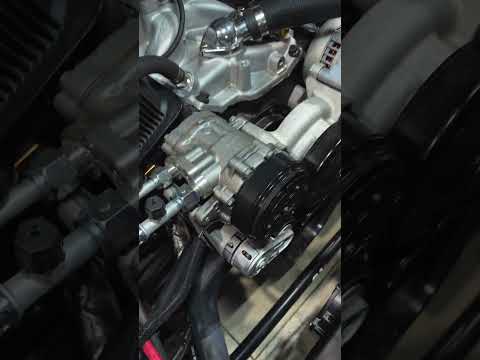
Holley — Investor Video Playlist



Industry Resources
| Consumer Discretionary Resources |
| Retail Dive |
| Business of Fashion (BoF) |
| WWD (Women's Wear Daily) |
| National Retail Federation (NRF) |
| McKinsey & Company - Consumer |
| Mintel Consumer Trends |
| Automotive Parts & Equipment Resources |
| AftermarketNews |
| Tire Review |
| Motor Age |
External Quote Links
| Y Finance | Barrons |
| TradingView | Morningstar |
| SeekingAlpha | ValueLine |
| Motley Fool | Robinhood |
| CNBC | Etrade |
| MarketWatch | Unusual Whales |
| YCharts | Perplexity Finance |
| FinViz |
Prefer one of these to Trefis? Tell us why.