
How JOBY Stock Rises 8x To $70
Joby Aviation’s (JOBY) most critical metric is the “certification timeline” that CEO JoeBen Bevirt uses to anchor investor expectations. While it is often obscured by quarterly cash burn figures, this timeline is the primary driver of Joby’s valuation. This analysis focuses on that specific metric.
JOBY stock has demonstrated significant volatility as the company moves through the final stages of FAA type certification. Investors have remained resilient despite the company reporting hundreds of millions in research and development expenses and the high capital intensity of its Dayton, Ohio, manufacturing facility. The lack of current commercial revenue does not seem to deter institutional backing. (Read more on why JOBY stock moved.)
Is the company overvalued at a market cap of 8.3 billion dollars? It might appear so if you focus on 2026 earnings. However, Joby and its strategic partners, including Toyota (TM) and Delta Air Lines (DAL), are looking much further out. They are looking beyond the initial commercial launch to the 2035 and 2040 aerial economy.
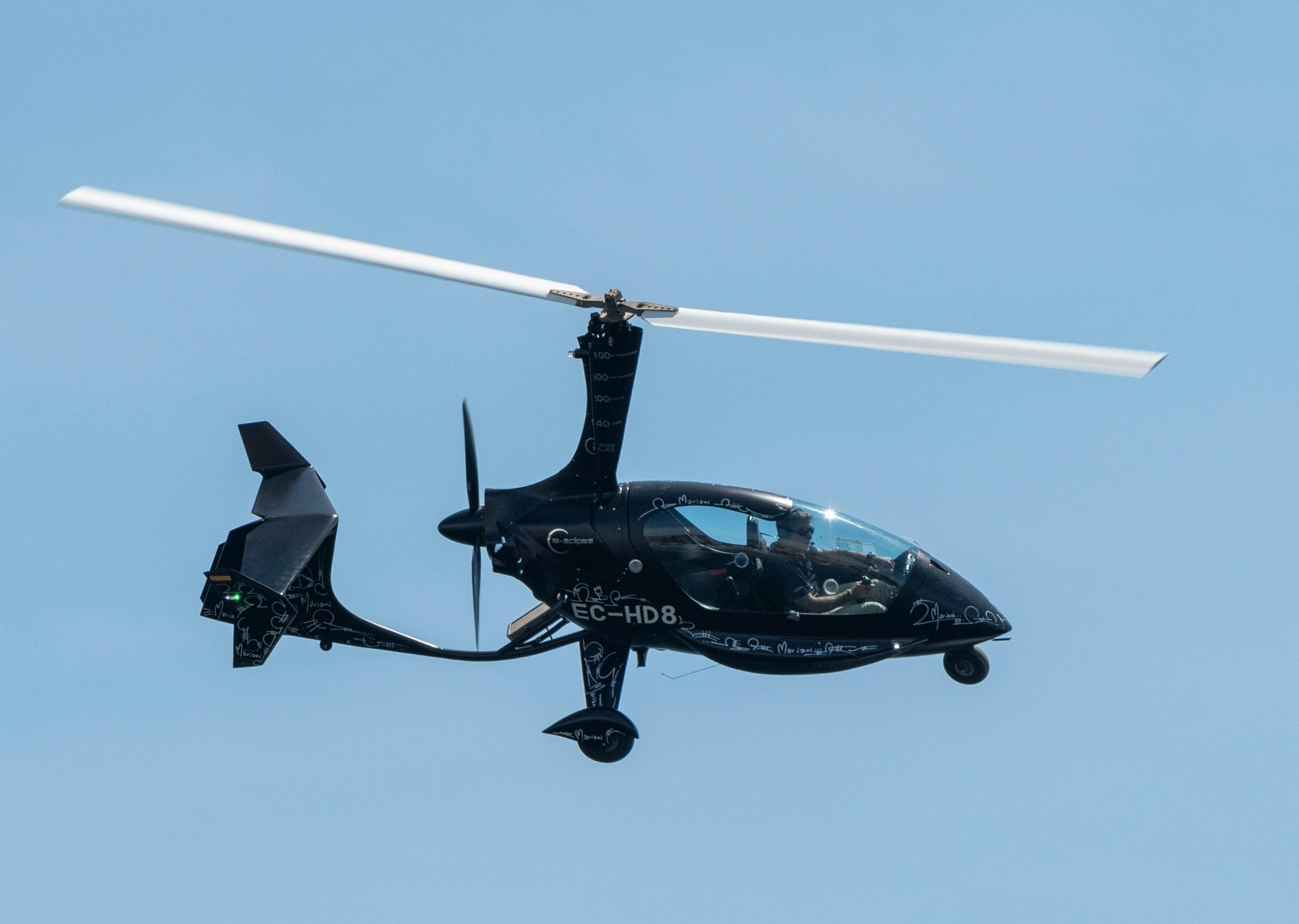
Building The 2040 Aerial Economy
The argument for Joby is centered on a fundamental shift in urban infrastructure. The current ground-based transportation model is reaching a point of diminishing returns in megacities. Why focus on immediate quarterly losses when the entire architecture of urban air mobility is being defined right now?
Think about the world in 2040: a global ecosystem where air taxis provide a seamless bypass for ground congestion. A 2026 report by Mordor Intelligence projects the global urban air mobility market will reach $425 billion by 2040, reflecting the accelerating shift toward autonomous aerial logistics. This is the market Joby is positioned to lead.
What does this have to do with Joby stock?
It explains the 10x growth thesis. Joby’s aircraft has already completed thousands of test flights and is the first eVTOL company to have its certification plan fully accepted by the FAA. In a market where safety and regulatory approval are the ultimate barriers to entry, Joby is the clear incumbent.
Developing a flight-ready aircraft requires years of rigorous engineering. You cannot accelerate the physics of flight or the demands of the FAA. Therefore, the only way Joby achieves a valuation of 40 billion or 70 billion dollars is if investors look toward 2035.
The Math Behind a 70 Billion Dollar Valuation
Precedence Research projects the global eVTOL aircraft market will expand from 3 billion dollars in 2025 to over 200 billion dollars by 2035. Joby, through its integrated “app-to-aircraft” model, intends to capture value from both manufacturing and service operations.
Consider a 2035 timeframe where Joby captures 15 percent of the projected 200 billion dollar aerial ride-sharing and logistics market. Fifteen percent of that market represents 30 billion dollars in annual revenue. With manufacturing efficiencies at the Dayton plant, which is designed to produce 500 aircraft annually, profit margins could reach 15 percent. This results in 4.5 billion dollars in annual profits.
Applying a 15x multiple, which is conservative for a high-growth technology and transport leader, implies a valuation of approximately 67.5 billion dollars. This represents an 8x increase from the current market cap. What is that worth to you? It is a trajectory similar to the early days of major logistical disruptors.
Balancing Joby’s speculative premium requires anchoring your portfolio with discounted cash-generators. For a contrarian value play, read our analysis: Stop Valuing CHTR Stock Like It Is Going Out Of Business.
Why Vertical Integration Is The Monopoly Breaker
Joby’s moat is built on vertical integration. Unlike competitors that rely on third-party suppliers for core components, Joby designs its own electric motors, battery packs, and flight control systems. This reduces long-term costs and ensures proprietary control over the most sensitive parts of the aircraft.
Strategic partnerships provide the necessary scale. Toyota’s nearly 900 million dollar investment and engineering support are focused specifically on mass production. This collaboration is designed to break the “boutique manufacturing” bottleneck that slows down traditional aerospace.
But wait, the path is capital-intensive, so it must be risky. Real risk is ignoring the transition to sustainable urban aviation. Real risk is ceding the first-mover advantage to international competitors while the regulatory framework for the next century is being established. Fear that. Look way out, and you will see Joby’s real value.
The Bottom Line
Joby Aviation recently completed Stage 4 of the FAA type certification process, moving it into the final phase of credit validation and flight testing. The company maintains a liquidity position of over 1 billion dollars, providing the runway needed to reach commercial operations.
Do not lose sleep over short-term interest rate fluctuations or the absence of 2026 dividends. 2035 will arrive soon. If you understand this perspective, you will recognize that Joby’s most important metric is its long-term certification and scaling horizon.
However, navigating the volatility of the emerging aviation sector requires balancing these high-conviction, pre-revenue bets with a broader strategy anchored by mature cash generators. To see how the market is currently valuing the dominant tech and infrastructure leaders, read our analysis: At $265: How Amazon Stock Is Getting Re-rated. A smart portfolio helps you stay invested by limiting the impact of market shocks. While consistently beating the market is a challenge, the Trefis High Quality (HQ) Portfolio is designed to make it an achievable goal. The HQ strategy has consistently outperformed its market benchmark since inception, delivering returns of over 105%.