
Firefly Aerospace (FLY)
Market Price (9/26/2026): $24.41 | Market Cap: $3.9 BilSector: Industrials | Industry: Aerospace & Defense
Firefly Aerospace (FLY)
Market Price (9/26/2026): $24.41Market Cap: $3.9 BilSector: IndustrialsIndustry: Aerospace & Defense
Investment Highlights Why It Matters Detailed financial logic regarding cash flow yields vs trend-riding momentum.
Cash is significant % of market capNet D/ENet Debt/Equity. Debt net of cash. Negative indicates net cash. Equity is taken as the Market Capitalization is -15% Strong revenue growthRev Chg LTMRevenue Change % Last Twelve Months (LTM) is 179% Valuation becoming less expensiveP/S 6M Chg %Price/Sales change over 6 months. Declining P/S indicates valuation has become less expensive. is -44% Megatrend and thematic driversMegatrends include Advanced Aviation & Space. Themes include Commercial Space Exploration. | Weak multi-year price returns2Y Excs Rtn is -95%, 3Y Excs Rtn is -136% | Not profitable at operating income levelOp Inc LTMOperating Income, Last Twelve Months is -339 Mil, Op Mgn LTMOperating Margin = Operating Income / Revenue Reflects profitability before taxes and before impact of capital structure (interest payments). is -118% Expensive valuation multiplesP/SPrice/Sales ratio is 14x Significant share based compensationSBC/Rev LTMShare Based Compensation / Revenue (Sales), Last Twelve Months (LTM) is 16% Not cash flow generativeCFO/Rev LTMCash Flow from Operations / Revenue (Sales), Last Twelve Months (LTM) is -92%, FCF/Rev LTMFree Cash Flow / Revenue (Sales), Last Twelve Months (LTM) is -114% Yield minus risk free rate is negativeERPEquity Risk Premium (ERP) = Total Yield - Risk Free Rate, Reflects the premium above risk free assets offered by the investment. is -13% High stock price volatilityVol 12M is 111% Key risksFLY key risks include [1] its significant financial instability, Show more. |
| Cash is significant % of market capNet D/ENet Debt/Equity. Debt net of cash. Negative indicates net cash. Equity is taken as the Market Capitalization is -15% |
| Strong revenue growthRev Chg LTMRevenue Change % Last Twelve Months (LTM) is 179% |
| Valuation becoming less expensiveP/S 6M Chg %Price/Sales change over 6 months. Declining P/S indicates valuation has become less expensive. is -44% |
| Megatrend and thematic driversMegatrends include Advanced Aviation & Space. Themes include Commercial Space Exploration. |
| Weak multi-year price returns2Y Excs Rtn is -95%, 3Y Excs Rtn is -136% |
| Not profitable at operating income levelOp Inc LTMOperating Income, Last Twelve Months is -339 Mil, Op Mgn LTMOperating Margin = Operating Income / Revenue Reflects profitability before taxes and before impact of capital structure (interest payments). is -118% |
| Expensive valuation multiplesP/SPrice/Sales ratio is 14x |
| Significant share based compensationSBC/Rev LTMShare Based Compensation / Revenue (Sales), Last Twelve Months (LTM) is 16% |
| Not cash flow generativeCFO/Rev LTMCash Flow from Operations / Revenue (Sales), Last Twelve Months (LTM) is -92%, FCF/Rev LTMFree Cash Flow / Revenue (Sales), Last Twelve Months (LTM) is -114% |
| Yield minus risk free rate is negativeERPEquity Risk Premium (ERP) = Total Yield - Risk Free Rate, Reflects the premium above risk free assets offered by the investment. is -13% |
| High stock price volatilityVol 12M is 111% |
| Key risksFLY key risks include [1] its significant financial instability, Show more. |
Qualitative Assessment
AI Analysis | Feedback
Firefly Aerospace (FLY) stock has lost about 50% since 5/31/2026 because of the following key factors:
1. Substantial Secondary Offering by Selling Stockholders.
In early fiscal Q3 2026, specifically on June 1, 2026, Firefly Aerospace completed a public offering where "certain selling stockholders" divested 8,000,000 shares of common stock at a price of $48.00 per share, totaling $384 million. This significant sale of existing equity by major holders, from which Firefly Aerospace received no proceeds, likely put considerable downward pressure on the stock price and could have signaled a reduction in confidence by these large investors.
2. Persistent Operating Losses and High Cash Burn.
Despite achieving record revenue of $117.7 million in fiscal Q2 2026 (ended June 30, 2026), Firefly Aerospace continued to report substantial losses. The company posted a GAAP operating loss of $95.2 million and a non-GAAP operating loss of $70.4 million for the quarter. Furthermore, Firefly Aerospace experienced a significant free cash flow outflow of $106.3 million in fiscal Q2 2026. These ongoing losses and high cash expenditures, even amid strong top-line growth, likely raised investor concerns regarding the company's timeline to profitability and the potential for future equity dilution.
Show more
Firefly Aerospace (FLY) stock has lost about 50% since 5/31/2026 because of the following key factors:
1. Substantial Secondary Offering by Selling Stockholders.
In early fiscal Q3 2026, specifically on June 1, 2026, Firefly Aerospace completed a public offering where "certain selling stockholders" divested 8,000,000 shares of common stock at a price of $48.00 per share, totaling $384 million. This significant sale of existing equity by major holders, from which Firefly Aerospace received no proceeds, likely put considerable downward pressure on the stock price and could have signaled a reduction in confidence by these large investors.
2. Persistent Operating Losses and High Cash Burn.
Despite achieving record revenue of $117.7 million in fiscal Q2 2026 (ended June 30, 2026), Firefly Aerospace continued to report substantial losses. The company posted a GAAP operating loss of $95.2 million and a non-GAAP operating loss of $70.4 million for the quarter. Furthermore, Firefly Aerospace experienced a significant free cash flow outflow of $106.3 million in fiscal Q2 2026. These ongoing losses and high cash expenditures, even amid strong top-line growth, likely raised investor concerns regarding the company's timeline to profitability and the potential for future equity dilution.
3. Limited Contribution from Launch Business and Flight Delays.
While overall revenue growth in fiscal Q2 2026 was robust (up 659% year-over-year), driven largely by spacecraft solutions which contributed $108.3 million (92% of total revenue), the core launch vehicle segment generated only $9.4 million, representing a small portion of the company's total revenue. Adding to investor concerns, the target for Alpha Block 2 flights in fiscal year 2026 was reportedly revised from four to three, with the eighth flight now anticipated in fiscal Q4 2026. This slower-than-expected progress and limited revenue contribution from the launch segment may have fueled skepticism about the scalability and near-term profitability of Firefly's primary rocket services.
4. Gross Margin Contraction.
Firefly Aerospace's GAAP gross margin decreased to 20.3% in fiscal Q2 2026, a decline from 21.6% in fiscal Q1 2026. This contraction was partially attributed to increased costs associated with purchasing FORGE hardware for a U.S. government program, which was influenced by broader geopolitical conflicts. A reduction in gross margin can indicate rising operational costs or pricing pressures, impacting investor sentiment regarding the company's long-term profitability outlook.
Show less
Stock Movement Drivers
Fundamental Drivers
The -47.6% change in FLY stock from 5/31/2026 to 9/25/2026 was primarily driven by a -65.8% change in the company's P/S Multiple.| (LTM values as of) | 5312026 | 9252026 | Change |
|---|---|---|---|
| Stock Price ($) | 46.49 | 24.36 | -47.6% |
| Change Contribution By: | |||
| Total Revenues ($ Mil) | 185 | 287 | 55.2% |
| P/S Multiple | 40.1 | 13.7 | -65.8% |
| Shares Outstanding (Mil) | 160 | 162 | -1.3% |
| Cumulative Contribution | -47.6% |
Market Drivers
5/31/2026 to 9/25/2026| Return | Correlation | |
|---|---|---|
| FLY | -47.6% | |
| Market (SPY) | 2.2% | 56.4% |
| Sector (XLI) | -1.3% | 36.0% |
Fundamental Drivers
The 26.4% change in FLY stock from 2/28/2026 to 9/25/2026 was primarily driven by a 0.0% change in the company's Total Revenues ($ Mil).| (LTM values as of) | 2282026 | 9252026 | Change |
|---|---|---|---|
| Stock Price ($) | 19.27 | 24.36 | 26.4% |
| Change Contribution By: | |||
| Total Revenues ($ Mil) | � | 287 | 0.0% |
| P/S Multiple | � | 13.7 | 0.0% |
| Shares Outstanding (Mil) | 0 | 162 | -99.9% |
| Cumulative Contribution | 0.0% |
Market Drivers
2/28/2026 to 9/25/2026| Return | Correlation | |
|---|---|---|
| FLY | 26.4% | |
| Market (SPY) | 13.0% | 47.5% |
| Sector (XLI) | -3.3% | 34.4% |
Fundamental Drivers
The -46.3% change in FLY stock from 8/31/2025 to 9/25/2026 was primarily driven by a -99.9% change in the company's Shares Outstanding (Mil).| (LTM values as of) | 8312025 | 9252026 | Change |
|---|---|---|---|
| Stock Price ($) | 45.37 | 24.36 | -46.3% |
| Change Contribution By: | |||
| Total Revenues ($ Mil) | � | 287 | 0.0% |
| P/S Multiple | � | 13.7 | 0.0% |
| Shares Outstanding (Mil) | 0 | 162 | -99.9% |
| Cumulative Contribution | 0.0% |
Market Drivers
8/31/2025 to 9/25/2026| Return | Correlation | |
|---|---|---|
| FLY | -46.3% | |
| Market (SPY) | 20.9% | 40.5% |
| Sector (XLI) | 13.6% | 34.1% |
Fundamental Drivers
nullnull
Market Drivers
8/31/2023 to 9/25/2026| Return | Correlation | |
|---|---|---|
| FLY | ||
| Market (SPY) | 77.8% | 38.6% |
| Sector (XLI) | 64.4% | 33.2% |
Price Returns Compared
| 2021 | 2022 | 2023 | 2024 | 2025 | 2026 | Total [1] | |
|---|---|---|---|---|---|---|---|
| Returns | |||||||
| FLY Return | - | - | - | - | -63% | 3% | -62% |
| Peers Return | 10% | 3% | -2% | 190% | 42% | -1% | 351% |
| S&P 500 Return | 27% | -19% | 24% | 23% | 16% | 13% | 105% |
Monthly Win Rates [3] | |||||||
| FLY Win Rate | - | - | - | - | 20% | 67% | |
| Peers Win Rate | 47% | 60% | 43% | 55% | 55% | 44% | |
| S&P 500 Win Rate | 75% | 42% | 67% | 75% | 67% | 56% | |
Max Drawdowns [4] | |||||||
| FLY Max Drawdown | - | - | - | - | - | -70% | |
| Peers Max Drawdown | -27% | -30% | -43% | -38% | -36% | -45% | |
| S&P 500 Max Drawdown | -5% | -25% | -10% | -8% | -19% | -9% | |
[1] Cumulative total returns since the beginning of 2021
[2] Peers: RKLB, LUNR, LMT, NOC, BA.
[3] Win Rate = % of calendar months in which monthly returns were positive
[4] Max drawdown represents maximum peak-to-trough decline within a year
[5] 2026 data is for the year up to 9/25/2026 (YTD)
How Low Can It Go
FLY has limited trading history. Below is the Industrials sector ETF (XLI) in its place.
| Event | XLI | S&P 500 |
|---|---|---|
| 2025 US Tariff Shock | ||
| % Loss | -15.8% | -18.8% |
| % Gain to Breakeven | 18.8% | 23.1% |
| Time to Breakeven | 34 days | 79 days |
| Summer-Fall 2023 Five Percent Yield Shock | ||
| % Loss | -11.7% | -9.5% |
| % Gain to Breakeven | 13.2% | 10.5% |
| Time to Breakeven | 45 days | 24 days |
| 2022 Inflation Shock & Fed Tightening | ||
| % Loss | -20.1% | -24.5% |
| % Gain to Breakeven | 25.1% | 32.4% |
| Time to Breakeven | 125 days | 427 days |
| 2020 COVID-19 Crash | ||
| % Loss | -41.6% | -33.7% |
| % Gain to Breakeven | 71.2% | 50.9% |
| Time to Breakeven | 231 days | 140 days |
| Q4 2018 Fed Policy Error / Growth Scare | ||
| % Loss | -23.7% | -19.2% |
| % Gain to Breakeven | 31.1% | 23.8% |
| Time to Breakeven | 120 days | 105 days |
| 2015-2016 China Devaluation / Global Growth Scare | ||
| % Loss | -11.1% | -12.2% |
| % Gain to Breakeven | 12.5% | 13.9% |
| Time to Breakeven | 51 days | 62 days |
In The Past
State Street Industrial Select Sector SPDR ETF's stock fell -15.8% during the 2025 US Tariff Shock. Such a loss loss requires a 18.8% gain to breakeven.
Preserve Wealth
Limiting losses and compounding gains is essential to preserving wealth.
Asset Allocation
Actively managed asset allocation strategies protect wealth. Learn more.
FLY has limited trading history. Below is the Industrials sector ETF (XLI) in its place.
| Event | XLI | S&P 500 |
|---|---|---|
| 2022 Inflation Shock & Fed Tightening | ||
| % Loss | -20.1% | -24.5% |
| % Gain to Breakeven | 25.1% | 32.4% |
| Time to Breakeven | 125 days | 427 days |
| 2020 COVID-19 Crash | ||
| % Loss | -41.6% | -33.7% |
| % Gain to Breakeven | 71.2% | 50.9% |
| Time to Breakeven | 231 days | 140 days |
| Q4 2018 Fed Policy Error / Growth Scare | ||
| % Loss | -23.7% | -19.2% |
| % Gain to Breakeven | 31.1% | 23.8% |
| Time to Breakeven | 120 days | 105 days |
| 2011 US Debt Ceiling Crisis & European Contagion | ||
| % Loss | -22.5% | -17.9% |
| % Gain to Breakeven | 29.0% | 21.8% |
| Time to Breakeven | 114 days | 123 days |
| 2008-2009 Global Financial Crisis | ||
| % Loss | -60.5% | -53.4% |
| % Gain to Breakeven | 153.2% | 114.4% |
| Time to Breakeven | 700 days | 1085 days |
In The Past
State Street Industrial Select Sector SPDR ETF's stock fell -15.8% during the 2025 US Tariff Shock. Such a loss loss requires a 18.8% gain to breakeven.
Preserve Wealth
Limiting losses and compounding gains is essential to preserving wealth.
Asset Allocation
Actively managed asset allocation strategies protect wealth. Learn more.
About Firefly Aerospace (FLY)
AI Analysis | Feedback
AI Analysis | Feedback
AI Analysis | Feedback
AI Analysis | Feedback
- Boeing (NYSE: BA)
- Airbus (Euronext Paris: AIR)
- Embraer S.A. (NYSE: ERJ)
- Bombardier Inc. (TSX: BBD.B)
AI Analysis | Feedback
Jason Kim, Chief Executive Officer
Jason Kim has served as the Chief Executive Officer of Firefly Aerospace since October 2024. He previously served as Chief Executive Officer of Millennium Space Systems from December 2020 to September 2024, and as Vice President of Strategic Planning from September 2009 to December 2019. Mr. Kim has also held positions with Raytheon and Northrop Grumman. He earned a BS in Electrical Engineering from the United States Air Force Academy and served in the United States Air Force from 1999 to 2006. He also holds an MS in Electrical Engineering from the U.S. Air Force Institute of Technology and an MBA from UCLA Anderson School of Management.
Darren Ma, Chief Financial Officer
Darren Ma has served as the Chief Financial Officer of Firefly Aerospace since August 2020. Prior to this role, he served as Chief Financial Officer and Senior Vice President of Spectra7 Microsystems from November 2017 to July 2020, and as Chief Financial Officer of GigPeak, Inc. from October 2014 to September 2017. Mr. Ma's background also includes serving as a business unit controller at Semtech and a finance manager at Intel. He received a BS in Managerial Economics from UC Davis and an MBA from the W.P. Carey School of Business at Arizona State University.
Ramon Sanchez, Chief Operating Officer
Ramon Sanchez oversees Firefly Aerospace's day-to-day operations, focusing on the safety, quality, and reliability in the production of launch vehicles, lunar landers, and spacecraft product lines. He brings over two decades of experience in production operations for commercial, civil, and national security programs, having served in various leadership roles across Boeing.
Shea Ferring, Chief Technology Officer
Shea Ferring has served as the Chief Technology Officer since June 2023. He has been with Firefly Aerospace since April 2018, holding roles such as Senior Vice President of Engineering, Senior Vice President of Spacecraft, and Vice President of Mission Assurance. Before joining Firefly, Mr. Ferring was a Co-Founder and Chief Operating Officer of M2S2-Technologies, an engineering services company, from October 2014 to April 2018.
David Wheeler, General Counsel
David Wheeler has served as General Counsel, Secretary, and Senior Vice President since June 2022. Prior to Firefly Aerospace, he was Of Counsel at Squire Patton Boggs from November 2021 to June 2022. He also served as Division General Counsel and Group Chief Compliance Officer at Signature Aviation plc from August 2015 to May 2022, and as Senior Counsel at GE Aerospace from August 2010 to July 2015.
AI Analysis | Feedback
Here are the key risks to Firefly Aerospace's business:
- Execution Risk and Rocket Reliability: Firefly Aerospace faces significant execution risks, primarily related to the reliability and success rate of its Alpha rocket. The company has a history of launch failures and anomalies, which directly impact its ability to fulfill contracts and generate revenue from its launch services. For example, in September 2025, an Alpha Flight 7 rocket exploded during a test, causing a substantial drop in stock price and raising concerns about consistent performance. Recurring technical setbacks and issues with operational readiness have led to investor lawsuits alleging the company overstated the commercial viability of its Alpha program. The inherent risks in space launch services, including a global average launch failure rate of 6%, underscore this significant challenge for Firefly Aerospace.
- Financial Health and Profitability Challenges: As a relatively new public company in a capital-intensive industry, Firefly Aerospace has not yet achieved profitability and is characterized by substantial operating losses and high cash burn. The company has reported negative profitability margins, including operating margins of -226.93% and net margins of -306.97%. While revenue has shown periods of growth, there have also been instances of stagnation or decline, and significant net losses have widened year-over-year. This ongoing challenge to achieve consistent profitability and manage its financial resources is a critical risk to its long-term viability.
- Intense Competition: The aerospace and defense industry, particularly the commercial space launch sector, is highly competitive. Firefly Aerospace competes with established and well-funded players like SpaceX and Rocket Lab, as well as numerous emerging companies. This intense competition necessitates continuous innovation, technological advancement, and the provision of cost-effective solutions to secure market share and contracts. The company's ability to differentiate its offerings and consistently win government and commercial contracts is crucial in this crowded market.
AI Analysis | Feedback
Clear Emerging Threats for Fly Leasing Limited (trading as FLY)
- Expansion of Direct Financing and Leasing from Aircraft Manufacturers: Aircraft manufacturers such as Boeing and Airbus, through their financing arms, could increasingly offer aggressive direct leasing and financing packages to airlines. This emerging trend could bypass traditional third-party lessors like Fly Leasing Limited, potentially leading to increased competition for lease contracts, downward pressure on lease rates, and reduced demand for independent lessors' services.
- Accelerated Obsolescence Due to Intensifying Environmental Regulations and Airline Sustainability Commitments: With growing global pressure for reduced carbon emissions and airlines committing to net-zero targets, there is an emerging threat that older, less fuel-efficient aircraft in Fly Leasing Limited's fleet could face accelerated devaluation and obsolescence. Stricter environmental regulations, carbon taxes, or airline preferences for newer, more sustainable models could make these assets harder to lease, require significant upgrade investments, or result in lower residual values than currently projected.
AI Analysis | Feedback
Firefly Aerospace (symbol: FLY) operates in the space and defense technology sector, providing launch vehicles, lunar landers, and orbital services to government and commercial customers. This response addresses the addressable markets for Firefly Aerospace's main products and services.
Addressable Markets for Firefly Aerospace's Main Products and Services:
Small-Lift Launch Vehicles (e.g., Firefly Alpha):
- The global small launch vehicle market size was valued at approximately USD 1.53 billion in 2023 and is projected to reach USD 4.40 billion by 2033, growing at a Compound Annual Growth Rate (CAGR) of 11.14%.
- Another estimate indicates the global market size is projected to grow from USD 5.3 billion in 2023 to an estimated USD 14.6 billion by 2032, with a CAGR of 11.5%.
Orbital Transfer Vehicles/Space Tugs (e.g., Firefly Elytra):
- The global orbital transfer vehicle market was estimated at USD 1.8 billion in 2024 and is expected to grow to USD 5.9 billion by 2034, at a value CAGR of 13.1% from 2025 to 2034.
- The global space tug market size reached USD 1.12 billion in 2024 and is projected to reach USD 3.15 billion by the end of 2033, growing at a CAGR of 11.7% from 2025 to 2033.
- North America represented the largest regional market for Space Tugs, accounting for approximately 43% of the global market size in 2024, or about USD 482 million. The U.S. alone accounted for USD 730.3 million of the orbital transfer vehicle market in 2024.
Lunar Landers (e.g., Firefly Blue Ghost):
- The global space lander and rover market size exceeded USD 2 billion in 2025 and is expected to grow at a CAGR of 9.7% from 2026 to 2035.
- Within this market, the space lander segment dominated with revenue of USD 1.3 billion in 2025.
- The U.S. space lander and rover market was valued at USD 894.1 million in 2025.
- Lunar surface exploration is expected to hold a 44.2% market share in the space lander and rover market in 2025.
Broader Space Technology and Aerospace & Defense Market:
- The global space technology market size was estimated at USD 466.1 billion in 2024 and is projected to reach USD 769.7 billion by 2030, with a CAGR of 9.3% from 2025 to 2030. North America held the highest revenue share in this market, accounting for over 46% in 2024.
- The global Aerospace & Defense Market size is projected to increase from USD 1.48 trillion (1476371.34 million USD) in 2026 to USD 3.01 trillion (3005822.79 million USD) by 2035, at a CAGR of 8.22%.
AI Analysis | Feedback
- Increased Launch Cadence and Success of Alpha and Eclipse Rockets: Firefly Aerospace develops small- and medium-lift launch vehicles, including its Alpha rocket and the upcoming Eclipse. A higher frequency of successful launches for both commercial and government clients will directly contribute to increased revenue over the next 2-3 years.
- Expansion of Lunar Services through Blue Ghost Landers: The company has secured significant NASA Commercial Lunar Payload Services (CLPS) contracts for its Blue Ghost lunar landers, including plans for multiple missions to the Moon's surface. Securing additional contracts and successfully executing these complex lunar missions will be a substantial driver of revenue growth.
- Growth in In-Space Services with Elytra and other Spacecraft: Firefly is developing in-space vehicles such as the Elytra space tug for orbital maneuvering and other specialized spacecraft. The expansion into these diverse in-space services, beyond traditional launch, will provide new revenue streams as the demand for on-orbit capabilities increases.
- Securing Additional Government and National Security Contracts: Firefly provides comprehensive mission solutions to national security and government customers. With an increasing focus on space capabilities for defense and national security, securing more contracts for launch, lunar missions, and other specialized space services will be a key revenue driver.
AI Analysis | Feedback
Peer Outperformance in Aerospace & Defense
null| Industry | Names | 1Y med | 3Y med | 5Y med | Top 3 by 5Y |
|---|---|---|---|---|---|
| Construction & Engineering | 31 | 5.3% | 114.4% | 187.9% | FIX 2246% · STRL 2244% · CDNL 2055% |
| Marine Transportation | 9 | 71.9% | 99.5% | 155.8% | HOS 43005% · ASC 510% · MATX 195% |
| Construction Machinery & Heavy Transportation Equipment | 13 | 6.9% | 48.2% | 127.1% | CAT 355% · ALSN 248% · WAB 232% |
| Aerospace & Defense ← | 55 | -7.1% | 70.7% | 80.5% | ATI 1004% · FTAI 866% · HWM 648% |
| Trading Companies & Distributors | 19 | 6.2% | 40.1% | 50.9% | DXPE 561% · AIT 293% · WCC 223% |
| Rail Transportation | 7 | 20.5% | 59.3% | 50.4% | FSTR 146% · CSX 65% · RAIL 64% |
| Industrial Machinery & Supplies & Components | 72 | 12.5% | 54.9% | 45.2% | CRS 1186% · PSIX 1112% · EROC 624% |
| Diversified Support Services | 33 | 16.3% | 35.4% | 35.1% | LIME 3297% · TH 424% · WLFC 353% |
| Electrical Components & Equipment | 41 | 4.2% | 59.4% | 26.5% | POWL 2358% · BE 1418% · VRT 968% |
| Cargo Ground Transportation | 16 | 33.9% | 0.1% | 25.6% | XPO 233% · R 223% · CVLG 140% |
| Building Products | 34 | -11.3% | 4.9% | 18.6% | LMB 628% · GFF 404% · PPIH 307% |
| Passenger Ground Transportation | 3 | -31.1% | 49.8% | 2.1% | UBER 49% · CAR 2% · LYFT -73% |
| Agricultural & Farm Machinery | 17 | 5.2% | 2.8% | -4.5% | BLBD 187% · DE 111% · GENC 57% |
| Industrial Conglomerates | 17 | 9.6% | 5.8% | -5.2% | RCMT 426% · CSW 142% · DD 77% |
| Environmental & Facilities Services | 30 | -12.2% | 27.2% | -10.3% | CECO 958% · ADUR 427% · GEO 342% |
| Research & Consulting Services | 13 | -16.4% | -26.1% | -15.7% | HURN 206% · CRAI 78% · GRNQ 76% |
| Data Processing & Outsourced Services | 6 | -33.8% | -15.5% | -29.7% | EXLS 40% · BR 6% · G -27% |
| Passenger Airlines | 11 | 18.4% | 21.7% | -32.7% | LTM 2685% · UAL 134% · SKYW 104% |
| Office Services & Supplies | 9 | 17.1% | 18.9% | -33.6% | PBI 169% · TILE 146% · HNI 51% |
| Human Resource & Employment Services | 21 | 3.6% | -19.2% | -38.2% | BBSI 68% · ADP 46% · HQI 8% |
| Air Freight & Logistics | 12 | -18.8% | -21.4% | -39.9% | CHRW 87% · FDX 74% · EXPD 59% |
| Security & Alarm Services | 10 | -23.4% | 22.5% | -43.6% | CIX 155% · MG 120% · BCO 75% |
| Airport Services | 3 | -74.5% | -77.7% | -63.3% | JOBY -39% · ASLE -63% · UP -100% |
Latest Trefis Analyses
| Title | |
|---|---|
| ARTICLES |
Research & Analysis
Invest in Strategies
Wealth Management
Peer Comparisons
| Peers to compare with: |
Financials
| Median | |
|---|---|
| Name | |
| Mkt Price | 136.01 |
| Mkt Cap | 59.6 |
| Rev LTM | 21,831 |
| Op Inc LTM | -179 |
| FCF LTM | -203 |
| FCF 3Y Avg | -103 |
| CFO LTM | 1,756 |
| CFO 3Y Avg | -71 |
Growth & Margins
| Median | |
|---|---|
| Name | |
| Rev Chg LTM | 38.7% |
| Rev Chg 3Y Avg | 9.0% |
| Rev Chg Q | 36.2% |
| QoQ Delta Rev Chg LTM | 7.9% |
| Op Inc Chg LTM | 7.5% |
| Op Inc Chg 3Y Avg | -12.3% |
| Op Mgn LTM | -16.7% |
| Op Mgn 3Y Avg | -6.8% |
| QoQ Delta Op Mgn LTM | 3.1% |
| CFO/Rev LTM | -11.2% |
| CFO/Rev 3Y Avg | -3.2% |
| FCF/Rev LTM | -19.6% |
| FCF/Rev 3Y Avg | -6.4% |
Price Behavior
| Market Price | $24.36 | |
| Market Cap ($ Bil) | 3.9 | |
| First Trading Date | 09/28/2007 | |
| Distance from 52W High | -58.6% | |
| 50 Days | 200 Days | |
| DMA Price | $30.16 | $42.69 |
| DMA Trend | up | down |
| Distance from DMA | -19.2% | -42.9% |
| 3M | 1YR | |
| Volatility | 80.8% | 110.7% |
| Downside Capture | 399.97 | 412.65 |
| Upside Capture | 272.14 | 287.82 |
| Correlation (SPY) | 58.0% | 40.4% |
| 1M | 2M | 3M | 6M | 1Y | 3Y | |
|---|---|---|---|---|---|---|
| Beta | 4.49 | 3.93 | 4.05 | 3.71 | 3.48 | 0.27 |
| Up Beta | 5.22 | 7.04 | 8.16 | 5.41 | 4.45 | 1.71 |
| Down Beta | 5.63 | 2.92 | 2.16 | 1.71 | 1.94 | 0.18 |
| Up Capture | 369% | 148% | 134% | 599% | 702% | 52% |
| Bmk +ve Days | 10 | 21 | 32 | 68 | 138 | 427 |
| Stock +ve Days | 9 | 18 | 26 | 56 | 114 | 120 |
| Down Capture | 449% | 400% | 365% | 249% | 194% | 108% |
| Bmk -ve Days | 11 | 21 | 32 | 59 | 113 | 324 |
| Stock -ve Days | 11 | 23 | 37 | 70 | 135 | 145 |
[1] Upside and downside betas calculated using positive and negative benchmark daily returns respectively
Based On 1-Year Data
| Annualized Return | Annualized Volatility | Sharpe Ratio | Correlation with FLY | |
|---|---|---|---|---|
| FLY | -40.1% | 110.7% | 0.04 | - |
| Sector ETF (XLI) | 13.0% | 17.2% | 0.54 | 35.0% |
| Equity (SPY) | 17.7% | 13.0% | 0.98 | 40.6% |
| Gold (GLD) | 14.7% | 29.3% | 0.46 | 18.1% |
| Commodities (DBC) | 46.8% | 20.7% | 1.75 | -3.0% |
| Real Estate (VNQ) | 4.5% | 13.6% | 0.07 | 8.2% |
| Bitcoin (BTCUSD) | -25.5% | 44.8% | -0.53 | 29.9% |
Smart multi-asset allocation framework can stack odds in your favor. Learn How
Based On 5-Year Data
| Annualized Return | Annualized Volatility | Sharpe Ratio | Correlation with FLY | |
|---|---|---|---|---|
| FLY | -16.6% | 107.8% | -0.25 | - |
| Sector ETF (XLI) | 12.9% | 17.6% | 0.56 | 33.2% |
| Equity (SPY) | 13.3% | 17.2% | 0.59 | 38.6% |
| Gold (GLD) | 19.2% | 18.8% | 0.83 | 17.3% |
| Commodities (DBC) | 11.2% | 19.5% | 0.45 | -3.2% |
| Real Estate (VNQ) | 0.9% | 18.9% | -0.06 | 6.9% |
| Bitcoin (BTCUSD) | 12.3% | 52.6% | 0.41 | 28.7% |
Smart multi-asset allocation framework can stack odds in your favor. Learn How
Based On 10-Year Data
| Annualized Return | Annualized Volatility | Sharpe Ratio | Correlation with FLY | |
|---|---|---|---|---|
| FLY | -8.7% | 107.8% | -0.25 | - |
| Sector ETF (XLI) | 13.4% | 20.0% | 0.59 | 33.2% |
| Equity (SPY) | 15.5% | 17.9% | 0.73 | 38.6% |
| Gold (GLD) | 12.1% | 16.4% | 0.61 | 17.3% |
| Commodities (DBC) | 8.7% | 18.1% | 0.39 | -3.2% |
| Real Estate (VNQ) | 4.8% | 20.7% | 0.19 | 6.9% |
| Bitcoin (BTCUSD) | 63.9% | 66.2% | 1.04 | 28.7% |
Smart multi-asset allocation framework can stack odds in your favor. Learn How
Earnings Returns History
Updated 9/14/2026| Forward Returns | |||
|---|---|---|---|
| Earnings Date | 1D Returns | 5D Returns | 21D Returns |
| 8/11/2026 | 0.7% | -0.8% | -20.7% |
| 5/4/2026 | -5.5% | 14.6% | 19.2% |
| 3/19/2026 | 1.1% | 16.8% | 86.4% |
| 11/12/2025 | 17.0% | 6.1% | 11.2% |
| 9/22/2025 | -15.3% | -25.4% | -43.1% |
| SUMMARY STATS | |||
| # Positive | 3 | 3 | 3 |
| # Negative | 2 | 2 | 2 |
| Median Positive | 1.1% | 14.6% | 19.2% |
| Median Negative | -10.4% | -13.1% | -31.9% |
| Max Positive | 17.0% | 16.8% | 86.4% |
| Max Negative | -15.3% | -25.4% | -43.1% |
| Forward Returns | |||
|---|---|---|---|
| Earnings Date | 1D Returns | 5D Returns | 21D Returns |
| 8/11/2026 | 0.7% | -0.8% | -20.7% |
| 5/4/2026 | -5.5% | 14.6% | 19.2% |
| 3/19/2026 | 1.1% | 16.8% | 86.4% |
| 11/12/2025 | 17.0% | 6.1% | 11.2% |
| 9/22/2025 | -15.3% | -25.4% | -43.1% |
| SUMMARY STATS | |||
| # Positive | 3 | 3 | 3 |
| # Negative | 2 | 2 | 2 |
| Median Positive | 1.1% | 14.6% | 19.2% |
| Median Negative | -10.4% | -13.1% | -31.9% |
| Max Positive | 17.0% | 16.8% | 86.4% |
| Max Negative | -15.3% | -25.4% | -43.1% |
Recent Forward Guidance
Updated 8/12/2026Latest: Q2 2026 Earnings Reported 8/11/2026
| Forward Guidance | Guidance Change | |||||||
|---|---|---|---|---|---|---|---|---|
| Metric | Source | Low | Mid | High | % Chg | % Delta | Change | Prior |
| 2026 Revenue | Reported | 420.00 Mil | 435.00 Mil | 450.00 Mil | 0 | Affirmed | Guidance: 435.00 Mil for 2026 | |
Prior: Q1 2026 Earnings Reported 5/4/2026
| Forward Guidance | Guidance Change | |||||||
|---|---|---|---|---|---|---|---|---|
| Metric | Source | Low | Mid | High | % Chg | % Delta | Change | Prior |
| 2026 Revenue | Reported | 420.00 Mil | 435.00 Mil | 450.00 Mil | 0 | Affirmed | Guidance: 435.00 Mil for 2026 | |
Q4 2025 Earnings Reported 3/19/2026
| Forward Guidance | Guidance Change | |||||||
|---|---|---|---|---|---|---|---|---|
| Metric | Source | Low | Mid | High | % Chg | % Delta | Change | Prior |
| 2026 Revenue | Reported | 420.00 Mil | 435.00 Mil | 450.00 Mil | 182.5% | Higher New | Guidance: 154.00 Mil for 2025 | |
Q3 2025 Earnings Reported 11/12/2025
| Forward Guidance | Guidance Change | |||||||
|---|---|---|---|---|---|---|---|---|
| Metric | Source | Low | Mid | High | % Chg | % Delta | Change | Prior |
| 2025 Revenue | Reported | 150.00 Mil | 154.00 Mil | 158.00 Mil | 10.8% | Raised | Guidance: 139.00 Mil for 2025 | |
Insider Activity
Updated 8/18/2026| # | Owner | Title | Holding | Action | Filing Date | Price | Shares | Transacted Value | Value of Held Shares | Form |
|---|---|---|---|---|---|---|---|---|---|---|
| 1 | Aeroequity, Gp, Llc | See Footnotes | Sell | 6032026 | 48.00 | 8,000,000 | 384,000,000 | 849,065,136 | Form | |
| 2 | Wheeler, David Leigh | General Counsel | Direct | Sell | 5192026 | 45.12 | 3,765 | 169,885 | 6,441,541 | Form |
| 3 | Wheeler, David Leigh | General Counsel | Direct | Sell | 4202026 | 45.04 | 3,766 | 169,608 | 6,429,335 | Form |
| 4 | Konert, Kirk Michael | Direct | Buy | 8082025 | 45.00 | 3,333 | 149,985 | 149,985 | Form | |
| 5 | Lusczakoski, Jonathan Donald | Direct | Buy | 8082025 | 45.00 | 266 | 11,970 | 11,970 | Form |
| # | Owner | Title | Holding | Action | Filing Date | Price | Shares | Transacted Value | Value of Held Shares | Form |
|---|---|---|---|---|---|---|---|---|---|---|
| 1 | Aeroequity, Gp, Llc | See Footnotes | Sell | 6032026 | 48.00 | 8,000,000 | 384,000,000 | 849,065,136 | Form | |
| 2 | Wheeler, David Leigh | General Counsel | Direct | Sell | 5192026 | 45.12 | 3,765 | 169,885 | 6,441,541 | Form |
| 3 | Wheeler, David Leigh | General Counsel | Direct | Sell | 4202026 | 45.04 | 3,766 | 169,608 | 6,429,335 | Form |
| 4 | Konert, Kirk Michael | Direct | Buy | 8082025 | 45.00 | 3,333 | 149,985 | 149,985 | Form | |
| 5 | Lusczakoski, Jonathan Donald | Direct | Buy | 8082025 | 45.00 | 266 | 11,970 | 11,970 | Form | |
| 6 | Braden, Pamela Joyce | Direct | Buy | 8082025 | 45.00 | 8,888 | 399,960 | 1,091,340 | Form | |
| 7 | Zurbuchen, Thomas Hansueli | Direct | Buy | 8082025 | 45.00 | 800 | 36,000 | 36,000 | Form | |
| 8 | Aeroequity, Gp, Llc | See Footnotes | Buy | 8082025 | 45.00 | 11,111 | 499,995 | 499,995 | Form |
Investor Activity (13F)
Updated Sep 26, 2026Active managers (13F portfolio over $250M, at least 3 holdings) with a position over $5M that is either over 10% of their portfolio or held in a concentrated book of 50 or fewer total positions. Index/ETF, sovereign, bank, community-bank and charitable/donor-advised filers are excluded.
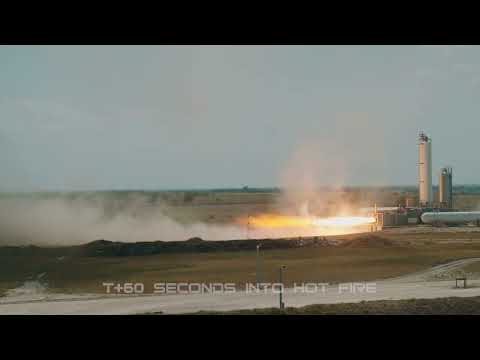
Firefly Aerospace — Investor Video Playlist


Industry Resources
| Industrials Resources |
| IndustryWeek |
| Manufacturing.net |
| Aviation Week |
| Aerospace & Defense Resources |
| Defense News |
| FlightGlobal |
External Quote Links
| Y Finance | Barrons |
| TradingView | Morningstar |
| SeekingAlpha | ValueLine |
| Motley Fool | Robinhood |
| CNBC | Etrade |
| MarketWatch | Unusual Whales |
| YCharts | Perplexity Finance |
| FinViz |
Prefer one of these to Trefis? Tell us why.