
Enbridge (ENB)
Market Price (9/14/2026): $47.96 | Market Cap: $104.7 BilSector: Energy | Industry: Oil & Gas Storage & Transportation
Enbridge (ENB)
Market Price (9/14/2026): $47.96Market Cap: $104.7 BilSector: EnergyIndustry: Oil & Gas Storage & Transportation
Investment Highlights Why It Matters Detailed financial logic regarding cash flow yields vs trend-riding momentum.
Attractive yieldTotal YieldTotal Yield = Earnings Yield + Dividend Yield, Earnings Yield = Net Income / Market Cap Dividend Yield = Total Dividends / Market Cap is 14%, Dividend Yield is 8.0%, ERPEquity Risk Premium (ERP) = Total Yield - Risk Free Rate, Reflects the premium above risk free assets offered by the investment. is 9.7% Strong revenue growthRev Chg LTMRevenue Change % Last Twelve Months (LTM) is 29% Attractive cash flow generationCFO/Rev LTMCash Flow from Operations / Revenue (Sales), Last Twelve Months (LTM) is 15%, CFO LTM is 12 Bil Valuation becoming less expensiveP/S 6M Chg %Price/Sales change over 6 months. Declining P/S indicates valuation has become less expensive. is -27% Low stock price volatilityVol 12M is 18% Megatrend and thematic driversMegatrends include Renewable Energy Transition, Hydrogen Economy, Energy Transition & Decarbonization, and Sustainable Infrastructure. Show more. | Weak multi-year price returns2Y Excs Rtn is -9.2% | Debt is significantNet D/ENet Debt/Equity. Debt net of cash. Negative indicates net cash. Equity is taken as the Market Capitalization is 106% Key risksENB key risks include [1] financial pressure from its substantial debt load's sensitivity to rising interest rates, Show more. |
| Attractive yieldTotal YieldTotal Yield = Earnings Yield + Dividend Yield, Earnings Yield = Net Income / Market Cap Dividend Yield = Total Dividends / Market Cap is 14%, Dividend Yield is 8.0%, ERPEquity Risk Premium (ERP) = Total Yield - Risk Free Rate, Reflects the premium above risk free assets offered by the investment. is 9.7% |
| Strong revenue growthRev Chg LTMRevenue Change % Last Twelve Months (LTM) is 29% |
| Attractive cash flow generationCFO/Rev LTMCash Flow from Operations / Revenue (Sales), Last Twelve Months (LTM) is 15%, CFO LTM is 12 Bil |
| Valuation becoming less expensiveP/S 6M Chg %Price/Sales change over 6 months. Declining P/S indicates valuation has become less expensive. is -27% |
| Low stock price volatilityVol 12M is 18% |
| Megatrend and thematic driversMegatrends include Renewable Energy Transition, Hydrogen Economy, Energy Transition & Decarbonization, and Sustainable Infrastructure. Show more. |
| Weak multi-year price returns2Y Excs Rtn is -9.2% |
| Debt is significantNet D/ENet Debt/Equity. Debt net of cash. Negative indicates net cash. Equity is taken as the Market Capitalization is 106% |
| Key risksENB key risks include [1] financial pressure from its substantial debt load's sensitivity to rising interest rates, Show more. |
Qualitative Assessment
AI Analysis | Feedback
Enbridge (ENB) stock has lost about 10% since 5/31/2026 because of the following key factors:
1. Share Dilution and Increased Financial Leverage from Recent Acquisitions.
Enbridge announced a CDN$2.6 billion bought-deal common share offering on September 9, 2026, to partially fund its acquisition of Tallgrass Energy's crude transportation business for $2.55 billion and another acquisition of Salt Creek Midstream's crude gathering business. This significant equity issuance created immediate per-share earnings dilution and exacerbated concerns over the company's financial leverage, which already showed an elevated rolling 12-month Debt-to-EBITDA metric of 5.1x at the end of fiscal Q2 2026, surpassing its target range.
2. Increased Interest Expense and Anticipated Macroeconomic Rate Hikes.
Enbridge's adjusted earnings in fiscal Q2 2026 decreased by $0.02 per share year-over-year, partially due to higher interest expense on incremental debt balances. This concern was compounded by macroeconomic factors, specifically the rising probability of a Federal Reserve interest rate hike in September 2026. Following hotter-than-expected August inflation data, the likelihood of a 25 basis point rate increase jumped to between 85% and 90%, which would further increase borrowing costs for Enbridge, a capital-intensive company with substantial long-term debt.
Show more
Enbridge (ENB) stock has lost about 10% since 5/31/2026 because of the following key factors:
1. Share Dilution and Increased Financial Leverage from Recent Acquisitions.
Enbridge announced a CDN$2.6 billion bought-deal common share offering on September 9, 2026, to partially fund its acquisition of Tallgrass Energy's crude transportation business for $2.55 billion and another acquisition of Salt Creek Midstream's crude gathering business. This significant equity issuance created immediate per-share earnings dilution and exacerbated concerns over the company's financial leverage, which already showed an elevated rolling 12-month Debt-to-EBITDA metric of 5.1x at the end of fiscal Q2 2026, surpassing its target range.
2. Increased Interest Expense and Anticipated Macroeconomic Rate Hikes.
Enbridge's adjusted earnings in fiscal Q2 2026 decreased by $0.02 per share year-over-year, partially due to higher interest expense on incremental debt balances. This concern was compounded by macroeconomic factors, specifically the rising probability of a Federal Reserve interest rate hike in September 2026. Following hotter-than-expected August inflation data, the likelihood of a 25 basis point rate increase jumped to between 85% and 90%, which would further increase borrowing costs for Enbridge, a capital-intensive company with substantial long-term debt.
3. CEO Transition and Associated Management Uncertainty.
On September 8, 2026, Enbridge announced that President and CEO Greg Ebel would retire effective December 31, 2026, with Michele Harradence appointed as his successor. This C-suite transition introduces management transition and execution risks, particularly as the company simultaneously navigates major asset integrations and substantial capital spending initiatives.
4. Softened Global Oil Demand Outlook.
Despite a surge in oil prices to above $100 per barrel in September 2026 due to intensifying Middle East conflicts, the overall outlook for global oil demand for 2026 was revised downwards. OPEC lowered its forecast for world oil demand growth in 2026, and the International Energy Agency (IEA) projected a 2.5 million barrels per day decline in world oil demand for 2026. These revisions introduce uncertainty regarding future pipeline volumes and broader sentiment for energy infrastructure companies.
Show less
Stock Movement Drivers
Fundamental Drivers
The -11.6% change in ENB stock from 5/31/2026 to 9/13/2026 was primarily driven by a -26.6% change in the company's Net Income Margin (%).| (LTM values as of) | 5312026 | 9132026 | Change |
|---|---|---|---|
| Stock Price ($) | 54.00 | 47.76 | -11.6% |
| Change Contribution By: | |||
| Total Revenues ($ Mil) | 69,049 | 83,491 | 20.9% |
| Net Income Margin (%) | 10.0% | 7.3% | -26.6% |
| P/E Multiple | 17.1 | 17.0 | -0.2% |
| Shares Outstanding (Mil) | 2,182 | 2,184 | -0.1% |
| Cumulative Contribution | -11.6% |
Market Drivers
5/31/2026 to 9/13/2026| Return | Correlation | |
|---|---|---|
| ENB | -11.6% | |
| Market (SPY) | 1.0% | -19.5% |
| Sector (XLE) | 15.7% | 48.1% |
Fundamental Drivers
The -7.7% change in ENB stock from 2/28/2026 to 9/13/2026 was primarily driven by a -36.1% change in the company's Net Income Margin (%).| (LTM values as of) | 2282026 | 9132026 | Change |
|---|---|---|---|
| Stock Price ($) | 51.76 | 47.76 | -7.7% |
| Change Contribution By: | |||
| Total Revenues ($ Mil) | 65,194 | 83,491 | 28.1% |
| Net Income Margin (%) | 11.5% | 7.3% | -36.1% |
| P/E Multiple | 15.1 | 17.0 | 13.0% |
| Shares Outstanding (Mil) | 2,180 | 2,184 | -0.2% |
| Cumulative Contribution | -7.7% |
Market Drivers
2/28/2026 to 9/13/2026| Return | Correlation | |
|---|---|---|
| ENB | -7.7% | |
| Market (SPY) | 11.7% | -8.9% |
| Sector (XLE) | 17.2% | 44.0% |
Fundamental Drivers
The 4.2% change in ENB stock from 8/31/2025 to 9/13/2026 was primarily driven by a 29.5% change in the company's Total Revenues ($ Mil).| (LTM values as of) | 8312025 | 9132026 | Change |
|---|---|---|---|
| Stock Price ($) | 45.82 | 47.76 | 4.2% |
| Change Contribution By: | |||
| Total Revenues ($ Mil) | 64,477 | 83,491 | 29.5% |
| Net Income Margin (%) | 10.3% | 7.3% | -28.6% |
| P/E Multiple | 15.1 | 17.0 | 13.0% |
| Shares Outstanding (Mil) | 2,180 | 2,184 | -0.2% |
| Cumulative Contribution | 4.2% |
Market Drivers
8/31/2025 to 9/13/2026| Return | Correlation | |
|---|---|---|
| ENB | 4.2% | |
| Market (SPY) | 19.5% | -8.7% |
| Sector (XLE) | 47.6% | 38.6% |
Fundamental Drivers
The 64.2% change in ENB stock from 8/31/2023 to 9/13/2026 was primarily driven by a 75.8% change in the company's Total Revenues ($ Mil).| (LTM values as of) | 8312023 | 9132026 | Change |
|---|---|---|---|
| Stock Price ($) | 29.09 | 47.76 | 64.2% |
| Change Contribution By: | |||
| Total Revenues ($ Mil) | 47,504 | 83,491 | 75.8% |
| Net Income Margin (%) | 8.7% | 7.3% | -15.6% |
| P/E Multiple | 14.3 | 17.0 | 19.4% |
| Shares Outstanding (Mil) | 2,024 | 2,184 | -7.3% |
| Cumulative Contribution | 64.2% |
Market Drivers
8/31/2023 to 9/13/2026| Return | Correlation | |
|---|---|---|
| ENB | 64.2% | |
| Market (SPY) | 75.7% | 19.0% |
| Sector (XLE) | 60.1% | 37.5% |
Price Returns Compared
| 2021 | 2022 | 2023 | 2024 | 2025 | 2026 | Total [1] | |
|---|---|---|---|---|---|---|---|
| Returns | |||||||
| ENB Return | 31% | 6% | -1% | 26% | 19% | 5% | 118% |
| Peers Return | 37% | 16% | 9% | 54% | 5% | 22% | 243% |
| S&P 500 Return | 27% | -19% | 24% | 23% | 16% | 11% | 102% |
Monthly Win Rates [3] | |||||||
| ENB Win Rate | 83% | 58% | 50% | 50% | 67% | 67% | |
| Peers Win Rate | 67% | 65% | 56% | 77% | 54% | 64% | |
| S&P 500 Win Rate | 75% | 42% | 67% | 75% | 67% | 44% | |
Max Drawdowns [4] | |||||||
| ENB Max Drawdown | -13% | -24% | -21% | -10% | -9% | -16% | |
| Peers Max Drawdown | -16% | -26% | -16% | -13% | -20% | -12% | |
| S&P 500 Max Drawdown | -5% | -25% | -10% | -8% | -19% | -9% | |
[1] Cumulative total returns since the beginning of 2021
[2] Peers: TRP, KMI, WMB, OKE.
[3] Win Rate = % of calendar months in which monthly returns were positive
[4] Max drawdown represents maximum peak-to-trough decline within a year
[5] 2026 data is for the year up to 9/11/2026 (YTD)
How Low Can It Go
| Event | ENB | S&P 500 |
|---|---|---|
| Summer-Fall 2023 Five Percent Yield Shock | ||
| % Loss | -14.7% | -9.5% |
| % Gain to Breakeven | 17.3% | 10.5% |
| Time to Breakeven | 83 days | 24 days |
| 2023 SVB Regional Banking Crisis | ||
| % Loss | -11.0% | -6.7% |
| % Gain to Breakeven | 12.4% | 7.1% |
| Time to Breakeven | 344 days | 31 days |
| 2020 COVID-19 Crash | ||
| % Loss | -43.4% | -33.7% |
| % Gain to Breakeven | 76.8% | 50.9% |
| Time to Breakeven | 407 days | 140 days |
| Q4 2018 Fed Policy Error / Growth Scare | ||
| % Loss | -12.2% | -19.2% |
| % Gain to Breakeven | 13.8% | 23.8% |
| Time to Breakeven | 14 days | 105 days |
| 2016-2017 Trump Reflation Bond Selloff | ||
| % Loss | -12.2% | -3.7% |
| % Gain to Breakeven | 13.9% | 3.9% |
| Time to Breakeven | 880 days | 6 days |
| 2015-2016 China Devaluation / Global Growth Scare | ||
| % Loss | -32.7% | -12.2% |
| % Gain to Breakeven | 48.7% | 13.9% |
| Time to Breakeven | 90 days | 62 days |
In The Past
Enbridge's stock fell -2.9% during the 2025 US Tariff Shock. Such a loss loss requires a 3.0% gain to breakeven.
Preserve Wealth
Limiting losses and compounding gains is essential to preserving wealth.
Asset Allocation
Actively managed asset allocation strategies protect wealth. Learn more.
| Event | ENB | S&P 500 |
|---|---|---|
| 2020 COVID-19 Crash | ||
| % Loss | -43.4% | -33.7% |
| % Gain to Breakeven | 76.8% | 50.9% |
| Time to Breakeven | 407 days | 140 days |
| 2015-2016 China Devaluation / Global Growth Scare | ||
| % Loss | -32.7% | -12.2% |
| % Gain to Breakeven | 48.7% | 13.9% |
| Time to Breakeven | 90 days | 62 days |
| 2014-2016 Oil Price Collapse | ||
| % Loss | -40.6% | -6.8% |
| % Gain to Breakeven | 68.5% | 7.3% |
| Time to Breakeven | 1428 days | 15 days |
| 2008-2009 Global Financial Crisis | ||
| % Loss | -34.1% | -53.4% |
| % Gain to Breakeven | 51.6% | 114.4% |
| Time to Breakeven | 257 days | 1085 days |
In The Past
Enbridge's stock fell -2.9% during the 2025 US Tariff Shock. Such a loss loss requires a 3.0% gain to breakeven.
Preserve Wealth
Limiting losses and compounding gains is essential to preserving wealth.
Asset Allocation
Actively managed asset allocation strategies protect wealth. Learn more.
About Enbridge (ENB)
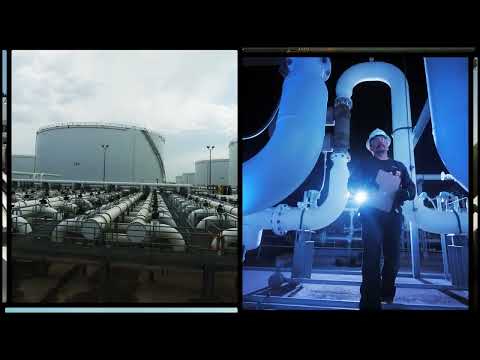
Enbridge Inc. (ENB) is a prominent North American energy infrastructure company, primarily focused on the safe and reliable transportation and distribution of various energy commodities. The company operates an extensive network of pipelines that are crucial for moving crude oil, other liquid hydrocarbons, and natural gas across Canada and the United States. Beyond its core pipeline operations, Enbridge is also a significant player in natural gas utility distribution and is actively developing and operating renewable power generation facilities.
The company's main services encompass operating liquids pipelines for crude oil and other refined products, providing natural gas transmission and midstream services (including gathering and processing), and distributing natural gas directly to residential, commercial, and industrial customers, particularly in Ontario and Quebec. Its primary customers for pipeline and midstream services include energy producers, refiners, and other utility companies throughout North America. In its Gas Distribution segment, it directly serves millions of homes and businesses.
Furthermore, Enbridge is expanding its presence in the clean energy sector through its Renewable Power Generation segment, which operates wind, solar, geothermal, and waste heat recovery facilities that supply power to the electricity grids in North America and Europe. The company also provides energy marketing and logistical services, offering physical commodity marketing to refiners, producers, and other customers. This diversified business model positions Enbridge as a vital link in the broader energy supply chain, delivering essential energy resources across multiple forms to a wide spectrum of consumers and industrial clients.
```AI Analysis | Feedback
Here are 1-3 brief analogies for Enbridge:
Kinder Morgan for energy pipelines, plus a major gas utility and renewable power generator.
Dominion Energy (a large utility) but with massive oil and gas pipelines as its core business.
AI Analysis | Feedback
- Liquid Hydrocarbon Transportation: Enbridge operates pipelines and related terminals for transporting various grades of crude oil and other liquid hydrocarbons.
- Natural Gas Transmission & Processing: The company invests in and operates natural gas pipelines, along with gathering and processing facilities.
- Natural Gas Distribution & Storage: Enbridge provides natural gas utility operations and distribution services to residential, commercial, and industrial customers.
- Renewable Power Generation & Transmission: The company operates power generating assets from sources like wind, solar, and geothermal, as well as transmission assets.
- Energy Marketing & Logistics: Enbridge provides energy marketing services and physical commodity marketing and logistical services to various customers.
AI Analysis | Feedback
Enbridge Inc. (ENB) operates primarily as a business-to-business (B2B) energy infrastructure company, providing essential services to a wide range of other companies in the energy sector. While its Gas Distribution and Storage segment directly serves residential, commercial, and industrial customers, the core of Enbridge's extensive operations, including its liquids and gas pipelines and renewable power generation, is focused on serving other businesses.
Enbridge's major customers are therefore typically other companies that rely on its transportation, distribution, and energy generation infrastructure. These include:
-
Oil and Gas Exploration & Production (E&P) Companies: These companies produce crude oil and natural gas and utilize Enbridge's pipelines and gathering systems to transport their products to market. Examples of such public companies that are typical customers include:
- ExxonMobil (XOM)
- Chevron Corporation (CVX)
- Canadian Natural Resources Limited (CNQ)
-
Oil and Gas Refining Companies: Refiners depend on Enbridge's liquids pipelines to deliver crude oil and other liquid hydrocarbons to their processing facilities for processing into petroleum products. Examples of such public companies that are typical customers include:
- Marathon Petroleum Corporation (MPC)
- Valero Energy Corporation (VLO)
- Imperial Oil Limited (IMO)
-
Other Utility Companies and Local Distribution Companies (LDCs): These entities utilize Enbridge's natural gas transmission services to move gas for their own distribution networks or purchase electricity from Enbridge's power generation assets. Examples of such public companies that are typical customers include:
- Fortis Inc. (FTS)
- Consolidated Edison, Inc. (ED)
AI Analysis | Feedback
AI Analysis | Feedback
Gregory L. Ebel, President and Chief Executive Officer
Gregory Ebel assumed the role of Enbridge's President and Chief Executive Officer effective January 1, 2023. He joined Duke Energy in 2002 as Managing Director of Mergers and Acquisitions, connected with Duke Energy's acquisition of Westcoast Energy Inc. He served as President of Union Gas Limited, a Duke subsidiary, from 2005 to 2007. Following Duke's spin-off of its natural gas operations as Spectra Energy in 2007, Ebel became Spectra Energy's Group Executive and Chief Financial Officer. From 2009 until February 2017, when Spectra Energy was acquired by Enbridge, he served as Chairman, President, and CEO of Spectra Energy. After the acquisition, he was elected chairman of Enbridge.
Patrick Murray, Executive Vice President and Chief Financial Officer
Patrick Murray joined Enbridge in 1997 within the Internal Audit department. He has held various positions of increasing responsibility in Internal Audit, Corporate Accounting, Investor Relations, Corporate Development, as VP Treasury, and VP Financial Planning & Analysis & Controller. He was appointed Senior Vice President & Chief Accounting Officer in 2020. Murray assumed the role of Executive Vice President and Chief Financial Officer on July 1, 2023.
Michele E. Harradence, Executive Vice President and President, Gas Distribution and Storage
Michele Harradence has over 25 years of experience in the energy value creation chain. Before joining Enbridge in 2014, she worked for Shell for 16 years, with roles including General Manager of Shell's Sarnia Manufacturing Centre. Prior to her current position, she served as the Chief Operations Officer for Enbridge's Gas Transmission & Midstream business unit.
Reggie Hedgebeth, Executive Vice President, External Affairs & Chief Legal Officer
Reggie Hedgebeth is accountable for Legal Services, Ethics & Compliance, Corporate Security, Public Affairs, Communications & Sustainability, and Aviation. His previous roles include Chief Legal Officer with Capital Group and Executive Vice President, General Counsel and Chief Administrative Officer for Marathon Oil Corporation. He also served as General Counsel, Corporate Secretary and Chief Compliance Officer for Spectra Energy Corp.
Laura Sayavedra, Senior Vice President, Projects & Chief Administrative Officer
Laura Sayavedra is responsible for Human Resources, Real Estate, and Supply Chain Management, in addition to her oversight of Projects, Safety & Reliability, Environment, Land & Right-of-Way. She previously oversaw the multi-year implementation of Enbridge's Enterprise Resource Planning (ERP) system. Before joining Enbridge, she served as Vice President responsible for Treasury and Strategy for Spectra Energy Corp. and as Chief Financial Officer of Spectra Energy Partners, and also held various finance, strategy, and business development leadership roles with Duke Energy.
AI Analysis | Feedback
Enbridge Inc. (ENB) faces several key risks inherent to its operations as a large energy infrastructure company, primarily driven by the evolving energy landscape, regulatory environment, and the nature of its physical assets.
The most significant key risks to Enbridge's business include:
- Energy Transition and Climate Change Policy: Enbridge operates substantial infrastructure for crude oil and natural gas, which are under increasing pressure due to global efforts to reduce greenhouse gas emissions and transition to a lower-carbon economy. This risk encompasses potential decreases in demand for fossil fuels over the long term, policies aimed at accelerating emissions reductions (such as carbon pricing and renewable energy standards), and the risk of stranded assets if fossil fuel infrastructure becomes uneconomical before its expected lifespan. While Enbridge is diversifying into renewable power generation, a significant portion of its revenue still relies on traditional hydrocarbons, making it vulnerable to the pace and scope of the energy transition. The company also faces reputational risks from societal perceptions of its role in enabling fossil fuel production.
- Regulatory and Political Challenges: As an energy infrastructure company, Enbridge's operations, particularly its Liquids Pipelines, Gas Transmission, and Gas Distribution and Storage segments, are subject to extensive economic regulation at federal, state, and provincial levels. Unfavorable regulatory decisions regarding project approvals, tolls, cost recovery, and returns on investment can significantly impact profitability and growth. The political environment also plays a crucial role, with challenges affecting the development of new pipeline projects, as evidenced by Enbridge's decision to forgo new oil pipeline development due to political and timeline uncertainties.
- Operational and Safety Risks: Enbridge's core business involves operating extensive networks of pipelines and facilities that transport crude oil and natural gas, which inherently carry significant operational and safety risks. Incidents such as pipeline ruptures, spills, or explosions can lead to fatalities, injuries, environmental damage, substantial cleanup costs, regulatory fines, and reputational harm. Historical incidents highlight the ongoing challenge of maintaining aging infrastructure and adhering to evolving safety standards. These events can also lead to increased operating costs and project delays or cancellations due to public opposition and heightened regulatory scrutiny.
AI Analysis | Feedback
The accelerating global energy transition towards decarbonization poses a clear emerging threat to Enbridge's core business segments heavily reliant on fossil fuel infrastructure. Driven by climate change concerns, rapid advancements in renewable energy technologies, and increasing regulatory and societal pressures to reduce carbon emissions, this fundamental shift directly threatens the long-term demand for and profitability of crude oil and natural gas transportation (Liquids Pipelines, Gas Transmission and Midstream) and distribution (Gas Distribution and Storage). This could lead to declining asset utilization, challenges in securing new long-term contracts, and the potential for existing infrastructure to become less economically viable or even stranded over time as the world transitions to alternative energy sources and electrifies various sectors.
AI Analysis | Feedback
Enbridge Inc. operates in various energy infrastructure segments across North America and Europe. The addressable markets for its main products and services are detailed below:
Liquids Pipelines
- The global pipeline transportation market was valued at approximately USD 22.59 billion in 2025 and is projected to reach USD 34.04 billion by 2034. North America held a significant share, dominating the global market with 42.93% in 2025.
- More broadly, the global oil and gas pipeline market was estimated at USD 80.37 billion in 2024 and is projected to grow to USD 187.44 billion by 2035. North America is a market leader, holding a 40.0% share as of 2024.
- The U.S. oil & gas pipeline construction market alone was valued at USD 52.5 billion in 2024 and is expected to reach USD 99 billion by 2032.
- The North American offshore pipeline market, which includes crude oil, natural gas, and refined products, was valued at USD 5.39 billion in 2024 and is expected to reach USD 9.79 billion by 2035.
Gas Transmission and Midstream
- The North America natural gas pipelines industry was valued at USD 126.854 billion in 2025 and is projected to reach USD 205.265 billion by 2033.
- The U.S. gas pipeline infrastructure market size is valued at USD 1,149.26 billion in 2025 and is expected to reach approximately USD 2,431.55 billion by 2034.
- The global gas pipeline infrastructure market was estimated at USD 2,800.53 billion in 2024 and is projected to reach USD 4,372.16 billion by 2030, with North America dominating the market and accounting for over 54.0% in 2024.
- The global gas processing market size was USD 243.62 billion in 2025 and is predicted to increase to approximately USD 457.28 billion by 2035. North America held the biggest revenue share in this market in 2025.
Gas Distribution and Storage
- In the U.S., the natural gas distribution market was valued at USD 170.0 billion in 2024 and is expected to increase to USD 186.0 billion by 2032. In 2026, the market size for natural gas distribution in the US is estimated at USD 225.5 billion.
- For Canada, specifically Ontario and Quebec, the addressable market size for natural gas utility operations and storage services is currently null.
Renewable Power Generation
- The North American renewable energy market was valued at USD 314 billion and US$ 341.32 billion in 2024. The U.S. renewable energy market was valued at USD 140.6 billion in 2025, projected to reach USD 156.3 billion in 2026 and USD 444.9 billion by 2035.
- **Wind Power:** In 2026, wind power is expected to dominate the U.S. renewable energy market, capturing a 41% share. Wind energy also holds the dominant market share in the North American renewable energy market.
- **Solar Power:** In 2026, solar energy is expected to capture a 28% share of the U.S. renewable energy market. Globally, solar power leads the renewable energy market and is expected to capture 57.53% of the market share in 2026.
- **Geothermal Energy:** The global geothermal energy market size was valued at USD 74.4 billion in 2025 and is projected to reach USD 118.81 billion by 2034. North America holds a dominant position, contributing approximately 40.0% of the total global geothermal energy market share in 2024. The U.S. geothermal energy market is projected to reach an estimated value of USD 27.87 billion by 2032, accounting for 78.7% of the North American market in 2023. Europe is a key player, holding approximately 22.0% of the global market share in 2024, with a potential for around 43 GW of enhanced geothermal capacity in the European Union.
- **Waste Heat Recovery Facilities:** The addressable market size for waste heat recovery facilities is currently null.
- **Renewable Transmission Assets:** The addressable market size for renewable energy transmission assets is currently null, though there is a significant need for such infrastructure in North America due to large amounts of renewable generation capacity in interconnection queues.
Energy Services
- The addressable market size for energy marketing and logistical services is currently null. However, the North America energy trading platform market is expected to be worth around USD 3.4 billion in 2024.
AI Analysis | Feedback
Enbridge Inc. (ENB) is expected to drive future revenue growth over the next 2-3 years through several key initiatives and investments across its diversified energy infrastructure portfolio:
- Execution of Secured Growth Backlog and Capital Projects: Enbridge has a substantial secured growth backlog, reported at $29 billion as of March 2025 and growing to approximately $39 billion by February 2026. The company plans to deploy significant capital annually, for instance, around $10 billion in 2026, into new projects across its various segments. These projects are underpinned by low-risk commercial frameworks and are anticipated to come online, thereby contributing to revenue growth.
- Strategic Acquisitions, particularly U.S. Gas Utilities: Recent strategic acquisitions, including three U.S. gas utilities, are expected to be a significant driver of growth. Enbridge is focused on the integration of these utilities and the expansion of the gas utility rate base, which will contribute to increased revenue.
- Expansion in Renewable Power Generation, including Renewable Natural Gas (RNG) and Hydrogen: Enbridge is actively investing in and developing renewable energy projects, such as wind, solar, geothermal, waste heat recovery, and particularly in renewable natural gas (RNG) and hydrogen. This strategic approach aims to diversify revenue streams and capitalize on the increasing demand for sustainable energy solutions.
- Optimization and Expansion of Existing Pipeline and Gas Utility Networks: Growth in Enbridge's base business is expected from the optimization, modernization, and expansion of its existing assets. This includes initiatives like Mainline optimizations in Liquids Pipelines, recontracting efforts in Gas Transmission, and the organic growth of its utility rate base. Additionally, strong growth is anticipated from recent rate settlements and rate cases in both Gas Distribution and Gas Transmission, which offer visible and durable revenue increases through rate escalation and quick-cycle capital recovery mechanisms.
AI Analysis | Feedback
Share Repurchases
- Enbridge received approval for a Normal Course Issuer Bid (NCIB) to repurchase up to $1.5 billion of its common shares, authorized from January 5, 2022, to January 4, 2023.
- A new NCIB was approved to purchase up to $1.5 billion of common shares, commencing January 6, 2023, and continuing until January 5, 2024.
- During the NCIB period from January 5, 2022, to January 4, 2023, Enbridge purchased 2,737,965 common shares at a weighted average price of CAD$54.90.
Share Issuance
- In the third quarter of 2023, Enbridge issued 102.9 million common shares, generating gross proceeds of approximately CDN$4.6 billion to fund its U.S. gas utilities acquisitions.
- In the second quarter of 2024, the company issued $2.5 billion of at-the-market equity as part of its financing plan for acquisitions.
Inbound Investments
- In the third quarter of 2022, Enbridge sold an 11.57% non-operating interest in seven of its operated pipelines to Athabasca Indigenous Investments.
Outbound Investments
- In September 2023, Enbridge agreed to acquire The East Ohio Gas Company, Questar Gas Company, and Public Service Company of North Carolina, Incorporated from Dominion Energy, Inc. for an aggregate purchase price of US$14.0 billion (CDN$19 billion), including US$9.4 billion cash and US$4.6 billion of assumed debt.
- In November 2024, the company acquired a 15% interest in the Delaware Basin Residue (DBR) pipeline system and sanctioned the approximately US$0.7 billion Canyon System Pipelines project to support BP's Kaskida development in the U.S. Gulf of Mexico.
- In November 2025, Enbridge sanctioned several projects, including the US$0.5 billion Southern Illinois Connector, a US$0.3 billion expansion of the Canyon System Pipeline to serve BP's Tiber development, and US$0.5 billion for expansions of the Egan and Moss Bluff natural gas storage facilities.
Capital Expenditures
- Enbridge's capital expenditures averaged $4.867 billion from fiscal years 2021 to 2025, with a peak of $6.537 billion in December 2025.
- The company plans to invest approximately C$7 billion in capital projects in 2025, excluding maintenance capital expenditures, and approximately $10 billion in growth capital in 2026.
- In 2025, Enbridge sanctioned C$14 billion of projects, its largest single-year total, and placed C$5 billion worth of assets into service, supporting investments across all four core business units.
Peer Outperformance in Oil & Gas Storage & Transportation
| Ticker | Name | Rev Growth 3Y Avg | P/E | 1Y | 3Y | 5Y | 5Y Gap |
|---|---|---|---|---|---|---|---|
| ENB | Enbridge | 23.1% | 17.0x | 2.6% | 63.1% | 64.7% | — |
| LPG | Dorian LPG | 23.7% | 7.3x | 91.2% | 174.0% | 924.1% | +859pp |
| Industry | Names | 1Y med | 3Y med | 5Y med | Top 3 by 5Y |
|---|---|---|---|---|---|
| Oil & Gas Refining & Marketing | 11 | 117.9% | 105.5% | 442.1% | PBF 797% · MPC 669% · VLO 604% |
| Integrated Oil & Gas | 7 | 48.1% | 54.6% | 262.4% | IMO 428% · SU 360% · CVE 340% |
| Oil & Gas Storage & Transportation ← | 17 | 31.3% | 116.0% | 230.4% | LPG 924% · INSW 901% · TRGP 630% |
| Oil & Gas Equipment & Services | 34 | 57.0% | 27.4% | 127.8% | FTI 1036% · SEI 967% · TDW 750% |
| Oil & Gas Exploration & Production | 51 | 31.9% | 11.6% | 108.1% | KGEI 9992% · OBE 7857% · EP 2403% |
| Oil & Gas Drilling | 7 | 60.9% | 0.4% | 92.2% | PDS 166% · VAL 166% · HP 101% |
| Coal & Consumable Fuels | 14 | 8.5% | 38.8% | 76.8% | EU 1003% · LEU 316% · CNR 311% |
Latest Trefis Analyses
| Title | |
|---|---|
| ARTICLES |
Research & Analysis
Invest in Strategies
Wealth Management
Peer Comparisons
| Peers to compare with: |
Financials
| Median | |
|---|---|
| Name | |
| Mkt Price | 60.88 |
| Mkt Cap | 68.7 |
| Rev LTM | 17,959 |
| Op Inc LTM | 6,139 |
| FCF LTM | 2,906 |
| FCF 3Y Avg | 2,750 |
| CFO LTM | 6,557 |
| CFO 3Y Avg | 6,204 |
Growth & Margins
| Median | |
|---|---|
| Name | |
| Rev Chg LTM | 12.5% |
| Rev Chg 3Y Avg | 7.0% |
| Rev Chg Q | 10.8% |
| QoQ Delta Rev Chg LTM | 2.5% |
| Op Inc Chg LTM | 15.8% |
| Op Inc Chg 3Y Avg | 7.7% |
| Op Mgn LTM | 29.0% |
| Op Mgn 3Y Avg | 28.3% |
| QoQ Delta Op Mgn LTM | 0.2% |
| CFO/Rev LTM | 36.5% |
| CFO/Rev 3Y Avg | 37.9% |
| FCF/Rev LTM | 7.4% |
| FCF/Rev 3Y Avg | 12.8% |
Segment Financials
Revenue by Segment| $ Mil | 2025 | 2024 | 2023 | 2022 | 2021 |
|---|---|---|---|---|---|
| Liquids Pipelines | 45,944 | 38,183 | 29,882 | 37,174 | 10,581 |
| Gas Distribution and Storage | 10,654 | 7,542 | 5,976 | 6,729 | 4,980 |
| Gas Transmission | 6,652 | 6,199 | 5,854 | 5,426 | 4,711 |
| Eliminations and Other | 1,383 | 1,035 | 1,460 | 3,398 | -630 |
| Renewable Power Generation | 561 | 514 | 477 | 582 | 512 |
| Energy Services | 26,917 | ||||
| Total | 65,194 | 53,473 | 43,649 | 53,309 | 47,071 |
| $ Mil | 2023 | 2022 | 2021 | 2020 | 2019 |
|---|---|---|---|---|---|
| Liquids Pipelines | 8,379 | 7,520 | 7,125 | 7,072 | 6,871 |
| Gas Transmission | 3,459 | 707 | 2,834 | 3,011 | 2,870 |
| Gas Distribution and Storage | 1,539 | 1,747 | 1,690 | 1,668 | 1,676 |
| Eliminations and Other | 12 | -143 | -19 | -242 | -84 |
| Energy Services | -38 | -412 | -305 | -234 | 239 |
| Renewable Power Generation | -87 | 76 | 332 | 394 | 79 |
| Depreciation and amortization | -4,613 | -4,317 | -3,852 | -3,712 | -3,391 |
| Total | 8,651 | 5,178 | 7,805 | 7,957 | 8,260 |
| $ Mil | 2015 | 2014 | 2013 | 2012 | 2011 |
|---|---|---|---|---|---|
| Sponsored Investments | 479 | 419 | 268 | 283 | 268 |
| Gas Distribution and Storage | 222 | 213 | 129 | 207 | -88 |
| Gas Pipelines, Processing and Energy Services | 218 | 617 | -64 | -456 | 322 |
| Liquids Pipelines | -224 | 463 | 427 | 697 | 470 |
| Corporate | -732 | -558 | -314 | -129 | -171 |
| Total | -37 | 1,154 | 446 | 602 | 801 |
| $ Mil | 2018 | 2017 | 2016 | 2015 | 2014 |
|---|---|---|---|---|---|
| Liquids Pipelines | 68,798 | 63,881 | 52,043 | 12,541 | 27,657 |
| Gas Transmission | 60,559 | 60,745 | 11,182 | ||
| Gas Distribution and Storage | 25,748 | 25,956 | 10,204 | 9,546 | 9,320 |
| Renewable Power Generation | 5,716 | 6,289 | 5,571 | ||
| Eliminations and Other | 5,042 | 2,708 | 4,881 | ||
| Energy Services | 1,042 | 2,514 | 1,951 | ||
| Corporate | 4,547 | 4,764 | |||
| Gas Pipelines, Processing and Energy Services | 7,793 | 7,601 | |||
| Sponsored Investments | 50,237 | 23,515 | |||
| Total | 166,905 | 162,093 | 85,832 | 84,664 | 72,857 |
Price Behavior
| Market Price | $47.76 | |
| Market Cap ($ Bil) | 104.3 | |
| First Trading Date | 03/27/1990 | |
| Distance from 52W High | -16.6% | |
| 50 Days | 200 Days | |
| DMA Price | $52.26 | $50.99 |
| DMA Trend | up | down |
| Distance from DMA | -8.6% | -6.3% |
| 3M | 1YR | |
| Volatility | 20.1% | 17.8% |
| Downside Capture | 3.32 | -19.49 |
| Upside Capture | -72.98 | -12.70 |
| Correlation (SPY) | -24.0% | -8.5% |
| 1M | 2M | 3M | 6M | 1Y | 3Y | |
|---|---|---|---|---|---|---|
| Beta | -0.79 | -0.57 | -0.35 | -0.15 | -0.13 | 0.21 |
| Up Beta | -0.45 | -0.19 | -0.56 | -0.27 | -0.32 | 0.15 |
| Down Beta | -2.55 | -0.41 | -0.14 | 0.07 | 0.17 | 0.25 |
| Up Capture | -101% | -73% | -43% | -13% | -6% | 10% |
| Bmk +ve Days | 10 | 21 | 32 | 68 | 138 | 427 |
| Stock +ve Days | 8 | 21 | 33 | 64 | 139 | 416 |
| Down Capture | -23% | -73% | -23% | -21% | -41% | 32% |
| Bmk -ve Days | 11 | 21 | 32 | 59 | 113 | 324 |
| Stock -ve Days | 13 | 21 | 31 | 63 | 111 | 327 |
[1] Upside and downside betas calculated using positive and negative benchmark daily returns respectively
Based On 1-Year Data
| Annualized Return | Annualized Volatility | Sharpe Ratio | Correlation with ENB | |
|---|---|---|---|---|
| ENB | 3.7% | 17.8% | 0.05 | - |
| Sector ETF (XLE) | 49.9% | 21.6% | 1.78 | 39.2% |
| Equity (SPY) | 18.3% | 12.8% | 1.03 | -8.7% |
| Gold (GLD) | 19.0% | 29.2% | 0.59 | 3.8% |
| Commodities (DBC) | 48.3% | 20.6% | 1.80 | 13.9% |
| Real Estate (VNQ) | 7.6% | 13.6% | 0.29 | 30.8% |
| Bitcoin (BTCUSD) | -32.4% | 43.8% | -0.77 | -6.4% |
Smart multi-asset allocation framework can stack odds in your favor. Learn How
Based On 5-Year Data
| Annualized Return | Annualized Volatility | Sharpe Ratio | Correlation with ENB | |
|---|---|---|---|---|
| ENB | 10.5% | 18.8% | 0.42 | - |
| Sector ETF (XLE) | 26.0% | 25.6% | 0.88 | 54.3% |
| Equity (SPY) | 12.5% | 17.2% | 0.55 | 38.7% |
| Gold (GLD) | 18.7% | 18.8% | 0.81 | 18.4% |
| Commodities (DBC) | 11.4% | 19.5% | 0.46 | 33.2% |
| Real Estate (VNQ) | 0.7% | 18.9% | -0.07 | 49.8% |
| Bitcoin (BTCUSD) | 9.4% | 52.6% | 0.36 | 17.2% |
Smart multi-asset allocation framework can stack odds in your favor. Learn How
Based On 10-Year Data
| Annualized Return | Annualized Volatility | Sharpe Ratio | Correlation with ENB | |
|---|---|---|---|---|
| ENB | 8.4% | 24.2% | 0.34 | - |
| Sector ETF (XLE) | 11.0% | 29.6% | 0.40 | 64.1% |
| Equity (SPY) | 15.2% | 17.9% | 0.72 | 53.5% |
| Gold (GLD) | 12.3% | 16.3% | 0.62 | 12.1% |
| Commodities (DBC) | 8.7% | 18.1% | 0.39 | 39.4% |
| Real Estate (VNQ) | 4.7% | 20.7% | 0.19 | 54.2% |
| Bitcoin (BTCUSD) | 63.2% | 66.2% | 1.03 | 15.6% |
Smart multi-asset allocation framework can stack odds in your favor. Learn How
Returns Analyses
Earnings Returns History
Updated 9/8/2026| Forward Returns | |||
|---|---|---|---|
| Earnings Date | 1D Returns | 5D Returns | 21D Returns |
| 7/31/2026 | -1.8% | -6.7% | -8.2% |
| 5/8/2026 | -0.7% | 4.1% | 3.8% |
| 2/13/2026 | 3.9% | 0.7% | 6.6% |
| 11/7/2025 | 1.8% | 2.9% | 2.8% |
| 8/1/2025 | 2.0% | 4.0% | 8.3% |
| 5/9/2025 | 0.7% | -0.4% | 1.6% |
| 2/14/2025 | -3.8% | -6.7% | -2.9% |
| 11/1/2024 | 0.0% | 5.0% | 9.0% |
| ... | |||
| SUMMARY STATS | |||
| # Positive | 15 | 13 | 17 |
| # Negative | 9 | 11 | 7 |
| Median Positive | 1.8% | 2.9% | 4.3% |
| Median Negative | -0.7% | -1.6% | -2.9% |
| Max Positive | 3.9% | 5.0% | 19.6% |
| Max Negative | -3.8% | -6.7% | -8.2% |
| Forward Returns | |||
|---|---|---|---|
| Earnings Date | 1D Returns | 5D Returns | 21D Returns |
| 7/31/2026 | -1.8% | -6.7% | -8.2% |
| 5/8/2026 | -0.7% | 4.1% | 3.8% |
| 2/13/2026 | 3.9% | 0.7% | 6.6% |
| 11/7/2025 | 1.8% | 2.9% | 2.8% |
| 8/1/2025 | 2.0% | 4.0% | 8.3% |
| 5/9/2025 | 0.7% | -0.4% | 1.6% |
| 2/14/2025 | -3.8% | -6.7% | -2.9% |
| 11/1/2024 | 0.0% | 5.0% | 9.0% |
| 8/2/2024 | 1.0% | 3.0% | 8.7% |
| 5/10/2024 | 1.2% | 0.2% | -2.8% |
| 2/9/2024 | -0.3% | 1.0% | 7.0% |
| 11/3/2023 | 1.0% | -0.4% | 6.9% |
| 8/4/2023 | -0.1% | 1.3% | 0.5% |
| 5/5/2023 | 1.6% | 0.5% | -3.4% |
| 2/10/2023 | 3.3% | 1.3% | -1.1% |
| 11/4/2022 | 3.1% | 4.9% | 3.9% |
| 7/29/2022 | 0.5% | -3.3% | -1.1% |
| 5/6/2022 | 1.9% | -2.8% | 7.3% |
| 2/11/2022 | 1.8% | -1.6% | 4.1% |
| 11/5/2021 | 3.3% | -0.3% | -8.2% |
| 7/30/2021 | -0.7% | -0.3% | 1.2% |
| 5/7/2021 | -0.3% | -1.8% | 1.1% |
| 2/12/2021 | -1.5% | -1.2% | 4.3% |
| 11/6/2020 | -3.3% | 4.0% | 19.6% |
| SUMMARY STATS | |||
| # Positive | 15 | 13 | 17 |
| # Negative | 9 | 11 | 7 |
| Median Positive | 1.8% | 2.9% | 4.3% |
| Median Negative | -0.7% | -1.6% | -2.9% |
| Max Positive | 3.9% | 5.0% | 19.6% |
| Max Negative | -3.8% | -6.7% | -8.2% |
SEC Filings
Expand for More| Report Date | Filing Date | Filing |
|---|---|---|
| 06/30/2026 | 07/31/2026 | 10-Q |
| 03/31/2026 | 05/08/2026 | 10-Q |
| 12/31/2025 | 02/13/2026 | 10-K |
| 09/30/2025 | 11/07/2025 | 10-Q |
| 06/30/2025 | 08/01/2025 | 10-Q |
| 03/31/2025 | 05/09/2025 | 10-Q |
| 12/31/2024 | 02/14/2025 | 10-K |
| 09/30/2024 | 11/01/2024 | 10-Q |
| 06/30/2024 | 08/02/2024 | 10-Q |
| 03/31/2024 | 05/10/2024 | 10-Q |
| 12/31/2023 | 02/09/2024 | 10-K |
| 09/30/2023 | 11/03/2023 | 10-Q |
| 06/30/2023 | 08/04/2023 | 10-Q |
| 03/31/2023 | 05/05/2023 | 10-Q |
| 12/31/2022 | 02/10/2023 | 10-K |
| 09/30/2022 | 11/04/2022 | 10-Q |
| Report Date | Filing Date | Filing |
|---|---|---|
| 06/30/2026 | 07/31/2026 | 10-Q |
| 03/31/2026 | 05/08/2026 | 10-Q |
| 12/31/2025 | 02/13/2026 | 10-K |
| 09/30/2025 | 11/07/2025 | 10-Q |
| 06/30/2025 | 08/01/2025 | 10-Q |
| 03/31/2025 | 05/09/2025 | 10-Q |
| 12/31/2024 | 02/14/2025 | 10-K |
| 09/30/2024 | 11/01/2024 | 10-Q |
| 06/30/2024 | 08/02/2024 | 10-Q |
| 03/31/2024 | 05/10/2024 | 10-Q |
| 12/31/2023 | 02/09/2024 | 10-K |
| 09/30/2023 | 11/03/2023 | 10-Q |
| 06/30/2023 | 08/04/2023 | 10-Q |
| 03/31/2023 | 05/05/2023 | 10-Q |
| 12/31/2022 | 02/10/2023 | 10-K |
| 09/30/2022 | 11/04/2022 | 10-Q |
| 06/30/2022 | 07/29/2022 | 10-Q |
| 03/31/2022 | 05/06/2022 | 10-Q |
| 12/31/2021 | 02/11/2022 | 10-K |
| 09/30/2021 | 11/05/2021 | 10-Q |
| 06/30/2021 | 07/30/2021 | 10-Q |
| 03/31/2021 | 05/07/2021 | 10-Q |
| 12/31/2020 | 02/12/2021 | 10-K |
| 09/30/2020 | 11/06/2020 | 10-Q |
| 06/30/2020 | 07/29/2020 | 10-Q |
| 03/31/2020 | 05/07/2020 | 10-Q |
| 12/31/2019 | 02/14/2020 | 10-K |
| 09/30/2019 | 11/08/2019 | 10-Q |
Recent Forward Guidance
Updated 8/1/2026Latest: Q2 2026 Earnings Reported 7/31/2026
| Forward Guidance | Guidance Change | |||||||
|---|---|---|---|---|---|---|---|---|
| Metric | Source | Low | Mid | High | % Chg | % Delta | Change | Prior |
| 2026 DCF per share | Reported | 5.7 | 5.9 | 6.1 | 0 | Affirmed | Guidance: 5.9 for 2026 | |
| 2026 Annual growth capital investment capacity | Reported | 1.0E12% | 1.05E12% | 1.1E12% | ||||
| 2026 Adjusted EBITDA | Reported | 20.20 Bil | 20.50 Bil | 20.80 Bil | 0 | Affirmed | Guidance: 20.50 Bil for 2026 | |
| 2027 Adjusted EBITDA, DCF per share, and EPS growth rate | Reported | 5.0% | 0 | Affirmed | Guidance: 5.0% for 2027 | |||
Prior: Q1 2026 Earnings Reported 5/8/2026
| Forward Guidance | Guidance Change | |||||||
|---|---|---|---|---|---|---|---|---|
| Metric | Source | Low | Mid | High | % Chg | % Delta | Change | Prior |
| 2026 DCF per share | Reported | 5.7 | 5.9 | 6.1 | 0 | Affirmed | Guidance: 5.9 for 2026 | |
| 2026 Adjusted EBITDA | Reported | 20.20 Bil | 20.50 Bil | 20.80 Bil | 0 | Affirmed | Guidance: 20.50 Bil for 2026 | |
| 2026 Capital Expenditures | Reported | 10.00 Bil | 10.50 Bil | 11.00 Bil | 31.2% | Raised | Guidance: 8.00 Bil for 2026 | |
| 2027 DCF per share Growth | Reported | 5.0% | 0 | Affirmed | Guidance: 5.0% for 2027 | |||
| 2027 Adjusted EBITDA Growth | Reported | 5.0% | 0 | Affirmed | Guidance: 5.0% for 2027 | |||
| 2027 EPS Growth | Reported | 5.0% | 0 | Affirmed | Guidance: 5.0% for 2027 | |||
Q4 2025 Earnings Reported 2/13/2026
| Forward Guidance | Guidance Change | |||||||
|---|---|---|---|---|---|---|---|---|
| Metric | Source | Low | Mid | High | % Chg | % Delta | Change | Prior |
| 2026 DCF per share | Reported | 5.7 | 5.9 | 6.1 | ||||
| 2026 Dividends | Reported | 3.88 | Raised | |||||
| 2026 Adjusted EBITDA | Reported | 20.20 Bil | 20.50 Bil | 20.80 Bil | Affirmed | |||
| 2026 Capital Expenditures | Reported | 8.00 Bil | ||||||
| 2023-2026 DCF per share Growth | Reported | 3.0% | 0.0% | Affirmed | Guidance: 3.0% for 2026 | |||
| 2023-2026 Adjusted EBITDA Growth | Reported | 7.0% | 8.0% | 9.0% | 0.0% | Affirmed | Guidance: 8.0% for 2026 | |
| 2023-2026 EPS Growth | Reported | 4.0% | 5.0% | 6.0% | 0.0% | Affirmed | Guidance: 5.0% for 2026 | |
| 2027 DCF per share Growth | Reported | 5.0% | ||||||
| 2027 Adjusted EBITDA Growth | Reported | 5.0% | ||||||
| 2027 EPS Growth | Reported | 5.0% | ||||||
Q3 2025 Earnings Reported 11/7/2025
| Forward Guidance | Guidance Change | |||||||
|---|---|---|---|---|---|---|---|---|
| Metric | Source | Low | Mid | High | % Chg | % Delta | Change | Prior |
| 2025 DCF per share | Reported | 5.5 | 5.7 | 5.9 | Affirmed | Guidance: 5.7 for 2025 | ||
| 2025 Adjusted EBITDA | Reported | 19.40 Bil | 19.70 Bil | 20.00 Bil | Affirmed | Guidance: 19.70 Bil for 2025 | ||
| 2026 DCF per share Growth | Reported | 3.0% | 0.0% | Affirmed | Guidance: 3.0% for 2026 | |||
| 2026 Adjusted EBITDA Growth | Reported | 7.0% | 8.0% | 9.0% | 0.0% | Affirmed | Guidance: 8.0% for 2026 | |
| 2026 EPS Growth | Reported | 4.0% | 5.0% | 6.0% | 0.0% | Affirmed | Guidance: 5.0% for 2026 | |
Investor Activity (13F)
Updated Sep 14, 2026Active managers (13F portfolio over $250M, at least 3 holdings) with a position over $5M that is either over 10% of their portfolio or held in a concentrated book of 50 or fewer total positions. Index/ETF, sovereign, bank, community-bank and charitable/donor-advised filers are excluded.
| Active Manager | Value | % of Portfolio | Total Positions | QoQ | Filing |
|---|---|---|---|---|---|
| PJT Investments Corp. | $39.4 Mil | 15.6% | 8 | Hold | 13F |
| Cincinnati Specialty Underwriters Insurance CO | $24.0 Mil | 5.8% | 46 | Hold | 13F |
| America First Investment Advisors, LLC | $28.3 Mil | 5.3% | 41 | Hold | 13F |
| Scheer, Rowlett & Associates Investment Management Ltd. | $33.5 Mil | 2.4% | 33 | Hold | 13F |
| Partners Group Holding AG | $25.0 Mil | 1.9% | 50 | TRIM -7.3% | 13F |
| Woodbridge Co Ltd | $49.2 Mil | 0.2% | 46 | New | 13F |
| Active Manager | Value | % of Portfolio | Total Positions | QoQ | Filing |
|---|---|---|---|---|---|
| Woodbridge Co Ltd | $49.2 Mil | 0.2% | 46 | New | 13F |
| PJT Investments Corp. | $39.4 Mil | 15.6% | 8 | Hold | 13F |
| Scheer, Rowlett & Associates Investment Management Ltd. | $33.5 Mil | 2.4% | 33 | Hold | 13F |
| America First Investment Advisors, LLC | $28.3 Mil | 5.3% | 41 | Hold | 13F |
| Partners Group Holding AG | $25.0 Mil | 1.9% | 50 | TRIM -7.3% | 13F |
| Cincinnati Specialty Underwriters Insurance CO | $24.0 Mil | 5.8% | 46 | Hold | 13F |
Industry Resources
External Quote Links
| Y Finance | Barrons |
| TradingView | Morningstar |
| SeekingAlpha | ValueLine |
| Motley Fool | Robinhood |
| CNBC | Etrade |
| MarketWatch | Unusual Whales |
| YCharts | Perplexity Finance |
| FinViz |
Prefer one of these to Trefis? Tell us why.