
Coca-Cola HBC (CCHGY)
Market Price (9/15/2026): $0 | Market Cap: $-Sector: Consumer Staples | Industry: Soft Drinks & Non-alcoholic Beverages
Coca-Cola HBC (CCHGY)
Market Price (9/15/2026): $0Market Cap: $-Sector: Consumer StaplesIndustry: Soft Drinks & Non-alcoholic Beverages
Investment Highlights Why It Matters Detailed financial logic regarding cash flow yields vs trend-riding momentum.
Attractive cash flow generationCFO/Rev LTMCash Flow from Operations / Revenue (Sales), Last Twelve Months (LTM) is 11% Low stock price volatilityVol 12M is 26% Megatrend and thematic driversMegatrends include Health & Wellness Trends, Circular Economy & Recycling, and E-commerce & DTC Adoption. Themes include Functional Foods & Beverages, Show more. | Expensive valuation multiplesP/EBITPrice/EBIT or Price/(Operating Income) ratio is 56x, P/CFOPrice/(Cash Flow from Operations). CFO is cash before capital expenditures. is 33x, P/EPrice/Earnings or Price/(Net Income) is 77x Weak revenue growthRev Chg LTMRevenue Change % Last Twelve Months (LTM) is -5.3%, Rev Chg QQuarterly Revenue Change % is -4.1% Yield minus risk free rate is negativeERPEquity Risk Premium (ERP) = Total Yield - Risk Free Rate, Reflects the premium above risk free assets offered by the investment. is -3.0% Key risksCCHGY key risks include [1] significant financial exposure to foreign exchange fluctuations and economic downturns across its diverse markets, Show more. |
| Attractive cash flow generationCFO/Rev LTMCash Flow from Operations / Revenue (Sales), Last Twelve Months (LTM) is 11% |
| Low stock price volatilityVol 12M is 26% |
| Megatrend and thematic driversMegatrends include Health & Wellness Trends, Circular Economy & Recycling, and E-commerce & DTC Adoption. Themes include Functional Foods & Beverages, Show more. |
| Expensive valuation multiplesP/EBITPrice/EBIT or Price/(Operating Income) ratio is 56x, P/CFOPrice/(Cash Flow from Operations). CFO is cash before capital expenditures. is 33x, P/EPrice/Earnings or Price/(Net Income) is 77x |
| Weak revenue growthRev Chg LTMRevenue Change % Last Twelve Months (LTM) is -5.3%, Rev Chg QQuarterly Revenue Change % is -4.1% |
| Yield minus risk free rate is negativeERPEquity Risk Premium (ERP) = Total Yield - Risk Free Rate, Reflects the premium above risk free assets offered by the investment. is -3.0% |
| Key risksCCHGY key risks include [1] significant financial exposure to foreign exchange fluctuations and economic downturns across its diverse markets, Show more. |
Qualitative Assessment
AI Analysis | Feedback
Coca-Cola HBC (CCHGY) stock has gained about 10% since 5/31/2026 because of the following key factors:
1. Robust Financial Performance in Fiscal H1 2026.
Coca-Cola HBC delivered strong results for the first half of its fiscal year, which ended on July 3, 2026. The company reported a 9.6% organic revenue growth and a 7.5% increase in organic volume across its operations. Comparable EBIT saw a significant organic increase of 15.2%, reaching EUR 760 million, driven by a 110 basis point improvement in comparable gross profit margin to 37.8%. This strong performance was broad-based, with all segments contributing positively to EBIT growth, and the Emerging segment notably achieving 23.9% organic EBIT growth.
2. Upgraded Full-Year 2026 Guidance.
Following the strong half-year results, management raised its outlook for the full fiscal year 2026. The company now expects organic revenue growth to be around the top end of its previously stated 6%-7% range. Additionally, the organic EBIT growth guidance was narrowed to 8%-10%, indicating increased confidence in sustained profitability and positive momentum for the remainder of the year.
Show more
Coca-Cola HBC (CCHGY) stock has gained about 10% since 5/31/2026 because of the following key factors:
1. Robust Financial Performance in Fiscal H1 2026.
Coca-Cola HBC delivered strong results for the first half of its fiscal year, which ended on July 3, 2026. The company reported a 9.6% organic revenue growth and a 7.5% increase in organic volume across its operations. Comparable EBIT saw a significant organic increase of 15.2%, reaching EUR 760 million, driven by a 110 basis point improvement in comparable gross profit margin to 37.8%. This strong performance was broad-based, with all segments contributing positively to EBIT growth, and the Emerging segment notably achieving 23.9% organic EBIT growth.
2. Upgraded Full-Year 2026 Guidance.
Following the strong half-year results, management raised its outlook for the full fiscal year 2026. The company now expects organic revenue growth to be around the top end of its previously stated 6%-7% range. Additionally, the organic EBIT growth guidance was narrowed to 8%-10%, indicating increased confidence in sustained profitability and positive momentum for the remainder of the year.
3. Progress on Coca-Cola Beverages Africa (CCBA) Acquisition.
Coca-Cola HBC confirmed it remains on track to complete the acquisition of Coca-Cola Beverages Africa during the second half of 2026. Progress was highlighted by receiving antitrust clearance in four out of six required jurisdictions, and a recommendation for approval with conditions from the South African Competition Commission in July 2026. This development signals positive advancement on a key strategic growth initiative.
Show less
Stock Movement Drivers
Fundamental Drivers
The 9.2% change in CCHGY stock from 5/31/2026 to 9/14/2026 was primarily driven by a 9.2% change in the company's P/E Multiple.| (LTM values as of) | 5312026 | 9142026 | Change |
|---|---|---|---|
| Stock Price ($) | 57.37 | 62.66 | 9.2% |
| Change Contribution By: | |||
| Total Revenues ($ Mil) | 6,510 | 6,510 | 0.0% |
| Net Income Margin (%) | 4.5% | 4.5% | 0.0% |
| P/E Multiple | 70.9 | 77.4 | 9.2% |
| Shares Outstanding (Mil) | 364 | 364 | 0.0% |
| Cumulative Contribution | 9.2% |
Market Drivers
5/31/2026 to 9/14/2026| Return | Correlation | |
|---|---|---|
| CCHGY | 9.2% | |
| Market (SPY) | 0.6% | 5.5% |
| Sector (XLP) | 1.8% | 48.8% |
Fundamental Drivers
The -0.8% change in CCHGY stock from 2/28/2026 to 9/14/2026 was primarily driven by a -0.8% change in the company's P/E Multiple.| (LTM values as of) | 2282026 | 9142026 | Change |
|---|---|---|---|
| Stock Price ($) | 63.17 | 62.66 | -0.8% |
| Change Contribution By: | |||
| Total Revenues ($ Mil) | 6,510 | 6,510 | 0.0% |
| Net Income Margin (%) | 4.5% | 4.5% | 0.0% |
| P/E Multiple | 78.1 | 77.4 | -0.8% |
| Shares Outstanding (Mil) | 364 | 364 | 0.0% |
| Cumulative Contribution | -0.8% |
Market Drivers
2/28/2026 to 9/14/2026| Return | Correlation | |
|---|---|---|
| CCHGY | -0.8% | |
| Market (SPY) | 11.2% | 31.8% |
| Sector (XLP) | -5.7% | 49.6% |
Fundamental Drivers
The 26.8% change in CCHGY stock from 8/31/2025 to 9/14/2026 was primarily driven by a 26.8% change in the company's P/E Multiple.| (LTM values as of) | 8312025 | 9142026 | Change |
|---|---|---|---|
| Stock Price ($) | 49.40 | 62.66 | 26.8% |
| Change Contribution By: | |||
| Total Revenues ($ Mil) | 6,510 | 6,510 | 0.0% |
| Net Income Margin (%) | 4.5% | 4.5% | 0.0% |
| P/E Multiple | 61.1 | 77.4 | 26.8% |
| Shares Outstanding (Mil) | 364 | 364 | 0.0% |
| Cumulative Contribution | 26.8% |
Market Drivers
8/31/2025 to 9/14/2026| Return | Correlation | |
|---|---|---|
| CCHGY | 26.8% | |
| Market (SPY) | 19.0% | 22.1% |
| Sector (XLP) | 6.7% | 45.5% |
Fundamental Drivers
The 139.7% change in CCHGY stock from 8/31/2023 to 9/14/2026 was primarily driven by a 139.7% change in the company's P/E Multiple.| (LTM values as of) | 8312023 | 9142026 | Change |
|---|---|---|---|
| Stock Price ($) | 26.14 | 62.66 | 139.7% |
| Change Contribution By: | |||
| Total Revenues ($ Mil) | 6,510 | 6,510 | 0.0% |
| Net Income Margin (%) | 4.5% | 4.5% | 0.0% |
| P/E Multiple | 32.3 | 77.4 | 139.7% |
| Shares Outstanding (Mil) | 364 | 364 | 0.0% |
| Cumulative Contribution | 139.7% |
Market Drivers
8/31/2023 to 9/14/2026| Return | Correlation | |
|---|---|---|
| CCHGY | 139.7% | |
| Market (SPY) | 74.9% | 19.9% |
| Sector (XLP) | 25.0% | 35.3% |
Price Returns Compared
| 2021 | 2022 | 2023 | 2024 | 2025 | 2026 | Total [1] | |
|---|---|---|---|---|---|---|---|
| Returns | |||||||
| CCHGY Return | 10% | -28% | 32% | 22% | 55% | 21% | 138% |
| Peers Return | 37% | 1% | 17% | 6% | 14% | 16% | 128% |
| S&P 500 Return | 27% | -19% | 24% | 23% | 16% | 12% | 104% |
Monthly Win Rates [3] | |||||||
| CCHGY Win Rate | 58% | 42% | 58% | 75% | 67% | 67% | |
| Peers Win Rate | 57% | 47% | 55% | 50% | 58% | 60% | |
| S&P 500 Win Rate | 75% | 42% | 67% | 75% | 67% | 44% | |
Max Drawdowns [4] | |||||||
| CCHGY Max Drawdown | -21% | -48% | -21% | -13% | -18% | -15% | |
| Peers Max Drawdown | -14% | -20% | -19% | -18% | -19% | -17% | |
| S&P 500 Max Drawdown | -5% | -25% | -10% | -8% | -19% | -9% | |
[1] Cumulative total returns since the beginning of 2021
[2] Peers: COKE, KO, PEP, KDP, MNST.
[3] Win Rate = % of calendar months in which monthly returns were positive
[4] Max drawdown represents maximum peak-to-trough decline within a year
[5] 2026 data is for the year up to 9/14/2026 (YTD)
How Low Can It Go
| Event | CCHGY | S&P 500 |
|---|---|---|
| Summer-Fall 2023 Five Percent Yield Shock | ||
| % Loss | -17.5% | -9.5% |
| % Gain to Breakeven | 21.2% | 10.5% |
| Time to Breakeven | 111 days | 24 days |
| 2022 Inflation Shock & Fed Tightening | ||
| % Loss | -44.6% | -24.5% |
| % Gain to Breakeven | 80.5% | 32.4% |
| Time to Breakeven | 432 days | 427 days |
| 2020 COVID-19 Crash | ||
| % Loss | -51.3% | -33.7% |
| % Gain to Breakeven | 105.2% | 50.9% |
| Time to Breakeven | 418 days | 140 days |
| Q4 2018 Fed Policy Error / Growth Scare | ||
| % Loss | -12.4% | -19.2% |
| % Gain to Breakeven | 14.1% | 23.8% |
| Time to Breakeven | 59 days | 105 days |
| 2016-2017 Trump Reflation Bond Selloff | ||
| % Loss | -12.0% | -3.7% |
| % Gain to Breakeven | 13.6% | 3.9% |
| Time to Breakeven | 64 days | 6 days |
| 2015-2016 China Devaluation / Global Growth Scare | ||
| % Loss | -17.5% | -12.2% |
| % Gain to Breakeven | 21.2% | 13.9% |
| Time to Breakeven | 185 days | 62 days |
In The Past
Coca-Cola HBC's stock fell 0.0% during the 2025 US Tariff Shock. Such a loss loss requires a 0.0% gain to breakeven.
Preserve Wealth
Limiting losses and compounding gains is essential to preserving wealth.
Asset Allocation
Actively managed asset allocation strategies protect wealth. Learn more.
| Event | CCHGY | S&P 500 |
|---|---|---|
| 2022 Inflation Shock & Fed Tightening | ||
| % Loss | -44.6% | -24.5% |
| % Gain to Breakeven | 80.5% | 32.4% |
| Time to Breakeven | 432 days | 427 days |
| 2020 COVID-19 Crash | ||
| % Loss | -51.3% | -33.7% |
| % Gain to Breakeven | 105.2% | 50.9% |
| Time to Breakeven | 418 days | 140 days |
| 2014-2016 Oil Price Collapse | ||
| % Loss | -31.7% | -6.8% |
| % Gain to Breakeven | 46.3% | 7.3% |
| Time to Breakeven | 258 days | 15 days |
In The Past
Coca-Cola HBC's stock fell 0.0% during the 2025 US Tariff Shock. Such a loss loss requires a 0.0% gain to breakeven.
Preserve Wealth
Limiting losses and compounding gains is essential to preserving wealth.
Asset Allocation
Actively managed asset allocation strategies protect wealth. Learn more.
About Coca-Cola HBC (CCHGY)
Coca-Cola HBC AG is a leading strategic bottling partner of The Coca-Cola Company, involved in the production, distribution, and sale of a wide array of non-alcoholic ready-to-drink beverages. The company operates as one of the largest bottlers by volume globally, manufacturing and delivering licensed Coca-Cola Company products to a vast consumer base across its operational territories.
Its extensive product portfolio includes sparkling soft drinks such as Coca-Cola, Fanta, and Sprite, alongside juices, water, energy drinks like Monster Energy, and Costa Coffee. Coca-Cola HBC serves approximately 600 million people across 29 established and emerging markets, predominantly in Europe and parts of Africa. Its primary customers encompass a broad range of retail channels, including supermarkets and smaller stores, as well as on-premise outlets like restaurants, hotels, and cafes.
AI Analysis | Feedback
Here are a few analogies for Coca-Cola HBC:
- It's like a large-scale, international bottler and distributor for PepsiCo, but for Coca-Cola beverages in 29 countries across Europe and Africa.
- Think of it as the primary manufacturing and distribution arm for The Coca-Cola Company in many European and African markets, similar to how a major regional franchisee group might operate for McDonald's, but for physical packaged goods.
AI Analysis | Feedback
- Sparkling Soft Drinks: A wide range of carbonated beverages, including flagship brands like Coca-Cola, Fanta, and Sprite.
- Juices, Nectars, and Fruit Drinks: Various fruit-based beverages such as Cappy and Minute Maid.
- Water: Still and sparkling bottled water brands, including Valser and Chaudfontaine.
- Iced Tea: Ready-to-drink iced tea products, notably Fuze Tea.
- Energy Drinks: Popular energy drink brands like Monster Energy and Predator.
- Coffee: Ready-to-drink and barista coffee solutions, primarily under the Costa Coffee brand.
AI Analysis | Feedback
Coca-Cola HBC (symbol: CCHGY) primarily operates as a bottler and distributor of products of The Coca-Cola Company across 29 countries in Europe, Africa, and Asia. Its business model is fundamentally business-to-business (B2B), meaning it sells its products to other companies rather than directly to individual consumers.
Due to Coca-Cola HBC's extensive geographic footprint and the highly fragmented nature of the retail and hospitality sectors across its diverse markets, it is not feasible to identify a few specific "major customer companies" by name that represent a universally significant or disproportionate share of its total sales across all operations. Instead, Coca-Cola HBC serves a vast and varied network of direct business customers that can be categorized as follows:
- Modern Trade Retailers: This category encompasses large national and international supermarket chains, hypermarkets, and discount stores. These customers purchase substantial volumes of beverages for resale to end consumers through their extensive networks of outlets. While specific names vary by country, examples of such entities include major grocery retailers operating in CCHGY's markets (e.g., Carrefour, Tesco, Lidl, Rewe, Metro AG, Ahold Delhaize, where present).
- Traditional Trade Retailers: This category includes a multitude of smaller, independent grocery stores, convenience stores, kiosks, and other local retail outlets. Individually, these customers make smaller purchases, but collectively, they represent a significant and widespread part of Coca-Cola HBC's customer base.
- On-Premise Outlets: These are businesses where beverages are consumed on-site or purchased for immediate consumption. This category includes a wide range of establishments such as restaurants, bars, cafes, hotels, catering services, cinemas, workplaces, and educational institutions.
AI Analysis | Feedback
- The Coca-Cola Company (KO)
AI Analysis | Feedback
Zoran Bogdanovic, Chief Executive Officer
Zoran Bogdanovic joined Coca-Cola HBC in 1996 and has held numerous senior leadership roles, including General Manager for operations in Croatia, Switzerland, and Greece. Prior to his appointment as CEO in December 2017, he served as a Region Director overseeing operations in 12 countries. Before joining Coca-Cola HBC, Mr. Bogdanovic worked as an auditor with Arthur Andersen.
Anastasis Stamoulis, Chief Financial Officer
Anastasis Stamoulis is set to become the Group Chief Financial Officer effective May 1, 2024. He brings 16 years of experience within Coca-Cola HBC, having held several senior financial positions, including CFO for various company operations, Group Financial Controller, Group Financial Operations, and Head of Strategic Finance and FP&A. Before his tenure at Coca-Cola HBC, Mr. Stamoulis spent seven years in senior financial roles within the automotive industry.
Naya Kalogeraki, Chief Operating Officer
Naya Kalogeraki was appointed Chief Operating Officer in September 2020. She joined the company in 1998 and has progressed through various roles, including Marketing Director, Trade Marketing Director, Sales Director, Country Commercial Director for Greece, and Chief Customer and Commercial Officer. She also served as General Manager of Greece and Cyprus. Before joining Coca-Cola HBC, Ms. Kalogeraki held several marketing positions at The Coca-Cola Company.
Jan Gustavsson, General Counsel, Company Secretary and Chief Corporate Development Officer
Jan Gustavsson has served as General Counsel, Company Secretary, and Chief Corporate Development Officer since 2001. He began his career in 1993 with the law firm White & Case in Stockholm, Sweden. From 1997 to 1999, he was a Senior Associate in White & Case's New York office, specializing in securities law and M&A. He joined The Coca-Cola Company in 1995 as Assistant Division Counsel and later served as Deputy General Counsel for Coca-Cola Beverages plc from 1999 to 2001.
Ivo Bjelis, Chief Supply Chain Officer
Ivo Bjelis was appointed Chief Supply Chain Officer in 2022.
```AI Analysis | Feedback
The key risks to Coca-Cola HBC's business, trading under the symbol CCHGY, are primarily influenced by its extensive global operations and the evolving consumer and regulatory landscape.
- Geopolitical and Macroeconomic Instability: Coca-Cola HBC operates across 29 countries, including established, developing, and emerging markets in Europe, Asia, and Africa, which exposes the company to significant geopolitical and macroeconomic volatility. This includes risks such as foreign exchange rate fluctuations, high inflation impacting consumer purchasing power and operational costs, and the economic conditions within various marketplaces. Geopolitical events, like regional conflicts and international sanctions, can disrupt supply chains, affect consumer demand, and pose security risks to personnel and operations.
- Climate Change and Sustainability Pressures: As a major beverage bottler, Coca-Cola HBC faces substantial risks related to climate change and increasing sustainability demands. These include the impact of climate change on the cost and availability of critical resources, particularly water, which is essential for beverage production. Additionally, there are risks associated with the cost and availability of sustainable packaging materials, the need to manage its carbon footprint, and evolving product-related regulatory changes and taxes aimed at promoting environmental sustainability.
- Product-Related Regulatory Changes and Shifting Consumer Preferences: The company is susceptible to regulatory changes, such as new taxes on certain product ingredients (e.g., sugar taxes), and evolving consumer health trends. A growing global emphasis on healthier lifestyles can lead to shifts in consumer preferences away from traditional sugary beverages, potentially impacting demand for Coca-Cola HBC's core product portfolio and necessitating significant investment in product innovation and portfolio diversification.
AI Analysis | Feedback
- Accelerated Shift in Consumer Preferences and Regulatory Pressure: While health-conscious trends are not new, there is an emerging acceleration in consumer demand for diverse healthier, natural, and functional beverages (e.g., plant-based alternatives, low/no-sugar options, functional drinks with added benefits). This is coupled with intensifying regulatory scrutiny on sugary drinks globally, including expanding sugar taxes, marketing restrictions, and public health campaigns. This trend poses a significant threat by potentially eroding the core volume and profitability of established sparkling beverage categories, and by creating an agile market for new competitors who can innovate and capture these rapidly growing health-focused segments more quickly than large incumbents.
- Rapid Evolution and Regulatory Mandates in Sustainable Packaging: The beverage industry faces intensifying pressure from regulators, environmental groups, and consumers regarding plastic waste and carbon footprint. This is leading to a rapid evolution in sustainable packaging technologies, including advanced bioplastics, reusable/refillable systems, and innovative alternative materials (e.g., fiber-based bottles, lightweight aluminum). Coupled with this, governments are increasingly implementing stringent regulations such as bans on single-use plastics, mandatory recycled content targets, and expanded producer responsibility schemes. This emerging landscape threatens to disrupt Coca-Cola HBC's existing production and distribution models, potentially requiring significant capital investment in new packaging lines, increasing operational costs, and impacting consumer acceptance if the company cannot adapt quickly and cost-effectively to these evolving standards and preferences.
AI Analysis | Feedback
Coca-Cola HBC (CCHGY) operates primarily in the non-alcoholic ready-to-drink (NARTD) beverage market across Europe, Africa, and parts of Eurasia, offering a diverse portfolio that includes sparkling soft drinks, water, juices, ready-to-drink tea and coffee, energy drinks, and plant-based beverages.
Addressable Markets for Coca-Cola HBC's Main Products and Services
Europe
- Non-Alcoholic Beverages (Overall): The European non-alcoholic beverage market was valued at approximately USD 299.2 billion in 2024 and is projected to reach USD 519.2 billion by 2034, growing at a compound annual growth rate (CAGR) of 5.67% from 2024 to 2034. Another estimate places the market at USD 341.16 billion in 2025, anticipating growth to USD 562.34 billion by 2034 with a CAGR of 5.71% from 2026 to 2034.
- Carbonated Soft Drinks (CSD): The Europe carbonated soft drinks market was worth USD 143.09 billion in 2025 and is projected to reach USD 176.67 billion by 2034, with a CAGR of 2.37% from 2026 to 2034. In 2023, the market generated total revenues of USD 85.87 billion and is forecast to reach USD 112.29 billion by the end of 2028, growing at a CAGR of 5.5% between 2023 and 2028.
- Sparkling Water: In 2025, the sparkling water market in Europe was valued at USD 21.49 billion, increasing to USD 24.05 billion in 2026. Europe held the largest share (45.01%) of the global sparkling water market in 2025.
- Functional Drinks: The European functional drinks market size was estimated at USD 30.59 billion in 2024 and is expected to grow to USD 55.06 billion by 2033, demonstrating a CAGR of 6.75% during the forecast period from 2025 to 2033. Energy drinks constituted 42.5% of this market in 2024.
Africa (including Middle East & Africa where specified)
- Non-Alcoholic Beverages (Overall): The Africa non-alcoholic beverages market reached USD 97.8 billion in 2024 and is projected to grow to USD 209.1 billion by 2033, at a CAGR of 7.9% from 2025 to 2033. The Middle East and Africa non-alcoholic beverage market was approximately USD 59.72 billion in 2025 and is anticipated to be worth USD 94.82 billion by 2034, with a CAGR of 5.27% from 2026 to 2034.
- Soft Drinks (Overall): The soft drinks market in Africa expanded to USD 81 billion in 2024 and is expected to reach USD 99.2 billion by 2035, with a value CAGR of +1.9% from 2024 to 2035.
- Carbonated Soft Drinks (CSD): The Middle East and Africa carbonated soft drinks market was valued at USD 24.66 billion in 2025 and is estimated to reach USD 31.68 billion by 2034, showing a CAGR of 2.82%. Nigeria is identified as the largest soft drinks market in Africa by volume.
- Still Drinks (Nigeria): In Nigeria, the still drinks market was valued at USD 113.19 million in 2024 and is expected to grow to USD 182.29 million by 2033, with a CAGR of 5.44% from 2026 to 2033. Juices were the leading product type in this segment in 2024.
AI Analysis | Feedback
Expected Drivers of Future Revenue Growth for Coca-Cola HBC (CCHGY)
Over the next 2-3 years, Coca-Cola HBC (CCHGY) is expected to drive future revenue growth through several key strategic initiatives:
- Portfolio Expansion and Premiumization: The company is strategically expanding its product offerings, particularly focusing on high-growth beverage categories such as energy drinks, coffee, and functional beverages. This includes introducing new products and premiumizing existing categories, like the strong performance seen in Coke Zero.
- Geographical Expansion, with a focus on Emerging Markets: Coca-Cola HBC is actively pursuing strategic geographical penetration, especially in high-growth areas within Africa and Central and Eastern Europe. A significant example of this strategy is the recent acquisition of Coca-Cola Beverages Africa (CCBA), which is anticipated to underpin future growth by expanding the company's footprint in markets with attractive demographics.
- Revenue Growth Management (RGM) and Strategic Pricing: The company continues to implement targeted revenue growth management initiatives and pricing actions. These strategies aim to optimize revenue per case by balancing affordability and premiumization depending on market demands, while also navigating inflation.
- Digital Transformation and Enhanced Customer Engagement: Coca-Cola HBC is investing in digital transformation to boost digital customer engagement. This focus on leveraging digital tools and platforms, which has already led to an increase in online sales, is expected to drive operational efficiency and expand customer reach.
AI Analysis | Feedback
Share Repurchases
- Coca-Cola HBC announced a share repurchase program in November 2023, intending to return up to €400 million to shareholders by December 31, 2025.
- By the end of 2024, €226 million had been returned to shareholders through this buyback program.
- As of June 11, 2024, the company had repurchased 4,863,862 shares as part of its ongoing program.
Share Issuance
- In February 2025, Coca-Cola HBC transferred 27,121 ordinary shares from its treasury stock to fulfill commitments under its share option plan.
- In May 2021, 294,832 treasury shares were transferred to fund the vesting of awards under the company's performance share plan.
- The number of shares outstanding has seen slight declines in recent years, with 0.363 billion in 2025 (a 0.36% decline from 2024) and 0.365 billion in 2024 (a 1.03% decline from 2023).
Outbound Investments
- In October 2025, Coca-Cola HBC AG entered into a definitive agreement to acquire a controlling interest in Coca-Cola Beverages Africa Pty Ltd (CCBA), a move described as a "milestone acquisition" aimed at growth.
Capital Expenditures
- Capital expenditures in 2025 increased to €828 million, representing 7.1% of revenue, which falls within the company's target range of 6.5%-7.5%.
- The primary focus of these capital expenditures in 2025 included investments in production capacity, ongoing automation and supply chain enhancements, digital and data solutions, and energy-efficient coolers.
- Coca-Cola HBC's capital allocation framework prioritizes organic investment to drive medium-term financial targets, with annual capital expenditure targeted between 6.5% and 7.5% of net sales revenue.
Peer Outperformance in Soft Drinks & Non-alcoholic Beverages
| Industry | Names | 1Y med | 3Y med | 5Y med | Top 3 by 5Y |
|---|---|---|---|---|---|
| Food Distributors | 8 | 4.1% | 42.9% | 67.2% | CHEF 304% · USFD 185% · ANDE 166% |
| Consumer Staples Merchandise Retail | 12 | 11.2% | 40.7% | 55.8% | NGVC 244% · VLGEA 145% · WMT 141% |
| Food Retail | 6 | -8.8% | 62.3% | 43.7% | SFM 232% · CASY 231% · KR 65% |
| Tobacco | 6 | -38.9% | 13.9% | 40.0% | PM 137% · MO 104% · TPB 55% |
| Soft Drinks & Non-alcoholic Beverages ← | 12 | -5.7% | -15.5% | 2.2% | COKE 445% · BRFH 200% · CCHGY 127% |
| Brewers | 3 | -15.7% | -31.5% | -1.0% | BUD 50% · TAP -1% · SAM -68% |
| Agricultural Products & Services | 11 | 4.2% | 0.5% | -16.0% | BG 71% · ADM 59% · INGR 29% |
| Household Products | 19 | 0.9% | -10.3% | -20.7% | IPAR 79% · ACU 79% · CL 28% |
| Personal Care Products | 4 | -4.7% | -23.1% | -26.5% | ELF 220% · PG 14% · EL -67% |
| Packaged Foods & Meats | 47 | -24.6% | -35.9% | -40.2% | MAMA 451% · LWAY 329% · SENEA 296% |
| Distillers & Vintners | 5 | -44.4% | -61.7% | -75.2% | STZ -37% · BF-B -58% · MGPI -75% |
| Drug Retail | 3 | -40.4% | -85.8% | -92.9% | HITI -62% · PETS -93% · SCNX -99% |
Research & Analysis
Invest in Strategies
Wealth Management
Peer Comparisons
| Peers to compare with: |
Financials
| Median | |
|---|---|
| Name | |
| Mkt Price | 76.00 |
| Mkt Cap | 64.7 |
| Rev LTM | 14,654 |
| Op Inc LTM | 3,013 |
| FCF LTM | 2,023 |
| FCF 3Y Avg | 1,662 |
| CFO LTM | 2,383 |
| CFO 3Y Avg | 2,060 |
Growth & Margins
| Median | |
|---|---|
| Name | |
| Rev Chg LTM | 8.6% |
| Rev Chg 3Y Avg | 5.8% |
| Rev Chg Q | 8.7% |
| QoQ Delta Rev Chg LTM | 2.2% |
| Op Inc Chg LTM | 10.1% |
| Op Inc Chg 3Y Avg | 7.5% |
| Op Mgn LTM | 15.8% |
| Op Mgn 3Y Avg | 17.3% |
| QoQ Delta Op Mgn LTM | -0.2% |
| CFO/Rev LTM | 13.2% |
| CFO/Rev 3Y Avg | 13.1% |
| FCF/Rev LTM | 9.7% |
| FCF/Rev 3Y Avg | 8.6% |
Price Behavior
| Market Price | $62.66 | |
| Market Cap ($ Bil) | 22.8 | |
| Distance from 52W High | -8.6% | |
| 50 Days | 200 Days | |
| DMA Price | $64.04 | $57.85 |
| DMA Trend | up | up |
| Distance from DMA | -2.2% | 8.3% |
| 3M | 1YR | |
| Volatility | 29.3% | 26.2% |
| Downside Capture | 23.04 | 19.86 |
| Upside Capture | 31.06 | 44.49 |
| Correlation (SPY) | 9.6% | 22.9% |
| 1M | 2M | 3M | 6M | 1Y | 3Y | |
|---|---|---|---|---|---|---|
| Beta | -0.18 | 0.45 | 0.11 | 0.69 | 0.46 | 0.33 |
| Up Beta | -0.83 | -0.85 | -0.12 | 0.85 | 0.86 | 0.44 |
| Down Beta | -2.64 | 1.21 | 0.08 | 0.78 | 0.44 | 0.21 |
| Up Capture | -27% | 44% | 36% | 44% | 33% | 17% |
| Bmk +ve Days | 10 | 21 | 32 | 68 | 138 | 427 |
| Stock +ve Days | 9 | 20 | 33 | 60 | 126 | 375 |
| Down Capture | 189% | 119% | 5% | 75% | 28% | 37% |
| Bmk -ve Days | 11 | 21 | 32 | 59 | 113 | 324 |
| Stock -ve Days | 11 | 21 | 29 | 63 | 121 | 334 |
[1] Upside and downside betas calculated using positive and negative benchmark daily returns respectively
Based On 1-Year Data
| Annualized Return | Annualized Volatility | Sharpe Ratio | Correlation with CCHGY | |
|---|---|---|---|---|
| CCHGY | 24.6% | 26.2% | 0.82 | - |
| Sector ETF (XLP) | 6.9% | 14.5% | 0.24 | 45.8% |
| Equity (SPY) | 16.8% | 12.8% | 0.93 | 21.8% |
| Gold (GLD) | 17.4% | 29.3% | 0.55 | 19.4% |
| Commodities (DBC) | 49.5% | 20.6% | 1.85 | -31.4% |
| Real Estate (VNQ) | 5.1% | 13.5% | 0.12 | 43.8% |
| Bitcoin (BTCUSD) | -33.3% | 43.9% | -0.80 | -1.5% |
Smart multi-asset allocation framework can stack odds in your favor. Learn How
Based On 5-Year Data
| Annualized Return | Annualized Volatility | Sharpe Ratio | Correlation with CCHGY | |
|---|---|---|---|---|
| CCHGY | 16.6% | 30.1% | 0.57 | - |
| Sector ETF (XLP) | 5.6% | 13.7% | 0.19 | 35.0% |
| Equity (SPY) | 12.4% | 17.2% | 0.55 | 30.7% |
| Gold (GLD) | 18.1% | 18.8% | 0.78 | 13.7% |
| Commodities (DBC) | 11.4% | 19.5% | 0.46 | -2.4% |
| Real Estate (VNQ) | 0.6% | 18.9% | -0.07 | 32.4% |
| Bitcoin (BTCUSD) | 9.1% | 52.6% | 0.36 | 11.0% |
Smart multi-asset allocation framework can stack odds in your favor. Learn How
Based On 10-Year Data
| Annualized Return | Annualized Volatility | Sharpe Ratio | Correlation with CCHGY | |
|---|---|---|---|---|
| CCHGY | 15.9% | 32.2% | 0.63 | - |
| Sector ETF (XLP) | 7.3% | 14.9% | 0.35 | 36.7% |
| Equity (SPY) | 15.2% | 17.9% | 0.72 | 40.0% |
| Gold (GLD) | 12.1% | 16.4% | 0.61 | 14.2% |
| Commodities (DBC) | 8.8% | 18.1% | 0.40 | 12.2% |
| Real Estate (VNQ) | 4.7% | 20.7% | 0.19 | 40.7% |
| Bitcoin (BTCUSD) | 63.3% | 66.2% | 1.03 | 13.2% |
Smart multi-asset allocation framework can stack odds in your favor. Learn How
Earnings Returns History
Updated 6/4/2026| Forward Returns | |||
|---|---|---|---|
| Earnings Date | 1D Returns | 5D Returns | 21D Returns |
| SUMMARY STATS | |||
| # Positive | 0 | 0 | 0 |
| # Negative | 0 | 0 | 0 |
| Median Positive | |||
| Median Negative | |||
| Max Positive | |||
| Max Negative | |||
| Forward Returns | |||
|---|---|---|---|
| Earnings Date | 1D Returns | 5D Returns | 21D Returns |
| SUMMARY STATS | |||
| # Positive | 0 | 0 | 0 |
| # Negative | 0 | 0 | 0 |
| Median Positive | |||
| Median Negative | |||
| Max Positive | |||
| Max Negative | |||
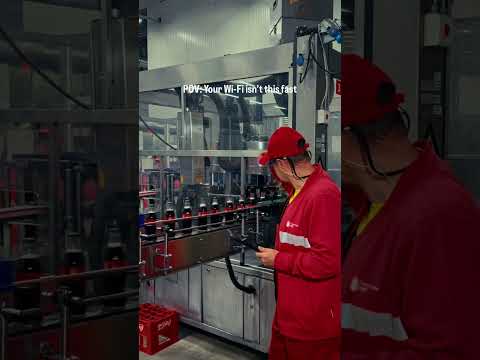
Coca-Cola HBC — Investor Video Playlist



Industry Resources
| Consumer Staples Resources |
| FoodNavigator |
| Consumer Goods Technology (CGT) |
| Beverage Digest |
| Soft Drinks & Non-alcoholic Beverages Resources |
| Beverage Daily |
| BevNET |
| Beverage Industry |
External Quote Links
| Y Finance | Barrons |
| TradingView | Morningstar |
| SeekingAlpha | ValueLine |
| Motley Fool | Robinhood |
| CNBC | Etrade |
| MarketWatch | Unusual Whales |
| YCharts | Perplexity Finance |
| FinViz |
Prefer one of these to Trefis? Tell us why.