
Barrick Mining (B)
Market Price (9/27/2026): $42.93 | Market Cap: $71.5 BilSector: Materials | Industry: Gold
Barrick Mining (B)
Market Price (9/27/2026): $42.93Market Cap: $71.5 BilSector: MaterialsIndustry: Gold
Investment Highlights Why It Matters Detailed financial logic regarding cash flow yields vs trend-riding momentum.
Attractive yieldTotal YieldTotal Yield = Earnings Yield + Dividend Yield, Earnings Yield = Net Income / Market Cap Dividend Yield = Total Dividends / Market Cap is 11%, Dividend Yield is 2.1%, ERPEquity Risk Premium (ERP) = Total Yield - Risk Free Rate, Reflects the premium above risk free assets offered by the investment. is 7.4%, FCF Yield is 7.3% Strong revenue growthRev Chg LTMRevenue Change % Last Twelve Months (LTM) is 49% Attractive operating marginsOp Mgn LTMOperating Margin = Operating Income / Revenue Reflects profitability before taxes and before impact of capital structure (interest payments). is 52% Attractive cash flow generationCFO/Rev LTMCash Flow from Operations / Revenue (Sales), Last Twelve Months (LTM) is 46%, FCF/Rev LTMFree Cash Flow / Revenue (Sales), Last Twelve Months (LTM) is 25%, CFO LTM is 9.4 Bil, FCF LTM is 5.2 Bil Stock buyback supportStock Buyback 3Y Total is 3.2 Bil Low stock price volatilityVol 12M is 47% Megatrend and thematic driversMegatrends include Renewable Energy Transition, Battery Technology & Metals, and Electrification of Everything. Themes include Solar Energy Generation, Show more. | Key risksB key risks include [1] geopolitical and jurisdictional instability in key operating countries such as Mali, Show more. |
| Attractive yieldTotal YieldTotal Yield = Earnings Yield + Dividend Yield, Earnings Yield = Net Income / Market Cap Dividend Yield = Total Dividends / Market Cap is 11%, Dividend Yield is 2.1%, ERPEquity Risk Premium (ERP) = Total Yield - Risk Free Rate, Reflects the premium above risk free assets offered by the investment. is 7.4%, FCF Yield is 7.3% |
| Strong revenue growthRev Chg LTMRevenue Change % Last Twelve Months (LTM) is 49% |
| Attractive operating marginsOp Mgn LTMOperating Margin = Operating Income / Revenue Reflects profitability before taxes and before impact of capital structure (interest payments). is 52% |
| Attractive cash flow generationCFO/Rev LTMCash Flow from Operations / Revenue (Sales), Last Twelve Months (LTM) is 46%, FCF/Rev LTMFree Cash Flow / Revenue (Sales), Last Twelve Months (LTM) is 25%, CFO LTM is 9.4 Bil, FCF LTM is 5.2 Bil |
| Stock buyback supportStock Buyback 3Y Total is 3.2 Bil |
| Low stock price volatilityVol 12M is 47% |
| Megatrend and thematic driversMegatrends include Renewable Energy Transition, Battery Technology & Metals, and Electrification of Everything. Themes include Solar Energy Generation, Show more. |
| Key risksB key risks include [1] geopolitical and jurisdictional instability in key operating countries such as Mali, Show more. |
Qualitative Assessment
AI Analysis | Feedback
Barrick Mining (B) stock has remained largely at the same level since 5/31/2026 because of the following key factors:
1. Strong Fiscal Q2 2026 Financial and Operational Performance. Barrick Mining reported robust financial and operational results for fiscal Q2 2026 (ended June 30, 2026) on August 10, 2026. The company's gold production increased by 11% over the prior quarter to 796,000 ounces, exceeding its guidance of 730,000–770,000 ounces. This strong output contributed to a 44% year-over-year surge in revenue, reaching $5.29 billion, while net earnings increased by 50% year-on-year to $1.22 billion, and adjusted earnings per share (EPS) rose by 74% year-on-year to $0.82.
2. Strategic Nevada Gold Mines Expansion and IPO Progress. On August 10, 2026, Barrick reached a significant agreement with Newmont to expand their Nevada Gold Mines joint venture, which is expected to create a nearly 100-million-ounce gold complex. This deal included a substantial $1.95 billion cash payment from Newmont to Barrick. The agreement also resolved existing disputes and secured Newmont's consent for Barrick's planned initial public offering (IPO) of its North American gold assets, which remains on track for completion by the end of fiscal 2026, aiming to unlock additional shareholder value.
Show more
Barrick Mining (B) stock has remained largely at the same level since 5/31/2026 because of the following key factors:
1. Strong Fiscal Q2 2026 Financial and Operational Performance. Barrick Mining reported robust financial and operational results for fiscal Q2 2026 (ended June 30, 2026) on August 10, 2026. The company's gold production increased by 11% over the prior quarter to 796,000 ounces, exceeding its guidance of 730,000–770,000 ounces. This strong output contributed to a 44% year-over-year surge in revenue, reaching $5.29 billion, while net earnings increased by 50% year-on-year to $1.22 billion, and adjusted earnings per share (EPS) rose by 74% year-on-year to $0.82.
2. Strategic Nevada Gold Mines Expansion and IPO Progress. On August 10, 2026, Barrick reached a significant agreement with Newmont to expand their Nevada Gold Mines joint venture, which is expected to create a nearly 100-million-ounce gold complex. This deal included a substantial $1.95 billion cash payment from Newmont to Barrick. The agreement also resolved existing disputes and secured Newmont's consent for Barrick's planned initial public offering (IPO) of its North American gold assets, which remains on track for completion by the end of fiscal 2026, aiming to unlock additional shareholder value.
3. Favorable Macroeconomic Tailwinds from Rising Gold Prices. The period was marked by a significant rally in gold prices, which provided a strong macroeconomic tailwind for Barrick Mining. Gold traded above $4,200 per ounce through early August 2026 and approached record levels of approximately $4,400 per ounce in September 2026. From its early-August low near $4,000, gold experienced a 10% increase to around $4,380 by mid-August, and a 15% rally from its mid-July low to approximately $4,600 by August 25. This upward trend was largely driven by factors such as a weaker US dollar, diminished expectations for US interest rate hikes, and robust demand from central banks globally.
4. Sustained Strength in Copper Prices. Elevated copper prices also contributed positively to Barrick's stock movement, as the company has significant copper operations. Copper prices remained strong throughout the period, with the continuous contract on the Comex setting a new all-time high of US$6.72 per pound on May 13, 2026. Copper prices had surged over 6% month-over-month in May 2026, primarily due to ongoing supply constraints and increased demand fueled by sectors such as artificial intelligence data center development and the global energy transition.
Show less
Stock Movement Drivers
Fundamental Drivers
The 1.2% change in B stock from 5/31/2026 to 9/26/2026 was primarily driven by a 8.5% change in the company's Total Revenues ($ Mil).| (LTM values as of) | 5312026 | 9262026 | Change |
|---|---|---|---|
| Stock Price ($) | 42.39 | 42.88 | 1.2% |
| Change Contribution By: | |||
| Total Revenues ($ Mil) | 19,044 | 20,655 | 8.5% |
| Net Income Margin (%) | 32.1% | 31.6% | -1.7% |
| P/E Multiple | 11.6 | 10.9 | -5.6% |
| Shares Outstanding (Mil) | 1,675 | 1,666 | 0.5% |
| Cumulative Contribution | 1.2% |
Market Drivers
5/31/2026 to 9/26/2026| Return | Correlation | |
|---|---|---|
| B | 1.2% | |
| Market (SPY) | 2.2% | 49.6% |
| Sector (XLB) | -2.3% | 54.0% |
Fundamental Drivers
The -14.8% change in B stock from 2/28/2026 to 9/26/2026 was primarily driven by a -35.5% change in the company's P/E Multiple.| (LTM values as of) | 2282026 | 9262026 | Change |
|---|---|---|---|
| Stock Price ($) | 50.33 | 42.88 | -14.8% |
| Change Contribution By: | |||
| Total Revenues ($ Mil) | 16,956 | 20,655 | 21.8% |
| Net Income Margin (%) | 29.4% | 31.6% | 7.3% |
| P/E Multiple | 17.0 | 10.9 | -35.5% |
| Shares Outstanding (Mil) | 1,683 | 1,666 | 1.0% |
| Cumulative Contribution | -14.8% |
Market Drivers
2/28/2026 to 9/26/2026| Return | Correlation | |
|---|---|---|
| B | -14.8% | |
| Market (SPY) | 13.0% | 53.5% |
| Sector (XLB) | -6.0% | 61.8% |
Fundamental Drivers
The 64.4% change in B stock from 8/31/2025 to 9/26/2026 was primarily driven by a 58.0% change in the company's Net Income Margin (%).| (LTM values as of) | 8312025 | 9262026 | Change |
|---|---|---|---|
| Stock Price ($) | 26.08 | 42.88 | 64.4% |
| Change Contribution By: | |||
| Total Revenues ($ Mil) | 13,824 | 20,655 | 49.4% |
| Net Income Margin (%) | 20.0% | 31.6% | 58.0% |
| P/E Multiple | 16.2 | 10.9 | -32.4% |
| Shares Outstanding (Mil) | 1,716 | 1,666 | 3.0% |
| Cumulative Contribution | 64.4% |
Market Drivers
8/31/2025 to 9/26/2026| Return | Correlation | |
|---|---|---|
| B | 64.4% | |
| Market (SPY) | 20.9% | 43.6% |
| Sector (XLB) | 9.9% | 53.0% |
Fundamental Drivers
The 182.7% change in B stock from 8/31/2023 to 9/26/2026 was primarily driven by a 91.7% change in the company's Total Revenues ($ Mil).| (LTM values as of) | 8312023 | 9262026 | Change |
|---|---|---|---|
| Stock Price ($) | 15.17 | 42.88 | 182.7% |
| Change Contribution By: | |||
| Total Revenues ($ Mil) | 10,777 | 20,655 | 91.7% |
| P/S Multiple | 2.5 | 3.5 | 40.0% |
| Shares Outstanding (Mil) | 1,755 | 1,666 | 5.3% |
| Cumulative Contribution | 182.7% |
Market Drivers
8/31/2023 to 9/26/2026| Return | Correlation | |
|---|---|---|
| B | 182.7% | |
| Market (SPY) | 77.8% | 31.4% |
| Sector (XLB) | 27.3% | 45.2% |
Price Returns Compared
| 2021 | 2022 | 2023 | 2024 | 2025 | 2026 | Total [1] | |
|---|---|---|---|---|---|---|---|
| Returns | |||||||
| B Return | -13% | -7% | 8% | -12% | 187% | -1% | 115% |
| Peers Return | 5% | -10% | 23% | 19% | 119% | 22% | 270% |
| S&P 500 Return | 27% | -19% | 24% | 23% | 16% | 13% | 105% |
Monthly Win Rates [3] | |||||||
| B Win Rate | 58% | 50% | 67% | 33% | 92% | 44% | |
| Peers Win Rate | 50% | 43% | 58% | 48% | 78% | 44% | |
| S&P 500 Win Rate | 75% | 42% | 67% | 75% | 67% | 56% | |
Max Drawdowns [4] | |||||||
| B Max Drawdown | -29% | -48% | -30% | -28% | -15% | -33% | |
| Peers Max Drawdown | -33% | -48% | -28% | -27% | -23% | -35% | |
| S&P 500 Max Drawdown | -5% | -25% | -10% | -8% | -19% | -9% | |
[1] Cumulative total returns since the beginning of 2021
[2] Peers: NEM, FCX, AEM, SCCO, KGC. See B Returns vs. Peers.
[3] Win Rate = % of calendar months in which monthly returns were positive
[4] Max drawdown represents maximum peak-to-trough decline within a year
[5] 2026 data is for the year up to 9/25/2026 (YTD)
How Low Can It Go
| Event | B | S&P 500 |
|---|---|---|
| Summer-Fall 2023 Five Percent Yield Shock | ||
| % Loss | -18.6% | -9.5% |
| % Gain to Breakeven | 22.8% | 10.5% |
| Time to Breakeven | 56 days | 24 days |
| 2023 SVB Regional Banking Crisis | ||
| % Loss | -12.6% | -6.7% |
| % Gain to Breakeven | 14.4% | 7.1% |
| Time to Breakeven | 8 days | 31 days |
| 2022 Inflation Shock & Fed Tightening | ||
| % Loss | -22.7% | -24.5% |
| % Gain to Breakeven | 29.4% | 32.4% |
| Time to Breakeven | 99 days | 427 days |
| 2020 COVID-19 Crash | ||
| % Loss | -25.1% | -33.7% |
| % Gain to Breakeven | 33.6% | 50.9% |
| Time to Breakeven | 27 days | 140 days |
| 2016-2017 Trump Reflation Bond Selloff | ||
| % Loss | -22.2% | -3.7% |
| % Gain to Breakeven | 28.5% | 3.9% |
| Time to Breakeven | 40 days | 6 days |
| 2015-2016 China Devaluation / Global Growth Scare | ||
| % Loss | -24.3% | -12.2% |
| % Gain to Breakeven | 32.1% | 13.9% |
| Time to Breakeven | 21 days | 62 days |
In The Past
Barrick Mining's stock fell -6.2% during the 2025 US Tariff Shock. Such a loss loss requires a 6.6% gain to breakeven.
Preserve Wealth
Limiting losses and compounding gains is essential to preserving wealth.
Asset Allocation
Actively managed asset allocation strategies protect wealth. Learn more.
| Event | B | S&P 500 |
|---|---|---|
| 2022 Inflation Shock & Fed Tightening | ||
| % Loss | -22.7% | -24.5% |
| % Gain to Breakeven | 29.4% | 32.4% |
| Time to Breakeven | 99 days | 427 days |
| 2020 COVID-19 Crash | ||
| % Loss | -25.1% | -33.7% |
| % Gain to Breakeven | 33.6% | 50.9% |
| Time to Breakeven | 27 days | 140 days |
| 2016-2017 Trump Reflation Bond Selloff | ||
| % Loss | -22.2% | -3.7% |
| % Gain to Breakeven | 28.5% | 3.9% |
| Time to Breakeven | 40 days | 6 days |
| 2015-2016 China Devaluation / Global Growth Scare | ||
| % Loss | -24.3% | -12.2% |
| % Gain to Breakeven | 32.1% | 13.9% |
| Time to Breakeven | 21 days | 62 days |
| 2014-2016 Oil Price Collapse | ||
| % Loss | -67.2% | -6.8% |
| % Gain to Breakeven | 204.9% | 7.3% |
| Time to Breakeven | 219 days | 15 days |
| 2013 Taper Tantrum | ||
| % Loss | -27.6% | -0.2% |
| % Gain to Breakeven | 38.1% | 0.2% |
| Time to Breakeven | 41 days | 1 days |
| 2008-2009 Global Financial Crisis | ||
| % Loss | -54.3% | -53.4% |
| % Gain to Breakeven | 119.0% | 114.4% |
| Time to Breakeven | 88 days | 1085 days |
In The Past
Barrick Mining's stock fell -6.2% during the 2025 US Tariff Shock. Such a loss loss requires a 6.6% gain to breakeven.
Preserve Wealth
Limiting losses and compounding gains is essential to preserving wealth.
Asset Allocation
Actively managed asset allocation strategies protect wealth. Learn more.
About Barrick Mining (B)
Barrick Gold Corporation is a global mining company primarily engaged in the exploration and development of mineral properties. Its core business involves identifying, extracting, and processing valuable mineral deposits, with a particular focus on gold, copper, and nickel. As of December 31, 2016, the company reported substantial proven and probable reserves, including 85.9 million ounces of gold and 11.1 billion pounds of copper.
Headquartered in Toronto, Canada, Barrick Gold boasts a wide international operational footprint. The company conducts its exploration and development activities across numerous countries, including the United States, Canada, Australia, Argentina, Chile, Peru, the Dominican Republic, Papua New Guinea, Tanzania, Zambia, and Saudi Arabia. With principal properties like Cortez, Goldstrike, Pueblo Viejo, Lagunas Norte, and Veladero, Barrick Gold serves the global commodity markets by supplying essential raw materials—gold, copper, and nickel—to various industries worldwide.
AI Analysis | Feedback
Barrick Mining is like the ExxonMobil of gold and copper mining.
AI Analysis | Feedback
- Gold: Barrick Gold Corporation primarily explores for, develops, and produces gold from its mineral properties globally.
- Copper: The company engages in the exploration, development, and production of copper deposits.
- Nickel: Barrick also explores for nickel deposits as part of its mineral property development activities.
AI Analysis | Feedback
Barrick Mining (symbol: B) sells primarily to other companies.
As a global producer of commodities such as gold, copper, and nickel, Barrick Gold Corporation sells its products on international markets to a diverse range of industrial buyers, refiners, and financial institutions. Due to the nature of commodity trading, where products are often sold on exchanges or through numerous supply agreements, and to maintain competitive advantage, Barrick Gold Corporation does not publicly disclose the names of specific major customer companies.
AI Analysis | Feedback
AI Analysis | Feedback
AI Analysis | Feedback
The most prominent risk is political and geopolitical instability, coupled with resource nationalism. Barrick operates in numerous countries, many of which are prone to political upheaval, changes in mining regulations, and disputes over taxation and resource ownership. This risk has manifested in severe ways, such as the temporary suspension of operations and seizure of gold stocks at its Loulo-Gounkoto mine in Mali due to a revenue dispute with the Malian government, resulting in a reported $1 billion revenue write-off. Ongoing negotiations regarding tax and royalty frameworks in the Dominican Republic and the need for stable government support for projects like Reko Diq in Pakistan further underscore this vulnerability, which can directly impact license security, operational stability, and financial performance.
Another key risk is related to environmental and social impacts, particularly concerning waste management and water contamination. Barrick has faced accusations of extensive environmental degradation, notably regarding riverine tailings disposal at the Porgera mine in Papua New Guinea, leading to heavy metals contamination. In Argentina, the Veladero mine has been linked to multiple toxic spills involving cyanide, arsenic, and mercury, forcing local communities to rely on bottled water and raising human rights concerns. Furthermore, the proposed Naranjo Tailings Storage Facility in the Dominican Republic has sparked significant opposition from local communities due to environmental and human rights concerns, with an estimated "Extreme" consequence (over 100 fatalities) in the event of a dam failure. Such incidents can lead to operational disruptions, legal actions, and severe reputational damage.
Finally, operational inconsistency and challenges in cost management present a significant business risk. While gold and copper prices are critical drivers of profitability, Barrick's financial performance is also heavily influenced by its ability to manage operational costs, specifically its All-in Sustaining Costs (AISC). The company has experienced operational inconsistencies and has been noted for having slightly higher AISC compared to some top-tier peers, indicating challenges in maintaining optimal operational efficiency. Poor capital allocation decisions, coupled with unexpected disruptions such as labor issues or energy cost fluctuations, can further impact production volumes and overall profitability.
AI Analysis | Feedback
AI Analysis | Feedback
For Barrick Mining (symbol: B), whose main products include gold, copper, and nickel, the addressable markets are as follows:
- Gold: The global gold market was valued at approximately USD 291.68 billion in 2024 and is projected to reach USD 400 billion by the end of 2030. Asia-Pacific dominated the global gold market in 2025 with a market share of 65.54%.
- Copper: The global copper market size was approximately USD 291.12 billion in 2025 and is anticipated to reach USD 442.04 billion by 2034. Asia-Pacific held 55.6% of the global market share in 2024.
- Nickel: The global nickel market size was USD 47.8 billion in 2025 and is projected to grow to USD 78.3 billion by 2034. Asia Pacific dominated the nickel market with an 83.40% share in 2025.
AI Analysis | Feedback
AI Analysis | Feedback

Peer Outperformance in Gold
| Industry | Names | 1Y med | 3Y med | 5Y med | Top 3 by 5Y |
|---|---|---|---|---|---|
| Copper | 7 | 83.2% | 115.3% | 324.3% | COPR 153400% · TGB 368% · HBM 337% |
| Gold ← | 38 | 19.7% | 224.8% | 164.2% | AUGO 967% · IAG 783% · AU 611% |
| Silver | 6 | 72.0% | 338.1% | 159.9% | AYA 378% · HL 233% · SVM 197% |
| Steel | 13 | 17.8% | 34.1% | 156.3% | HCC 344% · STLD 308% · NWPX 307% |
| Aluminum | 4 | 49.8% | 102.1% | 44.8% | CENX 171% · KALU 62% · CSTM 28% |
| Construction Materials | 9 | -22.8% | 16.5% | 43.0% | USLM 374% · CRH 83% · SMID 73% |
| Diversified Metals & Mining | 24 | -21.0% | -15.7% | 14.1% | ATLX 192757% · USAR 50840% · TII 702% |
| Paper & Plastic Packaging Products & Materials | 7 | 12.3% | 10.9% | -8.0% | PKG 91% · CCK 11% · SON 0% |
| Metal, Glass & Plastic Containers | 12 | 2.4% | 13.5% | -15.1% | KRT 207% · MYE 81% · GEF 49% |
| Specialty Chemicals | 42 | 11.9% | 3.8% | -18.2% | ODC 470% · NEU 192% · CMT 100% |
| Precious Metals & Minerals | 8 | 14.7% | 182.2% | -27.7% | ASM 618% · PPTA 361% · MTA 46% |
| Diversified Chemicals | 4 | -0.6% | -25.2% | -28.8% | CBT 71% · ASH -15% · CC -43% |
| Commodity Chemicals | 12 | 12.4% | -18.0% | -31.4% | HWKN 287% · KOP 47% · MEOH 33% |
| Fertilizers & Agricultural Chemicals | 10 | -12.1% | -9.5% | -43.6% | CF 127% · CTVA 91% · NTR 30% |
| Paper Products | 4 | -29.0% | -52.8% | -70.5% | SLVM 23% · CLW -45% · ITP -96% |
Latest Trefis Analyses
Research & Analysis
Invest in Strategies
Wealth Management
Peer Comparisons
| Peers to compare with: |
Financials
| Median | |
|---|---|
| Name | |
| Mkt Price | 96.87 |
| Mkt Cap | 100.8 |
| Rev LTM | 18,221 |
| Op Inc LTM | 8,729 |
| FCF LTM | 4,824 |
| FCF 3Y Avg | 2,765 |
| CFO LTM | 7,077 |
| CFO 3Y Avg | 5,677 |
Growth & Margins
| Median | |
|---|---|
| Name | |
| Rev Chg LTM | 36.1% |
| Rev Chg 3Y Avg | 27.4% |
| Rev Chg Q | 32.3% |
| QoQ Delta Rev Chg LTM | 6.8% |
| Op Inc Chg LTM | 82.4% |
| Op Inc Chg 3Y Avg | 72.8% |
| Op Mgn LTM | 53.7% |
| Op Mgn 3Y Avg | 38.1% |
| QoQ Delta Op Mgn LTM | 1.3% |
| CFO/Rev LTM | 47.3% |
| CFO/Rev 3Y Avg | 38.8% |
| FCF/Rev LTM | 31.8% |
| FCF/Rev 3Y Avg | 24.6% |
Valuation
| Median | |
|---|---|
| Name | |
| Mkt Cap | 100.8 |
| P/S | 4.5 |
| P/Op Inc | 10.3 |
| P/EBIT | 10.3 |
| P/E | 15.8 |
| P/CFO | 11.7 |
| Total Yield | 7.2% |
| Dividend Yield | 0.8% |
| FCF Yield 3Y Avg | 5.2% |
| D/E | 0.0 |
| Net D/E | -0.0 |
Returns
| Median | |
|---|---|
| Name | |
| 1M Rtn | -8.5% |
| 3M Rtn | 17.9% |
| 6M Rtn | 15.7% |
| 12M Rtn | 35.4% |
| 3Y Rtn | 229.1% |
| 1M Excs Rtn | -9.3% |
| 3M Excs Rtn | 12.6% |
| 6M Excs Rtn | -0.5% |
| 12M Excs Rtn | 22.0% |
| 3Y Excs Rtn | 124.6% |
Comparison Analyses
FDA Approved Drugs Data
Expand for More| Post-Approval Fwd Returns | |||||||||
|---|---|---|---|---|---|---|---|---|---|
| FDA App # | Brand Name | Generic Name | Dosage Form | FDA Approval | 3M Rtn | 6M Rtn | 1Y Rtn | 2Y Rtn | Total Rtn |
| ANDA090977 | LANTHANUM CARBONATE | lanthanum carbonate | tablet, chewable | 1272022 | 20.4% | -15.7% | 7.8% | -12.8% | 155.9% |
| ANDA090095 | DUTASTERIDE | dutasteride | capsule | 12212010 | -2.6% | -14.1% | -9.5% | -33.0% | 8.6% |
| ANDA078965 | NORETHINDRONE AND ETHINYL ESTRADIOL AND FERROUS FUMARATE | ethinyl estradiol | tablet | 8052010 | 15.7% | 14.5% | 8.4% | -21.5% | 32.0% |
| ANDA079193 | ESTRADIOL AND NORETHINDRONE ACETATE | estradiol | tablet | 5112010 | -4.8% | 11.7% | 0.5% | -15.8% | 23.6% |
| ANDA090360 | BUPRENORPHINE HYDROCHLORIDE | buprenorphine hydrochloride | tablet | 5072010 | 1.8% | 15.8% | 10.7% | -9.4% | 32.4% |
| ANDA076237 | FLUOXETINE HYDROCHLORIDE | fluoxetine hydrochloride | capsule, delayed rel pellets | 3242010 | 20.7% | 27.7% | 40.3% | 20.3% | 52.2% |
| ANDA090591 | PHENTERMINE HYDROCHLORIDE | phentermine hydrochloride | capsule | 3182010 | 13.2% | 16.2% | 25.7% | 13.1% | 42.5% |
| ANDA090470 | PHENTERMINE HYDROCHLORIDE | phentermine hydrochloride | tablet | 8312009 | 23.6% | 11.3% | 36.4% | 49.4% | 64.1% |
| ANDA078804 | ASPIRIN AND DIPYRIDAMOLE | aspirin | capsule, extended release | 8142009 | 26.4% | 8.7% | 27.7% | 48.9% | 67.9% |
| ANDA078515 | DROSPIRENONE AND ETHINYL ESTRADIOL | drospirenone | tablet | 3302009 | 8.6% | 13.1% | 18.2% | 63.3% | 77.4% |
| ... | |||||||||
| Post-Approval Fwd Returns | |||||||||
|---|---|---|---|---|---|---|---|---|---|
| FDA App # | Brand Name | Generic Name | Dosage Form | FDA Approval | 3M Rtn | 6M Rtn | 1Y Rtn | 2Y Rtn | Total Rtn |
| ANDA090977 | LANTHANUM CARBONATE | lanthanum carbonate | tablet, chewable | 1272022 | 20.4% | -15.7% | 7.8% | -12.8% | 155.9% |
| ANDA090095 | DUTASTERIDE | dutasteride | capsule | 12212010 | -2.6% | -14.1% | -9.5% | -33.0% | 8.6% |
| ANDA078965 | NORETHINDRONE AND ETHINYL ESTRADIOL AND FERROUS FUMARATE | ethinyl estradiol | tablet | 8052010 | 15.7% | 14.5% | 8.4% | -21.5% | 32.0% |
| ANDA079193 | ESTRADIOL AND NORETHINDRONE ACETATE | estradiol | tablet | 5112010 | -4.8% | 11.7% | 0.5% | -15.8% | 23.6% |
| ANDA090360 | BUPRENORPHINE HYDROCHLORIDE | buprenorphine hydrochloride | tablet | 5072010 | 1.8% | 15.8% | 10.7% | -9.4% | 32.4% |
| ANDA076237 | FLUOXETINE HYDROCHLORIDE | fluoxetine hydrochloride | capsule, delayed rel pellets | 3242010 | 20.7% | 27.7% | 40.3% | 20.3% | 52.2% |
| ANDA090591 | PHENTERMINE HYDROCHLORIDE | phentermine hydrochloride | capsule | 3182010 | 13.2% | 16.2% | 25.7% | 13.1% | 42.5% |
| ANDA090470 | PHENTERMINE HYDROCHLORIDE | phentermine hydrochloride | tablet | 8312009 | 23.6% | 11.3% | 36.4% | 49.4% | 64.1% |
| ANDA078804 | ASPIRIN AND DIPYRIDAMOLE | aspirin | capsule, extended release | 8142009 | 26.4% | 8.7% | 27.7% | 48.9% | 67.9% |
| ANDA078515 | DROSPIRENONE AND ETHINYL ESTRADIOL | drospirenone | tablet | 3302009 | 8.6% | 13.1% | 18.2% | 63.3% | 77.4% |
| ANDA078189 | GALANTAMINE HYDROBROMIDE | galantamine hydrobromide | capsule, extended release | 9152008 | 18.7% | 6.7% | 37.5% | 65.0% | 106.4% |
| ANDA077605 | GALANTAMINE HYDROBROMIDE | galantamine hydrobromide | tablet | 8282008 | -16.4% | -9.9% | 2.4% | 36.1% | 64.7% |
| ANDA077527 | DROSPIRENONE AND ETHINYL ESTRADIOL | drospirenone | tablet | 5092008 | -10.2% | -38.9% | -12.5% | 11.1% | 47.1% |
| ANDA078221 | GRANISETRON HYDROCHLORIDE | granisetron hydrochloride | tablet | 12312007 | 3.3% | 8.7% | -12.6% | -3.8% | 37.8% |
| ANDA076105 | TRI-LEGEST FE | ethinyl estradiol | tablet | 10262007 | 21.6% | -7.5% | -53.4% | -10.9% | 35.1% |
| ANDA076405 | TRI-LEGEST 21 | ethinyl estradiol | tablet | 10262007 | 21.6% | -7.5% | -53.4% | -10.9% | 35.1% |
| ANDA076693 | ONDANSETRON | ondansetron | tablet, orally disintegrating | 6252007 | 37.9% | 36.5% | 42.8% | 18.6% | 101.1% |
Segment Financials
Revenue by Segment| $ Mil | 2025 | 2024 | 2023 | 2022 | 2021 |
|---|---|---|---|---|---|
| Carlin | 4,024 | 3,041 | 2,760 | 2,848 | 2,687 |
| Cortez | 2,686 | 1,725 | 1,737 | 1,316 | 1,485 |
| Other Mines | 2,392 | 2,076 | 1,591 | 1,553 | 2,659 |
| Pueblo Viejo | 2,300 | 1,429 | 1,118 | 1,303 | 1,514 |
| Turquoise Ridge | 1,984 | 1,177 | 1,008 | 814 | 987 |
| Lumwana | 1,487 | 855 | 795 | 868 | |
| Kibali | 1,040 | 743 | 670 | 598 | 661 |
| North Mara | 1,024 | 770 | 591 | 570 | 552 |
| Bulyanhulu | 659 | 495 | 442 | 463 | 361 |
| Loulo-Gounkoto | 505 | 1,346 | 1,335 | 1,236 | 1,249 |
| Other revenue | -105 | 8 | 20 | 42 | 109 |
| Share of equity investee | -1,040 | -743 | -670 | -598 | -661 |
| Veladero | 382 | ||||
| Total | 16,956 | 12,922 | 11,397 | 11,013 | 11,985 |
| $ Mil | 2025 | 2024 | 2023 | 2022 | 2021 |
|---|---|---|---|---|---|
| Carlin | 2,116 | 1,189 | 938 | 1,114 | 1,189 |
| Cortez | 1,460 | 705 | 542 | 450 | 547 |
| Pueblo Viejo | 1,255 | 493 | 316 | 461 | 759 |
| Other Mines | 1,234 | 727 | 286 | 109 | 809 |
| Turquoise Ridge | 1,131 | 388 | 280 | 160 | 371 |
| Lumwana | 596 | 135 | 37 | 180 | |
| North Mara | 566 | 318 | 165 | 209 | 254 |
| Kibali | 527 | 316 | 243 | 142 | 278 |
| Bulyanhulu | 336 | 193 | 147 | 140 | 147 |
| Loss on currency translation | 3 | -39 | -93 | ||
| Gain (loss) on non-hedge derivatives | 1 | ||||
| Other cost of sales/amortization | -56 | ||||
| Loulo-Gounkoto | -126 | 525 | 484 | 426 | 474 |
| Finance costs, net (includes non-segment accretion) | -176 | -179 | -265 | -329 | |
| Exploration, evaluation and project expenses not attributable to segments | -335 | -351 | -249 | ||
| Share of equity investee | -527 | -316 | -243 | -142 | -278 |
| Closed mine rehabilitation | -59 | ||||
| Gain on non-hedge derivatives | 13 | 7 | 2 | ||
| General and administrative expenses | -115 | -159 | |||
| Income from equity investees | 241 | ||||
| Impairment reversals (charges) | -312 | ||||
| Other revenue | 20 | 42 | |||
| Other income (expense) not attributable to segments | 396 | ||||
| Veladero | 118 | ||||
| Total | 8,005 | 4,184 | 2,810 | 3,021 | 4,341 |
| $ Mil | 2013 | 2012 | 2011 | 2010 | 2009 |
|---|---|---|---|---|---|
| Goodwill | 5,835 | 8,837 | |||
| Pueblo Viejo | 4,836 | 4,799 | |||
| Other current assets | 3,485 | 3,660 | |||
| Cortez | 3,042 | 2,938 | |||
| Other Mines - Copper | 3,018 | 3,799 | |||
| Other items not allocated to segments | 2,792 | 3,782 | |||
| Pascua-Lama | 2,593 | 6,270 | |||
| Cash and equivalents | 2,404 | 2,097 | |||
| Goldstrike | 2,222 | 1,876 | |||
| Australia Pacific | 1,669 | 2,869 | |||
| North America - Other | 1,525 | 1,696 | |||
| African Barrick Gold | 1,515 | 2,295 | |||
| Veladero | 634 | 1,058 | |||
| Lagunas Norte | 614 | 534 | |||
| Deferred income tax assets | 501 | 437 | |||
| Assets of held for sale | 323 | ||||
| Intangible assets | 320 | 453 | |||
| Other investments | 120 | 78 | |||
| Barrick Energy | 1,104 | 808 | 4,017 | ||
| Copper | 12,398 | 1,231 | 1,239 | ||
| Gold | 17,365 | 10,591 | 11,053 | ||
| Other | 18,017 | 20,692 | 10,766 | ||
| Total | 37,448 | 47,478 | 48,884 | 33,322 | 27,075 |
Price Behavior
| Market Price | $42.88 | |
| Market Cap ($ Bil) | 71.4 | |
| First Trading Date | 12/29/2006 | |
| Distance from 52W High | -17.7% | |
| 50 Days | 200 Days | |
| DMA Price | $41.85 | $42.44 |
| DMA Trend | up | up |
| Distance from DMA | 2.5% | 1.0% |
| 3M | 1YR | |
| Volatility | 43.8% | 47.6% |
| Downside Capture | 122.83 | 196.66 |
| Upside Capture | 158.88 | 188.53 |
| Correlation (SPY) | 31.0% | 44.5% |
| 1M | 2M | 3M | 6M | 1Y | 3Y | |
|---|---|---|---|---|---|---|
| Beta | 0.96 | 1.24 | 1.78 | 1.90 | 1.63 | 0.79 |
| Up Beta | 0.30 | 1.37 | 1.26 | 1.59 | 1.30 | 0.53 |
| Down Beta | -3.94 | 0.80 | 2.46 | 1.88 | 1.19 | 0.70 |
| Up Capture | 325% | 212% | 196% | 198% | 356% | 143% |
| Bmk +ve Days | 10 | 21 | 32 | 68 | 138 | 427 |
| Stock +ve Days | 14 | 22 | 30 | 59 | 140 | 407 |
| Down Capture | -26% | 45% | 154% | 195% | 143% | 98% |
| Bmk -ve Days | 11 | 21 | 32 | 59 | 113 | 324 |
| Stock -ve Days | 7 | 20 | 33 | 67 | 108 | 336 |
[1] Upside and downside betas calculated using positive and negative benchmark daily returns respectively
Based On 1-Year Data
| Annualized Return | Annualized Volatility | Sharpe Ratio | Correlation with B | |
|---|---|---|---|---|
| B | 30.5% | 47.4% | 0.71 | - |
| Sector ETF (XLB) | 13.5% | 17.9% | 0.55 | 55.4% |
| Equity (SPY) | 17.7% | 13.0% | 0.98 | 44.3% |
| Gold (GLD) | 14.7% | 29.3% | 0.46 | 77.8% |
| Commodities (DBC) | 44.3% | 20.7% | 1.66 | 5.9% |
| Real Estate (VNQ) | 4.5% | 13.6% | 0.07 | 22.6% |
| Bitcoin (BTCUSD) | -25.9% | 44.8% | -0.54 | 32.0% |
Smart multi-asset allocation framework can stack odds in your favor. Learn How
Based On 5-Year Data
| Annualized Return | Annualized Volatility | Sharpe Ratio | Correlation with B | |
|---|---|---|---|---|
| B | 21.4% | 37.1% | 0.61 | - |
| Sector ETF (XLB) | 6.2% | 19.1% | 0.21 | 40.5% |
| Equity (SPY) | 13.3% | 17.2% | 0.59 | 27.8% |
| Gold (GLD) | 19.2% | 18.8% | 0.83 | 72.7% |
| Commodities (DBC) | 10.8% | 19.6% | 0.43 | 21.7% |
| Real Estate (VNQ) | 0.9% | 18.9% | -0.06 | 27.7% |
| Bitcoin (BTCUSD) | 12.2% | 52.6% | 0.41 | 17.6% |
Smart multi-asset allocation framework can stack odds in your favor. Learn How
Based On 10-Year Data
| Annualized Return | Annualized Volatility | Sharpe Ratio | Correlation with B | |
|---|---|---|---|---|
| B | 11.4% | 36.8% | 0.40 | - |
| Sector ETF (XLB) | 9.9% | 20.7% | 0.42 | 29.1% |
| Equity (SPY) | 15.5% | 17.9% | 0.73 | 21.1% |
| Gold (GLD) | 12.1% | 16.4% | 0.61 | 71.4% |
| Commodities (DBC) | 8.5% | 18.1% | 0.38 | 20.7% |
| Real Estate (VNQ) | 4.8% | 20.7% | 0.19 | 20.9% |
| Bitcoin (BTCUSD) | 63.8% | 66.2% | 1.03 | 14.0% |
Smart multi-asset allocation framework can stack odds in your favor. Learn How
Returns Analyses
Earnings Returns History
Updated 6/3/2026| Forward Returns | |||
|---|---|---|---|
| Earnings Date | 1D Returns | 5D Returns | 21D Returns |
| SUMMARY STATS | |||
| # Positive | 0 | 0 | 0 |
| # Negative | 0 | 0 | 0 |
| Median Positive | |||
| Median Negative | |||
| Max Positive | |||
| Max Negative | |||
| Forward Returns | |||
|---|---|---|---|
| Earnings Date | 1D Returns | 5D Returns | 21D Returns |
| SUMMARY STATS | |||
| # Positive | 0 | 0 | 0 |
| # Negative | 0 | 0 | 0 |
| Median Positive | |||
| Median Negative | |||
| Max Positive | |||
| Max Negative | |||
SEC Filings
Expand for More| Report Date | Filing Date | Filing |
|---|---|---|
| 06/30/2026 | 08/11/2026 | 6-K |
| 12/31/2025 | 02/27/2026 | 40-F |
| 09/30/2025 | 11/10/2025 | 6-K |
| 03/31/2025 | 05/07/2025 | 6-K |
| 12/31/2024 | 03/14/2025 | 40-F |
| 09/30/2024 | 11/07/2024 | 6-K |
| 06/30/2024 | 08/12/2024 | 6-K |
| 03/31/2024 | 05/02/2024 | 6-K |
| 12/31/2023 | 03/15/2024 | 40-F |
| 09/30/2023 | 11/02/2023 | 6-K |
| 06/30/2023 | 08/08/2023 | 6-K |
| 03/31/2023 | 05/03/2023 | 6-K |
| 12/31/2022 | 03/17/2023 | 40-F |
| 09/30/2022 | 11/04/2022 | 6-K |
| 06/30/2022 | 08/08/2022 | 6-K |
| 03/31/2022 | 05/05/2022 | 6-K |
| Report Date | Filing Date | Filing |
|---|---|---|
| 06/30/2026 | 08/11/2026 | 6-K |
| 12/31/2025 | 02/27/2026 | 40-F |
| 09/30/2025 | 11/10/2025 | 6-K |
| 03/31/2025 | 05/07/2025 | 6-K |
| 12/31/2024 | 03/14/2025 | 40-F |
| 09/30/2024 | 11/07/2024 | 6-K |
| 06/30/2024 | 08/12/2024 | 6-K |
| 03/31/2024 | 05/02/2024 | 6-K |
| 12/31/2023 | 03/15/2024 | 40-F |
| 09/30/2023 | 11/02/2023 | 6-K |
| 06/30/2023 | 08/08/2023 | 6-K |
| 03/31/2023 | 05/03/2023 | 6-K |
| 12/31/2022 | 03/17/2023 | 40-F |
| 09/30/2022 | 11/04/2022 | 6-K |
| 06/30/2022 | 08/08/2022 | 6-K |
| 03/31/2022 | 05/05/2022 | 6-K |
| 12/31/2021 | 03/18/2022 | 40-F |
| 09/30/2021 | 11/05/2021 | 6-K |
| 06/30/2021 | 08/09/2021 | 6-K |
| 03/31/2021 | 05/05/2021 | 6-K |
| 12/31/2020 | 03/19/2021 | 40-F |
| 09/30/2020 | 11/06/2020 | 6-K |
| 06/30/2020 | 08/11/2020 | 6-K |
| 03/31/2020 | 05/06/2020 | 6-K |
| 12/31/2019 | 03/26/2020 | 40-F |
| 09/30/2019 | 11/06/2019 | 6-K |
| 06/30/2019 | 08/12/2019 | 6-K |
| 03/31/2019 | 05/09/2019 | 6-K |
Investor Activity (13F)
Updated Sep 27, 2026Active managers (13F portfolio over $250M, at least 3 holdings) with a position over $5M that is either over 10% of their portfolio or held in a concentrated book of 50 or fewer total positions. Index/ETF, sovereign, bank, community-bank and charitable/donor-advised filers are excluded.
| Active Manager | Value | % of Portfolio | Total Positions | QoQ | Filing |
|---|---|---|---|---|---|
| Scheer, Rowlett & Associates Investment Management Ltd. | $83.6 Mil | 6.0% | 33 | TRIM -12.8% | 13F |
| Gemsstock Ltd. | $55.6 Mil | 5.9% | 28 | ADD +17.7% | 13F |
| Evergreen Quality Fund GP, Ltd. | $168.9 Mil | 3.9% | 40 | TRIM -10.2% | 13F |
| Kopernik Global Investors, LLC | $22.8 Mil | 1.6% | 27 | TRIM -5.1% | 13F |
| FengHe Fund Management Pte. Ltd. | $5.7 Mil | 0.8% | 31 | New | 13F |
| Active Manager | Value | % of Portfolio | Total Positions | QoQ | As Of | Filing |
|---|---|---|---|---|---|---|
| Maple Rock Capital Partners Inc. | $86.7 Mil | 2.9% | 38 | Exited | Dec 31, 2025 | 13F |
| Drummond Knight Asset Management Pty Ltd | $60.3 Mil | 16.9% | 11 | Exited | Dec 31, 2025 | 13F |
| Sound Shore Management Inc /CT/ | $50.3 Mil | 1.6% | 37 | Exited | Dec 31, 2025 | 13F |
| Encompass Capital Advisors LLC | $17.4 Mil | 0.8% | 48 | Exited | Dec 31, 2025 | 13F |
| Wealth High Governance Capital Ltda | $5.3 Mil | 1.0% | 46 | Exited | Dec 31, 2025 | 13F |
| Scheer, Rowlett & Associates Investment Management Ltd. | $83.6 Mil | 6.0% | 33 | TRIM -12.8% | Mar 31, 2026 | 13F |
| Evergreen Quality Fund GP, Ltd. | $168.9 Mil | 3.9% | 40 | TRIM -10.2% | Mar 31, 2026 | 13F |
| Kopernik Global Investors, LLC | $22.8 Mil | 1.6% | 27 | TRIM -5.1% | Mar 31, 2026 | 13F |
| Active Manager | Value | % of Portfolio | Total Positions | QoQ | Filing |
|---|---|---|---|---|---|
| Evergreen Quality Fund GP, Ltd. | $168.9 Mil | 3.9% | 40 | TRIM -10.2% | 13F |
| Scheer, Rowlett & Associates Investment Management Ltd. | $83.6 Mil | 6.0% | 33 | TRIM -12.8% | 13F |
| Gemsstock Ltd. | $55.6 Mil | 5.9% | 28 | ADD +17.7% | 13F |
| Kopernik Global Investors, LLC | $22.8 Mil | 1.6% | 27 | TRIM -5.1% | 13F |
| FengHe Fund Management Pte. Ltd. | $5.7 Mil | 0.8% | 31 | New | 13F |
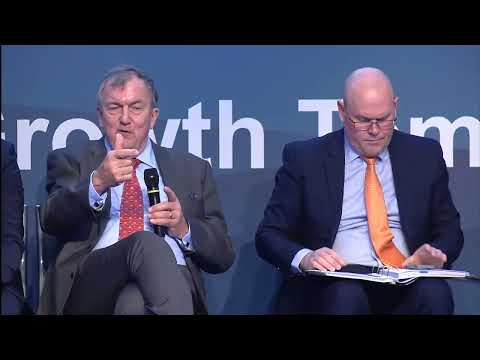
Barrick Mining — Investor Video Playlist




Industry Resources
| Materials Resources |
| Chemical & Engineering News (C&EN) |
| Mining.com |
| Plastics News |
| Gold Resources |
| Kitco News |
| World Gold Council |
| Mining Journal |
External Quote Links
| Y Finance | Barrons |
| TradingView | Morningstar |
| SeekingAlpha | ValueLine |
| Motley Fool | Robinhood |
| CNBC | Etrade |
| MarketWatch | Unusual Whales |
| YCharts | Perplexity Finance |
| FinViz |
Prefer one of these to Trefis? Tell us why.