
What’s Behind Enphase Energy’s Stock Collapse?
Enphase Energy (NASDAQ: ENPH), a leading residential solar energy solutions provider, has seen its stock in a freefall, plummeting approximately 40% this year and down over 70% from its 52-week high of around $140. But what’s driving this steep decline? The company is caught in a brutal combination of industry headwinds and its own operational challenges that have created a perfect storm.
The biggest problem hitting Enphase has been the collapse in residential solar demand. The company’s revenue got hammered, falling 42% from $2.29 billion in 2023 to just $1.33 billion in 2024. This isn’t just an Enphase problem—it’s happening across the entire residential solar industry as customers have largely stepped back from big solar investments. It is exactly this downside risk, versus relative upside tradeoffs we made – at scale, in constructing the Trefis High Quality (HQ) strategy that has clocked >91% return since inception, and outperformed the S&P. Separately, see – Buy, Sell, or Hold HIMS Stock?
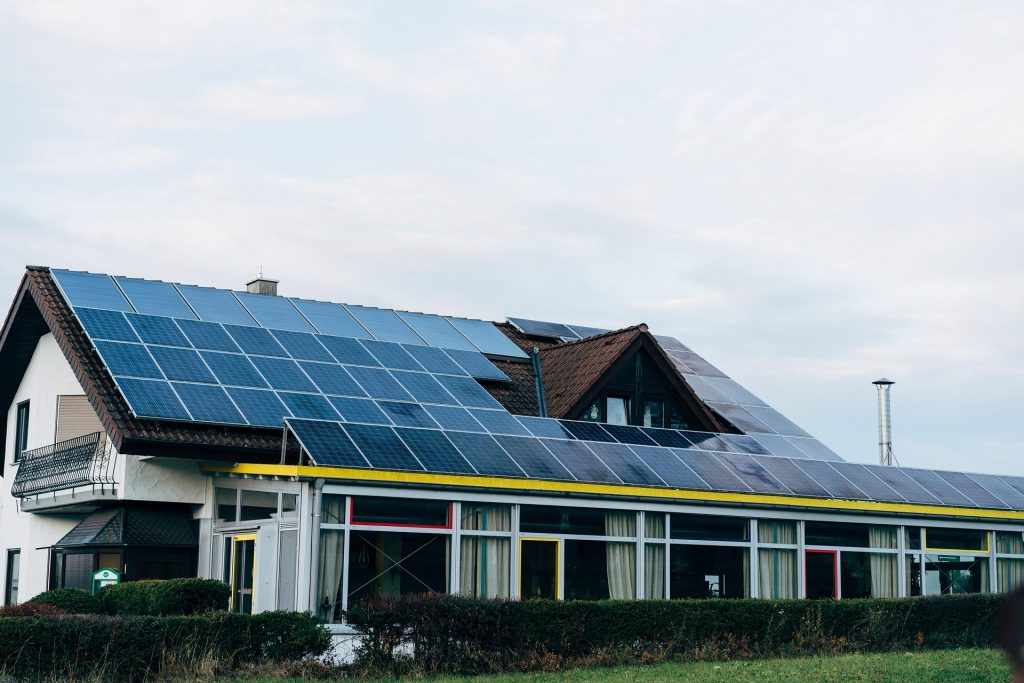
Image by Markus Winkler from Pixabay
High interest rates are a major culprit here, making it much more expensive for homeowners to finance solar installations. When you’re looking at a $10,000+ solar system and borrowing costs have shot up, many people are simply saying “not now.” Making things worse, the company is sitting on too much inventory. Like many solar companies, Enphase built up stock expecting stronger demand that just hasn’t materialized, putting additional pressure on the company’s margins. Enphase’s operating margin plunged from 20% in 2023 to under 7% last year.
The earnings story has been challenging, too. Enphase keeps missing Wall Street’s expectations, and their guidance isn’t giving investors much hope. Last quarter, they reported earnings of $0.68 per share on $356 million in sales, missing estimates of $0.71 per share on $362 million in sales. Even more concerning, management guided for just $360 million in Q2 sales at the midpoint, well below the $380 million analysts were expecting.
Then there’s the tariff nightmare. New tariffs of up to 3,500% on solar components—especially battery cells from China and Southeast Asia—are about to slam Enphase’s profit margins. The company has already warned that these tariffs will hurt margins in the coming quarters, with an even bigger hit expected later this year. The company is trying to shift battery cells manufacturing from China to the U.S. to dodge the tariffs and grab some tax credits, but that transition takes time and money. In the meantime, margins could get hit by several hundred basis points.
The broader economic picture isn’t helping either. With interest rates high and people worried about the economy, homeowners are naturally hesitant about making big purchases like solar panels. It’s exactly the kind of environment where discretionary spending gets cut first.
Enphase has tried to respond by cutting costs, including laying off 500 employees and walking away from some manufacturing contracts late last year. But these moves just highlight how tough things have gotten and haven’t done much to convince investors that better days are ahead.
The bottom line is that Enphase is stuck in a rough spot. The company needs residential solar demand to recover and the tariff situation to settle down before things start looking up. Until then, the stock will likely keep facing pressure from both the underlying business challenges and investor skepticism about when—or if—the solar market will bounce back. In fact, the situation with Enphase Energy highlights the risks of investing heavily in a single stock. Building a diversified portfolio is crucial for balancing risk and reward. For example, the Trefis High Quality (HQ) strategy, which focuses on balancing risk and reward, has outperformed the S&P 500, Nasdaq, and Russell 2000 since its inception.
Invest with Trefis Market-Beating Portfolios
See all Trefis Price Estimates