
How Much SanDisk (SNDK) Are You Really Betting On?

Your quiet, diversified funds may have made a concentrated bet on one high-flying stock without you ever knowing.
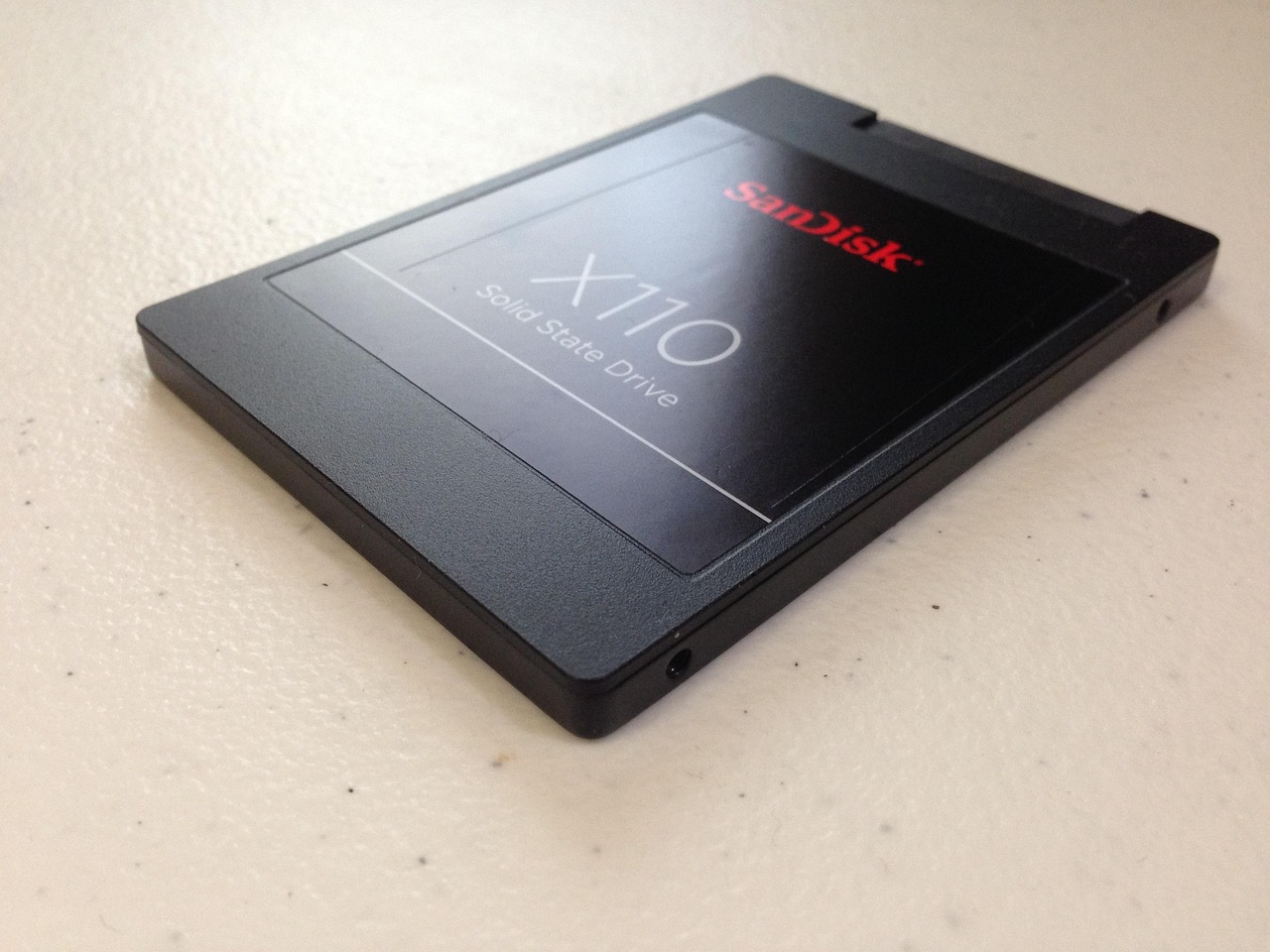
SanDisk (SNDK) is now trading about 122% above its 200-day moving average, and if you own common exchange-traded funds, you almost certainly own a piece of it. After a run that has seen the stock return +3465% over the past year, this single name has quietly become a significant, concentrated position inside portfolios that were never designed for single-stock risk.
Which Of Your Funds Are Riding It?
This isn’t a niche holding. SanDisk is held across 47 of the equity funds in our universe. The exposure is most pointed in funds like the Schwab U.S. Small-Cap ETF (SCHA), which now holds about 5.6% of its assets in SNDK. That concentration helped power its +32% return over the past year. The story is similar in the Schwab U.S. Mid-Cap ETF (SCHM), with a 5.0% weight and a +24% annual return. The very thing that drove those gains is now a source of concentrated risk. Other funds with notable positions include the iShares ESG Aware MSCI USA Small-Cap ETF (ESML) at 4.0% and the Invesco S&P 500 Quality ETF (SPHQ) at 3.6%.
- S&P 500 Movers | Winners: FDS, IT, INTU | Losers: APP, SNDK, MRVL
- SanDisk Stock’s Run Hides Its Real Portfolio Job
- Same Industry, Less Money: What SanDisk Offers That Western Digital Does Not
- SanDisk Stock Is Trading Like The Memory Cycle Is Dead
- The Number That Could Test The New SanDisk Stock Story
- S&P 500 Movers | Winners: GPC, MRNA, EFX | Losers: SNDK, TER, KLAC
What A Pullback Would Actually Cost You
This is not a prediction, but a scenario to make the risk concrete. If SNDK simply fell back to its 200-day average, the stock would drop about 55% from its current price. For the funds carrying it, the math is direct. A drop of that size in SNDK would knock about 3.1% off the Schwab U.S. Small-Cap ETF from this one holding alone. The Schwab U.S. Mid-Cap ETF would lose about 2.8%, and the iShares ESG Aware MSCI USA Small-Cap ETF would lose about 2.2%. This kind of concentrated position raises questions about the role SanDisk now plays in a diversified portfolio. The problem is that this exposure is sticky. You cannot surgically sell just SanDisk from inside an ETF. To reduce your position, you must sell the entire fund, which could trigger a taxable capital gain, locking the risk in place.
An Alternative With The Same Theme
If that level of single-stock concentration feels uncomfortable, you have options that do not require abandoning the sector. The Vanguard Information Technology ETF (VGT), for example, holds SNDK at about 1.0% of the fund. That is a fraction of the exposure in more concentrated funds. It still offers strong performance, having returned +38% over the past year, compared to +32% for SCHA. It is one way to maintain your exposure to technology while spreading the risk more evenly, rather than letting one winner quietly dominate your returns.
The point is not that SanDisk is about to fall. It is that after its historic run, you may be holding a larger, more impactful position in one company than you ever intended. Knowing your true exposure is the first step.
How Do You Find A Better-Balanced Fund?
Whether this is a name you are happy to keep riding, or one you would rather not own quite so much of, the first move is the same: see your true exposure to it, then find funds that carry the same theme with less of any single stock. A fund’s name tells you almost nothing about how concentrated it has quietly become.
Our ETF Valuation and Performance Scorecard ranks the major ETFs side by side on valuation, return, and risk, so you can see which funds lean hardest on a handful of names and which spread the exposure while keeping the performance.
The Fund Diversifies. Does The Rest Of Your Wealth?
A fund like this spreads risk by design, which makes it easy to forget the single stock sitting outside it that has quietly grown into a large share of your net worth. That one position is the real exposure, and selling it to diversify hands a slice of the gains to the IRS. There is a way to cap its downside and unwind it tax-efficiently.