
Inside GE Vernova’s 90% Surge
GE Vernova (NYSE: GEV) stock has had a massive run.
Six months ago, it was trading around $580. Today, it’s closer to $1,150. That’s more than a 90% jump. A $10,000 investment would now be worth above $19,000.
This kind of move usually doesn’t happen without a real shift underneath. And in this case, it’s not just momentum. The business itself is being viewed differently.
AI Is Quietly Driving The Story
The biggest change is demand for power.
AI data centers are consuming far more electricity than expected. That has pulled attention back to the grid in a big way.
In Q1 2026 alone, GE Vernova booked about $2.4 billion in electrification orders tied to data centers. That’s more than what it did from data centers in all of 2025.
The takeaway is simple. As companies build AI infrastructure, they also need the physical backbone. Transformers, grid systems, switchgear. That’s where GE Vernova comes in.
Also, see our analysis on Snowflake Investors Took The Long Road To Nowhere.
The Backlog Tells You A Lot
One of the biggest reasons investors are more confident now is visibility.
GE Vernova’s backlog sits at roughly $160 billion-plus. That’s up from $116 billion near the spin-off.
This isn’t just pipeline. It’s contracted work. It gives a clearer view of future revenue.
The Prolec GE deal adds to that story. It brought in a few billion dollars of additional backlog and strengthened the company’s position in transformers.
Growth On One Side, Stability On The Other
The business mix is starting to look more balanced.
Electrification is the fast-growing piece. Revenue there jumped more than 60% in the latest quarter. Demand is being driven by both data centers and grid upgrades. See how GEV financials compare with peers such as Eaton (ETN), Honeywell (HON), NextEra Energy (NEE), Emerson Electric (EMR) and Qanta Services (PWR)
At the same time, the power segment is steady. It generated around $5 billion in revenue, growing at a low double-digit pace. Gas turbines are still in demand as countries look for reliable power.
This combination matters. One part drives growth. The other keeps cash flow stable.
Cash Flow Is Doing The Heavy Lifting
The numbers here surprised people.
Free cash flow came in at roughly $4.8 billion in Q1 2026. That’s a strong print by any standard.
The company is also returning more to shareholders. It has increased its dividend versus 2025 levels and approved up to $10 billion in buybacks.
Strong cash plus capital returns usually supports higher valuations. That’s playing out here.
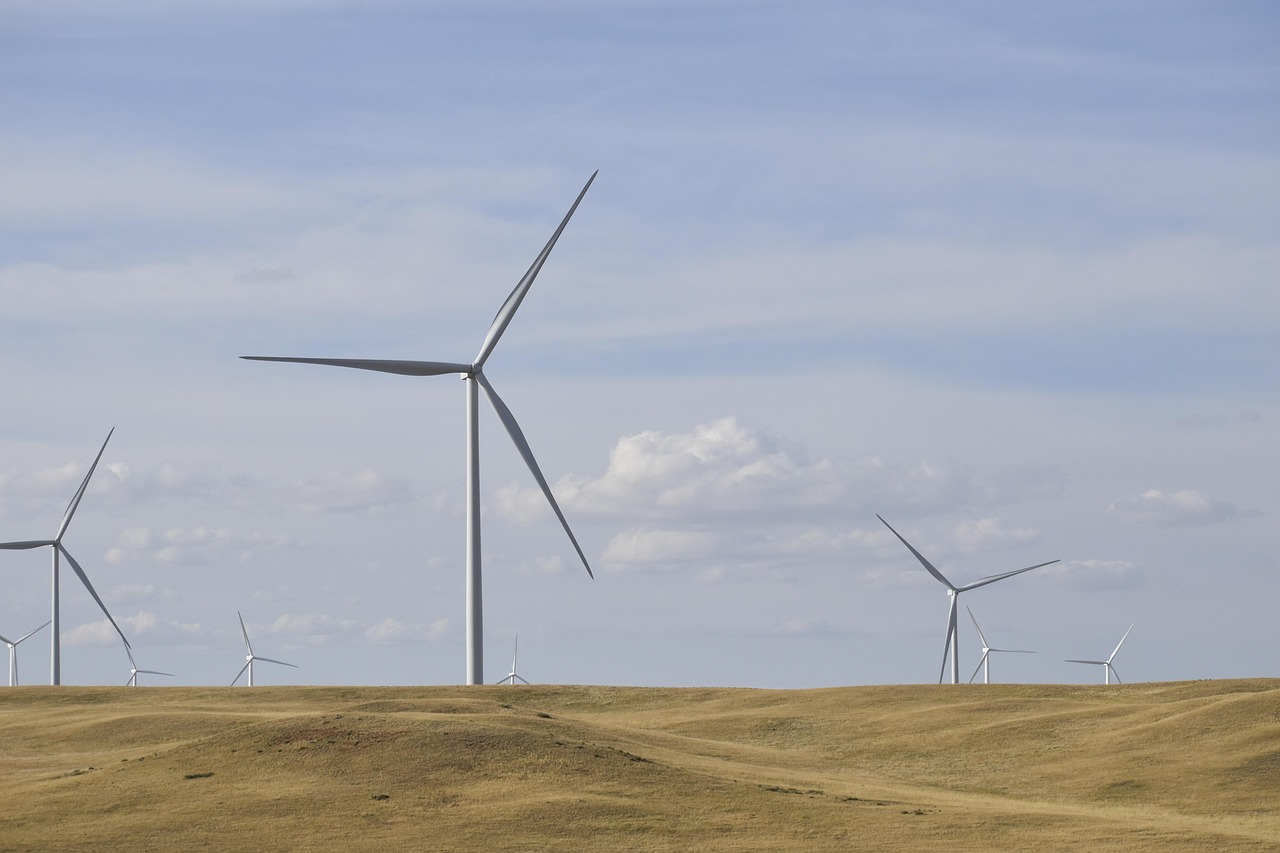
The Weak Spot Is Still Wind
Not everything is working perfectly.
The wind segment is still losing money. Losses recently came in around $382 million.
But management is making changes. They are pulling back from weaker projects and focusing more on execution.
Investors seem okay with that. The focus has shifted from growth at any cost to better profitability.
So Why Did The Stock Move So Much?
A few things changed at once.
Power demand picked up faster than expected. The backlog got bigger and more meaningful. Cash flow came in stronger than expected.
Put together, that led to a re-rating.
What Comes Next?
Looking ahead, the “beat and raise” trend could continue.
The company has already lifted its 2026 guidance. It now expects full-year revenue in the $44.5 billion to $45.5 billion range. Free cash flow is also expected to come in stronger, at around $6.5 billion to $7.5 billion.
That tells you expectations are still moving up, not down.
The next phase is about execution.
Investors will be watching if the wind segment can finally move toward profitability by year-end. At the same time, there’s focus on the gas business. The company is targeting around 110 GW in gas turbine backlog, which would reinforce demand staying strong.
So the setup from here is fairly clear.
The stock is no longer cheap. A lot of the optimism is already priced in. But the bigger shift is still playing out.
GE Vernova isn’t being treated like a typical spin-off anymore. It’s starting to look like a core piece of the global power buildout. And as long as electricity demand keeps rising, that story doesn’t go away.
Building long-term wealth requires a mechanism to manage these sector-specific risks while capturing the upside of the AI-driven healthcare era. This objective is central to the Trefis High Quality Portfolio (HQ) strategy, which focuses on identifying companies with structural moats and high-integrity cash flows. The HQ strategy has outperformed its market benchmark since inception, delivering returns of over 105%.