
Barrick Mining Stock Still Looks Undervalued At $44
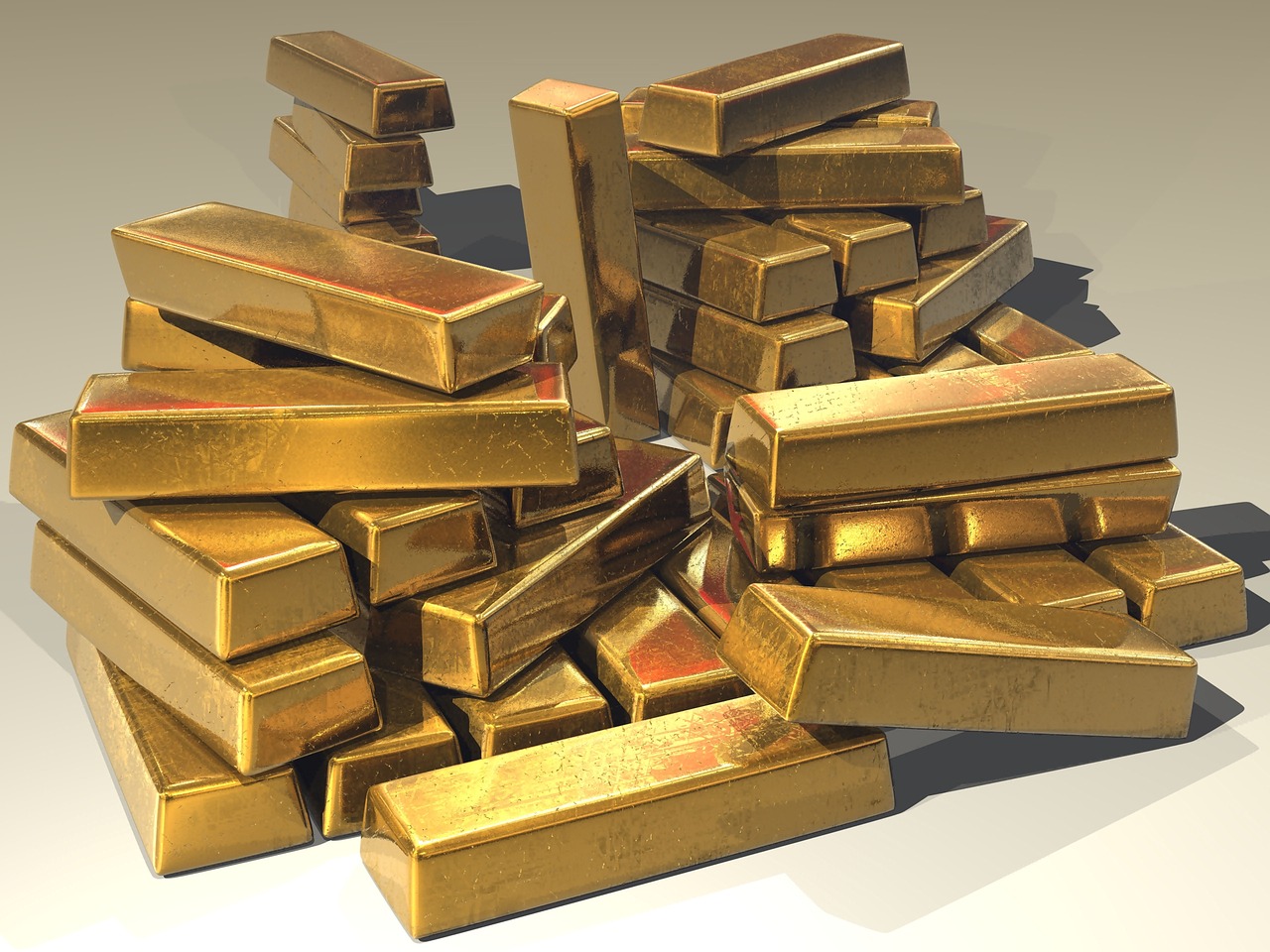
Barrick Mining Corp (NYSE: B) sits on 89 million ounces of proven and probable gold reserves. At gold prices near $4,700 an ounce, that’s more than $400 billion worth of gold in the ground against a market cap of roughly $75 billion.
So why doesn’t the stock trade much higher? The answer comes down to one thing: time horizon.
Short-term investors focus on quarterly production, rising costs, political issues in Mali, and heavy capex spending. Barrick produced 719,000 ounces of gold in Q1 2026, while all-in sustaining costs came in around $1,708 per ounce. Those numbers matter, but they only tell part of the story.
Long-term investors see something different. They see a company with decades of reserves, rising free cash flow, and massive leverage to higher gold prices in a world increasingly shaped by inflation, debt, and geopolitical instability.
And the financial results are already improving fast. Q1 operating cash flow jumped 111% year over year, while attributable free cash flow surged 195% to $1.21 billion. Earnings per share rose 256% to $0.96. For full-year 2025, revenue climbed 31% to $16.96 billion, while earnings more than doubled.
See how Barrick Mining’s financials compare to its peers, Newmont, Agnico Eagle Mines, Freeport-McMoRan, Southern Copper, and Kinross Gold.
The biggest driver has been gold itself. The metal has climbed from roughly $2,000 an ounce two years ago to nearly $4,700 today. Yet Barrick still trades at only around 12 times earnings, suggesting the stock has not fully caught up to the move in gold prices.
Then there’s copper — the part of the story many investors overlook. Barrick produced roughly 220,000 metric tonnes of copper in 2025, and the massive Reko Diq project in Pakistan could dramatically expand output later this decade. As demand for electric vehicles, renewable energy, and grid infrastructure grows, copper exposure could become a major value driver.
That’s why Barrick increasingly looks less like a traditional gold miner and more like a long-term hard-asset play tied to both monetary uncertainty and the global energy transition.
Also see, If The World Is On Fire, Why Is Gold Getting Cheaper?
At around $44 per share, we are not sure about the near-term upside. But longer term, we value the stock at $57, well above the current market price.
The real debate isn’t about next quarter. It’s about whether investors believe gold and copper prices stay structurally strong over the next decade. If they do, Barrick may still be far cheaper than it looks.
For investors looking to complement their active trades with a hands-off compounding vehicle, the Trefis High Quality (HQ) Portfolio is the solution. It is engineered to capture market upside across 30 high-conviction stocks and has delivered over 105% in cumulative return since inception.