
NVIDIA (NVDA)
Market Price (10/9/2026): $230.75 | Market Cap: $5.6 TrilInvestor Relations Sector: Information Technology | Industry: Semiconductors
NVIDIA (NVDA)
Market Price (10/9/2026): $230.75Market Cap: $5.6 TrilSector: Information TechnologyIndustry: Semiconductors
Investment Highlights Why It Matters Detailed financial logic regarding cash flow yields vs trend-riding momentum.
Strong revenue growthRev Chg LTMRevenue Change % Last Twelve Months (LTM) is 83% Attractive operating marginsOp Mgn LTMOperating Margin = Operating Income / Revenue Reflects profitability before taxes and before impact of capital structure (interest payments). is 65% Attractive cash flow generationCFO/Rev LTMCash Flow from Operations / Revenue (Sales), Last Twelve Months (LTM) is 44%, FCF/Rev LTMFree Cash Flow / Revenue (Sales), Last Twelve Months (LTM) is 42%, CFO LTM is 134 Bil, FCF LTM is 127 Bil Stock buyback supportStock Buyback 3Y Total is 119 Bil Low stock price volatilityVol 12M is 38% Megatrend and thematic driversMegatrends include Artificial Intelligence, Autonomous Technologies, Electric Vehicles & Autonomous Driving, Automation & Robotics, Show more. | Trading close to highsDist 52W High is -0.7%, Dist 3Y High is -0.7% | Key risksNVDA key risks include [1] U.S. Show more. |
| Strong revenue growthRev Chg LTMRevenue Change % Last Twelve Months (LTM) is 83% |
| Attractive operating marginsOp Mgn LTMOperating Margin = Operating Income / Revenue Reflects profitability before taxes and before impact of capital structure (interest payments). is 65% |
| Attractive cash flow generationCFO/Rev LTMCash Flow from Operations / Revenue (Sales), Last Twelve Months (LTM) is 44%, FCF/Rev LTMFree Cash Flow / Revenue (Sales), Last Twelve Months (LTM) is 42%, CFO LTM is 134 Bil, FCF LTM is 127 Bil |
| Stock buyback supportStock Buyback 3Y Total is 119 Bil |
| Low stock price volatilityVol 12M is 38% |
| Megatrend and thematic driversMegatrends include Artificial Intelligence, Autonomous Technologies, Electric Vehicles & Autonomous Driving, Automation & Robotics, Show more. |
| Trading close to highsDist 52W High is -0.7%, Dist 3Y High is -0.7% |
| Key risksNVDA key risks include [1] U.S. Show more. |
Qualitative Assessment
AI Analysis | Feedback
NVIDIA (NVDA) stock has gained about 20% since 6/30/2026 because of the following key factors:
1. Exceptional Fiscal Q2 2027 Financial Performance. NVIDIA reported robust financial results for its second quarter of fiscal year 2027 (ended July 26, 2026), with revenue reaching $96.2 billion, marking a 106% year-over-year increase and an 18% sequential rise, comfortably exceeding expectations. Adjusted earnings per share (EPS) of $2.22 also surpassed analysts' consensus of $2.09 by 6.22%. This strong performance was primarily driven by the Data Center segment, which recorded $89.0 billion in revenue, up 117% year-over-year and 18% quarter-over-quarter.
2. Robust Forward Guidance Driven by Sustained AI Demand. The company provided an optimistic outlook, projecting Q3 fiscal 2027 revenue of approximately $108.0 billion, plus or minus 2%, which signals an impressive 12% sequential growth and exceeded market forecasts. Furthermore, NVIDIA issued preliminary guidance for fiscal year 2028, anticipating approximately 70% year-over-year revenue growth. Management explicitly stated this growth was constrained by supply, indicating even stronger underlying demand for its AI computing platforms.
Show more
NVIDIA (NVDA) stock has gained about 20% since 6/30/2026 because of the following key factors:
1. Exceptional Fiscal Q2 2027 Financial Performance. NVIDIA reported robust financial results for its second quarter of fiscal year 2027 (ended July 26, 2026), with revenue reaching $96.2 billion, marking a 106% year-over-year increase and an 18% sequential rise, comfortably exceeding expectations. Adjusted earnings per share (EPS) of $2.22 also surpassed analysts' consensus of $2.09 by 6.22%. This strong performance was primarily driven by the Data Center segment, which recorded $89.0 billion in revenue, up 117% year-over-year and 18% quarter-over-quarter.
2. Robust Forward Guidance Driven by Sustained AI Demand. The company provided an optimistic outlook, projecting Q3 fiscal 2027 revenue of approximately $108.0 billion, plus or minus 2%, which signals an impressive 12% sequential growth and exceeded market forecasts. Furthermore, NVIDIA issued preliminary guidance for fiscal year 2028, anticipating approximately 70% year-over-year revenue growth. Management explicitly stated this growth was constrained by supply, indicating even stronger underlying demand for its AI computing platforms.
3. Expanded Share Repurchase Program and Capital Return. NVIDIA demonstrated strong confidence in its future performance and commitment to shareholder value by announcing a significant increase of $150 billion to its share repurchase authorization. This raised the total remaining authorization to approximately $235 billion through fiscal year 2028. The company also returned approximately $26.0 billion to shareholders in Q2 fiscal 2027 through share repurchases and cash dividends.
4. Successful Ramp-up of Next-Generation AI Platforms. The NVIDIA Vera Rubin platform has entered full production, with its racks being deployed by major hyperscalers, AI cloud providers, and system makers. This new platform is anticipated to contribute significantly, expected to account for approximately 20% of data-center revenue in the current Q3 fiscal 2027, underscoring NVIDIA's continued technological leadership and execution in the rapidly expanding AI infrastructure market.
Show less
Stock Movement Drivers
Fundamental Drivers
The 18.8% change in NVDA stock from 6/30/2026 to 10/7/2026 was primarily driven by a 19.5% change in the company's Total Revenues ($ Mil).| (LTM values as of) | 6302026 | 10072026 | Change |
|---|---|---|---|
| Stock Price ($) | 199.87 | 237.47 | 18.8% |
| Change Contribution By: | |||
| Total Revenues ($ Mil) | 253,491 | 302,969 | 19.5% |
| Net Income Margin (%) | 63.0% | 63.7% | 1.1% |
| P/E Multiple | 30.4 | 29.8 | -2.1% |
| Shares Outstanding (Mil) | 24,286 | 24,190 | 0.4% |
| Cumulative Contribution | 18.8% |
Market Drivers
6/30/2026 to 10/7/2026| Return | Correlation | |
|---|---|---|
| NVDA | 18.8% | |
| Market (SPY) | 4.1% | 54.4% |
| Sector (XLK) | 5.7% | 64.9% |
Fundamental Drivers
The 36.5% change in NVDA stock from 3/31/2026 to 10/7/2026 was primarily driven by a 40.3% change in the company's Total Revenues ($ Mil).| (LTM values as of) | 3312026 | 10072026 | Change |
|---|---|---|---|
| Stock Price ($) | 174.00 | 237.47 | 36.5% |
| Change Contribution By: | |||
| Total Revenues ($ Mil) | 215,938 | 302,969 | 40.3% |
| Net Income Margin (%) | 55.6% | 63.7% | 14.5% |
| P/E Multiple | 35.2 | 29.8 | -15.4% |
| Shares Outstanding (Mil) | 24,302 | 24,190 | 0.5% |
| Cumulative Contribution | 36.5% |
Market Drivers
3/31/2026 to 10/7/2026| Return | Correlation | |
|---|---|---|
| NVDA | 36.5% | |
| Market (SPY) | 19.8% | 60.4% |
| Sector (XLK) | 51.7% | 65.8% |
Fundamental Drivers
The 27.6% change in NVDA stock from 9/30/2025 to 10/7/2026 was primarily driven by a 83.4% change in the company's Total Revenues ($ Mil).| (LTM values as of) | 9302025 | 10072026 | Change |
|---|---|---|---|
| Stock Price ($) | 186.13 | 237.47 | 27.6% |
| Change Contribution By: | |||
| Total Revenues ($ Mil) | 165,218 | 302,969 | 83.4% |
| Net Income Margin (%) | 52.4% | 63.7% | 21.5% |
| P/E Multiple | 52.4 | 29.8 | -43.1% |
| Shares Outstanding (Mil) | 24,366 | 24,190 | 0.7% |
| Cumulative Contribution | 27.6% |
Market Drivers
9/30/2025 to 10/7/2026| Return | Correlation | |
|---|---|---|
| NVDA | 27.6% | |
| Market (SPY) | 17.6% | 64.9% |
| Sector (XLK) | 43.5% | 71.9% |
Fundamental Drivers
The 447.6% change in NVDA stock from 9/30/2023 to 10/7/2026 was primarily driven by a 827.0% change in the company's Total Revenues ($ Mil).| (LTM values as of) | 9302023 | 10072026 | Change |
|---|---|---|---|
| Stock Price ($) | 43.37 | 237.47 | 447.6% |
| Change Contribution By: | |||
| Total Revenues ($ Mil) | 32,681 | 302,969 | 827.0% |
| Net Income Margin (%) | 31.6% | 63.7% | 101.5% |
| P/E Multiple | 103.9 | 29.8 | -71.3% |
| Shares Outstanding (Mil) | 24,729 | 24,190 | 2.2% |
| Cumulative Contribution | 447.6% |
Market Drivers
9/30/2023 to 10/7/2026| Return | Correlation | |
|---|---|---|
| NVDA | 447.6% | |
| Market (SPY) | 88.1% | 66.8% |
| Sector (XLK) | 150.1% | 77.5% |
Price Returns Compared
| 2021 | 2022 | 2023 | 2024 | 2025 | 2026 | Total [1] | |
|---|---|---|---|---|---|---|---|
| Returns | |||||||
| NVDA Return | 125% | -50% | 239% | 171% | 39% | 29% | 1742% |
| Peers Return | 45% | -42% | 85% | 25% | 41% | 133% | 535% |
| S&P 500 Return | 27% | -19% | 24% | 23% | 16% | 14% | 108% |
Monthly Win Rates [3] | |||||||
| NVDA Win Rate | 58% | 42% | 75% | 75% | 67% | 70% | |
| Peers Win Rate | 62% | 38% | 65% | 53% | 52% | 56% | |
| S&P 500 Win Rate | 75% | 42% | 67% | 75% | 67% | 50% | |
Max Drawdowns [4] | |||||||
| NVDA Max Drawdown | -24% | -63% | -18% | -27% | -37% | -19% | |
| Peers Max Drawdown | -24% | -51% | -22% | -40% | -41% | -37% | |
| S&P 500 Max Drawdown | -5% | -25% | -10% | -8% | -19% | -9% | |
[1] Cumulative total returns since the beginning of 2021
[2] Peers: AMD, INTC, AVGO, QCOM, MRVL. See NVDA Returns vs. Peers.
[3] Win Rate = % of calendar months in which monthly returns were positive
[4] Max drawdown represents maximum peak-to-trough decline within a year
[5] 2026 data is for the year up to 10/7/2026 (YTD)
How Low Can It Go
| Event | NVDA | S&P 500 |
|---|---|---|
| 2025 US Tariff Shock | ||
| % Loss | -32.3% | -18.8% |
| % Gain to Breakeven | 47.6% | 23.1% |
| Time to Breakeven | 60 days | 79 days |
| 2024 Yen Carry Trade Unwind | ||
| % Loss | -26.7% | -7.8% |
| % Gain to Breakeven | 36.4% | 8.5% |
| Time to Breakeven | 68 days | 18 days |
| Summer-Fall 2023 Five Percent Yield Shock | ||
| % Loss | -11.7% | -9.5% |
| % Gain to Breakeven | 13.3% | 10.5% |
| Time to Breakeven | 11 days | 24 days |
| 2022 Inflation Shock & Fed Tightening | ||
| % Loss | -62.7% | -24.5% |
| % Gain to Breakeven | 168.1% | 32.4% |
| Time to Breakeven | 215 days | 427 days |
| 2020 COVID-19 Crash | ||
| % Loss | -37.6% | -33.7% |
| % Gain to Breakeven | 60.1% | 50.9% |
| Time to Breakeven | 56 days | 140 days |
| Q4 2018 Fed Policy Error / Growth Scare | ||
| % Loss | -55.6% | -19.2% |
| % Gain to Breakeven | 125.4% | 23.8% |
| Time to Breakeven | 417 days | 105 days |
In The Past
NVIDIA's stock fell -32.3% during the 2025 US Tariff Shock. Such a loss loss requires a 47.6% gain to breakeven.
Preserve Wealth
Limiting losses and compounding gains is essential to preserving wealth.
Asset Allocation
Actively managed asset allocation strategies protect wealth. Learn more.
| Event | NVDA | S&P 500 |
|---|---|---|
| 2025 US Tariff Shock | ||
| % Loss | -32.3% | -18.8% |
| % Gain to Breakeven | 47.6% | 23.1% |
| Time to Breakeven | 60 days | 79 days |
| 2024 Yen Carry Trade Unwind | ||
| % Loss | -26.7% | -7.8% |
| % Gain to Breakeven | 36.4% | 8.5% |
| Time to Breakeven | 68 days | 18 days |
| 2022 Inflation Shock & Fed Tightening | ||
| % Loss | -62.7% | -24.5% |
| % Gain to Breakeven | 168.1% | 32.4% |
| Time to Breakeven | 215 days | 427 days |
| 2020 COVID-19 Crash | ||
| % Loss | -37.6% | -33.7% |
| % Gain to Breakeven | 60.1% | 50.9% |
| Time to Breakeven | 56 days | 140 days |
| Q4 2018 Fed Policy Error / Growth Scare | ||
| % Loss | -55.6% | -19.2% |
| % Gain to Breakeven | 125.4% | 23.8% |
| Time to Breakeven | 417 days | 105 days |
| 2011 US Debt Ceiling Crisis & European Contagion | ||
| % Loss | -21.8% | -17.9% |
| % Gain to Breakeven | 27.8% | 21.8% |
| Time to Breakeven | 26 days | 123 days |
| 2010 Eurozone Sovereign Debt Crisis / Flash Crash | ||
| % Loss | -45.0% | -15.4% |
| % Gain to Breakeven | 81.8% | 18.2% |
| Time to Breakeven | 160 days | 125 days |
| 2008-2009 Global Financial Crisis | ||
| % Loss | -83.7% | -53.4% |
| % Gain to Breakeven | 514.7% | 114.4% |
| Time to Breakeven | 2680 days | 1085 days |
In The Past
NVIDIA's stock fell -32.3% during the 2025 US Tariff Shock. Such a loss loss requires a 47.6% gain to breakeven.
Preserve Wealth
Limiting losses and compounding gains is essential to preserving wealth.
Asset Allocation
Actively managed asset allocation strategies protect wealth. Learn more.
About NVIDIA (NVDA)
NVIDIA Corporation (NVDA) is a leading technology company that designs and manufactures graphics processing units (GPUs) and develops sophisticated computing and networking solutions. While initially renowned for revolutionizing PC gaming with its GeForce GPUs, the company has significantly diversified its portfolio. Today, NVIDIA's core business involves creating advanced hardware and software that power everything from immersive gaming experiences and professional visualization to artificial intelligence (AI), high-performance computing (HPC), and autonomous systems.
The company's main products and services are primarily categorized into two segments. Its Graphics segment provides GeForce GPUs for gaming PCs and cloud gaming services like GeForce NOW, alongside Quadro/NVIDIA RTX GPUs for enterprise workstations and professional design. This segment also includes software for cloud-based visual computing and its Omniverse platform for 3D design and virtual world development. The Compute & Networking segment offers Data Center platforms for AI and accelerated computing, Mellanox networking solutions, and comprehensive automotive platforms for AI cockpits, autonomous driving, and infotainment systems. Other products include Jetson for robotics and embedded platforms, and NVIDIA AI Enterprise software.
NVIDIA serves a broad global customer base across several key markets, including gaming, professional visualization, data centers, and automotive. Its innovative products and solutions are sold to original equipment manufacturers (OEMs), cloud and Internet service providers, automotive manufacturers and their suppliers, system builders, retailers, and various other technology ecosystem participants. Essentially, NVIDIA provides the underlying GPU and accelerated computing technology that enables cutting-edge applications and advancements across a multitude of industries worldwide.
AI Analysis | Feedback
1. Intel for AI and advanced graphics chips.
2. The electric utility for AI and high-performance computing.
AI Analysis | Feedback
- GeForce GPUs: Graphics processing units primarily for gaming and personal computers.
- GeForce NOW: A cloud-based game streaming service.
- NVIDIA RTX/Quadro GPUs: Professional-grade graphics processing units for enterprise workstations and creative applications.
- vGPU Software: Software enabling virtualized graphics and computing in cloud environments.
- Omniverse Software: A platform for 3D design collaboration and building virtual worlds.
- Data Center Platforms: Integrated hardware and software systems for AI, high-performance computing (HPC), and accelerated computing in data centers.
- Mellanox Networking: High-performance networking and interconnect solutions for data centers and supercomputers.
- Autonomous Driving Solutions: Comprehensive platforms, software, and development agreements for autonomous vehicles and AI-powered automotive cockpits.
- Jetson Platforms: Compact, high-performance computing platforms for robotics and other embedded AI applications.
- NVIDIA AI Enterprise: A software suite and framework for accelerating enterprise AI deployment and development.
- Cryptocurrency Mining Processors (CMPs): Specialized processors designed for efficient cryptocurrency mining.
AI Analysis | Feedback
NVIDIA Corporation (NVDA) primarily sells its products to other companies rather than directly to individuals. The company's customer base includes various enterprise segments as outlined in its description.
Based on the provided background and general market knowledge consistent with NVIDIA's operations, its major customers are found within the categories of Internet and Cloud Service Providers, Original Equipment Manufacturers (OEMs)/System Builders, and Automotive Manufacturers. While the background description lists categories of customers, the following are prominent examples of major companies within those categories that are widely recognized as significant customers of NVIDIA:
- Microsoft Corp. (MSFT) - As a major cloud service provider (Azure) and enterprise software vendor, Microsoft utilizes NVIDIA's data center GPUs for AI, HPC, and cloud computing infrastructure.
- Amazon.com Inc. (AMZN) - Through its Amazon Web Services (AWS) division, Amazon is a substantial consumer of NVIDIA's data center GPUs to power its cloud AI, machine learning, and high-performance computing services.
- Alphabet Inc. (GOOGL) - Google Cloud Platform, a subsidiary of Alphabet, also heavily relies on NVIDIA's GPU technology for its AI workloads, data analytics, and various cloud services.
- Dell Technologies Inc. (DELL) - As a leading OEM and system builder, Dell integrates NVIDIA's GPUs into its servers, workstations, and personal computers, catering to enterprise, professional visualization, and gaming markets.
- Mercedes-Benz Group AG (MBG.DE) - Mercedes-Benz has a strategic partnership with NVIDIA for developing software-defined vehicles and next-generation in-car computing platforms, including AI Cockpit and autonomous driving solutions.
AI Analysis | Feedback
Taiwan Semiconductor Manufacturing Company (TSM)
SK Hynix Inc. (000660.KS)
Samsung Electronics Co., Ltd. (005930.KS)
Micron Technology, Inc. (MU)
AI Analysis | Feedback
Jensen Huang
Founder, President, and Chief Executive Officer
Jensen Huang co-founded NVIDIA in 1993 and has served as its President and CEO since its inception. He previously gained experience in the tech industry, working at Advanced Micro Devices (AMD) and LSI Logic Corporation, where he rose to become a division director. Huang earned a bachelor's degree in electrical engineering from Oregon State University and a master's degree in electrical engineering from Stanford University. Under his leadership, NVIDIA navigated early challenges, including near-bankruptcy in the 1990s, and expanded into GPU production, high-performance computing, and artificial intelligence.
Colette Kress
Executive Vice President and Chief Financial Officer
Colette Kress joined NVIDIA in September 2013 as Executive Vice President and Chief Financial Officer, overseeing the company's financial strategy and operations. She has over three decades of experience in senior finance roles within the technology sector. Before NVIDIA, Kress spent three years as Senior Vice President and CFO of Cisco's Business Technology and Operations Finance organization. Prior to that, she worked for 13 years at Microsoft, including four years as CFO of the Server and Tools division, and held various senior corporate planning and finance positions. She began her career at Texas Instruments. Kress holds an MBA from Southern Methodist University and a bachelor's degree in finance from the University of Arizona.
Chris A. Malachowsky
Founder and NVIDIA Fellow
Chris A. Malachowsky is a co-founder of NVIDIA and currently serves as an NVIDIA Fellow. He has held various positions at the company since its founding in 1993, overseeing areas such as IT, operations, and product engineering. Before co-founding NVIDIA, Malachowsky held engineering and technical leadership roles at companies including Hewlett-Packard and Sun Microsystems.
Debora Shoquist
Executive Vice President, Operations
Debora Shoquist serves as the Executive Vice President of Operations at NVIDIA, a role she has held since joining the company in 2007. With over two decades of experience prior to NVIDIA, she managed operations at various companies, including Quantum and Coherent.
Jay Puri
Executive Vice President, Worldwide Field Operations
Jay Puri is the Executive Vice President of Worldwide Field Operations at NVIDIA, responsible for overseeing the company's global business, including sales, partnerships, program management, and support services. Prior to joining NVIDIA in 2005, Puri accumulated over two decades of experience in sales, marketing, and management, including a significant tenure as Senior Vice President of the Asia-Pacific Group at Sun Microsystems, and roles at Hewlett-Packard, Booz Allen, and Texas Instruments.
AI Analysis | Feedback
The key risks to NVIDIA's business include:
- Intensifying Competition from Hyperscalers and Rivals: A significant risk to NVIDIA stems from its largest customers, major hyperscalers such as Google, Amazon, Microsoft, and Meta, increasingly developing their own custom artificial intelligence (AI) chips and accelerators (e.g., Google's TPU, Amazon's Inferentia/Tranium, Microsoft's Maia, Meta's MTIA, and Tesla's Dojo D1). This trend aims to reduce their dependence on NVIDIA and optimize hardware for their specific AI workloads, particularly for inference, which could erode NVIDIA's market share and revenue from its critical Data Center segment. Additionally, traditional rivals like Advanced Micro Devices (AMD) with its MI300 series and Intel with its Gaudi accelerators are ramping up competition in the AI chip market.
- Geopolitical Tensions and Export Controls: NVIDIA operates in a global market and faces substantial geopolitical risks, especially regarding U.S. government restrictions on selling advanced AI chips to China and other regions. China has historically been a major market for NVIDIA, significantly contributing to its data center revenue. These export controls can directly reduce sales, necessitate product redesigns, create uncertainty for customers, and enable local competitors to gain traction, thereby impacting NVIDIA's growth prospects and operational complexity.
- Reliance on the AI Boom and Potential for Decelerating AI Spending: NVIDIA's recent explosive revenue growth has been largely fueled by the high demand for AI infrastructure, particularly for training large AI models. However, the business faces a risk if enterprises or hyperscalers slow down their AI capital expenditures, overbuild their infrastructure, or if the evolution of AI workloads shifts away from NVIDIA's primary offerings (e.g., toward more efficient inference or custom accelerators). The market's extremely high expectations for NVIDIA's continued rapid growth also make the company vulnerable to any perceived deceleration in AI spending or shifts in technological requirements.
AI Analysis | Feedback
The following are clear emerging threats for NVIDIA:
- Major cloud service providers and hyperscalers developing their own custom AI accelerators and chips: Companies such as Google (TPUs), Amazon (Inferentia/Trainium), and Microsoft are investing significantly in designing specialized silicon tailored for AI and machine learning workloads within their own data centers. This strategic shift aims to optimize performance, reduce operational costs, and decrease reliance on third-party GPU manufacturers like NVIDIA for critical AI infrastructure.
- Automotive manufacturers and autonomous driving companies designing their own custom AI and autonomous driving chips: A growing number of prominent automotive companies and autonomous vehicle developers are pursuing in-house development of specialized silicon for advanced driver-assistance systems (ADAS) and autonomous driving capabilities. This trend could reduce the market demand for NVIDIA's automotive AI platforms and solutions.
AI Analysis | Feedback
Here are the addressable market sizes for NVIDIA's main products and services:
- Gaming GPUs (GeForce GPUs): The global gaming GPU market size was estimated at USD 87.57 billion in 2025.
- Professional Visualization (Quadro/NVIDIA RTX GPUs): The global advanced visualization market was valued at US$3.78 billion in 2024.
- Automotive Platforms (AI Cockpit, Autonomous Driving, ADAS): The global automotive advanced driver assistance system market size was estimated at USD 68.26 billion in 2025.
-
Data Center Platforms and Systems:
- AI Data Center (including GPU-based compute servers): The global AI Data Center Market size is anticipated to grow from USD 236.44 billion in 2025.
- High Performance Computing (HPC): The global high performance computing market size was valued at USD 59.33 billion in 2025.
- Data Center Networking Solutions (Mellanox): The global Data Center Networking Market is projected to grow from USD 55.64 billion in 2025.
- Omniverse Software (Industrial Metaverse): The global industrial metaverse market size was valued at USD 29.05 billion in 2025.
- Jetson (Robotics and Embedded Platforms): The global embedded AI market size was valued at USD 11.7 billion in 2025.
AI Analysis | Feedback
NVIDIA (NVDA) is expected to drive future revenue growth over the next 2-3 years through several key areas:
- Sustained Demand for Data Center AI Infrastructure: NVIDIA anticipates continued exponential growth in demand for its AI computing power and data center platforms. Hyperscalers, cloud service providers, and enterprises are expected to maintain heavy investments in AI infrastructure, including NVIDIA's GPUs and accelerated computing solutions. The company's Blackwell and upcoming Vera Rubin architectures are key to meeting this demand. NVIDIA's CEO Jensen Huang has projected cumulative revenue from 2025-2027 for AI infrastructure to exceed $1 trillion.
- Expansion into Diverse AI Applications and Vertical Markets: Beyond traditional data center applications, NVIDIA expects significant growth from the expansion of AI into new and diverse vertical industries. These include automotive, financial services, healthcare, and robotics. The adoption of generative AI workloads, such as data preparation, large language model (LLM) fine-tuning, and retrieval augmented generation, is increasingly driving enterprise demand.
- Growth in the Automotive Segment: The automotive sector is a crucial growth driver, particularly with the increasing adoption of autonomous driving and AI cockpit solutions. Automakers are incorporating NVIDIA's DRIVE platform for software-defined autonomous vehicle fleets. Strategic partnerships with companies like Li Auto, Great Wall Motor, ZEEKR, Xiaomi EV, Hyundai, and Kia underscore this growth.
- Continuous Introduction of New Products and Architectural Advancements: NVIDIA's pipeline of new product launches and architectural innovations will be vital for future revenue. This includes new generations of GPUs like the Blackwell Ultra GB300 and B300 series chips, and the forthcoming Vera Rubin AI system, which are designed to offer substantial performance improvements and drive upgrade cycles.
- Development and Expansion of Software and Services: Growth in NVIDIA's software and services offerings, such as the NVIDIA AI Enterprise suite and the Omniverse platform, is also an expected revenue driver. These solutions enable various industrial applications, from digital twin creation and simulation in automotive design to broader AI development and deployment for enterprises.
AI Analysis | Feedback
Share Repurchases
- In August 2024, NVIDIA's board approved a $50 billion share repurchase authorization.
- In August 2025, the board authorized an additional $60 billion increase to its share repurchase program, which has no expiration date.
- NVIDIA's annual share buybacks amounted to $10.039 billion in 2023, $9.533 billion in 2024, and $33.706 billion in 2025.
Share Issuance
- NVIDIA's annual stock-based compensation for 2023 was $2.709 billion.
- The company's annual stock-based compensation for 2024 was $3.549 billion.
- NVIDIA's annual stock-based compensation for 2025 was $4.737 billion.
Outbound Investments
- NVIDIA committed up to $100 billion to OpenAI in September 2025 for AI infrastructure deployment, structured as 10 separate $10 billion investments, with the first tranche tied to infrastructure deployment goals.
- The company announced plans to acquire a $5 billion stake in Intel in September 2025, aiming for collaboration on AI processors.
- NVIDIA entered into an approximately $20 billion agreement with Groq in December 2025, which includes non-exclusive licensing of Groq's AI inference technology, acquisition of key assets, and key personnel joining NVIDIA.
Capital Expenditures
- NVIDIA's capital expenditures were $1.833 billion in fiscal year 2023, $1.069 billion in fiscal year 2024, and increased to $3.236 billion in fiscal year 2025.
- Capital expenditures for the fiscal year ending January 2026 peaked at $6.042 billion.
- The primary focus of these capital expenditures is to support the rapid development of AI infrastructure and data center buildouts to meet the surging demand for its GPUs.

Peer Outperformance in Semiconductors
| Industry | Names | 1Y med | 3Y med | 5Y med | Top 3 by 5Y |
|---|---|---|---|---|---|
| Electronic Manufacturing Services | 9 | 63.7% | 185.7% | 385.5% | TTMI 870% · FLEX 767% · SANM 455% |
| Semiconductor Materials & Equipment | 27 | 91.1% | 106.8% | 126.6% | AXTI 890% · KLAC 534% · LRCX 530% |
| Technology Distributors | 9 | 48.0% | 87.7% | 97.7% | CLMB 420% · AVT 215% · SNX 175% |
| Electronic Components | 26 | 34.0% | 79.6% | 75.6% | CLS 3883% · BELFA 1307% · COHR 485% |
| Communications Equipment | 36 | 4.9% | 95.6% | 67.2% | AAOI 1705% · LITE 1220% · FEIM 882% |
| Semiconductors ← | 55 | 27.4% | 55.5% | 35.5% | POET 1721% · MU 1489% · NVDA 1045% |
| Technology Hardware, Storage & Peripherals | 20 | 23.6% | 112.9% | 33.9% | SMCI 1119% · DELL 1104% · STX 1064% |
| Internet Services & Infrastructure | 6 | -9.0% | 37.6% | 20.6% | DOCN 52% · VRSN 45% · GDDY 39% |
| Electronic Equipment & Instruments | 26 | -18.6% | 29.6% | -7.0% | PI 263% · KEYS 136% · VPG 114% |
| IT Consulting & Other Services | 28 | -23.3% | -10.5% | -21.5% | CHRN 520163% · TSSI 840% · APLD 826% |
| Application Software | 125 | -25.2% | -15.5% | -44.0% | VIDA 1459900% · INLX 4997% · PLTR 726% |
| Systems Software | 71 | -17.4% | 26.7% | -52.1% | QNC 581% · PAYS 471% · SANG 402% |
Latest Trefis Analyses
Research & Analysis
Invest in Strategies
Wealth Management
Peer Comparisons
| Peers to compare with: |
Financials
| Median | |
|---|---|
| Name | |
| Mkt Price | 252.86 |
| Mkt Cap | 781.0 |
| Rev LTM | 50,550 |
| Op Inc LTM | 8,373 |
| FCF LTM | 9,410 |
| FCF 3Y Avg | 8,068 |
| CFO LTM | 13,668 |
| CFO 3Y Avg | 12,541 |
Growth & Margins
| Median | |
|---|---|
| Name | |
| Rev Chg LTM | 35.1% |
| Rev Chg 3Y Avg | 22.5% |
| Rev Chg Q | 43.3% |
| QoQ Delta Rev Chg LTM | 9.3% |
| Op Inc Chg LTM | 135.2% |
| Op Inc Chg 3Y Avg | 70.9% |
| Op Mgn LTM | 20.0% |
| Op Mgn 3Y Avg | 17.4% |
| QoQ Delta Op Mgn LTM | 2.6% |
| CFO/Rev LTM | 27.2% |
| CFO/Rev 3Y Avg | 29.1% |
| FCF/Rev LTM | 22.0% |
| FCF/Rev 3Y Avg | 25.0% |
Valuation
| Median | |
|---|---|
| Name | |
| Mkt Cap | 781.0 |
| P/S | 18.9 |
| P/Op Inc | 83.6 |
| P/EBIT | 32.0 |
| P/E | 37.1 |
| P/CFO | 42.1 |
| Total Yield | 2.0% |
| Dividend Yield | 0.1% |
| FCF Yield 3Y Avg | 1.9% |
| D/E | 0.0 |
| Net D/E | 0.0 |
Returns
| Median | |
|---|---|
| Name | |
| 1M Rtn | 8.2% |
| 3M Rtn | 5.4% |
| 6M Rtn | 60.7% |
| 12M Rtn | 107.1% |
| 3Y Rtn | 375.0% |
| 1M Excs Rtn | 1.1% |
| 3M Excs Rtn | 0.8% |
| 6M Excs Rtn | 46.1% |
| 12M Excs Rtn | 94.1% |
| 3Y Excs Rtn | 298.9% |
Comparison Analyses
Segment Financials
Revenue by Segment| $ Mil | 2026 | 2025 | 2024 | 2023 | 2022 |
|---|---|---|---|---|---|
| Compute & Networking | 193,479 | 116,193 | 47,405 | 15,068 | 11,046 |
| Graphics | 22,459 | 14,304 | 13,517 | 11,906 | 15,868 |
| All Other | 0 | 0 | |||
| Total | 215,938 | 130,497 | 60,922 | 26,974 | 26,914 |
| $ Mil | 2026 | 2025 | 2024 | 2023 | 2022 |
|---|---|---|---|---|---|
| Compute & Networking | 130,141 | 82,875 | 32,016 | 5,083 | 4,598 |
| Graphics | 9,156 | 5,085 | 5,846 | 4,552 | 8,492 |
| Acquisition-related and other costs | -527 | -599 | -613 | ||
| Unallocated operating expenses | -1,997 | -1,171 | -728 | ||
| Stock-based compensation expense | -6,386 | -4,737 | -3,549 | ||
| All Other | -5,411 | -3,049 | |||
| Total | 130,387 | 81,453 | 32,972 | 4,224 | 10,041 |
Price Behavior
| Market Price | $237.47 | |
| Market Cap ($ Bil) | 5,744.4 | |
| First Trading Date | 01/22/1999 | |
| Distance from 52W High | -0.7% | |
| 50 Days | 200 Days | |
| DMA Price | $220.44 | $201.35 |
| DMA Trend | up | up |
| Distance from DMA | 7.7% | 17.9% |
| 3M | 1YR | |
| Volatility | 37.8% | 37.8% |
| Downside Capture | 172.58 | 186.86 |
| Upside Capture | 214.49 | 182.76 |
| Correlation (SPY) | 55.3% | 65.0% |
| 1M | 2M | 3M | 6M | 1Y | 3Y | |
|---|---|---|---|---|---|---|
| Beta | 1.48 | 1.85 | 1.88 | 1.86 | 1.88 | 2.04 |
| Up Beta | 0.64 | 1.37 | 1.82 | 1.41 | 1.69 | 1.99 |
| Down Beta | 2.28 | 1.04 | 2.12 | 2.46 | 2.15 | 1.96 |
| Up Capture | 183% | 256% | 227% | 227% | 277% | 2959% |
| Bmk +ve Days | 6 | 16 | 27 | 66 | 132 | 424 |
| Stock +ve Days | 13 | 21 | 33 | 67 | 129 | 409 |
| Down Capture | 78% | 149% | 144% | 168% | 145% | 112% |
| Bmk -ve Days | 16 | 26 | 37 | 60 | 120 | 328 |
| Stock -ve Days | 9 | 21 | 31 | 59 | 123 | 342 |
[1] Upside and downside betas calculated using positive and negative benchmark daily returns respectively
Based On 1-Year Data
| Annualized Return | Annualized Volatility | Sharpe Ratio | Correlation with NVDA | |
|---|---|---|---|---|
| NVDA | 28.4% | 37.7% | 0.73 | - |
| Sector ETF (XLK) | 40.8% | 26.5% | 1.26 | 72.1% |
| Equity (SPY) | 16.8% | 13.0% | 0.92 | 65.0% |
| Gold (GLD) | 3.2% | 29.5% | 0.11 | 24.6% |
| Commodities (DBC) | 44.6% | 20.9% | 1.66 | -2.4% |
| Real Estate (VNQ) | 1.6% | 13.7% | -0.13 | -3.6% |
| Bitcoin (BTCUSD) | -31.7% | 44.2% | -0.73 | 36.7% |
Smart multi-asset allocation framework can stack odds in your favor. Learn How
Based On 5-Year Data
| Annualized Return | Annualized Volatility | Sharpe Ratio | Correlation with NVDA | |
|---|---|---|---|---|
| NVDA | 63.4% | 51.9% | 1.13 | - |
| Sector ETF (XLK) | 22.7% | 25.9% | 0.77 | 80.0% |
| Equity (SPY) | 13.8% | 17.1% | 0.62 | 70.6% |
| Gold (GLD) | 18.4% | 18.9% | 0.79 | 8.8% |
| Commodities (DBC) | 10.3% | 19.6% | 0.40 | 9.5% |
| Real Estate (VNQ) | 0.8% | 18.8% | -0.07 | 28.8% |
| Bitcoin (BTCUSD) | 15.5% | 52.2% | 0.46 | 32.6% |
Smart multi-asset allocation framework can stack odds in your favor. Learn How
Based On 10-Year Data
| Annualized Return | Annualized Volatility | Sharpe Ratio | Correlation with NVDA | |
|---|---|---|---|---|
| NVDA | 64.6% | 50.0% | 1.19 | - |
| Sector ETF (XLK) | 25.0% | 25.0% | 0.90 | 76.1% |
| Equity (SPY) | 15.5% | 17.9% | 0.73 | 65.8% |
| Gold (GLD) | 11.5% | 16.4% | 0.57 | 6.2% |
| Commodities (DBC) | 8.4% | 18.1% | 0.38 | 15.0% |
| Real Estate (VNQ) | 4.2% | 20.7% | 0.16 | 32.1% |
| Bitcoin (BTCUSD) | 64.0% | 66.2% | 1.04 | 22.0% |
Smart multi-asset allocation framework can stack odds in your favor. Learn How
Returns Analyses
Earnings Returns History
Updated 9/29/2026| Forward Returns | |||
|---|---|---|---|
| Earnings Date | 1D Returns | 5D Returns | 21D Returns |
| 8/26/2026 | 8.7% | 7.0% | 7.5% |
| 5/20/2026 | -1.8% | -4.1% | -6.5% |
| 2/25/2026 | -5.5% | -6.4% | -12.4% |
| 11/19/2025 | -3.2% | -3.4% | -1.5% |
| 8/27/2025 | -0.8% | -5.5% | -1.9% |
| 5/28/2025 | 3.2% | 5.3% | 17.0% |
| 2/26/2025 | -8.5% | -10.6% | -15.1% |
| 11/20/2024 | 0.5% | -7.2% | -7.7% |
| ... | |||
| SUMMARY STATS | |||
| # Positive | 12 | 12 | 9 |
| # Negative | 12 | 12 | 15 |
| Median Positive | 6.7% | 10.5% | 21.2% |
| Median Negative | -4.3% | -5.9% | -5.0% |
| Max Positive | 24.4% | 30.2% | 35.5% |
| Max Negative | -8.5% | -14.6% | -29.1% |
| Forward Returns | |||
|---|---|---|---|
| Earnings Date | 1D Returns | 5D Returns | 21D Returns |
| 8/26/2026 | 8.7% | 7.0% | 7.5% |
| 5/20/2026 | -1.8% | -4.1% | -6.5% |
| 2/25/2026 | -5.5% | -6.4% | -12.4% |
| 11/19/2025 | -3.2% | -3.4% | -1.5% |
| 8/27/2025 | -0.8% | -5.5% | -1.9% |
| 5/28/2025 | 3.2% | 5.3% | 17.0% |
| 2/26/2025 | -8.5% | -10.6% | -15.1% |
| 11/20/2024 | 0.5% | -7.2% | -7.7% |
| 8/28/2024 | -6.4% | -14.6% | -3.3% |
| 5/22/2024 | 9.3% | 16.4% | 24.4% |
| 2/21/2024 | 16.4% | 15.1% | 35.5% |
| 11/21/2023 | -2.5% | -3.6% | -1.9% |
| 8/23/2023 | 0.1% | 4.6% | -11.7% |
| 5/24/2023 | 24.4% | 30.2% | 33.1% |
| 2/22/2023 | 14.0% | 9.4% | 31.0% |
| 11/16/2022 | -1.5% | 3.8% | 4.2% |
| 8/8/2022 | -6.3% | -1.5% | -29.1% |
| 5/25/2022 | 5.2% | 15.4% | -0.6% |
| 2/16/2022 | -7.6% | -10.4% | -0.2% |
| 11/17/2021 | 8.2% | 11.7% | -5.0% |
| 8/18/2021 | 4.0% | 16.7% | 15.0% |
| 5/26/2021 | -1.4% | 8.1% | 21.2% |
| 2/24/2021 | -8.2% | -11.7% | -13.5% |
| 11/18/2020 | 0.1% | -1.4% | -1.1% |
| SUMMARY STATS | |||
| # Positive | 12 | 12 | 9 |
| # Negative | 12 | 12 | 15 |
| Median Positive | 6.7% | 10.5% | 21.2% |
| Median Negative | -4.3% | -5.9% | -5.0% |
| Max Positive | 24.4% | 30.2% | 35.5% |
| Max Negative | -8.5% | -14.6% | -29.1% |
SEC Filings
Expand for More| Report Date | Filing Date | Filing |
|---|---|---|
| 07/31/2026 | 08/26/2026 | 10-Q |
| 04/30/2026 | 05/20/2026 | 10-Q |
| 01/31/2026 | 02/25/2026 | 10-K |
| 10/31/2025 | 11/19/2025 | 10-Q |
| 07/31/2025 | 08/27/2025 | 10-Q |
| 04/30/2025 | 05/28/2025 | 10-Q |
| 01/31/2025 | 02/26/2025 | 10-K |
| 10/31/2024 | 11/20/2024 | 10-Q |
| 07/31/2024 | 08/28/2024 | 10-Q |
| 04/30/2024 | 05/29/2024 | 10-Q |
| 01/31/2024 | 02/21/2024 | 10-K |
| 10/31/2023 | 11/21/2023 | 10-Q |
| 07/31/2023 | 08/28/2023 | 10-Q |
| 04/30/2023 | 05/26/2023 | 10-Q |
| 01/31/2023 | 02/24/2023 | 10-K |
| 10/31/2022 | 11/18/2022 | 10-Q |
| Report Date | Filing Date | Filing |
|---|---|---|
| 07/31/2026 | 08/26/2026 | 10-Q |
| 04/30/2026 | 05/20/2026 | 10-Q |
| 01/31/2026 | 02/25/2026 | 10-K |
| 10/31/2025 | 11/19/2025 | 10-Q |
| 07/31/2025 | 08/27/2025 | 10-Q |
| 04/30/2025 | 05/28/2025 | 10-Q |
| 01/31/2025 | 02/26/2025 | 10-K |
| 10/31/2024 | 11/20/2024 | 10-Q |
| 07/31/2024 | 08/28/2024 | 10-Q |
| 04/30/2024 | 05/29/2024 | 10-Q |
| 01/31/2024 | 02/21/2024 | 10-K |
| 10/31/2023 | 11/21/2023 | 10-Q |
| 07/31/2023 | 08/28/2023 | 10-Q |
| 04/30/2023 | 05/26/2023 | 10-Q |
| 01/31/2023 | 02/24/2023 | 10-K |
| 10/31/2022 | 11/18/2022 | 10-Q |
| 07/31/2022 | 08/31/2022 | 10-Q |
| 04/30/2022 | 05/27/2022 | 10-Q |
| 01/31/2022 | 03/18/2022 | 10-K |
| 10/31/2021 | 11/22/2021 | 10-Q |
| 07/31/2021 | 08/20/2021 | 10-Q |
| 04/30/2021 | 05/26/2021 | 10-Q |
| 01/31/2021 | 02/26/2021 | 10-K |
| 10/31/2020 | 11/18/2020 | 10-Q |
| 07/31/2020 | 08/19/2020 | 10-Q |
| 04/30/2020 | 05/21/2020 | 10-Q |
| 01/31/2020 | 02/20/2020 | 10-K |
| 10/31/2019 | 11/14/2019 | 10-Q |
Recent Forward Guidance
Updated 8/27/2026Latest: Q2 2027 Earnings Reported 8/26/2026
| Forward Guidance | Guidance Change | |||||||
|---|---|---|---|---|---|---|---|---|
| Metric | Source | Low | Mid | High | % Chg | % Delta | Change | Prior |
| Q3 2027 Revenue | Reported | 105.84 Bil | 108.00 Bil | 18.7% | Higher New | Guidance: 91.00 Bil for Q2 2027 | ||
| Q3 2027 Gross Profit | Calculated | 77.79 Bil | 79.92 Bil | 80.46 Bil | Rev x Gross Margin | |||
| Q3 2027 Gross Margin | Reported | 73.5% | 74.0% | 74.5% | -0.9% | Lower New | Guidance: 74.9% for Q2 2027 | |
| Q3 2027 GAAP Operating Expenses | Reported | 9.20 Bil | 8.2% | Higher New | Guidance: 8.50 Bil for Q2 2027 | |||
| Q3 2027 Non-GAAP Operating Expenses | Reported | 9.00 Bil | 8.4% | Higher New | Guidance: 8.30 Bil for Q2 2027 | |||
| Q3 2027 Operating Income | Calculated | 68.79 Bil | 70.92 Bil | 71.46 Bil | Rev x Gross Margin - Opex | |||
| Q3 2027 Operating Margin | Calculated | 65.0% | 65.67% | 66.17% | Implied by guided Rev/GM/Opex | |||
| 2027 Tax Rate | Reported | 16.0% | 17.0% | 18.0% | 0 | Affirmed | Guidance: 17.0% for 2027 | |
Prior: Q1 2027 Earnings Reported 5/20/2026
| Forward Guidance | Guidance Change | |||||||
|---|---|---|---|---|---|---|---|---|
| Metric | Source | Low | Mid | High | % Chg | % Delta | Change | Prior |
| Q2 2027 Revenue | Reported | 89.18 Bil | 91.00 Bil | 92.82 Bil | 16.7% | Higher New | Guidance: 78.00 Bil for Q1 2027 | |
| Q2 2027 Gross Profit | Calculated | 66.44 Bil | 68.25 Bil | 70.08 Bil | Rev x Gross Margin | |||
| Q2 2027 GAAP Gross Margin | Reported | 74.4% | 74.9% | 75.4% | 0.0% | Same New | Guidance: 74.9% for Q1 2027 | |
| Q2 2027 Non-GAAP Gross Margin | Reported | 74.5% | 75.0% | 75.5% | 0.0% | Same New | Guidance: 75.0% for Q1 2027 | |
| Q2 2027 GAAP Operating Expenses | Reported | 8.50 Bil | 10.4% | Higher New | Guidance: 7.70 Bil for Q1 2027 | |||
| Q2 2027 Non-GAAP Operating Expenses | Reported | 8.30 Bil | 10.7% | Higher New | Guidance: 7.50 Bil for Q1 2027 | |||
| Q2 2027 Operating Income | Calculated | 58.14 Bil | 59.95 Bil | 61.78 Bil | Rev x Gross Margin - Opex | |||
| Q2 2027 Operating Margin | Calculated | 65.19% | 65.88% | 66.56% | Implied by guided Rev/GM/Opex | |||
| 2027 Tax Rate | Reported | 16.0% | 17.0% | 18.0% | -1.0% | Lowered | Guidance: 18.0% for 2027 | |
Q4 2026 Earnings Reported 2/25/2026
| Forward Guidance | Guidance Change | |||||||
|---|---|---|---|---|---|---|---|---|
| Metric | Source | Low | Mid | High | % Chg | % Delta | Change | Prior |
| Q1 2027 Revenue | Reported | 76.44 Bil | 78.00 Bil | 79.56 Bil | 20.0% | Higher New | Guidance: 65.00 Bil for Q4 2026 | |
| Q1 2027 Gross Profit | Calculated | 56.95 Bil | 58.50 Bil | 60.07 Bil | Rev x Gross Margin | |||
| Q1 2027 GAAP Gross Margin | Reported | 74.4% | 74.9% | 75.4% | 0.1% | Higher New | Guidance: 74.8% for Q4 2026 | |
| Q1 2027 Non-GAAP Gross Margin | Reported | 74.5% | 75.0% | 75.5% | 0.0% | Same New | Guidance: 75.0% for Q4 2026 | |
| Q1 2027 GAAP Operating Expenses | Reported | 7.70 Bil | 14.9% | Higher New | Guidance: 6.70 Bil for Q4 2026 | |||
| Q1 2027 Non-GAAP Operating Expenses | Reported | 7.50 Bil | 50.0% | Higher New | Guidance: 5.00 Bil for Q4 2026 | |||
| Q1 2027 Operating Income | Calculated | 49.45 Bil | 51.00 Bil | 52.57 Bil | Rev x Gross Margin - Opex | |||
| Q1 2027 Operating Margin | Calculated | 64.69% | 65.38% | 66.07% | Implied by guided Rev/GM/Opex | |||
| 2027 GAAP Tax Rate | Reported | 17.0% | 18.0% | 19.0% | ||||
| 2027 Non-GAAP Tax Rate | Reported | 17.0% | 18.0% | 19.0% | ||||
Q3 2026 Earnings Reported 11/19/2025
| Forward Guidance | Guidance Change | |||||||
|---|---|---|---|---|---|---|---|---|
| Metric | Source | Low | Mid | High | % Chg | % Delta | Change | Prior |
| Q4 2026 Revenue | Reported | 65.00 Bil | 20.4% | Higher New | Actual: 54.00 Bil for Q3 2026 | |||
| Q4 2026 Gross Profit | Calculated | 48.75 Bil | 48.75 Bil | 48.75 Bil | Rev x Gross Margin | |||
| Q4 2026 GAAP Gross Margin | Reported | 74.8% | 1.5% | Higher New | Actual: 73.3% for Q3 2026 | |||
| Q4 2026 Non-GAAP Gross Margin | Reported | 75.0% | 1.5% | Higher New | Actual: 73.5% for Q3 2026 | |||
| Q4 2026 GAAP Operating Expenses | Reported | 6.70 Bil | 13.6% | Higher New | Actual: 5.90 Bil for Q3 2026 | |||
| Q4 2026 Non-GAAP Operating Expenses | Reported | 5.00 Bil | 19.0% | Higher New | Actual: 4.20 Bil for Q3 2026 | |||
| Q4 2026 Operating Income | Calculated | 43.75 Bil | 43.75 Bil | 43.75 Bil | Rev x Gross Margin - Opex | |||
| Q4 2026 Operating Margin | Calculated | 67.31% | 67.31% | 67.31% | Implied by guided Rev/GM/Opex | |||
Insider Activity
Updated 9/23/2026| # | Owner | Title | Holding | Action | Filing Date | Price | Shares | Transacted Value | Value of Held Shares | Form |
|---|---|---|---|---|---|---|---|---|---|---|
| 1 | Teter, Timothy S | EVP, General Counsel and Sec | Trust | Sell | 9232026 | 222.80 | 30,460 | 6,786,533 | 598,814,583 | Form |
| 2 | Stevens, Mark A | Trust | Sell | 9222026 | 219.73 | 1,366,000 | 300,147,095 | 213,251,875 | Form | |
| 3 | Kress, Colette | EVP & Chief Financial Officer | Direct | Sell | 9182026 | 219.05 | 34,918 | 7,648,632 | 167,592,406 | Form |
| 4 | Stevens, Mark A | Trust | Sell | 9082026 | 231.62 | 622,239 | 144,122,944 | 541,187,111 | Form | |
| 5 | Stevens, Mark A | Trust | Sell | 9082026 | 228.78 | 400,000 | 91,513,923 | 676,921,627 | Form |
| # | Owner | Title | Holding | Action | Filing Date | Price | Shares | Transacted Value | Value of Held Shares | Form |
|---|---|---|---|---|---|---|---|---|---|---|
| 1 | Teter, Timothy S | EVP, General Counsel and Sec | Trust | Sell | 9232026 | 222.80 | 30,460 | 6,786,533 | 598,814,583 | Form |
| 2 | Stevens, Mark A | Trust | Sell | 9222026 | 219.73 | 1,366,000 | 300,147,095 | 213,251,875 | Form | |
| 3 | Kress, Colette | EVP & Chief Financial Officer | Direct | Sell | 9182026 | 219.05 | 34,918 | 7,648,632 | 167,592,406 | Form |
| 4 | Stevens, Mark A | Trust | Sell | 9082026 | 231.62 | 622,239 | 144,122,944 | 541,187,111 | Form | |
| 5 | Stevens, Mark A | Trust | Sell | 9082026 | 228.78 | 400,000 | 91,513,923 | 676,921,627 | Form | |
| 6 | Stevens, Mark A | Trust | Sell | 9022026 | 223.33 | 1,200,000 | 268,001,520 | 750,129,554 | Form | |
| 7 | Stevens, Mark A | Trust | Sell | 9022026 | 220.06 | 63,501 | 13,973,960 | 1,003,197,912 | Form | |
| 8 | Stevens, Mark A | Trust | Sell | 9022026 | 220.29 | 585,000 | 128,868,190 | 1,018,228,546 | Form | |
| 9 | Teter, Timothy S | EVP, General Counsel and Sec | Trust | Sell | 9022026 | 217.88 | 30,000 | 6,536,515 | 585,597,658 | Form |
| 10 | Stevens, Mark A | Trust | Sell | 6232026 | 210.17 | 885,000 | 185,999,938 | 1,094,409,135 | Form | |
| 11 | Neal, Stephen C | The Neal/Rhyu Revocable Trust dated 5/2/2017 | Sell | 6052026 | 215.73 | 15,500 | 3,343,863 | 25,054,164 | Form | |
| 12 | Stevens, Mark A | Trust | Sell | 6042026 | 219.83 | 500,000 | 109,913,900 | 1,406,847,579 | Form | |
| 13 | Stevens, Mark A | Trust | Sell | 6042026 | 222.38 | 500,000 | 111,188,700 | 1,534,353,136 | Form | |
| 14 | Dabiri, John | Direct | Sell | 5292026 | 214.00 | 625 | 133,750 | 3,030,882 | Form | |
| 15 | Stevens, Mark A | Trust | Sell | 3242026 | 173.68 | 221,682 | 38,502,524 | 1,285,218,746 | Form | |
| 16 | Robertson, Donald F JR | Principal Accounting Officer | Direct | Sell | 3202026 | 174.75 | 5,396 | 942,944 | 58,911,286 | Form |
| 17 | Kress, Colette | EVP & Chief Financial Officer | Direct | Sell | 3202026 | 174.89 | 42,650 | 7,458,954 | 154,143,618 | Form |
| 18 | Kress, Colette | EVP & Chief Financial Officer | Trust | Sell | 3202026 | 174.89 | 10,000 | 1,748,876 | 14,526,164 | Form |
| 19 | Kress, Colette | EVP & Chief Financial Officer | Limited Liability Company | Sell | 3202026 | 174.89 | 10,000 | 1,748,876 | 124,683,295 | Form |
| 20 | Shah, Aarti S | Direct | Sell | 3202026 | 176.71 | 19,000 | 3,357,549 | 6,362,909 | Form | |
| 21 | Puri, Ajay K | EVP, Worldwide Field Ops | Trust | Sell | 3202026 | 182.25 | 300,000 | 54,676,140 | 550,141,658 | Form |
| 22 | Dabiri, John | Direct | Sell | 3172026 | 184.90 | 3,004 | 555,440 | 2,734,301 | Form | |
| 23 | Puri, Ajay K | EVP, Worldwide Field Ops | Trust | Sell | 3112026 | 182.52 | 300,000 | 54,756,044 | 605,701,681 | Form |
| 24 | Kress, Colette | EVP & Chief Financial Officer | Direct | Sell | 2062026 | 175.72 | 27,640 | 4,856,861 | 148,793,566 | Form |
| 25 | Kress, Colette | EVP & Chief Financial Officer | Trust | Sell | 2062026 | 175.72 | 10,000 | 1,757,186 | 16,352,372 | Form |
| 26 | Kress, Colette | EVP & Chief Financial Officer | Limited Liability Company | Sell | 2062026 | 175.72 | 10,000 | 1,757,186 | 127,032,942 | Form |
| 27 | Puri, Ajay K | EVP, Worldwide Field Ops | Trust | Sell | 1232026 | 180.04 | 200,000 | 36,007,160 | 651,468,004 | Form |
| 28 | Kress, Colette | EVP & Chief Financial Officer | Direct | Sell | 1152026 | 184.92 | 27,640 | 5,111,185 | 161,696,145 | Form |
| 29 | Kress, Colette | EVP & Chief Financial Officer | Trust | Sell | 1152026 | 184.92 | 10,000 | 1,849,199 | 19,057,842 | Form |
| 30 | Kress, Colette | EVP & Chief Financial Officer | Limited Liability Company | Sell | 1152026 | 184.92 | 10,000 | 1,849,198 | 135,534,045 | Form |
| 31 | Puri, Ajay K | EVP, Worldwide Field Ops | Trust | Sell | 1092026 | 187.82 | 200,000 | 37,563,619 | 717,192,230 | Form |
| 32 | Robertson, Donald F JR | Principal Accounting Officer | Direct | Sell | 1062026 | 189.85 | 80,000 | 15,187,742 | 65,850,253 | Form |
| 33 | Stevens, Mark A | Trust | Sell | 12222025 | 180.17 | 222,500 | 40,087,380 | 1,373,141,944 | Form | |
| 34 | Robertson, Donald F JR | Principal Accounting Officer | Direct | Sell | 12222025 | 179.98 | 24,590 | 4,425,727 | 76,826,583 | Form |
| 35 | Jones, Harvey C | H.C. Jones Living Trust | Sell | 12172025 | 177.33 | 250,000 | 44,333,450 | 1,229,504,889 | Form | |
| 36 | Shoquist, Debora | EVP, Operations | Trust | Sell | 12122025 | 177.85 | 69,840 | 12,420,972 | 253,364,165 | Form |
| 37 | Kress, Colette | EVP & Chief Financial Officer | Direct | Sell | 12122025 | 178.11 | 30,500 | 5,432,499 | 229,202,640 | Form |
| 38 | Kress, Colette | EVP & Chief Financial Officer | Trust | Sell | 12122025 | 178.11 | 10,000 | 1,781,147 | 20,137,647 | Form |
| 39 | Kress, Colette | EVP & Chief Financial Officer | Limited Liability Company | Sell | 12122025 | 178.11 | 10,000 | 1,781,147 | 132,327,462 | Form |
| 40 | Shoquist, Debora | EVP, Operations | Trust | Sell | 12122025 | 178.90 | 80,000 | 14,311,661 | 267,349,523 | Form |
| 41 | Shoquist, Debora | EVP, Operations | Trust | Sell | 12122025 | 183.52 | 80,000 | 14,681,882 | 288,947,330 | Form |
| 42 | Shoquist, Debora | EVP, Operations | Trust | Sell | 12102025 | 184.65 | 80,000 | 14,771,657 | 305,485,807 | Form |
| 43 | Stevens, Mark A | Trust | Sell | 12092025 | 181.73 | 350,000 | 63,604,065 | 1,281,131,795 | Form | |
| 44 | Seawell, A Brooke | Administrative Trust | Sell | 12042025 | 183.93 | 12,728 | Form | |||
| 45 | Dabiri, John | Direct | Sell | 11262025 | 179.42 | 626 | 112,317 | 3,192,241 | Form | |
| 46 | Kress, Colette | EVP & Chief Financial Officer | Direct | Sell | 11052025 | 208.33 | 27,640 | 5,758,257 | 589,184,237 | Form |
| 47 | Kress, Colette | EVP & Chief Financial Officer | Trust | Sell | 11052025 | 208.33 | 10,000 | 2,083,307 | 25,637,172 | Form |
| 48 | Kress, Colette | EVP & Chief Financial Officer | Limited Liability Company | Sell | 11052025 | 208.33 | 10,000 | 2,083,306 | 156,859,158 | Form |
| 49 | Huang, Jen Hsun | President and CEO | Direct | Sell | 10312025 | 207.91 | 25,000 | 5,197,790 | 14,498,342,411 | Form |
| 50 | Huang, Jen Hsun | President and CEO | Direct | Sell | 10282025 | 195.54 | 25,000 | 4,888,535 | 13,640,617,644 | Form |
| 51 | Huang, Jen Hsun | President and CEO | Direct | Sell | 10282025 | 190.73 | 25,000 | 4,768,182 | 13,309,561,796 | Form |
| 52 | Huang, Jen Hsun | President and CEO | Direct | Sell | 10282025 | 185.35 | 75,000 | 13,901,544 | 12,939,224,349 | Form |
| 53 | Huang, Jen Hsun | President and CEO | Direct | Sell | 10232025 | 181.80 | 75,000 | 13,635,063 | 12,704,825,415 | Form |
| 54 | Huang, Jen Hsun | President and CEO | Direct | Sell | 10232025 | 179.91 | 75,000 | 13,493,288 | 12,586,215,469 | Form |
| 55 | Kress, Colette | EVP & Chief Financial Officer | Direct | Sell | 10232025 | 181.42 | 27,640 | 5,014,328 | 518,079,827 | Form |
| 56 | Kress, Colette | EVP & Chief Financial Officer | Trust | Sell | 10232025 | 181.42 | 10,000 | 1,814,157 | 24,139,172 | Form |
| 57 | Kress, Colette | EVP & Chief Financial Officer | Limited Liability Company | Sell | 10232025 | 181.42 | 10,000 | 1,814,156 | 138,408,121 | Form |
| 58 | Huang, Jen Hsun | President and CEO | Direct | Sell | 10232025 | 181.41 | 75,000 | 13,606,049 | 12,705,002,559 | Form |
| 59 | Huang, Jen Hsun | President and CEO | Direct | Sell | 10202025 | 183.38 | 75,000 | 13,753,151 | 12,856,116,475 | Form |
| 60 | Huang, Jen Hsun | President and CEO | Direct | Sell | 10202025 | 182.31 | 75,000 | 13,673,240 | 12,795,090,611 | Form |
| 61 | Huang, Jen Hsun | President and CEO | Direct | Sell | 10202025 | 181.76 | 75,000 | 13,632,010 | 12,770,140,804 | Form |
| 62 | Huang, Jen Hsun | President and CEO | Direct | Sell | 10152025 | 181.01 | 75,000 | 13,575,880 | 12,731,134,941 | Form |
| 63 | Huang, Jen Hsun | President and CEO | Direct | Sell | 10152025 | 181.92 | 75,000 | 13,644,305 | 12,808,947,064 | Form |
| 64 | Huang, Jen Hsun | President and CEO | Direct | Sell | 10152025 | 188.25 | 75,000 | 14,118,378 | 13,268,113,081 | Form |
| 65 | Huang, Jen Hsun | President and CEO | Direct | Sell | 10102025 | 190.20 | 75,000 | 14,264,674 | 13,419,863,572 | Form |
| 66 | Huang, Jen Hsun | President and CEO | Direct | Sell | 10102025 | 193.22 | 75,000 | 14,491,149 | 13,647,417,176 | Form |
| 67 | Huang, Jen Hsun | President and CEO | Direct | Sell | 10102025 | 188.39 | 75,000 | 14,129,278 | 13,320,744,763 | Form |
| 68 | Huang, Jen Hsun | President and CEO | Direct | Sell | 10072025 | 186.48 | 75,000 | 13,986,018 | 13,199,668,594 | Form |
| 69 | Huang, Jen Hsun | President and CEO | Direct | Sell | 10072025 | 185.79 | 75,000 | 13,934,390 | 13,164,877,814 | Form |
| 70 | Huang, Jen Hsun | President and CEO | Direct | Sell | 10072025 | 188.40 | 75,000 | 14,130,231 | 13,364,033,567 | Form |
| 71 | Huang, Jen Hsun | President and CEO | Direct | Sell | 10022025 | 189.32 | 75,000 | 14,199,274 | 13,443,532,145 | Form |
| 72 | Huang, Jen Hsun | President and CEO | Direct | Sell | 10022025 | 186.61 | 75,000 | 13,995,480 | 13,264,580,200 | Form |
| 73 | Huang, Jen Hsun | President and CEO | Direct | Sell | 10022025 | 185.31 | 75,000 | 13,898,548 | 13,186,608,871 | Form |
| 74 | Huang, Jen Hsun | President and CEO | Direct | Sell | 9292025 | 182.34 | 75,000 | 13,675,415 | 12,988,581,220 | Form |
| 75 | Huang, Jen Hsun | President and CEO | Direct | Sell | 9292025 | 176.96 | 75,000 | 13,272,108 | 12,618,802,515 | Form |
| 76 | Huang, Jen Hsun | President and CEO | Direct | Sell | 9292025 | 177.15 | 75,000 | 13,286,198 | 12,645,484,793 | Form |
| 77 | Huang, Jen Hsun | President and CEO | Direct | Sell | 9242025 | 177.60 | 75,000 | 13,320,009 | 12,690,985,011 | Form |
| 78 | Huang, Jen Hsun | President and CEO | Direct | Sell | 9242025 | 179.48 | 75,000 | 13,460,870 | 12,838,655,038 | Form |
| 79 | Huang, Jen Hsun | President and CEO | Direct | Sell | 9242025 | 179.01 | 75,000 | 13,425,474 | 12,818,321,241 | Form |
| 80 | Drell, Persis | The Welch-Drell 2009 Revocable Trust | Sell | 9232025 | 177.65 | 40,000 | 7,106,120 | 24,647,577 | Form | |
| 81 | Stevens, Mark A | Trust | Sell | 9232025 | 176.39 | 350,000 | 61,737,305 | 1,305,268,271 | Form | |
| 82 | Jones, Harvey C | H.C. Jones Living Trust | Sell | 9222025 | 176.21 | 250,000 | 44,053,700 | 1,265,800,249 | Form | |
| 83 | Robertson, Donald F JR | Principal Accounting Officer | Direct | Sell | 9192025 | 176.37 | 3,500 | 617,298 | 80,573,281 | Form |
| 84 | Kress, Colette | EVP & Chief Financial Officer | Direct | Sell | 9192025 | 176.40 | 30,500 | 5,380,183 | 508,630,538 | Form |
| 85 | Kress, Colette | EVP & Chief Financial Officer | Trust | Sell | 9192025 | 176.40 | 10,000 | 1,763,995 | 25,235,706 | Form |
| 86 | Kress, Colette | EVP & Chief Financial Officer | Limited Liability Company | Sell | 9192025 | 176.40 | 10,000 | 1,763,994 | 136,345,084 | Form |
| 87 | Huang, Jen Hsun | President and CEO | Direct | Sell | 9192025 | 176.42 | 75,000 | 13,231,586 | 12,646,432,400 | Form |
| 88 | Huang, Jen Hsun | President and CEO | Direct | Sell | 9192025 | 175.69 | 75,000 | 13,177,125 | 12,607,557,409 | Form |
| 89 | Huang, Jen Hsun | President and CEO | Direct | Sell | 9192025 | 170.30 | 75,000 | 12,772,838 | 12,233,518,447 | Form |
| 90 | Huang, Jen Hsun | President and CEO | Direct | Sell | 9162025 | 175.68 | 75,000 | 13,176,267 | 12,640,145,431 | Form |
| 91 | Huang, Jen Hsun | President and CEO | Direct | Sell | 9162025 | 176.57 | 75,000 | 13,242,958 | 12,717,365,726 | Form |
| 92 | Neal, Stephen C | The Neal/Rhyu Revocable Trust dated 5/2/2017 | Sell | 9162025 | 177.58 | 28,000 | 4,972,344 | 25,467,278 | Form | |
| 93 | Huang, Jen Hsun | President and CEO | Direct | Sell | 9162025 | 177.72 | 75,000 | 13,329,006 | 12,813,327,606 | Form |
| 94 | Stevens, Mark A | Trust | Sell | 9152025 | 178.19 | 297,797 | 53,064,418 | 1,380,936,622 | Form | |
| 95 | Stevens, Mark A | Trust | Sell | 9152025 | 177.47 | 200,000 | 35,494,020 | 1,428,208,377 | Form | |
| 96 | Huang, Jen Hsun | President and CEO | Direct | Sell | 9112025 | 177.69 | 75,000 | 13,326,447 | 12,824,193,709 | Form |
| 97 | Huang, Jen Hsun | President and CEO | Direct | Sell | 9112025 | 177.57 | 75,000 | 13,317,962 | 12,829,346,607 | Form |
| 98 | Huang, Jen Hsun | President and CEO | Direct | Sell | 9112025 | 168.52 | 75,000 | 12,639,334 | 12,188,255,542 | Form |
| 99 | Huang, Jen Hsun | President and CEO | Direct | Sell | 9082025 | 169.71 | 75,000 | 12,728,128 | 12,286,608,761 | Form |
| 100 | Huang, Jen Hsun | President and CEO | Direct | Sell | 9082025 | 166.47 | 75,000 | 12,485,261 | 12,064,652,152 | Form |
| 101 | Huang, Jen Hsun | President and CEO | Direct | Sell | 9082025 | 170.68 | 75,000 | 12,800,957 | 12,382,513,902 | Form |
| 102 | Hudson, Dawn E | Direct | Sell | 9042025 | 172.00 | 18,000 | 3,096,000 | 63,448,564 | Form | |
| 103 | Hudson, Dawn E | Direct | Sell | 9042025 | 170.63 | 72,000 | 12,285,065 | 66,012,943 | Form | |
| 104 | Huang, Jen Hsun | President and CEO | Direct | Sell | 9032025 | 170.69 | 75,000 | 12,801,717 | 12,396,050,223 | Form |
| 105 | Huang, Jen Hsun | President and CEO | Direct | Sell | 9032025 | 169.65 | 75,000 | 12,723,419 | 12,332,956,887 | Form |
| 106 | Huang, Jen Hsun | President and CEO | Direct | Sell | 9032025 | 174.46 | 75,000 | 13,084,531 | 12,696,071,448 | Form |
Investor Activity (13F)
Updated Oct 9, 2026Active managers (13F portfolio over $250M, at least 3 holdings) with a position over $5M that is either over 10% of their portfolio or held in a concentrated book of 50 or fewer total positions. Index/ETF, sovereign, bank, community-bank and charitable/donor-advised filers are excluded.
| Active Manager | Value | % of Portfolio | Total Positions | QoQ | Filing |
|---|---|---|---|---|---|
| Golden Unicorn (BVI) Ltd | $413.1 Mil | 59.3% | 4 | Hold | 13F |
| M & L Capital Management Ltd | $204.2 Mil | 50.2% | 19 | Hold | 13F |
| Palidye Holdings (Caymans) Ltd | $257.9 Mil | 47.8% | 15 | ADD +73.8% | 13F |
| Ketron Financial | $124.0 Mil | 44.4% | 55 | Hold | 13F |
| Mindset Wealth Management, LLC | $165.0 Mil | 44.3% | 176 | Hold | 13F |
| Westwood Wealth Management | $98.3 Mil | 38.6% | 42 | New | 13F |
| Nelson Capital Management, LLC | $284.3 Mil | 34.7% | 108 | Hold | 13F |
| Hoey Investments, Inc | $232.9 Mil | 34.4% | 416 | Hold | 13F |
| Lynch Asset Management, Inc. | $93.9 Mil | 31.5% | 51 | Hold | 13F |
| Clear Street Group Inc. | $5.5 Bil | 31.1% | 1065 | Hold | 13F |
| Trybe Capital Management LP | $136.2 Mil | 30.8% | 6 | Hold | 13F |
| IronBridge Private Wealth, LLC | $94.0 Mil | 30.3% | 78 | Hold | 13F |
| Builder Investment Group Inc /Adv | $137.0 Mil | 29.7% | 101 | Hold | 13F |
| Altimeter Capital Management, LP | $1.6 Bil | 28.6% | 13 | ADD +15.3% | 13F |
| Voyager Global Management LP | $819.7 Mil | 27.9% | 8 | ADD +22.1% | 13F |
| Once Capital Management, LLC | $98.0 Mil | 26.2% | 22 | Hold | 13F |
| KLCM Advisors, Inc. | $261.5 Mil | 22.8% | 256 | Hold | 13F |
| Belvedere Trading LLC | $163.8 Mil | 21.9% | 227 | New | 13F |
| BSN CAPITAL PARTNERS Ltd | $463.5 Mil | 21.8% | 41 | New | 13F |
| Matthew 25 Management Corp | $65.6 Mil | 21.8% | 20 | TRIM -11.5% | 13F |
| Dragoneer Investment Group, LLC | $650.2 Mil | 21.7% | 17 | New | 13F |
| Franchise GP Ltd | $56.9 Mil | 20.9% | 36 | ADD +158.3% | 13F |
| Yarbrough Capital, LLC | $569.0 Mil | 19.9% | 85 | Hold | 13F |
| MayTech Global Investments, LLC | $162.6 Mil | 19.8% | 23 | Hold | 13F |
| Oriental Harbor Investment Master Fund | $224.2 Mil | 19.8% | 12 | Hold | 13F |
| Active Manager | Value | % of Portfolio | Total Positions | QoQ | Filing |
|---|---|---|---|---|---|
| Dragoneer Investment Group, LLC | $650.2 Mil | 21.7% | 17 | New | 13F |
| Scge Management, L.P. | $529.1 Mil | 16.0% | 21 | New | 13F |
| BSN CAPITAL PARTNERS Ltd | $463.5 Mil | 21.8% | 41 | New | 13F |
| Quintet Private Bank (Europe) S.A. | $222.0 Mil | 14.9% | 187 | New | 13F |
| Belvedere Trading LLC | $163.8 Mil | 21.9% | 227 | New | 13F |
| Westwood Wealth Management | $98.3 Mil | 38.6% | 42 | New | 13F |
| Towarzystwo Funduszy Inwestycyjnych Pzu SA | $49.2 Mil | 16.5% | 687 | New | 13F |
| Franchise GP Ltd | $56.9 Mil | 20.9% | 36 | ADD +158.3% | 13F |
| Palidye Holdings (Caymans) Ltd | $257.9 Mil | 47.8% | 15 | ADD +73.8% | 13F |
| Voyager Global Management LP | $819.7 Mil | 27.9% | 8 | ADD +22.1% | 13F |
| Altimeter Capital Management, LP | $1.6 Bil | 28.6% | 13 | ADD +15.3% | 13F |
| Active Manager | Value | % of Portfolio | Total Positions | QoQ | As Of | Filing |
|---|---|---|---|---|---|---|
| RK Capital Management, LLC/FL | $829.5 Mil | 51.4% | 20 | Exited | Dec 31, 2025 | 13F |
| Cantor Fitzgerald, L. P. | $559.6 Mil | 16.7% | 159 | Exited | Dec 31, 2025 | 13F |
| Cable Car Capital, LP | $414.0 Mil | 25.7% | 107 | Exited | Dec 31, 2025 | 13F |
| Himension Capital (Singapore) PTE. LTD. | $282.4 Mil | 17.4% | 95 | Exited | Dec 31, 2025 | 13F |
| Traynor Capital Management, Inc. | $266.8 Mil | 14.7% | 327 | Exited | Dec 31, 2025 | 13F |
| Harbour Trust & Investment Management Co | $151.8 Mil | 15.5% | 286 | Exited | Dec 31, 2025 | 13F |
| Institute for Wealth Management, LLC. | $140.5 Mil | 14.9% | 538 | Exited | Dec 31, 2025 | 13F |
| Marathon Trading Investment Management LLC | $131.6 Mil | 15.7% | 233 | Exited | Dec 31, 2025 | 13F |
| CFM Wealth Partners LLC | $101.9 Mil | 14.7% | 144 | Exited | Dec 31, 2025 | 13F |
| Quarry LP | $93.6 Mil | 15.3% | 2064 | Exited | Dec 31, 2025 | 13F |
| Austin Asset Management Co Inc | $91.9 Mil | 15.1% | 76 | Exited | Dec 31, 2025 | 13F |
| Oak Grove Capital LLC | $81.1 Mil | 16.1% | 74 | Exited | Dec 31, 2025 | 13F |
| Berkshire Capital Holdings Inc | $73.1 Mil | 24.2% | 109 | Exited | Dec 31, 2025 | 13F |
| Ariose Capital Management Ltd | $60.7 Mil | 20.3% | 14 | Exited | Dec 31, 2025 | 13F |
| Proem Advisors LLC | $43.8 Mil | 14.8% | 28 | Exited | Dec 31, 2025 | 13F |
| Weiss Asset Management LP | $973.4 Mil | 17.9% | 472 | TRIM -16.0% | Mar 31, 2026 | 13F |
| Matthew 25 Management Corp | $65.6 Mil | 21.8% | 20 | TRIM -11.5% | Mar 31, 2026 | 13F |
| Bender Robert & Associates | $77.7 Mil | 18.6% | 45 | TRIM -6.2% | Mar 31, 2026 | 13F |
| DSM Capital Partners LLC | $908.3 Mil | 16.1% | 44 | TRIM -5.7% | Mar 31, 2026 | 13F |
| Active Manager | Value | % of Portfolio | Total Positions | QoQ | Filing |
|---|---|---|---|---|---|
| Clear Street Group Inc. | $5.5 Bil | 31.1% | 1065 | Hold | 13F |
| Altimeter Capital Management, LP | $1.6 Bil | 28.6% | 13 | ADD +15.3% | 13F |
| Weiss Asset Management LP | $973.4 Mil | 17.9% | 472 | TRIM -16.0% | 13F |
| DSM Capital Partners LLC | $908.3 Mil | 16.1% | 44 | TRIM -5.7% | 13F |
| Voyager Global Management LP | $819.7 Mil | 27.9% | 8 | ADD +22.1% | 13F |
| Dragoneer Investment Group, LLC | $650.2 Mil | 21.7% | 17 | New | 13F |
| Yarbrough Capital, LLC | $569.0 Mil | 19.9% | 85 | Hold | 13F |
| Scge Management, L.P. | $529.1 Mil | 16.0% | 21 | New | 13F |
| BSN CAPITAL PARTNERS Ltd | $463.5 Mil | 21.8% | 41 | New | 13F |
| Golden Unicorn (BVI) Ltd | $413.1 Mil | 59.3% | 4 | Hold | 13F |
| Nelson Capital Management, LLC | $284.3 Mil | 34.7% | 108 | Hold | 13F |
| KLCM Advisors, Inc. | $261.5 Mil | 22.8% | 256 | Hold | 13F |
| Palidye Holdings (Caymans) Ltd | $257.9 Mil | 47.8% | 15 | ADD +73.8% | 13F |
| Hoey Investments, Inc | $232.9 Mil | 34.4% | 416 | Hold | 13F |
| Oriental Harbor Investment Master Fund | $224.2 Mil | 19.8% | 12 | Hold | 13F |
| Quintet Private Bank (Europe) S.A. | $222.0 Mil | 14.9% | 187 | New | 13F |
| M & L Capital Management Ltd | $204.2 Mil | 50.2% | 19 | Hold | 13F |
| Dock Street Asset Management Inc | $176.6 Mil | 18.6% | 58 | Hold | 13F |
| Mindset Wealth Management, LLC | $165.0 Mil | 44.3% | 176 | Hold | 13F |
| Belvedere Trading LLC | $163.8 Mil | 21.9% | 227 | New | 13F |
| MayTech Global Investments, LLC | $162.6 Mil | 19.8% | 23 | Hold | 13F |
| Prime Capital Management Co Ltd | $154.2 Mil | 17.3% | 7 | Hold | 13F |
| Builder Investment Group Inc /Adv | $137.0 Mil | 29.7% | 101 | Hold | 13F |
| Trybe Capital Management LP | $136.2 Mil | 30.8% | 6 | Hold | 13F |
| Ketron Financial | $124.0 Mil | 44.4% | 55 | Hold | 13F |
NVDA Trade Sentinel
High Conviction
CONVICTION RATIONALE
Conviction is high due to unprecedented forward visibility. Management's preliminary outlook for 70% revenue growth in fiscal 2028 is explicitly supply-constrained, indicating demand is even stronger. The company is expanding its value capture with each product cycle, with the Vera Rubin platform targeting a $40 billion revenue opportunity per gigawatt of data center capacity.
STOCK ARCHETYPE
Capital Equipment / Infrastructure Provider(Number of AI systems sold) x (Average Selling Price per system) Mix shift towards higher-value, full-stack data center solutions and maintaining a technological lead that supports premium pricing and high gross margins.
INVESTMENT THESIS
Evidence suggests yes. The business is successfully transitioning from selling chips to selling integrated, data-center-scale systems.
- Company issued preliminary guidance for ~70% revenue growth in fiscal 2028.
- Data Center revenue grew 117% YoY to $89.0 billion in Q2 FY27.
- Supply and capacity commitments increased to $279 billion as of July 2026.
- The CUDA software ecosystem now has over 7.5 million developers worldwide.
PRIMARY RISK
Intensifying competition and cyclical component costs could erode NVIDIA's industry-leading margins, suggesting its pricing power has peaked and cannot absorb further shocks.
- Management guided gross margins to bottom in the 71% to 72% range in Q4.
- Competitor AMD has secured multi-generation deployments with OpenAI and Meta.
- U.S. export controls have foreclosed the company from China's data center market.
- The company incurred a $4.5 billion charge for excess inventory due to regulations.
| KPI | Status | Rationale |
|---|---|---|
| Data Center Revenue Growth | $89.0 billion for Q2 FY2027 - Accelerating | Year-over-year growth has accelerated for the fourth consecutive quarter, from 75% two quarters ago to 92% last quarter and 117% in the most recent period. Sequential growth remains robust at 18% on a large base, driven by the ramp of the company's Blackwell Ultra infrastructure. |
| ACIE (AI Clouds, Industrial, & Enterprise) Revenue Growth | This segment, which includes AI clouds, industrial, and enterprise customers, is a key growth engine. While a multi-quarter year-over-year trend cannot be established from the available sources due to recent re-segmentation, the latest quarter's 138% YoY growth and 25% sequential growth are exceptionally strong. Management's Q3 guidance highlights that sequential growth is expected to be 'driven primarily by ACIE'. | |
| Revenue Opportunity per Gigawatt | $40 billion for the Vera Rubin platform (Q2 FY2027 Earnings Call (8/26/2026)) | This metric, articulated by management, signals the company's increasing value capture within the data center. It reflects the growing content per installation, from just GPUs to full systems including CPUs, networking, and software. |
| Supply and Capacity Commitments | $279 billion (As of July 26, 2026) | This represents long-term commitments for manufacturing and components, primarily memory. Its massive scale provides a strong forward indicator of management's confidence in future demand and planned production levels. |
Growth Visibility vs. Margin Pressure
BULL VIEW
The unprecedented, supply-constrained 70% revenue growth outlook for fiscal 2028 provides a multi-quarter line of sight that makes the near-term, guided margin dip entirely manageable.
CORE TENSION
Can the 70% forward revenue growth guidance overwhelm concerns about gross margins contracting to a 71-72% trough due to rising memory costs?
PREVAILING SENTIMENT
The latest evidence favors the bulls. The market reacted with a 7.0% gain to the earnings report that contained both the strong guidance and the weaker margin outlook.
BEAR VIEW
The guided gross margin decline to a 71-72% trough is the first crack in the armor, signaling that extreme component costs and competition are beginning to erode pricing power.
| Timeline | Event & Metric To Watch |
|---|---|
Q4 | Gross Margin Trough Expected Watch: Management expects gross margins to bottom in the 71% to 72% range. |
Q4 | Hyperscale Growth Reacceleration Watch: Management expects hyperscale revenue growth to reaccelerate. |
11/2/2026 | Peer Competitive Execution Watch: Data Center segment growth and forward guidance from AMD on its upcoming earnings call. |
11/3/2026 | Peer Qualcomm Earnings Report Watch: Peer Qualcomm (QCOM) is scheduled to report earnings. |
11/17/2026 | Gross Margin Contraction Watch: Q4 gross margin guidance on the Q3 earnings call and commentary on memory pricing trends. |
11/17/2026 | Company Q3 Earnings Report Watch: The company is scheduled to report Q3 FY2027 earnings. |
11/30/2026 | Peer Marvell Earnings Report Watch: Peer Marvell Technology (MRVL) is scheduled to report earnings. |
Due in one year | Short-Term Debt Maturity Watch: The company has $1 billion in short-term debt due. |
No set date | China Regulatory Action Watch: Final rulings, penalties, or business restrictions announced by China's antitrust regulators regarding the Mellanox deal. |
No set date | New Product Ramp Execution Watch: Reports of production delays, supply chain issues, or yield problems for the Vera Rubin platform. |
| Date | Event | Stock Impact |
|---|---|---|
2026-09-10 | Palantir Supply Chain Collaboration Details: Announced a collaboration with Palantir to bring sovereign AI to critical supply chains, starting with NVIDIA's own operations using Palantir Foundry and NVIDIA Nemotron models. | -2.3% $223.42 -> $218.29 |
2026-08-26 | Q2 Earnings and Major Commitments Details: Reported 105.9% YoY revenue growth and disclosed massive new financial commitments, including a guarantee for OpenAI's data center buildout capped at $105 billion. The stock reacted +7.0%. | +7.0% $212.81 -> $227.73 |
2026-07-23 | Advanced Packaging Partnership Formed Details: The company announced a multi-year strategic partnership with Amkor Technology to develop advanced semiconductor packaging and test technologies for next-generation AI platforms. | -2.5% $211.82 -> $206.61 |
2026-06-01 | Vera Rubin Ecosystem Expands Details: Partner Supermicro introduced its DCBBS Blueprints for the NVIDIA Vera Rubin NVL72 platform, signaling ecosystem readiness for the new architecture. | +5.5% $210.66 -> $222.31 |
2026-05-20 | Q1 Earnings and Dividend Increase Details: The company reported Q1 FY27 results and increased its quarterly dividend from $0.01 to $0.25 per share. The stock reaction around the event was 0.0%. | -0.5% $220.11 -> $219.01 |
2026-04-19 | Vera Rubin Memory Supply Secured Details: Partner SK hynix announced it began mass production of 192GB high-capacity memory products specifically designed for the NVIDIA Vera Rubin platform. | +1.9% $197.90 -> $201.60 |
2026-03-31 | Marvell AI Partnership Announced Details: Press reports noted a $2 billion AI infrastructure partnership with Marvell, contributing to a 5.56% stock increase. | +6.4% $164.79 -> $175.35 |
Position Sizing
4% - 6%
NORMAL POSITION
Sizing is volatility-based: NVDA trades at roughly 31% annualized options-implied volatility versus about 13% for the S&P 500 (2.5x the market), around the 40th percentile of its own trailing year. A 4% - 6% position keeps a single-name swing of that size within a diversified portfolio's risk budget.
Diversification Alternatives
AMD - Advanced Micro Devices, Inc.
Pure-Play CompetitorAMD provides direct exposure to the AI accelerator market as a credible second source, having secured significant deployments with major AI labs and cloud providers.
INTC - Intel Corporation
Integrated TurnaroundIntel offers a different business model as an integrated device manufacturer with its own fabrication facilities, representing a turnaround story in the data center space.
NVIDIA is not a chip seller but a vertically integrated 'AI factory' provider, capturing an increasing share of the total data center build-out cost per gigawatt.
The company provides a full-stack, data-center-scale platform that is the engine for the AI revolution. Its value is not in individual chips but in the co-designed system of hardware and software (CUDA) that delivers superior performance-per-watt and total cost of ownership. For customers like cloud providers and AI labs, more NVIDIA compute directly translates to more revenue, creating a powerful, self-reinforcing demand cycle. The company's moat is the deep, hard-to-replicate integration of its software ecosystem with its hardware roadmap.
Announcements of new, large-scale sovereign AI or enterprise AI factory deployments; performance benchmarks showing continued multi-generational leaps in performance-per-watt; expansion of the CUDA ecosystem into new domains like physical AI.
A major competitor achieving performance-per-watt parity on a mainstream AI workload; a significant, sustained downturn in cloud provider capex; or evidence that open-source software is commoditizing the hardware layer faster than NVIDIA can innovate.
Short-term stock price fluctuations; announcements of competitor chips without independent, at-scale performance benchmarks; minor shifts in quarterly gaming revenue.
Repricing Catalyst
The company's ability to deliver on its supply-constrained 70% revenue growth guidance for fiscal 2028, driven by the ramp of its next-generation Vera Rubin platform, which promises another significant leap in performance and TCO for customers.
Compute & Networking
$275.4B TTM (91% of Total) · 71% MarginWhat It Is
This segment sells Data Center accelerated computing platforms, networking solutions (InfiniBand, Ethernet), and Automotive platforms to all major public and private cloud providers, AI model makers, enterprises, startups, public sector entities, and automotive OEMs.
Who Pays & How
Cloud providers, enterprises, and AI labs write the checks to build 'AI factories' that can train and run complex AI models. They choose NVIDIA because its integrated hardware and software platform delivers the industry's lowest cost per token and highest performance per watt, which translates directly into higher revenue and ROI for them.
Competition
Graphics
$27.6B TTM (9% of Total) · 44% MarginWhat It Is
This segment sells GeForce GPUs for gaming PCs and laptops, and NVIDIA RTX GPUs for enterprise workstations to gamers, creators, artists, architects, and designers through a partner network of OEMs, add-in board manufacturers, and distributors.
Who Pays & How
Consumers and professionals pay for GPUs to get high-performance graphics for gaming and professional visualization workflows like 3D design and digital content creation. They choose NVIDIA for technologies like RTX ray tracing and DLSS AI-powered performance boosting.
Competition
NVIDIA — Investor Video Playlist


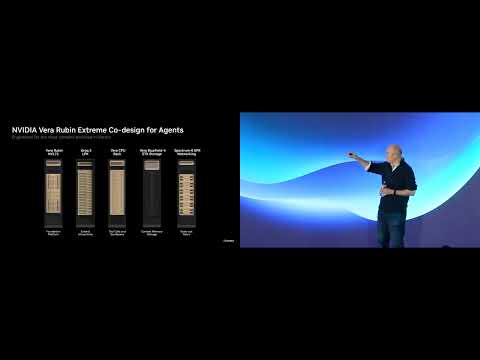



Industry Resources
| Information Technology Resources |
| TechCrunch |
| Wired |
| CIO |
| MIT Technology Review |
| Gartner Insights |
| Ars Technica |
| Semiconductors Resources |
| EE Times |
| Semiconductor Engineering |
| Semiconductor Digest |
External Quote Links
| Y Finance | Barrons |
| TradingView | Morningstar |
| SeekingAlpha | ValueLine |
| Motley Fool | Robinhood |
| CNBC | Etrade |
| MarketWatch | Unusual Whales |
| YCharts | Perplexity Finance |
| FinViz |
Prefer one of these to Trefis? Tell us why.