
Pacific Biosciences of California (PACB)
Market Price (9/24/2026): $1.56 | Market Cap: $484.6 MilSector: Health Care | Industry: Life Sciences Tools & Services
Pacific Biosciences of California (PACB)
Market Price (9/24/2026): $1.56Market Cap: $484.6 MilSector: Health CareIndustry: Life Sciences Tools & Services
Investment Highlights Why It Matters Detailed financial logic regarding cash flow yields vs trend-riding momentum.
Megatrend and thematic driversMegatrends include Biotechnology & Genomics, and Precision Medicine. Themes include Advanced Diagnostics, Personalized Diagnostics, Show more. | Weak multi-year price returns2Y Excs Rtn is -64%, 3Y Excs Rtn is -158% Meaningful short interestShort Interest % of Basic SharesShort Interest % of Basic Shares = (Short Interest Quantity) / (Basic Shares Outstanding). A high fraction of short interest can indicate potential risk of a short squeeze. is 16% | Not profitable at operating income levelOp Inc LTMOperating Income, Last Twelve Months is -179 Mil, Op Mgn LTMOperating Margin = Operating Income / Revenue Reflects profitability before taxes and before impact of capital structure (interest payments). is -112% Debt is significantNet D/ENet Debt/Equity. Debt net of cash. Negative indicates net cash. Equity is taken as the Market Capitalization is 107% Weak revenue growthRev Chg QQuarterly Revenue Change % is -1.9% Significant share based compensationSBC/Rev LTMShare Based Compensation / Revenue (Sales), Last Twelve Months (LTM) is 22% Not cash flow generativeCFO/Rev LTMCash Flow from Operations / Revenue (Sales), Last Twelve Months (LTM) is -74%, FCF/Rev LTMFree Cash Flow / Revenue (Sales), Last Twelve Months (LTM) is -82% Yield minus risk free rate is negativeERPEquity Risk Premium (ERP) = Total Yield - Risk Free Rate, Reflects the premium above risk free assets offered by the investment. is -34% Key risksPACB key risks include [1] a precarious financial position marked by significant operating losses and a high cash burn rate, Show more. |
| Megatrend and thematic driversMegatrends include Biotechnology & Genomics, and Precision Medicine. Themes include Advanced Diagnostics, Personalized Diagnostics, Show more. |
| Weak multi-year price returns2Y Excs Rtn is -64%, 3Y Excs Rtn is -158% |
| Meaningful short interestShort Interest % of Basic SharesShort Interest % of Basic Shares = (Short Interest Quantity) / (Basic Shares Outstanding). A high fraction of short interest can indicate potential risk of a short squeeze. is 16% |
| Not profitable at operating income levelOp Inc LTMOperating Income, Last Twelve Months is -179 Mil, Op Mgn LTMOperating Margin = Operating Income / Revenue Reflects profitability before taxes and before impact of capital structure (interest payments). is -112% |
| Debt is significantNet D/ENet Debt/Equity. Debt net of cash. Negative indicates net cash. Equity is taken as the Market Capitalization is 107% |
| Weak revenue growthRev Chg QQuarterly Revenue Change % is -1.9% |
| Significant share based compensationSBC/Rev LTMShare Based Compensation / Revenue (Sales), Last Twelve Months (LTM) is 22% |
| Not cash flow generativeCFO/Rev LTMCash Flow from Operations / Revenue (Sales), Last Twelve Months (LTM) is -74%, FCF/Rev LTMFree Cash Flow / Revenue (Sales), Last Twelve Months (LTM) is -82% |
| Yield minus risk free rate is negativeERPEquity Risk Premium (ERP) = Total Yield - Risk Free Rate, Reflects the premium above risk free assets offered by the investment. is -34% |
| Key risksPACB key risks include [1] a precarious financial position marked by significant operating losses and a high cash burn rate, Show more. |
Qualitative Assessment
AI Analysis | Feedback
Pacific Biosciences of California (PACB) stock has lost about 5% since 5/31/2026 because of the following key factors:
1. Disappointing Fiscal Q2 2026 Financial Results and Lowered Full-Year Guidance.
Pacific Biosciences reported its fiscal Q2 2026 results (period ended June 30, 2026) on August 5, 2026, with total revenue of $39.0 million, missing analyst expectations of $40.69 million and representing a 2% decline from Q2 2025. The company also reported a GAAP net loss per share of -$0.14, which missed analyst estimates of -$0.13. Following these results, management lowered its full-year 2026 revenue guidance to a range of $155 million to $165 million and delayed its cash flow breakeven target by one year to 2028, signaling concerns about future profitability and growth. This negative financial outlook exerted downward pressure, contributing to the stock's stagnant performance.
2. Contraction in Gross Margin Driven by Increased Costs.
The company experienced a decline in its non-GAAP gross margin to 36% in fiscal Q2 2026, down from 38% in the same quarter of the prior year. This contraction was primarily attributed to higher compute and memory costs, manufacturing transition costs for its Vega system, and reduced average selling prices for Revio systems due to strategic multi-system customer placements. These rising operational costs and pricing pressures impacted profitability and investor confidence, preventing significant upward movement in the stock.
Show more
Pacific Biosciences of California (PACB) stock has lost about 5% since 5/31/2026 because of the following key factors:
1. Disappointing Fiscal Q2 2026 Financial Results and Lowered Full-Year Guidance.
Pacific Biosciences reported its fiscal Q2 2026 results (period ended June 30, 2026) on August 5, 2026, with total revenue of $39.0 million, missing analyst expectations of $40.69 million and representing a 2% decline from Q2 2025. The company also reported a GAAP net loss per share of -$0.14, which missed analyst estimates of -$0.13. Following these results, management lowered its full-year 2026 revenue guidance to a range of $155 million to $165 million and delayed its cash flow breakeven target by one year to 2028, signaling concerns about future profitability and growth. This negative financial outlook exerted downward pressure, contributing to the stock's stagnant performance.
2. Contraction in Gross Margin Driven by Increased Costs.
The company experienced a decline in its non-GAAP gross margin to 36% in fiscal Q2 2026, down from 38% in the same quarter of the prior year. This contraction was primarily attributed to higher compute and memory costs, manufacturing transition costs for its Vega system, and reduced average selling prices for Revio systems due to strategic multi-system customer placements. These rising operational costs and pricing pressures impacted profitability and investor confidence, preventing significant upward movement in the stock.
3. New Product Innovations Counterbalanced by Execution Doubts.
Despite the global commercial launch of the SPRQ-Nx chemistry in May 2026, which aims to reduce the cost of whole-genome sequencing to $345 per genome, and the subsequent availability of SPRQ-Nx for the Vega system in August 2026 to further decrease costs, investor reaction to the Q2 2026 earnings report indicated skepticism regarding the company's ability to effectively translate these product advancements into sustainable revenue growth and improved financial performance. The market's focus shifted towards execution and profitability, offsetting positive sentiment from product developments.
4. Leadership Transition Amidst Financial Challenges.
The period also saw a significant leadership change, with Mark Van Oene appointed as the new President and CEO, succeeding Christian Henry, around the time of the fiscal Q2 2026 earnings release. While a leadership change can sometimes be viewed positively, it can also introduce a period of uncertainty as investors await clear strategic direction and evidence of improved operational execution from the new management, contributing to a holding pattern for the stock.
Show less
Stock Movement Drivers
Fundamental Drivers
The -5.4% change in PACB stock from 5/31/2026 to 9/23/2026 was primarily driven by a -3.4% change in the company's P/S Multiple.| (LTM values as of) | 5312026 | 9232026 | Change |
|---|---|---|---|
| Stock Price ($) | 1.49 | 1.41 | -5.4% |
| Change Contribution By: | |||
| Total Revenues ($ Mil) | 160 | 159 | -0.5% |
| P/S Multiple | 2.8 | 2.8 | -3.4% |
| Shares Outstanding (Mil) | 306 | 311 | -1.6% |
| Cumulative Contribution | -5.4% |
Market Drivers
5/31/2026 to 9/23/2026| Return | Correlation | |
|---|---|---|
| PACB | -5.4% | |
| Market (SPY) | 1.8% | 31.7% |
| Sector (XLV) | 13.4% | 16.5% |
Fundamental Drivers
The -16.1% change in PACB stock from 2/28/2026 to 9/23/2026 was primarily driven by a -13.2% change in the company's P/S Multiple.| (LTM values as of) | 2282026 | 9232026 | Change |
|---|---|---|---|
| Stock Price ($) | 1.68 | 1.41 | -16.1% |
| Change Contribution By: | |||
| Total Revenues ($ Mil) | 160 | 159 | -0.5% |
| P/S Multiple | 3.2 | 2.8 | -13.2% |
| Shares Outstanding (Mil) | 302 | 311 | -2.8% |
| Cumulative Contribution | -16.1% |
Market Drivers
2/28/2026 to 9/23/2026| Return | Correlation | |
|---|---|---|
| PACB | -16.1% | |
| Market (SPY) | 12.5% | 39.8% |
| Sector (XLV) | 6.3% | 25.9% |
Fundamental Drivers
The 7.6% change in PACB stock from 8/31/2025 to 9/23/2026 was primarily driven by a 9.2% change in the company's P/S Multiple.| (LTM values as of) | 8312025 | 9232026 | Change |
|---|---|---|---|
| Stock Price ($) | 1.31 | 1.41 | 7.6% |
| Change Contribution By: | |||
| Total Revenues ($ Mil) | 156 | 159 | 2.0% |
| P/S Multiple | 2.5 | 2.8 | 9.2% |
| Shares Outstanding (Mil) | 300 | 311 | -3.4% |
| Cumulative Contribution | 7.6% |
Market Drivers
8/31/2025 to 9/23/2026| Return | Correlation | |
|---|---|---|
| PACB | 7.6% | |
| Market (SPY) | 20.3% | 35.4% |
| Sector (XLV) | 25.0% | 24.3% |
Fundamental Drivers
The -87.5% change in PACB stock from 8/31/2023 to 9/23/2026 was primarily driven by a -85.8% change in the company's P/S Multiple.| (LTM values as of) | 8312023 | 9232026 | Change |
|---|---|---|---|
| Stock Price ($) | 11.28 | 1.41 | -87.5% |
| Change Contribution By: | |||
| Total Revenues ($ Mil) | 146 | 159 | 9.0% |
| P/S Multiple | 19.3 | 2.8 | -85.8% |
| Shares Outstanding (Mil) | 250 | 311 | -19.5% |
| Cumulative Contribution | -87.5% |
Market Drivers
8/31/2023 to 9/23/2026| Return | Correlation | |
|---|---|---|
| PACB | -87.5% | |
| Market (SPY) | 77.0% | 31.7% |
| Sector (XLV) | 33.2% | 22.9% |
Price Returns Compared
| 2021 | 2022 | 2023 | 2024 | 2025 | 2026 | Total [1] | |
|---|---|---|---|---|---|---|---|
| Returns | |||||||
| PACB Return | -21% | -60% | 20% | -81% | 2% | -21% | -94% |
| Peers Return | 23% | -38% | -2% | -16% | 4% | 109% | 37% |
| S&P 500 Return | 27% | -19% | 24% | 23% | 16% | 13% | 107% |
Monthly Win Rates [3] | |||||||
| PACB Win Rate | 33% | 33% | 50% | 33% | 25% | 44% | |
| Peers Win Rate | 67% | 33% | 52% | 43% | 53% | 67% | |
| S&P 500 Win Rate | 75% | 42% | 67% | 75% | 67% | 56% | |
Max Drawdowns [4] | |||||||
| PACB Max Drawdown | -62% | -81% | -58% | -88% | -57% | -58% | |
| Peers Max Drawdown | -23% | -50% | -43% | -34% | -44% | -27% | |
| S&P 500 Max Drawdown | -5% | -25% | -10% | -8% | -19% | -9% | |
[1] Cumulative total returns since the beginning of 2021
[2] Peers: ILMN, TMO, A, BIO, TXG. See PACB Returns vs. Peers.
[3] Win Rate = % of calendar months in which monthly returns were positive
[4] Max drawdown represents maximum peak-to-trough decline within a year
[5] 2026 data is for the year up to 9/23/2026 (YTD)
How Low Can It Go
| Event | PACB | S&P 500 |
|---|---|---|
| 2025 US Tariff Shock | ||
| % Loss | -48.6% | -18.8% |
| % Gain to Breakeven | 94.5% | 23.1% |
| Time to Breakeven | 146 days | 79 days |
| 2023 SVB Regional Banking Crisis | ||
| % Loss | -19.1% | -6.7% |
| % Gain to Breakeven | 23.6% | 7.1% |
| Time to Breakeven | 21 days | 31 days |
| 2020 COVID-19 Crash | ||
| % Loss | -47.4% | -33.7% |
| % Gain to Breakeven | 90.3% | 50.9% |
| Time to Breakeven | 142 days | 140 days |
| Q4 2018 Fed Policy Error / Growth Scare | ||
| % Loss | -16.5% | -19.2% |
| % Gain to Breakeven | 19.8% | 23.8% |
| Time to Breakeven | 9 days | 105 days |
| 2016-2017 Trump Reflation Bond Selloff | ||
| % Loss | -64.2% | -3.7% |
| % Gain to Breakeven | 179.3% | 3.9% |
| Time to Breakeven | 1194 days | 6 days |
| 2015-2016 China Devaluation / Global Growth Scare | ||
| % Loss | -21.8% | -12.2% |
| % Gain to Breakeven | 27.9% | 13.9% |
| Time to Breakeven | 1 days | 62 days |
In The Past
Pacific Biosciences of California's stock fell -48.6% during the 2025 US Tariff Shock. Such a loss loss requires a 94.5% gain to breakeven.
Preserve Wealth
Limiting losses and compounding gains is essential to preserving wealth.
Asset Allocation
Actively managed asset allocation strategies protect wealth. Learn more.
| Event | PACB | S&P 500 |
|---|---|---|
| 2025 US Tariff Shock | ||
| % Loss | -48.6% | -18.8% |
| % Gain to Breakeven | 94.5% | 23.1% |
| Time to Breakeven | 146 days | 79 days |
| 2020 COVID-19 Crash | ||
| % Loss | -47.4% | -33.7% |
| % Gain to Breakeven | 90.3% | 50.9% |
| Time to Breakeven | 142 days | 140 days |
| 2016-2017 Trump Reflation Bond Selloff | ||
| % Loss | -64.2% | -3.7% |
| % Gain to Breakeven | 179.3% | 3.9% |
| Time to Breakeven | 1194 days | 6 days |
| 2015-2016 China Devaluation / Global Growth Scare | ||
| % Loss | -21.8% | -12.2% |
| % Gain to Breakeven | 27.9% | 13.9% |
| Time to Breakeven | 1 days | 62 days |
| 2014-2016 Oil Price Collapse | ||
| % Loss | -37.5% | -6.8% |
| % Gain to Breakeven | 60.1% | 7.3% |
| Time to Breakeven | 2 days | 15 days |
| 2011 US Debt Ceiling Crisis & European Contagion | ||
| % Loss | -77.1% | -17.9% |
| % Gain to Breakeven | 337.5% | 21.8% |
| Time to Breakeven | 1536 days | 123 days |
In The Past
Pacific Biosciences of California's stock fell -48.6% during the 2025 US Tariff Shock. Such a loss loss requires a 94.5% gain to breakeven.
Preserve Wealth
Limiting losses and compounding gains is essential to preserving wealth.
Asset Allocation
Actively managed asset allocation strategies protect wealth. Learn more.
About Pacific Biosciences of California (PACB)
Pacific Biosciences of California, Inc. (PACB) is a life sciences company that specializes in designing, developing, and manufacturing advanced genetic sequencing systems. The company's core mission is to help resolve genetically complex problems by providing high-quality, long-read sequencing solutions. Their proprietary Single Molecule Real-Time (SMRT) technology enables researchers to conduct, monitor, and analyze biochemical sequencing reactions, offering detailed insights into complex genomes.
PACB's main products consist of its PacBio Sequencing Systems, which are instruments that carry out the sequencing process. These systems are supported by a range of consumable products vital for their operation. These consumables include SMRT cells, where the sequencing reactions take place, and various reagent kits. These kits facilitate critical steps such as template preparation (converting DNA into specific library formats), binding (attaching DNA polymerase), and the actual sequencing (providing necessary nucleotides for real-time analysis).
The company serves a broad spectrum of customers globally, primarily within the research and clinical sectors. Its client base includes research institutions, commercial laboratories, genome centers, public health labs, hospitals, clinical research institutes, and academic institutions. PACB also supports pharmaceutical and agricultural companies. The company markets its products through a direct sales force in North America and Europe, and via distribution partners in Asia, Europe, the Middle East, Africa, and Latin America, with a significant development and commercialization agreement with Invitae Corporation.
```AI Analysis | Feedback
Here are a few analogies to describe Pacific Biosciences of California (PACB):
- Like **Illumina**, but specializing in advanced, long-read DNA sequencing technology for complex genetic problems.
- Think of them as the **Keurig** or **Gillette** for cutting-edge genomic research: they sell specialized DNA sequencing machines, and customers then buy their proprietary consumables (like coffee pods or razor blades) to keep using them.
AI Analysis | Feedback
- PacBio's Systems: Sequencing systems that conduct, monitor, and analyze biochemical sequencing reactions to resolve genetically complex problems.
- SMRT Cells: Consumable products utilized in the sequencing process.
- Reagent Kits: Various kits, including template preparation, binding, and sequencing kits, providing molecular biology reagents for specific DNA sequencing workflows.
AI Analysis | Feedback
Pacific Biosciences of California (PACB) sells its sequencing systems and related products primarily to various types of organizations and companies. Based on the provided description, the major customers fall into the following categories:
- Research institutions
- Commercial laboratories
- Genome centers
- Public health labs
- Hospitals and clinical research institutes
- Contract research organizations
- Academic institutions
- Pharmaceutical companies
- Agricultural companies
The provided background information does not list specific names of customer companies.
AI Analysis | Feedback
AI Analysis | Feedback
Christian O. Henry, President & Chief Executive Officer
Christian O. Henry joined Pacific Biosciences of California, Inc. as President and Chief Executive Officer in September 2020. He previously served as a director since 2018 and held the role of interim Chief Financial Officer from December 2024 to March 2025. Prior to his time at PacBio, Mr. Henry spent over a decade at Illumina, Inc. (2005-2017), where he held various executive positions including Chief Financial Officer, Chief Commercial Officer, and General Manager of the Life Sciences Business. He also served as Chief Financial Officer for Tickets.com, a publicly traded online ticket provider that was acquired by Major League Baseball Advanced Media, LP. His experience also includes roles as Vice President of Finance and Corporate Controller for Affymetrix, Inc. and Nektar Therapeutics. Mr. Henry has also served as chairman of the board for WAVE Life Sciences Ltd. and on the board of Gingko Bioworks, Inc.
Jim Gibson, Chief Financial Officer
Jim Gibson was appointed as Chief Financial Officer of Pacific Biosciences, effective March 31, 2025. He brings over three decades of financial leadership experience to the company. Prior to joining PacBio, Mr. Gibson served as CFO at Sequoia and Willow Innovations, where he was instrumental in raising $132 million. He has held executive roles at several prominent companies, including GoDaddy, Tesla, Apple, Netflix, and Affymetrix, where he contributed to scaling businesses, integrating acquisitions, and securing over $1 billion in capital.
Mark Van Oene, Chief Operating Officer
Mark Van Oene joined Pacific Biosciences of California, Inc. as Chief Operating Officer in January 2021. In this role, he oversees research, development, quality, manufacturing, strategic planning, and corporate development. Before PacBio, Mr. Van Oene served as Senior Vice President and Chief Commercial Officer at Illumina, Inc., where he was key to developing and implementing commercial strategy and managing annual revenues exceeding $3 billion. He began his career at Illumina in 2006, progressing through various senior leadership roles. Earlier, he was Director of Genotyping Services at Ellipsis Biotherapeutics Corp.
Brett Atkins, JD, PhD, General Counsel
Brett Atkins serves as the General Counsel of Pacific Biosciences of California, Inc. He possesses nearly two decades of corporate legal experience within the life sciences industry. In his role, Dr. Atkins is responsible for all legal matters at PacBio, providing counsel on corporate securities and governance, SEC reporting, mergers and acquisitions, and intellectual property transactions. Before joining PacBio, he held senior-level corporate attorney positions at publicly traded biotech and pharmaceutical companies, and prior to that, at large international law firms with a focus on the life sciences sector.
Natalie Welch, Chief People Officer
Natalie Welch joined Pacific Biosciences of California, Inc. in 2008 and serves as the Chief People Officer. She is responsible for leading the company's comprehensive human resources strategy, global talent management, organizational design, and culture and community development. Ms. Welch is a results-driven executive with multiple decades of experience across diverse industries and geographies. Prior to her tenure at PacBio, she managed people relations, talent planning, and learning and development initiatives for a large hospitality company.
AI Analysis | Feedback
The key risks for Pacific Biosciences of California (PACB) revolve around its challenging financial health, intense competition within the genomic sequencing market, and various market and operational headwinds.
- Financial Health and Path to Profitability: Pacific Biosciences is currently operating at a significant net loss and faces substantial cash burn, raising concerns about its long-term financial sustainability. The company has high debt levels, and analysts project continued net losses, with some estimating the path to profitability could extend as far as 2030. Despite a positive shift towards a consumables-driven revenue model, volatile instrument sales continue to impact overall revenue.
- Intense Competition and Rapid Technological Advancements: The genomic sequencing market is highly competitive, with established players like Illumina in short-read sequencing and other long-read competitors such as Oxford Nanopore. Pacific Biosciences' market position, particularly its leadership in long-read sequencing, could be eroded if competitors achieve significant breakthroughs that improve accuracy or reduce the cost of their technologies. The company must also strive to make its HiFi genome sequencing cost-competitive with short-read technologies at scale. There is also a risk of customers delaying purchases of current consumables while anticipating competitive product launches.
- Market and Operational Headwinds: Pacific Biosciences experiences volatile instrument sales and longer-than-expected purchasing cycles for its systems. These delays are attributed to factors such as funding uncertainties, procurement slowdowns in certain regions (e.g., Asia-Pacific and Europe), and slower sample volume growth from smaller customers. The company's business is also subject to seasonality influenced by customer budgeting cycles, particularly from government-funded clients. Additionally, broader macroeconomic conditions and geopolitical instability can further impact sales and operational stability.
AI Analysis | Feedback
The continuous technological advancements and increasing market adoption of Oxford Nanopore Technologies (ONT)'s sequencing platforms, especially improvements in accuracy, throughput, and cost-effectiveness within the long-read sequencing market, represent a clear emerging threat to Pacific Biosciences of California's market share and the differentiation of its proprietary SMRT sequencing technology.
AI Analysis | Feedback
The addressable markets for Pacific Biosciences of California (PACB) main products and services, which primarily include Single Molecule, Real-Time (SMRT) sequencing systems and associated consumables, can be assessed within the broader long-read sequencing and specific SMRT sequencing markets.
Global Market Sizes
- The global long-read sequencing market was valued at approximately $2.59 billion in 2025 and is projected to reach $16.70 billion by 2033, growing at a Compound Annual Growth Rate (CAGR) of 26.25% from 2025 to 2033.
- Within the long-read sequencing market, the single-molecule real-time (SMRT) sequencing segment held a significant share, with SMRT HiFi sequencing holding 58.92% of the long-read sequencing market share in 2025.
- The global single-molecule real-time (SMRT) sequencing market, a core technology for Pacific Biosciences, was valued at $2.92 billion in 2025 and is projected to reach $5.32 billion by 2030, advancing at a CAGR of 12.8% from 2025 to 2030.
- Consumables, which are a key offering of Pacific Biosciences, represented the largest revenue share in related markets. In 2024, the consumables segment led the long-read sequencing market, holding a dominant share of 58.2%. Additionally, consumables and reagents accounted for 48.78% of the long-read sequencing market revenue share in 2025. The consumables segment also held the largest market revenue share of 51.7% in the SMRT sequencing market in 2024.
Regional Market Sizes
- North America is a dominant region in these markets. In 2025, North America accounted for the largest share of the long-read sequencing market, at 53.82%.
- The U.S. long-read sequencing market size alone was valued at $299.65 million in 2025 and is projected to reach $358.87 million in 2026.
- North America also accounted for a 44.3% revenue share in the single-molecule real-time (SMRT) sequencing market in 2024.
AI Analysis | Feedback
Expected Drivers of Future Revenue Growth for Pacific Biosciences of California (PACB)
Pacific Biosciences of California (PACB) anticipates several key drivers to fuel its revenue growth over the next 2-3 years, primarily centered on enhanced product adoption, technological advancements, and strategic market expansion.
- Increased Adoption and Utilization of Revio and Vega Systems: The company expects continued revenue growth from the expanding installed base and consistent utilization of its flagship Revio and Vega sequencing platforms. Strong instrument placements for both systems and record consumable revenue in Q4 2025 underscore this trend. A significant factor in this growth is the ongoing shift of clinical customers from pilot testing to broader clinical adoption, particularly observed in the EMEA region.
- Launch and Adoption of SparkNex Chemistry: The anticipated launch of the SparkNex chemistry is a significant future revenue driver. This next-generation consumable chemistry is designed to enhance sequencing capabilities, reduce costs per genome, and support higher throughput. By making long-read sequencing more affordable, SparkNex is expected to catalyze broader adoption across population and clinical projects, driving system utilization and expanding market share.
- Expansion into Clinical and Population-Scale Sequencing Markets: Pacific Biosciences is focused on increasing the adoption of its HiFi long-read sequencing technology, especially in clinical applications and large-scale whole genome projects. Initiatives like the iHope program for rare disease genomic testing, collaborations for developing therapies for ultra-rare diseases, and the adoption of HiFi for investigating sudden unexplained death in childhood exemplify this expansion. Furthermore, regulatory approval in China for clinical long-read sequencing is expected to contribute to revenue growth in the Asia Pacific region.
- Growth in Consumables Revenue: A consistent and significant driver of revenue growth is the increased sales of consumables, which include SMRT cells and various reagent kits. This growth is directly linked to the expanding installed base of Revio and Vega systems and the consistent, high utilization of these instruments by customers across research institutions and clinical laboratories.
- Geographic Expansion, Particularly in EMEA: The Europe, Middle East, and Africa (EMEA) region has demonstrated strong revenue growth, with a 45% increase year-over-year in Q4 2025. This growth is attributed to higher Vega instrument shipments and increased Revio consumable usage, as more clinical customers in the region transition from pilot testing to broader clinical implementation. This regional momentum is expected to continue contributing to overall revenue growth.
AI Analysis | Feedback
Share Issuance
- In February 2021, SoftBank Group Corp. invested $900 million in Pacific Biosciences through convertible senior notes. These notes had an initial conversion price of $43.50 per share.
- In July 2021, Pacific Biosciences agreed to sell approximately 11.2 million shares of its common stock in a private placement, raising approximately $300 million, in connection with the acquisition of Omniome.
- In January 2023, the company announced a proposed underwritten public offering to sell $150.0 million of its common stock, with an option for underwriters to purchase an additional $22.5 million in shares.
Inbound Investments
- In February 2021, SB Management, a subsidiary of SoftBank Group Corp., made a strategic investment of $900 million in Pacific Biosciences through convertible senior notes to support future growth initiatives.
- As part of the Omniome acquisition in July 2021, Pacific Biosciences secured $300 million in Private Investment in Public Equity (PIPE) financing from a syndicate of life science investors, including existing investors like Casdin Capital and SB Northstar LP.
Outbound Investments
- In July 2021, Pacific Biosciences entered into a definitive agreement to acquire Omniome, a company specializing in high-accuracy short-read sequencing, for an overall transaction valued at approximately $800 million. The upfront consideration included approximately $300 million in cash and 9.4 million shares of PacBio common stock. The acquisition closed in September 2021.
- In February 2026, Pacific Biosciences sold its short-read sequencing assets, generating net proceeds of approximately $48 million, as part of a strategic plan to focus on its long-read sequencing portfolio.
Capital Expenditures
- Pacific Biosciences consistently invests significantly in research and development to advance new and existing sequencing platforms, increase throughput, and reduce costs.
- Capital expenditures are projected to be approximately $6.188 million for the full year 2025, which is a decrease from $8.843 million in 2024 and $16.75 million in 2023.
- The company's operating needs include capital expenditures, with proceeds from a January 2023 public offering intended for purposes such as research and development and commercial infrastructure expansion.
Peer Outperformance in Life Sciences Tools & Services
| Industry | Names | 1Y med | 3Y med | 5Y med | Top 3 by 5Y |
|---|---|---|---|---|---|
| Health Care Distributors | 6 | 11.6% | 44.3% | 89.1% | CAH 382% · MCK 344% · COR 169% |
| Managed Health Care | 8 | 33.1% | -7.9% | -0.7% | OSCR 80% · HQY 37% · ELV 12% |
| Health Care Services | 20 | 18.1% | 34.7% | -2.4% | HIMS 250% · RDNT 151% · DGX 68% |
| Health Care Facilities | 24 | 5.4% | 11.5% | -4.7% | NHC 271% · THC 259% · ENSG 135% |
| Health Care Equipment | 50 | -1.9% | -1.3% | -20.7% | POCI 11788% · UFPT 362% · GKOS 203% |
| Health Care Supplies | 12 | 20.3% | -6.4% | -38.9% | LNTH 271% · HAE 54% · MMSI 20% |
| Pharmaceuticals | 63 | -9.2% | 9.6% | -40.4% | LQDA 2252% · INDV 1097% · ETON 1010% |
| Life Sciences Tools & Services ← | 113 | 4.7% | -9.1% | -68.4% | SNWV 1820% · NTRA 231% · MEDP 211% |
| Health Care Technology | 21 | -26.8% | -50.0% | -78.6% | SPOK 71% · HSTM 1% · VEEV -10% |
| Biotechnology | 378 | -4.0% | -21.9% | -79.0% | CELZ 1291% · DNTH 1151% · ELVN 997% |
Latest Trefis Analyses
Research & Analysis
Invest in Strategies
Wealth Management
Peer Comparisons
| Peers to compare with: |
Financials
| Median | |
|---|---|
| Name | |
| Mkt Price | 210.35 |
| Mkt Cap | 24.3 |
| Rev LTM | 3,541 |
| Op Inc LTM | 558 |
| FCF LTM | 642 |
| FCF 3Y Avg | 533 |
| CFO LTM | 794 |
| CFO 3Y Avg | 690 |
Growth & Margins
| Median | |
|---|---|
| Name | |
| Rev Chg LTM | 3.5% |
| Rev Chg 3Y Avg | 2.1% |
| Rev Chg Q | 4.0% |
| QoQ Delta Rev Chg LTM | 1.0% |
| Op Inc Chg LTM | 10.9% |
| Op Inc Chg 3Y Avg | 5.7% |
| Op Mgn LTM | 13.5% |
| Op Mgn 3Y Avg | 11.8% |
| QoQ Delta Op Mgn LTM | -0.0% |
| CFO/Rev LTM | 20.0% |
| CFO/Rev 3Y Avg | 18.8% |
| FCF/Rev LTM | 16.5% |
| FCF/Rev 3Y Avg | 13.8% |
Price Behavior
| Market Price | $1.41 | |
| Market Cap ($ Bil) | 0.4 | |
| First Trading Date | 10/27/2010 | |
| Distance from 52W High | -47.2% | |
| 50 Days | 200 Days | |
| DMA Price | $1.34 | $1.58 |
| DMA Trend | down | down |
| Distance from DMA | 5.4% | -10.9% |
| 3M | 1YR | |
| Volatility | 82.5% | 88.7% |
| Downside Capture | 457.08 | 307.98 |
| Upside Capture | 349.46 | 266.03 |
| Correlation (SPY) | 28.3% | 35.8% |
| 1M | 2M | 3M | 6M | 1Y | 3Y | |
|---|---|---|---|---|---|---|
| Beta | 3.80 | 2.78 | 2.05 | 2.40 | 2.49 | 2.06 |
| Up Beta | -3.82 | -0.30 | -0.70 | 0.77 | 2.32 | 2.01 |
| Down Beta | -4.78 | -3.66 | 0.57 | 1.85 | 1.36 | 0.88 |
| Up Capture | 856% | 500% | 424% | 395% | 626% | 1559% |
| Bmk +ve Days | 10 | 21 | 32 | 68 | 138 | 427 |
| Stock +ve Days | 9 | 17 | 27 | 57 | 112 | 331 |
| Down Capture | 1041% | 564% | 304% | 249% | 181% | 113% |
| Bmk -ve Days | 11 | 21 | 32 | 59 | 113 | 324 |
| Stock -ve Days | 11 | 23 | 32 | 61 | 124 | 384 |
[1] Upside and downside betas calculated using positive and negative benchmark daily returns respectively
Based On 1-Year Data
| Annualized Return | Annualized Volatility | Sharpe Ratio | Correlation with PACB | |
|---|---|---|---|---|
| PACB | 9.3% | 88.5% | 0.48 | - |
| Sector ETF (XLV) | 25.2% | 16.1% | 1.20 | 23.3% |
| Equity (SPY) | 16.2% | 13.0% | 0.88 | 36.0% |
| Gold (GLD) | 13.9% | 29.3% | 0.44 | 24.1% |
| Commodities (DBC) | 46.6% | 20.7% | 1.75 | -9.3% |
| Real Estate (VNQ) | 4.5% | 13.7% | 0.08 | 17.9% |
| Bitcoin (BTCUSD) | -23.2% | 44.8% | -0.46 | 26.5% |
Smart multi-asset allocation framework can stack odds in your favor. Learn How
Based On 5-Year Data
| Annualized Return | Annualized Volatility | Sharpe Ratio | Correlation with PACB | |
|---|---|---|---|---|
| PACB | -44.7% | 95.1% | -0.18 | - |
| Sector ETF (XLV) | 6.6% | 15.2% | 0.25 | 30.9% |
| Equity (SPY) | 12.9% | 17.2% | 0.57 | 43.1% |
| Gold (GLD) | 18.6% | 18.8% | 0.80 | 13.8% |
| Commodities (DBC) | 10.5% | 19.5% | 0.41 | 3.1% |
| Real Estate (VNQ) | 0.8% | 18.9% | -0.06 | 35.3% |
| Bitcoin (BTCUSD) | 12.5% | 52.6% | 0.41 | 24.4% |
Smart multi-asset allocation framework can stack odds in your favor. Learn How
Based On 10-Year Data
| Annualized Return | Annualized Volatility | Sharpe Ratio | Correlation with PACB | |
|---|---|---|---|---|
| PACB | -16.1% | 85.2% | 0.19 | - |
| Sector ETF (XLV) | 10.8% | 16.7% | 0.53 | 27.4% |
| Equity (SPY) | 15.5% | 17.9% | 0.73 | 36.3% |
| Gold (GLD) | 12.1% | 16.4% | 0.60 | 11.6% |
| Commodities (DBC) | 8.5% | 18.1% | 0.38 | 5.3% |
| Real Estate (VNQ) | 4.9% | 20.7% | 0.20 | 29.8% |
| Bitcoin (BTCUSD) | 64.2% | 66.2% | 1.04 | 17.6% |
Smart multi-asset allocation framework can stack odds in your favor. Learn How
Returns Analyses
Earnings Returns History
Updated 9/8/2026| Forward Returns | |||
|---|---|---|---|
| Earnings Date | 1D Returns | 5D Returns | 21D Returns |
| 8/5/2026 | -10.4% | -14.6% | 0.0% |
| 5/7/2026 | -14.5% | -26.7% | -16.4% |
| 2/12/2026 | -7.1% | -12.5% | -26.1% |
| 11/5/2025 | -7.0% | -9.1% | 21.1% |
| 8/7/2025 | 7.1% | -2.4% | -0.8% |
| 5/8/2025 | -6.7% | -11.7% | 0.0% |
| 2/13/2025 | 25.0% | 4.1% | -16.2% |
| 11/7/2024 | -6.1% | -24.3% | -11.0% |
| ... | |||
| SUMMARY STATS | |||
| # Positive | 10 | 8 | 11 |
| # Negative | 13 | 15 | 12 |
| Median Positive | 7.2% | 9.3% | 10.5% |
| Median Negative | -8.0% | -12.5% | -20.9% |
| Max Positive | 25.0% | 47.6% | 35.8% |
| Max Negative | -14.5% | -36.0% | -45.0% |
| Forward Returns | |||
|---|---|---|---|
| Earnings Date | 1D Returns | 5D Returns | 21D Returns |
| 8/5/2026 | -10.4% | -14.6% | 0.0% |
| 5/7/2026 | -14.5% | -26.7% | -16.4% |
| 2/12/2026 | -7.1% | -12.5% | -26.1% |
| 11/5/2025 | -7.0% | -9.1% | 21.1% |
| 8/7/2025 | 7.1% | -2.4% | -0.8% |
| 5/8/2025 | -6.7% | -11.7% | 0.0% |
| 2/13/2025 | 25.0% | 4.1% | -16.2% |
| 11/7/2024 | -6.1% | -24.3% | -11.0% |
| 8/7/2024 | 9.2% | -11.8% | 3.3% |
| 5/9/2024 | 2.9% | 27.3% | 9.9% |
| 2/15/2024 | -13.9% | -23.4% | -45.0% |
| 10/30/2023 | -13.1% | -4.4% | 23.6% |
| 8/2/2023 | -8.0% | -6.7% | -9.9% |
| 5/2/2023 | 4.0% | 6.5% | 13.8% |
| 2/16/2023 | -3.2% | -18.8% | -22.6% |
| 11/7/2022 | 7.2% | 20.3% | 10.5% |
| 8/3/2022 | 11.5% | 47.6% | 13.1% |
| 5/4/2022 | -11.9% | -36.0% | -30.2% |
| 11/2/2021 | 5.5% | 3.7% | -22.9% |
| 8/3/2021 | 6.4% | 1.6% | 6.2% |
| 4/29/2021 | -10.8% | -27.2% | -19.2% |
| 2/10/2021 | 11.4% | -6.9% | -26.2% |
| 11/2/2020 | -4.1% | 12.1% | 35.8% |
| SUMMARY STATS | |||
| # Positive | 10 | 8 | 11 |
| # Negative | 13 | 15 | 12 |
| Median Positive | 7.2% | 9.3% | 10.5% |
| Median Negative | -8.0% | -12.5% | -20.9% |
| Max Positive | 25.0% | 47.6% | 35.8% |
| Max Negative | -14.5% | -36.0% | -45.0% |
SEC Filings
Expand for More| Report Date | Filing Date | Filing |
|---|---|---|
| 06/30/2026 | 08/06/2026 | 10-Q |
| 03/31/2026 | 05/08/2026 | 10-Q |
| 12/31/2025 | 02/25/2026 | 10-K |
| 09/30/2025 | 11/06/2025 | 10-Q |
| 06/30/2025 | 08/07/2025 | 10-Q |
| 03/31/2025 | 05/12/2025 | 10-Q |
| 12/31/2024 | 03/17/2025 | 10-K |
| 09/30/2024 | 11/12/2024 | 10-Q |
| 06/30/2024 | 08/09/2024 | 10-Q |
| 03/31/2024 | 05/09/2024 | 10-Q |
| 12/31/2023 | 02/28/2024 | 10-K |
| 09/30/2023 | 11/03/2023 | 10-Q |
| 06/30/2023 | 08/04/2023 | 10-Q |
| 03/31/2023 | 05/04/2023 | 10-Q |
| 12/31/2022 | 02/28/2023 | 10-K |
| 09/30/2022 | 11/08/2022 | 10-Q |
| Report Date | Filing Date | Filing |
|---|---|---|
| 06/30/2026 | 08/06/2026 | 10-Q |
| 03/31/2026 | 05/08/2026 | 10-Q |
| 12/31/2025 | 02/25/2026 | 10-K |
| 09/30/2025 | 11/06/2025 | 10-Q |
| 06/30/2025 | 08/07/2025 | 10-Q |
| 03/31/2025 | 05/12/2025 | 10-Q |
| 12/31/2024 | 03/17/2025 | 10-K |
| 09/30/2024 | 11/12/2024 | 10-Q |
| 06/30/2024 | 08/09/2024 | 10-Q |
| 03/31/2024 | 05/09/2024 | 10-Q |
| 12/31/2023 | 02/28/2024 | 10-K |
| 09/30/2023 | 11/03/2023 | 10-Q |
| 06/30/2023 | 08/04/2023 | 10-Q |
| 03/31/2023 | 05/04/2023 | 10-Q |
| 12/31/2022 | 02/28/2023 | 10-K |
| 09/30/2022 | 11/08/2022 | 10-Q |
| 06/30/2022 | 08/08/2022 | 10-Q |
| 03/31/2022 | 05/06/2022 | 10-Q |
| 12/31/2021 | 02/28/2022 | 10-K |
| 09/30/2021 | 11/05/2021 | 10-Q |
| 06/30/2021 | 08/06/2021 | 10-Q |
| 03/31/2021 | 05/06/2021 | 10-Q |
| 12/31/2020 | 02/26/2021 | 10-K |
| 09/30/2020 | 11/03/2020 | 10-Q |
| 06/30/2020 | 08/06/2020 | 10-Q |
| 03/31/2020 | 05/08/2020 | 10-Q |
| 12/31/2019 | 02/28/2020 | 10-K |
| 09/30/2019 | 11/07/2019 | 10-Q |
Recent Forward Guidance
Updated 8/6/2026Latest: Q2 2026 Earnings Reported 8/5/2026
| Forward Guidance | Guidance Change | |||||||
|---|---|---|---|---|---|---|---|---|
| Metric | Source | Low | Mid | High | % Chg | % Delta | Change | Prior |
| 2026 Revenue | Reported | 155.00 Mil | 160.00 Mil | 165.00 Mil | -5.9% | Lowered | Guidance: 170.00 Mil for 2026 | |
Insider Activity
Updated 8/18/2026| # | Owner | Title | Holding | Action | Filing Date | Price | Shares | Transacted Value | Value of Held Shares | Form |
|---|---|---|---|---|---|---|---|---|---|---|
| 1 | Van, Oene Mark | See Remarks | Direct | Sell | 8182026 | 1.13 | 26,911 | 30,409 | 3,057,614 | Form |
| 2 | Gibson, James R II | See Remarks | Direct | Sell | 4032026 | 1.37 | 88,185 | 120,813 | 1,706,558 | Form |
| 3 | Henry, Christian O | See Remarks | Direct | Sell | 3042026 | 1.51 | 12,497 | 18,920 | 5,422,865 | Form |
| 4 | Van, Oene Mark | See Remarks | Direct | Sell | 3042026 | 1.51 | 6,504 | 9,847 | 3,396,862 | Form |
| 5 | Farmer, Michele | See Remarks | Direct | Sell | 3042026 | 1.51 | 2,979 | 4,510 | 463,205 | Form |
| # | Owner | Title | Holding | Action | Filing Date | Price | Shares | Transacted Value | Value of Held Shares | Form |
|---|---|---|---|---|---|---|---|---|---|---|
| 1 | Van, Oene Mark | See Remarks | Direct | Sell | 8182026 | 1.13 | 26,911 | 30,409 | 3,057,614 | Form |
| 2 | Gibson, James R II | See Remarks | Direct | Sell | 4032026 | 1.37 | 88,185 | 120,813 | 1,706,558 | Form |
| 3 | Henry, Christian O | See Remarks | Direct | Sell | 3042026 | 1.51 | 12,497 | 18,920 | 5,422,865 | Form |
| 4 | Van, Oene Mark | See Remarks | Direct | Sell | 3042026 | 1.51 | 6,504 | 9,847 | 3,396,862 | Form |
| 5 | Farmer, Michele | See Remarks | Direct | Sell | 3042026 | 1.51 | 2,979 | 4,510 | 463,205 | Form |
| 6 | Van, Oene Mark | See Remarks | Direct | Sell | 2192026 | 1.63 | 55,107 | 89,769 | 2,838,757 | Form |
| 7 | Henry, Christian O | See Remarks | Direct | Sell | 2192026 | 1.63 | 140,874 | 229,484 | 4,355,132 | Form |
| 8 | Farmer, Michele | See Remarks | Direct | Sell | 2192026 | 1.63 | 14,952 | 24,357 | 356,901 | Form |
| 9 | Van, Oene Mark | See Remarks | Direct | Sell | 2192026 | 1.58 | 129,790 | 204,549 | 2,833,246 | Form |
| 10 | Henry, Christian O | See Remarks | Direct | Sell | 2192026 | 1.58 | 331,793 | 522,906 | 4,435,453 | Form |
| 11 | Farmer, Michele | See Remarks | Direct | Sell | 2192026 | 1.58 | 35,215 | 55,499 | 368,853 | Form |
| 12 | Van, Oene Mark | See Remarks | Direct | Sell | 8202025 | 1.31 | 26,836 | 35,182 | 2,517,166 | Form |
Investor Activity (13F)
Updated Sep 24, 2026Active managers (13F portfolio over $250M, at least 3 holdings) with a position over $5M that is either over 10% of their portfolio or held in a concentrated book of 50 or fewer total positions. Index/ETF, sovereign, bank, community-bank and charitable/donor-advised filers are excluded.
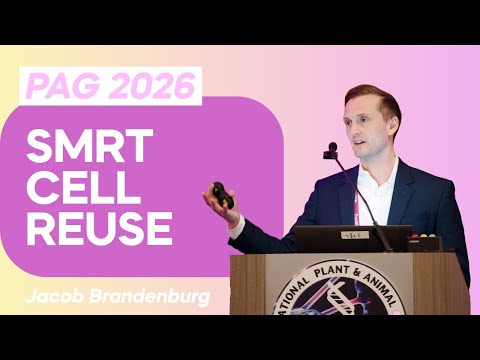
Pacific Biosciences of California — Investor Video Playlist



Industry Resources
| Health Care Resources |
| U.S. National Library of Medicine |
| ClinicalTrials.gov |
| Modern Healthcare |
| Healthcare Dive |
| Fierce Healthcare |
| Health Affairs |
| Health Data Management |
| FDA Tracker |
| Life Sciences Tools & Services Resources |
| GenomeWeb |
| BioSpace |
| The Scientist |
External Quote Links
| Y Finance | Barrons |
| TradingView | Morningstar |
| SeekingAlpha | ValueLine |
| Motley Fool | Robinhood |
| CNBC | Etrade |
| MarketWatch | Unusual Whales |
| YCharts | Perplexity Finance |
| FinViz |
Prefer one of these to Trefis? Tell us why.