
Digi International (DGII)
Market Price (10/21/2026): $74.71 | Market Cap: $2.8 BilSector: Information Technology | Industry: Communications Equipment
Digi International (DGII)
Market Price (10/21/2026): $74.71Market Cap: $2.8 BilSector: Information TechnologyIndustry: Communications Equipment
Investment Highlights Why It Matters Detailed financial logic regarding cash flow yields vs trend-riding momentum.
Attractive cash flow generationCFO/Rev LTMCash Flow from Operations / Revenue (Sales), Last Twelve Months (LTM) is 27%, FCF/Rev LTMFree Cash Flow / Revenue (Sales), Last Twelve Months (LTM) is 27% Low stock price volatilityVol 12M is 40% Megatrend and thematic driversMegatrends include Automation & Robotics, Smart Grids & Grid Modernization, and Smart Buildings & Proptech. Themes include Factory Automation, Show more. | Yield minus risk free rate is negativeERPEquity Risk Premium (ERP) = Total Yield - Risk Free Rate, Reflects the premium above risk free assets offered by the investment. is -3.7% Key risksDGII key risks include [1] its reliance on third-party manufacturers and single-source component suppliers, Show more. |
| Attractive cash flow generationCFO/Rev LTMCash Flow from Operations / Revenue (Sales), Last Twelve Months (LTM) is 27%, FCF/Rev LTMFree Cash Flow / Revenue (Sales), Last Twelve Months (LTM) is 27% |
| Low stock price volatilityVol 12M is 40% |
| Megatrend and thematic driversMegatrends include Automation & Robotics, Smart Grids & Grid Modernization, and Smart Buildings & Proptech. Themes include Factory Automation, Show more. |
| Yield minus risk free rate is negativeERPEquity Risk Premium (ERP) = Total Yield - Risk Free Rate, Reflects the premium above risk free assets offered by the investment. is -3.7% |
| Key risksDGII key risks include [1] its reliance on third-party manufacturers and single-source component suppliers, Show more. |
Qualitative Assessment
AI Analysis | Feedback
Digi International (DGII) stock has remained largely at the same level since 6/30/2026 because of the following key factors:
1. Strong Fiscal Q3 2026 Earnings Beat and Raised Guidance.
Digi International reported robust fiscal Q3 2026 results (ended June 30, 2026) on August 5, 2026, with adjusted EPS of $0.75, significantly beating analyst estimates of $0.66 by $0.09, and revenue of $138.67 million, surpassing expectations by $6.1 million. The company also demonstrated strong growth in Annualized Recurring Revenue (ARR), which increased 52% year-over-year to $191 million, and achieved a record adjusted EBITDA margin of 29.1%. Furthermore, Digi International raised its full-year fiscal 2026 guidance, projecting revenue of $529-533 million and adjusted EPS of $2.67-2.70 per share, which provided a solid foundation for the stock.
2. Positive Analyst Sentiment and Price Targets.
Throughout the period, analysts maintained a "Strong Buy" consensus rating for DGII. The average 12-month price target was $85.40, with a high forecast of $90.00, representing a potential upside from the approximately $76-$78 trading range observed. As of September 24, 2026, four out of five analysts maintained a "Strong Buy" rating and one a "Hold". This sustained positive outlook from the analytical community likely prevented significant downward movement.
Show more
Digi International (DGII) stock has remained largely at the same level since 6/30/2026 because of the following key factors:
1. Strong Fiscal Q3 2026 Earnings Beat and Raised Guidance.
Digi International reported robust fiscal Q3 2026 results (ended June 30, 2026) on August 5, 2026, with adjusted EPS of $0.75, significantly beating analyst estimates of $0.66 by $0.09, and revenue of $138.67 million, surpassing expectations by $6.1 million. The company also demonstrated strong growth in Annualized Recurring Revenue (ARR), which increased 52% year-over-year to $191 million, and achieved a record adjusted EBITDA margin of 29.1%. Furthermore, Digi International raised its full-year fiscal 2026 guidance, projecting revenue of $529-533 million and adjusted EPS of $2.67-2.70 per share, which provided a solid foundation for the stock.
2. Positive Analyst Sentiment and Price Targets.
Throughout the period, analysts maintained a "Strong Buy" consensus rating for DGII. The average 12-month price target was $85.40, with a high forecast of $90.00, representing a potential upside from the approximately $76-$78 trading range observed. As of September 24, 2026, four out of five analysts maintained a "Strong Buy" rating and one a "Hold". This sustained positive outlook from the analytical community likely prevented significant downward movement.
3. Strategic Financial Maneuvers to Enhance Flexibility.
On August 31, 2026, Digi International strengthened its financial position by expanding its senior secured revolving credit facility to $350 million and extending its maturity to August 27, 2031. This action, which replaced a prior $250 million facility, improved the company's liquidity and financial flexibility, potentially reassuring investors about its capacity to fund future growth initiatives and manage existing debt.
4. Macroeconomic Headwinds from Persistent Inflation and Fed Policy.
Despite company-specific strengths, broader macroeconomic factors presented limiting forces. Persistent inflation remained a concern, with the Personal Consumption Expenditures (PCE) price index at an annual rate of 3.7%, notably above the Federal Reserve's 2.0% target in fiscal Q3 2026. This coupled with the Federal Reserve's continued focus on containing price pressures and the potential for higher interest rates or rates held for longer, likely tempered any substantial upward movement in the stock.
5. Significant Insider Selling Activity.
A notable insider transaction occurred on June 2, 2026, when James J. Loch, the Senior Vice President, CFO, and Treasurer, executed an open-market sale of 100,000 shares totaling over $6.9 million at a weighted-average price of $69.44 per share. While insider sales can stem from various personal considerations, a transaction of this size from a key executive might have introduced a degree of investor caution, contributing to the stock's tendency to consolidate rather than experience a strong upward trend.
Show less
Stock Movement Drivers
Fundamental Drivers
The -0.3% change in DGII stock from 6/30/2026 to 10/20/2026 was primarily driven by a -11.2% change in the company's P/E Multiple.| (LTM values as of) | 6302026 | 10202026 | Change |
|---|---|---|---|
| Stock Price ($) | 74.95 | 74.73 | -0.3% |
| Change Contribution By: | |||
| Total Revenues ($ Mil) | 475 | 506 | 6.6% |
| Net Income Margin (%) | 9.1% | 9.6% | 5.8% |
| P/E Multiple | 65.2 | 57.9 | -11.2% |
| Shares Outstanding (Mil) | 38 | 38 | -0.4% |
| Cumulative Contribution | -0.3% |
Market Drivers
6/30/2026 to 10/20/2026| Return | Correlation | |
|---|---|---|
| DGII | -0.3% | |
| Market (SPY) | 3.0% | 33.6% |
| Sector (XLK) | -2.7% | 45.9% |
Fundamental Drivers
The 55.0% change in DGII stock from 3/31/2026 to 10/20/2026 was primarily driven by a 36.5% change in the company's P/E Multiple.| (LTM values as of) | 3312026 | 10202026 | Change |
|---|---|---|---|
| Stock Price ($) | 48.20 | 74.73 | 55.0% |
| Change Contribution By: | |||
| Total Revenues ($ Mil) | 449 | 506 | 12.8% |
| Net Income Margin (%) | 9.5% | 9.6% | 1.8% |
| P/E Multiple | 42.4 | 57.9 | 36.5% |
| Shares Outstanding (Mil) | 37 | 38 | -1.1% |
| Cumulative Contribution | 55.0% |
Market Drivers
3/31/2026 to 10/20/2026| Return | Correlation | |
|---|---|---|
| DGII | 55.0% | |
| Market (SPY) | 18.6% | 44.2% |
| Sector (XLK) | 39.7% | 49.8% |
Fundamental Drivers
The 105.0% change in DGII stock from 9/30/2025 to 10/20/2026 was primarily driven by a 82.9% change in the company's P/E Multiple.| (LTM values as of) | 9302025 | 10202026 | Change |
|---|---|---|---|
| Stock Price ($) | 36.46 | 74.73 | 105.0% |
| Change Contribution By: | |||
| Total Revenues ($ Mil) | 421 | 506 | 20.3% |
| Net Income Margin (%) | 10.1% | 9.6% | -5.1% |
| P/E Multiple | 31.7 | 57.9 | 82.9% |
| Shares Outstanding (Mil) | 37 | 38 | -1.9% |
| Cumulative Contribution | 105.0% |
Market Drivers
9/30/2025 to 10/20/2026| Return | Correlation | |
|---|---|---|
| DGII | 105.0% | |
| Market (SPY) | 16.4% | 44.9% |
| Sector (XLK) | 32.1% | 48.0% |
Fundamental Drivers
The 176.8% change in DGII stock from 9/30/2023 to 10/20/2026 was primarily driven by a 77.1% change in the company's P/E Multiple.| (LTM values as of) | 9302023 | 10202026 | Change |
|---|---|---|---|
| Stock Price ($) | 27.00 | 74.73 | 176.8% |
| Change Contribution By: | |||
| Total Revenues ($ Mil) | 438 | 506 | 15.5% |
| Net Income Margin (%) | 6.8% | 9.6% | 42.5% |
| P/E Multiple | 32.7 | 57.9 | 77.1% |
| Shares Outstanding (Mil) | 36 | 38 | -5.0% |
| Cumulative Contribution | 176.8% |
Market Drivers
9/30/2023 to 10/20/2026| Return | Correlation | |
|---|---|---|
| DGII | 176.8% | |
| Market (SPY) | 86.1% | 51.0% |
| Sector (XLK) | 130.3% | 46.9% |
Price Returns Compared
| 2021 | 2022 | 2023 | 2024 | 2025 | 2026 | Total [1] | |
|---|---|---|---|---|---|---|---|
| Returns | |||||||
| DGII Return | 30% | 49% | -29% | 16% | 43% | 69% | 287% |
| Peers Return | -4% | -50% | -52% | 128% | 10% | -10% | -49% |
| S&P 500 Return | 27% | -19% | 24% | 23% | 16% | 12% | 104% |
Monthly Win Rates [3] | |||||||
| DGII Win Rate | 58% | 67% | 42% | 50% | 67% | 60% | |
| Peers Win Rate | 42% | 25% | 39% | 50% | 54% | 48% | |
| S&P 500 Win Rate | 75% | 42% | 67% | 75% | 67% | 50% | |
Max Drawdowns [4] | |||||||
| DGII Max Drawdown | -32% | -27% | -49% | -33% | -35% | -22% | |
| Peers Max Drawdown | -44% | -63% | -73% | -41% | -60% | -61% | |
| S&P 500 Max Drawdown | -5% | -25% | -10% | -8% | -19% | -9% | |
[1] Cumulative total returns since the beginning of 2021
[2] Peers: SMTC, CAMP, INSG, ADTN.
[3] Win Rate = % of calendar months in which monthly returns were positive
[4] Max drawdown represents maximum peak-to-trough decline within a year
[5] 2026 data is for the year up to 10/20/2026 (YTD)
How Low Can It Go
| Event | DGII | S&P 500 |
|---|---|---|
| 2025 US Tariff Shock | ||
| % Loss | -33.5% | -18.8% |
| % Gain to Breakeven | 50.4% | 23.1% |
| Time to Breakeven | 62 days | 79 days |
| Summer-Fall 2023 Five Percent Yield Shock | ||
| % Loss | -46.8% | -9.5% |
| % Gain to Breakeven | 88.0% | 10.5% |
| Time to Breakeven | 747 days | 24 days |
| 2023 SVB Regional Banking Crisis | ||
| % Loss | -17.2% | -6.7% |
| % Gain to Breakeven | 20.7% | 7.1% |
| Time to Breakeven | 23 days | 31 days |
| 2022 Inflation Shock & Fed Tightening | ||
| % Loss | -26.8% | -24.5% |
| % Gain to Breakeven | 36.5% | 32.4% |
| Time to Breakeven | 37 days | 427 days |
| 2020 COVID-19 Crash | ||
| % Loss | -56.7% | -33.7% |
| % Gain to Breakeven | 131.1% | 50.9% |
| Time to Breakeven | 176 days | 140 days |
| Q4 2018 Fed Policy Error / Growth Scare | ||
| % Loss | -29.9% | -19.2% |
| % Gain to Breakeven | 42.7% | 23.8% |
| Time to Breakeven | 39 days | 105 days |
In The Past
Digi International's stock fell -33.5% during the 2025 US Tariff Shock. Such a loss loss requires a 50.4% gain to breakeven.
Preserve Wealth
Limiting losses and compounding gains is essential to preserving wealth.
Asset Allocation
Actively managed asset allocation strategies protect wealth. Learn more.
| Event | DGII | S&P 500 |
|---|---|---|
| 2025 US Tariff Shock | ||
| % Loss | -33.5% | -18.8% |
| % Gain to Breakeven | 50.4% | 23.1% |
| Time to Breakeven | 62 days | 79 days |
| Summer-Fall 2023 Five Percent Yield Shock | ||
| % Loss | -46.8% | -9.5% |
| % Gain to Breakeven | 88.0% | 10.5% |
| Time to Breakeven | 747 days | 24 days |
| 2022 Inflation Shock & Fed Tightening | ||
| % Loss | -26.8% | -24.5% |
| % Gain to Breakeven | 36.5% | 32.4% |
| Time to Breakeven | 37 days | 427 days |
| 2020 COVID-19 Crash | ||
| % Loss | -56.7% | -33.7% |
| % Gain to Breakeven | 131.1% | 50.9% |
| Time to Breakeven | 176 days | 140 days |
| Q4 2018 Fed Policy Error / Growth Scare | ||
| % Loss | -29.9% | -19.2% |
| % Gain to Breakeven | 42.7% | 23.8% |
| Time to Breakeven | 39 days | 105 days |
| 2016-2017 Trump Reflation Bond Selloff | ||
| % Loss | -21.6% | -3.7% |
| % Gain to Breakeven | 27.5% | 3.9% |
| Time to Breakeven | 14 days | 6 days |
| 2015-2016 China Devaluation / Global Growth Scare | ||
| % Loss | -21.8% | -12.2% |
| % Gain to Breakeven | 27.9% | 13.9% |
| Time to Breakeven | 78 days | 62 days |
| 2011 US Debt Ceiling Crisis & European Contagion | ||
| % Loss | -26.6% | -17.9% |
| % Gain to Breakeven | 36.2% | 21.8% |
| Time to Breakeven | 2967 days | 123 days |
| 2010 Eurozone Sovereign Debt Crisis / Flash Crash | ||
| % Loss | -32.9% | -15.4% |
| % Gain to Breakeven | 49.1% | 18.2% |
| Time to Breakeven | 168 days | 125 days |
| 2008-2009 Global Financial Crisis | ||
| % Loss | -57.6% | -53.4% |
| % Gain to Breakeven | 135.6% | 114.4% |
| Time to Breakeven | 3907 days | 1085 days |
In The Past
Digi International's stock fell -33.5% during the 2025 US Tariff Shock. Such a loss loss requires a 50.4% gain to breakeven.
Preserve Wealth
Limiting losses and compounding gains is essential to preserving wealth.
Asset Allocation
Actively managed asset allocation strategies protect wealth. Learn more.
About Digi International (DGII)
Digi International Inc. (DGII) is a technology company focused on providing business and mission-critical Internet of Things (IoT) products, services, and solutions. The company empowers businesses to connect, monitor, and manage a vast array of devices and data, enhancing operational efficiency and security across diverse sectors. It operates primarily through two segments: IoT Products & Services and IoT Solutions.
The IoT Products & Services segment offers a comprehensive suite of hardware and software. This includes cellular routers for robust wireless connectivity, cellular modules for embedding communication capabilities into products, and console servers for secure remote access to network equipment. Key offerings also encompass radio frequency products under the Digi XBee brand, various embedded system products, and Digi Remote Manager, a cloud-based service for managing connected device deployments which generates recurring revenue. Through its IoT Solutions segment, Digi provides SmartSense by Digi, a specialized service for wirelessly monitoring critical parameters such as temperature for perishable goods, facility conditions, and employee task completion, along with professional services, data plans, and enhanced technical support.
Digi International primarily serves enterprises across a wide range of industries that require reliable and secure IoT infrastructure. Its customer base includes organizations needing dependable wireless connectivity, secure remote management of critical assets, and specialized monitoring solutions for compliance and operational optimization. Specifically, markets such as food service, healthcare, and transportation/logistics benefit from Digi's solutions for maintaining quality control, facilitating incident management, and ensuring the integrity of temperature-sensitive goods and critical operations.
AI Analysis | Feedback
They're like **Cisco for the Internet of Things**, building the specialized network infrastructure and remote management services for connected business assets.
They're like **Amazon Web Services (AWS)** for physical devices, providing the essential hardware and cloud platform for businesses to connect, monitor, and manage their real-world assets.
AI Analysis | Feedback
- Cellular Routers: Products providing mission-critical wireless connectivity.
- Cellular Modules: Components designed to embed cellular communication capabilities into other products.
- Console Servers: Devices that enable secure, remote access to network equipment in data centers and edge locations.
- Digi XBee Radio Frequency Products: A brand offering embedded wireless modules, off-the-shelf gateways, modems, and adapters.
- Embedded System Products: Includes various embedded wireless modules and system-on-modules under brands like Digi Connect, ConnectCore, and Rabbit.
- Infrastructure Management Products: Offers serial servers for integrating devices into wired Ethernet networks and universal serial bus solutions.
- Digi Remote Manager: A recurring revenue cloud-based service for securely managing connected IoT device deployments.
- SmartSense by Digi: A monitoring service for temperature, facilities, and tracking operational tasks across various industries.
- Wireless Design Services: Provides specialized design and development assistance for wireless solutions.
- Professional Services: Offers site planning, implementation management, application development, and customer training.
- Data Plan Subscriptions: Recurring services for cellular data connectivity.
- Enhanced Technical Support Services: Provides advanced technical assistance and support for their products and solutions.
AI Analysis | Feedback
Digi International (symbol: DGII) primarily sells its products, services, and solutions to other companies (Business-to-Business or B2B). The provided background information describes the types of industries and applications Digi International serves but does not list specific major customer companies by name.
Based on the company description, Digi International's customers are businesses that operate in or require solutions for:
- Industries requiring critical IoT monitoring and management: This includes companies in the food service, healthcare, and transportation/logistics sectors that utilize solutions like SmartSense by Digi for monitoring temperature, facility operations, quality control, and incident management for perishable goods or sensitive environments.
- Companies embedding wireless and cellular connectivity into their products: These customers use Digi's cellular modules, radio frequency products (Digi XBee), and embedded system products (Digi Connect, ConnectCore, Rabbit) to integrate secure cellular communications abilities into their own offerings.
- Businesses needing secure network infrastructure management: This category includes companies that deploy and manage intelligent and secure cellular connected products, require mission-critical wireless connectivity, or need secure and remote access to network equipment in data centers and at edge locations, utilizing Digi's cellular routers, console servers, and serial servers.
AI Analysis | Feedback
AI Analysis | Feedback
Ron Konezny, CEO and President
Ron Konezny joined Digi International in December 2014 as President and Chief Executive Officer. Prior to Digi, he was Vice President of the Global Transportation and Logistics division of Trimble Navigation Limited. He served as General Manager of this division and as CEO of PeopleNet, Inc., after PeopleNet was acquired by Trimble in 2011. Konezny was a founder of PeopleNet, a telematics solutions provider for the transportation industry, where he held various executive positions including Chief Technology Officer, Chief Financial Officer, Chief Operating Officer, and from September 2007 until its acquisition by Trimble, Chief Executive Officer. He is a two-time Ernst & Young Entrepreneur of the Year® winner, receiving the award in the Technology category in 2009 as CEO of PeopleNet, and the Entrepreneur of the Year Heartland award in 2024 as President and CEO of Digi.
Jamie Loch, Executive Vice President, Chief Financial Officer, and Treasurer
Jamie Loch joined Digi International in May 2019. Before Digi, he was the CFO for Nilfisk, Inc., a provider of industrial cleaning solutions, where he focused on strategy development and profitability. Earlier in his career, Loch spent over 12 years in various executive roles at Honeywell, including vice president of sales and CFO for Honeywell Building Solutions America's division.
David Sampsell, Executive Vice President, Corporate Development, General Counsel & Corporate Secretary
David Sampsell serves as Executive Vice President, Corporate Development, General Counsel & Corporate Secretary.
Steve Ericson, President, Digi OEM Solutions
Steve Ericson joined Digi in 2000 and has held several leadership positions, including product management, global sales strategy and operations, and international sales. Before joining Digi, he spent 12 years at Honeywell in product management and leadership roles.
Brian Kirkendall, President, Digi Infrastructure Management
Brian Kirkendall joined Digi in 2019 as Senior Vice President of Product Management and became General Manager, Infrastructure Management in October 2020. His previous roles include Vice President of Global Product Development and Technology at Nilfisk, and executive leadership in product management, product development, and marketing for companies such as Polaris, Hoover, Little Tikes, and Step2.
AI Analysis | Feedback
Key Risks to Digi International (DGII)
- Rapid Technological Change and Obsolescence: The Internet of Things (IoT) market is characterized by continuous and rapid technological advancements, including new communication protocols, hardware platforms, and software solutions. Digi International's core offerings, such as its cellular routers, modules, and embedded systems, are susceptible to obsolescence if the company does not consistently innovate and adapt to evolving industry standards and customer demands. Failure to keep pace could diminish demand for its existing product lines and necessitate substantial research and development investments to maintain competitiveness.
- Intense Competition: The IoT sector is highly competitive and fragmented, featuring a diverse array of companies providing similar or alternative products and services. Digi International faces robust competition from both large, diversified technology enterprises and specialized IoT providers across its key segments, including wireless connectivity, embedded systems, and cloud-based IoT solutions. This competitive landscape can exert significant pressure on pricing, potentially reduce market share, and increase the difficulty in acquiring and retaining customers.
- Supply Chain Disruptions: As a significant portion of Digi International's business involves the provision of IoT hardware, including cellular routers, modules, and embedded systems, the company is inherently reliant on a complex global supply chain for components and manufacturing. Disruptions stemming from geopolitical events, natural disasters, trade restrictions, or widespread component shortages (e.g., semiconductors) could lead to elevated production costs, delays in product delivery, and an inability to fulfill customer orders, consequently impacting revenue and profitability.
AI Analysis | Feedback
The increasing vertical integration and ecosystem control exercised by major cloud and technology providers in the Internet of Things (IoT) space. These large players (e.g., Amazon, Microsoft, Google) are expanding their comprehensive IoT platforms from cloud services down to the edge, including device management, connectivity solutions, and even influencing hardware choices. This trend could marginalize independent providers of IoT hardware (cellular modules, embedded systems) and services (cloud-based device management like Digi Remote Manager, data plan subscriptions, specialized solutions like SmartSense) if these major players create closed ecosystems or offer highly integrated, subsidized alternatives that absorb or bypass Digi's offerings.
AI Analysis | Feedback
Digi International (NASDAQ: DGII) operates in significant and growing addressable markets for its Internet of Things (IoT) products, services, and solutions.
IoT Products & Services
- Cellular Routers: The global cellular IoT gateway market, which includes cellular routers, was approximately USD 1.7 billion in 2024. This market is projected to see shipments grow at a compound annual growth rate (CAGR) of 8.3% from 6.2 million units in 2024 to 9.2 million units in 2029. More broadly, the global cellular IoT market was valued at USD 6.4 billion in 2024 and is expected to reach USD 28.7 billion by 2033, growing at a CAGR of 17.33% from 2025-2033. Other estimates for the cellular IoT market indicate a size of USD 8.02 billion in 2025, increasing to USD 53.24 billion by 2034 with a CAGR of 23.40% from 2026-2034.
- Cellular Modules: The global IoT module market was valued at USD 20.83 billion in 2024 and is projected to grow at a CAGR of 23.3% during 2025–2034. Another report estimates the global IoT communication module market size at USD 6.91 billion in 2025, growing to USD 23.05 billion by 2035 with a CAGR of 12.7%. The cellular IoT module market specifically is estimated at USD 25.7 billion in 2025 and is projected to reach USD 210.4 billion by 2035, with a CAGR of 23.4%.
- Radio Frequency Products (e.g., Digi XBee brand modules): These fall under the broader wireless sensors market. The global wireless sensors market was valued at USD 22.91 billion in 2024 and is predicted to grow to approximately USD 150.43 billion by 2034, expanding at a CAGR of 20.71% from 2025 to 2034. Other estimates place the global wireless sensors market at USD 16.1 billion in 2025, reaching USD 56.1 billion by 2034 with a CAGR of 14.44% from 2026-2034.
IoT Solutions
- Digi Remote Manager (IoT Connectivity Management Platform): The global IoT connectivity management platform market was valued at USD 7.78 billion in 2023 and is projected to grow to USD 21.79 billion by 2029. Another source indicates it will grow from USD 9.07 billion in 2024 to USD 21.79 billion in 2029 with a CAGR of 20.8%. Additionally, the global IoT platforms market, which includes connectivity management, accounted for USD 16.11 billion in 2025 and is predicted to increase to approximately USD 49.17 billion by 2034, expanding at a CAGR of 13.20% from 2025 to 2034.
- SmartSense by Digi (Wireless Monitoring Solutions): This service falls under the wireless sensors market, which, as mentioned above, was estimated at USD 22.91 billion globally in 2024 and is projected to reach USD 150.43 billion by 2034.
- Professional Services: The global IoT professional services market size was valued at USD 195.26 billion in 2024 and is projected to reach USD 985.79 billion by 2033, growing at a CAGR of 19.71% during the forecast period (2025-2033). Another estimate places the market at USD 179.66 billion in 2025, growing to USD 342.03 billion by 2030 with a CAGR of 13.7%.
Specific addressable market sizes for 'console servers' and 'infrastructure management products (comprising serial servers and universal serial bus solutions)' were not available as distinct, standalone markets in the search results.
AI Analysis | Feedback
Digi International (DGII) is expected to drive future revenue growth over the next two to three years through several key strategies:
- Continued Growth in Annualized Recurring Revenue (ARR) and Solutions-Based Model: Digi International has made the expansion of its Annualized Recurring Revenue (ARR) a top strategic priority. The company is actively transitioning from a product-centric sales model to offering higher-margin, subscription-based software and services, aiming to double its ARR and adjusted EBITDA to $200 million within five years. This shift is anticipated to enhance both visibility and profitability.
- Strategic Acquisitions: Acquisitions are a significant driver for expanding Digi International's market presence and enhancing its solution offerings. Recent examples include the acquisitions of Jolt Software and Particle, which are expected to directly contribute to ARR growth and broaden the company's capabilities in IoT device management.
- Expansion in the Industrial IoT (IIoT) Market: Digi International is well-positioned to capitalize on the substantial and growing demand within the Industrial Internet of Things (IIoT) market. The company aims to broaden its customer base and serve diverse applications across various industrial verticals, providing secure, resilient, and easy-to-manage solutions for critical remote connectivity challenges.
- Ongoing Innovation and Development of New IoT Products and Services: The company is committed to continuous innovation and the development of new IoT products and services. This focus ensures that Digi International can address evolving customer needs, particularly in areas such as security, regulatory compliance, and technological advancements within the dynamic IoT landscape.
AI Analysis | Feedback
Share Repurchases
- Digi International has not reported significant share repurchases in the last 3-5 years, as the company generally retains earnings to reinvest in the business and acquisitions.
Share Issuance
- The company has significantly increased its outstanding common shares, growing from 29.16 million at the end of fiscal 2020 to 36.55 million by the end of fiscal 2024, representing a substantial 25.3% increase over four years.
- In the event of future acquisitions, Digi International may issue stock, which could dilute current stockholders' percentage ownership.
- The weighted average diluted share count for fiscal 2026 is anticipated to be 38.8 million shares.
Outbound Investments
- Digi International acquired Jolt Software, Inc. in the fourth quarter of fiscal 2025 for approximately $148.5 million, funding it with $119 million in net new debt.
- On January 27, 2026, the company acquired Particle Industries, Inc. for $50 million in cash, using its existing credit facility.
- Acquisitions remain a top capital priority for Digi, with a focus on opportunities that enhance subscription-based recurring revenue.
Capital Expenditures
- The company expects positive cash flows from operations to be sufficient to fund business operations and capital expenditures for the next twelve months and beyond.
- Operating cash flow has been robust and growing, providing funds for operations and investment.
- Increased depreciation of capitalized subscriber assets driven by customer deployments impacted operating margins in the IoT Solutions segment for fiscal 2025.
Peer Outperformance in Communications Equipment
| Industry | Names | 1Y med | 3Y med | 5Y med | Top 3 by 5Y |
|---|---|---|---|---|---|
| Electronic Manufacturing Services | 10 | 35.3% | 142.4% | 231.6% | TTMI 609% · FLEX 533% · JBL 362% |
| Technology Distributors | 9 | 41.3% | 89.4% | 80.3% | AVT 171% · SNX 152% · CNXN 109% |
| Semiconductor Materials & Equipment | 27 | 52.0% | 76.4% | 79.1% | AXTI 566% · KLAC 413% · LRCX 390% |
| Communications Equipment ← | 36 | 2.3% | 109.1% | 64.9% | AAOI 936% · LITE 863% · ANET 634% |
| Electronic Components | 26 | -2.9% | 72.8% | 50.6% | CLS 3143% · BELFA 1183% · APH 324% |
| Semiconductors | 54 | 7.7% | 40.9% | 31.0% | MU 1244% · NVDA 884% · AVGO 617% |
| Technology Hardware, Storage & Peripherals | 21 | 11.6% | 86.2% | 19.3% | STX 866% · SMCI 819% · DELL 805% |
| Electronic Equipment & Instruments | 27 | -15.9% | 23.1% | -2.0% | PI 226% · OSIS 106% · KEYS 92% |
| Internet Services & Infrastructure | 6 | -0.8% | 48.0% | -3.5% | GDDY 56% · VRSN 46% · DOCN 10% |
| IT Consulting & Other Services | 28 | -27.5% | -1.7% | -18.9% | CHRN 414637% · APLD 438% · ADEA 149% |
| Application Software | 126 | -20.7% | -9.9% | -46.1% | PLTR 695% · FROG 157% · AGYS 119% |
| Systems Software | 69 | -14.9% | 24.1% | -52.2% | ZETA 320% · CRWD 221% · FTNT 156% |
Latest Trefis Analyses
Research & Analysis
Invest in Strategies
Wealth Management
Peer Comparisons
| Peers to compare with: |
Financials
| Median | |
|---|---|
| Name | |
| Mkt Price | 6.57 |
| Mkt Cap | 0.5 |
| Rev LTM | 506 |
| Op Inc LTM | -2 |
| FCF LTM | 23 |
| FCF 3Y Avg | 24 |
| CFO LTM | 93 |
| CFO 3Y Avg | 88 |
Growth & Margins
| Median | |
|---|---|
| Name | |
| Rev Chg LTM | 17.8% |
| Rev Chg 3Y Avg | 1.0% |
| Rev Chg Q | 18.8% |
| QoQ Delta Rev Chg LTM | 6.6% |
| Op Inc Chg LTM | 24.0% |
| Op Inc Chg 3Y Avg | 14.1% |
| Op Mgn LTM | -0.2% |
| Op Mgn 3Y Avg | -5.9% |
| QoQ Delta Op Mgn LTM | 0.8% |
| CFO/Rev LTM | 8.2% |
| CFO/Rev 3Y Avg | 8.6% |
| FCF/Rev LTM | 2.0% |
| FCF/Rev 3Y Avg | 2.3% |
Segment Financials
Revenue by Segment| $ Mil | 2025 | 2024 | 2023 | 2022 | 2021 |
|---|---|---|---|---|---|
| Internet of Things (IoT) Products & Services | 318 | 324 | 346 | 298 | 264 |
| Internet of Things (IoT) Solutions | 112 | 100 | 99 | 91 | 44 |
| Total | 430 | 424 | 445 | 388 | 309 |
| $ Mil | 2025 | 2024 | 2023 | 2022 | 2021 |
|---|---|---|---|---|---|
| Internet of Things (IoT) Products & Services | 47 | 46 | 51 | 42 | 18 |
| Internet of Things (IoT) Solutions | 9 | 2 | -1 | -3 | -8 |
| Total | 56 | 48 | 50 | 38 | 11 |
| $ Mil | 2025 | 2024 | 2023 | 2022 | 2021 |
|---|---|---|---|---|---|
| Internet of Things (IoT) Solutions | 562 | 411 | 420 | 429 | 80 |
| Internet of Things (IoT) Products & Services | 338 | 377 | 384 | 390 | 387 |
| Unallocated | 22 | 28 | 32 | 35 | 152 |
| Total | 923 | 815 | 836 | 854 | 620 |
Price Behavior
| Market Price | $74.73 | |
| Market Cap ($ Bil) | 2.8 | |
| First Trading Date | 03/26/1990 | |
| Distance from 52W High | -12.3% | |
| 50 Days | 200 Days | |
| DMA Price | $74.64 | $61.72 |
| DMA Trend | up | up |
| Distance from DMA | 0.1% | 21.1% |
| 3M | 1YR | |
| Volatility | 45.3% | 40.0% |
| Downside Capture | 60.01 | 97.04 |
| Upside Capture | 83.32 | 153.94 |
| Correlation (S&P 500) | 33.8% | 43.7% |
| 1M | 2M | 3M | 6M | 1Y | 3Y | |
|---|---|---|---|---|---|---|
| Beta | 1.16 | 1.15 | 1.30 | 1.51 | 1.36 | 1.44 |
| Up Beta | 1.94 | 1.59 | 2.11 | 1.41 | 1.00 | 1.46 |
| Down Beta | 2.57 | 5.76 | 2.58 | 1.89 | 1.56 | 1.33 |
| Up Capture | 100% | 77% | 76% | 203% | 250% | 429% |
| Bmk +ve Days | 6 | 16 | 27 | 66 | 132 | 424 |
| Stock +ve Days | 11 | 22 | 33 | 71 | 140 | 395 |
| Down Capture | 78% | 4% | 78% | 108% | 105% | 108% |
| Bmk -ve Days | 16 | 26 | 37 | 60 | 120 | 328 |
| Stock -ve Days | 11 | 20 | 31 | 55 | 111 | 353 |
[1] Upside and downside betas calculated using positive and negative benchmark daily returns respectively
Based On 1-Year Data
| Annualized Return | Annualized Volatility | Sharpe Ratio | Correlation with DGII | |
|---|---|---|---|---|
| DGII | 97.7% | 40.0% | 1.79 | - |
| Sector ETF (XLK) | 30.8% | 26.4% | 0.98 | 47.0% |
| Equity (SPY) | 16.8% | 12.7% | 0.93 | 43.8% |
| Gold (GLD) | -2.9% | 29.3% | -0.10 | 22.1% |
| Commodities (DBC) | 52.5% | 20.7% | 1.93 | -12.2% |
| Real Estate (VNQ) | 5.1% | 13.8% | 0.11 | 6.5% |
| Bitcoin (BTCUSD) | -23.7% | 43.6% | -0.50 | 15.6% |
Smart multi-asset allocation framework can stack odds in your favor. Learn How
Based On 5-Year Data
| Annualized Return | Annualized Volatility | Sharpe Ratio | Correlation with DGII | |
|---|---|---|---|---|
| DGII | 29.2% | 42.3% | 0.72 | - |
| Sector ETF (XLK) | 20.7% | 26.0% | 0.71 | 48.6% |
| Equity (SPY) | 13.6% | 17.1% | 0.61 | 50.9% |
| Gold (GLD) | 18.1% | 18.9% | 0.77 | 12.9% |
| Commodities (DBC) | 9.7% | 19.5% | 0.38 | 7.9% |
| Real Estate (VNQ) | 1.4% | 18.9% | -0.03 | 36.4% |
| Bitcoin (BTCUSD) | 7.7% | 51.7% | 0.33 | 23.3% |
Smart multi-asset allocation framework can stack odds in your favor. Learn How
Based On 10-Year Data
| Annualized Return | Annualized Volatility | Sharpe Ratio | Correlation with DGII | |
|---|---|---|---|---|
| DGII | 20.9% | 44.4% | 0.58 | - |
| Sector ETF (XLK) | 24.0% | 25.0% | 0.87 | 44.6% |
| Equity (SPY) | 15.3% | 17.9% | 0.72 | 48.8% |
| Gold (GLD) | 12.1% | 16.4% | 0.60 | 9.9% |
| Commodities (DBC) | 8.2% | 18.1% | 0.37 | 15.5% |
| Real Estate (VNQ) | 5.2% | 20.7% | 0.21 | 38.1% |
| Bitcoin (BTCUSD) | 62.9% | 66.2% | 1.03 | 13.9% |
Smart multi-asset allocation framework can stack odds in your favor. Learn How
Returns Analyses
Earnings Returns History
Updated 9/8/2026| Forward Returns | |||
|---|---|---|---|
| Earnings Date | 1D Returns | 5D Returns | 21D Returns |
| 8/5/2026 | 14.1% | 17.2% | -3.4% |
| 5/6/2026 | 5.4% | 11.0% | 12.1% |
| 2/4/2026 | -3.9% | -0.3% | 4.9% |
| 11/12/2025 | 7.1% | 10.7% | 25.6% |
| 8/6/2025 | 0.5% | 8.8% | 8.6% |
| 5/7/2025 | 14.1% | 18.5% | 21.8% |
| 2/5/2025 | 17.3% | 13.2% | -4.9% |
| 11/13/2024 | -0.9% | -1.3% | 3.7% |
| ... | |||
| SUMMARY STATS | |||
| # Positive | 15 | 15 | 17 |
| # Negative | 9 | 9 | 7 |
| Median Positive | 11.0% | 12.2% | 8.4% |
| Median Negative | -4.6% | -3.3% | -10.0% |
| Max Positive | 18.9% | 21.2% | 30.8% |
| Max Negative | -17.0% | -25.7% | -20.7% |
| Forward Returns | |||
|---|---|---|---|
| Earnings Date | 1D Returns | 5D Returns | 21D Returns |
| 8/5/2026 | 14.1% | 17.2% | -3.4% |
| 5/6/2026 | 5.4% | 11.0% | 12.1% |
| 2/4/2026 | -3.9% | -0.3% | 4.9% |
| 11/12/2025 | 7.1% | 10.7% | 25.6% |
| 8/6/2025 | 0.5% | 8.8% | 8.6% |
| 5/7/2025 | 14.1% | 18.5% | 21.8% |
| 2/5/2025 | 17.3% | 13.2% | -4.9% |
| 11/13/2024 | -0.9% | -1.3% | 3.7% |
| 8/7/2024 | 18.9% | 18.5% | 16.9% |
| 5/1/2024 | -17.0% | -14.1% | -20.7% |
| 1/31/2024 | 13.9% | 18.3% | 22.8% |
| 11/9/2023 | -7.9% | 4.3% | 1.2% |
| 8/3/2023 | -14.6% | -25.7% | -20.0% |
| 5/4/2023 | 11.0% | 8.5% | 26.3% |
| 2/2/2023 | 4.4% | -0.5% | -2.5% |
| 11/10/2022 | 7.7% | 13.5% | 8.2% |
| 8/4/2022 | 15.7% | 12.2% | 7.2% |
| 5/4/2022 | 1.7% | 0.2% | 30.8% |
| 2/2/2022 | -7.0% | -6.9% | -10.0% |
| 11/10/2021 | 11.0% | 6.3% | 8.4% |
| 8/6/2021 | -0.3% | -3.0% | 4.4% |
| 5/5/2021 | -2.0% | -3.7% | 5.5% |
| 2/3/2021 | 15.5% | 21.2% | -10.7% |
| 11/12/2020 | -4.6% | -3.3% | 6.7% |
| SUMMARY STATS | |||
| # Positive | 15 | 15 | 17 |
| # Negative | 9 | 9 | 7 |
| Median Positive | 11.0% | 12.2% | 8.4% |
| Median Negative | -4.6% | -3.3% | -10.0% |
| Max Positive | 18.9% | 21.2% | 30.8% |
| Max Negative | -17.0% | -25.7% | -20.7% |
SEC Filings
Expand for More| Report Date | Filing Date | Filing |
|---|---|---|
| 06/30/2026 | 08/05/2026 | 10-Q |
| 03/31/2026 | 05/06/2026 | 10-Q |
| 12/31/2025 | 02/04/2026 | 10-Q |
| 09/30/2025 | 11/21/2025 | 10-K |
| 06/30/2025 | 08/06/2025 | 10-Q |
| 03/31/2025 | 05/07/2025 | 10-Q |
| 12/31/2024 | 02/05/2025 | 10-Q |
| 09/30/2024 | 11/22/2024 | 10-K |
| 06/30/2024 | 08/07/2024 | 10-Q |
| 03/31/2024 | 05/03/2024 | 10-Q |
| 12/31/2023 | 02/02/2024 | 10-Q |
| 09/30/2023 | 11/22/2023 | 10-K |
| 06/30/2023 | 08/04/2023 | 10-Q |
| 03/31/2023 | 05/05/2023 | 10-Q |
| 12/31/2022 | 02/03/2023 | 10-Q |
| 09/30/2022 | 11/23/2022 | 10-K |
| Report Date | Filing Date | Filing |
|---|---|---|
| 06/30/2026 | 08/05/2026 | 10-Q |
| 03/31/2026 | 05/06/2026 | 10-Q |
| 12/31/2025 | 02/04/2026 | 10-Q |
| 09/30/2025 | 11/21/2025 | 10-K |
| 06/30/2025 | 08/06/2025 | 10-Q |
| 03/31/2025 | 05/07/2025 | 10-Q |
| 12/31/2024 | 02/05/2025 | 10-Q |
| 09/30/2024 | 11/22/2024 | 10-K |
| 06/30/2024 | 08/07/2024 | 10-Q |
| 03/31/2024 | 05/03/2024 | 10-Q |
| 12/31/2023 | 02/02/2024 | 10-Q |
| 09/30/2023 | 11/22/2023 | 10-K |
| 06/30/2023 | 08/04/2023 | 10-Q |
| 03/31/2023 | 05/05/2023 | 10-Q |
| 12/31/2022 | 02/03/2023 | 10-Q |
| 09/30/2022 | 11/23/2022 | 10-K |
| 06/30/2022 | 08/05/2022 | 10-Q |
| 03/31/2022 | 05/06/2022 | 10-Q |
| 12/31/2021 | 02/04/2022 | 10-Q |
| 09/30/2021 | 11/24/2021 | 10-K |
| 06/30/2021 | 08/06/2021 | 10-Q |
| 03/31/2021 | 05/07/2021 | 10-Q |
| 12/31/2020 | 02/05/2021 | 10-Q |
| 09/30/2020 | 11/25/2020 | 10-K |
| 06/30/2020 | 08/07/2020 | 10-Q |
| 03/31/2020 | 05/08/2020 | 10-Q |
| 12/31/2019 | 02/07/2020 | 10-Q |
| 09/30/2019 | 11/27/2019 | 10-K |
Recent Forward Guidance
Updated 10/4/2026Latest: Q3 2026 Earnings Reported 8/5/2026
| Forward Guidance | Guidance Change | |||||||
|---|---|---|---|---|---|---|---|---|
| Metric | Source | Low | Mid | High | % Chg | % Delta | Change | Prior |
| Q4 2026 Revenue | Reported | 138.00 Mil | 140.00 Mil | 142.00 Mil | ||||
| Q4 2026 Adjusted EBITDA | Reported | 40.00 Mil | 40.75 Mil | 41.50 Mil | ||||
| Q4 2026 Adjusted EPS | Reported | 0.75 | 0.77 | 0.78 | ||||
| 2026 ARR Growth | Reported | 27.0% | 8.0% | 2.0% | Raised | Guidance: 25.0% for 2026 | ||
| 2026 Revenue | Reported | 529.00 Mil | 531.00 Mil | 533.00 Mil | ||||
| 2026 Revenue Growth | Reported | 23.0% | 23.5% | 24.0% | 2.5% | Raised | Guidance: 21.0% for 2026 | |
| 2026 Adjusted EBITDA | Reported | 146.00 Mil | 146.75 Mil | 147.50 Mil | ||||
| 2026 Adjusted EBITDA Growth | Reported | 35.0% | 35.5% | 36.0% | 11.0% | Raised | Guidance: 24.5% for 2026 | |
Prior: Q2 2026 Earnings Reported 5/6/2026
| Forward Guidance | Guidance Change | |||||||
|---|---|---|---|---|---|---|---|---|
| Metric | Source | Low | Mid | High | % Chg | % Delta | Change | Prior |
| Q3 2026 Revenue | Reported | 130.00 Mil | 132.00 Mil | 134.00 Mil | ||||
| Q3 2026 Adjusted EBITDA | Reported | 35.50 Mil | 36.25 Mil | 37.00 Mil | ||||
| Q3 2026 Adjusted Net Income per Diluted Share | Reported | 0.65 | 0.67 | 0.68 | ||||
| 2026 ARR Growth | Reported | 25.0% | 8.7% | 2.0% | Raised | Guidance: 23.0% for 2026 | ||
| 2026 Revenue Growth | Reported | 20.0% | 21.0% | 22.0% | 5.0% | Raised | Guidance: 16.0% for 2026 | |
| 2026 Adjusted EBITDA Growth | Reported | 23.0% | 24.5% | 26.0% | 5.5% | Raised | Guidance: 19.0% for 2026 | |
Q1 2026 Earnings Reported 2/4/2026
| Forward Guidance | Guidance Change | |||||||
|---|---|---|---|---|---|---|---|---|
| Metric | Source | Low | Mid | High | % Chg | % Delta | Change | Prior |
| Q2 2026 Revenue | Reported | 124.00 Mil | 126.00 Mil | 128.00 Mil | 8.6% | Higher New | Guidance: 116.00 Mil for Q1 2026 | |
| Q2 2026 Adjusted EBITDA | Reported | 31.50 Mil | 32.25 Mil | 33.00 Mil | 10.3% | Higher New | Guidance: 29.25 Mil for Q1 2026 | |
| Q2 2026 Adjusted EPS | Reported | 0.56 | 0.58 | 0.59 | 4.5% | Higher New | Guidance: 0.55 for Q1 2026 | |
| 2026 Revenue Growth | Reported | 14.0% | 16.0% | 18.0% | 3.5% | Raised | Guidance: 12.5% for 2026 | |
| 2026 Adjusted EBITDA Growth | Reported | 17.0% | 19.0% | 21.0% | 1.5% | Raised | Guidance: 17.5% for 2026 | |
Q4 2025 Earnings Reported 11/12/2025
| Forward Guidance | Guidance Change | |||||||
|---|---|---|---|---|---|---|---|---|
| Metric | Source | Low | Mid | High | % Chg | % Delta | Change | Prior |
| Q1 2026 Revenue | Reported | 114.00 Mil | 116.00 Mil | 118.00 Mil | 7.4% | Higher New | Actual: 108.00 Mil for Q4 2025 | |
| Q1 2026 Adjusted EBITDA | Reported | 28.50 Mil | 29.25 Mil | 30.00 Mil | 11.4% | Higher New | Actual: 26.25 Mil for Q4 2025 | |
| Q1 2026 Adjusted EPS | Reported | 0.53 | 0.55 | 0.57 | 12.2% | Higher New | Actual: 0.49 for Q4 2025 | |
| 2026 ARR Growth | Reported | 10.0% | 0.0% | Same New | Actual: 10.0% for 2025 | |||
| 2026 Revenue Growth | Reported | 10.0% | 12.5% | 15.0% | 12.5% | Higher New | Actual: 0.0% for 2025 | |
| 2026 Adjusted EBITDA Growth | Reported | 15.0% | 17.5% | 20.0% | 10.0% | Higher New | Actual: 7.5% for 2025 | |
Insider Activity
Updated 6/9/2026| # | Owner | Title | Holding | Action | Filing Date | Price | Shares | Transacted Value | Value of Held Shares | Form |
|---|---|---|---|---|---|---|---|---|---|---|
| 1 | Loch, James J | SR VP, CFO AND TREASURER | Direct | Sell | 6042026 | 69.44 | 100,000 | 6,944,342 | 11,637,937 | Form |
| 2 | Freeland, James E | VP, Chief Information Officer | Direct | Sell | 5282026 | 68.00 | 450 | 30,600 | 1,306,894 | Form |
| 3 | Schneider, Terrence G | VP, SUPPLY CHAIN | Direct | Sell | 5132026 | 65.61 | 14,182 | 930,474 | 1,755,645 | Form |
| 4 | Khanuja, Satbir | Direct | Sell | 2112026 | 46.00 | 6,000 | 276,015 | 3,923,921 | Form | |
| 5 | Sampsell, David H | VP, CORP. DEV, GC & CORP. SEC. | Direct | Sell | 2112026 | 45.74 | 5,000 | 228,700 | 1,131,585 | Form |
| # | Owner | Title | Holding | Action | Filing Date | Price | Shares | Transacted Value | Value of Held Shares | Form |
|---|---|---|---|---|---|---|---|---|---|---|
| 1 | Loch, James J | SR VP, CFO AND TREASURER | Direct | Sell | 6042026 | 69.44 | 100,000 | 6,944,342 | 11,637,937 | Form |
| 2 | Freeland, James E | VP, Chief Information Officer | Direct | Sell | 5282026 | 68.00 | 450 | 30,600 | 1,306,894 | Form |
| 3 | Schneider, Terrence G | VP, SUPPLY CHAIN | Direct | Sell | 5132026 | 65.61 | 14,182 | 930,474 | 1,755,645 | Form |
| 4 | Khanuja, Satbir | Direct | Sell | 2112026 | 46.00 | 6,000 | 276,015 | 3,923,921 | Form | |
| 5 | Sampsell, David H | VP, CORP. DEV, GC & CORP. SEC. | Direct | Sell | 2112026 | 45.74 | 5,000 | 228,700 | 1,131,585 | Form |
| 6 | Sampsell, David H | VP, CORP. DEV, GC & CORP. SEC. | Direct | Sell | 2112026 | 45.04 | 1,100 | 49,549 | 1,339,592 | Form |
| 7 | Schneider, Terrence G | VP, SUPPLY CHAIN | Direct | Sell | 11252025 | 41.68 | 4,208 | 175,389 | 1,031,830 | Form |
| 8 | Sampsell, David H | VP, CORP. DEV, GC & CORP. SEC. | Direct | Sell | 11252025 | 41.52 | 8,748 | 363,245 | 1,318,662,851 | Form |
| 9 | Schneider, Terrence G | VP, SUPPLY CHAIN | Direct | Sell | 11252025 | 40.56 | 16,667 | 675,947 | 1,004,004 | Form |
| 10 | Sampsell, David H | VP, CORP. DEV, GC & CORP. SEC. | Direct | Sell | 11252025 | 40.00 | 4,727 | 189,080 | 1,269,940,280 | Form |
| 11 | Sampsell, David H | VP, CORP. DEV, GC & CORP. SEC. | Direct | Sell | 11192025 | 38.38 | 22,222 | 852,843 | 1,218,454 | Form |
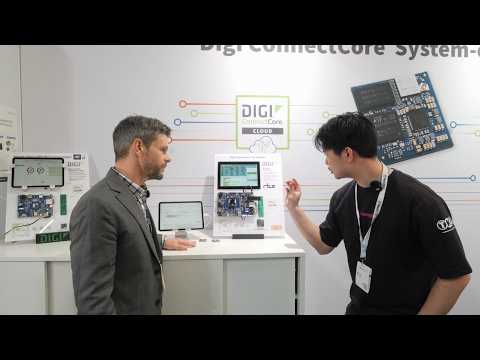
Digi International — Investor Video Playlist






Industry Resources
| Information Technology Resources |
| TechCrunch |
| Wired |
| CIO |
| MIT Technology Review |
| Gartner Insights |
| Ars Technica |
| Communications Equipment Resources |
| Light Reading |
| Fierce Network |
| Telecoms.com |
External Quote Links
| Y Finance | Barrons |
| TradingView | Morningstar |
| SeekingAlpha | ValueLine |
| Motley Fool | Robinhood |
| CNBC | Etrade |
| MarketWatch | Unusual Whales |
| YCharts | Perplexity Finance |
| FinViz |
Prefer one of these to Trefis? Tell us why.