
Has ExxonMobil Stock Become A Different Bet?
At 22.2 times earnings, ExxonMobil (XOM) stock trades near the S&P 500’s 22.5. Shareholders paying that multiple need a clear view of the underlying assets, and the priorities inside the company have shifted. During the fiscal Q3 2024 call, executives promoted Pioneer Natural Resources, a producer ExxonMobil now owns outright. Management no longer emphasizes that deal. So what does management talk up instead?
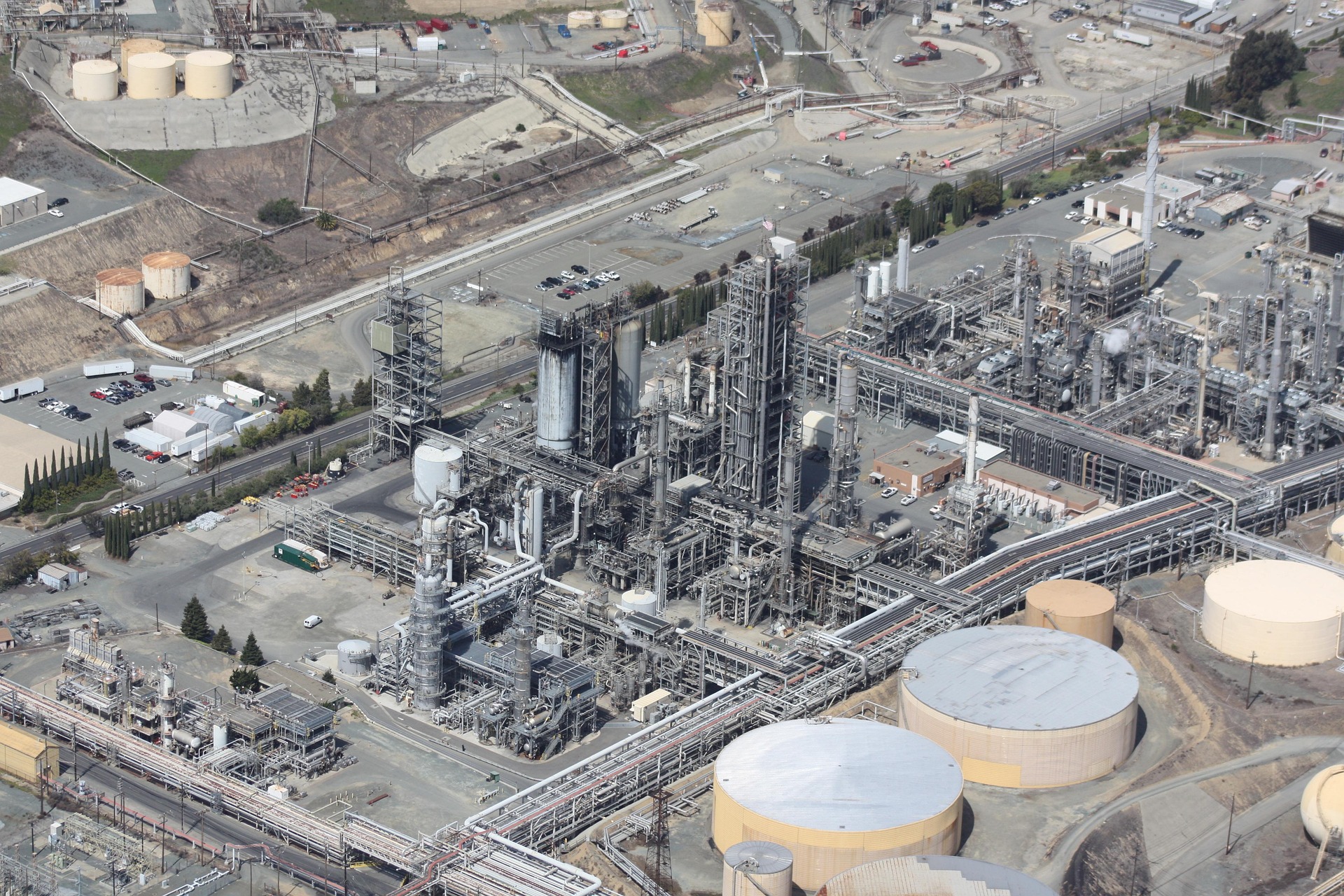
ExxonMobil Now Emphasizes Guyana And Refined Fuels
During the fiscal Q2 2026 call in July, management pointed to Guyana as one of the clearest examples of growth. Executives also made the case for Energy Products. This refining and fuels business set a record for second-quarter diesel production. Management also pointed to record Permian production of more than 1.8 million oil-equivalent barrels per day, the basin where the Pioneer barrels sit, though it no longer credits the deal by name.
In their fiscal 2024 calls, executives had focused on the barrels ExxonMobil had purchased. Management noted on the fiscal Q3 2024 call that Pioneer added 770,000 oil-equivalent barrels per day. By the fiscal Q4 2024 call, the company was still outlining synergies from the combined assets.
If you have held ExxonMobil for years, your biggest question may be taxes, not what management says next. See how a tax-aware transition works.
ExxonMobil’s Fuel Sales Far Outstrip Its Oilfield Revenue
Energy Products brought in $290.3 billion in fiscal 2025. That figure was down 6.5% from fiscal 2024. Upstream, the oil and gas production business, brought in $101.8 billion, down 1.7%. Neither division grew its revenue in fiscal 2025. Still, before internal sales between divisions are netted out, Energy Products sells close to three times as much as Upstream, and it is one of the areas management now highlights. Measured by earnings, however, Energy Products represents a smaller piece of ExxonMobil. It accounts for about 23% of business line earnings, which management noted is up from about 9% five years ago.
When addressing growth, management points to Guyana. The region delivered gross production of about 900,000 barrels per day in the second quarter of 2026.
Can ExxonMobil Count On Today’s Fuel Margins?
Shareholders cannot rely on those margins with confidence. That reality makes the recent change in emphasis more concerning than reassuring for a holder. Management noted in July that disruption shaped the second quarter. With a major shipping route closed, roughly 3 million barrels a day of refining capacity was cut off from the market. The fuel margins management currently highlights appear to come partly from that missing supply.
Policy presents a second risk to those margins. Windfall taxes came up in July through a question noting that one European country had approved them on the downstream. Management said ExxonMobil canceled investments it had planned for Europe the last time such a tax passed there. Guyana represents the other part of the new emphasis. Management indicated that ExxonMobil recovered its capital and cost there nearly two years earlier than anticipated. As a result, ExxonMobil’s entitlement to Guyana’s barrels changes, which management framed as an inflection into free cash flow.
Going forward, Energy Products earnings in ExxonMobil’s next quarterly report remain the key metric to watch. Investors should also monitor the start-up of Errea Wittu, the fifth Guyana production vessel, which management expects by the end of 2026.
Changing Advisors Does Not Have To Mean A Tax Bill
Long-held positions like ExxonMobil often carry large unrealized gains, which is exactly why many investors stay with an advisor they no longer love. Accounts usually move in kind, without selling, and concentrated low-basis stock can be unwound gradually with exchange funds, charitable trusts, direct indexing and staged sales. Our partner firm Empirical Asset Management will show you how a transition would work for your account.