
Why Musk Is Tesla Stock’s Midterm Risk
For questions about this article or underlying research, email help@trefis.com.
Part of our midterms guide. Start here: what the vote really changes for your money.
Betting markets give Democrats about a 94% chance of taking the House on Tuesday, and about seven in ten of taking the Senate too. For most companies, the question is which policy changes. For Tesla, the policies already changed. The money Washington used to send Tesla is mostly gone. What’s left is Musk.
| What Washington touches | Where it stands | Can a Democratic House change it? |
|---|---|---|
| $7,500 EV tax credit | Ended September 2025 | Not past a veto |
| Regulatory credits sold to other automakers | $113 million last quarter, down 73% in a year | Not past a veto |
| Robotaxi rules | Written by NHTSA, an agency, not Congress | Hearings and pressure, not rules |
| Elon Musk | About $366 million spent this cycle, mostly to help Republicans hold Congress | Yes: subpoenas and hearings |
The subsidies are already gone. The only thing left for Democrats to reach is the CEO.
Tesla’s regulatory credits once brought in billions a year. Last quarter they were about 0.4% of revenue. At this year’s pace, they’re worth about $850 million a year. On a normal trading day, Tesla’s market value moves by about $28 billion. One ordinary day swings the stock about 33 times more than a full year of credits is worth.
See more lines: how we got those numbers
Credits: $113 million in Q3 2026, after a $475 million reversal for returned credits, and $639 million in the first nine months (Tesla 10-Q), about $850 million a year at that pace. Daily move: Tesla’s median daily move over the past year is about 1.8%; 1.8% of a $1.58 trillion market value (3.95 billion shares, per its Q3 10-Q) is about $28 billion. The credits fell because the 2025 law ended the fines automakers paid for missing fuel-economy rules, so rivals stopped needing Tesla’s credits (as reported; Tesla’s filing cites “governmental and regulatory actions” without naming the change). Q3 net income fell 43% to $787 million, partly on the credit drop.
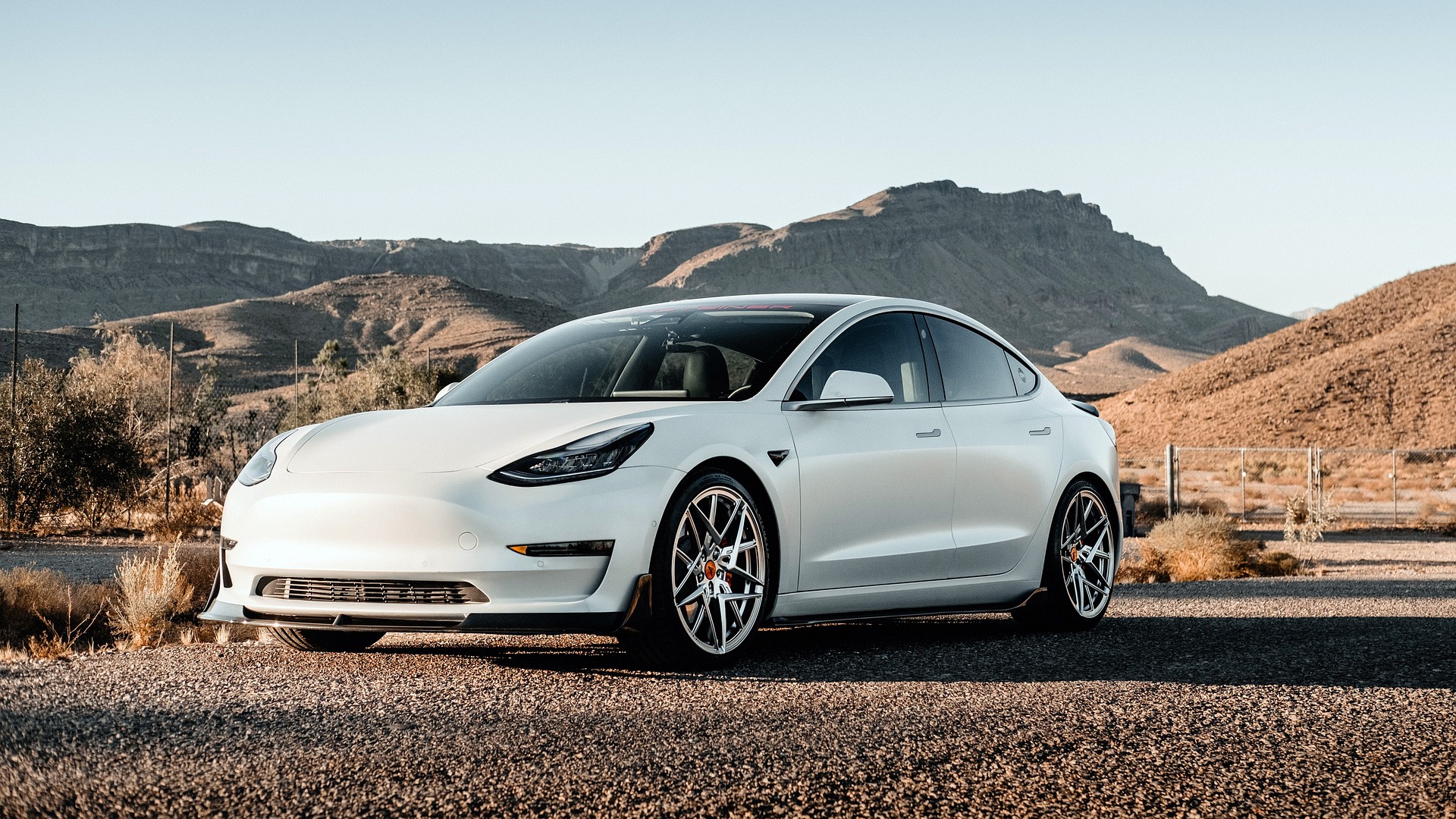
What Can A Democratic House Actually Do To Tesla?
Not much by law. President Trump still vetoes, and Democrats won’t have the votes to override. The 2025 tax law stays. The tariffs on car parts stay. Bringing back the EV credit would need a law, and there won’t be one.
But a House majority brings two things that don’t need a signature. It runs the committees, so it can hold hearings and issue subpoenas. And it must vote to raise the debt limit, which runs out in 2027, and that gives it leverage over spending. Neither writes a rule for Tesla. Both can take up a lot of Musk’s time.
Why Is Musk The Exposure?
Because Democrats have said so. Rep. Jasmine Crockett has said Democrats would subpoena Musk if they win the House. Politico reported that House Democrats are weighing inquiries into his DOGE role and his companies’ federal dealings. Musk answered on X on October 21 with a warning to anyone who tries. Republicans blocked earlier Democratic attempts to subpoena him; a majority ends that.
Most of the federal money in those probes sits at SpaceX, not Tesla. But Tesla pays the cost. Its stock is priced on robotaxis and robots, and on one man running them. In 2025, Reuters and the AP tied part of Tesla’s sales drop to a buyer backlash over Musk’s politics. Hearings put that back on the evening news.
That’s what makes Tesla different from most stocks: the biggest risk has a name. If Tesla is a large share of what you own, the question isn’t who wins on Tuesday. It’s how much of your wealth rides on one person’s next year. For families with $1 million or more, a Trefis partner firm can help you size that bet.
What About Robotaxis?
This is the one rule that matters to Tesla’s price, and it’s in the agency’s hands. NHTSA has eased its exemption process for cars with no steering wheel or pedals, which helps the Cybercab. A Democratic House can’t undo that. It can call officials to testify and ask why. Rules written by an agency can also be rewritten by the next administration, and that’s 2029, not 2027.
How Does This End?
Probably with a lot of noise and little change to Tesla’s numbers. The stock is up 29% in three months and 18% below its 52-week high. It has already lived through the loss of its tax credit and most of its credit revenue. What it hasn’t priced is a year of Musk under oath. Options traders expect Wednesday to be only about 20% more volatile than a normal day for the market as a whole. For Tesla, the bigger test comes later, when the hearings start.
The policy risk is spent. The person risk isn’t. Washington already took Tesla’s subsidies. A Democratic House can’t take more without a law. What it can do is subpoena the CEO, and Tesla’s valuation is a bet on that CEO’s attention.
For the company where Musk’s federal money really sits, see SpaceX and the midterms.
How Much Of Your Wealth Rides On One CEO?
Elections change the odds, not your plan. If you have $1 million or more invested, see what Tuesday means for your portfolio in a free 15-minute call with a Trefis partner firm.
Spot an error or want more like this? Tell us in 10 seconds.