
What Could Go Wrong At Royal Caribbean From Here?
For questions about this article or underlying research, email help@trefis.com.
Royal Caribbean (RCL) stock returned 13.8% from October 1 to October 30, 2026, while the S&P 500 lost 1.1%. On October 27, the company reported third-quarter results above its own expectations and raised its full-year guidance. During the earnings call, management repeatedly referenced a cost that rose sharply in 2026. So what is that cost?
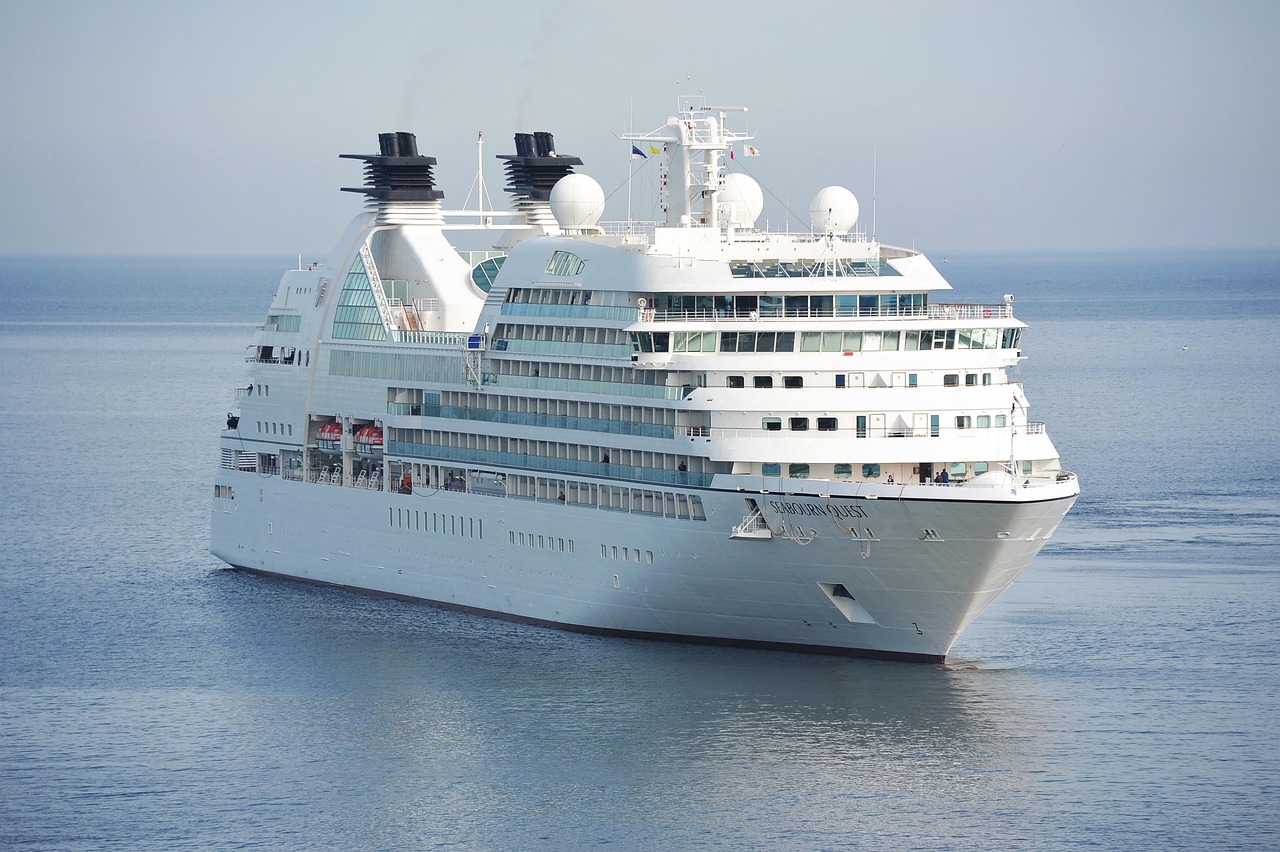
Royal Caribbean’s Management Names Fuel As A Headwind
The cost is fuel, and the warning comes directly from management rather than an outside critic. During the October 27 call, management discussed a significant increase in 2026 fuel rates, listing fuel and exchange rates alongside geopolitical events as headwinds for the business.
Fuel matters most for 2027. Management targets 20% compound yearly growth in adjusted earnings per share over several years, which it says puts 2027 earnings at $20 a share or more. That target covers the company’s multi-year Perfecta program, and 2027 is its final year. Royal Caribbean remains on track for that target, management says, but the forecast now relies on the forward fuel price curve, representing today’s market prices for future fuel purchases. The 2027 target is therefore tied to a price the company does not set.
How Exposed Are Royal Caribbean’s Earnings To Fuel?
Management said that at the spot fuel price when Royal Caribbean announced the program behind its 2027 earnings target, the company would have beaten the target by about a dollar a share. That dollar represents about 5% of the $20 target. Management now expects 2026 fuel expense of about $1.35 billion, and 58% of fourth-quarter fuel use is hedged.
The business paying for that fuel continues to grow. Revenue rose 8.8% from a year earlier to $5.59 billion in fiscal Q3 2026, while Royal Caribbean’s quarterly operating margin reached 33.4%, compared with 33.1% a year earlier. Management expects capacity to grow 4.5% in 2027 as new ships such as Hero of the Seas join the fleet. It is also investing about $3 billion for a 50% stake in Sandals and Beaches Resorts, a deal management expects to add to earnings immediately, though the shares fell 5% the day it was announced in September.
Investors are not paying a premium for that growth. They pay 18.0 times Royal Caribbean’s last twelve months of earnings, compared with 22.6 for the S&P 500. The shares also closed on October 30 about 10.3% below their 52-week high, set on February 9, 2026.
How Worried Should Royal Caribbean Holders Be?
Fuel presents a real risk for Royal Caribbean, but so far a slow one. Management absorbed the rise in fuel during 2026. It expects full-year adjusted earnings per share of $17.85 to $17.95, which it says brings the company back in line with its January expectations. The pressure appears instead in the 2027 plan, where management now speaks of being on track for its target rather than beating it.
Royal Caribbean’s outlook for 2027 adjusted earnings per share, along with the fuel price it is based on, is the number to watch when the company next reports, expected in January 2027.
How To Act On RCL?
Now you know Royal Caribbean better. Our purpose is to inform you so you can decide for yourself, and acting on one stock, in either direction, carries its own risk.
If you would rather own a portfolio built to spread that risk, the Trefis High Quality (HQ) Portfolio holds 30 quality companies in equal weight. Since its inception in September 2020 it has returned 105%, ahead of a benchmark that combines the S&P 500, S&P Mid-cap and Russell 2000.
See How The HQ Portfolio Works
Spot an error or want more like this? Tell us in 10 seconds.