
Has Roblox Stock Finally Turned The Corner?
The company made a big bet on safety, but investors are paying the price for the unintended consequences.
If you held Roblox (RBLX) stock over the last year, you might want to sit down. While the S&P 500 was busy climbing 21.5%, your shares fell 48.5%—though yesterday’s sudden 14% rally suggests the narrative is shifting rapidly. Forget lagging the market; this was a different universe entirely. It also starkly contrasts with gaming peers like Take-Two Interactive (TTWO), which rose 2.4%, and Electronic Arts (EA), up 30.5%. So, what happened? The answer is a story of good intentions leading to significant headwinds.
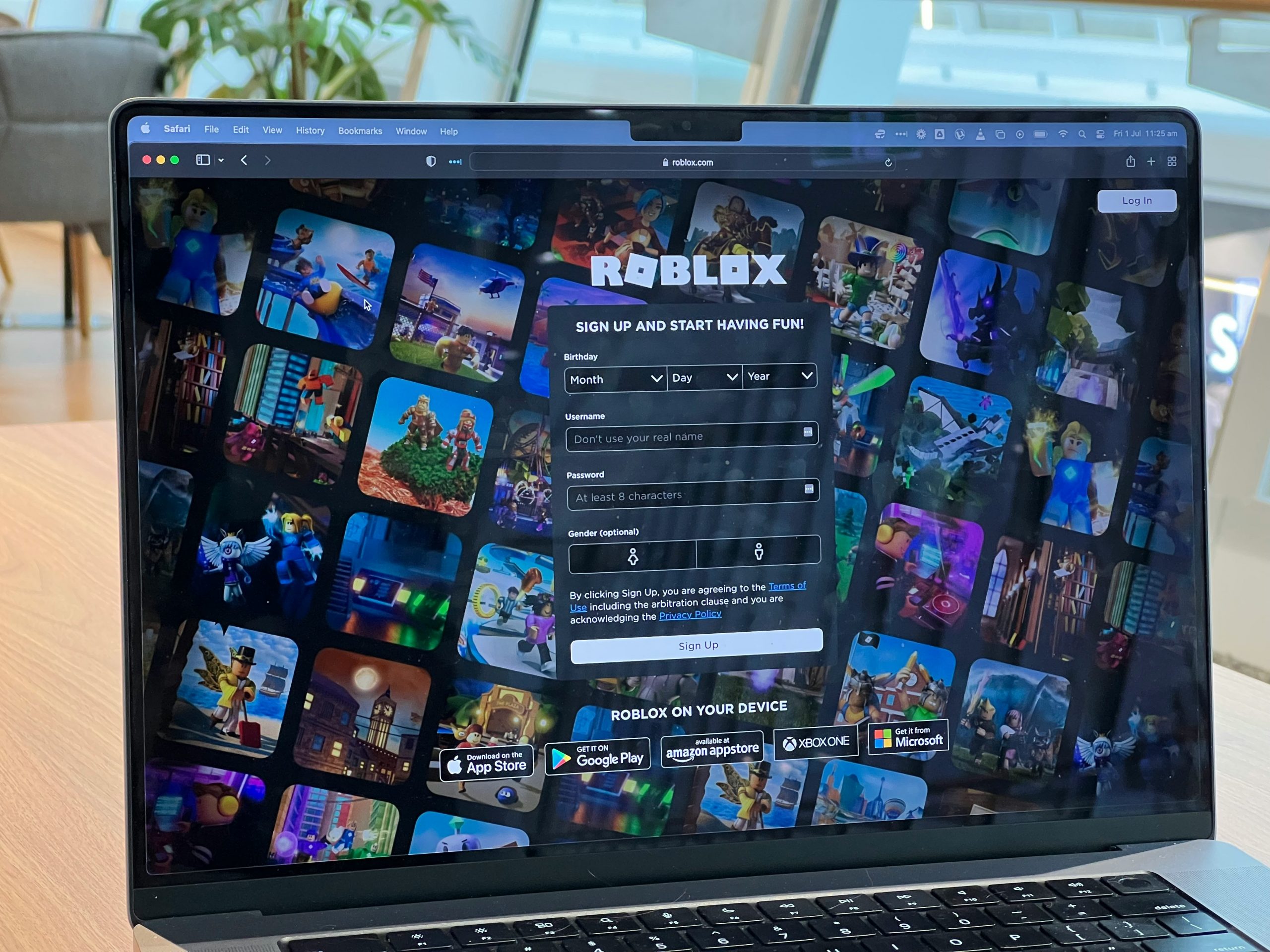
What was this big safety push, exactly?
In January, Roblox rolled out a global age-check system to access its chat features. The goal was admirable: create a safer environment, especially for younger users, by preventing adults from communicating with users 16 and under. Management called it setting a “new industry benchmark.” It was a proactive move to get ahead of regulators and build a platform based on “optimism and civility.”
How did a safety feature cause a stock drop?
It turns out that when you make it harder for people to talk to each other, they don’t stick around as much. The company admitted it didn’t fully grasp the “knock-on impacts” of the change. The new friction led to a “reduction in the percent of users communicating,” which in turn seems to have soured the user experience. Management believes this contributed to a “reduction in app store ratings,” which then choked off the flow of new organic sign-ups. In short, the company found “challenges at the top of the funnel, new users coming in.”
Just how bad was the damage to the outlook?
It was severe. Ninety days before the big reveal, management was guiding for full-year bookings growth of 22% to 26%. After seeing the fallout from the age-check rollout, they slashed that forecast. The new full-year guidance for bookings growth is now just 8% to 12%. That’s not a trim; it’s a haircut. The company now expects its daily active users to actually contract between the first and second quarters before hopefully returning to growth.
Is there any good news left in the story?
The company is betting this is short-term pain for long-term gain. The whole strategy is to pivot toward older, more lucrative users. And there are signs of life there. In the U.S., the 18-and-up user cohort saw its daily users and hours grow over 40%. Crucially, these older users also spend 50% more than their under-18 counterparts. To chase this opportunity, Roblox is boosting the payout rate for developers who create content for this older audience.
But older users aren’t the only silver lining. The massive 14% rally we saw yesterday was fueled by a sudden, sharp reversal in platform momentum. Weekend engagement numbers just jumped 10% week-over-week—the strongest weekend performance in at least 2.5 years. On top of that, Russian authorities are moving to lift a prior ban on the platform after Roblox agreed to comply with local rules, restoring a critical user and revenue base. Suddenly, the narrative that Roblox’s growth engine is permanently broken doesn’t seem quite so certain.
For a look at what it takes to reignite growth and engagement on a much larger digital platform, read our take: What Could Push META Stock Higher From Here?
But that pivot is now happening against a backdrop of decelerating growth in the user base. Will this recent engagement surge and the Russian market’s return be enough to sustain a true long-term recovery before investors decide the vision isn’t worth the cost?
Is A Dip Like This Worth Buying?
A drop this size raises the obvious question: opportunity or warning? Not every fall is worth buying. Our Buy The Dip screen ranks the beaten-down S&P 500 names that have a real history of bouncing back and still pass basic quality checks, so you can see what a dip actually worth buying looks like.
Sometimes a dip is a structural warning, and sometimes it’s just a temporary pause for a dominant leader. See how this plays out in another tech giant: Is The Microsoft Stock Pullback A Buying Opportunity?
How Do You Stay In The Game Through Drops Like This?
The investors who last are not the ones who dodge every falling stock; they are the ones who are built so that no single fall matters too much. Holding a disciplined basket of quality names turns a scary single-stock drop into a manageable bump in a much larger, steadier whole. Alternatively, if you prefer focusing on names with powerful upward momentum rather than turnaround plays, explore our analysis: Should You Chase The Breakout In Eli Lilly Stock?
That structure is exactly what the Trefis High Quality (HQ) Portfolio provides. It weighs the full picture of quality across thousands of names, holds the 30 strongest, and sizes and re-balances them with rules. It has a track record of outpacing a benchmark that combines the three major indices – the S&P 500, S&P Mid-cap, and Russell 2000.