
Pfizer And Drug Pricing: Should You Invest Now?
Pharmaceutical stocks, including Pfizer (NYSE: PFE) have recently come under scrutiny following President Trump’s executive order directing drugmakers to lower medicine prices to match what other countries pay. While the initial market reaction was negative, most pharma stocks rebounded after Wall Street analysts highlighted the significant legal challenges the order would face. The pharmaceutical industry has consistently argued that premium U.S. pricing funds the innovation pipeline that produces breakthrough treatments, and any price controls would directly impact their substantial R&D investments. While pharmaceutical stocks are seeing swings, for investors who seek lower volatility than individual stocks, the Trefis High Quality portfolio presents an alternative — having outperformed the S&P 500 and generated returns exceeding 91% since its inception.
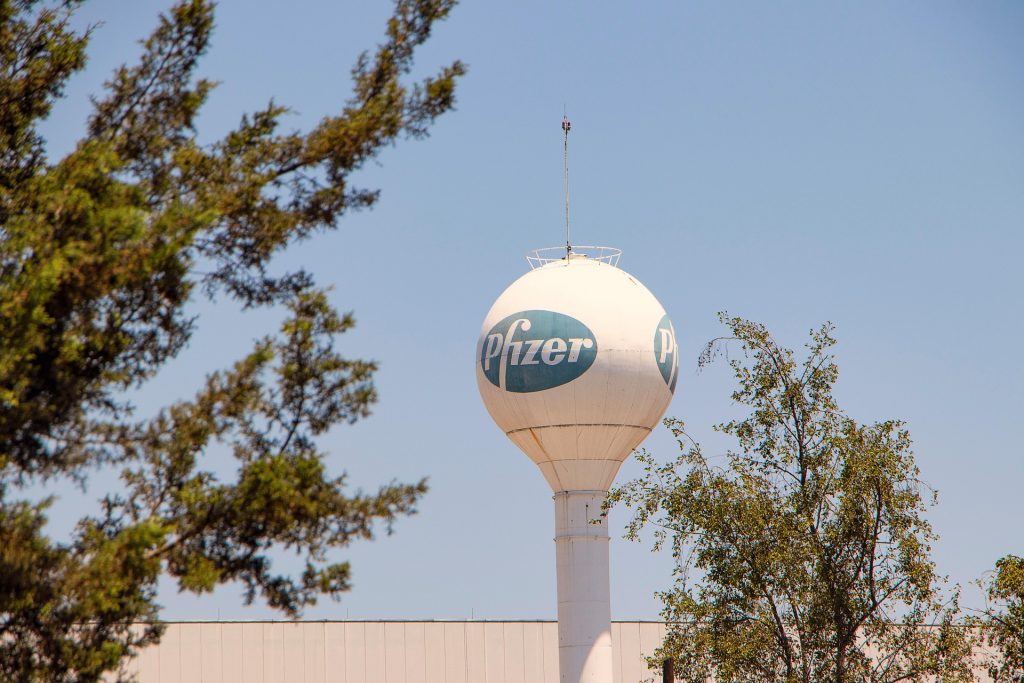
Image by Mike Ramírez Mx from Pixabay
Pfizer shares currently trade at approximately $23, down 13% year-to-date and significantly below their 2021 peak of around $60. The company experienced extraordinary growth during the COVID-19 pandemic, with annual sales surging to over $100 billion in 2022 from just $42 billion in 2020, driven by unprecedented demand for its vaccines. However, as pandemic-related product demand has waned, Pfizer’s revenue has contracted to $63 billion over the past twelve months.
In an effort to offset declining COVID-19 product sales, Pfizer embarked on an aggressive acquisition strategy, purchasing Seagen, Global Blood Therapeutics, and Biohaven. While the Seagen acquisition has performed well for Pfizer, the company withdrew its sickle cell disease treatment–Oxbryta–from approved markets due to risks of painful complications. This setback is particularly concerning as Pfizer paid $5.4 billion to acquire Global Blood Therapeutics, the developer of Oxbryta. Critics have suggested that Pfizer overpaid for these recent acquisitions. Adding to these challenges, Pfizer announced last month that it was discontinuing development of its experimental weight-loss pill, danuglipron, after a trial participant experienced potential drug-induced liver injury.
Despite these setbacks, there are positive indicators suggesting a potential recovery for Pfizer:
2023 likely represented the bottom of Pfizer’s sales slump, with revenues beginning to gradually increase. Non-COVID-19 products are performing adequately, particularly with market share gains for Vyndaqel. The company has implemented a cost-saving initiative aiming to reduce expenses by $7.7 billion by 2027, demonstrating a commitment to improving profitability.
We estimate Pfizer’s valuation to be $32 per share, reflecting a solid nearly 40% upside. At its current price of $23, Pfizer stock trades at just 8 times trailing earnings of $2.91 per share. This represents a significant discount compared to the company’s five-year average P/E ratio of 13. While some downward adjustment to the valuation multiple may be justified, given the uncertain long-term revenue growth trajectory following the decline in COVID-19 product sales, the current gap appears excessive.
While Pfizer faces undeniable challenges, these appear to be largely priced into the current valuation. The combination of deeply discounted shares, emerging positive developments in non-COVID products, and targeted efforts to right-size operations suggests that patient investors may find significant value in PFE shares, even as the company navigates this transitional period in its business.
While PFE stock looks promising, investing in a single stock can be risky. On the other hand, the Trefis High Quality (HQ) Portfolio, with a collection of 30 stocks, has a track record of comfortably outperforming the S&P 500 over the last 4-year period. Why is that? As a group, HQ Portfolio stocks provided better returns with less risk versus the benchmark index; less of a roller-coaster ride, as evident in HQ Portfolio performance metrics.
Invest with Trefis Market-Beating Portfolios
See all Trefis Price Estimates