
Where Analysts Pushed Back On DRI’s Latest Call
Darden’s headline numbers looked solid, but analysts on its latest call kept probing the one real tension: with Olive Garden slowing, can the rest of the portfolio carry the weight?
After a year of underperforming the S&P 500, Darden Restaurants (DRI) delivered a solid quarter, beating industry benchmarks for sales and traffic. Yet on its latest earnings call, the conversation kept circling back to one critical question: with the company’s flagship Olive Garden brand deliberately moderating its growth, can the rest of the portfolio, particularly a surging LongHorn Steakhouse, generate enough momentum to offset the slowdown and absorb rising costs?
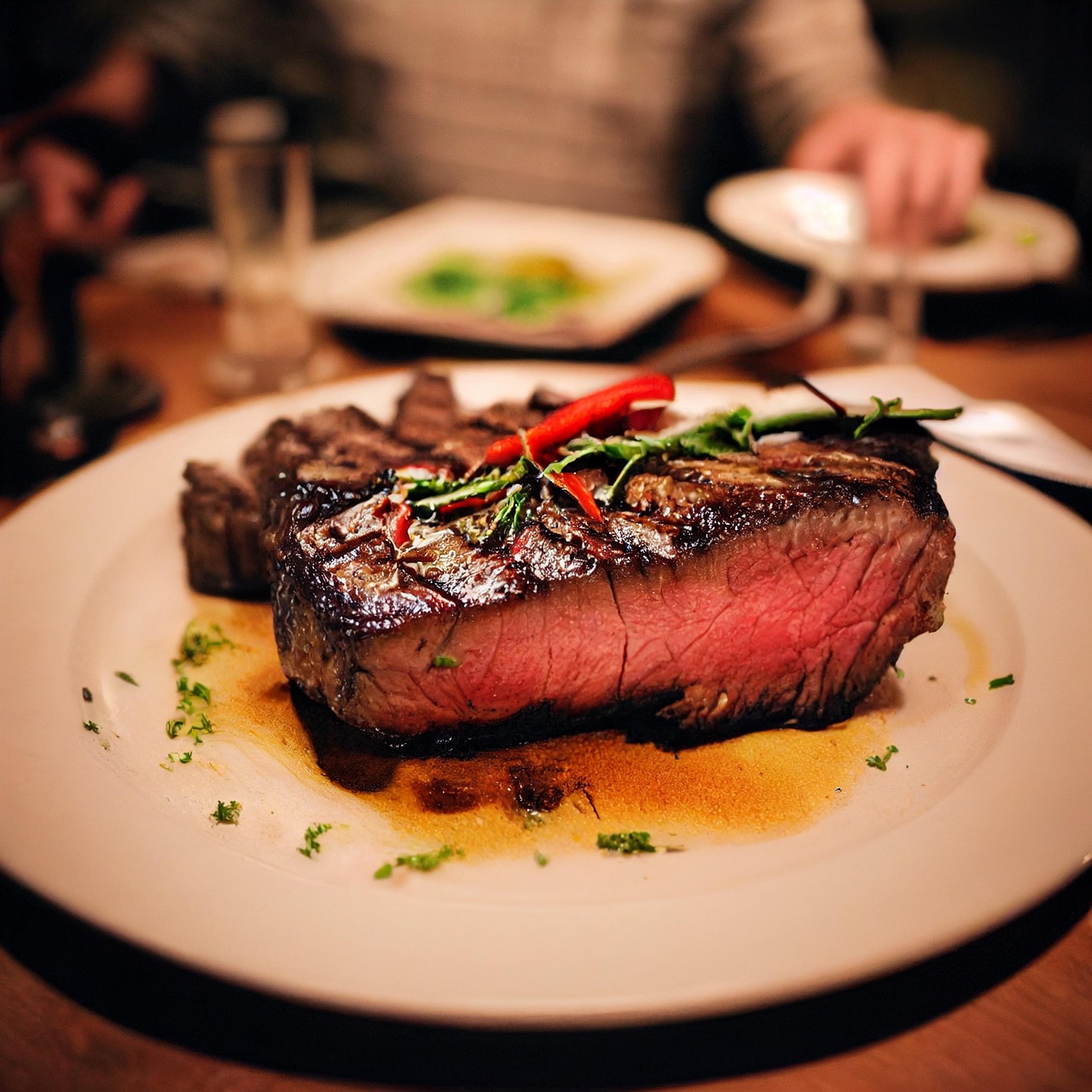
Photo by CharlVera on Pixabay
What’s The Plan For A Slower Olive Garden?
The most pointed questions centered on Olive Garden, which accounts for 42% of Darden’s sales. The brand’s growth is slowing, and a key new initiative to drive traffic, a “lighter portions” menu, is creating an explicit drag on the average check. This quarter, that headwind was 80 basis points, a number that raises the obvious concern: Is Darden trading high-quality margin for low-quality traffic? The worry is that the company’s main economic engine is being forced to discount, even subtly, to keep customers coming in.
Management’s response was framed as a strategic, long-term investment. The CFO noted that even with the menu investment, Olive Garden’s segment profit margin was a healthy 24% for the quarter. For next year, the company expects those margins to be “flat to positive.” The read here is that Darden is willing to absorb a calculated, near-term margin hit at its biggest brand to build frequency and defend its value proposition, confident that its operational muscle can prevent a broader decline in profitability.
Can The Business Absorb Higher Costs?
If Olive Garden’s margins are being reinvested, that puts more pressure on the rest of the P&L, a fact analysts quickly keyed on. The company’s guidance for fiscal 2027 includes total inflation of approximately 3% and, more pointedly, a drag of roughly $0.10 of EPS from the costs of accelerating new restaurant openings. With costs rising and the biggest brands’ profitability being managed for traffic, the path to earnings growth looks narrower.
Here, the answer was direct and leaned on Darden’s primary competitive advantage: scale. Management expressed confidence that its large supply chain and disciplined operations provide a buffer. The CFO stated that even with the headwind from new openings, the company’s overall EBITDA margin for next year is guided to be “flat to positive.” That’s a specific, numbers-backed commitment that demonstrates how Darden’s scale translates from a talking point into a tangible tool for absorbing costs that might squeeze smaller competitors.
The Portfolio Has To Prove It
Ultimately, management’s answer to the core challenge is that Darden’s strength lies in its portfolio of brands. The stunning 9.5% same-restaurant sales growth at LongHorn is the key exhibit. The open question is whether this re-balancing act can satisfy investors while Olive Garden finds its new cadence. The company is guiding for overall traffic to be flat to positive next year, a bold target in a weak industry.
The one number to watch next quarter is Olive Garden’s guest count. If it turns solidly positive, it will signal that the menu investments are working. If it remains flat or negative, the pressure on LongHorn and the other brands to outperform will only intensify.
One step out from the single name: our ETF Scorecard shows how the consumer discretionary funds stack up. A sector fund spreads these company-specific questions across the group, though it is still a concentrated bet on one theme, which is exactly the gap the portfolio below closes.
One Name, One Theme, Or Quality Across The Market
There is a ladder here. A single stock leans entirely on how its own open questions resolve. A sector fund spreads across one industrial theme, which is better, and still concentrated: one rough patch for the theme is a rough patch for the whole fund. The next rung is diversification across sectors, anchored to something sturdier than a storyline.
The Trefis High Quality (HQ) Portfolio is that rung: about 30 quality businesses spanning sectors, each selected on the fundamentals that endure, cash generation, margins, and financial strength, then sized and re-balanced with discipline. It has a track record of outpacing a benchmark that combines the three major indices – the S&P 500, S&P Mid-cap, and Russell 2000. Use pieces like this to stay sharp on individual names; let a cross-sector quality core carry the long game.