
Is Caterpillar Stock A Power Play Or A Capacity Trap?
Its closest peers rose too, and none of them came close, which points to the power business and the years of orders sitting behind it.
Caterpillar (CAT) stock has more than doubled over the past year, returning 118% against 21.1% for the S&P 500. A move that size in a heavy-equipment maker normally means the construction cycle turned. It did turn – construction sales to users rose for a sixth straight quarter – but that is not what set Caterpillar apart. What repriced the stock is the part of the company that sells power, and how far into the future its customers are now buying.
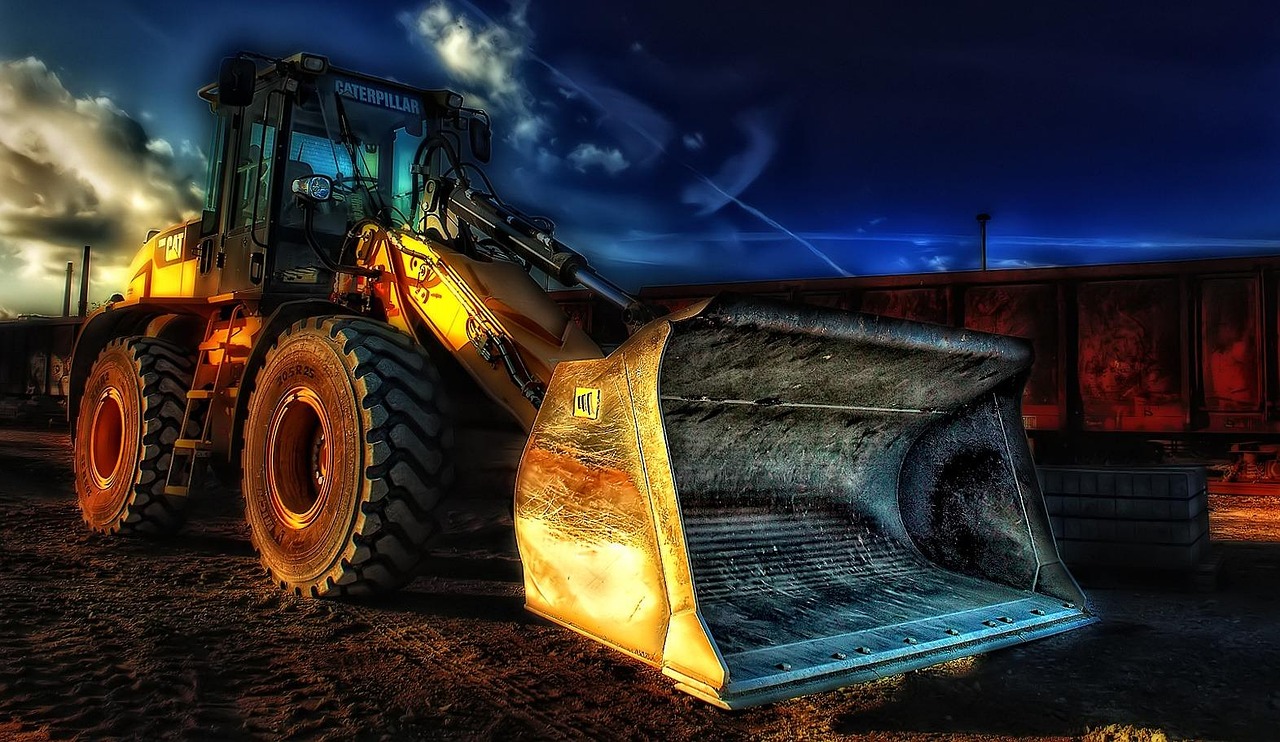
The Peer Group Does Not Explain A 118% Move
Deere (DE) returned 24.3% over the same twelve months and Cummins (CMI) 63.1%. Both rose; neither came close, and PACCAR (PCAR) sat between them at 36.5%. Even Cummins finished roughly 55 points behind, and a cycle does not single out one name like that.
The Power Business Is Now Booked Years Out
Caterpillar’s Power & Energy segment sells large gensets and turbines, and its power generation demand growth is coming from data centers. Sales to users in power generation grew 72% in the second quarter of 2026, and management says gas prime engines are booked into the back half of 2028, with some customers ordering as far ahead as 2030. Equipment sold on those terms is closer to a delivery slot than a purchase, which is why a year of orders repriced the stock more than a year of shipments could.
The Order Book Nearly Doubled In A Year
Backlog ended the second quarter of 2026 at $72 billion, about 92% above a year earlier. Sales and revenues in that quarter were a record $20.5 billion, so the order book alone is worth more than three record quarters of shipments. And 59% of the whole book, across all three primary segments, is scheduled for delivery within twelve months, a share that has held broadly steady across three quarters even as the total climbed.
Nor is the backlog growth all from data centers: management puts the oil and gas backlog at nearly twice its year-earlier size, with demand concentrated in gas compression. On current sales to users, though, power generation grew fastest—72% against 6% in oil and gas—so while the order book is broad-based, today’s shipment growth still leans heavily on the data-center build-out.
That is a different proposition from the Trefis High Quality Portfolio, which does not depend on the handful of largest technology names to produce its returns.
The Bottleneck Has Moved Into The Plants
By management’s account, demand is no longer the limit in Power & Energy; production is. In under 12 months, Caterpillar converted a plant it already owned in Wamego, Kansas, to package and ship power-generation units, and it is restarting the 10-megawatt gas engine platform it shut in 2022, adding about 1.5 gigawatts with first shipments due in the fourth quarter of 2026.
The Outlook Is Now The Number That Matters
The order book explains the move; it is not the edge now. With shares trading roughly 21% below their 12-month peak of $1,062.93, the market appears to be reassessing the valuation multiple Caterpillar commands relative to its backlog conversion timeline. Caterpillar has raised its full-year 2026 sales and revenues outlook to mid- to high-teens growth, and the live test is whether the full-year outlook keeps climbing as the new capacity turns on.
A Capacity Ramp Is A Risk Worth Spreading
Nothing above says the ramp fails, only that the payoff now rests on execution rather than on orders already signed. That is the kind of concentrated risk a rules-based basket such as the Trefis High Quality Portfolio is built to spread. That portfolio has a track record of outpacing the three major indices.