
Hexcel (HXL)
Market Price (9/13/2026): $92.75 | Market Cap: $7.0 BilSector: Industrials | Industry: Aerospace & Defense
Hexcel (HXL)
Market Price (9/13/2026): $92.75Market Cap: $7.0 BilSector: IndustrialsIndustry: Aerospace & Defense
Investment Highlights Why It Matters Detailed financial logic regarding cash flow yields vs trend-riding momentum.
Attractive cash flow generationCFO/Rev LTMCash Flow from Operations / Revenue (Sales), Last Twelve Months (LTM) is 17%, FCF/Rev LTMFree Cash Flow / Revenue (Sales), Last Twelve Months (LTM) is 13% Low stock price volatilityVol 12M is 33% Megatrend and thematic driversMegatrends include Advanced Materials, and Advanced Aviation & Space. Themes include Lightweight Composites, Advanced Air Mobility, Show more. | Weak multi-year price returns3Y Excs Rtn is -39% | Key risksHXL key risks include [1] high vulnerability to production delays and inventory destocking by its major commercial aerospace OEM customers, Show more. |
| Attractive cash flow generationCFO/Rev LTMCash Flow from Operations / Revenue (Sales), Last Twelve Months (LTM) is 17%, FCF/Rev LTMFree Cash Flow / Revenue (Sales), Last Twelve Months (LTM) is 13% |
| Low stock price volatilityVol 12M is 33% |
| Megatrend and thematic driversMegatrends include Advanced Materials, and Advanced Aviation & Space. Themes include Lightweight Composites, Advanced Air Mobility, Show more. |
| Weak multi-year price returns3Y Excs Rtn is -39% |
| Key risksHXL key risks include [1] high vulnerability to production delays and inventory destocking by its major commercial aerospace OEM customers, Show more. |
Qualitative Assessment
AI Analysis | Feedback
Hexcel (HXL) stock has gained about 5% since 5/31/2026 because of the following key factors:
1. Hexcel reported strong fiscal Q2 2026 financial results that surpassed analyst expectations and led to an upward revision of its full-year guidance. The company announced Q2 2026 net sales of $529.3 million, an 8.0% increase from the prior year, exceeding analyst estimates of $528.08 million. Adjusted diluted earnings per share (EPS) for the quarter rose by 32.0% year-over-year to $0.66, beating the consensus estimate of $0.57 by $0.09. Following these robust results, Hexcel increased its full-year 2026 sales guidance to a range of $2.025 billion to $2.125 billion, up from the previous outlook of $2.0 billion to $2.1 billion. Adjusted EPS guidance was also raised to $2.30 to $2.40 from the prior $2.10 to $2.30.
2. The company experienced robust demand within its commercial aerospace segment, driven by rising build rates for key aircraft programs. Commercial Aerospace sales in fiscal Q2 2026 (ended June 2026) significantly increased by 18.3% to $346.6 million, with strong performance specifically noted in the Airbus A350 and Boeing 787 programs. This growth reflects strengthening demand signals from Hexcel's commercial aerospace customers and a general recovery in aircraft production rates.
Show more
Hexcel (HXL) stock has gained about 5% since 5/31/2026 because of the following key factors:
1. Hexcel reported strong fiscal Q2 2026 financial results that surpassed analyst expectations and led to an upward revision of its full-year guidance. The company announced Q2 2026 net sales of $529.3 million, an 8.0% increase from the prior year, exceeding analyst estimates of $528.08 million. Adjusted diluted earnings per share (EPS) for the quarter rose by 32.0% year-over-year to $0.66, beating the consensus estimate of $0.57 by $0.09. Following these robust results, Hexcel increased its full-year 2026 sales guidance to a range of $2.025 billion to $2.125 billion, up from the previous outlook of $2.0 billion to $2.1 billion. Adjusted EPS guidance was also raised to $2.30 to $2.40 from the prior $2.10 to $2.30.
2. The company experienced robust demand within its commercial aerospace segment, driven by rising build rates for key aircraft programs. Commercial Aerospace sales in fiscal Q2 2026 (ended June 2026) significantly increased by 18.3% to $346.6 million, with strong performance specifically noted in the Airbus A350 and Boeing 787 programs. This growth reflects strengthening demand signals from Hexcel's commercial aerospace customers and a general recovery in aircraft production rates.
3. Hexcel demonstrated a notable improvement in profitability and cash flow, reflecting enhanced operational leverage. The gross margin for fiscal Q2 2026 expanded to 26.1%, compared to 22.8% in Q2 2025, benefiting from higher sales volume and improved operational efficiency. Furthermore, the company reported a significant turnaround in its free cash flow, which improved to $51.8 million for the first half of 2026, a substantial increase from a negative $46.6 million in the corresponding period of 2025. This positive cash flow generation and margin expansion underscore the company's strengthening financial health.
Show less
Stock Movement Drivers
Fundamental Drivers
The 3.5% change in HXL stock from 5/31/2026 to 9/12/2026 was primarily driven by a 27.8% change in the company's Net Income Margin (%).| (LTM values as of) | 5312026 | 9122026 | Change |
|---|---|---|---|
| Stock Price ($) | 89.63 | 92.74 | 3.5% |
| Change Contribution By: | |||
| Total Revenues ($ Mil) | 1,939 | 1,978 | 2.0% |
| Net Income Margin (%) | 6.1% | 7.8% | 27.8% |
| P/E Multiple | 57.8 | 45.7 | -20.9% |
| Shares Outstanding (Mil) | 76 | 76 | 0.3% |
| Cumulative Contribution | 3.5% |
Market Drivers
5/31/2026 to 9/12/2026| Return | Correlation | |
|---|---|---|
| HXL | 3.5% | |
| Market (SPY) | 1.0% | 35.6% |
| Sector (XLI) | -0.4% | 61.1% |
Fundamental Drivers
The 0.4% change in HXL stock from 2/28/2026 to 9/12/2026 was primarily driven by a 34.3% change in the company's Net Income Margin (%).| (LTM values as of) | 2282026 | 9122026 | Change |
|---|---|---|---|
| Stock Price ($) | 92.35 | 92.74 | 0.4% |
| Change Contribution By: | |||
| Total Revenues ($ Mil) | 1,894 | 1,978 | 4.5% |
| Net Income Margin (%) | 5.8% | 7.8% | 34.3% |
| P/E Multiple | 64.8 | 45.7 | -29.5% |
| Shares Outstanding (Mil) | 77 | 76 | 1.5% |
| Cumulative Contribution | 0.4% |
Market Drivers
2/28/2026 to 9/12/2026| Return | Correlation | |
|---|---|---|
| HXL | 0.4% | |
| Market (SPY) | 11.7% | 44.8% |
| Sector (XLI) | -2.4% | 68.0% |
Fundamental Drivers
The 48.1% change in HXL stock from 8/31/2025 to 9/12/2026 was primarily driven by a 65.5% change in the company's Net Income Margin (%).| (LTM values as of) | 8312025 | 9122026 | Change |
|---|---|---|---|
| Stock Price ($) | 62.64 | 92.74 | 48.1% |
| Change Contribution By: | |||
| Total Revenues ($ Mil) | 1,877 | 1,978 | 5.4% |
| Net Income Margin (%) | 4.7% | 7.8% | 65.5% |
| P/E Multiple | 57.1 | 45.7 | -19.9% |
| Shares Outstanding (Mil) | 80 | 76 | 5.9% |
| Cumulative Contribution | 48.1% |
Market Drivers
8/31/2025 to 9/12/2026| Return | Correlation | |
|---|---|---|
| HXL | 48.1% | |
| Market (SPY) | 19.5% | 38.3% |
| Sector (XLI) | 14.6% | 58.5% |
Fundamental Drivers
The 30.2% change in HXL stock from 8/31/2023 to 9/12/2026 was primarily driven by a 16.0% change in the company's Total Revenues ($ Mil).| (LTM values as of) | 8312023 | 9122026 | Change |
|---|---|---|---|
| Stock Price ($) | 71.25 | 92.74 | 30.2% |
| Change Contribution By: | |||
| Total Revenues ($ Mil) | 1,706 | 1,978 | 16.0% |
| Net Income Margin (%) | 8.7% | 7.8% | -11.2% |
| P/E Multiple | 40.5 | 45.7 | 12.9% |
| Shares Outstanding (Mil) | 85 | 76 | 11.9% |
| Cumulative Contribution | 30.2% |
Market Drivers
8/31/2023 to 9/12/2026| Return | Correlation | |
|---|---|---|
| HXL | 30.2% | |
| Market (SPY) | 75.7% | 51.0% |
| Sector (XLI) | 65.9% | 61.9% |
Price Returns Compared
| 2021 | 2022 | 2023 | 2024 | 2025 | 2026 | Total [1] | |
|---|---|---|---|---|---|---|---|
| Returns | |||||||
| HXL Return | 7% | 14% | 26% | -14% | 19% | 22% | 93% |
| Peers Return | 16% | 4% | 35% | 37% | 31% | 11% | 222% |
| S&P 500 Return | 27% | -19% | 24% | 23% | 16% | 11% | 102% |
Monthly Win Rates [3] | |||||||
| HXL Win Rate | 67% | 58% | 58% | 33% | 58% | 56% | |
| Peers Win Rate | 52% | 47% | 58% | 65% | 60% | 53% | |
| S&P 500 Win Rate | 75% | 42% | 67% | 75% | 67% | 44% | |
Max Drawdowns [4] | |||||||
| HXL Max Drawdown | -26% | -20% | -23% | -23% | -33% | -19% | |
| Peers Max Drawdown | -18% | -28% | -17% | -16% | -29% | -22% | |
| S&P 500 Max Drawdown | -5% | -25% | -10% | -8% | -19% | -9% | |
[1] Cumulative total returns since the beginning of 2021
[2] Peers: HWM, OC, DD, CW, TDY. See HXL Returns vs. Peers.
[3] Win Rate = % of calendar months in which monthly returns were positive
[4] Max drawdown represents maximum peak-to-trough decline within a year
[5] 2026 data is for the year up to 9/11/2026 (YTD)
How Low Can It Go
| Event | HXL | S&P 500 |
|---|---|---|
| 2025 US Tariff Shock | ||
| % Loss | -26.9% | -18.8% |
| % Gain to Breakeven | 36.8% | 23.1% |
| Time to Breakeven | 147 days | 79 days |
| Summer-Fall 2023 Five Percent Yield Shock | ||
| % Loss | -15.5% | -9.5% |
| % Gain to Breakeven | 18.3% | 10.5% |
| Time to Breakeven | 35 days | 24 days |
| 2020 COVID-19 Crash | ||
| % Loss | -63.2% | -33.7% |
| % Gain to Breakeven | 171.7% | 50.9% |
| Time to Breakeven | 1044 days | 140 days |
| Q4 2018 Fed Policy Error / Growth Scare | ||
| % Loss | -19.7% | -19.2% |
| % Gain to Breakeven | 24.6% | 23.8% |
| Time to Breakeven | 37 days | 105 days |
| 2015-2016 China Devaluation / Global Growth Scare | ||
| % Loss | -29.2% | -12.2% |
| % Gain to Breakeven | 41.3% | 13.9% |
| Time to Breakeven | 300 days | 62 days |
| 2014-2016 Oil Price Collapse | ||
| % Loss | -10.4% | -6.8% |
| % Gain to Breakeven | 11.6% | 7.3% |
| Time to Breakeven | 18 days | 15 days |
In The Past
Hexcel's stock fell -26.9% during the 2025 US Tariff Shock. Such a loss loss requires a 36.8% gain to breakeven.
Preserve Wealth
Limiting losses and compounding gains is essential to preserving wealth.
Asset Allocation
Actively managed asset allocation strategies protect wealth. Learn more.
| Event | HXL | S&P 500 |
|---|---|---|
| 2025 US Tariff Shock | ||
| % Loss | -26.9% | -18.8% |
| % Gain to Breakeven | 36.8% | 23.1% |
| Time to Breakeven | 147 days | 79 days |
| 2020 COVID-19 Crash | ||
| % Loss | -63.2% | -33.7% |
| % Gain to Breakeven | 171.7% | 50.9% |
| Time to Breakeven | 1044 days | 140 days |
| 2015-2016 China Devaluation / Global Growth Scare | ||
| % Loss | -29.2% | -12.2% |
| % Gain to Breakeven | 41.3% | 13.9% |
| Time to Breakeven | 300 days | 62 days |
| 2011 US Debt Ceiling Crisis & European Contagion | ||
| % Loss | -24.8% | -17.9% |
| % Gain to Breakeven | 32.9% | 21.8% |
| Time to Breakeven | 67 days | 123 days |
| 2008-2009 Global Financial Crisis | ||
| % Loss | -82.1% | -53.4% |
| % Gain to Breakeven | 458.2% | 114.4% |
| Time to Breakeven | 962 days | 1085 days |
In The Past
Hexcel's stock fell -26.9% during the 2025 US Tariff Shock. Such a loss loss requires a 36.8% gain to breakeven.
Preserve Wealth
Limiting losses and compounding gains is essential to preserving wealth.
Asset Allocation
Actively managed asset allocation strategies protect wealth. Learn more.
About Hexcel (HXL)
Hexcel Corporation (HXL) is a leading developer and manufacturer of advanced structural materials used primarily in the commercial aerospace, space and defense, and industrial markets globally. The company provides high-performance composite materials and engineered products that are essential for creating lightweight, strong, and durable structures across various critical applications.
Hexcel's offerings are categorized into two segments. Its Composite Materials segment produces carbon fibers, specialized fabrics, prepregs, structural adhesives, and honeycomb, which are integral to military and commercial aircraft, wind turbine blades, and industrial applications including automotive and marine. The Engineered Products segment focuses on manufacturing finished aircraft structures and components like wing panels, flight deck panels, and rotorcraft blades, as well as critical sub-components for engine nacelles and various aircraft surfaces. These sophisticated materials and components are sold to customers worldwide, including major aerospace manufacturers and defense contractors.
AI Analysis | Feedback
Here are 1-3 brief analogies for Hexcel (HXL):
- Spirit AeroSystems, but also inventing and making the advanced composite materials used in their aircraft structures.
- A specialized DuPont or 3M for advanced composite materials and structures, primarily for aerospace and defense.
- Corning, but for advanced carbon fiber composites and lightweight structures used in aircraft and spacecraft.
AI Analysis | Feedback
- Composite Materials: Hexcel manufactures and markets a range of advanced materials including carbon fibers, fabrics, prepregs, structural adhesives, honeycomb, and molding compounds.
- Engineered Aircraft Structures and Components: The company produces finished and semi-finished aircraft parts such as wing panels, fairings, flight deck panels, door liners, and rotorcraft blades.
AI Analysis | Feedback
Hexcel (HXL) primarily sells its advanced structural materials and engineered products to other companies, acting as a key supplier to manufacturers in the commercial aerospace, space and defense, and various industrial markets.
Based on the company description, its major customers are likely original equipment manufacturers (OEMs) in these sectors. While specific customer names are not explicitly provided in the background text, Hexcel's product descriptions strongly indicate that the following types of public companies would be among its major customers:
- Commercial Aerospace Manufacturers: Hexcel supplies advanced composite materials, aircraft structures, and finished components (such as wing panels, fairings, and flight deck panels) for commercial aircraft.
- Boeing (BA)
- Airbus (EADSY)
- Space and Defense Contractors: Hexcel's materials are used in military aircraft and various space and defense applications.
- Lockheed Martin (LMT)
- Northrop Grumman (NOC)
- RTX Corporation (RTX)
- Wind Turbine Manufacturers: Hexcel provides materials for wind turbine blades.
- Vestas Wind Systems (VWDRY)
AI Analysis | Feedback
AI Analysis | Feedback
Thomas C. Gentile III, Chairman, Chief Executive Officer and President
Thomas C. Gentile III assumed the role of CEO and President of Hexcel Corporation in May 2024 and was appointed Chairman in December 2024. He brings extensive experience from the aerospace industry, having served as President and Chief Executive Officer of Spirit AeroSystems from 2016 to 2023. Prior to Spirit AeroSystems, Mr. Gentile held various leadership positions at GE for 19 years, including President & Chief Operating Officer of GE Capital, President & CEO of GE Healthcare Systems, and President & CEO of GE Aviation Services. His earlier career also includes roles at CBS Corporation and McKinsey & Company.
James (Jamie) Coogan, Executive Vice President and Chief Financial Officer
James (Jamie) Coogan is appointed Executive Vice President and Chief Financial Officer of Hexcel Corporation, effective May 1, 2026. He possesses over 20 years of finance, accounting, and investor relations experience across multiple industries, including aerospace and defense. Before joining Hexcel, Mr. Coogan most recently served as Executive Vice President and Chief Financial Officer at Axcelis Technologies, a position he took in September 2023. Prior to that, he spent 15 years at Kaman Corporation, where he held various management positions, including Senior Vice President, Chief Financial Officer.
Gail E. Lehman, Executive Vice President, Chief Legal and Sustainability Officer, and Secretary
Gail E. Lehman joined Hexcel in 2017. Before her tenure at Hexcel, she held the position of Chief Administrative Officer, General Counsel & Corporate Secretary at Noranda Aluminum Holding Corporation. With over 35 years of industry experience, Ms. Lehman has also held various positions in bank operations, specializing in regulatory compliance, enterprise risk management, information technology, and venture capital environments.
AI Analysis | Feedback
AI Analysis | Feedback
AI Analysis | Feedback
Hexcel Corporation (HXL) operates in several significant addressable markets, primarily focused on advanced composite materials for commercial aerospace, space and defense, and industrial applications. Below are the estimated market sizes for their main products and services:
Aerospace Composites Market
- The global aerospace composites market was valued at approximately USD 29.4 billion in 2024 and is projected to reach USD 96.6 billion by 2034. Another estimate places the global market at USD 22.4 billion in 2024, anticipated to grow to USD 64.9 billion by 2034.
- A separate report estimates the global aerospace composites market at USD 30.3 billion in 2025, with a projection to reach USD 53.4 billion by 2030.
- In North America, the aerospace composites market is expected to exceed USD 37 billion by 2034.
- The U.S. aerospace composites market alone is projected to reach USD 15.22 billion by 2026.
Carbon Fiber Market
- The global carbon fiber market was estimated at USD 5.75 billion in 2024 and is projected to reach USD 10.68 billion by 2030.
- Another analysis valued the global carbon fiber market at USD 3.12 billion in 2025, with a forecast to grow to USD 8.08 billion by 2034.
- The global carbon fiber for aerospace market was valued at USD 3.42 billion in 2023, with projections to reach USD 6.28 billion by 2030. Another source states the global aerospace carbon fiber market was USD 1.6 billion in 2023 and is expected to reach USD 4.5 billion by 2033.
- Europe held the largest share of the global carbon fiber market, accounting for 31.9% of global revenue in 2024.
- Asia Pacific dominated the carbon fiber market with a 39.30% market share in 2025.
- North America's carbon fiber market was estimated at USD 1.01 billion in 2025 and is projected to reach USD 1.07 billion in 2026.
Prepreg Market
- The global prepreg market was estimated at USD 11.05 billion in 2022 and is projected to reach USD 25.18 billion by 2030.
- Other estimates for the global prepreg market include USD 6.3 billion in 2021, expected to reach USD 16.1 billion by 2031, and USD 10.62 billion in 2023, anticipated to reach USD 27 billion by 2032.
- The aerospace & defense segment accounted for over 42.21% of the prepreg market share in 2022.
- North America held a significant share of the prepreg market, with 37.71% in 2022 and approximately 42% in 2023.
Honeycomb Core Materials Market
- The global honeycomb core materials market exceeded USD 2.8 billion in 2022.
- The North America honeycomb core materials market was valued at USD 4.5 billion in 2022.
- The aerospace segment constituted 28% of the honeycomb core materials market share in 2022.
Wind Turbine Composites Market
- The global wind turbine composite materials market was valued at USD 14.3 billion in 2024 and is estimated to grow to USD 26.8 billion by 2034.
- The global wind blade composites market is projected to grow from USD 13.28 billion in 2025 to USD 21.87 billion by 2030.
- The overall global wind turbine blade market was valued at USD 42.58 billion in 2025 and is projected to reach USD 237.93 billion by 2034.
- Asia Pacific held the largest share of the wind blade composites market in terms of value and volume in 2024.
Automotive Composites Market
- The global automotive composite market was estimated at USD 22.47 billion in 2025 and is projected to reach USD 36.13 billion by 2033.
- Another source indicates the automotive composites market is poised to grow from USD 9.3 billion in 2025 to USD 27.1 billion by 2035.
- Asia Pacific dominated the automotive composite market, holding 51.1% of the revenue share in 2025.
High Performance Composites Market
- The global high-performance composites market is projected to grow from USD 80.96 billion in 2026 to USD 156.73 billion by 2034.
- Asia Pacific held the dominant share in this market, valued at USD 33.2 billion in 2025.
AI Analysis | Feedback
AI Analysis | Feedback
Share Repurchases
- Hexcel authorized a new $600 million share repurchase program in October 2025.
- The company executed a $350 million accelerated share repurchase (ASR) program in October 2025, which was funded using its existing revolving credit facility.
- In 2024, Hexcel repurchased $252.2 million of common stock, and the remaining authorization under the share repurchase program was $234.9 million as of December 31, 2024.
Inbound Investments
- Activist investor Vision One Management Partners increased its stake in Hexcel by 106,716 shares, an estimated $7.54 million trade, in the fourth quarter of 2025.
Outbound Investments
- In December 2023, Hexcel sold its 50% interest in a joint venture in Malaysia to Boeing, receiving net proceeds of $44.7 million.
- The company completed the divestiture of its Neumarkt, Austria business in 2024.
Capital Expenditures
- Hexcel's capital expenditures on an accrual basis were $76.7 million in 2025 and $81.1 million in 2024.
- In 2023, capital expenditures were $108.2 million (cash basis), including approximately $38 million for the purchase of land and a building for its Amesbury, Massachusetts operation.
- The primary focus of capital expenditures includes the "Future Factory Initiative," which involves investments in lean projects, digitization, and automation to drive efficiency and reduce unit costs. Additionally, in 2023, Hexcel resumed construction of a new carbon fiber line in Decatur, Alabama, and expanded its Engineered Products facility in Casablanca, Morocco.
Peer Outperformance in Aerospace & Defense
| Ticker | Name | Rev Growth 3Y Avg | P/E | 1Y | 3Y | 5Y | 5Y Gap |
|---|---|---|---|---|---|---|---|
| HXL | Hexcel | 5.1% | 45.7x | 50.9% | 40.0% | 67.5% | — |
| ATI | ATI | 4.6% | 56.9x | 161.1% | 354.5% | 1025.5% | +958pp |
| DCO | Ducommun | 5.1% | -86.9x | 85.7% | 301.4% | 233.8% | +166pp |
| Industry | Names | 1Y med | 3Y med | 5Y med | Top 3 by 5Y |
|---|---|---|---|---|---|
| Construction & Engineering | 31 | 12.7% | 111.8% | 193.6% | CDNL 2642% · FIX 2303% · STRL 2082% |
| Marine Transportation | 5 | 78.1% | 62.7% | 164.5% | HOS 46637% · MATX 189% · KEX 165% |
| Construction Machinery & Heavy Transportation Equipment | 13 | 8.1% | 64.5% | 119.2% | CAT 333% · ALSN 272% · WAB 223% |
| Aerospace & Defense ← | 54 | -1.3% | 66.4% | 69.0% | ATI 1026% · FTAI 942% · HWM 622% |
| Rail Transportation | 7 | 34.0% | 67.4% | 44.9% | FSTR 141% · CSX 70% · UNP 54% |
| Passenger Ground Transportation | 3 | -21.7% | 35.9% | 41.9% | UBER 79% · CAR 42% · LYFT -70% |
| Trading Companies & Distributors | 19 | 6.3% | 37.5% | 39.7% | DXPE 563% · AIT 291% · WCC 226% |
| Industrial Machinery & Supplies & Components | 71 | 7.9% | 44.3% | 38.9% | CRS 1350% · PSIX 994% · EROC 630% |
| Cargo Ground Transportation | 16 | 37.5% | 4.9% | 33.0% | XPO 253% · R 244% · CVLG 218% |
| Diversified Support Services | 32 | 12.7% | 31.4% | 31.1% | LIME 3588% · TH 403% · WLFC 367% |
| Electrical Components & Equipment | 41 | 14.4% | 57.2% | 16.2% | POWL 2259% · BE 1264% · VRT 978% |
| Building Products | 33 | -11.2% | 5.2% | 16.0% | LMB 637% · GFF 396% · PPIH 312% |
| Industrial Conglomerates | 17 | 6.4% | 11.0% | 5.4% | RCMT 466% · CSW 141% · CSL 78% |
| Environmental & Facilities Services | 29 | -9.0% | 27.9% | -5.5% | CECO 1030% · ADUR 384% · NVRI 363% |
| Agricultural & Farm Machinery | 17 | 12.3% | -3.0% | -6.1% | BLBD 218% · DE 100% · GENC 56% |
| Research & Consulting Services | 13 | -12.8% | -24.4% | -11.1% | HURN 205% · CRAI 91% · GRNQ 68% |
| Data Processing & Outsourced Services | 6 | -33.5% | -15.4% | -25.1% | EXLS 44% · BR 8% · G -24% |
| Passenger Airlines | 11 | 1.9% | 2.8% | -28.0% | LTM 3258% · UAL 145% · SKYW 110% |
| Office Services & Supplies | 9 | 8.9% | 27.3% | -31.8% | PBI 193% · TILE 139% · HNI 53% |
| Security & Alarm Services | 10 | -34.4% | 13.3% | -38.0% | CIX 144% · MG 100% · NL 68% |
| Air Freight & Logistics | 12 | -10.2% | -24.4% | -38.7% | CHRW 93% · FDX 64% · EXPD 60% |
| Human Resource & Employment Services | 22 | 0.4% | -21.4% | -39.3% | BBSI 86% · ADP 50% · PAYX 24% |
| Airport Services | 3 | -71.3% | -79.2% | -58.4% | JOBY -28% · ASLE -58% · UP -100% |
Latest Trefis Analyses
| Title | Date | |
|---|---|---|
| DASHBOARDS | ||
| HXL Stock Falls -17% In A 9-day Losing Spree On CFO Change | 03/16/2026 | |
| Hexcel Earnings Notes | 12/26/2025 | |
| How Low Can Hexcel Stock Really Go? | 10/17/2025 | |
| Hexcel vs Microsoft: Which Is A Better Investment? | 08/18/2025 | |
| Hexcel vs RTX: Which Is A Better Investment? | 08/18/2025 | |
| How Does Hexcel Stock Stack Up Against Its Peers? | 08/13/2025 | |
| Better Bet Than HXL Stock: Pay Less Than Hexcel To Get More From MSFT, GOOGL | 08/12/2025 | |
| ARTICLES | ||
| Small Cap Stocks At 52-Week Highs: Thursday’s Full List | 07/24/2026 | |
| 34 Small Cap Stocks Hit 52-Week Highs On Monday | 07/21/2026 | |
| Small Cap Stocks Trading At 52-Week High | 06/18/2026 | |
| Hexcel Stock To $60? | 05/21/2026 | |
| Hexcel Corporation Stock Has Around 40% Upside | 09/09/2021 |
Research & Analysis
Invest in Strategies
Wealth Management
Peer Comparisons
| Peers to compare with: |
Financials
| Median | |
|---|---|
| Name | |
| Mkt Price | 180.75 |
| Mkt Cap | 19.0 |
| Rev LTM | 5,538 |
| Op Inc LTM | 959 |
| FCF LTM | 761 |
| FCF 3Y Avg | 771 |
| CFO LTM | 1,156 |
| CFO 3Y Avg | 895 |
Growth & Margins
| Median | |
|---|---|
| Name | |
| Rev Chg LTM | 6.6% |
| Rev Chg 3Y Avg | 4.8% |
| Rev Chg Q | 6.7% |
| QoQ Delta Rev Chg LTM | 1.8% |
| Op Inc Chg LTM | 14.1% |
| Op Inc Chg 3Y Avg | 9.4% |
| Op Mgn LTM | 15.7% |
| Op Mgn 3Y Avg | 16.8% |
| QoQ Delta Op Mgn LTM | 0.5% |
| CFO/Rev LTM | 19.8% |
| CFO/Rev 3Y Avg | 18.4% |
| FCF/Rev LTM | 15.0% |
| FCF/Rev 3Y Avg | 13.5% |
Segment Financials
Revenue by Segment| $ Mil | 2025 | 2024 | 2023 | 2022 | 2021 |
|---|---|---|---|---|---|
| Composite Materials | 1,595 | 1,621 | 1,545 | 1,346 | 1,076 |
| Engineered Products | 382 | 373 | 317 | 301 | 308 |
| Corporate & Other | -83 | -91 | -73 | -69 | -59 |
| Total | 1,894 | 1,903 | 1,789 | 1,578 | 1,325 |
| $ Mil | 2025 | 2024 | 2023 | 2022 | 2021 |
|---|---|---|---|---|---|
| Composite Materials | 221 | 215 | 238 | 178 | 88 |
| Engineered Products | 13 | 40 | 33 | 37 | 20 |
| Corporate & Other | -62 | -68 | -55 | -40 | -56 |
| Total | 172 | 186 | 215 | 175 | 52 |
| $ Mil | 2025 | 2024 | 2023 | 2022 | 2021 |
|---|---|---|---|---|---|
| Composite Materials | 2,067 | 2,148 | 2,309 | 2,269 | 2,258 |
| Engineered Products | 596 | 541 | 543 | 523 | 476 |
| Corporate & Other | 41 | 37 | 66 | 45 | 86 |
| Total | 2,704 | 2,726 | 2,918 | 2,837 | 2,819 |
Price Behavior
| Market Price | $92.74 | |
| Market Cap ($ Bil) | 7.0 | |
| First Trading Date | 11/05/1987 | |
| Distance from 52W High | -15.8% | |
| 50 Days | 200 Days | |
| DMA Price | $99.76 | $88.72 |
| DMA Trend | up | up |
| Distance from DMA | -7.0% | 4.5% |
| 3M | 1YR | |
| Volatility | 27.0% | 32.7% |
| Downside Capture | 116.32 | 86.76 |
| Upside Capture | 74.17 | 118.90 |
| Correlation (SPY) | 29.4% | 38.8% |
| 1M | 2M | 3M | 6M | 1Y | 3Y | |
|---|---|---|---|---|---|---|
| Beta | 1.18 | 0.61 | 0.72 | 1.08 | 0.95 | 1.03 |
| Up Beta | 0.48 | -0.12 | 0.93 | 1.56 | 1.38 | 1.06 |
| Down Beta | 3.22 | 0.36 | 0.37 | 0.48 | 0.55 | 1.01 |
| Up Capture | 30% | 64% | 82% | 94% | 113% | 89% |
| Bmk +ve Days | 10 | 21 | 32 | 68 | 138 | 427 |
| Stock +ve Days | 9 | 22 | 35 | 64 | 138 | 395 |
| Down Capture | 317% | 136% | 75% | 119% | 85% | 102% |
| Bmk -ve Days | 11 | 21 | 32 | 59 | 113 | 324 |
| Stock -ve Days | 11 | 19 | 28 | 62 | 112 | 355 |
[1] Upside and downside betas calculated using positive and negative benchmark daily returns respectively
Based On 1-Year Data
| Annualized Return | Annualized Volatility | Sharpe Ratio | Correlation with HXL | |
|---|---|---|---|---|
| HXL | 51.3% | 32.6% | 1.29 | - |
| Sector ETF (XLI) | 15.1% | 17.2% | 0.65 | 58.9% |
| Equity (SPY) | 18.3% | 12.8% | 1.03 | 39.1% |
| Gold (GLD) | 19.0% | 29.2% | 0.59 | 20.8% |
| Commodities (DBC) | 48.3% | 20.6% | 1.80 | -9.7% |
| Real Estate (VNQ) | 7.6% | 13.6% | 0.29 | 29.7% |
| Bitcoin (BTCUSD) | -32.4% | 43.8% | -0.77 | 17.6% |
Smart multi-asset allocation framework can stack odds in your favor. Learn How
Based On 5-Year Data
| Annualized Return | Annualized Volatility | Sharpe Ratio | Correlation with HXL | |
|---|---|---|---|---|
| HXL | 10.9% | 32.3% | 0.37 | - |
| Sector ETF (XLI) | 12.0% | 17.6% | 0.52 | 64.5% |
| Equity (SPY) | 12.5% | 17.2% | 0.55 | 56.7% |
| Gold (GLD) | 18.7% | 18.8% | 0.81 | 12.1% |
| Commodities (DBC) | 11.4% | 19.5% | 0.46 | 12.5% |
| Real Estate (VNQ) | 0.7% | 18.9% | -0.07 | 43.6% |
| Bitcoin (BTCUSD) | 9.4% | 52.6% | 0.36 | 24.0% |
Smart multi-asset allocation framework can stack odds in your favor. Learn How
Based On 10-Year Data
| Annualized Return | Annualized Volatility | Sharpe Ratio | Correlation with HXL | |
|---|---|---|---|---|
| HXL | 8.3% | 36.9% | 0.32 | - |
| Sector ETF (XLI) | 13.3% | 20.1% | 0.58 | 68.3% |
| Equity (SPY) | 15.2% | 17.9% | 0.72 | 56.6% |
| Gold (GLD) | 12.3% | 16.3% | 0.62 | 4.1% |
| Commodities (DBC) | 8.7% | 18.1% | 0.39 | 22.7% |
| Real Estate (VNQ) | 4.7% | 20.7% | 0.19 | 50.9% |
| Bitcoin (BTCUSD) | 63.2% | 66.2% | 1.03 | 15.1% |
Smart multi-asset allocation framework can stack odds in your favor. Learn How
Earnings Returns History
Updated 8/31/2026| Forward Returns | |||
|---|---|---|---|
| Earnings Date | 1D Returns | 5D Returns | 21D Returns |
| 7/29/2026 | -2.6% | -1.2% | -10.2% |
| 4/22/2026 | 4.8% | 3.9% | -2.6% |
| 1/28/2026 | 5.4% | 2.9% | 15.8% |
| 10/22/2025 | 11.3% | 14.6% | 10.9% |
| 7/24/2025 | -2.0% | -3.9% | 2.0% |
| 4/21/2025 | -4.3% | 0.1% | 6.7% |
| 1/22/2025 | 3.2% | -4.0% | -8.3% |
| 10/21/2024 | 1.2% | -0.2% | -7.3% |
| ... | |||
| SUMMARY STATS | |||
| # Positive | 11 | 10 | 15 |
| # Negative | 13 | 14 | 9 |
| Median Positive | 3.2% | 4.3% | 6.7% |
| Median Negative | -4.3% | -5.3% | -7.3% |
| Max Positive | 11.3% | 14.6% | 42.7% |
| Max Negative | -8.4% | -9.5% | -10.2% |
| Forward Returns | |||
|---|---|---|---|
| Earnings Date | 1D Returns | 5D Returns | 21D Returns |
| 7/29/2026 | -2.6% | -1.2% | -10.2% |
| 4/22/2026 | 4.8% | 3.9% | -2.6% |
| 1/28/2026 | 5.4% | 2.9% | 15.8% |
| 10/22/2025 | 11.3% | 14.6% | 10.9% |
| 7/24/2025 | -2.0% | -3.9% | 2.0% |
| 4/21/2025 | -4.3% | 0.1% | 6.7% |
| 1/22/2025 | 3.2% | -4.0% | -8.3% |
| 10/21/2024 | 1.2% | -0.2% | -7.3% |
| 7/18/2024 | -7.8% | -9.5% | -7.5% |
| 4/22/2024 | 1.7% | 4.7% | 12.9% |
| 1/24/2024 | -8.4% | -7.3% | 3.1% |
| 10/23/2023 | -7.7% | -6.4% | 2.9% |
| 7/24/2023 | -5.4% | -5.4% | -3.0% |
| 4/24/2023 | 5.6% | 5.0% | 4.6% |
| 1/25/2023 | 9.0% | 14.6% | 16.7% |
| 10/24/2022 | -4.0% | -3.7% | 5.0% |
| 7/25/2022 | 0.9% | 7.9% | 6.0% |
| 4/25/2022 | 1.9% | -1.1% | -3.0% |
| 1/26/2022 | -4.0% | 4.0% | 11.1% |
| 10/18/2021 | -2.6% | -5.3% | 1.9% |
| 7/26/2021 | -1.6% | -7.5% | -5.3% |
| 4/19/2021 | 0.1% | 2.6% | -9.4% |
| 1/25/2021 | -4.4% | -5.4% | 20.9% |
| 10/19/2020 | -6.2% | -8.5% | 42.7% |
| SUMMARY STATS | |||
| # Positive | 11 | 10 | 15 |
| # Negative | 13 | 14 | 9 |
| Median Positive | 3.2% | 4.3% | 6.7% |
| Median Negative | -4.3% | -5.3% | -7.3% |
| Max Positive | 11.3% | 14.6% | 42.7% |
| Max Negative | -8.4% | -9.5% | -10.2% |
SEC Filings
Expand for More| Report Date | Filing Date | Filing |
|---|---|---|
| 06/30/2026 | 07/29/2026 | 10-Q |
| 03/31/2026 | 04/22/2026 | 10-Q |
| 12/31/2025 | 02/11/2026 | 10-K |
| 09/30/2025 | 10/22/2025 | 10-Q |
| 06/30/2025 | 07/24/2025 | 10-Q |
| 03/31/2025 | 04/21/2025 | 10-Q |
| 12/31/2024 | 02/05/2025 | 10-K |
| 09/30/2024 | 10/21/2024 | 10-Q |
| 06/30/2024 | 07/18/2024 | 10-Q |
| 03/31/2024 | 04/22/2024 | 10-Q |
| 12/31/2023 | 02/07/2024 | 10-K |
| 09/30/2023 | 10/23/2023 | 10-Q |
| 06/30/2023 | 07/24/2023 | 10-Q |
| 03/31/2023 | 04/24/2023 | 10-Q |
| 12/31/2022 | 02/08/2023 | 10-K |
| 09/30/2022 | 10/24/2022 | 10-Q |
| Report Date | Filing Date | Filing |
|---|---|---|
| 06/30/2026 | 07/29/2026 | 10-Q |
| 03/31/2026 | 04/22/2026 | 10-Q |
| 12/31/2025 | 02/11/2026 | 10-K |
| 09/30/2025 | 10/22/2025 | 10-Q |
| 06/30/2025 | 07/24/2025 | 10-Q |
| 03/31/2025 | 04/21/2025 | 10-Q |
| 12/31/2024 | 02/05/2025 | 10-K |
| 09/30/2024 | 10/21/2024 | 10-Q |
| 06/30/2024 | 07/18/2024 | 10-Q |
| 03/31/2024 | 04/22/2024 | 10-Q |
| 12/31/2023 | 02/07/2024 | 10-K |
| 09/30/2023 | 10/23/2023 | 10-Q |
| 06/30/2023 | 07/24/2023 | 10-Q |
| 03/31/2023 | 04/24/2023 | 10-Q |
| 12/31/2022 | 02/08/2023 | 10-K |
| 09/30/2022 | 10/24/2022 | 10-Q |
| 06/30/2022 | 07/25/2022 | 10-Q |
| 03/31/2022 | 04/25/2022 | 10-Q |
| 12/31/2021 | 02/09/2022 | 10-K |
| 09/30/2021 | 10/18/2021 | 10-Q |
| 06/30/2021 | 07/26/2021 | 10-Q |
| 03/31/2021 | 04/19/2021 | 10-Q |
| 12/31/2020 | 02/09/2021 | 10-K |
| 09/30/2020 | 10/19/2020 | 10-Q |
| 06/30/2020 | 07/27/2020 | 10-Q |
| 03/31/2020 | 04/20/2020 | 10-Q |
| 12/31/2019 | 02/18/2020 | 10-K |
| 09/30/2019 | 10/21/2019 | 10-Q |
Recent Forward Guidance
Updated 7/30/2026Latest: Q2 2026 Earnings Reported 7/29/2026
| Forward Guidance | Guidance Change | |||||||
|---|---|---|---|---|---|---|---|---|
| Metric | Source | Low | Mid | High | % Chg | % Delta | Change | Prior |
| 2026 Sales | Reported | 2.02 Bil | 2.08 Bil | 2.12 Bil | 1.2% | Raised | Guidance: 2.05 Bil for 2026 | |
| 2026 Adjusted diluted earnings per share | Reported | 2.3 | 2.35 | 2.4 | 6.8% | Raised | Guidance: 2.2 for 2026 | |
| 2026 Capital expenditures | Reported | 100.00 Mil | 0 | Affirmed | Guidance: 100.00 Mil for 2026 | |||
| 2026 Free cash flow | Reported | 195.00 Mil | 0 | Affirmed | Guidance: 195.00 Mil for 2026 | |||
Prior: Q1 2026 Earnings Reported 4/22/2026
| Forward Guidance | Guidance Change | |||||||
|---|---|---|---|---|---|---|---|---|
| Metric | Source | Low | Mid | High | % Chg | % Delta | Change | Prior |
| 2026 Revenue | Reported | 2.00 Bil | 2.05 Bil | 2.10 Bil | 0 | Affirmed | Guidance: 2.05 Bil for 2026 | |
| 2026 Adjusted diluted earnings per share | Reported | 2.1 | 2.2 | 2.3 | 0 | Affirmed | Guidance: 2.2 for 2026 | |
| 2026 Capital expenditures | Reported | 100.00 Mil | 0 | Affirmed | Guidance: 100.00 Mil for 2026 | |||
| 2026 Free cash flow | Reported | 195.00 Mil | 0 | Affirmed | Guidance: 195.00 Mil for 2026 | |||
Q4 2025 Earnings Reported 1/28/2026
| Forward Guidance | Guidance Change | |||||||
|---|---|---|---|---|---|---|---|---|
| Metric | Source | Low | Mid | High | % Chg | % Delta | Change | Prior |
| 2026 Revenue | Reported | 2.00 Bil | 2.05 Bil | 2.10 Bil | 9.0% | Higher New | Actual: 1.88 Bil for 2025 | |
| 2026 Adjusted EPS | Reported | 2.1 | 2.2 | 2.3 | 25.7% | Higher New | Actual: 1.75 for 2025 | |
| 2026 Capital Expenditures | Reported | 100.00 Mil | 11.1% | Higher New | Actual: 90.00 Mil for 2025 | |||
| 2026 Free Cash Flow | Reported | 195.00 Mil | 2.6% | Higher New | Actual: 190.00 Mil for 2025 | |||
Q3 2025 Earnings Reported 10/22/2025
| Forward Guidance | Guidance Change | |||||||
|---|---|---|---|---|---|---|---|---|
| Metric | Source | Low | Mid | High | % Chg | % Delta | Change | Prior |
| 2025 Sales | Reported | 1.88 Bil | -1.8% | Lowered | Guidance: 1.92 Bil for 2025 | |||
| 2025 Effective tax rate | Reported | 21.0% | ||||||
| 2025 Adjusted diluted earnings per share | Reported | 1.7 | 1.75 | 1.8 | -10.3% | Lowered | Guidance: 1.95 for 2025 | |
| 2025 Capital expenditures | Reported | 90.00 Mil | 0 | Affirmed | Guidance: 90.00 Mil for 2025 | |||
| 2025 Free cash flow | Reported | 190.00 Mil | 0 | Affirmed | Guidance: 190.00 Mil for 2025 | |||
Insider Activity
Updated 9/8/2026| # | Owner | Title | Holding | Action | Filing Date | Price | Shares | Transacted Value | Value of Held Shares | Form |
|---|---|---|---|---|---|---|---|---|---|---|
| 1 | Lehman, Gail E | See Remarks | Direct | Sell | 9082026 | 92.10 | 13,829 | 1,273,663 | 1,855,648 | Form |
| 2 | Fitzsimons, Gina | See Remarks | Direct | Sell | 8172026 | 103.14 | 9,675 | 997,871 | 795,409 | Form |
| 3 | Evans, Amy S | See Remarks | Direct | Sell | 3022026 | 92.80 | 1,500 | 139,200 | 183,651 | Form |
| 4 | Winterlich, Patrick | EVP, CFO | Direct | Sell | 10302025 | 73.34 | 3,413 | 250,309 | 2,959,782 | Form |
| 5 | Smith, Lyndon John | see remarks | Direct | Sell | 10292025 | 73.02 | 2,077 | 151,663 | 615,267 | Form |
| # | Owner | Title | Holding | Action | Filing Date | Price | Shares | Transacted Value | Value of Held Shares | Form |
|---|---|---|---|---|---|---|---|---|---|---|
| 1 | Lehman, Gail E | See Remarks | Direct | Sell | 9082026 | 92.10 | 13,829 | 1,273,663 | 1,855,648 | Form |
| 2 | Fitzsimons, Gina | See Remarks | Direct | Sell | 8172026 | 103.14 | 9,675 | 997,871 | 795,409 | Form |
| 3 | Evans, Amy S | See Remarks | Direct | Sell | 3022026 | 92.80 | 1,500 | 139,200 | 183,651 | Form |
| 4 | Winterlich, Patrick | EVP, CFO | Direct | Sell | 10302025 | 73.34 | 3,413 | 250,309 | 2,959,782 | Form |
| 5 | Smith, Lyndon John | see remarks | Direct | Sell | 10292025 | 73.02 | 2,077 | 151,663 | 615,267 | Form |
| 6 | Fitzsimons, Gina | See Remarks | Direct | Sell | 9032025 | 65.00 | 911 | 59,215 | 278,395 | Form |
| 7 | Merlot, Thierry | See Remarks | Direct | Sell | 9022025 | 63.86 | 8,897 | 568,162 | 3,276,529 | Form |
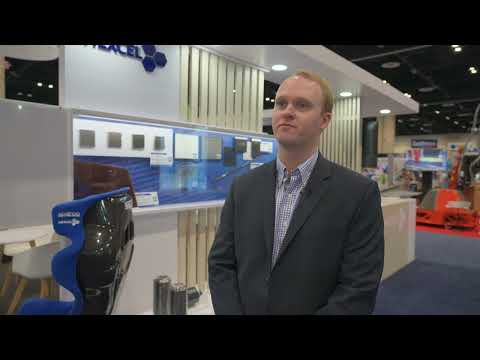
Hexcel — Investor Video Playlist




Industry Resources
| Industrials Resources |
| IndustryWeek |
| Manufacturing.net |
| Aviation Week |
| Aerospace & Defense Resources |
| Defense News |
| FlightGlobal |
External Quote Links
| Y Finance | Barrons |
| TradingView | Morningstar |
| SeekingAlpha | ValueLine |
| Motley Fool | Robinhood |
| CNBC | Etrade |
| MarketWatch | Unusual Whales |
| YCharts | Perplexity Finance |
| FinViz |
Prefer one of these to Trefis? Tell us why.