
Why Is VALE Stock Up 40%?

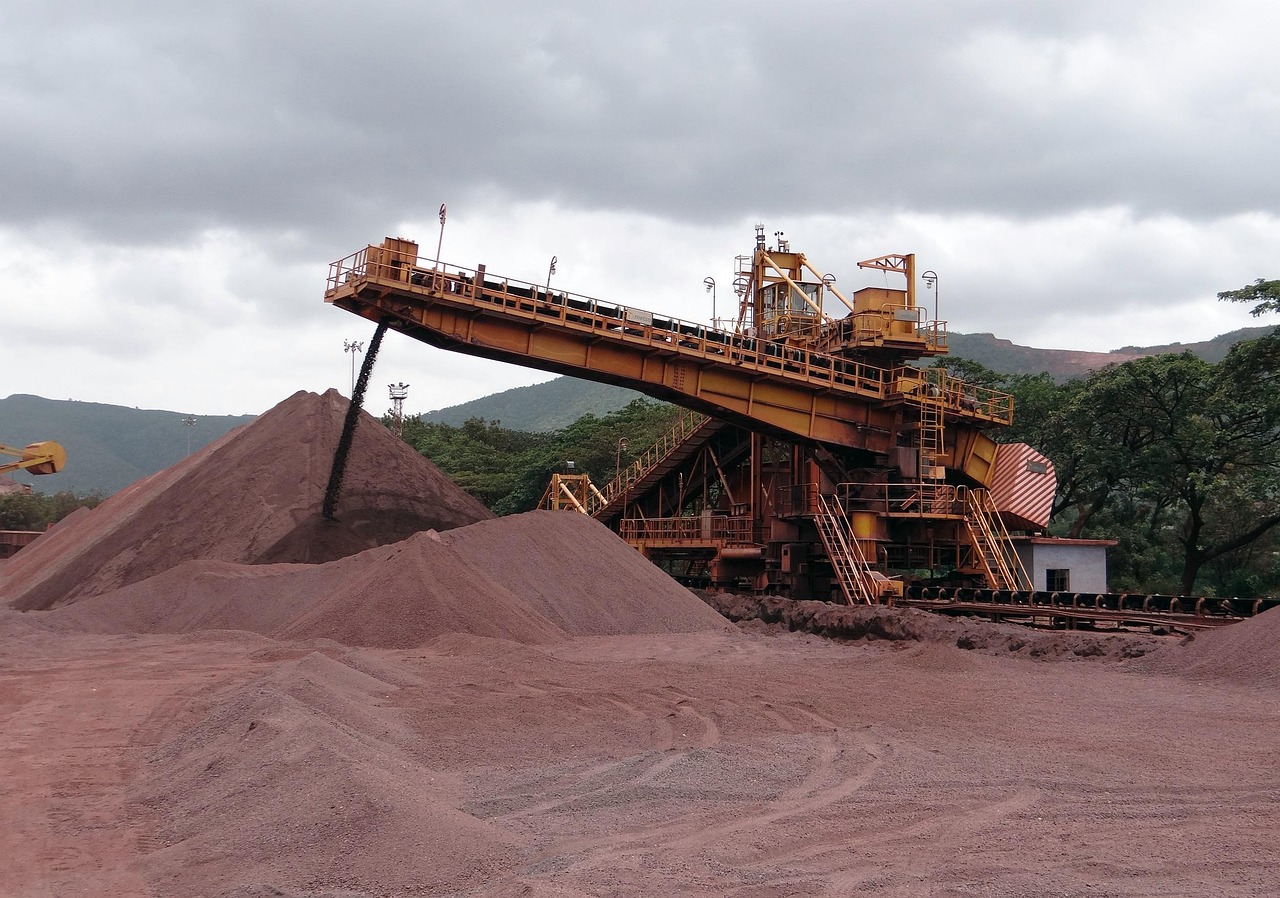
Vale (NYSE:VALE), has recently delivered some of its strongest production numbers in years. In the third quarter of 2025, the company produced 94.4 million metric tons of iron ore — the highest quarterly output since 2018. This surge reflects an effective ramp-up across flagship sites such as the S11D mine, as well as broader improvements in operational reliability following past disruptions. Moreover, for the first nine months of 2025, Vale’s production totals reached 245.7 million tons, putting it on track to meet — or even exceed — its full-year target of 325–335 million tons.
At the same time, the company has not limited itself to iron ore: its copper and nickel segments are also showing momentum, underlining a gradual diversification away from iron-ore dependence. This operational rebound has helped rebuild investor confidence. Even though commodity markets remain volatile, Vale’s ability to produce large volumes and diversify its output positions it as a more resilient play than many miners purely reliant on iron ore.
If you seek an upside with less volatility than holding an individual stock, consider the High Quality Portfolio. It has comfortably outperformed its benchmark—a combination of the S&P 500, Russell, and S&P MidCap indexes—and has achieved returns exceeding 105% since its inception. Separately, see –What’s Next For Gamestop Stock After The 38% Drop?
Cost Discipline and Industry-Favorable Ore
Part of what fuels Vale’s appeal in 2025 is its disciplined approach to costs. The company has managed to reduce its iron-ore “cash cost” significantly, to around U.S. $21 per tonne — a drop when compared to previous years. This cost control gives Vale a buffer even when iron-ore prices are under pressure, enabling it to stay profitable when higher-cost producers might struggle.
On top of that, Vale has re-oriented its production toward higher-grade iron ore (ores with higher iron content). High-grade ore tends to fetch better prices and is often preferred by steel mills as it can lower energy and processing costs. In a market increasingly concerned with efficiency — both economically and environmentally — this strategic shift enhances Vale’s competitive edge, which in turn strengthens investor sentiment.
Market Sentiment & Demand Shifts
Even though global demand for steel and iron ore remains fragile — especially in key traditional customers like China — new demand centers appear to be emerging. Notably, with Chinese steel output showing signs of stagnation, Vale has recently signaled a push toward markets such as India and Southeast Asia. According to its management, India’s expanding infrastructure and steelmaking needs could absorb a growing share of high-grade ore exports.
This strategic re-orientation — from reliance on a few major markets to a broader, more diversified customer base — appears to resonate with investors seeking long-term stability and growth potential. It adds another layer of optimism around Vale’s future beyond classic boom-bust cycles driven by Chinese demand alone.
Why the Stock Has Moved Up — and What It Reflects
The rally in Vale’s stock this year appears to reflect a confluence of factors rather than any single catalyst. The improved operational performance and strong production results signal that the company has successfully overcome past setbacks and is executing efficiently. The cost discipline and shift to high-grade ore improve margins and makes Vale more resilient against commodity price swings. At the same time, evolving demand dynamics — particularly greater interest from emerging economies — give investors hope of sustained longer-term growth.
What Could Come Next — Opportunities & Risks
Looking ahead, several scenarios could shape Vale’s trajectory. On the upside, if global infrastructure demand rises — especially in markets outside China — Vale stands to benefit, thanks to its high-grade ore and diversified output. Continued execution on copper and nickel could also unlock new growth paths, potentially tying Vale to global themes like electrification and green-energy supply chains.
On the flip side, Vale remains exposed to commodity-price volatility. If iron-ore or base-metals prices slump, profitability could suffer, despite cost advantages. A larger macroeconomic slowdown — especially in emerging economies — could dampen demand. And while diversification helps, iron ore still makes up a substantial part of revenue, which means cyclical swings in global steel demand could still reverberate.
Finally, the long-term strategy depends heavily on execution — maintaining safety standards, delivering planned output, and managing capital expenditures prudently. Any missteps could erode investor confidence.
Now, we apply a risk assessment framework while constructing the Trefis High Quality (HQ) Portfolio, which, with a collection of 30 stocks, has a track record of comfortably outperforming the S&P 500 over the last 4-year period — and has achieved returns exceeding 105% since its inception. Why is that? As a group, HQ Portfolio stocks provided better returns with less risk versus the benchmark index; less of a roller-coaster ride as evident in HQ Portfolio performance metrics.
Invest with Trefis Market-Beating Portfolios
See all Trefis Price Estimates