
What Are You Really Paying For SanDisk’s AI Flash Boom?
SanDisk (SNDK) stock has risen nearly 1,700% over the past year, even after falling 18% over the past three months to about 24% below its 52-week high. At a price near $1,770, it trades at about 22.7 times trailing adjusted earnings. That is normalized net income with stock-based compensation added back. Analysts’ forecast earnings are defined differently. On forecast earnings, it looks far cheaper, if those earnings last.
What SanDisk’s AI Rally Is Built On
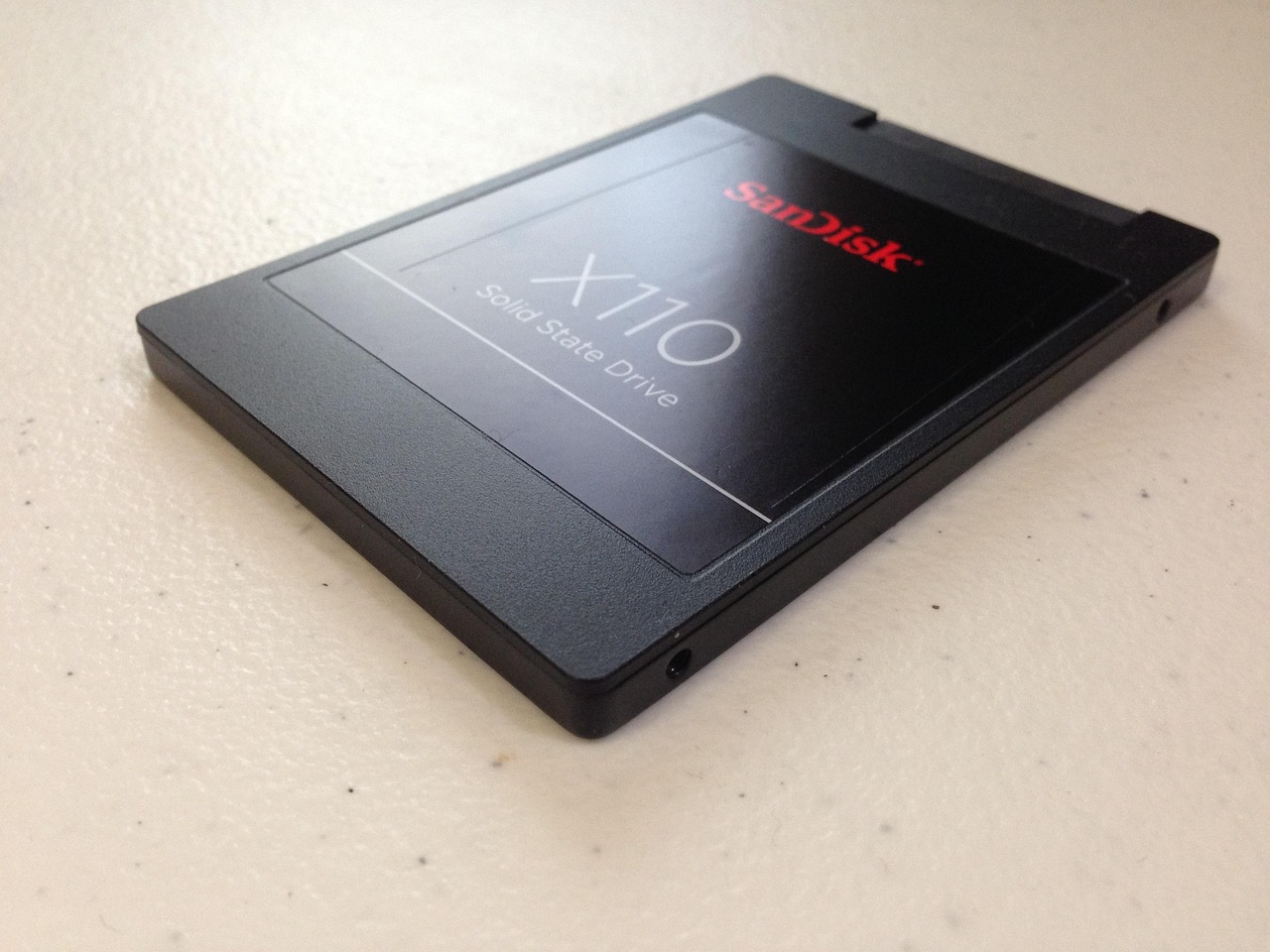
A year ago, Datacenter was roughly 12% of SanDisk’s bits, and exiting fiscal 2026 it was 38%. SanDisk’s high-capacity enterprise SSDs hold the data that AI inference creates and serves.
Revenue grew 175% over the last twelve months to $20.25 billion. Management’s revenue guide for fiscal Q1 2027, $10.3 billion to $10.8 billion, is more than half that total in a single quarter.
Profit rose faster still. The operating margin over the last twelve months was about 62%, roughly four times its three-year average of 15.3%. Management says it wants the old boom-and-bust pattern out of the business. Getting demand wrong, the CEO said, has “kind of tragic” implications, as in 2023.
SanDisk Looks Cheap On What Analysts Expect It To Earn
On the earnings analysts expect for fiscal 2027, today’s price is about 7.8 times. On their fiscal 2028 forecast, it is about 6.8 times. That forecast has revenue growing about 69% a year from the last twelve months to fiscal 2028, well short of the 175% just delivered.
Management’s own long-term model slows further, to revenue growth at a mid-to-high-teens rate from fiscal 2028 to fiscal 2030. So the fastest growth still to come sits inside the two years the forward multiples cover. Analysts also expect earnings to grow more slowly than revenue between fiscal 2027 and fiscal 2028, so consensus already assumes some margin give-back.
How long can margins this high last? SanDisk’s answer is its customer contracts.
So Can SanDisk’s Customer Contracts Carry That Forecast?
SanDisk now sells much of its output through multiyear agreements it calls New Business Models, or NBMs, with eight Datacenter and Edge customers. They run more than four years on a weighted average. Management expects them to cover more than half of its bits in fiscal 2027 and about two-thirds in fiscal 2028.
That fixes much of the volume behind the forecast. Management expects bits to stay on allocation beyond calendar 2027, and sellable bits are guided to grow only in the mid-teens in fiscal 2027. Growth well above that has to come from price.
Price is what the contracts only partly fix. NBM pricing has fixed and variable elements, with the variable part held between floors and ceilings, and management expects attractive margins even at floor pricing. The rest of the business floats with the market. The 11 analyst estimates for fiscal 2028 range from $179.38 to $331.57 a share, the highest nearly twice the lowest, so the central estimate is unsettled.
If flash prices hold, the forward multiple is cheap for this much contracted volume. If prices slide toward the floors, the test is whether floor-price margins carry that forecast.
What A Stock Is Worth And How Much To Own Are Different Questions
Valuation says what a stock might be worth; it says nothing about how much of your wealth should ride on it. Concentration tends to arrive by accident rather than by decision. What your largest position would do to your net worth is exactly what the Trefis Wealth team computes, with the same rules-based systematic discipline that runs our High Quality Portfolio. Request a free vulnerability audit of your biggest positions.