
SanDisk Stock Looks Cheap, But Can It Keep Earning This Much?
SanDisk (SNDK) has returned nearly 1,600% over the past twelve months and still trades at 19.5 times earnings, against an S&P 500 median of 22.4. It sits about 35% below its 52-week high. A cash-generative business priced under the market is where value buyers start. The question is whether those earnings are a new normal or the top of a memory cycle.
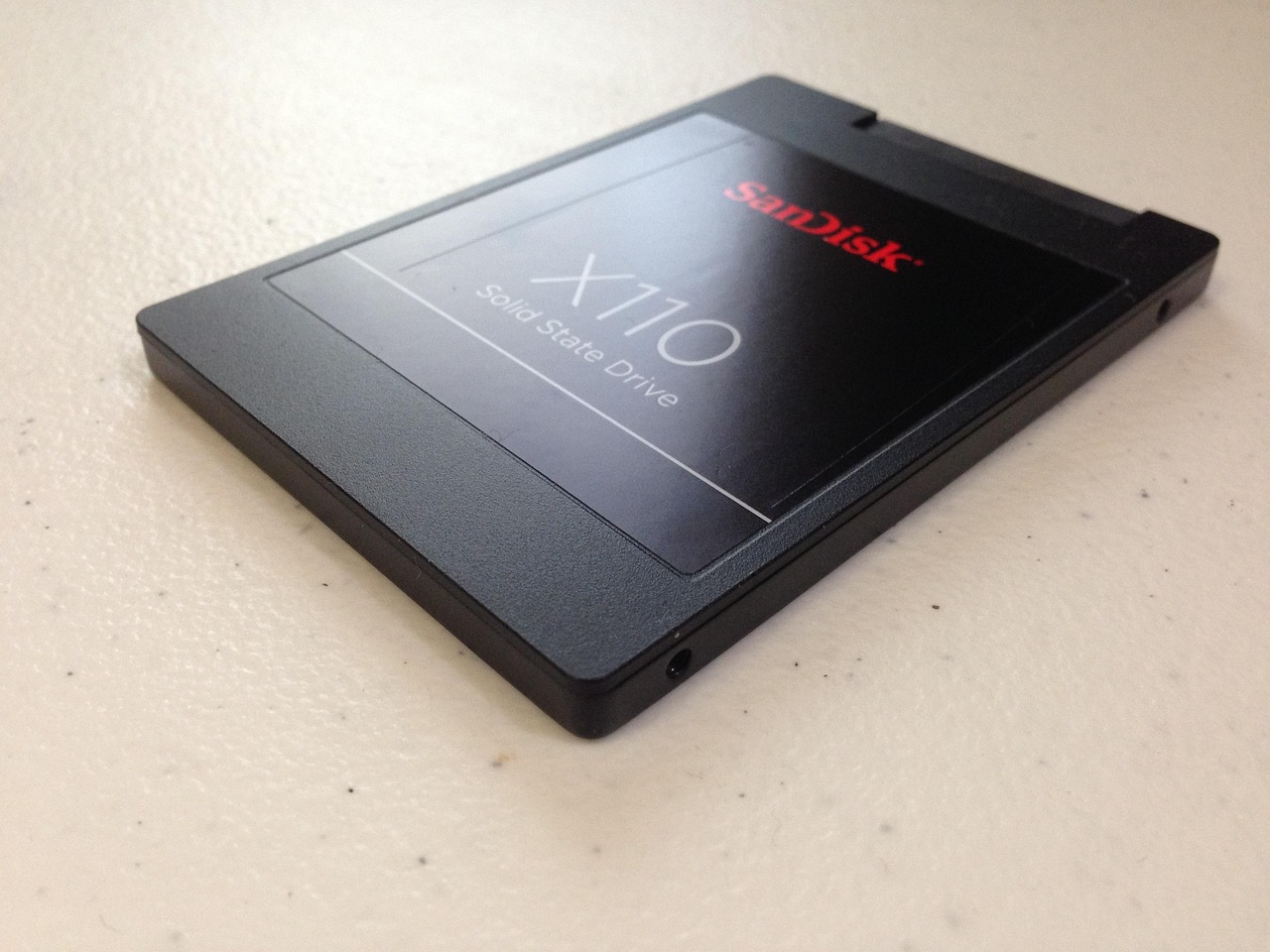
What Makes SanDisk Look Like A Bargain?
SanDisk makes NAND flash memory for three end markets: Datacenter, Edge, and Consumer. Datacenter is the fastest-growing of the three, fed by the high-capacity enterprise SSDs it ships to hyperscalers. Management says demand is growing faster than supply.
Over the trailing twelve months, SanDisk turned $20.25 billion of revenue into $11.49 billion of free cash flow. More than half of every dollar of sales came back out as cash, though that figure includes customer prepayments and deposits under new supply agreements. Revenue over the same period grew 175%.
Can SanDisk Earn Like This In A Normal Year?
Stretch the window, and the margin looks different. Operating margin over the last twelve months is 61.6%. The three-year average is 24.1%. That gap is the argument: the multiple is priced on the recent margin, and everything rests on whether it repeats.
In fiscal Q4 2026, about two-thirds of the sequential revenue growth came from higher prices, about one-third from more bits. Management estimates the NAND market will exceed $300 billion in calendar 2026, roughly triple the year before, and approach $500 billion in calendar 2027.
Management says it wants the industry’s boom and bust out of the business. None of this is lost on the market.
Has SanDisk Taken The Cycle Out Of Its Own Numbers?
That is what the contracts are for. SanDisk has signed multi-year supply agreements with eight Datacenter and Edge customers, and expects them to cover more than half its bits in fiscal 2027. They carry a weighted average duration of over four years, and a minimum of $93.9 billion of revenue assuming floor pricing, at which management says margins stay attractive. The capacity sits in a joint venture with Kioxia, and the two have announced anticipated investments of over $31 billion in Japan through 2032, contingent on government support. So the cycle is muffled, not removed. The agreements leave the rest of the bits uncovered, and their pricing carries ceilings as well as floors.
The test is management’s own guide: fiscal Q1 2027 revenue of $10.3 billion to $10.8 billion, with growth from both bits and prices, against $8.97 billion of revenue in fiscal Q4 2026. Clearing it on bits says the volume is real. Missing it says price was carrying more of this than the contracts admit.
Gross margin has expanded in each of the last five quarters. The discount reflects doubt about the cycle, not a business in decline.
Our Buy the Dip screen gathers the stocks that sold off without the business breaking. SanDisk belongs there only if the contracts hold.
So Are You Buying A Bargain Or A Cycle?
Perhaps a bargain, but only if you are buying the contracts rather than the discount. Be honest about which bet that is. One bet says the market has mispriced a good business. The other says multi-year agreements can hold a commodity business steady through a downturn those agreements have not yet met. The two get confused constantly. If you would rather not settle that one stock at a time, the Trefis High Quality Portfolio is built for exactly that. That portfolio has a track record of outpacing the three major indices.