
Is It Time To Sell Your Transocean Stock?
Today’s big story: Anthropic Broke Its $83 IPO Price. What Did Facebook Do Next?
If you are weighing Transocean stock, the business looks steadier than the share price. Nearly all of its drilling rigs are booked for 2027. Yet the stock fell 22.1% over the past month, against a 6.9% drop for the S&P 500. The hard part is not the contracts. It is how much of their cash reaches you, because Transocean carries debt almost as large as its stock market value.
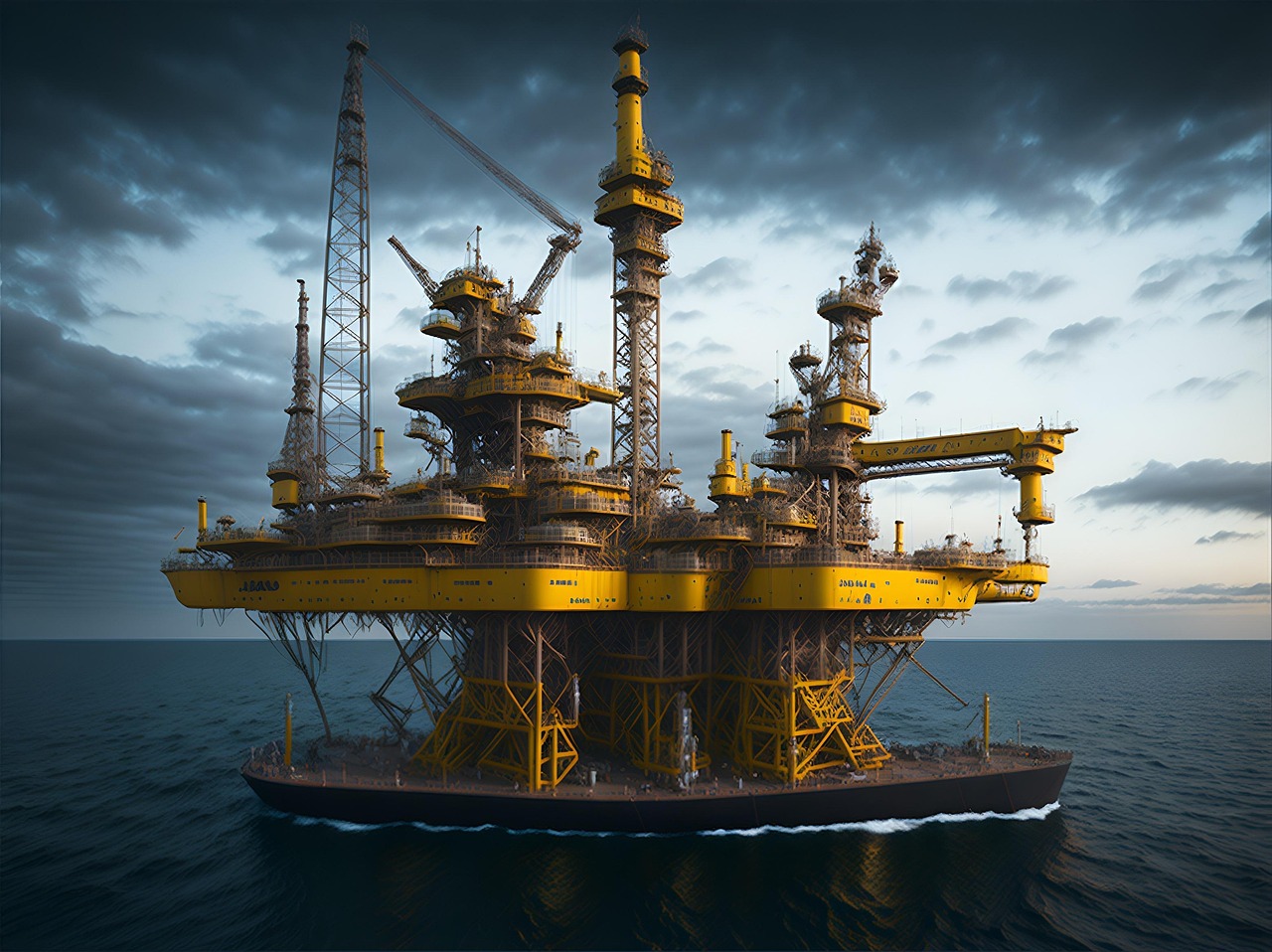
What Transocean sells, and to whom
Transocean owns deepwater drillships and rigs built for harsh seas, and it rents them to oil companies for a daily fee. Its customers include national oil companies such as ONGC in India and producers like Equinor in Norway. On the November 3 call, management said a rig earned about $463 thousand a day on average. The fleet was working 98% of the time. That came to $4.0 billion of revenue over the past year.
The cash the rigs produce
Transocean generated $800 million of free cash flow over the past year, or 14.2% of its stock market value at the Wednesday close. That gap between cash and price is the subject of Why Is The Market Discounting Transocean Stock’s High Cash Yield? The stock trades at 6.1 times operating cash flow, against 15.2 times for the S&P 500. None of that cash goes to shareholders now. The company pays no dividend and buys back no stock. Instead, management said it retired over $2 billion of debt in the last 24 months.
So any gain from owning Transocean has to come from the share price. For savings that need to pay you a steady income, it contributes nothing along the way. The Trefis Income Solution owns 50 companies that have each paid dividends for at least 10 years in a row, and together they yield about 3 times what the S&P 500 pays. See the Income Solution.
Why the debt matters to the price you pay
A low price on cash flow is easier to understand once you count the debt. Transocean owed $5.0 billion at the end of September and held $499 million of cash. That debt equals 89.1% of the company’s stock market value, against 19.8% for the S&P 500. Counting that debt, a buyer pays for a company worth about $10.2 billion. The stock alone is valued at $5.6 billion.
That debt has a real cost. Management guided to about $500 million of interest expense for full-year 2026. It expects to end 2026 with less than $4.8 billion of debt on its own. It plans to deal with another $763 million of notes in 2027. Every dollar of debt repaid leaves less debt, and less interest, ahead of shareholders.
Is Transocean’s business still growing?
Not in the latest quarter. Revenue for the quarter ended September fell 8.9% from a year earlier, to $937 million. Operating margin, the share of revenue left after running costs, dropped to 14.9% from 23.1% a year earlier. Over the full past year the picture is steadier: operating margin was 20.3%, a little above the 18.9% for the S&P 500. Management also narrowed its 2026 revenue guidance range by $25 million, as extra short jobs filling gaps between contracts now look less likely.
What the Valaris deal changes
The biggest change ahead is Transocean’s purchase of Valaris. On the November 3 call, management said it expected the deal to close on December 1. It estimated $200 million in yearly savings from combining the two. It put Transocean’s own contract backlog at about $8 billion, and about $12.7 billion for the two companies together.
That backlog is the best case for owning the stock. Management said the fleet is about 95% committed for 2027 and around 65% for 2028. Across the industry, management said, this year’s jump in new contracting has been led by national oil companies and has leaned toward longer contracts. If that holds, the open question is less whether the rigs find work and more how fast their cash pays down debt.
How hard has Transocean stock been to hold?
The risk is that the share price moves far more than the business. Over the past six months the stock lost 19.1%, while the S&P 500 lost 4.5%. During the 2025 tariff shock it fell 38%, against 19% for the S&P 500. With this much debt ahead of shareholders, a small change in what the rigs earn can move the stock a lot.
What to watch next
The next test comes with the year-end results, due in February 2027. Management said it will give its first 2027 guidance for the combined company then. That report should show how much of the larger backlog turns into cash, and how much of that cash goes to debt before shareholders see any. Until then the price can keep swinging. For an owner weighing a sale, the booked rigs and the cash they produce point to holding; the heavy debt and the weaker latest quarter point the other way. Some buyers would rather pick the price they are willing to pay and let the stock come to them.
Waiting To Buy Transocean? Why Let Your Cash Sit Idle?
The right price can take months. Meanwhile, the Trefis Income Solution pays a dividend yield about 3x the S&P 500’s, from 50 stocks with at least 10 straight years of dividends. Why not choose a better approach?
For questions about this article or underlying research, email help@trefis.com.