
OXY Stock: When A Bargain Price Is A Message
This energy giant looks cheap after a pullback, but the market’s discount may be a deliberate verdict on a business facing serious questions.
Occidental Petroleum (OXY) explores for and produces oil and gas, a straightforward business that has recently put a complicated question to investors. Its stock trades at about $57.07 a share, and while it sits 13% below its recent high, it has also handily beaten the S&P 500 over the past year with a 31% return. Yet the market assigns it a price-to-earnings multiple of just 11.9, a steep discount to the S&P 500 median of 23.9. Is that a bargain, or is it a trap?
The paradox is that a business can look both solid and shaky at the same time. The numbers that suggest value are strong: Occidental is profitable, with an operating cash flow margin of 48% and a free cash flow yield of 6.0%. This is a machine built to generate cash.
But other numbers point toward deterioration. Revenue over the last twelve months fell 7.9%, and the trend is not new; the company’s three-year average annual revenue change is a decline of 15.7%. At the same time, operating margin shrank by about 7.5 percentage points over the last year. A business that is shrinking, even a profitable one, rarely commands a premium valuation.
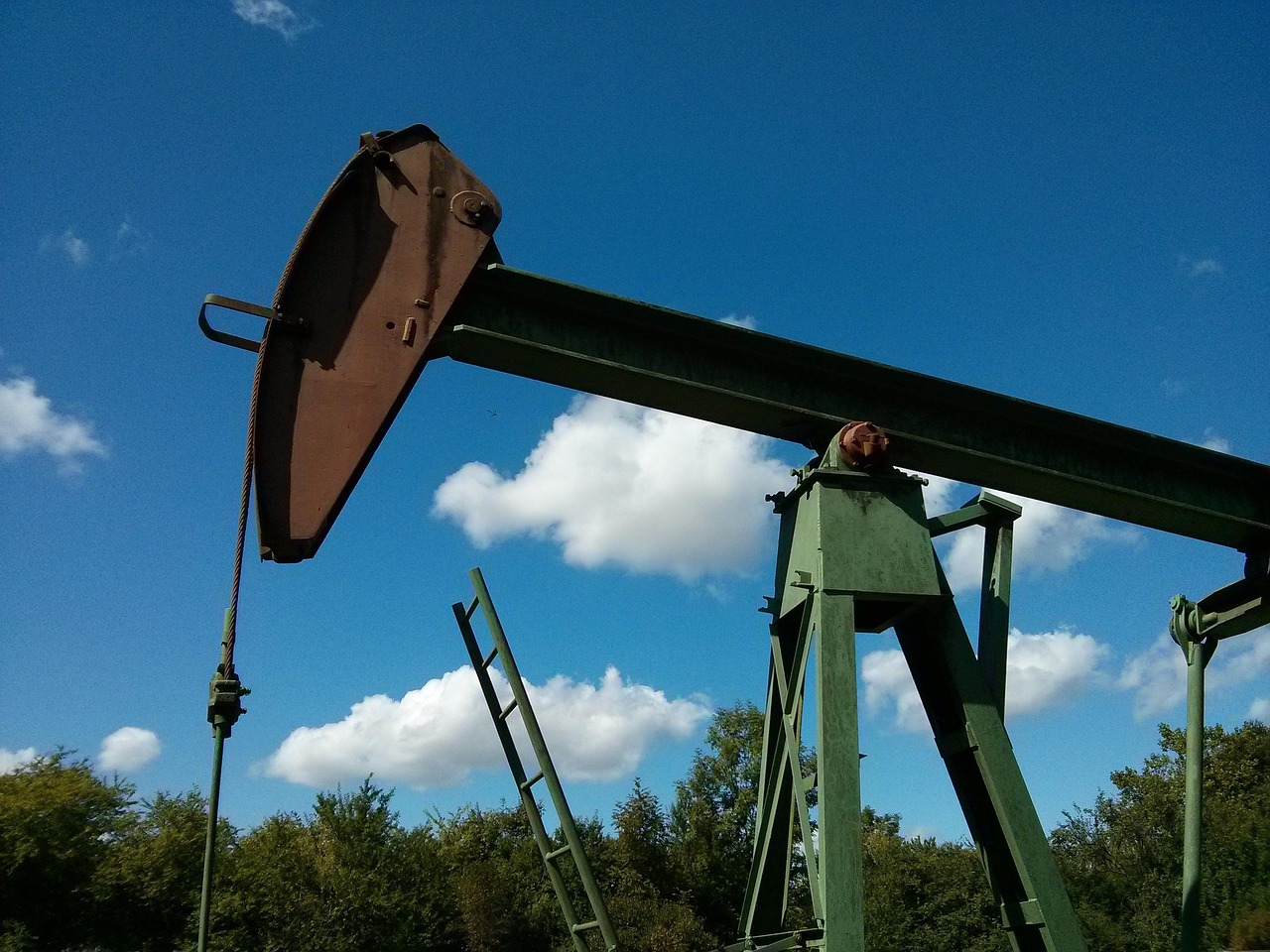
The Deleveraging Priority
The market’s skepticism seems rooted less in Occidental’s oil fields and more in its balance sheet and future plans. Management’s primary focus has been an aggressive deleveraging campaign. As of its Q1 call in May, the company had paid down $7.1 billion in debt since last December, funded largely by proceeds from the OxyChem divestitures, bringing its principal debt down to $13.3 billion. The clear, stated priority is to reach a $10 billion target.
Here lies the bull case, the genuine business strength that could prove the market wrong. The company is executing its plan, backed by what management calls a “30-plus year resource base.” This operational focus is designed to create a more resilient enterprise, capable of navigating the industry’s notorious cycles. For some energy producers, the path to a higher valuation is a matter of patience.
The problem is what comes next. On its latest earnings call, management resisted committing to a “formula-based approach” for shareholder returns after the debt target is hit. Instead, they will “reassess our cash flow priorities based on the macro environment.” For investors seeking predictable buybacks or dividends, that flexibility sounds like uncertainty. This is the heart of the discount: a fear that future cash flow will fund management’s discretion rather than a clear return to owners.
Beyond the $10 Billion Milestone
The steep discount on Occidental’s shares is not a market oversight. It is a price tag on ambiguity. The shrinking top-line revenue and contracting margins give investors reason to demand clarity on where future profits will go. The burden of proof is now squarely on the company to demonstrate that its hard-won financial flexibility will directly translate into predictable shareholder value.
The entire debate hinges on the capital allocation plan that follows the deleveraging. Therefore, investors should watch for any update on the post-$10 billion capital return framework in the company’s upcoming second-quarter earnings announcement, scheduled for August 6, 2026. That will be the moment the market learns whether the discount was a gift or a well-deserved warning.
For more stocks trading below the market, our Buy the Dip screen refreshes that shortlist every trading day.
Those drawn to the discount but not the single-name risk have another route: an energy AlphaDEX ETF like FXN spreads that exposure across a screened basket of energy names. That way no single company’s next surprise decides the outcome.
A Bargain Is Only Safe At The Right Position Size
A genuine bargain can stay cheap for years, which is fine to wait out unless one position is carrying your whole plan. How much damage any single position could do to your net worth is a question with a precise answer. The Trefis Wealth team computes it for investors professionally, with the same rules-based systematic discipline that runs our High Quality Portfolio. Request a free vulnerability audit of your biggest positions.