
Can Lennar Stock Jump 40%?
For questions about this article or underlying research, email help@trefis.com.
A 40% jump in Lennar (LEN) stock depends on whether the homebuilder’s profit margin stops shrinking. At 15.2 times earnings, compared with 22.0 for the median S&P 500 company, the shares could be a good business on sale or a fair price for a weaker one. Rises of that size are not new: Lennar gained 40% or more within the year in 6 of the last 10 calendar years. So what does a buyer actually get for that discount?
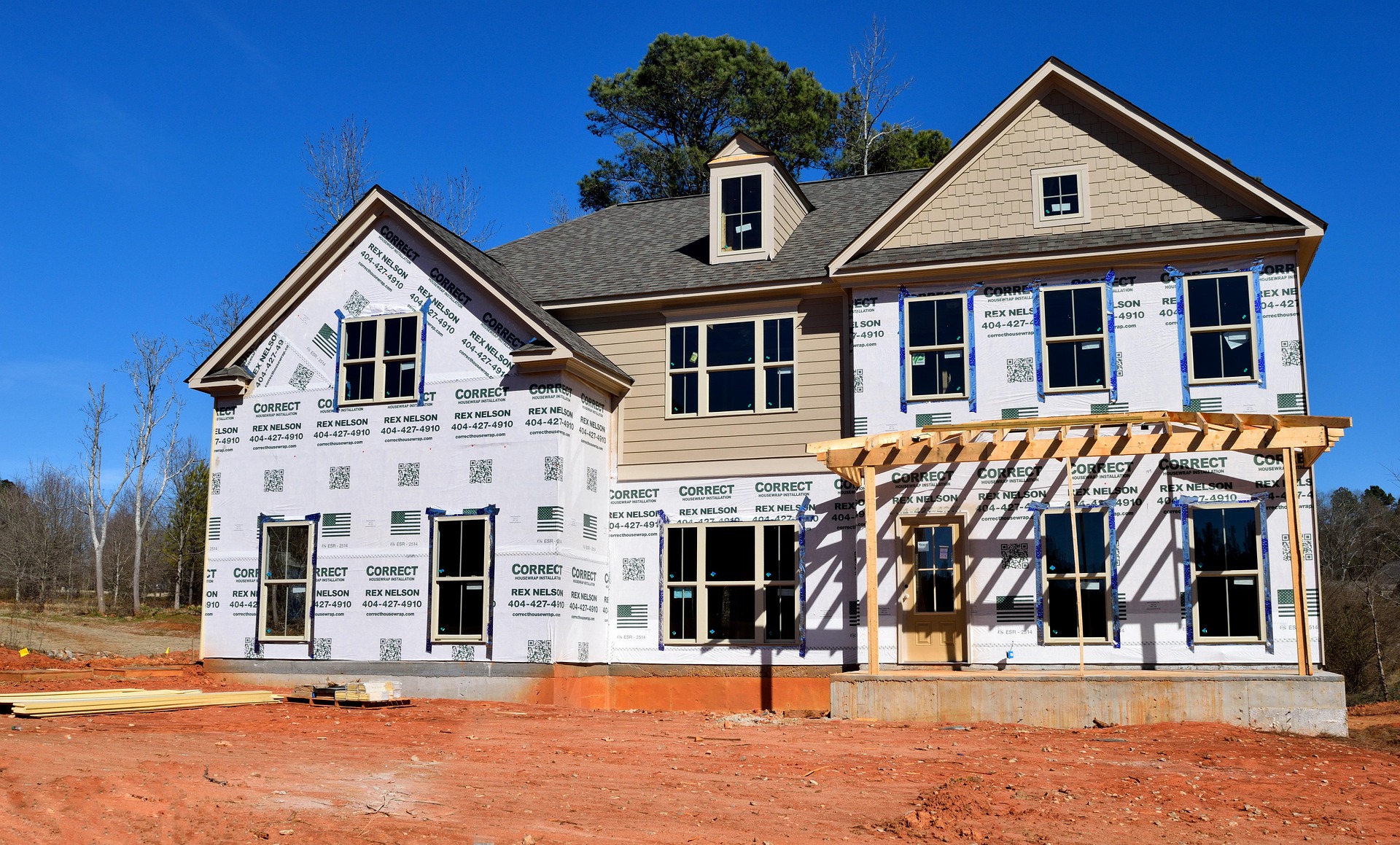
What Does A Lennar Buyer Get At This Price?
A buyer gets a homebuilder that still turns a profit and still pays its owners. Homebuilding brought in $32.3 billion of Lennar’s $34.2 billion revenue in fiscal 2025.
Over the twelve months to August 2026, Lennar earned $1.31 billion of net income, handing much of that back through $0.993 billion of share repurchases. The dividend adds a 2.5% yield at the November 16 close. For a value buyer, that is the case: a profitable builder that returns cash, priced well below the typical large company.
Lennar Earns Far Less On Each Sale Now
That P/E is based on profits that have shrunk two years running. Lennar’s operating margin was 5.6% over the twelve months to August 2026, against an average of 10.1% across the latest three twelve-month periods, this one included. That is the lowest twelve-month margin at any quarter end in our data, which begins at the fourth quarter of fiscal 2016.
Net income fell by more than a third to $2.68 billion from $4.2 billion in the twelve months to August 2025, and has roughly halved again since. Revenue fell 8.0% over the latest twelve months, compared with an average decline of 1.2% across the three periods.
Lennar says the problem is land, not building. On its September 17, 2026 call, the company said its construction cost per square foot is down 14% since the fourth quarter of 2023. It said its revenue per square foot has fallen 13% from 2023, and that lower building costs have fully offset lower prices. Over the same stretch, its land cost per home site rose about 6%, and the fees it pays to hold land options grew. “That is the entire margin gap,” the company said, pointing to land it committed to when market conditions were very different.
What Is Lennar Doing About Its Land Costs?
Lennar is rebuilding how it buys and holds land. Management said on the call that it expects a much more efficient land system by the end of fiscal 2026, making Lennar a better land buyer at a lower cost of capital. It also said its land headwind is still in front of it for a while, though every quarter of volume shortens it.
For fiscal Q4 2026, management guided gross margin on home sales to 15.5% to 16%, compared with a fiscal Q3 result of 15.8%. It also lowered its fiscal 2026 delivery target to 80,000 to 81,000 homes, down from 82,500 in June.
If the P/E stays where it is, a 40% rise needs net income near $1.83 billion. That figure would win back only part of the profit Lennar has lost since the twelve months to August 2025.
So buying Lennar here is a bet that the company fixes a real land problem, not that the market has mispriced a sound business. Gross margin on home sales is the number to watch when Lennar reports fiscal Q4 2026 results in December 2026.
Every cheap stock like Lennar raises the same question of whether the market or the business has it wrong. We have a way of answering it that we stand behind. If you have a better one, we would like to hear it.
Found A Better Strategy? We’d Love To Learn.
Ours is the Trefis High Quality (HQ) Portfolio: 30 quality stocks in equal weight. Since its September 2020 launch it has returned more than 105%, ahead of a benchmark that combines the S&P 500, S&P MidCap and Russell 2000. If yours has done better, tell us about it. If not, come take a look.
Spot an error or want more like this? Tell us in 10 seconds.