
What Changed For Intel Stock, And What Did Not?
Intel (INTC) stock rose 12.1% on September 21, 2026. A $10,000 holding at the prior close was worth about $11,210 when that day ended. In the days before, reports said SK Hynix was in talks with Intel about making memory chips in the United States. That news was public before September 21, which means it cannot explain the jump. So why did Intel stock jump that day?
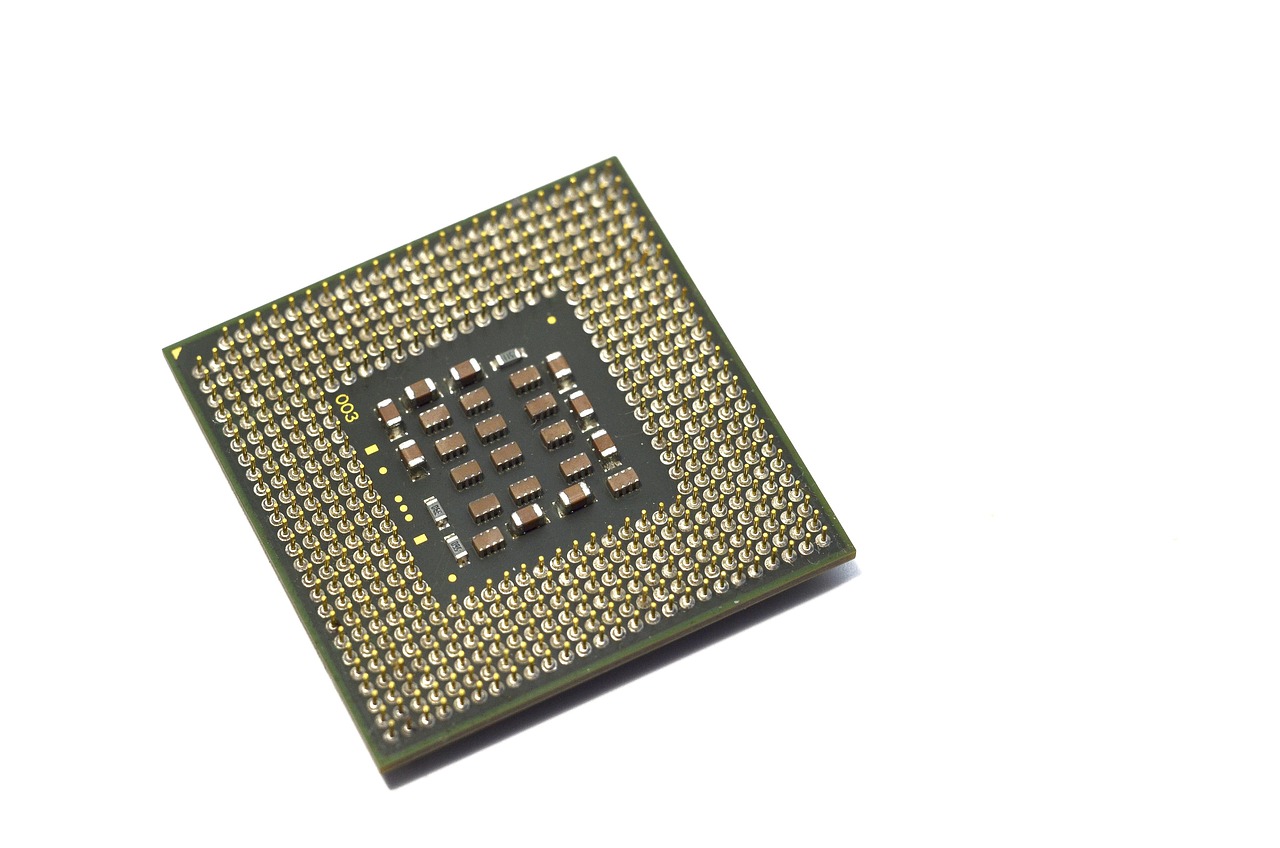
Intel Stock Jumped On Hopes For More CPU Demand
Intel stock jumped on hopes for more demand for CPUs. These are the main processors inside computers and servers. A news report early on September 21 said the success of Meta Platforms’ Muse AI agent could boost CPU demand. The same report said Arm Holdings shares were gaining for that reason, too.
The S&P 500 rose 1.5% that day, so most of Intel’s 12.1% gain did not come from the market. Advanced Micro Devices gained 9.9%, so the jump was not a verdict on Intel alone.
In the fiscal Q2 2026 call in July, management said its outlook for server CPU demand had improved again.
How Big Is Intel’s Data Center Business?
Intel’s data center business had revenue of $6.3 billion in fiscal Q2 2026. Intel’s total revenue that quarter was $16.1 billion. Data center revenue was up 59% from a year earlier. In fiscal 2025, the same business grew just 4.9%. So Intel’s data center business is growing far faster than it did last year.
Higher demand does not turn straight into higher sales, because Intel cannot make enough chips to meet it. Management said in July that demand for its products was outpacing its growing supply. It expected its supply growth to be skewed toward the end of the third quarter and into the fourth. That timing applied especially to servers.
Intel’s forecast for fiscal Q3 2026 revenue was $15.8 billion to $16.8 billion, against $16.1 billion in fiscal Q2. That forecast came in July, before the jump. Faster data center growth has not yet ended Intel’s net loss over twelve months.
Intel Still Reports A Net Loss Over Twelve Months
Intel reported a net loss of $11.3 billion over the last twelve months, on revenue of $57.0 billion. Nothing reported on September 21 changed that figure. Over the same twelve months, Intel’s operating income was a profit of $4.3 billion. So the loss comes from items counted after operating income. Price-to-earnings is not meaningful here, because Intel’s earnings are negative.
The stock trades at 10.4 times sales, against 3.1 times for the S&P 500. Price-to-sales compares a company’s market value with a year of its revenue. Over the past ten years, Intel’s price-to-sales has ranged from 1.5 to 12.5 times. The price appears to assume that Intel’s faster sales growth will turn into steady net profit.
You will see in the fiscal Q3 2026 report whether that net profit is arriving. Revenue near the top of the July forecast would show new supply reaching customers. A smaller twelve-month net loss would show that growth is starting to reach net profit. You are paying 10.4 times sales for a company that still reports a net loss over twelve months.
How To Act On INTC?
Before you decide on INTC, consider a better choice. Since its inception, the Trefis High Quality (HQ) Portfolio has beaten the benchmark that combines the three major indices – the S&P 500, S&P Mid-cap, and Russell 2000. And it did so without taking the concentrated risk that comes with retail stock picking.
If you’d rather act on INTC itself:
| Play Offense | Play Defense |
|---|---|
| Learn More About INTC & Invest | Save Taxes On Capital Gain |
| Earn From INTC Cash Secured Puts | Covered Call Against INTC |