
The Engine Driving Caterpillar’s Run Isn’t In A Bulldozer
The old-economy giant quietly became a key power supplier for the data center boom, and the market is just now catching on.
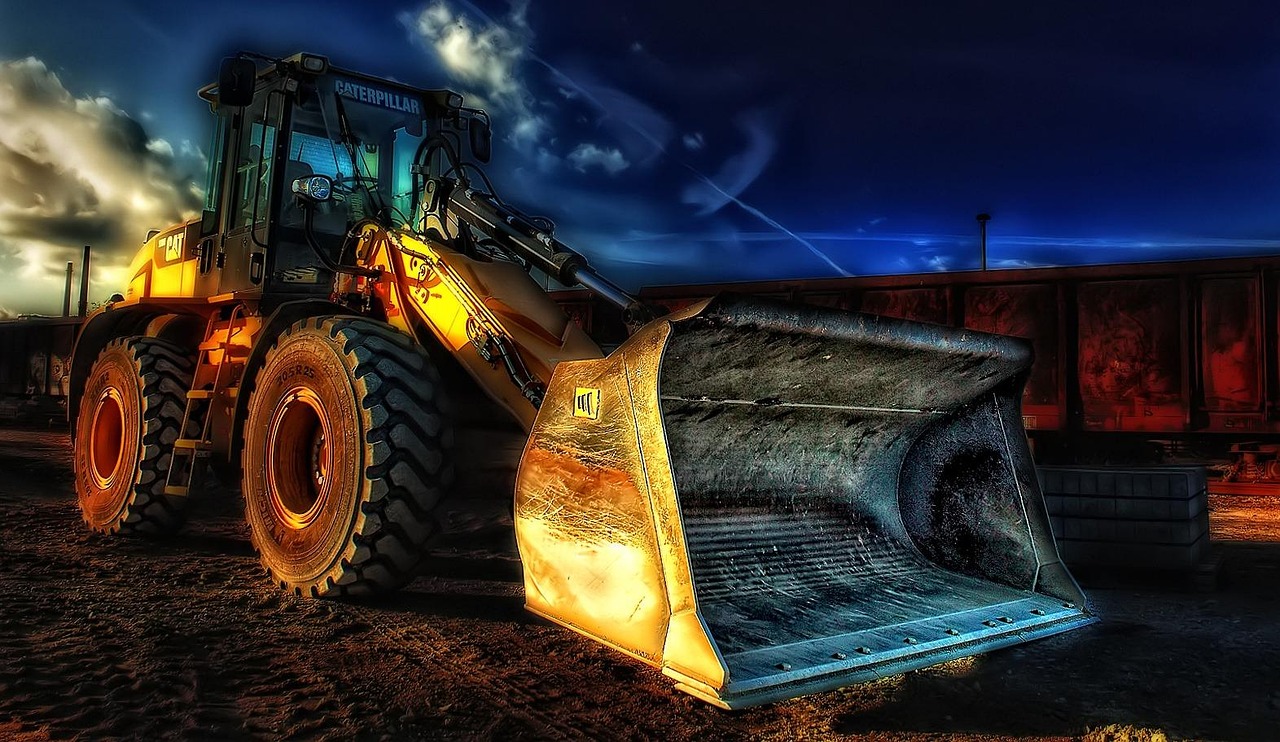
If you had to guess what powered Caterpillar (CAT) stock to a +144% gain, crushing its peers and the S&P 500’s +21.1% return, you’d probably picture a fleet of iconic yellow trucks moving mountains of dirt. You wouldn’t be wrong, but you’d be missing the real story.
The single biggest driver behind this run has little to do with construction sites and everything to do with the cloud, generative AI, and the voracious energy appetite of the world’s data centers.
What exactly is a data center doing with a CAT engine?
It’s buying them by the gigawatt. Caterpillar’s Power and Energy segment has become a critical supplier of the large generator sets and turbines that provide both backup and primary power for data centers. Demand has surged to historic levels. In its most recent quarter, the company’s backlog grew to a record level of $63 billion. Total orders hit an all-time record.
This isn’t a temporary blip. Management noted that customers are signing long-term deals with “some orders well into 2028.” In response, Caterpillar announced it is increasing its large reciprocating engine capacity to nearly 3x its 2024 levels. A company that builds for the long term is making one of its biggest bets ever on powering the digital world.
But is the whole company firing on all cylinders?
Not quite, and that’s where the story gets complicated. While Power and Energy is booming, the Resource Industries segment, which serves mining and heavy construction, saw its first-quarter profit decrease by 39%. The segment’s margin fell a steep 700 basis points, hit hard by tariffs. Those tariffs are a company-wide problem, with an expected price tag of $2.2 billion to $2.4 billion for 2026. While the AI story is compelling, some are looking closer at the numbers behind the growth.
This is the tension in the stock today. The market has re-rated Caterpillar as a key supplier for a secular tech boom, sending its valuation soaring. The company is spending billions to meet that demand, raising its long-term sales growth targets to a compound annual rate between 6% and 9%.
With billions in new spending committed and tariffs still biting, can Caterpillar actually make more money from this boom than it costs to build for it?
Which Other Stocks Are Moving Like This?
Knowing why a stock ran is one thing; knowing whether the run has legs is another. The most durable moves are the ones a rising forecast is actually backing, rather than a good week of sentiment. Our Guidance Momentum screen tracks the S&P 500 names where a raised outlook meets real price momentum, so you can judge which runs are built to last. If you would rather own the whole theme than ride this one winner, an industrials ETF like XLI holds the entire group.
Where Should A Winner Like This Sit?
A move you understand is more satisfying to own than one you do not, but conviction in a single stock is still a concentrated bet. The steadier path to real wealth is holding a basket of high-quality names where any one of them doing well lifts you, without any one of them being able to sink you.
That balance is the whole idea behind the Trefis High Quality (HQ) Portfolio. It weighs the full picture of quality across thousands of names, owns the 30 strongest, and rebalances them with discipline. It has a track record of outpacing a benchmark that combines the three major indices – the S&P 500, S&P Mid-cap, and Russell 2000.