
Arista’s Great Problem: Too Much Demand
The networking giant is selling AI gear faster than it can build it. That’s what drove the stock up, and it’s the biggest risk you’re taking now.
When you see a stock like Arista Networks (ANET) climb 69% in a year, easily outpacing the S&P 500’s 21% gain, you expect a simple story of runaway success. And you get one, but it comes with a serious twist. The engine behind this run is a level of demand so high that the company’s own CEO called it the “best I’ve ever seen in my Arista tenure.” But that demand is also the company’s biggest bottleneck.
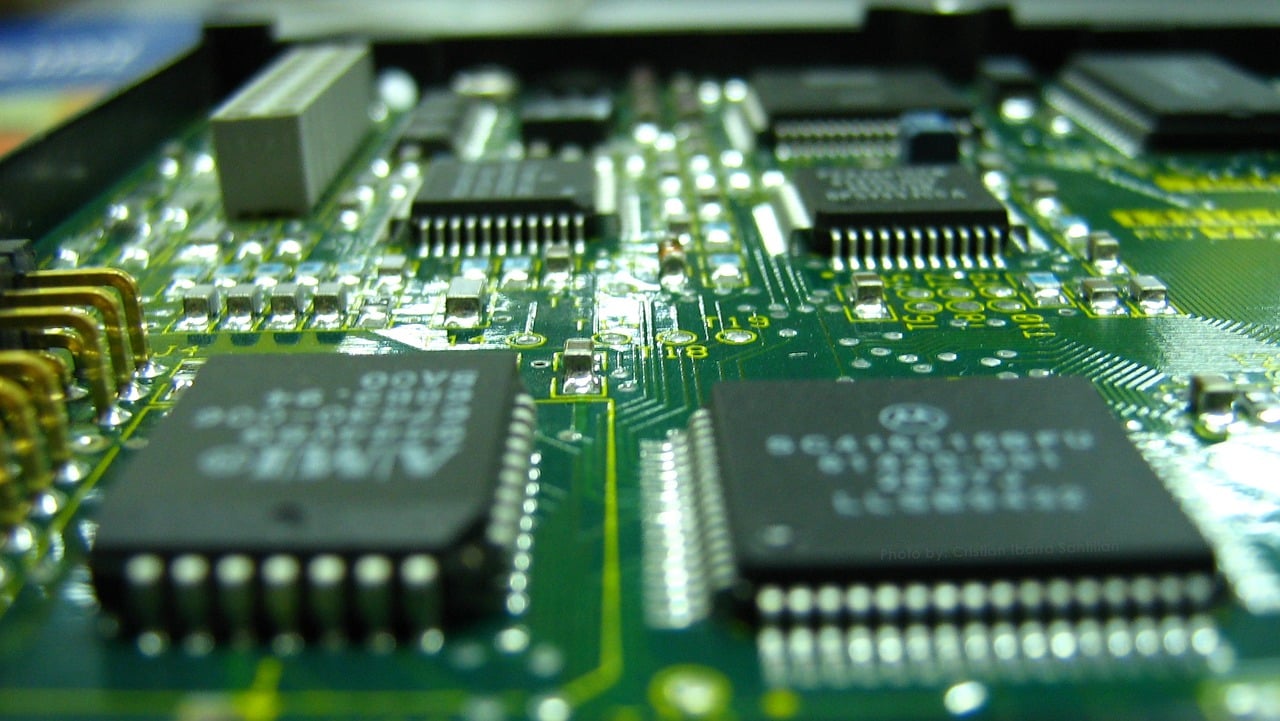 Image from Pixabay
What’s Driving This Best-Ever Demand?
Artificial intelligence, of course. Arista builds the high-speed switches that act as the nervous system for the large data centers, training the next generation of AI models. As that buildout accelerated, Arista’s order book swelled. Management felt confident enough to raise its full-year 2026 revenue forecast to $11.5 billion, a 28% growth clip. The real tell is the AI-specific business, which the company now expects to hit $3.5 billion this year, effectively more than doubling its annual AI sales. This rapid growth in its core AI networking strategy is the clear force that re-rated the stock over the past 12 months.
Why Can’t Arista Just Build More Switches?
Because the entire global supply chain is stretched thin. In management’s own words, “demand is outstripping our supply this year.” This isn’t a temporary hiccup; they see it as a “1- or 2-year phenomenon.” The company is facing “industry-wide shortages across the board,” from wafers and silicon chips to the optics that let the data fly. This raises a natural question about whether the company is hitting a supply ceiling. The scramble for parts means Arista has to pay more to get what it needs, leading to what the company calls anticipated “gross margin pressure.”
What Does A $6.2 Billion Deferred Revenue Balance Mean?
This is where the story gets really interesting. That $6.2 billion figure represents products that have been sold but not yet delivered or formally accepted by customers. It’s a large IOU from the market. The complexity of these new AI deployments means customer qualification cycles have stretched from a typical 2 to 4 quarters to as long as 6 to 8 quarters. So while the demand is real and the orders are booked, turning them into recognized revenue is a slower, more complicated process than ever before.
You’re looking at a company that has already won the AI demand race, but is now in a dead sprint against its own supply chain.
Is The Momentum Built To Last?
Knowing why a stock ran is one thing; knowing whether the run has legs is another. The most durable moves are the ones a rising forecast is actually backing, rather than a good week of sentiment. Our Guidance Momentum screen tracks the S&P 500 names where a raised outlook meets real price momentum, so you can judge which runs are built to last. If you would rather own the whole theme than ride this one winner, a technology ETF like XLK holds the entire group.
How Do You Compound A Move Like This?
Catching the reason behind a run is a good skill; relying on catching the next one is a risky plan. Durable returns come from owning quality with discipline and letting the winners do the work over time, rather than betting the outcome on a single name and a single catalyst.
That is exactly how the Trefis High Quality (HQ) Portfolio is run. It weighs the full picture of quality across thousands of names, holds the 30 strongest, and sizes and re-balances them with rules. It has a track record of outpacing a benchmark that combines the three major indices – the S&P 500, S&P Mid-cap, and Russell 2000.