
Is There A Risk Hiding In Carnival Stock’s Record Results?
For questions about this article or underlying research, email help@trefis.com.
Carnival Corporation (CCL) reported record revenue and net income for its fiscal third quarter, management said on its September 29, 2026 call. Alongside those records, the cruise company held $25.2 billion of debt and lease obligations at the end of August, nearly matching the $27.6 billion of revenue it took in over the past twelve months. While records are welcome, a business carrying almost a full year of sales in debt and leases gives investors a different metric to track. So is Carnival’s debt at least getting smaller?
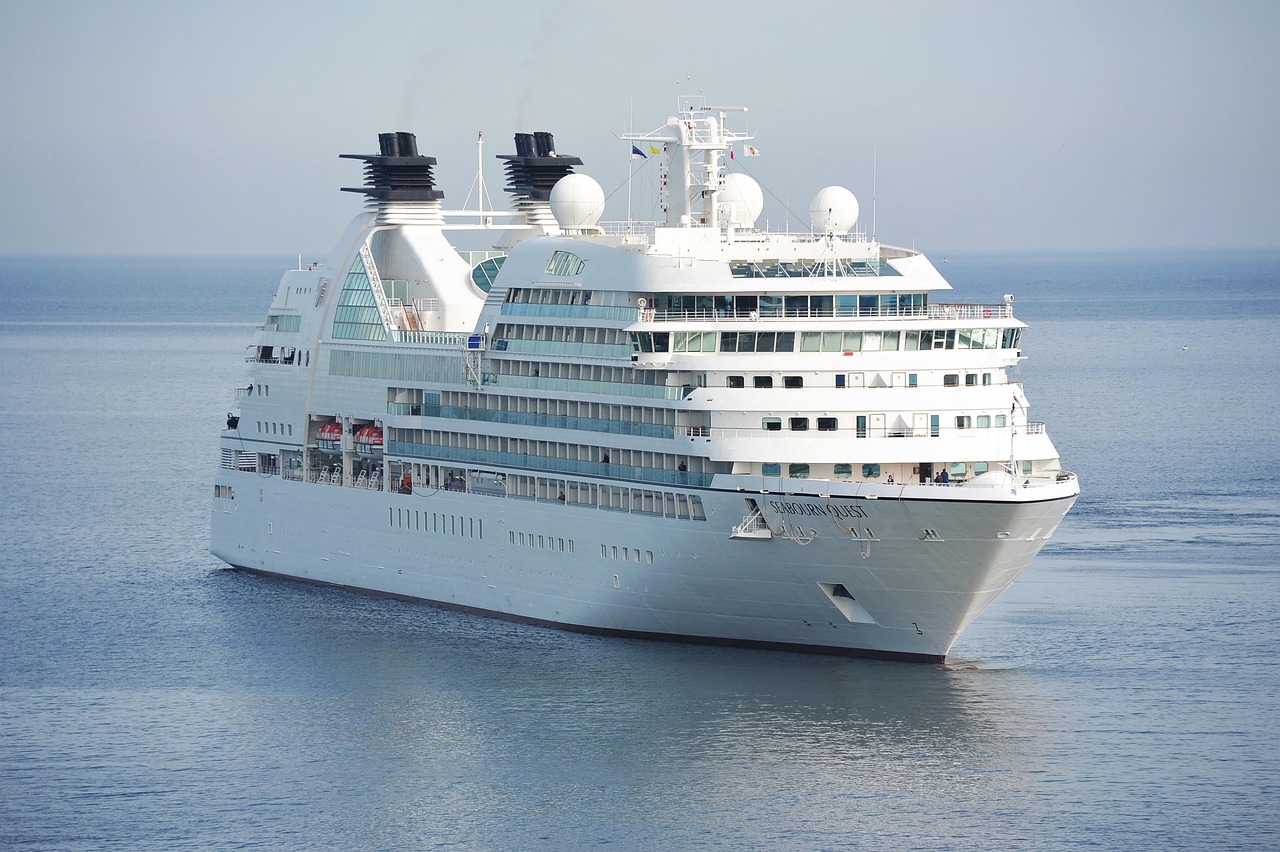 Image from Pixabay
Carnival Has Cut Its Debt Three Years Running
Yes, and the reduction has been steady. Carnival held $32.6 billion in total debt and lease obligations at the end of August 2023, and that balance was lower at the end of each August since. Management said on the call that total debt, excluding leases, has fallen below $24 billion, compared to a peak of $36 billion in 2023. During the fiscal third quarter, Carnival used cash on hand to redeem $500 million of 7% notes, which management called among its highest-cost debt.
These cuts have not closed the gap with the broader market. Carnival’s $25.2 billion of debt and leases equals 68.2% of its market value, against 19.7% for the S&P 500.
One worrying number matters most when Carnival Corporation is a large share of what you own. See how to protect a concentrated position.
What Carnival’s Debt Means For Shareholders
Carrying this debt means Carnival must divide its cash three ways: among lenders, ships, and the shareholders themselves. Management said spending on its existing fleet, outside new ships, is $2.4 billion for 2026, and the company expects those costs to run somewhat higher for the next few years. For fiscal 2026, Carnival also expects to return nearly $2 billion to shareholders through buybacks and its dividend. Management said Carnival expects to earn enough to invest in the business, lower its debt and return capital at the same time.
The share price likely reflects some of that risk already. Carnival trades at 11.8 times earnings, against 23.0 for the S&P 500. Historically, the stock has also experienced steeper declines than the index during past market shocks. Amid the 2022 inflation shock, Carnival dropped 70% from peak to low, while the S&P 500 fell 24%.
Carnival Is Already Half Booked For 2027
On the call, management said 2027 is already half booked, with both occupancy and pricing reaching record levels. Customer deposits, the money guests pay before they sail, reached a third-quarter record of about $7.6 billion, up about 7%, management said. Meanwhile, Carnival’s free cash flow, the cash remaining after ship expenditures, rose to $3.18 billion over the past twelve months from $2.91 billion a year earlier.
Bookings did encounter a challenge. Management said booking disruptions earlier in 2026 weighed heavily on bookings for the first quarter of 2027, though it added that those bookings have rebounded meaningfully over the past three months.
This positions the debt as a risk to monitor rather than an alarm: the balance is shrinking, and bookings for 2027 are strong so far. A slower pace of repayment while fleet spending rises would make it more worrying. Carnival’s total debt is the figure to watch when the company reports its fiscal fourth quarter, expected on or around December 18, 2026.
Is Too Much Of Your Wealth Riding On One Stock?
One number was enough to change how Carnival Corporation looks to its holders. When one position grows into a large part of your wealth, a sharp fall can hurt your whole plan, and selling to spread the money out can bring a large tax bill. Our partner advisory firm offers a free strategy review of ways to protect a concentrated position and unwind it with less tax.
Request A Free Strategy Review
Spot an error or want more like this? Tell us in 10 seconds.