
Are You Buying Aurora Innovation’s Trucks Or Its Story?
Aurora Innovation (AUR) stock has gained about 54% over roughly nine months, from the middle of December 2025, against about 13% for the S&P 500. A run like that usually means the market fell for a technology story. This one is duller. Over those months Aurora put driverless trucks onto a production line and signed the carriers to run them.
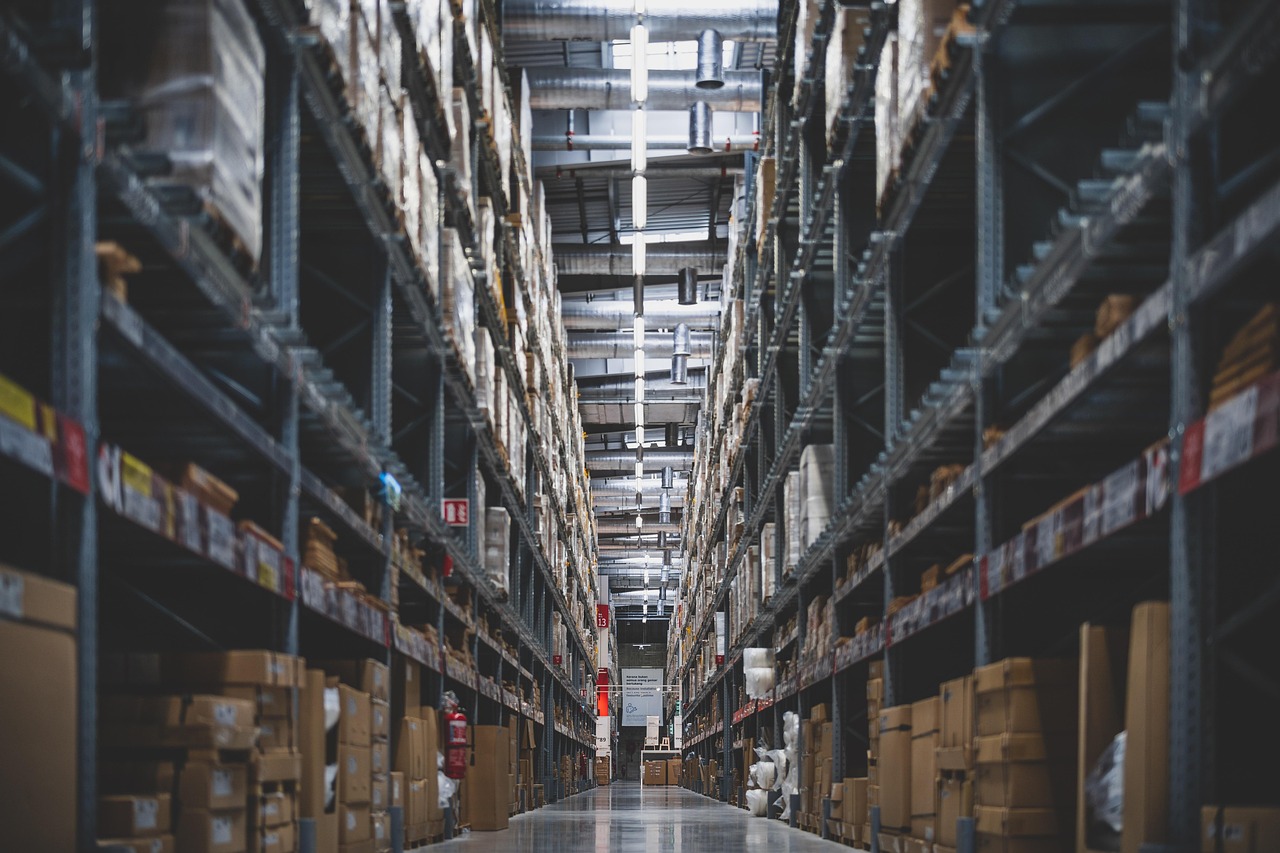
Its Trucks Are Now Coming Off A Dedicated Line
In July 2026 Aurora debuted Aurora Driver 2, the combination of its new software, second-generation commercial hardware, and a new truck platform. Its upfitter, Roush, has begun manufacturing at a dedicated facility and is expected to ramp to an annual run rate of 1,000 trucks in October 2026.
Customers signed against that capacity. Charger Logistics will use the Aurora Driver to add capacity on its network, starting with the Dallas-Laredo route, and Value Truck will work on route density between two corridors, Dallas-Laredo and Fort Worth-Phoenix. Autonomy as a theme did not do this: over the same window Kodiak AI (KDK) fell 54.7% and Mobileye Global (MBLY) fell 21.7%.
The hardware decides whether any of it pays. Management expects the second-generation kit to cut Aurora Driver hardware costs by more than half, a key lever behind its breakeven gross margin target. Breakeven only stops the hardware losing money. Management points to third-generation hardware for the margins it ultimately wants.
But Almost None Of That Is Revenue Yet
Revenue in the second quarter of 2026 was $2 million. The operating loss in the same quarter, including stock-based compensation, was $266 million. The market value sitting on top of that is about $12.7 billion.
Shareholders are funding the ramp. Aurora used about $225 million of operating cash in the second quarter of 2026 and raised $215 million by selling 30 million new shares, ending the quarter with nearly $1.2 billion in cash and short-term investments. Management expects to exit 2026 with about 200 driverless trucks in operation, which it puts at roughly an $80 million revenue run rate for its Transportation-as-a-Service business. The $80 million is an exit rate rather than a 2026 result: full-year guidance is still $14 million to $16 million, with over half of it in the fourth quarter.
Even after that run, the shares sit below the $8.40 they touched inside the past year, though well above the $3.77 low from the same stretch, and trade near $6.40 now.
And Truck Deliveries Are The Receipt To Watch
Management expects 20 to 25 of the new driverless trucks in operation by the end of the third quarter of 2026, which leaves nearly the whole climb to the roughly 200-year-end target for the fourth quarter, when the Roush line is expected to reach full velocity. Those are dates a shareholder can hold the company to.
So the gain was earned by delivery, and the price still carries everything not yet delivered. Watch the truck count, not the next announcement. To size what is left, our market-implied growth screen backs that number out of the price.
Enjoy The Move, Then Check What It Did To Your Allocation
A move like this is even better to own than to watch, and it is also how one holding grows into an outsized share of a portfolio. Concentration tends to arrive by accident rather than by decision. What your largest position would do to your net worth is exactly what the Trefis Wealth team computes, with the same rules-based systematic discipline that runs our High Quality Portfolio. Request a free vulnerability audit of your biggest positions.