
Uber Stock Has One Thing Left To Prove
For questions about this article or underlying research, email help@trefis.com.
Uber Technologies (UBER) could not find enough drivers to meet rider demand in several international markets in the third quarter of 2026, and management says that held its ride business below the growth it expected. Even so, management said Uber’s total gross bookings grew 20% or more from a year earlier for a fifth straight quarter. Uber is now moving incentive money from riders to drivers in the middle of what management calls its peak season. The open issue is whether that fix will hold in the business that brings in more than half of Uber’s revenue.
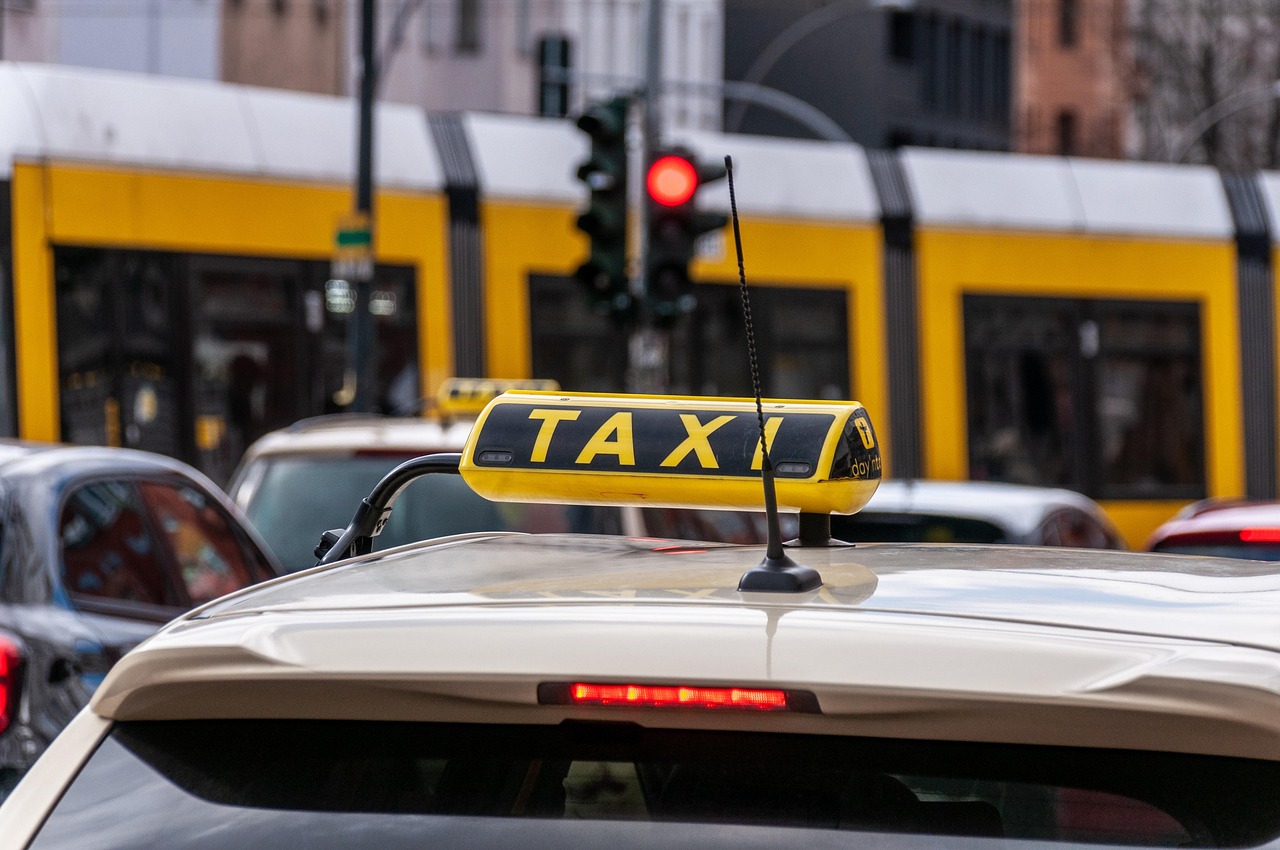 Image from Pixabay
Uber Earns More Than Half Its Revenue From Rides
The shortfall affected Uber’s largest business. Mobility, the ride business, brought in $29.7 billion in fiscal 2025, accounting for 57% of the company’s revenue that year. Growth had already eased in the segment. Mobility revenue rose 18.3% in fiscal 2025, down from 26.5% in fiscal 2024.
Driver supply surfaced during Uber’s November 4, 2026 earnings call for the third quarter, in a question on whether the company’s spending on drivers in international markets would let it keep its profitability.
How Is Uber Paying To Attract More Drivers?
Uber is shifting money from riders to drivers. Management has said that in 2025, more of its incentives went to riders to lower prices, and that in 2026, the company is cutting those rider incentives and using the dollars to fund driver incentives. That sometimes means higher prices for riders, and management has said it will make trade-offs against profitability.
Management has also said its spending on driver availability brought encouraging improvement in October. Yet the strain is not over: management has said September through December is peak season for both rides and delivery, and that in markets like Brazil both depend on two-wheel supply.
Uber still guided adjusted earnings per share, management’s own measure, to a range of $0.95 to $0.99 for the fourth quarter of 2026, up 34% to 39% from a year earlier. Management has described where the incentive money goes, but not how much it will cost. Asked whether it could keep its profitability, Uber said it would not call out any meaningful change in its margin trajectory. It added that fourth-quarter spending on drivers would lower its take rate, the share of each booking Uber keeps as revenue, but not its margins in any meaningful way.
Uber’s Peak Season Results Arrive In February
Uber is expected to report its fourth quarter of 2026 in February 2027, covering October through December, the heart of its peak season. Management guided gross bookings, the value of all trips and orders booked on Uber, to grow 18% to 22% at constant currency in that quarter. Uber’s actual fourth-quarter gross bookings growth, set against that guide, is the broadest check in that report. That figure counts delivery orders as well as trips, so Mobility gross bookings, which Uber reports separately, is the number to watch for rides.
Holding A Large Uber Technologies Position?
Selling a stock can still bring a tax bill if you bought long ago, and holding keeps the risk. A free 30-minute strategy review with our partner advisory firm covers a floor under a large position and a lower-tax unwind.
Spot an error or want more like this? Tell us in 10 seconds.