
Can Solaris’s Business Pay For Its Spending?
For questions about this article or underlying research, email help@trefis.com.
Solaris Energy Infrastructure (SEI) is spending heavily on power generation and the equipment around it. The company supplies this gear to customers under long contracts, the newest of them for 15 years. Over the last twelve months, its capital spending came to about $1.65 billion. Three years earlier, in the twelve months to September 2023, it was $79 million. Before reading on, take a guess: what share of Solaris’s sales does that bill now take?
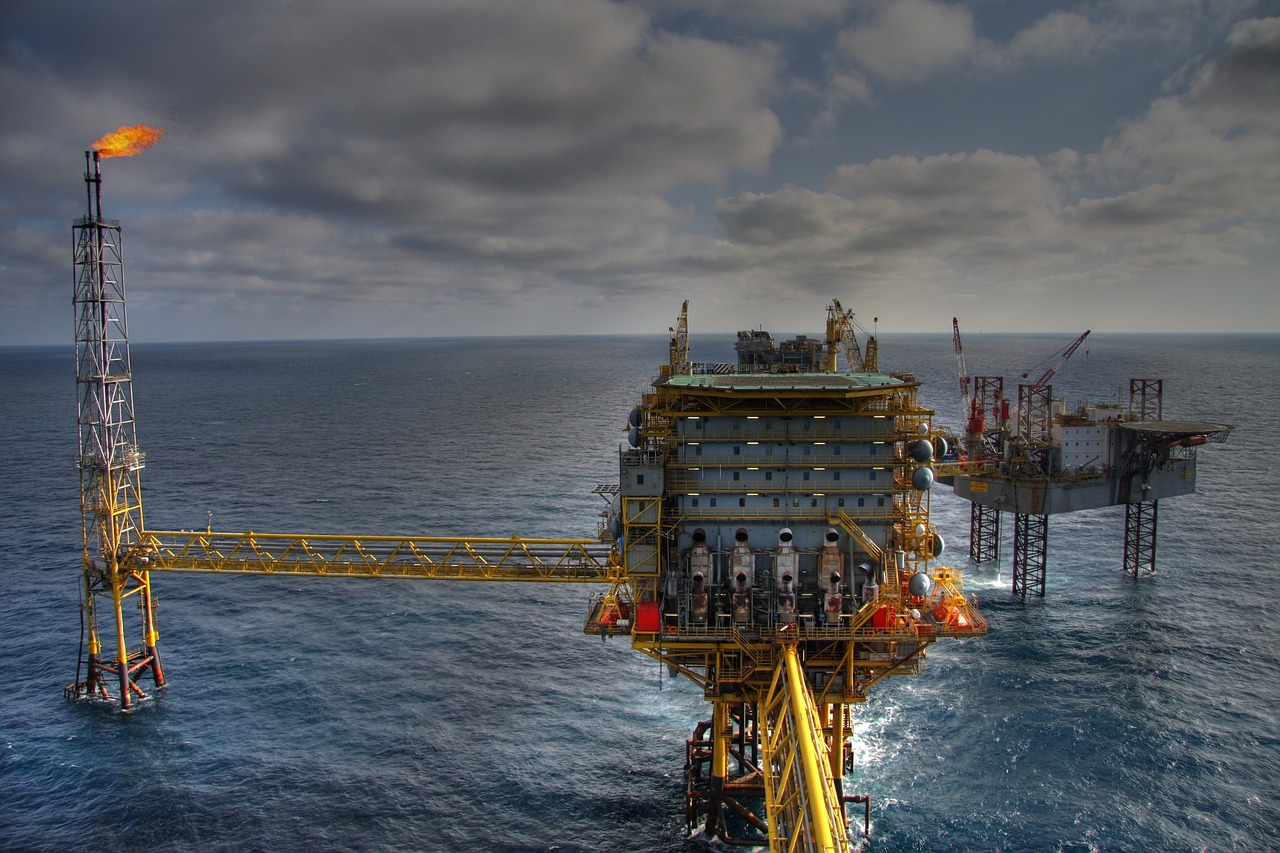
How Big Is Solaris’s Spending Bill?
More than all of its sales. Over the last twelve months, the spending equaled 175.6% of them, against 25.2% in the twelve months to September 2023. The bill is now about 20.8 times what it was, and it is still growing. In the quarter to September 2026, spending was up 783.5% from the same quarter a year earlier. Spending in that earlier quarter was unusually light, coming in well below the quarter before it.
Can Solaris Pay For It?
Not from its business alone. Solaris spent more than its business brought in during the quarter to September 2026. The spending took 261.1% of that cash, against 99.3% in the same quarter a year earlier.
| Fiscal quarter | Capital spending | Cash the business brought in | Cash left over |
|---|---|---|---|
| Q2 FY2025 (ended 2025-06-30) | $185 million | $24.2 million | -$161 million |
| Q3 FY2025 (ended 2025-09-30) | $62.8 million | $63.3 million | $0.462 million |
| Q4 FY2025 (ended 2025-12-31) | $255 million | $95.9 million | -$159 million |
| Q1 FY2026 (ended 2026-03-31) | $343 million | $79.0 million | -$264 million |
| Q2 FY2026 (ended 2026-06-30) | $492 million | $186 million | -$305 million |
| Q3 FY2026 (ended 2026-09-30) | $555 million | $212 million | -$342 million |
Each row is one fiscal quarter. Cash left over is the cash the business brought in minus the spending (free cash flow). The spending leaves out equipment taken on through leases.
So the business no longer covers the bill. Solaris ended September with $399 million in cash and short-term investments, against $2.63 billion of debt. Management says it added new notes and bank commitments in October and is now fully funded to deliver its contracted projects, which means borrowing is paying for the part of the build-out the business cannot cover, for now.
What Has The Spending Bought So Far?
A much bigger business. Sales over the last twelve months were 198.6% higher than in the twelve months to September 2023. The growth has turned Solaris toward power. In fiscal 2025, Solaris Power Solutions brought in 53.6% of the company’s revenue, against 12.3% in fiscal 2024.
The cash is another matter. Over those three years, Solaris spent $2.23 billion in total, while the cash its business brings in each year rose by $485 million. That extra cash would take about 4.6 years to equal what was spent. This is only a rough guide, because not all of the growth came from the spending.
What Must Go Right For Solaris
Management said on its November 5 call that demand for reliable power remains high and that generation equipment is still in short supply. It described customers’ demand for AI as not slowing down. In the week before that call, Solaris signed a 15-year contract to supply about 900 MW of power generation to an existing customer. Management says that contract brings the average length of its contracts to about 11 years.
Management expects its 2027 adjusted EBITDA to be more than double 2026’s, a forecast rather than a result. It has also raised the capital it expects to spend through 2029 by about $600 million to pay for added generation and the equipment around it.
The figure to watch is the cash left after the spending each quarter. That cash was negative, and deeper in the quarter to September than in any of the three quarters before it. Solaris is expected to report its fiscal Q4 2026 results in February 2027.
Want Income That Doesn’t Hang On One Company?
Every single stock carries risks like these. The Trefis Income Solution spreads your money across 50 companies chosen to keep paying dividends, each with at least 10 straight years of dividends, with a yield about 3x the S&P 500.
Spot an error or want more like this? Tell us in 10 seconds.