
PG&E Stock’s Biggest Risk Is California’s Wildfire Rules
Today’s big story: Anthropic IPO: Priced For 2031, Or 2036?
PG&E (PCG) stock lost 16.8% over the twelve months to November 17, 2026, while the S&P 500 returned 10.3%. That is a hard year for a utility whose management reaffirmed its 2026 earnings guidance on its October 22 call. On that same call, management pointed to a problem that threatens its investment plans, and said it has already cut spending because of it. So what is that problem, and who besides management is worried about it?
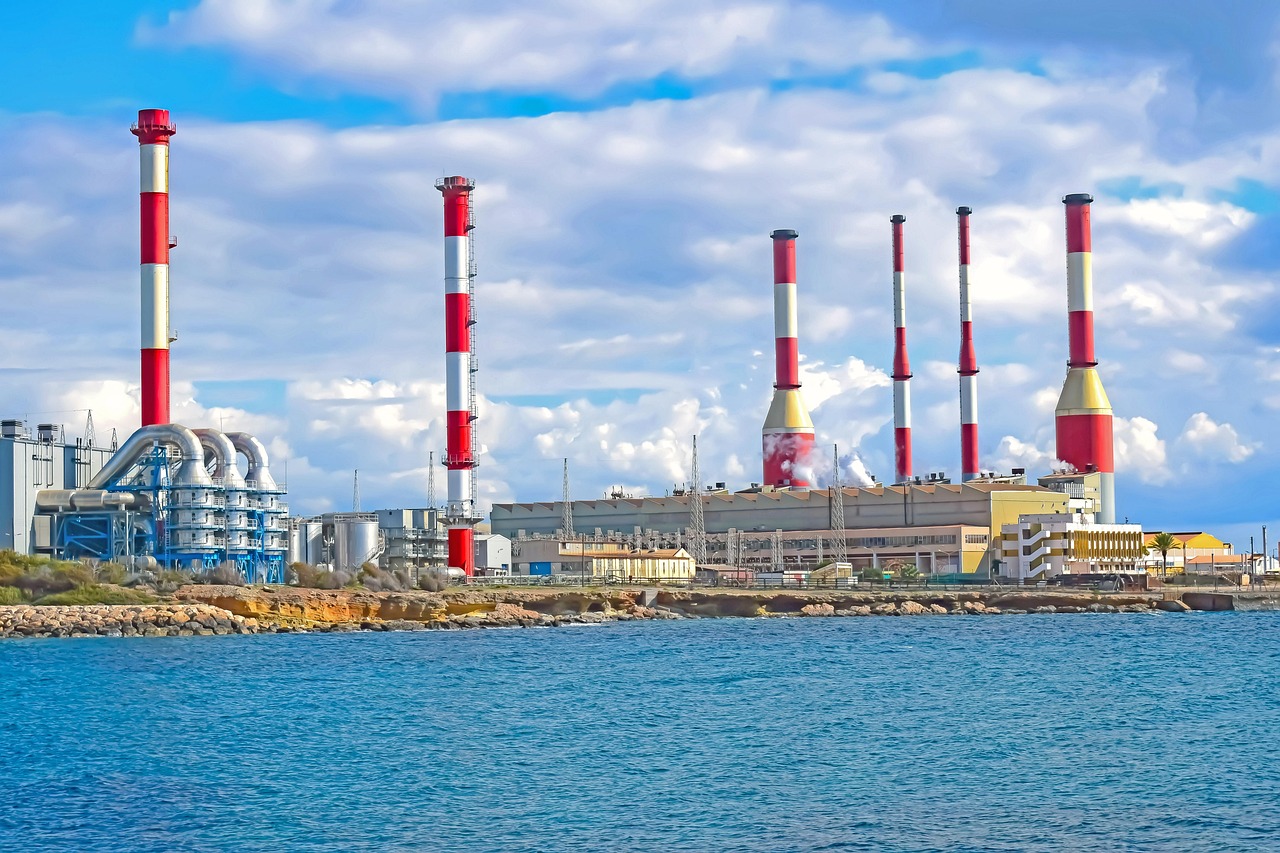
PG&E Is Pushing California For New Wildfire Rules
The problem is California’s wildfire liability framework. On the October 22 call, management said PG&E needs a framework that supports affordable access to capital. Without one, it cannot keep investing in its system at the current pace. Management also said lawmakers had not acted so far in 2026. Citing high financing costs, PG&E has already cut $2 billion from its 2027 capital plan. It has also begun telling customers that their projects may be delayed.
Management is not the only one raising the issue. Management said the rating agencies see policy risk as the main barrier to a better credit rating for PG&E. During the quarter, Fitch revised its outlook on the company to negative. So the threat lies in the rules California sets for its utilities.
How Much Does PG&E Depend On Debt?
PG&E relies heavily on borrowed money. It pays for its investment with debt as well as its own cash. Its debt stood at $65.5 billion at the end of September. That debt equals 219.6% of PG&E’s market value at the November 17 close, against 19.8% for the S&P 500. Utilities borrow more than most companies, but PG&E stands out even among them. Of five large utility peers, Exelon carries the most debt for its size, at about 1.1 times its market value.
PG&E’s borrowing needs are growing. Its free cash flow was negative $4.98 billion over the four quarters to September 30, 2026, against negative $2.77 billion a year earlier. Management plans to raise $4 billion to $5 billion of utility debt to help pay for its 2027 investments. Management also put a figure on the cost of weaker credit. Debt PG&E issued while rated below investment grade since 2017 will cost customers an extra $4 billion in interest over its life.
PG&E stock is already priced low against the market and its own past. The stock closed on November 17, 2026, 28.4% below its high close of $18.92 on March 2. That was its highest close of the past year. It trades at 9.6 times earnings, against 22.0 for the S&P 500. At the end of September 2026, its price-to-sales ratio of 1.0 had been lower at only 11 of the last 40 quarter ends.
How Serious Is The Threat For PG&E Shareholders?
The threat is real and has already led PG&E to cut its 2027 capital plan, but it is slow to resolve. With no new law as of the October 22 call, management is weighing other options. On corporate structure, these range from ring fencing to sales and separations. It expects to share the outcome of that strategic review no later than summer 2027. Management has also said PG&E would not issue equity at the current stock price. It has already addressed its expected equity needs through 2030, management said.
The operating record gives some comfort. Management said PG&E is in its fourth year without a major wildfire linked to its equipment. It also said PG&E’s rate of fire ignitions, adjusted for weather, has fallen 74% since 2017. Two things are worth watching. One is the outcome of the strategic review, due by summer 2027. The other is PG&E’s total debt at its next report, expected in February 2027.
PG&E shareholders are now waiting on California’s lawmakers, and no one can say when they will act. Growing your wealth should not have to mean losing sleep over a wait like that.
What If You Could Grow Wealth And Still Sleep At Night?
PG&E is 28% below its highest close of the past year. How has that felt? The Trefis Income Solution pays a dividend yield about 3x the S&P 500’s, and in backtests it lost less than the S&P 500 in all 9 big selloffs since 2018.
Spot an error or want more like this? Tell us in 10 seconds.