
What Could Go Wrong At Chevron From Here?
Chevron (CVX) stock has returned 42% over the twelve months to October 8, 2026, comfortably ahead of the S&P 500’s gain of about 17%. With elevated oil prices, investors currently assume the energy producer can continue selling its fuel wherever it pays best. Yet this week, the company’s chief executive issued a public warning about a potential policy that could upend this strategy. So what is Chevron’s management worried about?
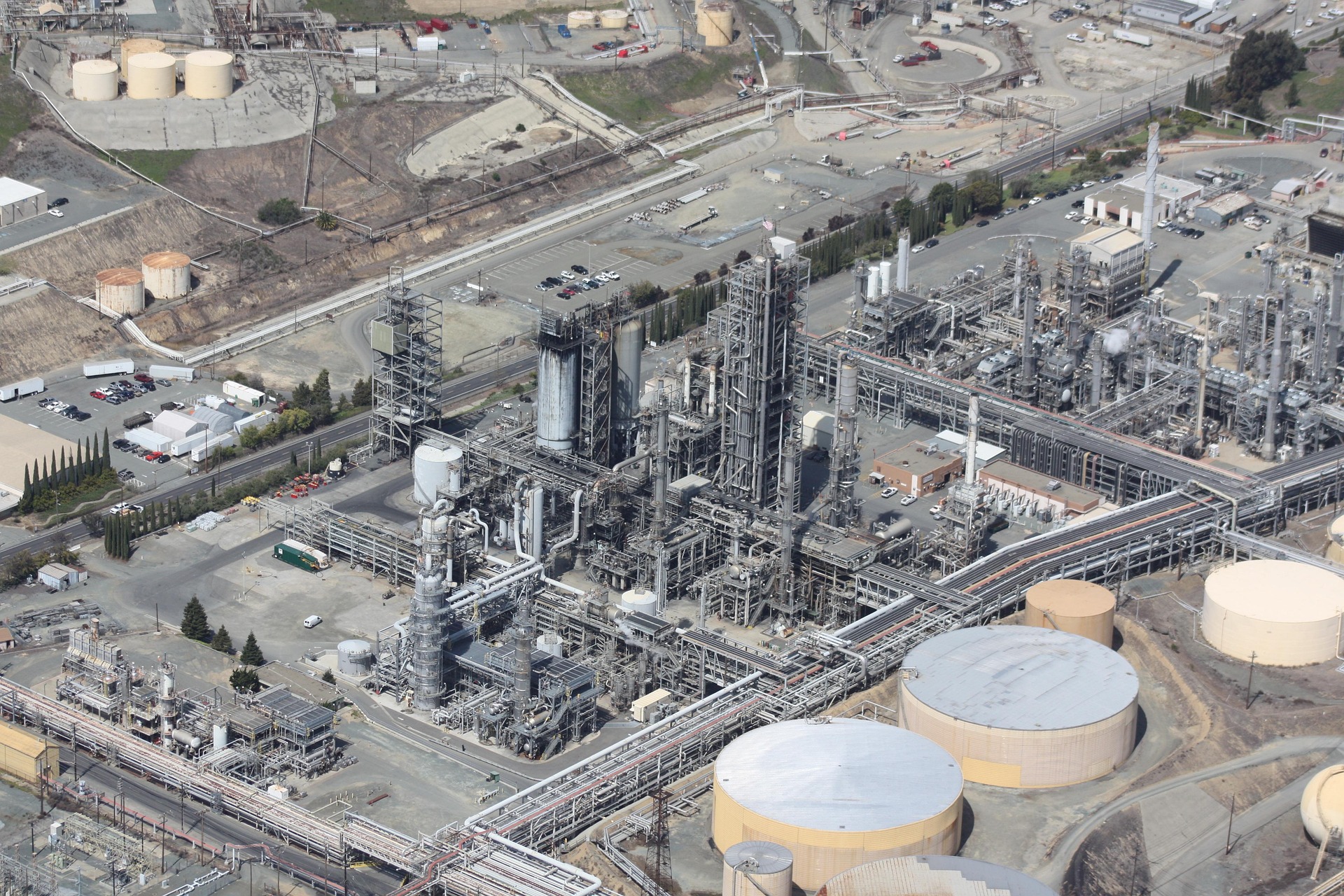
Chevron Is Warning Against A Diesel Export Ban
According to a CNBC report on October 7, 2026, Chevron’s chief executive warned against implementing a ban on diesel exports. He called the policy unwise and suggested it could make things worse.
This caution arrives during a tense period for oil. In the same interview, he said the oil buffers that limited crude price increases earlier in the Iran war have been drained, leaving the system more vulnerable to disruption.
For shareholders, an export ban would place a limit on where Chevron may sell its diesel. For now, the prospect remains a warning rather than a formal rule, and President Trump has reportedly backed away from the idea since the G7 agreed to release emergency fuel reserves.
How Much Of Chevron Would A Diesel Ban Touch?
A potential U.S. diesel export ban would target Chevron’s largest division by revenue, Downstream, which generated $130.9 billion in external revenue in fiscal 2025. Refined product marketing and distribution fall under Downstream, whereas the Upstream division brought in $53.5 billion in external revenue over the same period.
Including sales between Chevron’s own units, which are eliminated in the reported totals, Downstream recorded $142.4 billion and Upstream $88.4 billion.
Downstream contracted last year even without trade restrictions. Because diesel exports represent only a fraction of total Downstream sales, an export ban would not endanger the entire segment. It would, however, place a new constraint on a division whose revenue shrank in 2025, even though Chevron’s sales have since rebounded, rising 51.4% from a year earlier in the latest quarter.
Furthermore, the stock leaves little room for a setback. As of October 8, 2026, Chevron shares sit 2.9% below their 52-week high. They trade at 2.0 times sales, and over the past ten years, the highest that multiple reached was 2.2.
How Worried Should Chevron Shareholders Be?
Investors should view the risk seriously but avoid treating it as urgent. The threat is worth watching because the CEO spoke out against it, but it remains a warning about a rule that does not exist yet.
Chevron would face any potential ban from a position of some strength. The company recorded a 12.4% operating margin over the last twelve months, up from 8.4% a year ago. Its debt equals 9.0% of its market value, sitting below the 21.0% ratio for the S&P 500.
Government trade policy has rattled the stock before, notably during the 2025 US tariff shock. Chevron shares fell about 15% from peak to trough at that time, though this decline proved smaller than the nearly 19% drop in the S&P 500.
A formal ban would turn the CEO’s warnings into real limits on Downstream sales.
How To Act On CVX?
Now you know CVX better. And that’s our purpose: to make you informed before you invest your money. However, making a bet on a single stock carries its own risks.
There is a smarter choice. Since its inception, the Trefis High Quality (HQ) Portfolio has beaten the benchmark that combines the three major indices – the S&P 500, S&P Mid-cap, and Russell 2000. And it did so without taking the concentrated risk that comes with do-it-yourself stock picking.
If you’d rather act on CVX itself:
| Play Offense | Play Defense |
|---|---|
| Learn More About CVX & Invest | Save Taxes On Capital Gains |
| Earn From CVX Cash Secured Puts | Covered Call Against CVX |