
What Could Surprise United Airlines Stock Investors On The Upside?
For questions about this article or underlying research, email help@trefis.com.
United Airlines (UAL) has a change under way inside its planes that could lift its sales. That matters now: on its October 21, 2026 call, management said it expects fuel to stay elevated for all of 2027 and that it needs to do more to recover those costs. So what is United putting on its planes, and is it paying off yet?
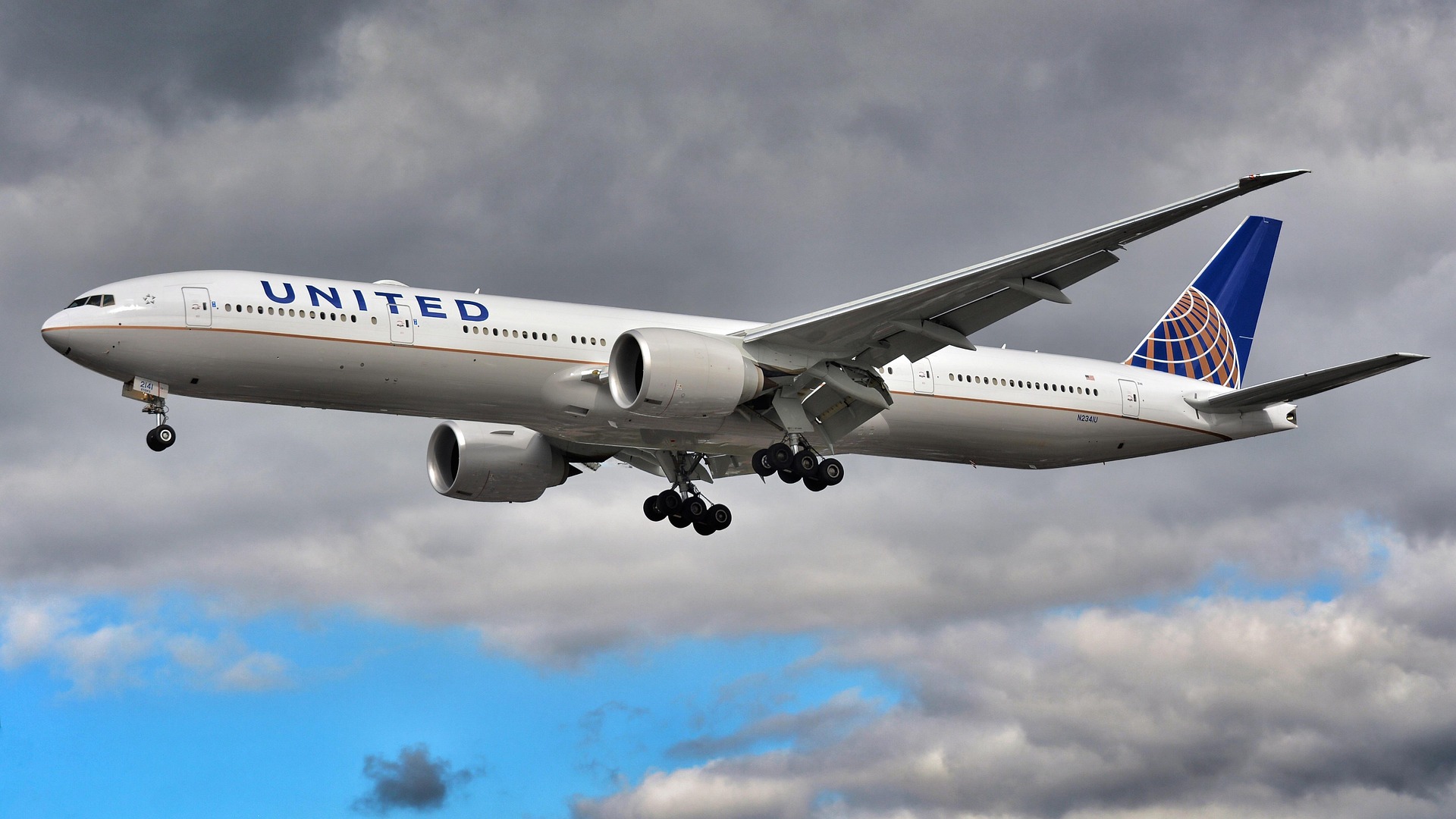
United Is Putting Starlink On Every Jet
United is installing Starlink on all of its jets, both mainline and express, and plans to finish by the end of 2027. On the October 21 call, management said about half of United departures were on Starlink-equipped aircraft and expected that share to reach 61% by the end of 2026. Management also said United offers “more Starlink flights than the entire US airline industry combined.”
Early proof is, by management’s own account, mostly anecdotal. Customers who had flown other airlines for years switched to a United flight solely because of Starlink. Management called the service critical for its business customers, and said it believes they will be a key driver of revenue and share growth in 2027. Most of Starlink’s payoff for United is still ahead.
United’s Sales Rose While Operating Profit Fell
Any lift from Starlink would come on a large business where costs have grown faster than sales. Over the twelve months to September 30, 2026, United’s revenue reached $65.6 billion, up 12.3% from a year earlier. Operating income over the same months fell to $4.17 billion, from $5.17 billion. The customers Starlink is meant to win are already spending more, since United’s business revenue rose 22% in the third quarter from a year earlier.
United trades at 9.9 times earnings, against 21.9 for the S&P 500. The stock closed on November 13, 2026, 19.7% below its highest close of the past year. Over the past twelve months, shares returned 9.3%, against 11.7% for the S&P 500.
Management Says Starlink Alone Probably Falls Short
During the October 21 call, management outlined what United needs to reach its goal of double-digit pretax margins. The company expects a meaningful lift to unit revenue from Starlink in 2027, but said that boost probably is not enough on its own. United probably also needs lower fuel prices, lower industry capacity, or airlines staying willing to fill fewer seats in exchange for higher fares, management said.
Fuel is the clearest risk to a holder. Management said fuel prices drove a $1.8 billion rise in third-quarter expenses from a year earlier, and noted that United recaptured 72% of that increase. The airline then guided fourth-quarter earnings per share of $0.50 to $1.50, against $2.54 in the third quarter.
The balance sheet is a second risk. United’s total debt equals 96.6% of its market value, against 19.6% for the S&P 500.
Starlink remains the opportunity in United’s plans that could still surprise on the upside. When United reports again in January 2027, the number to watch is its unit revenue, what it earns for each seat it flies one mile. That figure rose 15.9% in the third quarter.
Want A Second Look At What You Own?
United Airlines is one decision in a portfolio. Whether you work with an advisor or manage your money yourself, a second look at the whole portfolio costs nothing. Our partner advisory firm offers a free written review of your holdings, fees and income plan, with no need to switch.
Spot an error or want more like this? Tell us in 10 seconds.