
Should You Buy Chevron Stock For Its Cash?
For questions about this article or underlying research, email help@trefis.com.
Chevron (CVX) stock offers a free cash flow yield of 8.4% over the past twelve months, against 4.5% for the median S&P 500 company. A yield that high means one of two things: a business on sale, or a business the market expects to shrink. So what is that cash worth to you as an owner?
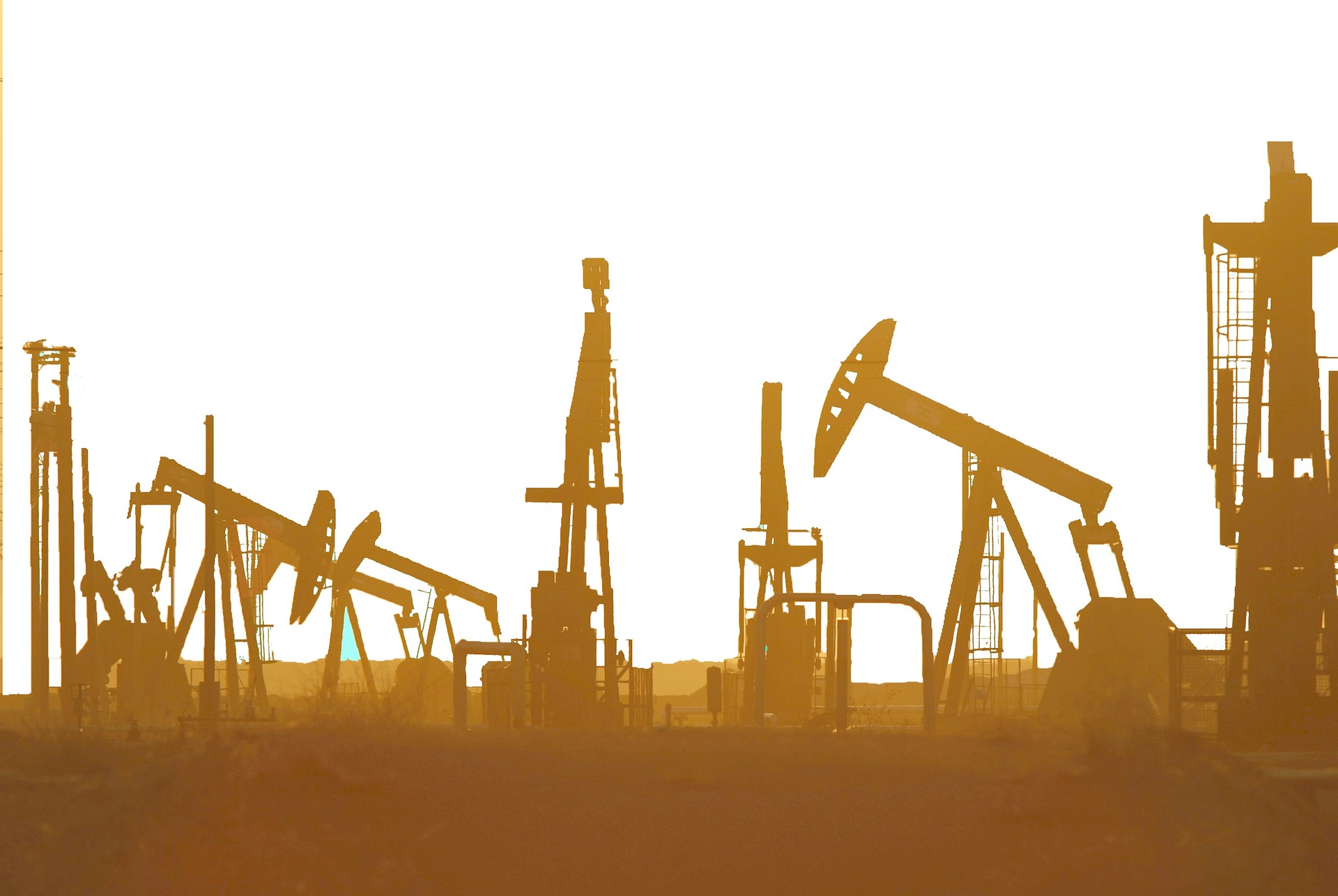
Your Share Of Chevron’s Cash
As a shareholder, you own a slice of the free cash Chevron produces, whether the company pays it out or keeps it. Free cash is what is left after Chevron pays to run the business and covers its capital spending. Cash kept in the company still belongs to you. When buyers come to see that cash, the price tends to follow, and more so when the cash is growing.
How Chevron Makes Its Cash
Chevron pumps oil and gas and refines it into fuel. Its operations brought in $52.0 billion of cash over the twelve months to September 30, 2026. Capital spending took $17.9 billion of that. That left $34.1 billion of free cash flow, more than double the $15.4 billion of a year earlier.
Chevron’s free cash flow more than doubled in a year, to $34.1 billion. If a big part of your savings sits in Chevron, it helps to know what you would do if oil prices fell and that cash shrank. Our partner advisory firm will take your question on a free 30-minute call, by phone or video, with no obligation. Book a free call.
For most of the past three years, the cash was smaller and steadier. In every twelve-month period ending between September 2023 and March 2026, free cash flow stayed between $13.6 billion and $20.4 billion. Then the June and September quarters of 2026 brought in $30.1 billion together. The March quarter before them used more cash than it made.
Chevron owed $33.5 billion on September 30, 2026, against $12.8 billion of cash and short-term investments. Its operating income covered its interest bill 24.2 times over the past twelve months. Management said Chevron cut its debt by more than $3 billion in the September quarter.
Why Buyers Doubt Chevron’s New Cash
The reported figures show a business growing, not shrinking. Chevron’s revenue rose 20.8% over the past twelve months. That followed two years of decline, by 4.2% and then 3.6%. Its operating margin reached 14.6%, against 8.1% a year earlier. On those results, Chevron looks more like a business on sale.
Yet one reading of the high yield is that the 2026 cash came from a price spike that will pass. Oil swung between $68 and $132 a barrel in the September quarter alone, management said on its October 30, 2026 call. On management’s adjusted figures, downstream earnings rose from the June quarter, mainly on higher refining margins and volumes. Earnings from oil and gas production fell from the June quarter. The average prices Chevron realized were lower, it sold less oil and gas, and timing effects hurt.
Management expects refining margins to stay elevated in the short term. It pointed to 10% of the world’s refining capacity sitting offline, with exports reduced due to conflicts. The worry is that the cash may shrink once fuel flows normally again.
Chevron is also adding oil of its own, so not all of its cash rests on price. It plans to double production from its three joint ventures in Venezuela to roughly 600,000 barrels a day by 2031. Management says that program will pay for itself.
What Chevron’s Next Report Will Show
Chevron’s cash has already eased from its peak. Free cash flow was $12.0 billion in the September quarter, down from $18.1 billion in June. Management said sharp price increases late in the quarter hurt working capital, the cash tied up in day-to-day operations. It expects that effect to unwind when prices fall.
Chevron is also increasing its exploration spending by 50% relative to 2025. Its debt is already low. By management’s measure, net debt was 0.4 times cash flow from operations at the end of September.
Chevron is expected to report in January 2027. That report will show the December quarter’s free cash flow beside the two strong quarters before it, and how much Chevron owes at year-end. If that cash stays near the June and September quarters, the 8.4% yield points to a business on sale. If it falls back, the market’s doubt looks right.
Chevron’s cash jumped in 2026, and one stock tied to oil can drop hard when oil prices turn. A group of income stocks that falls less in selloffs is easier to live with.
More Income. Smaller Drops.
Is your portfolio paying you enough? The Trefis Income Solution holds 50 dividend stocks yielding about 3x the S&P 500, each with at least 10 straight years of dividends. It lost less than the S&P 500 in all 9 big selloffs since 2018. Why not choose a better approach?
Spot an error or want more like this? Tell us in 10 seconds.